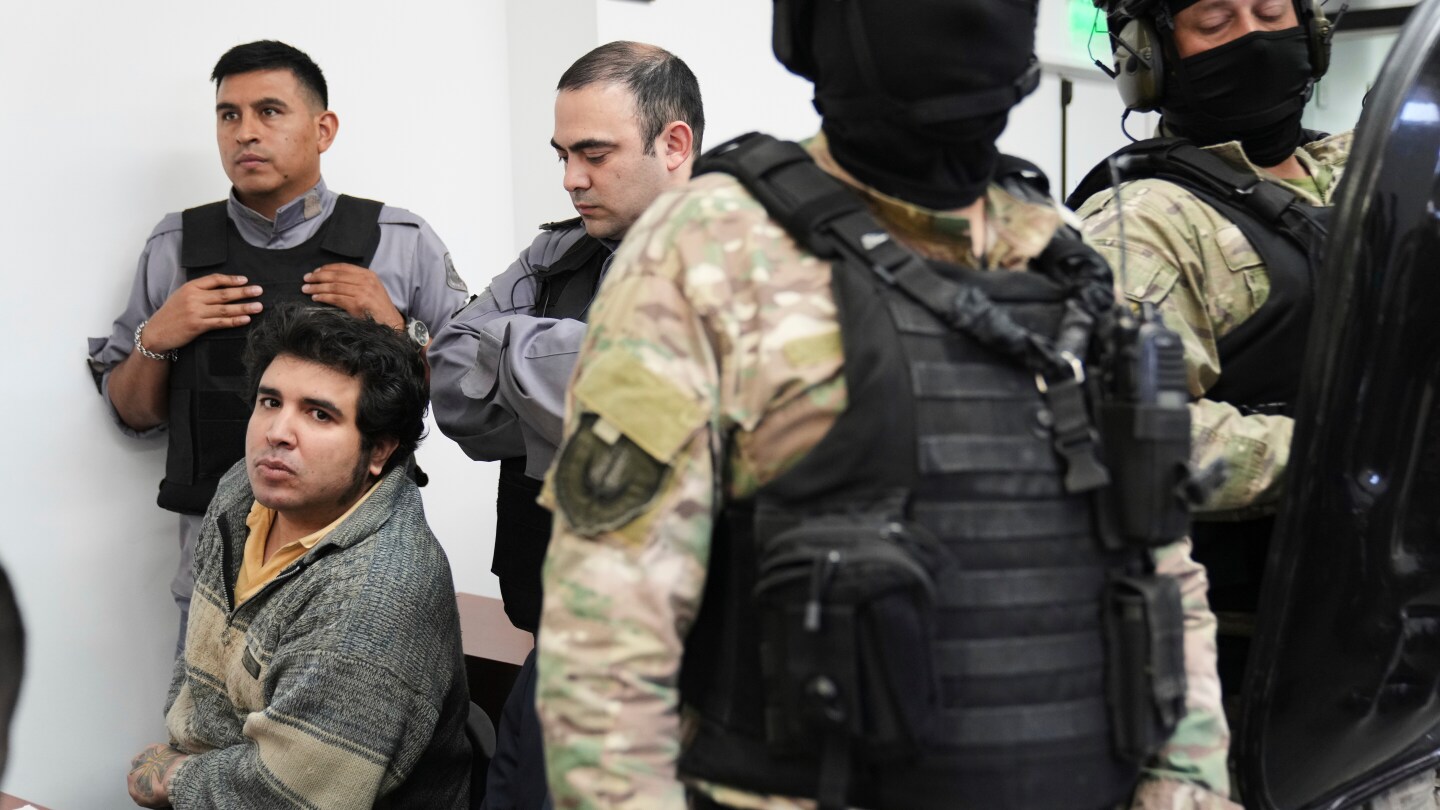
In a landmark ruling, an Argentinian court has sentenced Fernando Sabag Montiel to 10 years in prison for his failed attempt to assassinate former President Cristina Fernández de Kirchner in September 2022. His accomplice, Brenda Uliarte, received an eight-year sentence. The dramatic incident, which unfolded outside Fernández’s Buenos Aires residence, saw Sabag Montiel point a loaded gun at her face and pull the trigger, but the weapon malfunctioned, leaving her unharmed. The case has deeply divided Argentina, with Fernández’s supporters staging protests while critics fueled conspiracy theories. Fernández, a polarizing figure in Argentinian politics, is known for her left-wing populism, which critics blame for the country’s economic struggles, including rampant inflation and fiscal deficits. Earlier this year, Fernández was convicted of corruption and sentenced to six years in prison, though she is serving her sentence under house arrest due to safety concerns. Despite her legal troubles, she remains politically active, voicing opposition to current President Javier Milei and maintaining a strong presence on social media. The trial revealed that Sabag Montiel and Uliarte had meticulously planned the attack, including surveilling Fernández’s routines. Sabag Montiel confessed, claiming his actions were motivated by Fernández’s alleged corruption, while Uliarte denied involvement.
作者: admin
-
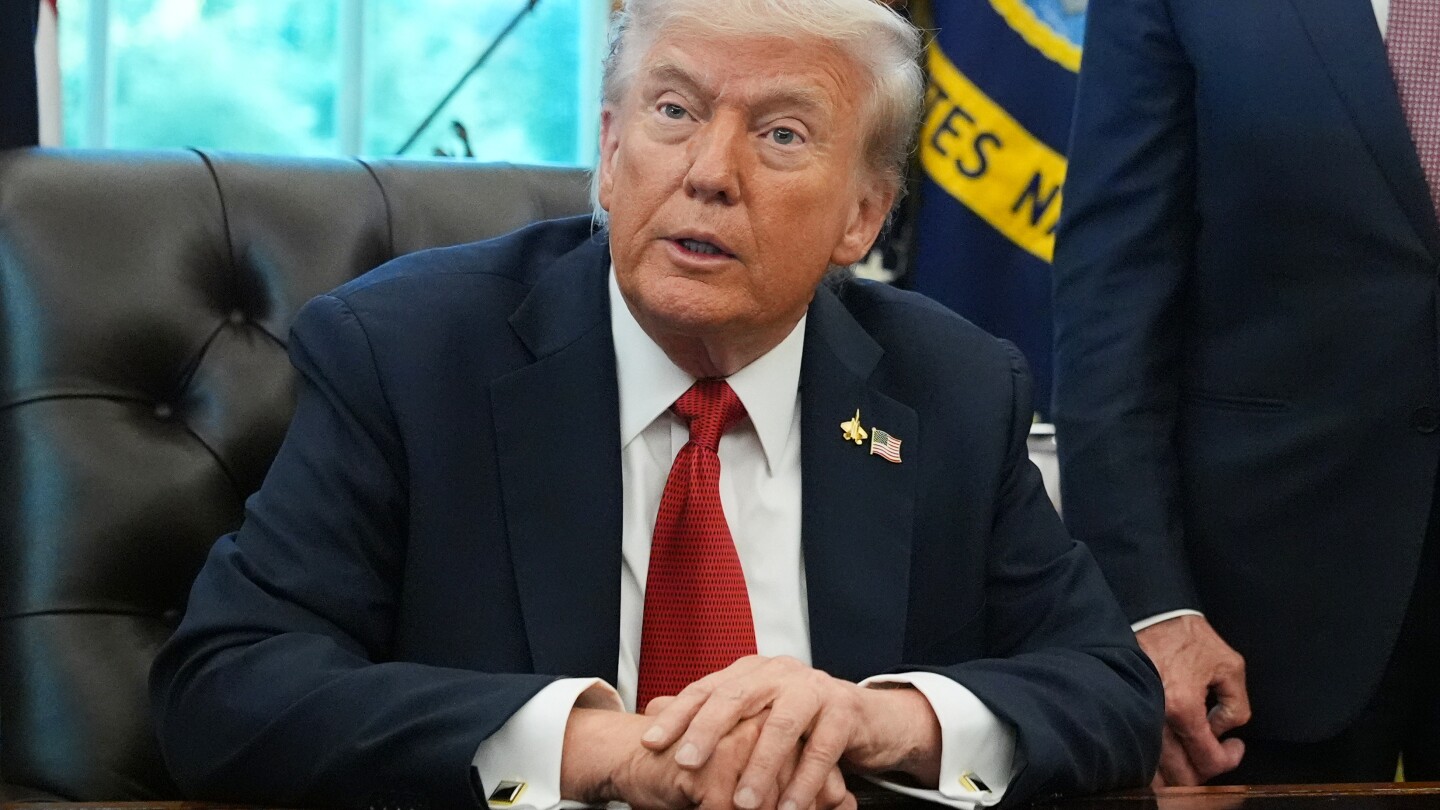
Arrivals of international students to the US dropped almost a fifth in August, data shows
The United States has witnessed a significant drop in international student arrivals, with a 19% decline in August compared to the same period in 2024, according to preliminary data from the National Travel and Tourism Office. This marks the latest indication of the challenges faced by American universities in attracting foreign students, exacerbated by the Trump administration’s intensified scrutiny of student visas and travel restrictions. August, typically the peak month for international student arrivals, saw only 313,138 students this year, continuing a downward trend observed in June and July. The federal government’s crackdown on student visas has raised concerns among industry groups, warning of potential budget shortfalls and a diminished global standing for U.S. colleges. Last year, approximately 1.1 million international students contributed significantly to tuition-driven institutions, as they are ineligible for federal financial aid and often pay full tuition. Visa challenges and travel bans have further complicated matters, with the State Department pausing visa interviews in late May and imposing new social media vetting rules. The travel ban affecting 19 countries, predominantly in Africa, Asia, and the Middle East, has added to the uncertainty, leading to notable declines in student arrivals from these regions. For instance, India, the largest source of international students, saw a 45% drop. Some students already in the U.S. have avoided traveling abroad this summer, fearing reentry issues. The political climate and cost concerns have also deterred prospective students, with some opting for institutions in other countries like Germany and the United Kingdom. Higher education consultants emphasize the need for caution and backup plans in the current environment, as the presumption of continuity in U.S. admissions processes may no longer hold.
-
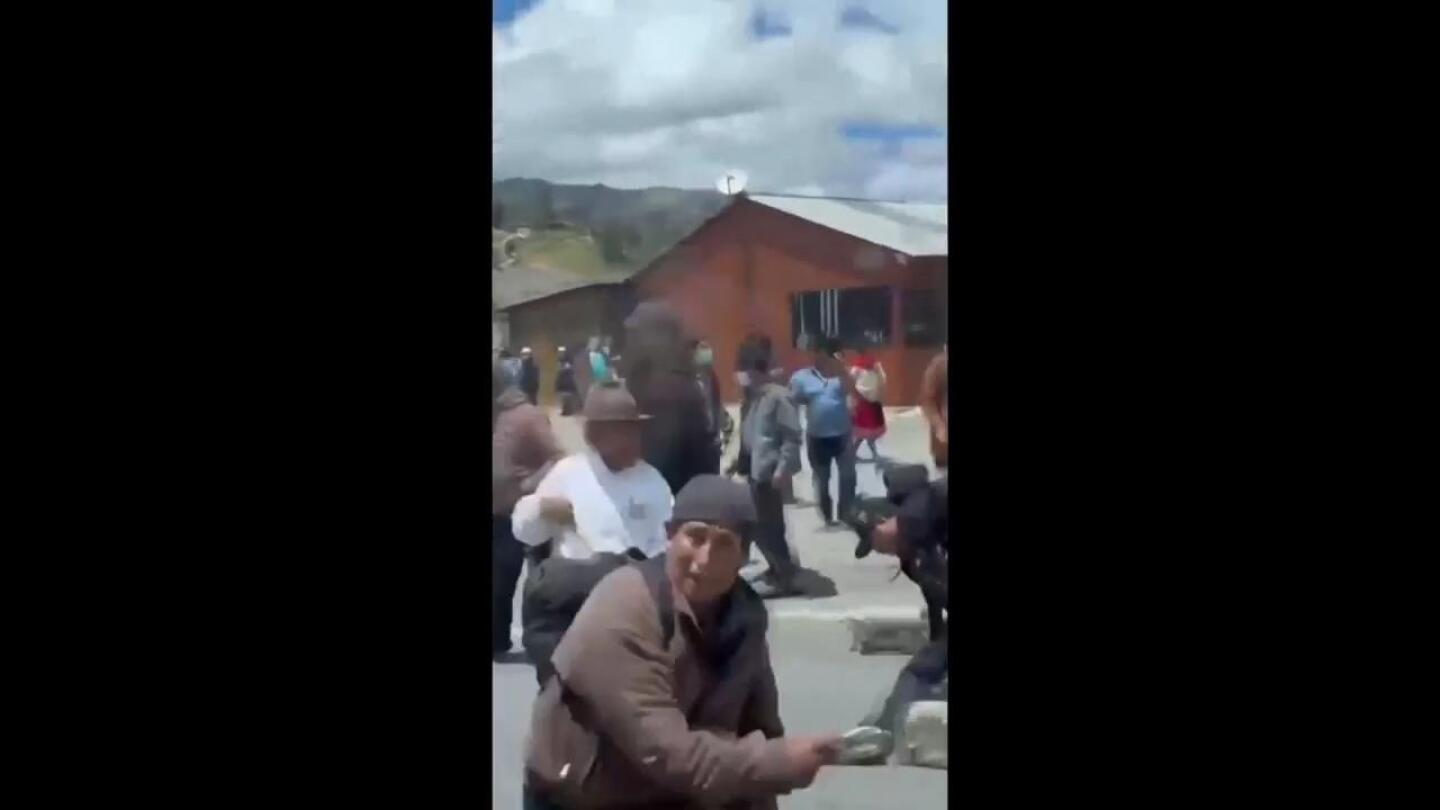
Noboa’s motorcade attacked with rocks in Ecuador in what government calls an assassination attempt
Ecuador is grappling with escalating tensions as President Daniel Noboa’s motorcade was targeted by protesters in what his Cabinet has labeled an assassination attempt. The incident occurred amidst widespread anti-government demonstrations triggered by the removal of a fuel subsidy, which has caused diesel prices to surge from $1.80 to $2.80 per gallon. The protests, led by Ecuador’s largest Indigenous group, have paralyzed parts of the country, prompting Noboa to declare a state of emergency across 10 provinces. Defense Minister Gian Carlo Loffredo condemned the attack, describing it as an act of terrorism. However, a judge later ruled the arrest of five suspects illegal, leading to their release and complicating the investigation. The Confederation of Indigenous Nationalities of Ecuador accused the government of provoking the incident to justify its harsh policies, while defense attorney Yaku Pérez asserted the suspects’ innocence. International figures, including U.N. Secretary-General António Guterres and the U.S. State Department, have condemned the violence, urging peaceful dialogue. The unrest follows a violent clash between police and Indigenous protesters last week, resulting in casualties and arrests. Noboa, who initially enjoyed Indigenous support, now faces growing opposition as his administration struggles to address the crisis.
-
American mistakes handing China short-term gains
The dynamics of US-China relations can be examined through three distinct lenses: short-term, medium-term, and long-term perspectives. In the immediate context, China has secured four significant outcomes: halting rare earth exports to counter US tariffs, leveraging military displays to deter US aggression, weakening India’s alignment with the US, and boosting trade surpluses with third countries despite declining exports to the US. These maneuvers reflect China’s strategic agility in navigating geopolitical tensions. In the medium term, however, China’s alliances with Russia and Iran have proven costly, draining resources and entangling Beijing in conflicts that may not yield favorable outcomes. The long-term outlook remains uncertain, particularly regarding China’s ability to address structural issues such as its massive trade surplus and currency convertibility. Historically, similar challenges contributed to the downfall of the Ming and Qing dynasties. Today, China’s ambition to dominate global trade hinges on adopting free-market principles, which could paradoxically lead to de-industrialization. Meanwhile, the US faces its own set of challenges, including declining alliances and a lack of cohesive long-term strategies. While China appears to have a plan, its domestic economic woes, such as rising debt and a collapsing real estate sector, pose significant risks. Ultimately, the future of US-China relations will depend on how both nations navigate these complex and interconnected challenges.
-

Ban plant-based ‘burger’ label, EU Parliament urges
The European Parliament (EP) has taken a significant step toward restricting the use of meat-related terms like ‘burger’ and ‘steak’ for plant-based alternatives. In a 355-247 vote, lawmakers supported the proposal, which aims to prevent plant-based products from being marketed with labels traditionally associated with meat. This move is seen as a win for livestock farmers, who argue that such labeling practices threaten their industry and livelihoods. However, the proposal is not yet law, as it requires approval from the European Commission and the governments of all 27 EU member states. The plant-based food industry has seen rapid growth in recent years, driven by increasing consumer interest in meat-free diets. Critics of the proposal, including environmentalists and liberal lawmakers, argue that it is unnecessary and could hinder sustainability efforts. Key players in the German food industry, such as Aldi, Lidl, and Burger King, have also opposed the ban, stating that it would confuse consumers. Meanwhile, supporters, including German Chancellor Friedrich Merz and the French meat industry, emphasize the need for clear labeling. This proposal follows a similar, unsuccessful attempt in 2020.
-
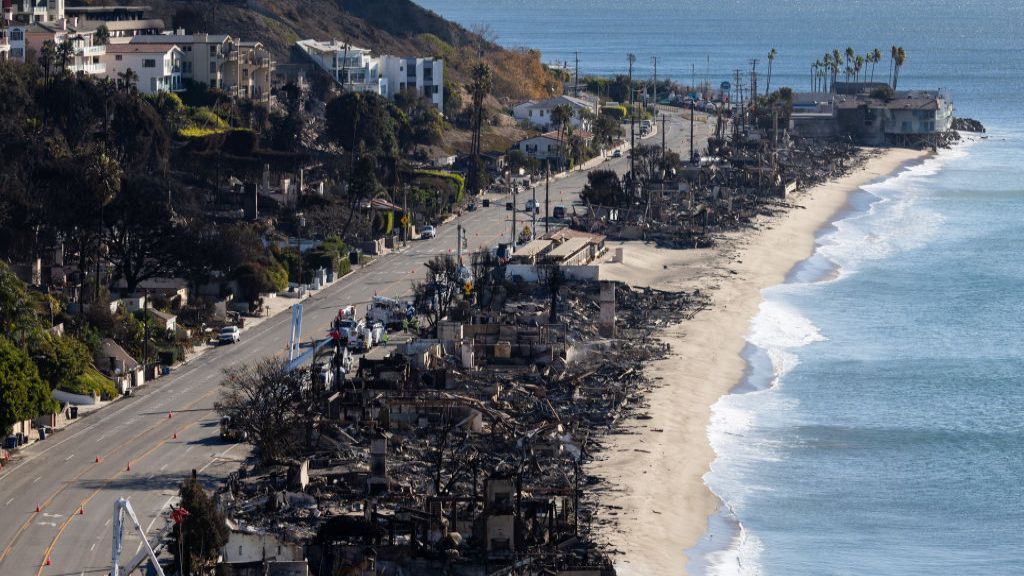
ChatGPT image snares suspect in deadly Pacific Palisades fire
A 29-year-old man, Jonathan Rinderknecht, has been apprehended on suspicion of starting the catastrophic Pacific Palisades fire in Los Angeles, which claimed 12 lives and obliterated over 6,000 homes in January. According to the U.S. Justice Department, evidence retrieved from Rinderknecht’s digital devices included an AI-generated image of a burning city, created using ChatGPT. The fire, which ignited on January 7 near a popular hiking trail in the affluent coastal neighborhood, smoldered underground for days before erupting above ground. Concurrently, the Eaton Fire, which broke out the same day in the Los Angeles area, resulted in 19 fatalities and the destruction of approximately 9,400 structures, though its cause remains undetermined. Rinderknecht, a former resident of Pacific Palisades who relocated to Florida post-fire, was arrested on Tuesday and charged with destruction of property by means of fire. Acting U.S. Attorney Bill Essayli stated that further charges, including murder, may be forthcoming. Rinderknecht allegedly ignited the fire with an open flame after completing an Uber ride on New Year’s Eve. The blaze, which spread days later, became one of the most devastating in Los Angeles history, destroying homes of several celebrities, including Mel Gibson, Paris Hilton, and Jeff Bridges. Rinderknecht is set to appear in court in Orlando, Florida, on Wednesday.
-
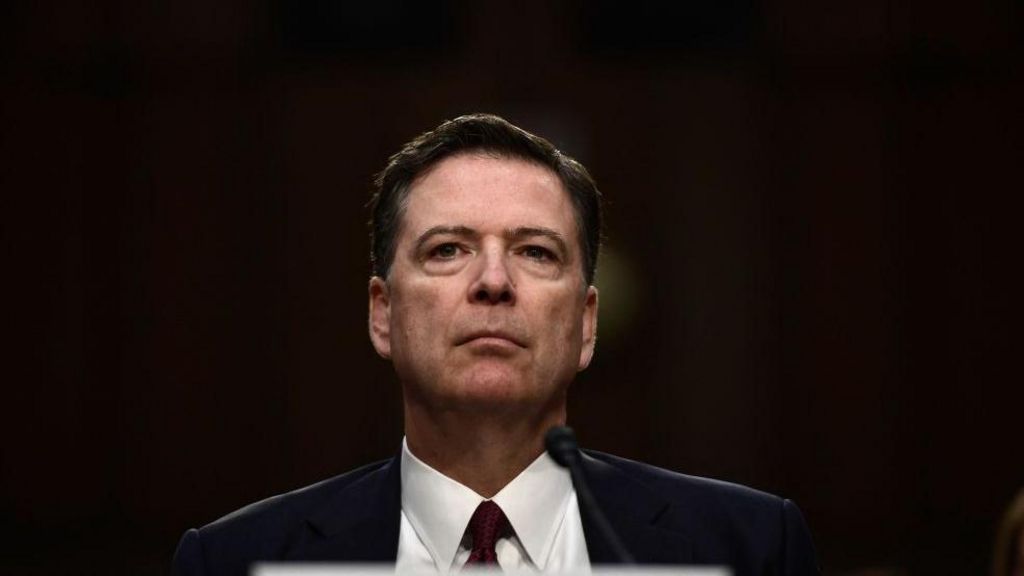
Ex-FBI director James Comey pleads not guilty to federal charges
James Comey, the former director of the US Federal Bureau of Investigation (FBI), has entered a plea of not guilty to charges of making false statements to lawmakers and obstructing a congressional proceeding. The plea was submitted on his behalf by his attorney, Patrick Fitzgerald, in a federal court in Alexandria, Virginia, on Wednesday. Fitzgerald argued that the case should be dismissed, citing political targeting due to Comey’s criticism of former President Donald Trump. The indictment followed Trump’s public urging of his attorney general to take legal action against Comey. A trial date has been set for January 5, with Comey’s legal team seeking a swift resolution. Fitzgerald also indicated plans to file motions to dismiss the case, claiming the prosecution is vindictive and that the appointment of the US attorney overseeing the case was unlawful. The case was initially handled by Erik Siebert, a Virginia prosecutor who resigned under pressure from Trump after failing to bring criminal charges against another political adversary, New York Attorney General Letitia James. Trump subsequently appointed Lindsey Halligan to take over the case. Comey appeared in good spirits during the court proceedings, accompanied by his wife, Patrice Failor, and daughter Maureen Comey, a federal prosecutor who was recently dismissed by the Trump administration. Comey, who served as FBI Director from 2013 to 2017, was fired early in Trump’s presidency while leading an investigation into Russian election interference and potential links to Trump’s campaign. His tenure was marked by controversy, including his announcement of an investigation into Hillary Clinton’s use of a private email server just days before the 2016 presidential election. Since leaving government, Comey has been a vocal critic of Trump. The charges against him stem from allegations that he lied to Congress during a 2020 Senate Judiciary Committee hearing about the FBI’s investigations into Clinton and Russia. Prosecutors also accuse him of obstructing the panel. In a video posted to Instagram after his indictment, Comey maintained his innocence and accused Trump of behaving like a ‘tyrant,’ vowing to stand up to him. The charges were filed after Trump publicly demanded his attorney general prosecute Comey.
-
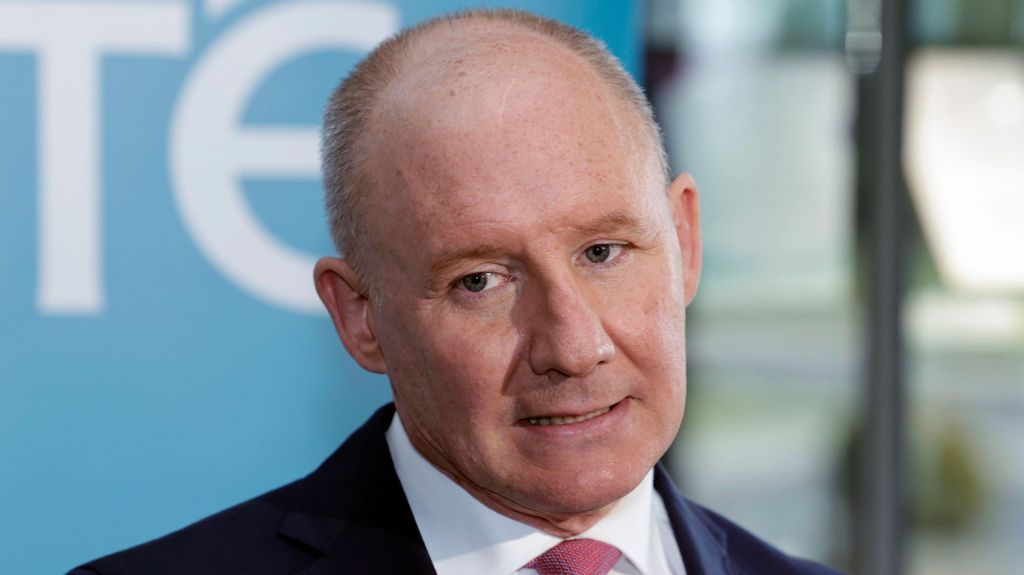
Jim Gavin to pay back €3.3k to former tenant after dispute
Jim Gavin, the former Irish Presidential candidate for Fianna Fáil, has agreed to repay €3,300 (£2,870) owed to a former tenant, Niall Donald, following a financial dispute that dates back 16 years. The controversy, which emerged during Gavin’s campaign, led to his withdrawal from the presidential race over the weekend. Donald, deputy editor of the Sunday World Newspaper and co-host of the ‘Crime World’ podcast, publicly detailed the ‘complicated’ financial issue, stating that he had overpaid rent due to a banking error and had struggled to recover the funds. Gavin’s legal representative has now confirmed that the repayment will be made, pending clarification of two unspecified issues. The dispute has sparked internal criticism within Fianna Fáil, with party leader and Taoiseach Micheál Martin facing scrutiny for his endorsement of Gavin. Donald expressed sympathy for Gavin, acknowledging the pressure he faced during the campaign, but emphasized the financial hardship the overpayment caused him. The incident has raised questions about the handling of the controversy by Fianna Fáil and the broader implications for the party’s leadership.
-
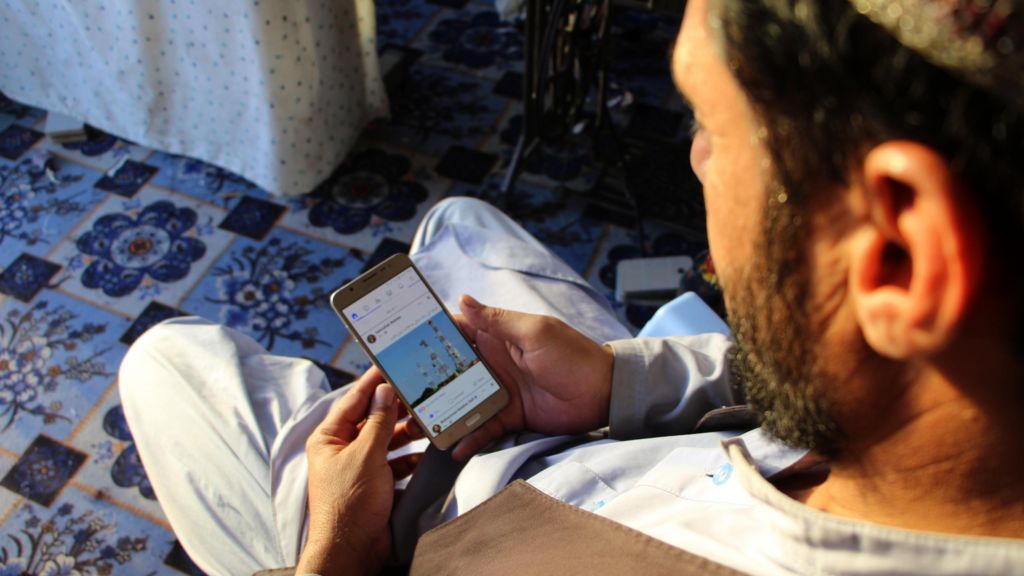
Social media content restricted in Afghanistan, government sources confirm
The Taliban-led government in Afghanistan has implemented stringent restrictions on social media platforms, including Facebook, Instagram, and X (formerly Twitter), according to sources from the Ministry of Communications and Information Technology. While the specific criteria for content filtering remain unclear, users in Kabul have reported issues such as unviewable videos on Facebook and restricted access to Instagram. These measures follow a recent two-day nationwide internet and telecommunications blackout, which caused widespread disruptions to businesses, emergency services, and daily life. The blackout, which ended with public relief, heightened concerns about the further isolation of women and girls, whose rights have been severely curtailed since the Taliban regained power in 2021. Social media users across various provinces have reported limited access to platforms since Tuesday, with some experiencing severely slow internet speeds or complete outages of fibre optic connections. A government source stated that the filtering measures are widespread and cover most provinces, though no formal explanation has been provided. Cybersecurity organization NetBlocks confirmed the intentional nature of these restrictions, noting intermittent accessibility on smartphones. The Taliban’s actions align with their interpretation of Islamic Sharia law, which has led to numerous societal restrictions, including bans on education for girls over 12 and the removal of books authored by women from universities. For Afghan women, the internet has been a crucial connection to the outside world, making these restrictions particularly impactful.
-

Four dead after six-storey building partially collapses in Madrid
A tragic incident unfolded in the heart of Madrid as a six-storey building undergoing refurbishment partially collapsed, resulting in the deaths of four individuals. The building, located on Hileras Street, was being converted into a four-star hotel when the disaster struck. Madrid’s mayor, Jose Luis Martinez-Almeida, confirmed that the bodies of the last two missing persons were recovered on Wednesday morning, approximately 15 hours after the collapse. The victims included a 30-year-old Spanish woman overseeing the project and three male workers from Mali, Guinea, and Ecuador, aged between 30 and 50. Three others sustained injuries in the incident. Emergency services, equipped with drones and sniffer dogs, conducted extensive search and rescue operations. Two bodies were retrieved on Tuesday night. Martinez-Almeida expressed his condolences, stating, “All our love and support go to their families, friends, and colleagues in this very difficult time.” A construction worker recounted escaping the scene after witnessing a massive dust cloud. Despite the internal collapse, the building’s façade remained intact. Authorities have initiated an investigation into the cause of the collapse. The developer, Rehbilita, described the renovation as “comprehensive” on its website.