作者: admin

  • Solaren rolls out “ASK SOLAREN” interactive solar intelligence platform

    Solaren rolls out “ASK SOLAREN” interactive solar intelligence platform

    Solaren Renewable Energy Solutions Corp. has unveiled a groundbreaking digital platform called ASK SOLAREN, marking a significant advancement in renewable energy technology accessibility. This engineering-driven interface, currently in its testing phase, represents a sophisticated approach to solar energy consultation through direct website integration via custom API.

    The innovative platform specializes in addressing complex technical and financial inquiries encompassing solar photovoltaic systems, battery storage solutions, inverter technology, grid integration protocols, net metering arrangements, and power quality assessments. Beyond technical consultation, ASK SOLAREN incorporates comprehensive financial modeling capabilities including detailed return-on-investment projections, payback period analyses, tariff structure comparisons, demand-charge impact evaluations, and battery economics scenario planning.

    A distinctive feature of the platform is its ability to interpret utility bills and consumption patterns, enabling precise system sizing for residential, commercial, and industrial applications. The system dynamically adapts responses based on geographic location, tariff frameworks, load profiles, and specific business requirements. Additionally, it provides practical explanations of regulatory frameworks to facilitate informed project evaluation and strategic planning.

    Unlike conventional AI systems, ASK SOLAREN is built upon actual field installation experience, engineering-based design principles, and commercial energy strategy models. The platform functions as a continuously available digital interface designed to guide users through the entire decision-making process, from initial inquiry to structured energy solutions.

    The company’s CEO emphasized that their primary objective was to transform engineering expertise and practical field experience into an interactive system capable of delivering structured, actionable outputs to users worldwide. This launch positions Solaren at the forefront of digital transformation in the renewable energy sector, potentially revolutionizing how consumers and businesses approach solar energy adoption.

  • ‘Have heart’: Jailed Filipina parents urge Marcos clemency for daughter in prison for 16 yrs

    ‘Have heart’: Jailed Filipina parents urge Marcos clemency for daughter in prison for 16 yrs

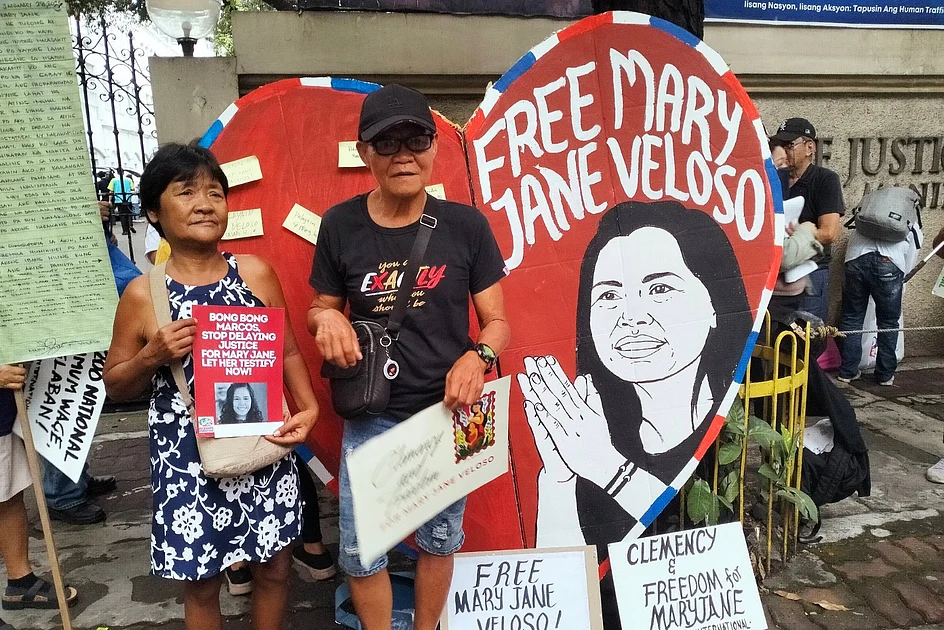
    The parents of Mary Jane Veloso, a Filipino migrant worker imprisoned for 16 years, staged a protest outside the Philippine Department of Justice on Monday, urgently appealing to President Ferdinand Marcos Jr. for executive clemency. Despite being repatriated from Indonesia fourteen months ago, Veloso remains incarcerated in Manila awaiting formal release orders.

    Celia Veloso, the detainee’s mother, publicly emphasized the President’s constitutional authority to grant pardon, specifically requesting that Marcos personally visit her daughter to hear her plea firsthand. Veloso was originally convicted by an Indonesian court in 2010 for narcotics smuggling but consistently maintained she was an unwitting drug mule manipulated by human traffickers.

    Her case underwent a significant development when Indonesian President Probowo Subianto authorized her transfer to the Philippines in late 2024, where her death sentence was automatically commuted to life imprisonment due to the absence of capital punishment in Philippine law.

    Legal representatives, including Edwin dela Cruz of the National Union of Peoples’ Lawyers, argue that Veloso’s continued detention lacks legal basis as she faces no pending charges in Philippine courts. This position is strengthened by the successful prosecution of her recruiters on human trafficking charges in Philippine courts, which substantiates her claim of being victimized by criminal syndicates.

    Human rights organization Migrante International has joined the family’s campaign, highlighting the judicial recognition of Veloso’s status as a trafficking victim rather than a criminal offender. The case continues to draw attention to the vulnerabilities of overseas workers and the complex interplay between international drug enforcement and human trafficking protections.

  • More third-country nationals have been deported by the US to Cameroon, lawyers tell AP

    More third-country nationals have been deported by the US to Cameroon, lawyers tell AP

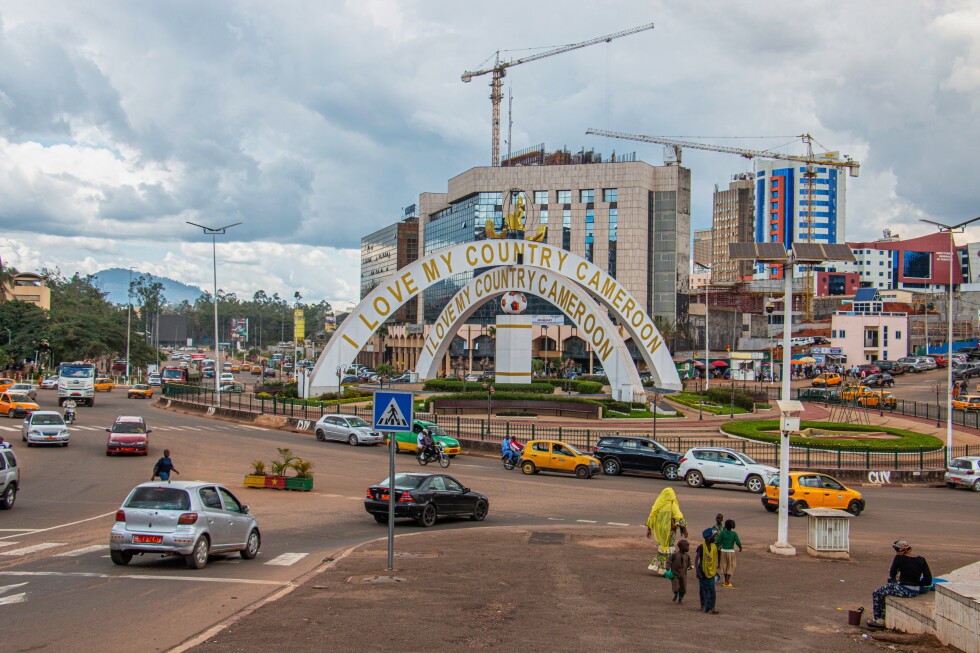
    The United States has executed a second deportation flight transporting non-Cameroonian nationals to Yaoundé, according to legal representatives familiar with the matter. This development follows the recent revelation that nine African migrants from various countries were secretly relocated to Cameroon in January through a controversial immigration program.

    US-based attorney Alma David of Novo Legal Group confirmed the arrival of eight third-country nationals aboard Monday’s flight to the Cameroonian capital. Both David and Cameroon-based lawyer Joseph Awah Fru, who are providing legal assistance to the previously deported group, anticipate extending counsel to the newly arrived deportees.

    “My immediate priority is addressing their state of shock,” Fru stated regarding the psychological impact on deportees.

    The Trump administration’s program, which involves transferring migrants to nations without established connections, has drawn significant criticism after documents revealed that eight of the nine individuals deported in January possessed protection orders from US immigration judges. These judicial protections prohibited their return to home countries due to credible fears of persecution, torture, or violence—particularly concerning LGBTQ+ individuals and political activists.

    Cameroon becomes the latest participant in a series of agreements with at least seven African nations, including South Sudan, Rwanda, Uganda, Eswatini, Ghana, and Equatorial Guinea. State Department records indicate that some countries have received multimillion-dollar payments to accept deported migrants, though specific terms of the Cameroon arrangement remain undisclosed.

    According to a Senate Foreign Relations Committee report compiled by Democratic staff, the administration has allocated approximately $40 million to deport nearly 300 migrants to non-native countries across Africa and Central America. Internal documents reviewed by the AP reveal 47 third-country agreements in various negotiation stages, with 15 finalized and 10 nearing completion.

    The State Department declined to comment on diplomatic communications but affirmed that “implementing the Trump Administration’s immigration policies remains a top priority,” emphasizing their “unwavering commitment to end illegal and mass immigration.”

    Human rights advocates express grave concerns that deporting migrants to countries with documented human rights abuses—particularly under Cameroon’s long-standing President Paul Biya—creates risks of denied due process and potential mistreatment. This concern echoes the situation in Eswatini, where four deportees have been held without charges in maximum-security confinement for over six months despite completing US criminal sentences.

  • Abu Dhabi Police warn of renewed fraud tactics during Ramadan

    Abu Dhabi Police warn of renewed fraud tactics during Ramadan

    Abu Dhabi Police have launched a critical public security alert warning residents of sophisticated fraud schemes expected to escalate during the upcoming Ramadan period. As part of their comprehensive ‘Stay Alert’ awareness campaign, authorities are highlighting how criminal elements are systematically exploiting the charitable spirit associated with the holy month to perpetrate financial crimes.

    According to official security advisories, fraudsters are deploying multiple deceptive tactics including fabricated charitable donation requests, counterfeit Ramadan product promotions, and sophisticated financial scams conducted through telephone communications and text messaging systems. These criminal operations frequently involve the distribution of fraudulent electronic links, unauthorized requests for banking information updates, and false prize notification schemes designed to harvest sensitive financial data.

    Police authorities have emphasized that legitimate government institutions and financial organizations never solicit confidential banking details or personal information through unsolicited phone calls or text messages. The public is strongly advised to exercise extreme caution when encountering unknown advertisements or messages circulating through social media platforms and chat applications, particularly those leveraging Ramadan-themed generosity appeals.

    For charitable contributions during the holy month, residents are directed exclusively to officially licensed charitable organizations through legally approved donation channels. The police have established dedicated reporting mechanisms for suspicious activities, including the emergency fraud hotline 8002626 and text alert system 2828, encouraging proactive community participation in combating financial crimes.

    This security initiative forms part of broader preventive measures aimed at protecting residents during periods of heightened religious significance when criminal elements typically intensify their exploitation of community goodwill and traditional practices.

  • Sharjah announces Ramadan timings for trucks to ease traffic flow

    Sharjah announces Ramadan timings for trucks to ease traffic flow

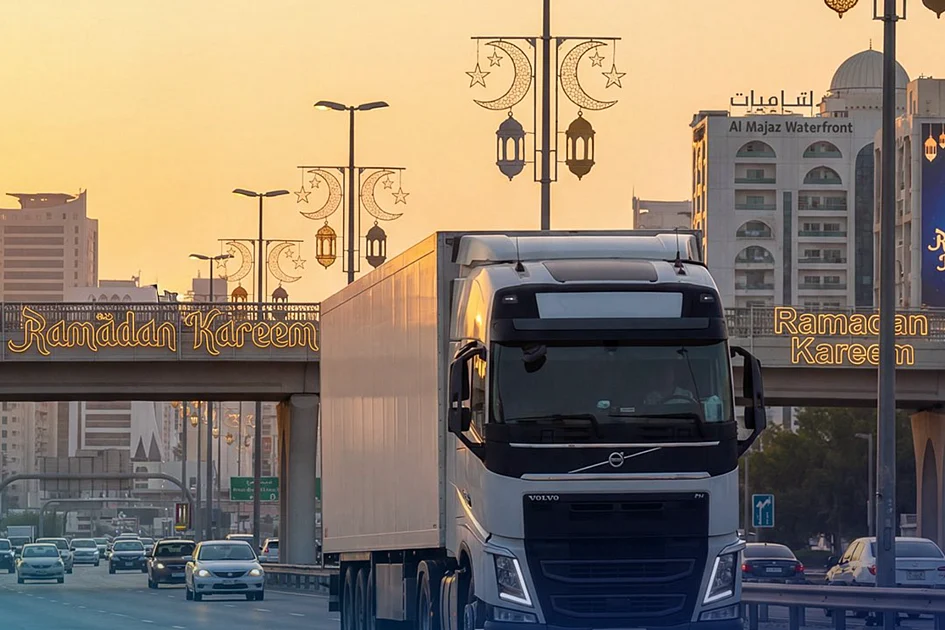
    In preparation for the upcoming holy month of Ramadan, the Sharjah Roads and Transport Authority (SRTA) has collaborated with the Sharjah Police General Headquarters to implement revised commercial truck movement restrictions. These strategic measures, announced on February 16, 2026, aim to optimize traffic flow and enhance road safety during periods of heightened vehicular activity characteristic of the Ramadan period.

    The newly established regulations will enforce truck bans during two critical time windows: morning restrictions from 6:30 AM to 10:00 AM, followed by evening limitations from 2:00 PM to 8:00 PM. These coordinated efforts specifically target peak traffic hours when altered work schedules and increased pre-iftar movement traditionally create congestion challenges across the emirate.

    Key transportation corridors will operate under specialized schedules. Al Dhaid Road (stretching from Intersection 7 to Al Dhaid City) and the bidirectional Al Habab–Al Madam–Emirates Bypass Road will observe morning restrictions exclusively. Meanwhile, the Emirates Bypass Road (Dubai toward Sharjah direction up to Intersection 7) will maintain additional evening limitations alongside morning controls. Notably, Sheikh Mohammed bin Zayed Road will implement overnight restrictions from midnight to 5:30 AM.

    These proactive measures reflect the authorities’ commitment to addressing the unique traffic dynamics that emerge during Ramadan, when shifting daily routines and increased social activities significantly impact road usage patterns. The coordinated approach between transportation and law enforcement agencies demonstrates Sharjah’s comprehensive strategy for maintaining urban mobility while prioritizing public safety during this spiritually significant period.

  • UAE’s Careem launches feature to double tips for drivers during Ramadan

    UAE’s Careem launches feature to double tips for drivers during Ramadan

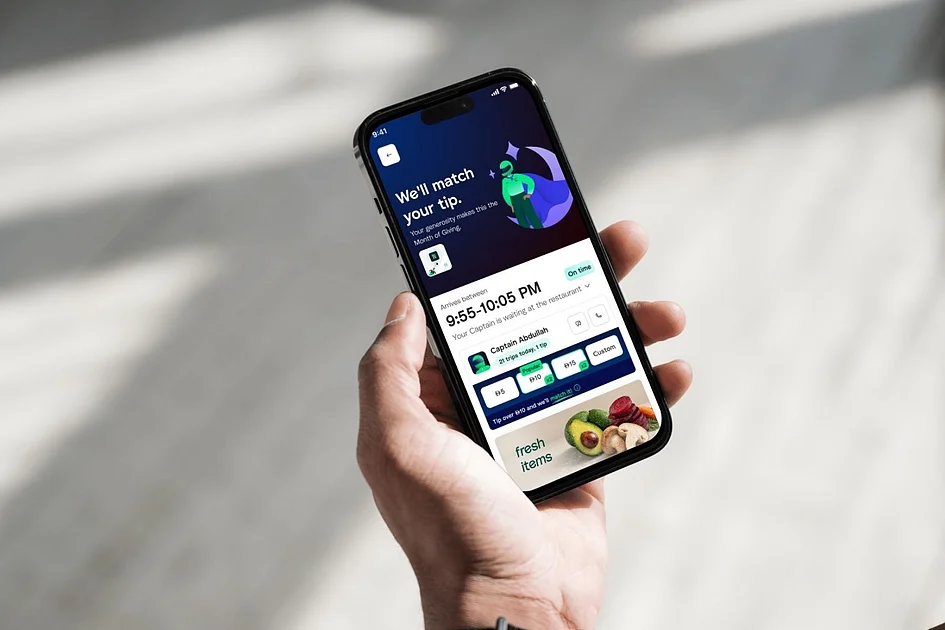
    In a significant corporate social responsibility initiative during the holy month of Ramadan, UAE-based mobility platforms Careem and Hala have unveiled a comprehensive support program for their workforce. The companies have introduced a limited-time ‘tip matching’ feature that will effectively double gratuities for all delivery riders and taxi drivers operating across the Emirates.

    The innovative program, active from February 18 through March 19, 2026, will match all customer tips of Dh10 or higher, substantially increasing earnings for the platform’s contracted workers. To access this benefit, customers must utilize the latest version of the Careem application when booking rides through Careem or Hala Taxi services, or when placing orders via Careem Food, Quik, Shops, or Box.

    Beyond the financial component, the initiative includes a substantial meal program that will provide daily Iftar provisions to all drivers and delivery personnel throughout Ramadan. This ensures that those breaking their fast while working can enjoy nutritious meals during this sacred period.

    The technological infrastructure guarantees that 100% of tips—including the matched amounts—are immediately transferred to the workers’ Careem Pay accounts, enabling instant access to funds and seamless bank transfers.

    Testimonials from long-serving drivers highlight the transformative impact of gratuities. Muhammad Shahbaz, a five-year veteran from Gujarat, Pakistan, emphasized how tips directly contribute to family welfare, including housing construction and children’s education. Similarly, Adeel Muhammad, with seven years of service from Punjab, Pakistan, noted how accumulated tips have enabled him to build a two-story home, educate his four children, and support his mother’s medical needs.

    This initiative represents one of the most substantial driver support programs launched in the UAE’s gig economy during Ramadan, combining immediate financial benefits with essential sustenance support.

  • EU Commission to attend Trump’s Board of Peace meeting as observer

    EU Commission to attend Trump’s Board of Peace meeting as observer

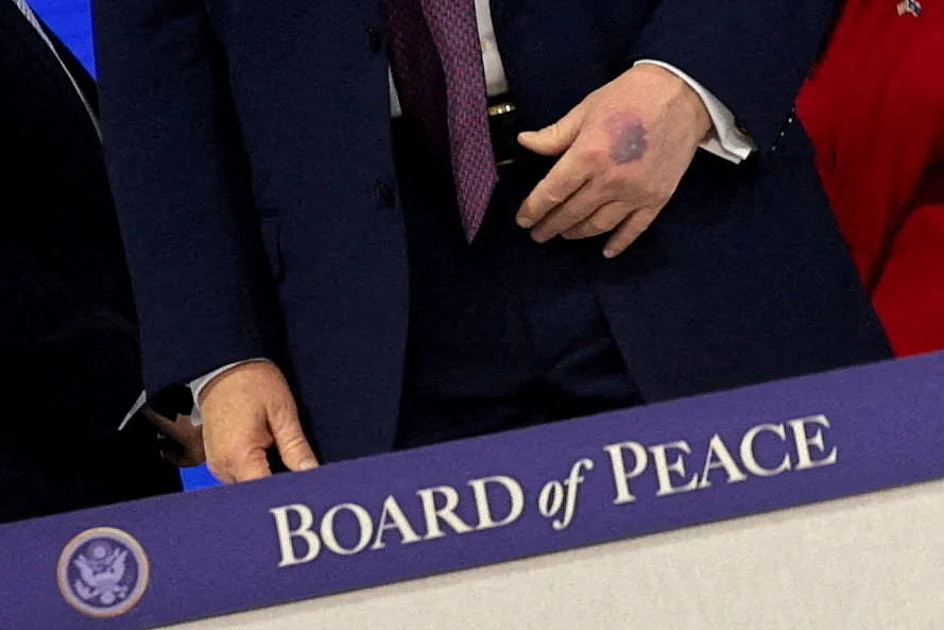
    The European Union Commission has confirmed its participation in former US President Donald Trump’s newly established ‘Board of Peace’ meeting in Washington this week, though officials emphasized the bloc will attend strictly in an observer capacity rather than as a formal member.

    EU Commissioner Dubravka Šuica will represent the Commission at the gathering, which marks Trump’s latest diplomatic initiative addressing the Gaza conflict. The development comes amid ongoing international efforts to broker and sustain a ceasefire between Israel and Hamas.

    Commission spokesperson Guillaume Mercier clarified the EU’s position during a press briefing on Monday, stating: “The EU Commission is not becoming a member of the board of peace; we are participating in this meeting precisely in our longstanding commitment to the implementation of the ceasefire in Gaza, as well as to take part in international efforts to support reconstruction and the post-war recovery in Gaza.”

    The diplomatic move demonstrates the EU’s cautious engagement with Trump’s initiative while maintaining its independent diplomatic stance. The Commission’s participation reflects the bloc’s substantial financial and humanitarian investment in Gaza reconstruction efforts, which aligns with the Board’s stated objective of mobilizing resources for the territory’s recovery.

    Trump previously announced that Board of Peace members had pledged over $5 billion for Gaza assistance, though specific donor commitments remain unclear. The former president has also extended invitations to Egyptian President Abdel Fattah el-Sisi and Turkish President Recep Tayyip Erdoğan to participate in the initiative.

    The EU’s decision to attend as an observer rather than a full member suggests careful diplomatic positioning, allowing the bloc to monitor developments while preserving its established coordination role with other international mediators including the United Nations and Arab states.

  • Occupation, PA inaction and financial troubles drive education crisis in Palestine

    Occupation, PA inaction and financial troubles drive education crisis in Palestine

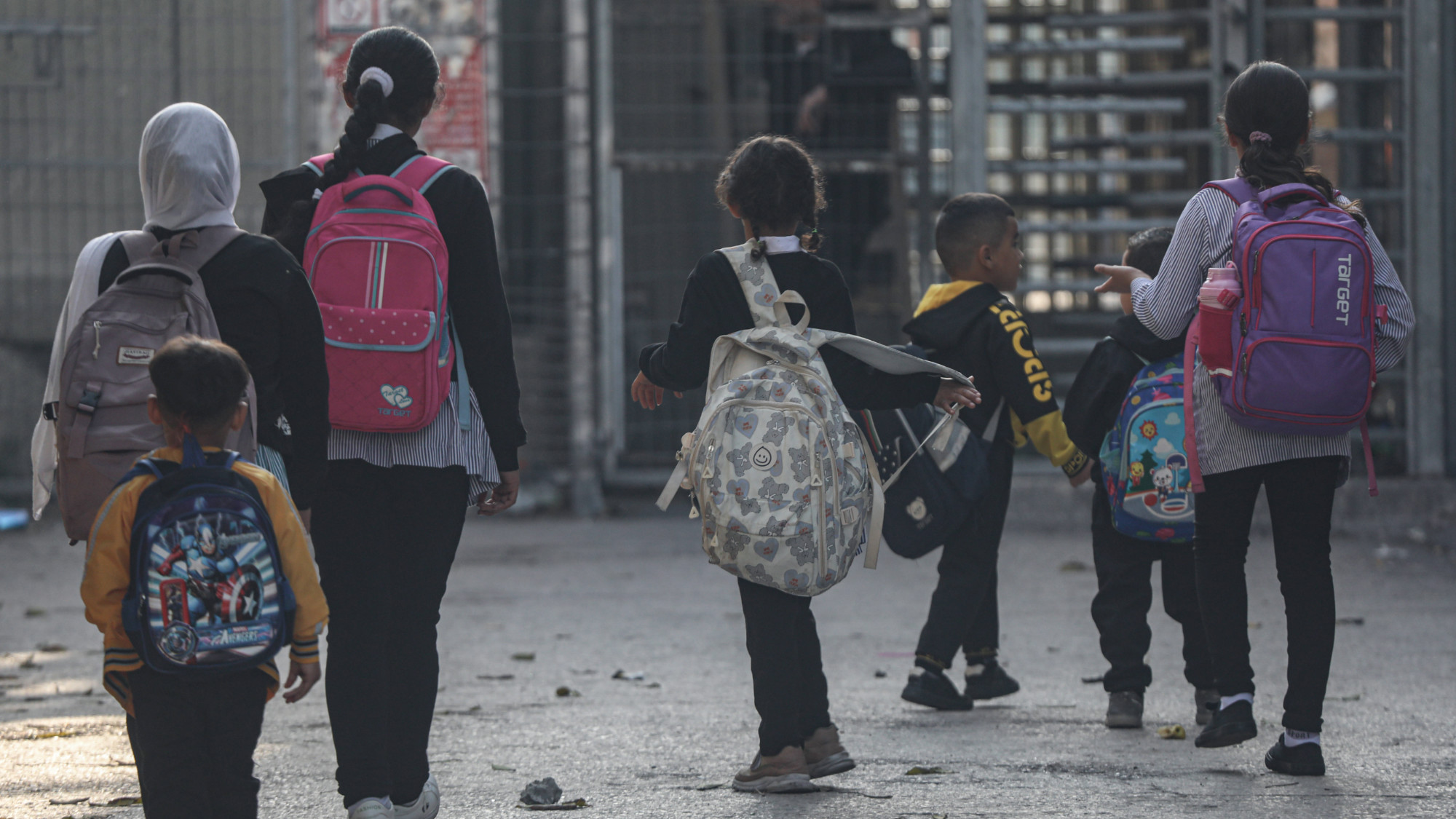
    The Palestinian education system is experiencing a severe deterioration as a result of a protracted financial crisis within the Palestinian Authority (PA), compounded by the challenges of Israeli occupation. This has led to significant reductions in teaching hours, irregular salary payments for educators, and a dramatic decline in student performance.

    Nevine Hamad, a resident of Ramallah in the occupied West Bank, has witnessed her son Jalal al-Din’s academic abilities weaken considerably. Once ranked among the top three in his class, his skills have regressed since Year Seven. He attends a government school that was initially established as a model institution with modern facilities and advanced teaching programs, but the educational environment has deteriorated over the past three years.

    The crisis originated in 2021 when the PA began paying public sector employees partial salaries, sometimes as low as 60% of their full pay, and often irregularly. Education staff, who constitute more than half of all public sector workers, responded with prolonged strikes, further disrupting a system already struggling to recover from the COVID-19 pandemic.

    At the start of the 2025/2026 academic year, the Ministry of Education reduced the school week to just three days after delaying the term by a week. This marked the second reduction in two years, following a previous cut from five to four days. Consequently, students have effectively lost half of their classroom time and curriculum coverage.

    The impact on educational outcomes is now evident. Performance has dropped significantly, particularly in reading and writing. Parents and educators warn of ‘slow illiteracy’ in a society where education was historically a defining strength. Despite attempts to compensate with online lessons, parents acknowledge they cannot replace formal schooling, especially for complex subjects.

    According to retired education supervisor Majed Abu Dawood, the Palestinian curriculum adopted in 2017 was designed for 182 school days. The compressed schedule has forced teachers to shorten explanations and deliver dense information in 40-minute lessons, overwhelming students. The ministry has attempted to address this through summarized ‘teaching packets,’ but completing the curriculum remains practically impossible.

    Naseem Kabha, a member of the Palestinian Education Coalition, reports that government school students in the West Bank attended no more than 50 days in the first term of the current academic year—a learning loss of nearly half the curriculum. This has resulted in what Kabha describes as ‘educational alienation,’ with deficits accumulating as students move up grades without mastering foundational skills.

    The crisis has fragmented education across the occupied Palestinian territories. While most government schools in the West Bank operate three days weekly, public schools in occupied East Jerusalem and private schools continue full-time schedules. In Gaza, the Israeli genocide since 2023 has left hundreds of thousands of students without access to education altogether.

    In some areas of the West Bank, schooling has been completely halted due to prolonged military raids and settler violence. Seven-year-old Ghouson Yousef Kaabneh, displaced with her family due to settler attacks, exemplifies this reality. Despite bringing her Year Two textbooks during displacement, she has been unable to enroll in school due to safety concerns and distance.

    Officials acknowledge the decline but offer limited solutions. Ayoub Alian, assistant undersecretary for educational affairs at the Ministry of Education, admits student performance is falling but attributes the crisis to circumstances beyond the ministry’s control, citing the challenges of operating ‘under occupation and without funding.’

    Saed Erziqat, head of the Teachers’ Union, emphasizes that restoring full salaries would resolve the immediate issue, while Rifat al-Sabbagh of the Palestinian Education Coalition calls for a nationwide study to assess learning loss. The Central Parents’ Council has proposed solutions to secure funding outside the budget, but these have been rejected by the PA.

    The situation echoes historical educational crises in Palestine, such as during the First Intifada in 1987 when popular education emerged as an alternative through community-organized secret classes. However, sociologist Wissam al-Rafidi believes such solutions are unlikely to work today without a supportive political framework. He advocates for developing alternatives that engage the new generation through cultural and educational activities outside schools, while cautioning against foreign funding that might undermine Palestinian national identity.

  • Chinese cultural show brings New Year festivities to University of Nairobi

    Chinese cultural show brings New Year festivities to University of Nairobi

    The University of Nairobi transformed into a hub of Sino-Kenyan cultural exchange on February 12, 2026, as its Confucius Institute hosted a spectacular Spring Festival celebration that attracted hundreds of participants. The event showcased the rich tapestry of Chinese traditions while fostering cross-cultural understanding between the two nations.

    The festivities commenced with an energetic traditional lion dance performance, believed to usher in good fortune for the Lunar New Year. This was followed by a diverse musical program featuring both classical Chinese compositions and contemporary pop songs performed by university students and faculty members.

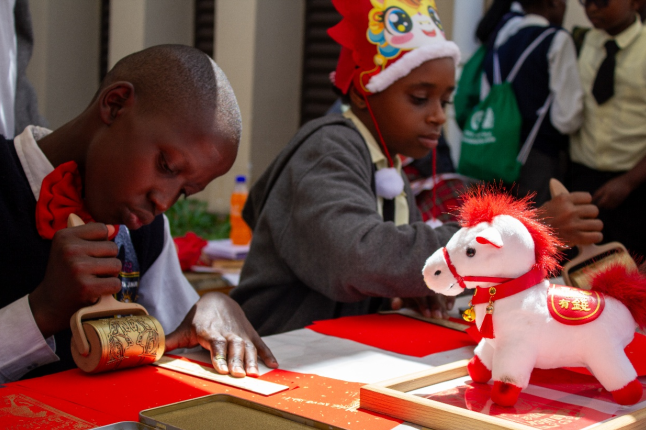
    Beyond the stage performances, the campus grounds evolved into an immersive cultural experience. Attendees indulged in authentic Chinese culinary delights and engaged in various traditional handicraft activities. Participants enjoyed painting plaster ponies, designing decorative horse-themed headwear, and observing the intricate art of sugar painting—all honoring the upcoming Year of the Horse in the Chinese zodiac.

    Gideon Jadeya, a University of Nairobi student who participated in the lion dance performance, shared his enthusiasm: ‘I’ve been studying this art form for six months, and it has deepened both my skills and passion. The lion dance symbolizes prosperity for the new year, and I perform it with genuine excitement and joy.’

    University Deputy Vice-Chancellor Leonidah Kerubo highlighted the Confucius Institute’s significant role in promoting cultural and academic exchanges. ‘The institute has been instrumental in creating educational opportunities for our students through language teaching and academic collaborations,’ she noted. To date, the institution has facilitated 239 scholarships and exchange programs enabling Kenyan students and educators to study in China. The past year particularly saw enhanced academic cooperation with the introduction of a new joint Chinese language degree program.

    The successful event demonstrated the growing cultural diplomacy between China and Kenya, showcasing how traditional celebrations can serve as bridges for international understanding and educational collaboration.

  • Iran’s Revolutionary Guards begin military drills in Strait of Hormuz

    Iran’s Revolutionary Guards begin military drills in Strait of Hormuz

    Iran’s Islamic Revolutionary Guard Corps (IRGC) initiated a comprehensive series of military exercises in the strategically vital Strait of Hormuz on Monday, according to official state media reports. The intensive naval drills, conducted under the direct supervision of the IRGC’s top commander, represent a significant show of force in one of the world’s most critical maritime chokepoints.

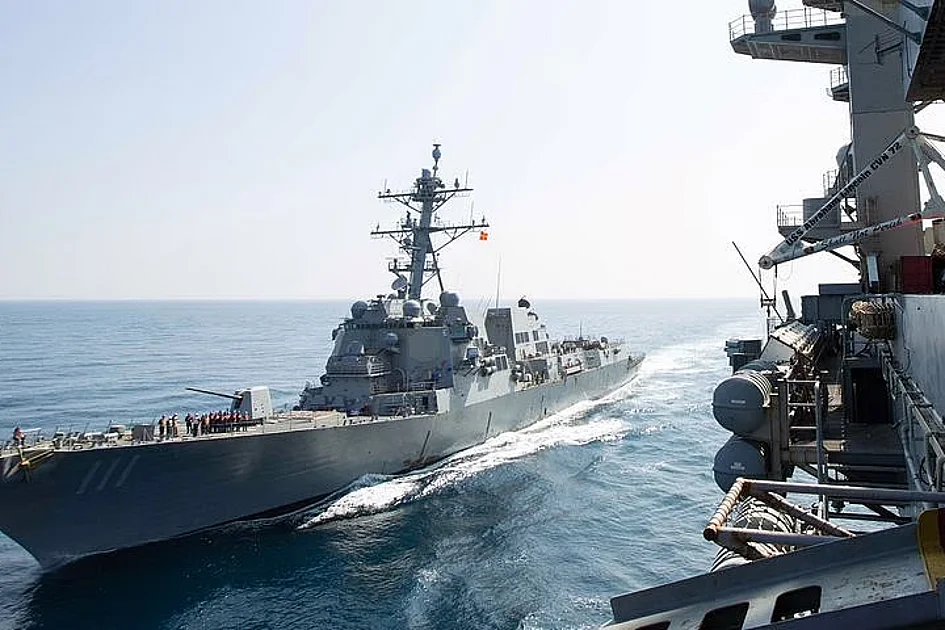
    The exercises commenced following the United States’ deployment of a substantial naval contingent to the Gulf region, creating a backdrop of heightened military posturing. The Strait of Hormuz, a narrow waterway connecting the Persian Gulf with the Gulf of Oman and ultimately the Arabian Sea, serves as a crucial transit route for approximately 21 million barrels of oil daily, representing about 21% of global petroleum consumption.

    State television coverage detailed that the Guards’ naval forces were conducting multifaceted operations including rapid deployment exercises, coastal defense simulations, and advanced weapons testing. The drills appear designed to demonstrate Iran’s military capabilities and strategic readiness in response to perceived external threats.

    This development occurs amidst ongoing regional tensions and follows recent incidents involving Iranian gunboats approaching US vessels in the same waterway. The timing of these exercises suggests a deliberate response to increased US naval presence in the region, reflecting the continuing geopolitical friction between Tehran and Washington.

    The strategic significance of these drills extends beyond bilateral relations, potentially affecting global energy security and maritime trade routes. Neighboring Gulf states and international observers are closely monitoring the situation, recognizing that military activities in this constrained waterway could have far-reaching implications for regional stability and international commerce.