作者: admin

  • Queen tells Gisèle Pelicot her new memoir left her ‘speechless’

    Queen tells Gisèle Pelicot her new memoir left her ‘speechless’

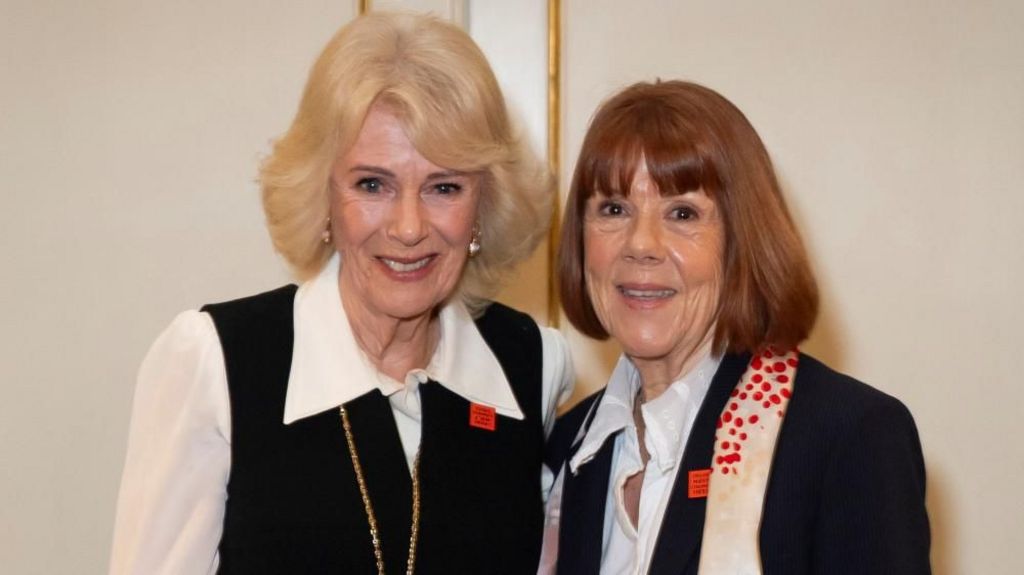
    In a powerful display of solidarity with survivors of sexual violence, Queen Camilla hosted French author and activist Gisèle Pelicot at Clarence House on Monday for a private meeting that underscored the global impact of Pelicot’s advocacy. The Queen revealed she had read Pelicot’s memoir, “Hymn to Life: Shame Has to Change Sides,” in just two days, confessing she was left “speechless” and “shocked” by the harrowing account despite her extensive work with survivors.

    The meeting, conducted primarily through an interpreter, saw the Queen initially addressing her guests in French, humorously noting her skills were rusty after 60 years. Pelicot, accompanied by her partner Jean-Loup Agopian and her legal and literary team, discussed the incredible public support she has received since waiving her anonymity.

    Pelicot’s case gained worldwide attention in 2024 when a French court heard how her then-husband, Dominique, had drugged her unconscious for years and recruited dozens of men online to rape her. The subsequent 16-week trial resulted in 46 convictions for rape, with Dominique receiving the maximum 20-year sentence. Pelicot’s presence at the trial, and her message that shame should transfer from victim to perpetrator, resonated globally, inspiring daily gatherings of supporters outside the courtroom.

    The Clarence House meeting followed Pelicot’s sold-out book launch at London’s Royal Festival Hall, which featured readings by Hollywood actresses Kate Winslet, Kristin Scott Thomas, and Juliet Stevenson. Last year, Queen Camilla had sent Pelicot a personal letter praising her “extraordinary dignity and courage,” which Pelicot described as overwhelming and has since framed in her office. The Queen told Pelicot during their meeting that she has “inspired women across the globe” and created “a powerful legacy that will change the narrative around shame, forever.”
  • France moves to bar US Ambassador Charles Kushner from direct government access

    France moves to bar US Ambassador Charles Kushner from direct government access

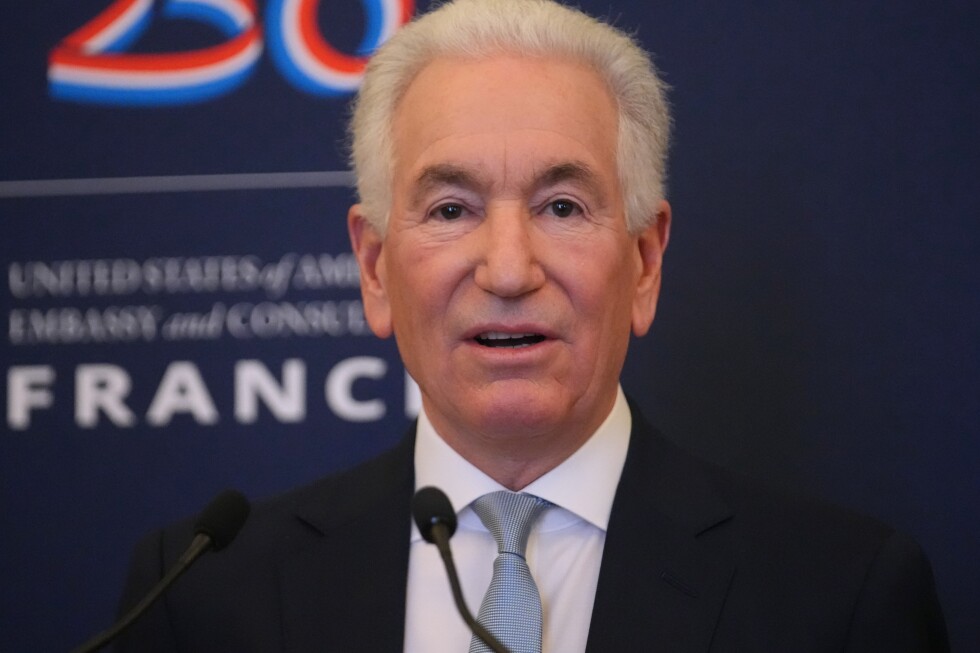
    PARIS — France’s foreign ministry has imposed access restrictions on U.S. Ambassador Charles Kushner following his failure to attend a scheduled diplomatic meeting concerning controversial Trump administration statements about the killing of a far-right activist. The diplomatic summons came after the U.S. State Department’s Counterterrorism Bureau posted social media commentary that French officials considered inflammatory and politically motivated.

    Foreign Affairs Minister Jean-Noel Barrot characterized the ambassador’s absence as demonstrating “a misunderstanding of the basic expectations of the mission of an ambassador.” Despite the disciplinary measures, the ministry indicated willingness to reconcile, noting that Kushner remains welcome to present himself at the Quai d’Orsay for necessary diplomatic discussions to address “irritants that can inevitably arise in a friendship spanning 250 years.”

    The diplomatic tension stems from U.S. comments regarding the death of Quentin Deranque, a far-right activist who sustained fatal brain injuries during a violent confrontation in Lyon. The incident occurred on the periphery of a student gathering featuring a far-left lawmaker as keynote speaker, occurring amid heightened political tensions preceding France’s upcoming presidential election.

    The State Department’s social media post asserted that “violent radical leftism is on the rise” and Deranque’s death demonstrated “the threat it poses to public safety.” French officials vehemently rejected what they characterized as political instrumentalization of the tragedy. Minister Barrot stated over the weekend that France requires “no lessons, particularly on the issue of violence, from the international reactionary movement.”

    This incident marks the second time in recent months that Ambassador Kushner has been summoned by French authorities, following an August confrontation over allegations that France inadequately combats antisemitism.

  • ‘Too early to tell’: Trump’s tariffs impact on Indian economy, says minister

    ‘Too early to tell’: Trump’s tariffs impact on Indian economy, says minister

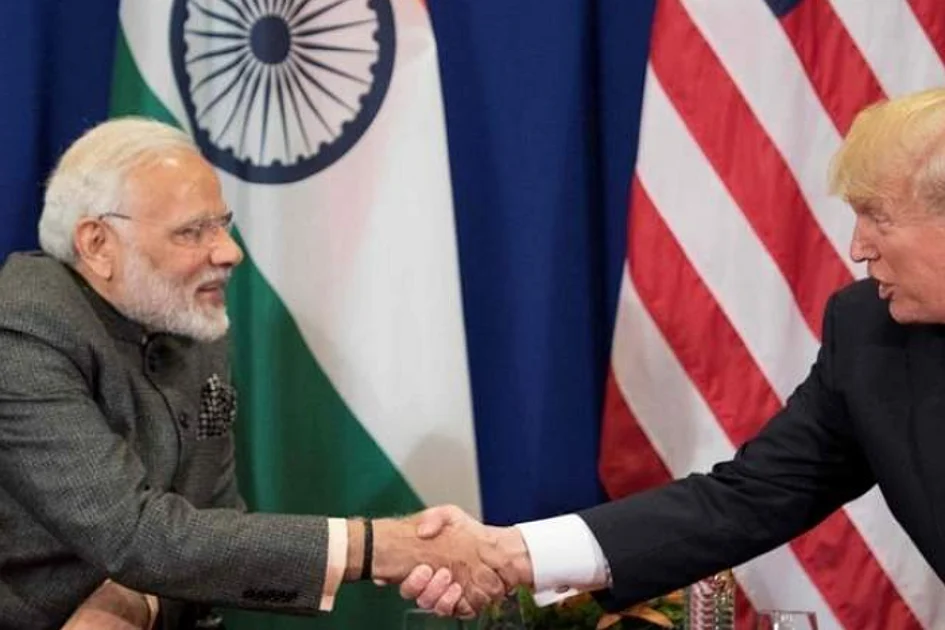
    Indian Finance Minister Nirmala Sitharaman has declared it premature to assess the potential economic repercussions of recent tariff modifications announced by US President Donald Trump. The cautious statement came alongside the postponement of bilateral trade negotiations originally scheduled for Monday between the two nations.

    Minister Sitharaman emphasized that India’s Commerce Ministry is currently conducting a comprehensive review of the evolving trade situation before determining the timeline for further diplomatic engagement. “On trade, particularly, aside from the Indian economy in general, the Commerce Ministry is reviewing the situation. The delegation will have to take a call on when they are going to go for further negotiations,” Sitharaman stated during her media briefing.

    The trade discussions delay follows two significant developments: a recent US Supreme Court ruling on presidential tariff authority and subsequent policy announcements from the Trump administration. These developments have created uncertainty around previously established trade terms, including a recent agreement that had reduced US tariffs on Indian goods from 50% to 18%.

    India’s Commerce Ministry has acknowledged these developments formally, noting: “We have noted the US Supreme Court judgement on tariffs. President Trump has also addressed a press conference in that regard. Some steps have been announced by the US Administration. We are studying all these developments for their implications.”

    The latest US policy shifts include the imposition of a 10% tariff on Indian imports initially, subsequently increased to 15%, with these measures scheduled to remain in effect for 150 days. This represents a reversal from the tariff reduction achieved earlier this month, which itself had moderated the aggressive 50% tariffs imposed in August last year—measures originally implemented as penalties for India’s purchase of Russian oil.

    Despite these bilateral challenges, Minister Sitharaman highlighted India’s continued progress in expanding its global trade network, having recently finalized agreements with the UAE, Qatar, Oman, the European Union, the United Kingdom, Australia and New Zealand. “Our attempt to have a trade agreement will go on with countries,” she affirmed, reinforcing India’s commitment to global market engagement.

    President Trump has meanwhile asserted that the fundamental trade understanding between the United States and India remains unchanged despite these tariff adjustments and legal developments.

  • Slovakia halts emergency electricity supplies to Ukraine amid oil delivery dispute

    Slovakia halts emergency electricity supplies to Ukraine amid oil delivery dispute

    BRATISLAVA, Slovakia — In a significant escalation of regional tensions, Slovakia has suspended emergency electricity supplies to Ukraine amidst a deepening dispute over interrupted Russian oil shipments via the Druzhba pipeline. The move comes as Ukraine continues to grapple with severe power shortages resulting from systematic Russian bombardment of its energy infrastructure.

    The conflict centers on the suspension of Russian oil deliveries to Slovakia and Hungary since January 27. Ukrainian authorities attribute the interruption to damage caused by Russian drone attacks on the critical pipeline infrastructure. However, the governments of both Slovakia and Hungary—recognized as the European Union’s most Russia-friendly members—have accused Ukraine of deliberately withholding oil shipments despite having received special exemptions from EU sanctions prohibiting Russian oil imports.

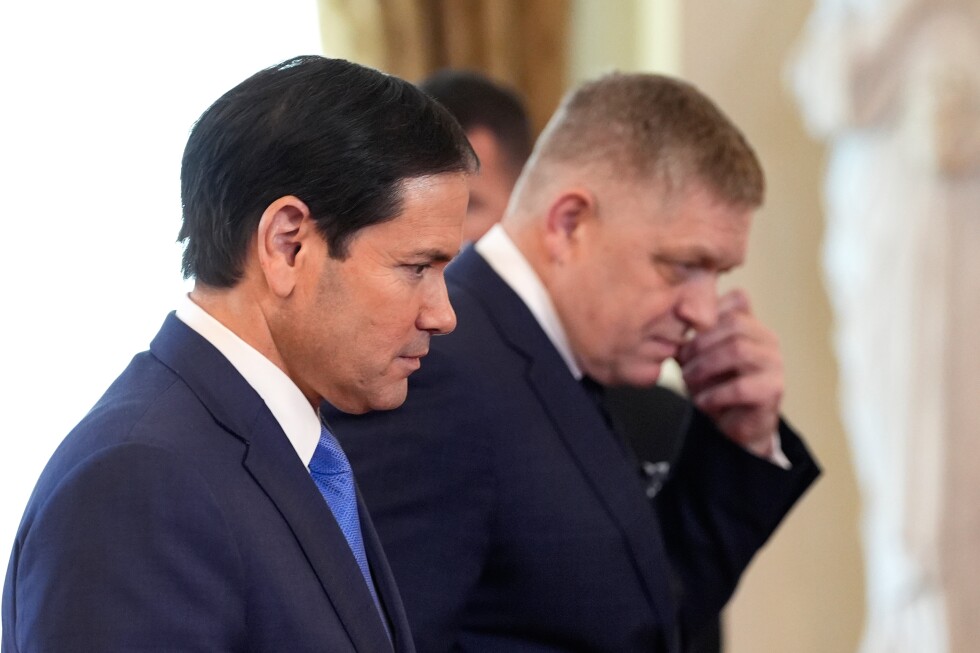
    Slovak Prime Minister Robert Fico, a populist leader, announced the retaliatory measure after claiming Ukrainian President Volodymyr Zelenskyy declined to engage in discussions until after Wednesday. “Given the seriousness of the situation and the declared state of oil emergency in Slovakia, we are forced to take the first reciprocal measure immediately,” Fico stated, adding that the electricity suspension would be lifted once oil transit resumes.

    The Slovak opposition has condemned the government’s decision, while Ukrainian Foreign Minister Andrii Sybiha appealed for “constructive cooperation and responsible behavior” from both nations. Fico has threatened additional measures if oil shipments don’t resume, including potentially withdrawing support for Ukraine’s European Union membership aspirations.

    Both Slovakia and Hungary have challenged Ukraine’s damage claims, asserting without providing evidence that the Druzhba pipeline remains operational. Fico revealed that Slovakia’s ambassador to Kyiv has been denied access to inspect the allegedly damaged sections. The Slovak leader characterized the oil suspension as “a purely political decision with the aim of blackmailing Slovakia” due to its divergent views on Russia’s war against Ukraine compared to mainstream European perspectives.

  • US ambassador Huckabee says Israel at war with Muslim Brotherhood in Egypt and Jordan

    US ambassador Huckabee says Israel at war with Muslim Brotherhood in Egypt and Jordan

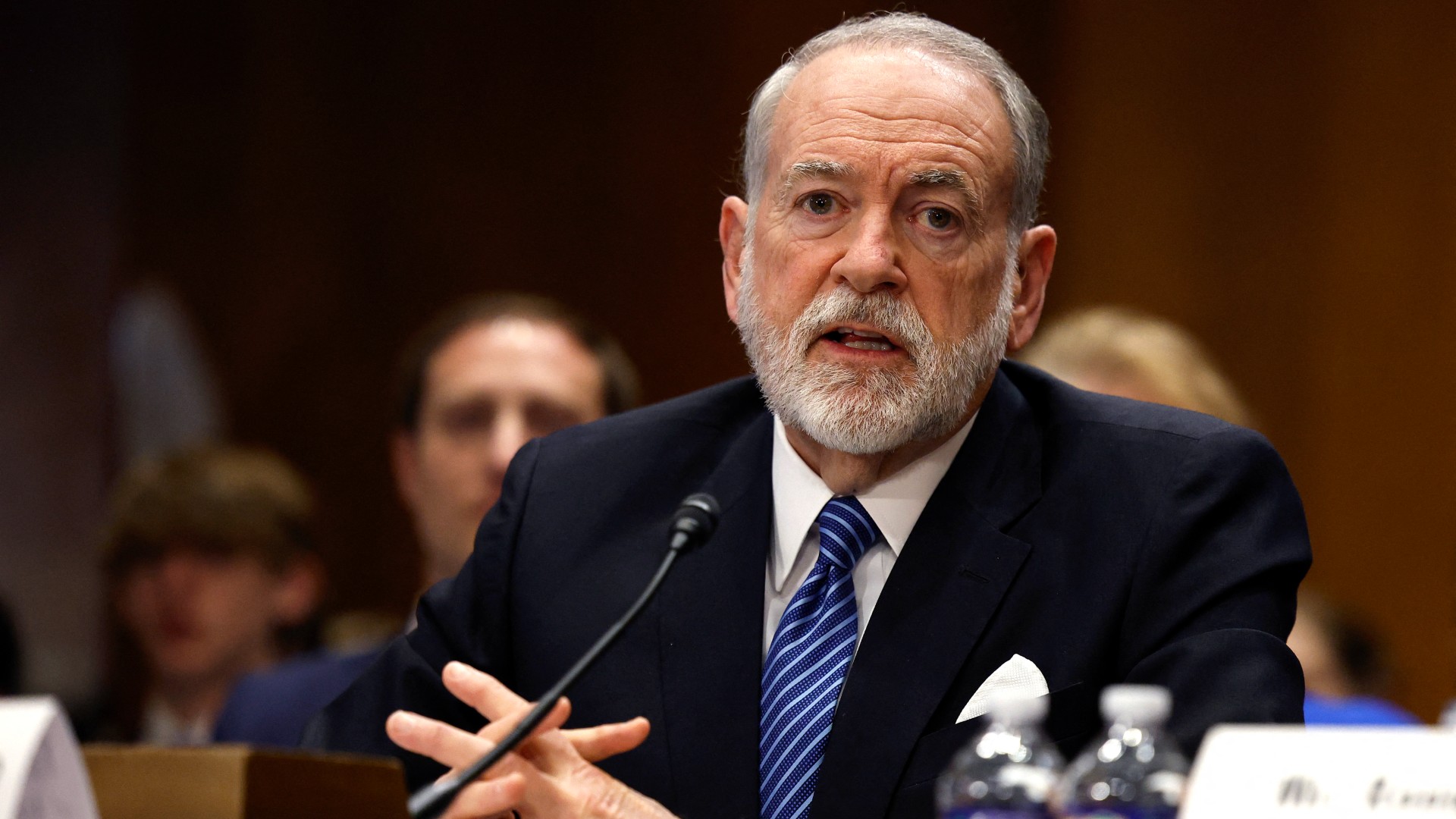
    U.S. Ambassador to Israel Mike Huckabee has ignited diplomatic fury across the Middle East following controversial statements made during an appearance on The Tucker Carlson Show. The former Arkansas governor asserted that Israel is engaged in a “seven-front war,” explicitly naming the Muslim Brotherhood in Egypt and Jordan as active combatants alongside Lebanon, Syria, Yemen’s Houthis, Hamas in Gaza, and Iran.

    During the interview, Huckabee clarified that Israel’s conflict is not with the governments of Egypt or Jordan but specifically with the Muslim Brotherhood elements within those nations. He notably added an “eighth front” to the conflict: the media.

    The ambassador further provoked regional outrage by invoking biblical scripture to justify Israeli territorial expansion. When Carlson referenced Genesis 15’s description of land spanning from the Nile to Euphrates rivers, Huckabee responded that “it would be fine if they took it all”—a statement implying Israeli claims to territories across five sovereign nations beyond occupied Palestine.

    These remarks have drawn swift condemnation from multiple governments and international organizations. Palestine, Egypt, Jordan, Saudi Arabia, Kuwait, and Oman have issued formal statements of protest, joined by the Organization of Islamic Cooperation and the Arab League. Jordan’s Foreign Ministry characterized Huckabee’s statements as “irresponsible, escalatory and absurd,” while Saudi Arabia denounced them as “reckless” and Kuwait condemned them as “a flagrant violation of international law.”

    The controversy emerges against the complex backdrop of the Muslim Brotherhood’s history. Founded in 1928 as an anti-colonial movement, the organization has consistently denied advocating violence while positioning itself as a political and social movement. Despite persecution under secular Arab rulers in the mid-20th century, the Brotherhood gained significant popularity following the 2011 Arab Spring uprisings, culminating in Mohamed Morsi’s democratic election in Egypt in 2012—before his ouster by military coup and subsequent death in custody.

    The organization remains banned in Saudi Arabia, the UAE, Bahrain, and most recently Jordan, where its April prohibition followed alleged pressure from Saudi Arabia, the UAE, and Israel. Many regional monarchies and autocratic governments view the Brotherhood as an existential threat to their rule.

  • Ukraine negotiator tells BBC how it feels to sit across table from Russia

    Ukraine negotiator tells BBC how it feels to sit across table from Russia

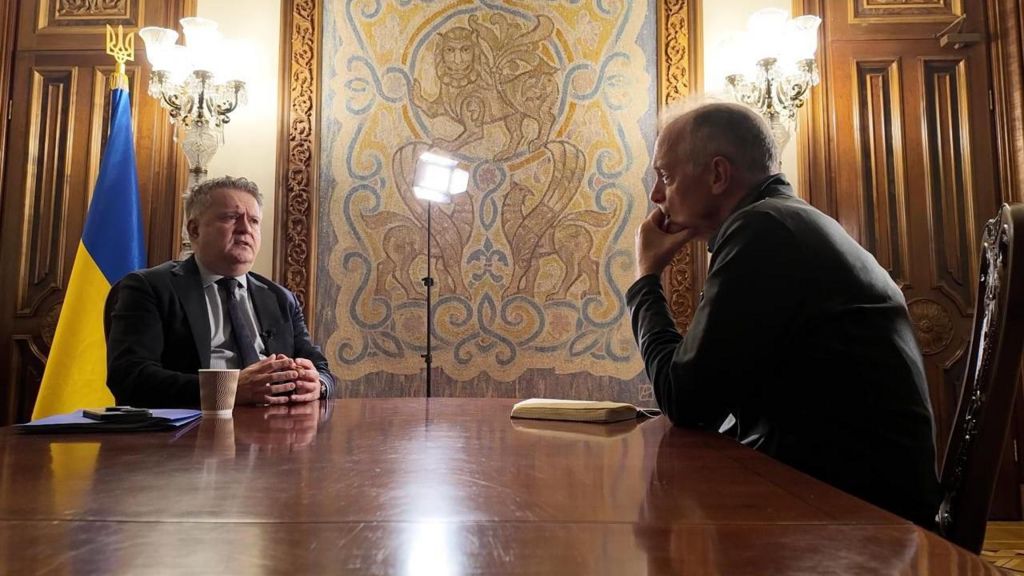
    In the intricate diplomatic landscape surrounding the Ukraine conflict, a senior Ukrainian negotiator has provided unprecedented insight into the challenging process of negotiating with Russian representatives. Serhii Kyslytsia, a key member of President Zelensky’s delegation, describes the military-to-military discussions as surprisingly business-like, devoid of the political grandstanding typically associated with Moscow’s diplomatic approach.

    Kyslytsia, speaking from Kyiv’s presidential palace, emphasized that military professionals possess a clearer understanding of battlefield realities than political officials. However, he expressed skepticism about whether Russian delegates accurately report information to their leadership without manipulation. The eastern Ukrainian battlefield presents extraordinary complications, with thousands of drones operating across vast contested territories and approximately 200,000 civilians remaining in Donbas cities, creating what officials term a ‘fortress belt’.

    The Ukrainian diplomat highlighted the critical role of American mediation in these negotiations, specifically praising General Alexus Grynkewich, NATO’s top European commander, and Army Secretary Dan Driscoll for their sustained engagement. Contrary to expectations, Kyslytsia offered genuine appreciation for the Trump administration’s representatives, including Jared Kushner, whom he described as ‘not a novice,’ and billionaire envoy Steve Witkoff, characterized as ‘much wiser than media caricatures suggest.’

    Kyslytsia, drawing from his experience as former UN ambassador, recounted the dramatic night of February 23, 2022, when during an emergency Security Council meeting, he received confirmation of Russia’s full-scale invasion. His attempts to secure assurances from Russian Ambassador Vassily Nebenzia proved futile, with Nebenzia refusing to contact Foreign Minister Lavrov despite the imminent attack.

    The negotiator emphasized that any future ceasefire would require sophisticated monitoring capabilities far exceeding those previously provided by the Organization for Security and Cooperation in Europe, which he compared to ‘the Flintstones era’ relative to current technological needs. The United States is expected to provide satellite and advanced surveillance systems for verification purposes.

    Despite progress on technical frameworks, Kyslytsia acknowledged that ultimate resolution rests with one individual: ‘The war could be stopped by just one call of one person to his military chief of staff,’ he stated, referencing Russian President Vladimir Putin. ‘But apparently, the Kremlin dictator is not up to stopping the war for the time being.’

  • From Odesa to Bakhmut, revisiting a Ukrainian family torn by war

    From Odesa to Bakhmut, revisiting a Ukrainian family torn by war

    The Glodan family’s story encapsulates the profound human cost of Russia’s invasion of Ukraine, where a single missile strike erased three generations before claiming a fourth life on the battlefield. On the eve of Orthodox Easter in 2022, as Valeria and Yuriy Glodan prepared celebrations with their infant daughter Kira in Odesa, a Russian missile destroyed their apartment, instantly killing three-month-old Kira, 28-year-old Valeria, and her 54-year-old mother Lyudmyla.

    This tragedy, which sparked international outrage, represents one among countless others in the four-year conflict. According to UN estimates, over 15,000 Ukrainian civilians have perished since the invasion began, with actual numbers believed to be significantly higher when combined with military casualties.

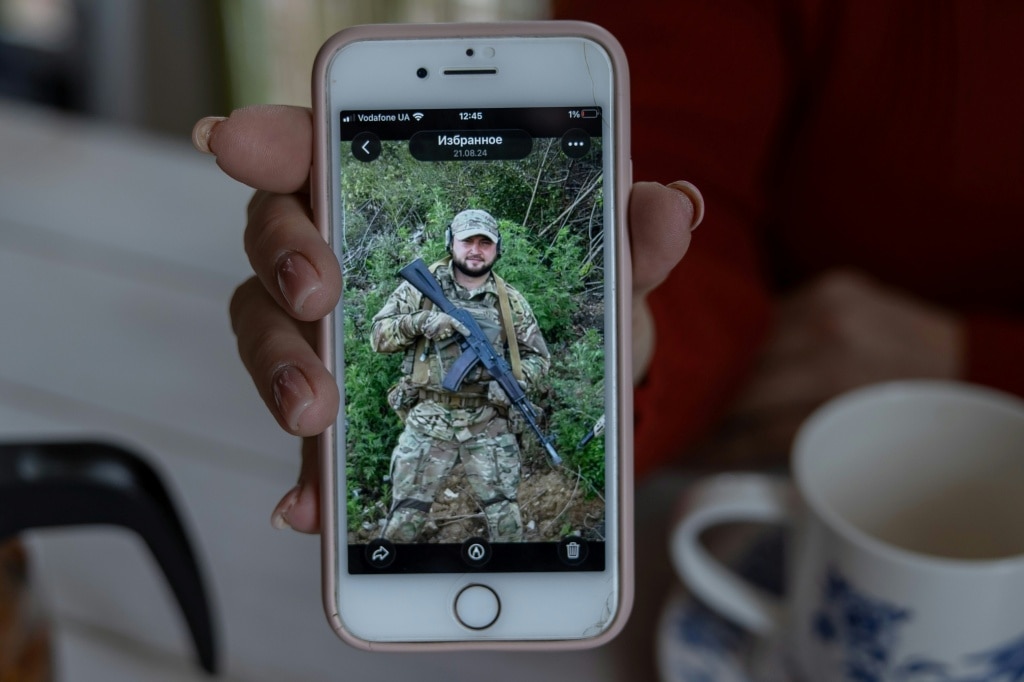
    Yuriy’s subsequent journey from grieving husband to fallen soldier completed the family’s devastation. After joining Ukraine’s armed forces, he was killed in September 2023 during the brutal Battle of Bakhmut, one of the war’s deadliest engagements. The family now rests divided in Avangard cemetery—Kira, Valeria, and Lyudmyla on one side of a pathway, Yuriy facing them from the other.

    Nina Glodan, Yuriy’s mother, describes existing in perpetual April 2022: “We’re still living in that month. And we haven’t moved past it.” Family photographs reveal a picture-perfect life—wedding celebrations, romantic trips to Rome, and joyful images of wide-eyed Kira. Friends remember Valeria as radiating sunshine with an infectious laugh, deeply connected to Odesa’s culture and opera.

    Yuriy’s army comrade Dmytro Gudz recalled how the tragedy hollowed him: “He was empty inside.” After intensive training with Ukraine’s elite third assault unit, Yuriy fell during an assault near Andriivka, reportedly killed by an enemy drone. His funeral coincided symbolically with the invasion’s second anniversary on February 24, 2024, closing a devastating chapter that began with Easter preparations and ended in ultimate sacrifice.

  • Explained: Why Kuwait is protesting Iraq’s border map as GCC allies voice support

    Explained: Why Kuwait is protesting Iraq’s border map as GCC allies voice support

    A significant diplomatic confrontation has emerged in the Arabian Gulf as Kuwait vigorously protests Iraq’s recently submitted maritime border maps to the United Nations. The dispute centers on coordinates that Kuwait claims violate its sovereign maritime territories and established water elevations.

    Iraq’s Ministry of Foreign Affairs submitted the controversial maps to the UN Secretary-General on January 19 and February 9, 2026, presenting them as compliant with the 1982 United Nations Convention on the Law of the Sea (UNCLOS). These documents outline Iraq’s territorial sea baselines and maritime zones using the World Geodetic System 1984 (WGS-84) standard.

    The core of the conflict revolves around the Khor Abdullah waterway, a historically contentious area between Kuwait’s Bubiyan and Warbah islands and Iraq’s Al Faw Peninsula. This dispute originates from the aftermath of Iraq’s 1990 invasion of Kuwait and subsequent UN Security Council Resolution 833 in 1991, which established land boundaries but left maritime delimitations ambiguous.

    Kuwait delivered an official protest note to Iraq’s Chargé d’Affaires in Kuwait on February 21, asserting that the newly claimed areas, including Fashat al-Qaid and Fashat al-Ayj elevations, were never previously disputed. Kuwait’s Foreign Ministry urged Iraq to consider their historical bilateral relations and adhere to international law and existing agreements.

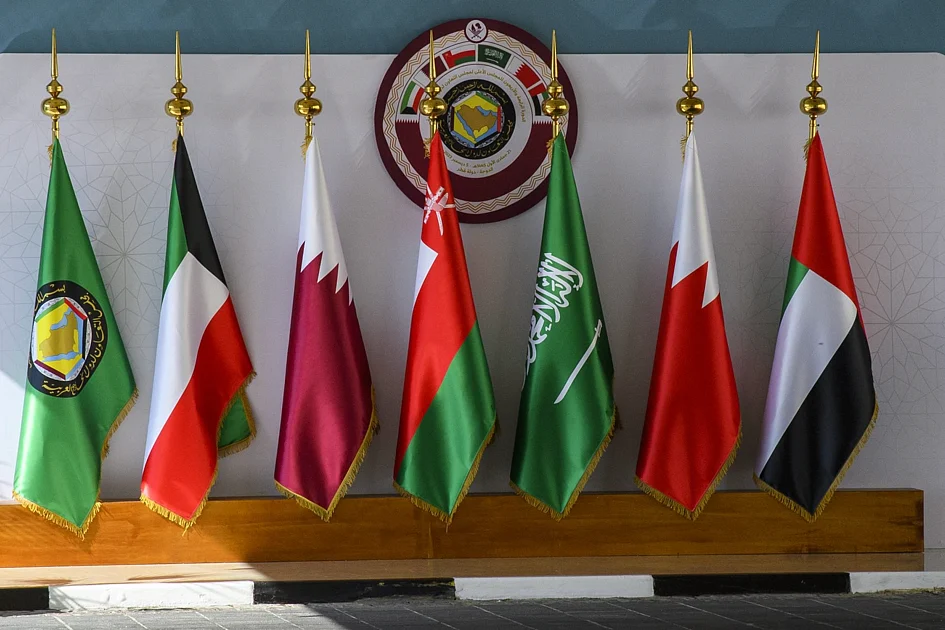
    The Gulf Cooperation Council (GCC) members have unanimously supported Kuwait’s position. The UAE expressed full solidarity, condemning Iraq’s coordinate submission, while Bahrain voiced deep concern over sovereignty infringements. Oman emphasized historical fraternal relations and principles of good neighborliness, and Qatar reaffirmed support for Kuwait’s maritime sovereignty. Saudi Arabia, monitoring with “high interest and concern,” rejected Iraq’s claims near the Saudi-Kuwaiti divided zone, emphasizing the need for continued shared resource management according to existing agreements.

    Iraq maintains its actions comply with international law, stating the submission aims to update maritime data and enhance legal clarity regarding its sovereign zones. The coordinates have been published on the UN’s Division for Ocean Affairs website for member state access.

    The United Nations Convention on the Law of the Sea, established in 1982, provides the legal framework for marine activities, ocean boundaries, and resource management, making it the central reference point for resolving such international maritime disputes.

  • US partially evacuates Beirut embassy amid rising Iran tensions

    US partially evacuates Beirut embassy amid rising Iran tensions

    The United States has initiated a partial evacuation of its embassy in Beirut, Lebanon, directing non-essential personnel to depart following a comprehensive security assessment. A senior State Department official confirmed the move to the BBC, characterizing it as a “prudent” measure to safeguard American staff while maintaining core diplomatic operations.

    The decision unfolds against a backdrop of severely heightened tensions between the U.S. and Iran. President Donald Trump has issued stark warnings, threatening military action against Tehran if it fails to agree to terms on its nuclear program. This rhetoric has ignited fears of potential Iranian retaliation, with U.S. bases and facilities across the Middle East considered probable targets. Iran’s Supreme Leader, Ayatollah Ali Khamenei, has amplified these concerns through social media posts threatening U.S. forces.

    Approximately 50 staff members are affected by the order. An airport official reported to Reuters that 32 personnel and their families departed via Beirut airport on Monday. The embassy, however, remains functional with a skeleton crew of essential staff.

    The current standoff is rooted in long-standing suspicions from the U.S. and its European allies that Iran is advancing toward a nuclear weapon—a claim Iran consistently denies. Historical animosity also plays a role; Washington holds the Iranian-backed Lebanese group Hezbollah responsible for the devastating 1983 bombings of the U.S. Marine barracks and embassy in Beirut.

    Despite recent diplomatic talks in Switzerland, which officials from both sides acknowledged had made progress, the U.S. continues to bolster its military presence in the region. Satellite imagery has identified warships, including the nuclear-powered aircraft carrier USS Abraham Lincoln, positioned near Oman. Furthermore, the world’s largest warship, the USS Gerald R Ford, appears to be en route to the area.

    President Trump has set an ambiguous deadline, suggesting the world would know within “probably, 10 days” whether a deal is reached or if the U.S. will initiate strikes. This echoes a similar prelude to last year’s U.S.-Israel military action against Iran, which was followed by Iranian missile strikes on a U.S. base in Qatar.

    Concurrently, U.S. Secretary of State Marco Rubio has unexpectedly delayed a planned trip to Israel, with the State Department citing a schedule “subject to change.” The delay coincides with Israeli Prime Minister Benjamin Netanyahu’s declaration that Israel is prepared for “any scenario” and would respond to any Iranian attack with unimaginable force.

    Amid the international crisis, domestic unrest within Iran has resurfaced, with anti-government protests erupting at several universities over the weekend—the first significant demonstrations since a deadly crackdown in January.

  • Gunmen in military uniforms storm a rural Ecuador property, killing at least 7, police say

    Gunmen in military uniforms storm a rural Ecuador property, killing at least 7, police say

    Ecuador faces escalating narco-violence as armed assailants disguised in military uniforms carried out a deadly assault on a coastal property in Manabí province, leaving at least seven civilians dead. The early morning attack marks the latest episode in a surge of drug-related killings that has transformed the South American nation into one of the region’s most violent territories.

    According to police reports, approximately twelve attackers stormed the seaside compound and executed victims with multiple gunshots, including three adult brothers among the deceased. This brutality reflects the intensifying conflict between international drug cartels and local criminal factions battling for control of strategic cocaine trafficking routes toward United States markets.

    Statistical evidence reveals an alarming trajectory: Ecuador’s homicide rate has multiplied fivefold since 2020, reaching unprecedented levels with approximately 50 murders per 100,000 residents in 2023. Official data indicates over 9,000 homicides recorded last year, with coastal provinces Guayas, Manabí, and Esmeraldas emerging as epicenters of cartel-related violence.

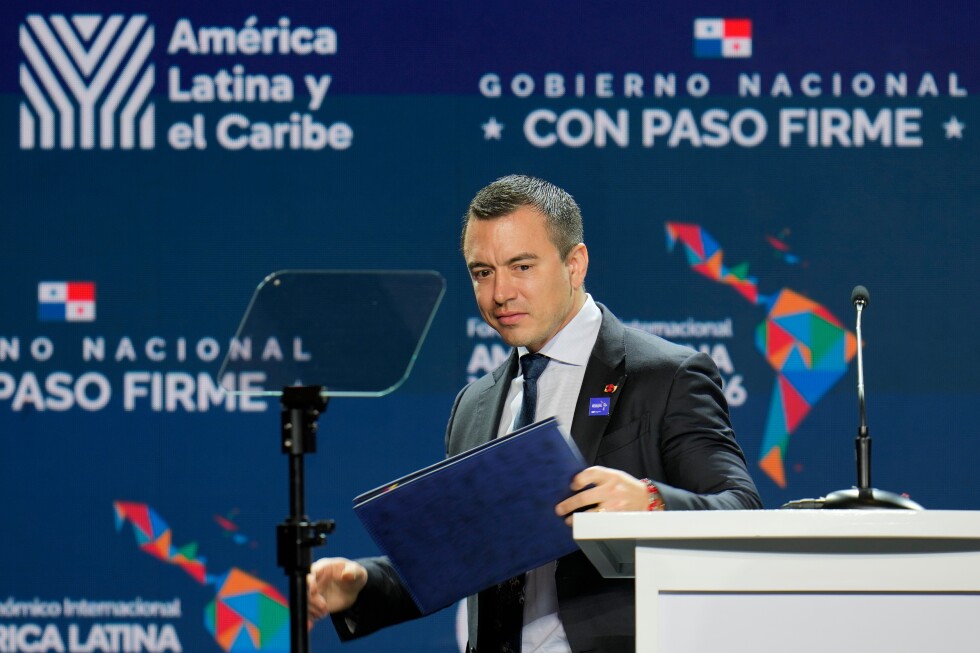
    President Daniel Noboa’s administration has responded with extraordinary measures, declaring a state of emergency across seven provinces that grants security forces warrantless search authority and militarizes urban patrols. The government has additionally accused Colombian authorities of insufficient border control, alleging that rebel groups and traffickers operating along the shared frontier have exacerbated Ecuador’s security crisis. These allegations have triggered diplomatic tensions and cross-border trade restrictions between the neighboring nations.