作者: admin

  • How the former Prince Andrew could be removed from Britain’s line of succession

    How the former Prince Andrew could be removed from Britain’s line of succession

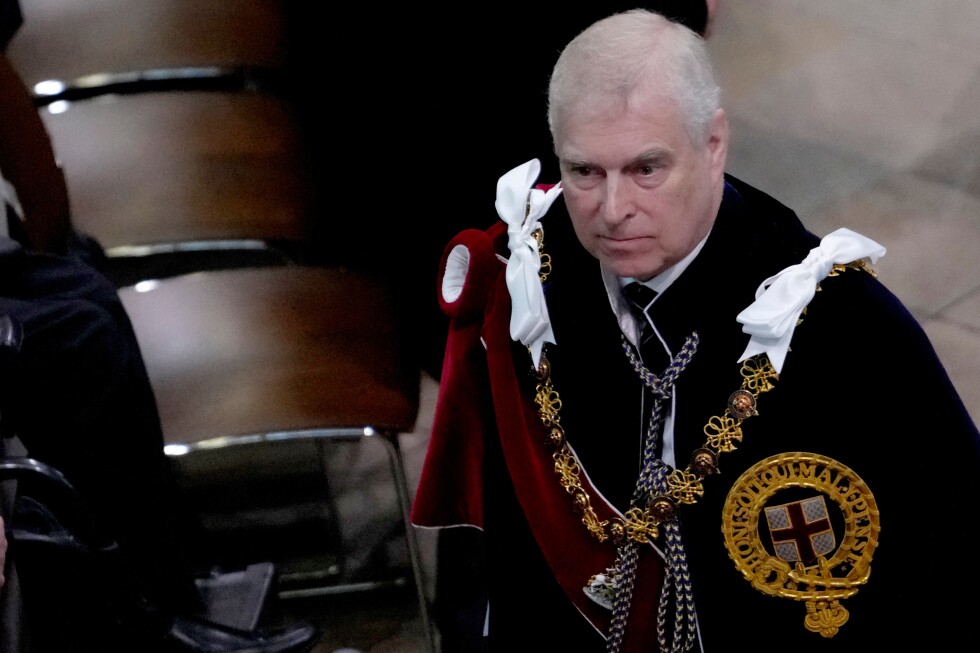
    The British government has initiated formal considerations to remove Andrew Mountbatten-Windsor from the royal line of succession, potentially marking the first such constitutional alteration in nine decades. This development follows the arrest of King Charles III’s younger brother on suspicion of misconduct in public office, though he was subsequently released without charge after eleven hours in custody.

    The controversial royal, who was stripped of his princely title and military affiliations in October due to his associations with convicted sex offender Jeffrey Epstein, currently maintains the eighth position in succession to the British throne. The allegations against him intensified following the recent release of millions of documents from the U.S. Justice Department’s Epstein investigation, which suggest he may have shared confidential trade information during his tenure as UK trade envoy from 2001 to 2011.

    Darren Jones, Prime Minister Keir Starmer’s chief secretary, confirmed to Parliament that the government remains open to taking action regarding the succession line once police investigations conclude. The process would require a complex legislative procedure involving not only the UK Parliament but also the cooperation of approximately a dozen Commonwealth nations where King Charles serves as head of state.

    Australia’s Prime Minister Anthony Albanese has already expressed support for excluding Andrew from succession, describing the allegations as “grave” and emphasizing the necessity of a full investigation. Other Commonwealth realms including Canada, New Zealand, and several Caribbean nations have yet to formally communicate their positions.

    Constitutional experts note that the procedure would be historically significant and legally intricate, potentially requiring years of diplomatic coordination. The last comparable adjustment occurred in 2013 with the Succession to the Crown Act, which established gender-neutral succession rules and required two years of multinational negotiations.

    The potential removal raises additional questions about the status of Andrew’s daughters, Princesses Beatrice and Eugenie, who currently occupy the ninth and twelfth positions in the line of succession. Historical precedent suggests legislation could be crafted to exclude Andrew without necessarily affecting his descendants, similar to the treatment of King Edward VIII following his 1936 abdication.

    While Buckingham Palace has not issued an official statement regarding the potential constitutional change, sources indicate the royal family would not obstruct parliamentary decisions on the matter, with the monarch emphasizing that “the law must take its course.”
  • Carney heading on overseas trade mission as Canada seeks to reduce its reliance on US

    Carney heading on overseas trade mission as Canada seeks to reduce its reliance on US

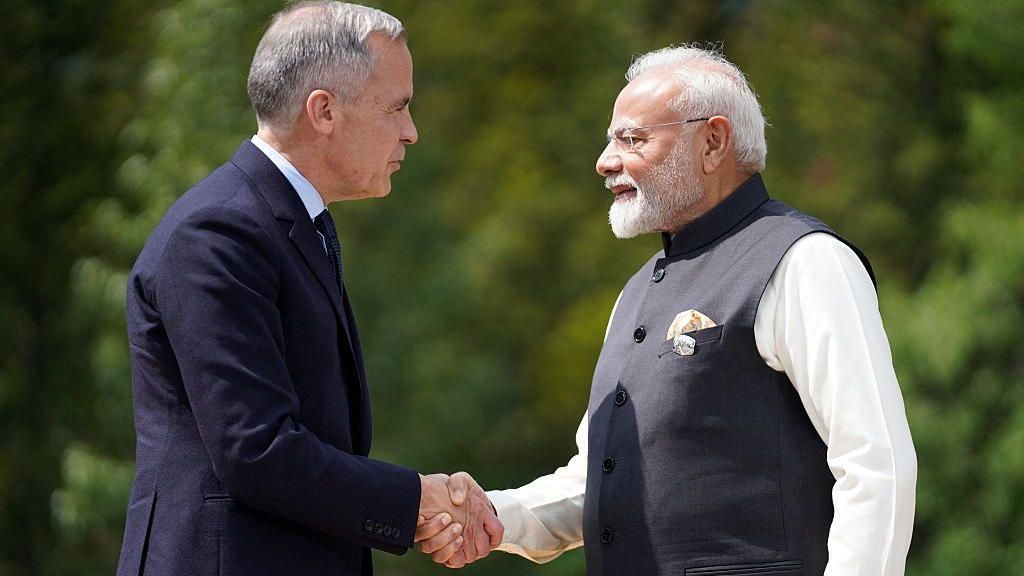
    Canadian Prime Minister Mark Carney embarks on a pivotal Pacific tour this week, visiting India, Australia, and Japan in a bold diplomatic maneuver to diversify Canada’s trade partnerships. This tri-nation journey represents a calculated shift from historical economic reliance on the United States amid persistent trade tensions.

    The itinerary begins Thursday in New Delhi, where Carney will meet Indian Prime Minister Narendra Modi, marking a significant thaw in bilateral relations that had frozen following former Prime Minister Justin Trudeau’s 2023 allegations of Indian involvement in a Sikh separatist’s killing on Canadian soil. The diplomatic reconciliation began when Carney extended an invitation to Modi for last year’s G7 summit in Alberta, followed by Foreign Minister Anita Anand’s productive visit to India that revived trade discussions.

    Carney’s office confirmed the agenda will extend beyond trade to encompass energy cooperation, artificial intelligence development, defense partnerships, critical minerals security, maritime security protocols, and food security initiatives. This comprehensive approach reflects Canada’s strategic vision for multilateral engagement.

    The Pacific initiative responds directly to what Carney termed ‘economic coercion’ by great powers during his World Economic Forum address in Davos—a clear reference to Trump administration policies. With approximately 75% of Canadian exports currently US-bound, Carney has articulated an ambitious goal to double non-US exports within the next decade.

    This reorientation has already produced tangible policy shifts, including Canada’s break from US trade policy through the removal of Chinese electric vehicle tariffs in exchange for reduced Chinese tariffs on Canadian agricultural products. The trade diversification strategy unfolds against a complex backdrop: while the US Supreme Court recently struck down broad Trump-era tariffs, sector-specific duties on Canadian steel, aluminum, and automobiles remain intact.

    Simultaneously, the United States-Mexico-Canada Agreement (USMCA) faces critical renegotiation, with all three nations required to decide on its extension this summer. While Canada and Mexico advocate for maintaining the trilateral pact, Trump administration officials have indicated preference for bilateral agreements, creating additional uncertainty for North American trade relations.

  • ‘I will go’: Bengalis in Pakistan hope for family reunions

    ‘I will go’: Bengalis in Pakistan hope for family reunions

    A renewed diplomatic warming between Pakistan and Bangladesh has ignited long-dormant hopes among Pakistan’s estimated one-million-strong Bengali community for family reunions after decades of separation. The resumption of direct flights after a 14-year hiatus marks a significant breakthrough in bilateral relations, which had remained frosty since the nations’ bitter 1971 partition.

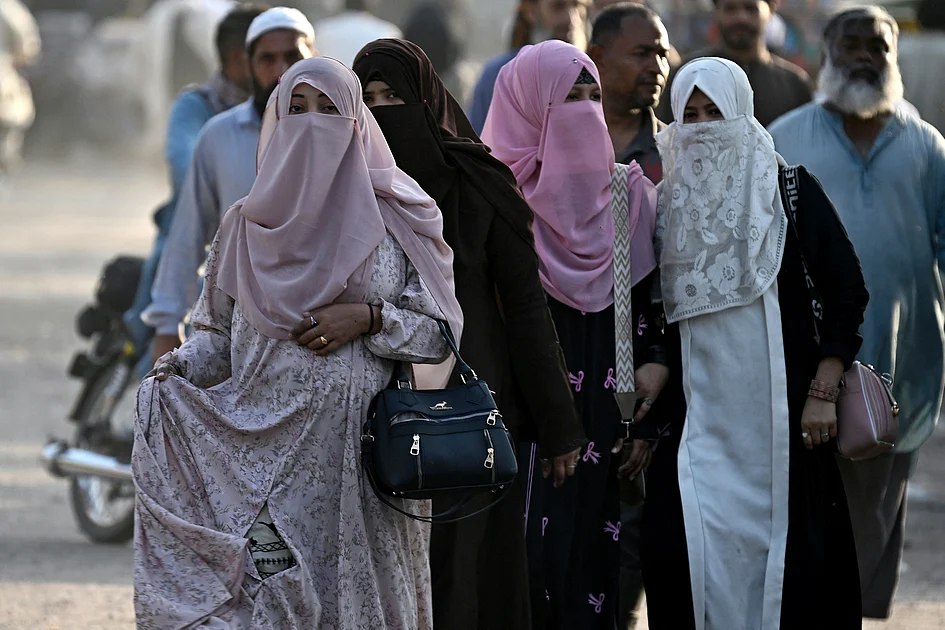
    In Karachi’s Bengali markets, stories of separation echo through crowded alleyways. Shah Alam, a 60-year-old dried seafood vendor, embodies this narrative—stranded in Pakistan for nearly three decades after what was intended as a brief visit. ‘I wanted to go back, but there was no way. The relationship was not good. I had no money,’ Alam told AFP, now planning his return to Bangladesh after Eid al-Adha to reunite with surviving family members.

    The geopolitical shift follows Bangladesh’s 2024 student-led uprising that brought new leadership under Chief Adviser Muhammad Yunus, who pledged to warm relations with Islamabad. This diplomatic progress continues under newly elected Prime Minister Tarique Rahman, creating unprecedented opportunities for people-to-people connections.

    Yet beneath this optimism lies complex reality. Many Bengali families in Pakistan’s slum settlements like Machhar Colony face statelessness—deprived of national identity cards, education access, and economic opportunities. ‘I am a Pakistani, but I don’t have my identity card,’ lamented 22-year-old Ahmed, whose family cannot prove pre-1971 residency.

    Community representatives note the cultural transformation undergone by Pakistani Bengalis, with many adopting Urdu and local customs. ‘We don’t have our own culture now,’ acknowledged lawyer Hafiz Zainulabdin Shah, though he expressed optimism about the improved bilateral relationship.

    The diplomatic breakthrough, including Foreign Minister Ishaq Dar’s 2025 Dhaka visit—the first by a Pakistani official since 2012—signals a potential new chapter not only in state relations but in healing personal wounds that have festered for generations.

  • Hetmyer hammers 85 as West Indies thrash Zimbabwe

    Hetmyer hammers 85 as West Indies thrash Zimbabwe

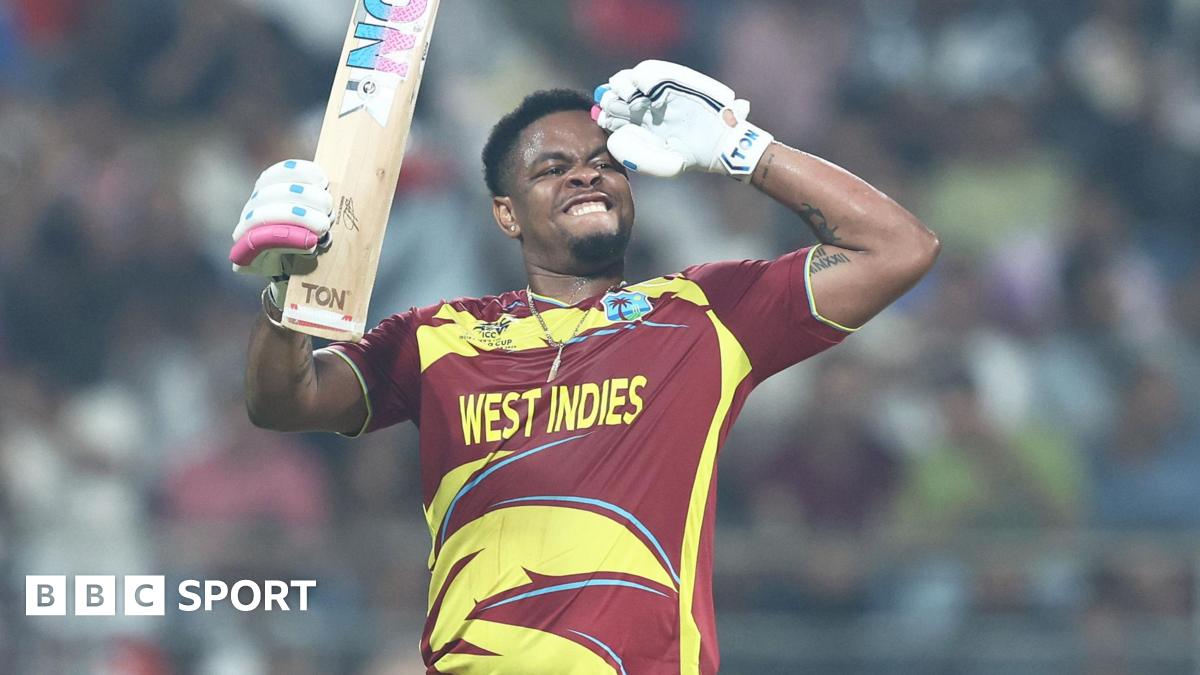
    In a spectacular display of power hitting, Shimron Hetmyer’s explosive 85 runs from just 34 deliveries propelled the West Indies to a commanding 107-run victory against Zimbabwe in the Super 8 stage of the Men’s T20 World Cup. The match, held at Mumbai’s Wankhede Stadium, witnessed the Caribbean side post a mammoth 254-6 – the second-highest total in tournament history.

    The left-handed batsman from Guyana demonstrated extraordinary batting prowess, striking seven sixes and seven fours while maintaining a staggering strike rate of 250. Hetmyer’s performance was particularly remarkable given he was dropped twice by Tashinga Musekiwa at critical moments in his innings. His 19-ball half-century set a new West Indian World Cup record, surpassing his own previous achievement.

    Captain Rovman Powell provided substantial support with a well-crafted 59 from 35 balls, while middle-order contributions from Sherfane Rutherford, Romario Shepherd, and Jason Holder accelerated the scoring in the final overs. Zimbabwe’s bowling attack endured a chastening experience, with only Graeme Cremer managing an economy rate below 10.

    Facing an unprecedented chase at the Wankhede Stadium, where no team had successfully pursued more than 230 in T20 history, Zimbabwe’s innings collapsed early. The spin duo of Gudakesh Motie (4-28) and Akeal Hosein (3-28) dismantled the batting lineup, reducing Zimbabwe to 20-3 within the first three overs.

    Despite the comprehensive defeat, Brad Evans provided late resistance with an aggressive 43 from 21 balls, including five sixes, while establishing a record 10th-wicket partnership of 44 with Richard Ngarava. The victory reinforces West Indies’ status as serious contenders for the title, though questions emerge about whether they’re reaching peak form too early in the competition.

  • Police in Britain arrest former ambassador Mandelson in probe into Epstein ties

    Police in Britain arrest former ambassador Mandelson in probe into Epstein ties

    London’s Metropolitan Police have taken into custody Peter Mandelson, the former British ambassador to the United States, as part of an ongoing investigation into misconduct within public office. The arrest, which occurred at a north London residence, marks the second high-profile detention within days connected to the Jeffrey Epstein scandal, following the recent apprehension of the former Prince Andrew.

    The 72-year-old diplomat, who served under previous Labour administrations, faces allegations of improperly sharing sensitive government information with the disgraced financier Epstein during his tenure as a senior minister. While no sexual misconduct charges have been brought against Mandelson, the investigation centers on communications from 2009 that suggest he provided Epstein with confidential documents, including internal reports discussing post-financial crisis asset sales and potential tax policy changes.

    The arrest follows the release of over three million pages of Epstein-related documents by the U.S. Justice Department in January, which contained explosive revelations about Mandelson’s relationship with the convicted sex offender. Correspondence indicates Mandelson referred to Epstein as ‘my best pal’ and allegedly promised to lobby government colleagues regarding bankers’ bonus taxation.

    Prime Minister Keir Starmer had previously dismissed Mandelson from his ambassadorial position in September after evidence emerged showing continued contact with Epstein following his 2008 conviction. The appointment had already placed Starmer’s leadership under scrutiny, with his political future potentially hinging on the scheduled release of documents related to Mandelson’s selection in early March.

    Mandelson, a controversial figure nicknamed ‘Prince of Darkness’ for his political maneuvering, has resigned from the House of Lords but retains his lifetime peerage title. The investigation continues as police examine evidence gathered during searches of Mandelson’s properties in London and western England.

  • Tejas crash: Indian Air Force grounds fleet following third accident in two years

    Tejas crash: Indian Air Force grounds fleet following third accident in two years

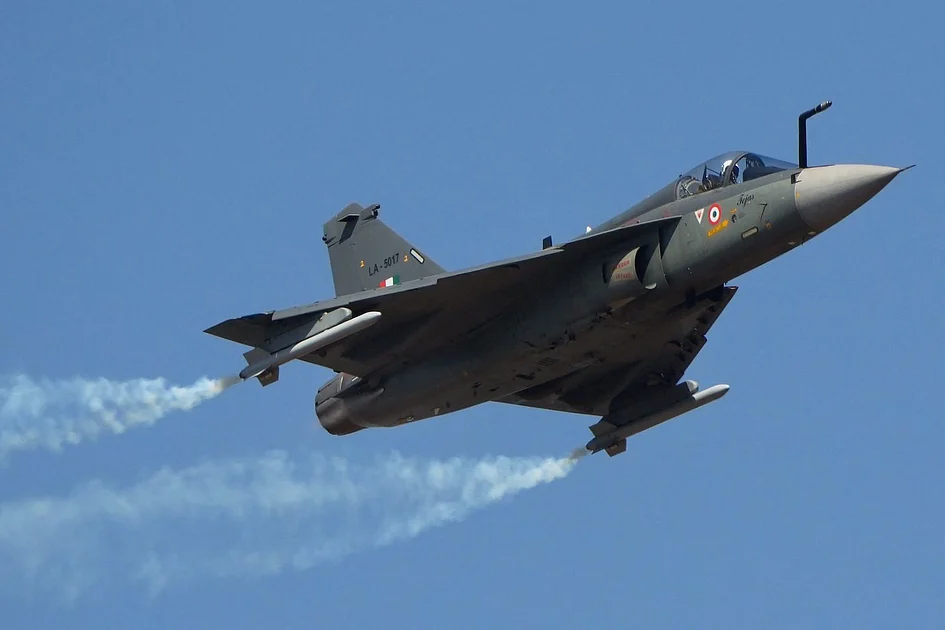
    The Indian Air Force has initiated a comprehensive grounding of its entire Tejas light combat aircraft fleet following a third significant incident within a two-year period. The preventive measure comes after a February 7th training mission incident where the domestically manufactured fighter jet experienced a suspected brake failure upon returning to base, resulting in substantial airframe damage.

    The single-seat aircraft, produced by Hindustan Aeronautics Limited (HAL), overshot the runway during landing procedures. The pilot successfully ejected from the malfunctioning system and escaped without physical injuries. While official statements from the IAF remain pending, defense sources indicate that the grounding affects all 30 operational Tejas jets pending extensive technical evaluation and safety verification.

    This latest incident marks the third safety concern involving the Tejas platform since its induction in 2015. The first occurrence was recorded in March 2024 in Rajasthan’s Jaisalmer district, followed by a tragic November 2025 demonstration at the Dubai Airshow that resulted in pilot fatalities. The Dubai incident prompted an official statement from the IAF expressing profound regret and solidarity with the bereaved family.

    Compounding these operational challenges, HAL faces significant production delays in fulfilling its 83-jet contract with the Air Force. Delivery schedules have reportedly fallen nearly two years behind primarily due to supply chain issues involving GE Aerospace, which provides the aircraft’s propulsion systems. The American manufacturer recently secured a $1 billion agreement in November 2025 to supply 113 F404 engines for the Tejas program.

    The Tejas represents India’s flagship indigenous defense project—a single-engine, multirole fighter designed for high-threat environments with capabilities spanning air defense, maritime reconnaissance, and precision strike missions. The current fleet-wide grounding represents the most significant operational interruption since the aircraft’s commissioning into active service.

  • At least 25 National Guards killed in violence after death of Mexican drug lord

    At least 25 National Guards killed in violence after death of Mexican drug lord

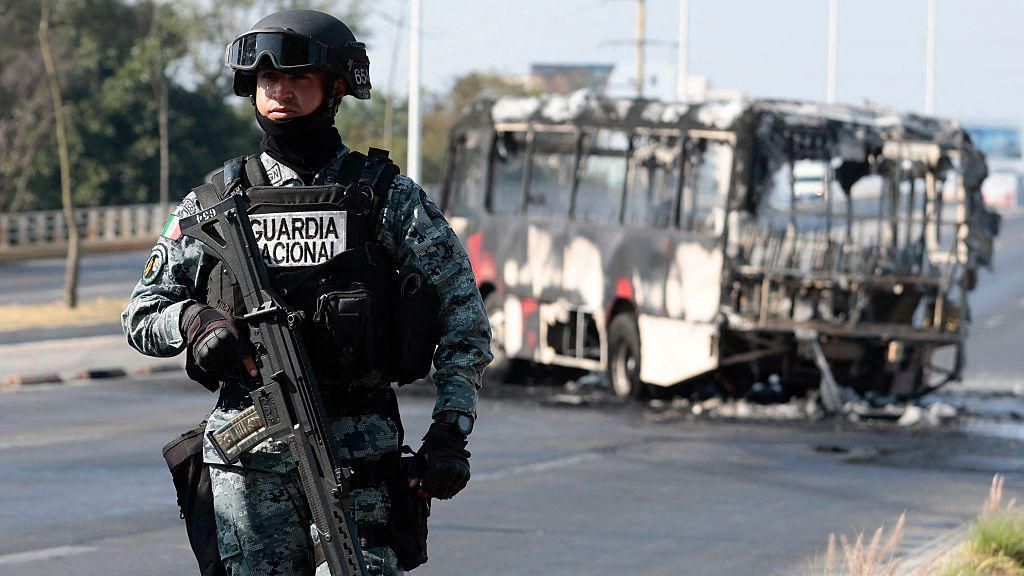
    Mexico has deployed 2,500 soldiers to western regions following a devastating wave of cartel violence that killed at least 25 National Guard members. The unrest erupted after Nemesio Oseguera Cervantes, known as ‘El Mencho’ and leader of the Jalisco New Generation Cartel (CJNG), died in custody Sunday after being captured by special forces.

    The security crisis has spread across at least 20 states since El Mencho’s death, with cartel members launching coordinated attacks including road blockades, vehicle burnings, and arson attacks on businesses. Security Secretary Omar Garcia Harfuch confirmed casualties included a prison guard, a state prosecutor’s office member, and 30 cartel operatives.

    El Mencho was captured following intelligence tracking of a romantic partner he was meeting in Tapalpa, Jalisco. The operation involved firefights that left six of his bodyguards dead and three military personnel injured. While being transported to Mexico City, the drug lord succumbed to injuries sustained during his capture.

    President Claudia Sheinbaum praised the military operation while emphasizing her administration’s commitment to restoring order. ‘There is calm, there is government, there are armed forces and there is a lot of co-ordination,’ she stated, noting that most roadblocks had been cleared by Monday morning.

    The violence prompted widespread shelter-in-place orders as deserted streets reflected public fear. The CJNG, considered Mexico’s most dangerous criminal organization, demonstrated its continued capacity for violence despite losing its leader.

    International cooperation played a role in the operation, with US-provided intelligence contributing to El Mencho’s capture though no US forces participated directly. The US State Department had offered a $15 million reward for information leading to his capture.

  • I almost lost my leg after crash, says Vonn

    I almost lost my leg after crash, says Vonn

    Olympic skiing champion Lindsey Vonn has disclosed she narrowly avoided leg amputation following a devastating crash during the women’s downhill event at the Winter Olympics in Cortina, Italy, on February 8. The 41-year-old American athlete suffered multiple severe injuries including a complex tibia fracture and compartment syndrome—a dangerous condition involving excessive muscle pressure that restricts blood flow.

    In a heartfelt Instagram video address, Vonn credited orthopedic surgeon Dr. Tom Hackett with performing life-saving emergency procedures. ‘Dr. Hackett saved my leg from being amputated,’ she revealed. ‘He performed a fasciotomy, cutting open both sides of my leg to relieve pressure and allow tissue to breathe.’

    The catastrophic incident occurred merely 13 seconds into Vonn’s downhill run when she collided with a gate, just nine days after having ruptured ligaments in her left knee. The crash resulted in four surgical interventions in Italy before her medical evacuation to the United States.

    Vonn has since undergone an extensive six-hour reconstructive operation and required blood transfusion due to significant hemoglobin depletion from substantial blood loss. Currently wheelchair-bound and describing the injury as ‘the most extreme, painful and challenging’ of her legendary career, Vonn acknowledged her recent transition from hospital care to hotel accommodation as a ‘huge step’ in recovery.

    The skiing icon anticipates remaining immobile for several months, with complete bone healing potentially requiring a full year. Additional surgeries may be necessary to address metal hardware removal and anterior cruciate ligament reconstruction.

  • Thrashing Spurs dragged Arsenal out of title hell, says Arteta

    Thrashing Spurs dragged Arsenal out of title hell, says Arteta

    In a stunning display of resilience, Arsenal Football Club delivered a commanding 4-1 victory against arch-rivals Tottenham Hotspur, a performance manager Mikel Arteta described as cathartic redemption following what he characterized as ’72 hours in hell.’ The Premier League leaders showcased their championship mettle at Tottenham Hotspur Stadium, where doubles from attacking talents Eberechi Eze and Viktor Gyokeres propelled the Gunners to restore their five-point advantage over pursuing champions Manchester City.

    This emphatic derby triumph arrived as a vital response to Arsenal’s midweek collapse against bottom-placed Wolves, where they surrendered a two-goal advantage in a devastating 2-2 draw that had momentarily ceded title control to Manchester City. Arteta revealed the profound emotional toll that result exacted on his squad, acknowledging the subsequent challenge of revitalizing his players’ battered confidence.

    ‘The psychological transformation from Wednesday’s disappointment to Saturday’s dominance represents everything we stand for,’ Arteta reflected. ‘When you experience that combination of anger, shame, and frustration, the response must come from genuine passion rather than mere professional obligation.’

    This victory marked Arsenal’s most significant away win against Tottenham since 1978 and only the second season in their storied rivalry—after 1934-35—that the Gunners have secured both derby matches by three-goal margins. The comprehensive nature of the performance prompted spontaneous celebrations between players and traveling supporters, while dejected Tottenham fans vacated the stadium well before the final whistle.

    For interim Tottenham manager Igor Tudor, the match offered a brutal introduction to Premier League realities. Inheriting a squad plagued by injury crises and shattered confidence, Tudor now confronts a mounting relegation threat with Spurs hovering just four points above the drop zone—potentially facing their first season outside England’s top flight since 1978.

    ‘Arsenal demonstrated why they rank among football’s elite,’ Tudor conceded. ‘Our current challenges—both psychological and physical—created an insurmountable gap today. The solution requires humble self-reflection and daily commitment to improvement from every individual.’

    The victory provides crucial momentum for Arsenal as they pursue their first major trophy since 2020, having previously relinquished significant leads to Manchester City in the 2023 and 2024 title races. Arteta emphasized the continuing challenge: ‘This demonstrates our character when doubts emerge, but the Premier League demands consistent replication of such performances.’

  • Colombia’s ELN rebels declare a unilateral ceasefire ahead of key congressional elections

    Colombia’s ELN rebels declare a unilateral ceasefire ahead of key congressional elections

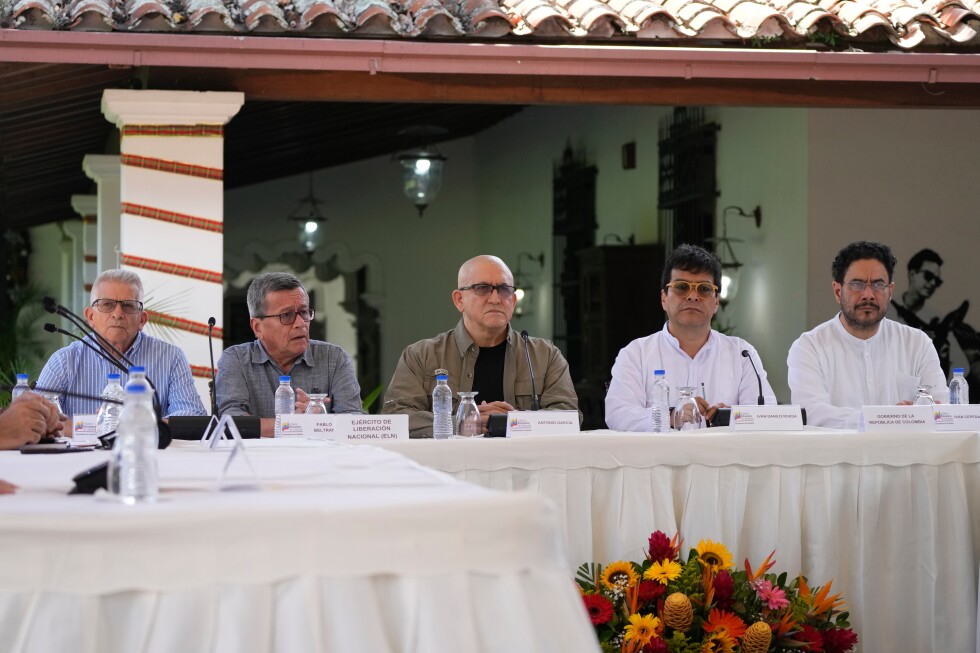
    BOGOTA, Colombia — In a significant political development, Colombia’s National Liberation Army (ELN) has announced a unilateral ceasefire preceding next month’s crucial congressional elections. The country’s largest remaining rebel organization declared it would suspend hostilities against military and electoral authorities to facilitate public voting “in liberty,” though the ceasefire’s duration remains unspecified.

    The declaration emerges against a backdrop of escalating electoral violence targeting candidates in rural regions. The ELN utilized its official communication channels to refute longstanding allegations of political coercion and municipal fund manipulation, asserting they “do not finance any campaigns as drug traffickers do” and emphasizing voter autonomy in electoral decisions.

    This development follows the Colombian government’s termination of peace negotiations last year after ELN attacks in northeastern territories displaced over 50,000 civilians. The March 8 elections will determine composition of the Senate and House of Representatives, with more than 300 congressional seats contested. Simultaneously, primaries will select presidential candidates for left-wing and center-right coalitions ahead of May’s presidential race.

    President Gustavo Petro’s left-wing Historical Pact movement faces a pivotal test in establishing congressional support for potential constitutional reforms. However, electoral integrity has been compromised by violence, including recent incidents: Indigenous Senator Aida Quilcue’s temporary abduction in Cauca, the fatal shooting of two bodyguards protecting Senator Jairo Castellanos, and the assassination of presidential candidate Miguel Uribe last year—the first such attack in thirty years.

    Electoral monitoring organization Movement for Electoral Observation classifies 11% of Colombian municipalities at “extreme risk” for election-related violence, evaluating factors including armed group presence, forced displacements, and attacks on human rights defenders. This security assessment underscores the complex challenges facing Colombia’s democratic processes amid ongoing internal conflicts.