作者: admin

  • Myanmar’s new parliament is to convene next month for its first session after elections

    Myanmar’s new parliament is to convene next month for its first session after elections

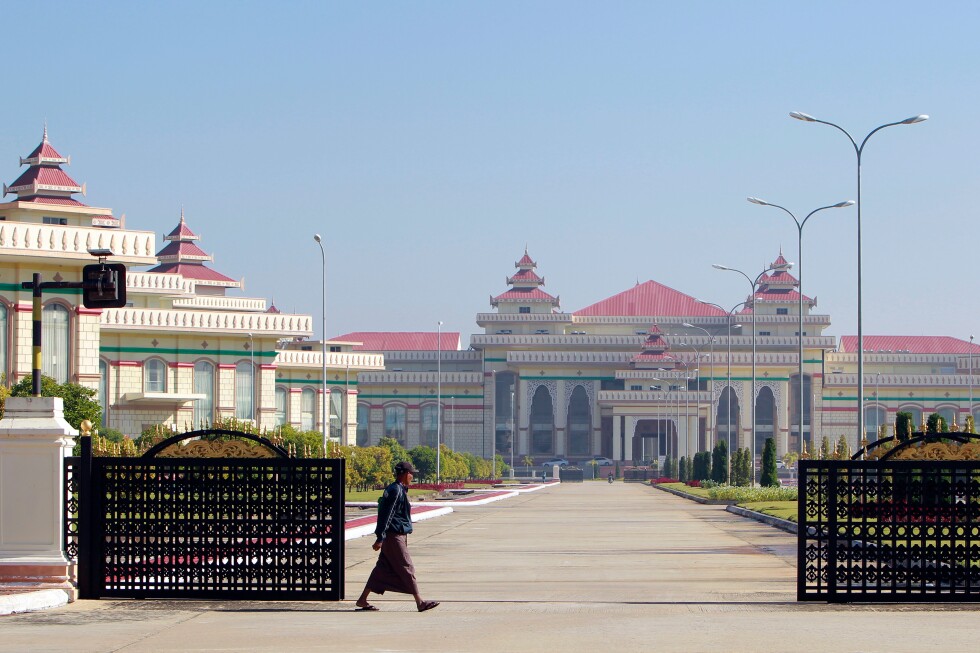
    BANGKOK (AP) — Myanmar’s military government has announced that the newly elected parliament will hold its inaugural session next month, marking the first legislative assembly since the 2021 military coup that overthrew Aung San Suu Kyi’s democratically elected government. The state media confirmed on Tuesday that the session would commence on March 16, following elections that international observers have widely criticized as neither free nor fair.

    The parliamentary convening occurs against the backdrop of intensified civil conflict that has engulfed Myanmar since the military takeover nearly three years ago. The phased elections conducted during December and January across 263 of the country’s 330 townships resulted in a decisive victory for the army-supported Union Solidarity and Development Party (USDP).

    According to official reports, the 440-member lower house will initiate proceedings on March 16, with the 224-seat upper house following two days later in the capital city of Naypyitaw. Regional chambers are scheduled to convene on March 20.

    The military government has portrayed the electoral process as a restoration of democratic governance, but critics maintain that the polls were strategically engineered to legitimize military authority following the ouster of Suu Kyi in February 2021. The former ruling National League for Democracy and several other political factions boycotted the elections, citing fundamentally unfair conditions.

    Electoral commission data reveals that the USDP secured 339 of the 586 available parliamentary seats. Combined with the military’s constitutionally guaranteed allocation of 166 seats, the establishment controls approximately 86% of the legislative body. Twenty-one additional parties obtained between one and twenty seats each.

    The parliament’s initial agenda includes selecting speakers for both chambers, followed by the election of a president and two vice presidents. Senior General Min Aung Hlaing, the current military government leader, is anticipated to assume the presidency, though constitutional provisions prohibit the president from simultaneously serving as army commander-in-chief—Myanmar’s most powerful military position.

    Meanwhile, Aung San Suu Kyi, the 80-year-old former leader, remains imprisoned under a 27-year sentence on charges widely regarded as politically motivated. Her party, which achieved overwhelming victories in the 2015 and 2020 elections, was forcibly dissolved in 2023 after refusing to comply with new military registration requirements.

  • India cuts dividend tax for large French investors

    India cuts dividend tax for large French investors

    India and France have modernized their bilateral tax agreement, implementing significant changes that will reshape investment dynamics between the two nations. The revised treaty, which updates terms established three decades ago, reduces dividend taxation for substantial French investors while simultaneously expanding India’s authority to tax certain financial transactions.

    Under the new framework, French corporations holding at least 10% stakes in Indian companies will benefit from a reduced dividend tax rate of 5%, a substantial decrease from the previous 10%. Conversely, portfolio investors with smaller holdings (below 10%) will face an increased tax rate of 15% on dividends, up from the former 10% levy.

    The agreement represents a strategic recalibration of fiscal relations, particularly through the elimination of the most-favored-nation (MFN) clause that previously permitted French entities to claim lower tax rates if India granted more favorable terms to other OECD members. This modification aligns with a 2023 Supreme Court of India ruling that such benefits cannot be automatically applied without formal notification procedures.

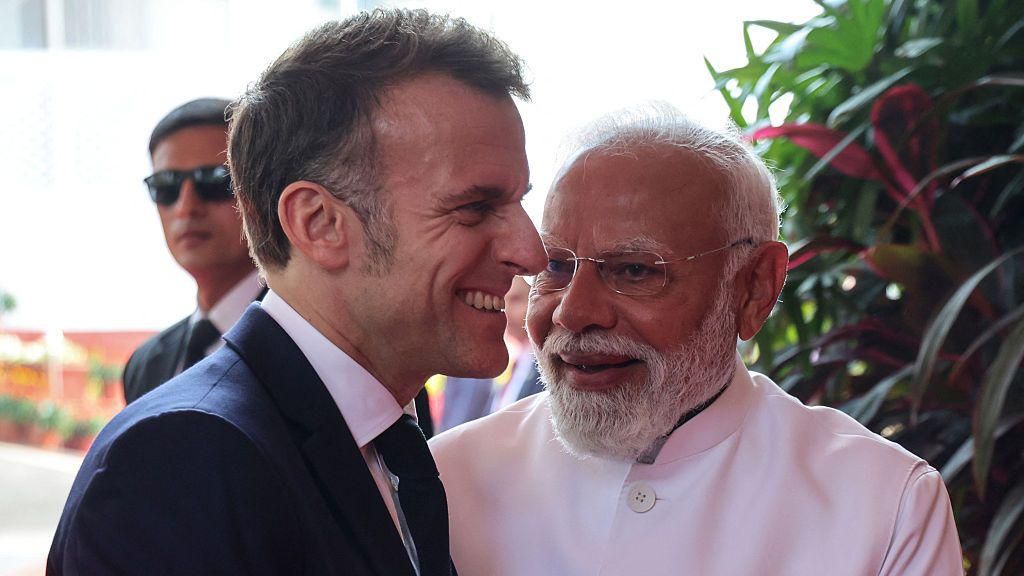
    The treaty revision, announced by India’s finance ministry days after President Emmanuel Macron’s diplomatic visit to Delhi, forms part of broader bilateral enhancements. During the meetings, both nations elevated their relationship to a ‘Special Global Strategic Partnership’ and expanded cooperation in defense and space technology sectors.

    Prominent French corporations including Sanofi, Renault, and L’Oreal stand to benefit from these changes, having significantly expanded their Indian investments in recent years. The updated agreement aims to stabilize economic activities for businesses from both countries while encouraging increased investment flows and collaborative ventures.

    According to financial data, France-based portfolio investors held approximately $21 billion in Indian company shares as of January 2026, with bilateral trade between the nations reaching $15 billion in the previous year. The revised treaty awaits final formalities and legal approvals in both countries before implementation.

  • ‘Anyone who runs is shot’: Watch Russian soldiers describe killings of troops who refuse orders

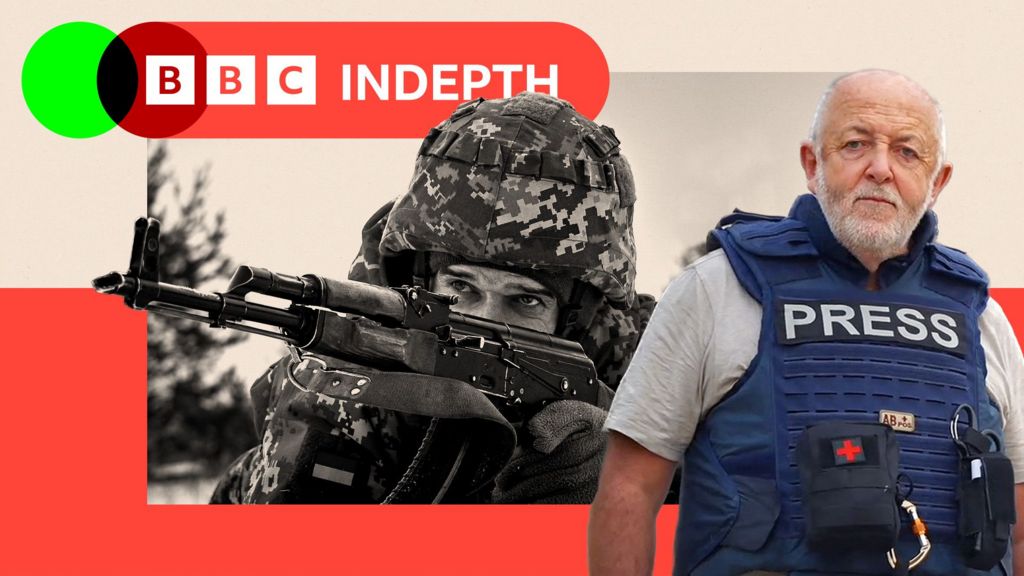
    ‘Anyone who runs is shot’: Watch Russian soldiers describe killings of troops who refuse orders

    In a harrowing firsthand account, Russian soldiers who have fled their units are providing unprecedented testimony about systematic executions and extreme brutality within the Russian military ranks in Ukraine. These defectors, now in hiding for their safety, describe a command structure that employs lethal force to maintain discipline, creating an environment of terror among troops.

    The soldiers report that any attempt to retreat or disobey orders results in immediate execution by specialized barrier troops—dedicated units operating behind front-line forces. These ‘blocking units’ function as military police with shoot-to-kill authority against their own comrades, effectively eliminating any possibility of surrender or retreat for ordinary soldiers.

    Beyond these executions, the defectors describe widespread atrocities against Ukrainian civilians and prisoners of war, painting a picture of complete moral collapse within Russian units. The accounts suggest these war crimes are not isolated incidents but rather systematic behaviors encouraged or tolerated by command structures. The testimonies emerge as international investigators continue gathering evidence of potential crimes against humanity committed during Russia’s invasion of Ukraine.

  • Travel volumes set to hit new highs as holidayers return after Spring Festival

    Travel volumes set to hit new highs as holidayers return after Spring Festival

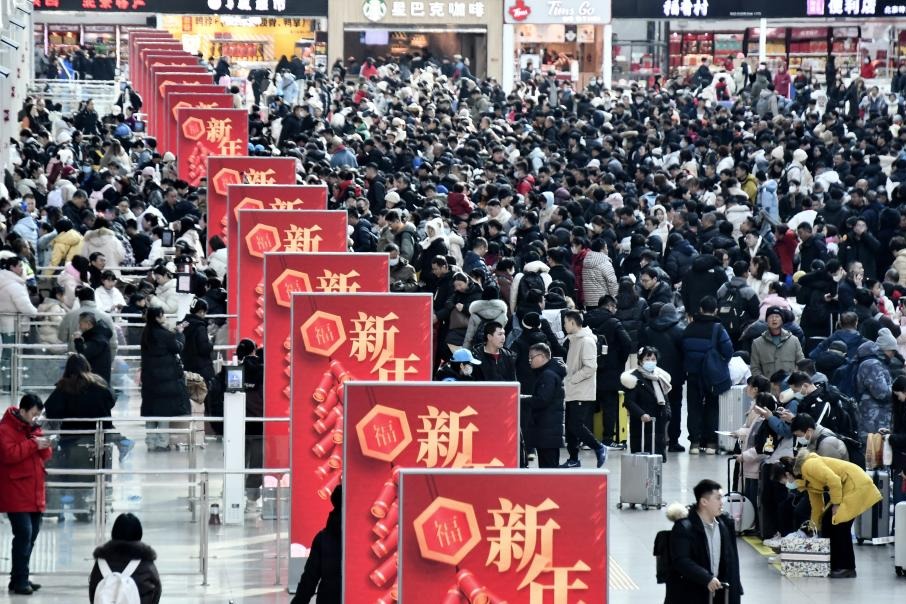
    China witnessed unprecedented travel volumes during the final phase of the Spring Festival holiday period, with transportation networks nationwide experiencing record-breaking passenger flows as millions returned from holiday celebrations. Official data from the Ministry of Transport revealed Monday’s cross-regional journeys reached approximately 362.6 million trips, maintaining exceptionally high mobility levels following Sunday’s staggering 380.35 million trips—the highest single-day volume recorded during this year’s holiday season.

    The 40-day Spring Festival travel period (chunyun), recognized as the world’s largest recurrent human migration, reached its midpoint on Saturday. Current projections indicate this year’s season will generate an unprecedented 9.5 billion cross-regional journeys, including approximately 540 million rail trips and 95 million air travel segments according to official estimates.

    Rail transportation peaked on Monday with operators handling 18.5 million passenger trips nationwide. To accommodate the massive return flow, railway authorities implemented 2,297 additional services across the network. Major transportation hubs in Jiangxi and Fujian provinces enhanced their operational capacity by deploying extra security screening channels, additional ticket service counters, and supplementary staff throughout waiting areas and passenger service zones.

    Road travel continued to dominate holiday mobility, with highway traffic exceeding 66 million vehicle trips as private car travel remained the preferred option for families. Air travel reached approximately 2.65 million passenger journeys, while waterways transported roughly 1.6 million travelers.

    In Beijing, transportation authorities extended late-night subway operations and increased bus and taxi availability to manage sustained arrival flows at major stations and airports. Despite considerable passenger volumes, travelers reported orderly movement through transportation facilities, with staff providing assistance with directions and luggage handling.

    Transportation flows are expected to remain elevated through Tuesday as normal work and school schedules resume nationwide following the conclusion of the nine-day public holiday period.

  • Starting the year with a bang, ushering in prosperity

    Starting the year with a bang, ushering in prosperity

    The ancient Chinese tradition of fireworks celebration has evolved into a spectacular fusion of cultural heritage and technological innovation, with Liuyang, Hunan province at its epicenter. This Spring Festival, international visitors like Australian YouTuber Jasminia Gough experienced the breathtaking displays firsthand, capturing the magical moments when entire cities transform into theaters of light and sound at midnight celebrations.

    The pyrotechnic legacy dates back to 621 AD when Li Tian from modern-day Liuyang invented firecrackers to ward off evil spirits. Over fourteen centuries, this tradition has developed into a sophisticated industry that combines 72 traditional procedures with cutting-edge technology. The city’s expertise has earned it national intangible cultural heritage status in 2006 and global recognition through record-breaking performances.

    Recent technological advancements have propelled Liuyang fireworks to new heights. The October 2025 presentation of ‘Tree of Life’ featuring 7,496 fireworks synchronized with 15,947 drones secured two Guinness World Records. More recently, a stunning display of 2,000 drones forming a winged horse over Liuyang’s Sky Theater dazzled 200,000 spectators during the Lunar New Year celebrations.

    The industry has simultaneously addressed modern concerns through innovation. Companies like Liuyang Runting Fireworks Group have developed sulfur dioxide-free materials, while Dancing Fireworks researches reduced-smoke formulations. These advancements have facilitated international expansion, with displays now illuminating skies from the United Arab Emirates to North America.

    Economically, the fireworks industry has become a significant growth driver for Liuyang, hosting 145 shows since July 2023 that attracted 8 million visitors and generated over 20 billion yuan ($2.89 billion) in local revenue. During the recent Spring Festival alone, Liuyang’s leading companies staged more than 500 shows nationwide, setting new records in both scale and economic impact.

  • Mexico’s violence-hit Guadalajara to host World Cup games

    Mexico’s violence-hit Guadalajara to host World Cup games

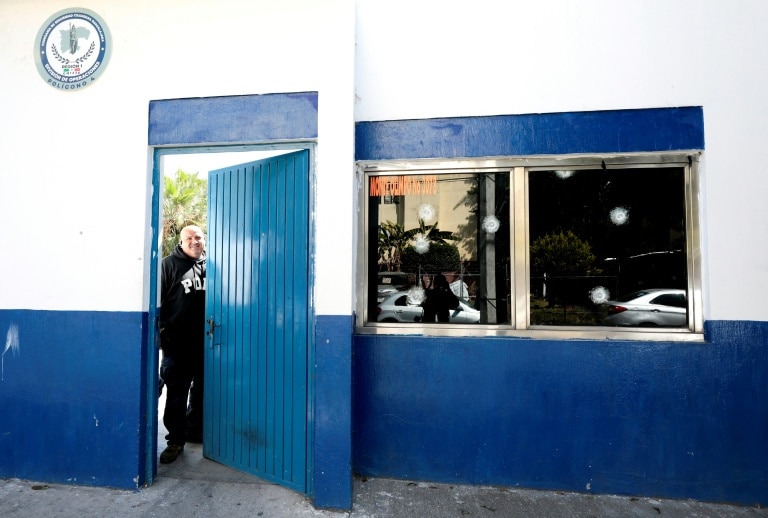
    Guadalajara, the capital of Mexico’s Jalisco state, faces unprecedented security challenges as it prepares to host four World Cup matches this summer. The city’s preparations occur against a grim backdrop of escalating cartel violence triggered by the military operation that killed Nemesio ‘El Mencho’ Oseguera, leader of the Jalisco New Generation Cartel, this past weekend.

    The lethal confrontation between security forces and cartel members resulted in at least 57 fatalities nationwide, alongside widespread highway blockades across 20 Mexican states. The violence forced temporary suspension of football games in Guadalajara and Queretaro, raising concerns about safety during the upcoming global tournament that Mexico is co-hosting with the United States and Canada.

    Authorities are implementing advanced technological solutions to ensure security, including drone surveillance systems, anti-drone equipment, and AI-powered video monitoring. These measures address both immediate threats and the deeper security crisis in Jalisco, which leads Mexico in disappearances with 12,575 reported cases—over half from Guadalajara’s metropolitan area.

    The human toll of the violence is profound. Families of the disappeared have uncovered hundreds of clandestine graves while searching for loved ones. Activists like Carmen Ponce, whose brother disappeared in 2020, criticize the World Cup hosting as ‘grotesque’ amid ongoing tragedies. The economic impact is already being felt, with local tour guide Missael Robles reporting 25 cancelled tours since Sunday’s violence.

    Security concerns extend to tournament venues, with authorities discovering criminal properties just kilometers from the Akron Stadium. The proximity was underscored by a recent kidnapping-related raid less than two kilometers from the sporting complex. Families of the disappeared fear tourists might become targets, with security camera network supervisor Juan Carlos Contreras warning of potential protests by citizens searching for missing relatives.

    FIFA has declined comment on the security situation, while the city remains emotionally and economically impacted by violence that contrasts sharply with officials’ recent claims of peace.

  • AFL 2026: Richmond has been dealt a brutal injury blow on the eve of the season

    AFL 2026: Richmond has been dealt a brutal injury blow on the eve of the season

    Two Australian Football League clubs are confronting significant pre-season challenges following injury setbacks to their most promising young players. Richmond Tigers’ emerging star Taj Hotton faces an extended period on the sidelines after medical scans revealed bone stress in his hip, potentially sidelining the talented recruit for up to four months.

    The development represents a particularly cruel blow for Hotton, who had been demonstrating impressive form during match simulation against Essendon last Friday before reporting subsequent discomfort. This latest injury compounds existing concerns for the young athlete, who missed the first half of last season recovering from an ACL rupture sustained during his draft campaign.

    Prior to his initial injury, Hotton was widely considered a potential number one draft selection, making his acquisition by Richmond at pick 12 in the 2024 super draft viewed as exceptional value. Richmond’s high performance manager Ben Serpell indicated the club would implement a carefully managed rehabilitation protocol, noting: “Taj will begin modified weight bearing across the next 10 days to two weeks, before starting a slow progression back into running. We anticipate approximately six to eight weeks before he returns to running and possibly four months before available for selection.”

    Meanwhile, North Melbourne faces its own preseason complication with midfielder George Wardlaw sustaining a hamstring strain during match simulation exercises. Club officials have confirmed a 3-4 week absence for the hard-nosed midfielder, though remain optimistic about his relatively prompt return. North Melbourne’s head of performance Kevin White characterized the injury as “a low-grade strain similar to the previous injury in the same area,” while noting the player has “presented really well” following the incident.

    Both incidents highlight the physical demands and injury risks associated with elite Australian rules football, particularly affecting clubs investing in developing young talent ahead of the approaching season.

  • ASX shakes off negative session on Wall Street to end Tuesday flat

    ASX shakes off negative session on Wall Street to end Tuesday flat

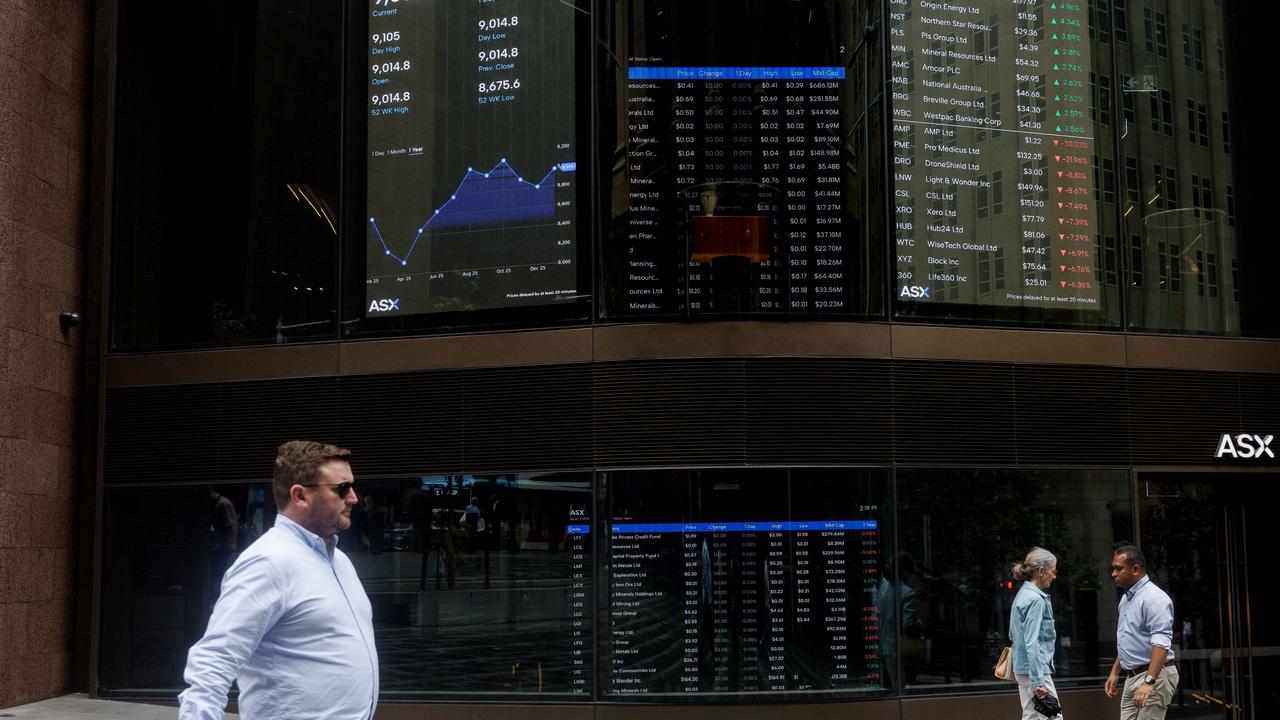
    Australia’s benchmark ASX 200 demonstrated remarkable resilience on Tuesday, closing essentially flat at 9022.30 despite significant pressure from technology sector declines. The index’s stability emerged from a fascinating sectoral divergence where robust commodity performances neutralized substantial tech sell-offs driven by artificial intelligence concerns.

    Market dynamics revealed a tale of two sectors: technology stocks experienced pronounced declines with WiseTech Global falling 3.67%, Xero dropping 4.57%, and TechnologyOne decreasing 3.75%. Conversely, energy companies surged as crude oil prices climbed above $72 per barrel, reaching their highest levels since August. Woodside Energy advanced 2.4%, while Santos and Ampol posted gains of 0.44% and 1.06% respectively. Mining giant BHP added 1.35% to the positive momentum.

    Lithium miners emerged as standout performers, fueled by supply constraints and stronger-than-anticipated demand from electric vehicles and energy storage systems. Core Lithium skyrocketed 9.52%, Liontown Resources jumped 8.68%, and Iluka Resources gained 7.92%.

    Market analyst Tony Sycamore noted the Australian market’s ability to withstand negative influences from Wall Street’s session, describing the phenomenon as investors playing ‘Whack-a-Mole’ with potential AI disruption casualties. He highlighted significant implications from the US Supreme Court’s decision to strike down previous tariffs, replaced with a standardized 15% global tariff structure.

    ‘The tariff restructuring reduces average tariff levels, presenting a positive development for global growth,’ Sycamore explained. ‘China, as Australia’s largest trading partner, stands to benefit substantially with an estimated five to eight percentage point reduction in tariffs, potentially creating upside risks for both Chinese and global economies.’

    Financial institutions presented a mixed picture, with ANZ declining 0.7% following resolved legal proceedings with former CEO Shayne Elliott. Westpac and NAB posted gains of 1.45% and 1.04% respectively, while CBA remained virtually unchanged.

    Corporate performances varied significantly: Engineering firm Monadelphous rallied 5.91% after reporting record half-year revenue of $1.53 billion, exceeding expectations. Conversely, ARB Corporation plummeted 13.06% following a 17.2% profit decline, while online retailer Adore Beauty crashed 27.91% amid profit compression from aggressive Black Friday discounting.

    Market participants now await January inflation data scheduled for Wednesday release, alongside earnings reports from Woolworths, Flight Centre, Bapcor, and Domino’s Pizza.

  • BBC’s Will Grant on the atmosphere in Mexico following unrest

    BBC’s Will Grant on the atmosphere in Mexico following unrest

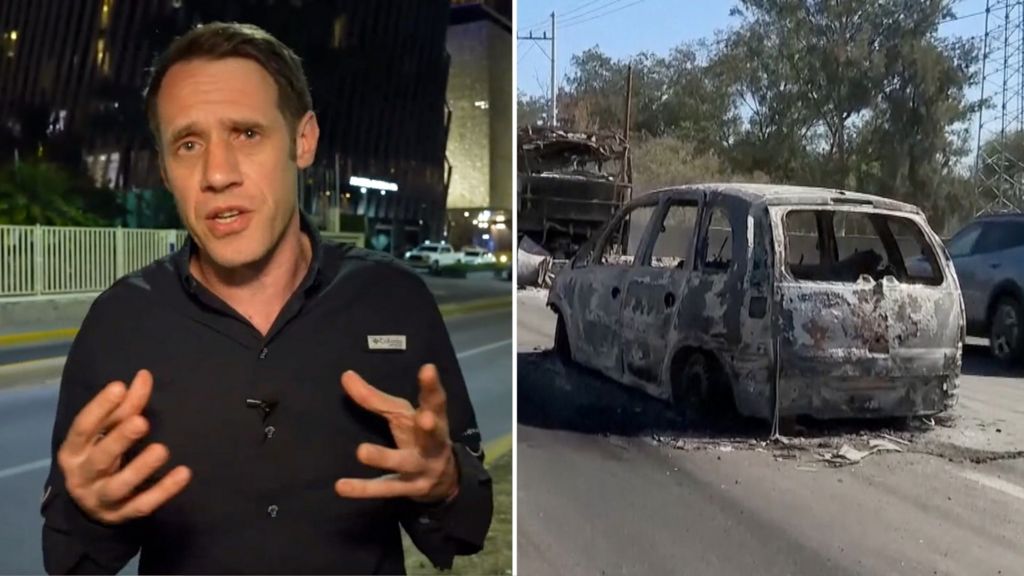
    A palpable sense of apprehension lingers in Guadalajara, the bustling capital of Mexico’s Jalisco state, in the aftermath of a significant eruption of public violence. According to firsthand reporting from the BBC’s Will Grant, the city’s normally vibrant atmosphere has been subdued, replaced by a collective wariness among its citizens. The recent unrest has not only disrupted daily life but has also cast a shadow over the community’s sense of security. Local authorities are reportedly increasing patrols and presence in an effort to restore calm and reassure the public. The incident has sparked conversations about public safety and the underlying social tensions within the region. While businesses are gradually reopening, the memory of the turmoil continues to influence the rhythm of the city, with many residents opting for caution in their daily routines. This event highlights the ongoing challenges faced by communities when civil order is unexpectedly fractured.

  • Bowen: Why Ukraine remains defiant and does not feel close to defeat

    Bowen: Why Ukraine remains defiant and does not feel close to defeat

    Beneath the eerie glow of headlights in eastern Ukraine’s Donetsk region, miles of suspended fishing nets create a shimmering canopy over strategic roadways—a surreal defense against explosive drones that now define modern warfare. These improvised barriers, donated by European fishermen including 280 tonnes of Scottish salmon nets, represent Ukraine’s ingenious adaptation to the deadly drone warfare that has transformed this conflict.

    The battlefield’s most feared weapons are FPV (first-person view) drones, capable of transmitting real-time footage to operators 40km away while delivering precision strikes. Both Ukrainian and Russian forces have revolutionized their use, transitioning from radio-controlled systems to fiber-optic guidance to counter electronic warfare tactics. In hidden command centers within shattered buildings, Ukrainian analysts monitor banks of screens, directing ground operations with terrifying accuracy.

    This technological arms race has expanded traditional front lines into vast “kill zones” stretching 20km beyond forward positions. Rear areas once considered safe now face equal peril as surveillance drones saturate the skies. The economic asymmetry is staggering: a $1,000 drone can destroy a $30 million tank, making skilled pilots invaluable assets. Both nations have become global leaders in drone warfare, with NATO forces struggling to match their operational experience.

    The conflict’s technological evolution occurs against persistent geopolitical pressures. Russian President Vladimir Putin demands Ukrainian surrender of Donetsk’s remaining 20% under Ukrainian control, along with portions of Zaporizhzhia and Kherson regions. Despite American pressure for a ceasefire—including direct appeals from the Trump administration—President Zelensky maintains he will never relinquish unconquered territory, fearing renewed Russian aggression following any temporary pause.

    In Slovyansk, designated a “fortress city” with extensive anti-tank defenses, civilian life persists amid constant danger. Residents hurry through snow-covered streets, aware that nowhere in Donetsk remains truly safe. Local humanitarian efforts continue against impossible odds, with figures like Pastor Oleh Tkachenko delivering 17,000 weekly bread loaves to frontline communities while evacuating those who can no longer endure the danger.

    The human cost remains staggering, with Zelensky acknowledging 55,000 military deaths and countless civilians displaced. Recruitment challenges mount as veterans describe the horrors of months-long deployments in underground bunkers. Yet polling indicates most Ukrainians believe continued resistance remains necessary against what they perceive as existential threats to their nationhood.

    As winter persists, Russia systematically targets energy infrastructure, creating humanitarian crises in already devastated communities. Evacuation trains continue transporting civilians westward, their passengers carrying minimal belongings and maximum trauma. Through it all, Ukraine demonstrates remarkable resilience—maintaining functional cities despite constant attacks while developing domestic military production capabilities.

    The war’s conclusion appears distant as both sides maintain fundamentally incompatible positions. International mediation efforts continue, but appear more focused on diplomatic appearances than genuine breakthrough. With spring approaching, Ukraine prepares for renewed hostilities while advocating for increased European support, determined to prevent what many citizens describe as the repetition of historical mistakes made against previous aggressors.