作者: admin

  • Touch of Magic

    Touch of Magic

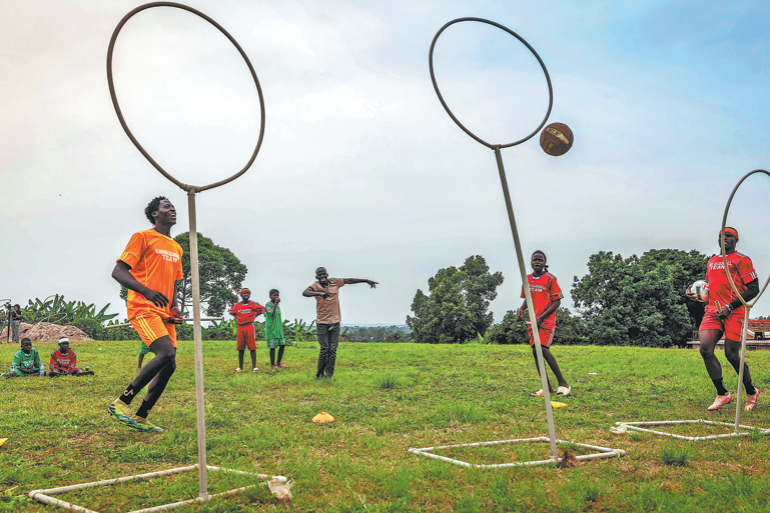
    Deep in the rural village of Katwadde, approximately 135 kilometers from Uganda’s capital Kampala, an extraordinary sporting phenomenon is taking root. Surrounded by banana trees, athletes maneuver across makeshift fields with broomstick-like implements between their legs, practicing a sport that bridges literary fantasy and athletic reality.

    This adaptation of Quidditch—the magical sport from J.K. Rowling’s Harry Potter series—has been officially rebranded as quadball in the muggle world. Unlike its fictional counterpart, quadball requires no magical abilities but has captured global imagination since its literary debut in 1997.

    The sport’s unlikely journey to rural Uganda began in 2013 when primary school teacher John Ssentamu, 47, encountered the concept during a bus journey. “The word ‘Quidditch’ meant nothing to me,” Ssentamu recalled. “I researched it online and immediately recognized its potential for my community.”

    Ssentamu established Uganda’s first quadball team at Good Shepherd Primary School where he teaches. Through ten years of dedicated coaching, his initiative has blossomed into a national movement with over 200 players across the East African nation. The sport’s hybrid nature—combining elements of netball, football, volleyball, and rugby—proves particularly appealing, as does its mandatory gender integration requiring mixed teams.

    The program achieved a significant milestone in 2023 when Ssentamu’s team hosted and won Uganda’s inaugural national quadball tournament. However, financial constraints prevent international participation, leaving the team unable to attend the biennial Quadball World Cup despite invitations. The most recent tournament in Belgium attracted 31 teams from across the globe.

    Beyond competitive aspirations, quadball has become a community unifier in Katwadde. Vicky Edith Nabbanja, Ssentamu’s 25-year-old daughter and team “beater,” emphasizes how the sport “has brought youth together and opened up their minds” while fostering “a community of belonging” in a region where educational priorities often face challenges.

    Ssentamu’s vision remains undimmed: “My dream is to see a team from here going to the Quidditch World Cup because it would be a revelation for the whole world.”

  • OIC to hold emergency talks on Israel

    OIC to hold emergency talks on Israel

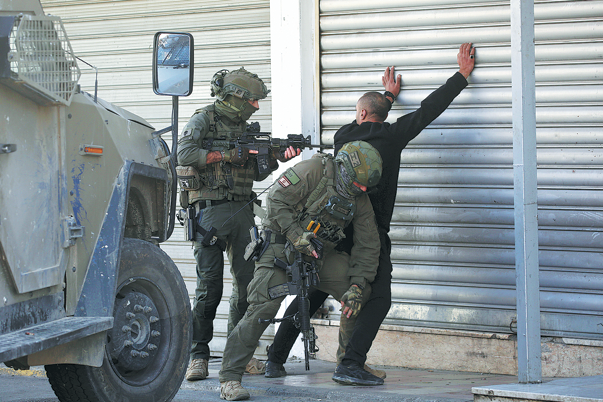
    The Organization of Islamic Cooperation (OIC) has announced an urgent ministerial gathering scheduled for Thursday in Jeddah, Saudi Arabia, responding to escalating tensions in the Palestinian territories. This emergency session comes amid heightened Israeli administrative control measures across the West Bank and controversial statements from senior American diplomatic officials.

    According to the OIC’s Sunday declaration, foreign ministers will address what the organization characterizes as illegal Israeli occupation policies designed to advance settlement expansion and territorial annexation. The meeting specifically targets recent Israeli administrative procedures classifying West Bank territories as ‘state property’—a move perceived as facilitating systematic land appropriation.

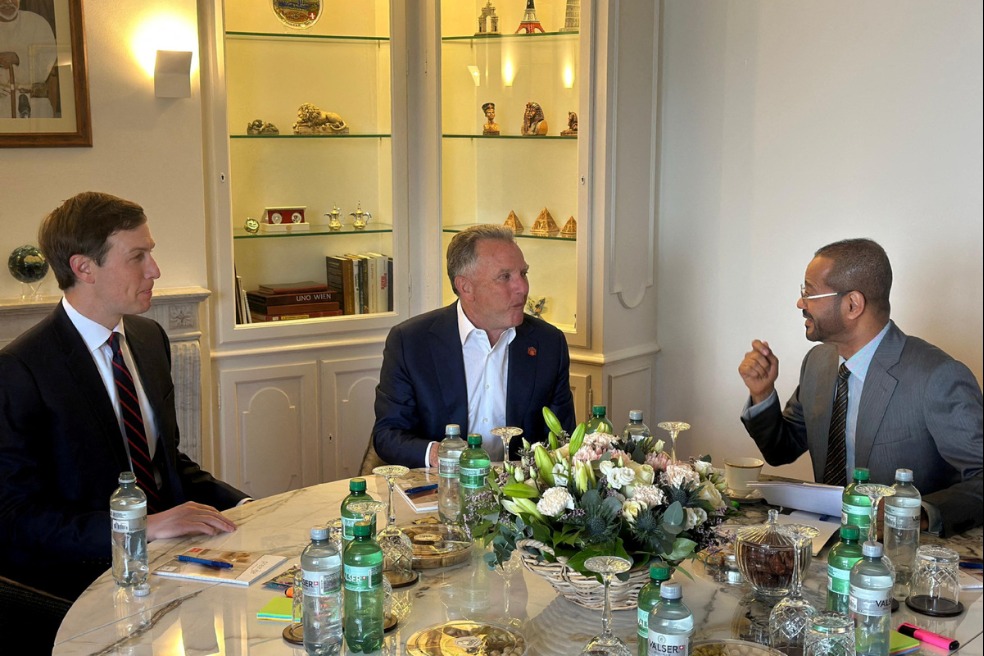
    Simultaneously, the OIC joined numerous Arab and Muslim-majority nations in formally condemning remarks by US Ambassador to Israel Mike Huckabee, who during a recent interview endorsed Israeli territorial claims over extensive Middle Eastern regions, including occupied Palestinian territories.

    Professor Ayman Yousef of Arab American University in Jenin described the current situation as ‘exceptionally complex,’ noting ‘unprecedented settlement expansion, land confiscation, and settler violence against Palestinians’ accompanied by institutionalized discrimination. Yousef characterized the Israeli government as ‘the most radical supporter of settler activities’ and labeled Huckabee’s comments as ‘fundamentalist rhetoric.’

    Raed Jarrar, advocacy director at Democracy for the Arab World Now (DAWN), demanded the ambassador’s immediate dismissal, while former UN human rights official Saul Takahashi interpreted Huckabee’s statements as reflective of broader US disregard for Palestinian rights, Middle Eastern sovereignty, and international legal standards.

    Despite planned diplomatic responses, experts expressed skepticism about tangible outcomes. Yousef questioned whether participating nations would demonstrate unified opposition, particularly those engaged in the US-led ‘Board of Peace’ initiative, noting the irony that ‘they have to draw in even their funds.’ Takahashi similarly warned that countries hoping to influence US policy toward Palestinian interests were undertaking ‘a very risky gamble.’

  • Robert Carradine, Lizzie McGuire and Revenge of the Nerds star, dies aged 71

    Robert Carradine, Lizzie McGuire and Revenge of the Nerds star, dies aged 71

    The entertainment industry is grieving the loss of veteran actor Robert Carradine, who passed away at age 71 following a prolonged battle with bipolar disorder. Best remembered for his iconic roles in the 1980s comedy franchise “Revenge of the Nerds” and as the father figure in Disney Channel’s “Lizzie McGuire,” Carradine’s family confirmed the actor died by suicide after nearly twenty years of living with mental illness.

    In a courageous public statement, the Carradine family revealed the circumstances of his death to combat the stigma surrounding mental health conditions. “We want people to know it, and there is no shame in it,” stated Keith Carradine, the actor’s brother, in an interview with Deadline. The family emphasized their hope that sharing Carradine’s struggle would encourage more open conversations about mental health awareness.

    Carradine’s career spanned over four decades, beginning with his 1972 debut in John Wayne’s “The Cowboys” at the encouragement of his brother David. His filmography included significant works such as Martin Scorsese’s “Mean Streets” (1973), the Oscar-winning “Coming Home” (1978) alongside Jane Fonda, and Quentin Tarantino’s “Django Unchained” (2012).

    Tributes poured in from colleagues and co-stars, with Hilary Duff, who played his on-screen daughter in “Lizzie McGuire,” expressing profound grief on Instagram: “This one hurts. It’s really hard to face this reality about an old friend.” Duff recalled the warmth Carradine brought to the McGuire family dynamic, stating she “always felt so cared for by my on-screen parents.”

    The Carradine family remembered him as a “beloved father, grandfather, uncle, and brother” who served as “a beacon of light to everyone around him” despite his private struggles. They acknowledged his “valiant struggle” against bipolar disorder and expressed hope that his journey would encourage greater understanding and compassion for those facing similar challenges.

  • Niche towns attract droves of visitors

    Niche towns attract droves of visitors

    A significant shift in travel patterns emerged during China’s recent Spring Festival holiday, as tourists increasingly bypassed major metropolitan centers in favor of lesser-known towns and cities offering authentic cultural experiences. The extended nine-day holiday period, spanning from February 15 to February 24, 2026, witnessed unprecedented visitor numbers to destinations celebrated for their distinctive heritage, culinary traditions, and Neo-Chinese architectural blends.

    Datong in Shanxi province exemplified this trend, experiencing a remarkable surge in popularity following the release of the video game ‘Black Myth: Wukong’ in 2024. Visitors like Beijing resident Sha Anna reported being captivated by the city’s lantern shows viewed from ancient walls and its renowned knife-cut noodles. ‘The city left us with memories of historical legacies and human touch,’ she remarked, planning a return visit for next year’s celebrations.

    Travel data from platform Tuniu revealed dramatic increases: Baoting Li and Miao Autonomous County in Hainan and Dehong Dai and Jingpo Autonomous Prefecture in Yunnan saw tourist numbers double compared to previous years. Similarly, Chaozhou in Guangdong, along with Shangrao and Jingdezhen in Jiangxi, experienced 100% year-on-year growth in visitor numbers.

    The phenomenon extended beyond domestic tourism. Qunar reported a 20% year-on-year increase in flight bookings to mainland China by international travelers holding non-Chinese passports. These visitors, primarily from South Korea, Vietnam, Singapore, Australia, and the United States, sought immersive cultural experiences rather than traditional sightseeing, with destinations like Jinggangshan in Jiangxi and Altay in Xinjiang gaining prominence alongside Shanghai and Beijing.

    Meanwhile, outbound travel also flourished during the extended holiday. Chinese tourists favored destinations with shorter flight times, favorable visa policies, and mild climates, including Bangkok, Kuala Lumpur, and Hong Kong. Italy, host of the recently concluded Milano Cortina 2026 Winter Olympics, saw a 64% increase in flight bookings from Chinese travelers during the holiday’s initial days.

    The global recognition of Spring Festival as a UNESCO Intangible Cultural Heritage in 2024 has further amplified international interest in China’s traditional celebrations, creating a robust tourism ecosystem that benefits both emerging destinations and travelers seeking authentic experiences.

  • Skywalker unveiled in Yunnan’s treetops

    Skywalker unveiled in Yunnan’s treetops

    In the dense canopy of Yunnan’s Gaoligong Mountains, a remarkable primatological discovery continues to shape conservation efforts two decades after its initial documentation. The story begins in March 1997 when ranger Li Jiahong first heard an unfamiliar call echoing through the mountainous terrain—a sound that would launch an eight-year quest to identify its source.

    The breakthrough came on May 16, 2005, when Li captured the first clear photograph of what would later be scientifically recognized as a new gibbon species: the Skywalker hoolock gibbon (Hoolock tianxing). This represented only the second new gibbon species identified worldwide in the past century and marked the first such discovery named by Chinese researchers.

    Professor Fan Pengfei of Sun Yat-sen University led the formal scientific team that confirmed the species through morphological analysis, DNA evidence, and dental studies completed in 2017. The naming convention—’tianxing’ or ‘Skywalker’—reflects the gibbon’s extraordinary arboreal locomotion, appearing to walk through the treetops as if moving through the sky itself.

    With fewer than 200 individuals remaining in China and fragmented habitats, conservation has become the priority. Research teams now monitor family groups, record vocal fingerprints, and employ innovative methods including using recorded calls to help isolated gibbons find mates. The species exhibits fascinating social structures, maintaining monogamous relationships and demonstrating child-rearing practices remarkably similar to human families.

    The gibbon’s significance has transcended scientific circles, becoming woven into local identity and economy. Baoshan authorities have integrated conservation with development, earning designation as the ‘Home of the White-Browed Gibbon’ from the China Wildlife Conservation Association. The region’s coffee industry has embraced the connection through ‘Huke Manor’—a plantation named for the onomatopoeic rendering of the gibbon’s call—where ‘gibbon coffee’ supports both local economy and conservation awareness.

    From unknown vocalization to globally recognized species, the Skywalker gibbon’s journey represents a successful model of scientific discovery, cultural integration, and sustainable conservation practice.

  • Iran, US to resume nuclear talks

    Iran, US to resume nuclear talks

    Geneva prepares to host a critical third round of nuclear negotiations between the United States and Iran, even as significant obstacles threaten to undermine the diplomatic process. The talks resume against a backdrop of intensified US military presence in the Middle East and fundamental disagreements over the core framework of a potential nuclear agreement.

    Omani Foreign Minister Sayyid Badr bin Hamad Al Busaidi confirmed the diplomatic engagement, expressing satisfaction with the progress while urging both parties to exert additional effort toward finalizing a deal. Oman has consistently served as a key mediator between the longstanding adversaries, having previously facilitated indirect discussions and hosted the most recent dialogue in Geneva.

    Iranian leadership conveyed tempered optimism regarding the renewed negotiations. President Masoud Pezeshkian described recent diplomatic exchanges as producing “encouraging signals” through social media channels, simultaneously emphasizing Tehran’s preparedness to confront any potential escalation. Foreign Minister Seyed Abbas Araghchi indicated the possibility of direct discussions with US Special Envoy Steve Witkoff, maintaining that a diplomatic resolution remains achievable.

    The central contention points revolve around Iran’s insistence on maintaining its peaceful nuclear program and securing relief from US sanctions, particularly regarding uranium enrichment rights. Araghchi reaffirmed Tehran’s position that any agreement must recognize these rights while reserving Iran’s ability to respond defensively to potential attacks against American bases in the region.

    The diplomatic landscape has been complicated by provocative rhetoric from US officials. Witkoff publicly questioned why Iran had not yet “capitulated” to American demands regarding nuclear program limitations, comments that prompted a sharp rebuke from Iranian officials who emphasized their nation’s sovereignty.

    Substantial gaps persist between negotiating positions, with Washington seeking additional concessions including limitations on long-range missile development and reduced support for regional militia groups. Iranian officials characterize these demands as challenging to reconcile with national security interests, while simultaneously calling for a realistic timetable for sanctions removal.

    The negotiations represent the latest attempt to revive diplomatic engagement since the US unilaterally withdrew from the 2015 Joint Comprehensive Plan of Action. Previous indirect talks collapsed primarily over disputes regarding uranium enrichment restrictions, which Iran maintains are exclusively for peaceful purposes despite Western suspicions of weapons development.

  • Trade, Ukraine and new world order are top concerns on German leader’s visit to China

    Trade, Ukraine and new world order are top concerns on German leader’s visit to China

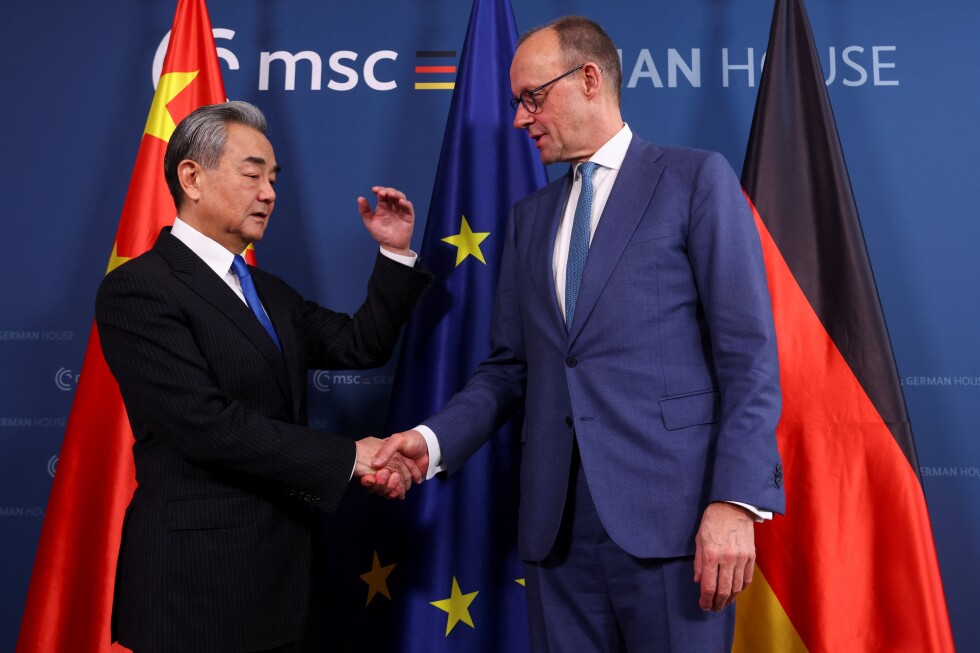
    German Chancellor Friedrich Merz commenced a pivotal two-day diplomatic mission to Beijing on Wednesday, marking his inaugural official visit to China amidst escalating economic tensions and shifting global power dynamics. The visit occurs against the backdrop of Germany’s record trade deficit with China and fundamental disagreements regarding Beijing’s stance on Russia’s invasion of Ukraine.

    Merz’s itinerary includes high-level meetings with Chinese Premier Li Qiang and President Xi Jinping, whose reduced international travel has made Beijing the necessary destination for foreign leaders seeking dialogue. The Chancellor’s delegation comprises business executives aiming to bolster commercial ties, even as German manufacturers face unprecedented competition from Chinese electric vehicle makers and other advanced industries.

    Recent trade statistics reveal a concerning imbalance: German imports from China surged by 8.8% to €170.6 billion last year, while exports to China declined by 9.7% to €81.3 billion. This growing deficit has intensified German demands for reduced trade barriers and increased market access for foreign competitors in China.

    The geopolitical dimension remains equally contentious. While China seeks international support against Trump’s challenges to global institutions, Merz has expressed skepticism regarding Beijing’s vision for a 21st century world order. The Chancellor previously stated that Germany should harbor ‘no illusions’ about China’s ambition to define a new multilateral framework according to its own rules.

    This visit follows similar trips by French President Macron and other European leaders, reflecting Europe’s complex balancing act between economic partnership and strategic competition with China. Germany’s approach of ‘de-risking’—reducing dependence on Chinese markets and strategic materials like rare earths—demonstrates this nuanced positioning amid evolving global power dynamics.

  • Trump’s new tariff comes into effect at lower than expected rate

    Trump’s new tariff comes into effect at lower than expected rate

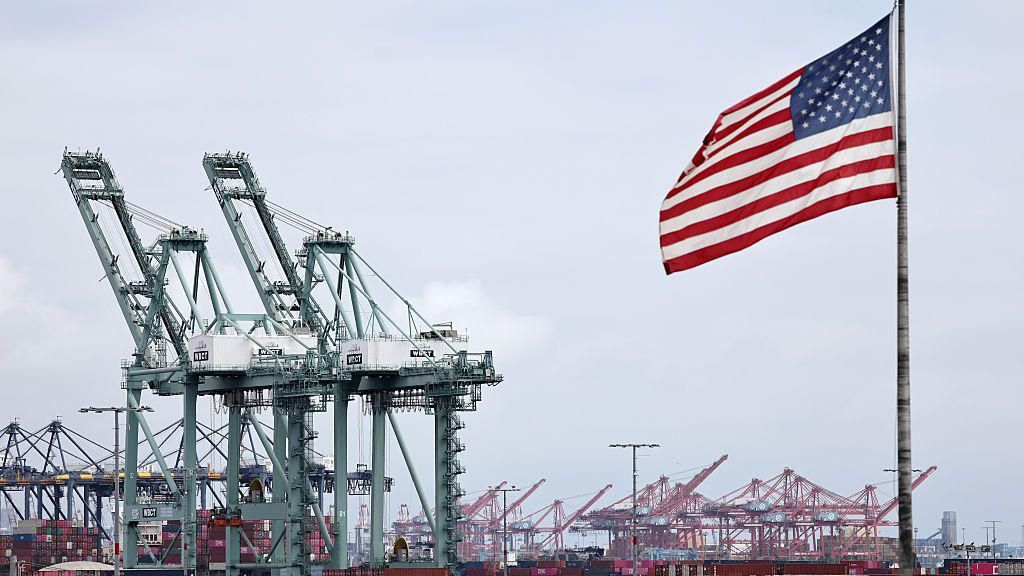
    The Trump administration has implemented new global import tariffs at a 10% rate, significantly lower than the president’s previously announced 15% target. This development follows a landmark Supreme Court decision that blocked substantial portions of his earlier sweeping tariff measures.

    Official documentation confirms the 10% rate took effect Tuesday without any directive for an immediate increase, despite President Trump’s weekend announcement of a higher 15% levy. The White House has not provided clarification regarding this discrepancy.

    Financial analysts express growing concern over the rapidly shifting trade policy landscape. Carsten Brzeski, an economist with investment bank ING, characterized the situation as chaotic, noting that businesses now face renewed uncertainty reminiscent of last year’s trade tensions. He warned of increased retaliation risks from trading partners and a heightened probability of a full-scale trade war escalation.

    The administration justifies these temporary tariffs under Section 122 of the 1974 Trade Act, which permits presidential imposition of import duties for 150 days without congressional approval. An executive order signed Friday stated the measures aim to address “fundamental international payments problems” and rebalance trade relationships to benefit American workers, farmers, and manufacturers.

    Paradoxically, the latest trade data reveals America’s trade deficit reached approximately $1.2 trillion (£890bn) last week, widening by 2.1% compared to 2024 figures. This occurs alongside revelations that the US has already collected at least $130 billion in tariffs using the 1977 International Emergency Economic Powers Act.

    International reaction has been swift and concerned. The United Kingdom indicated reciprocal actions remain “off the table” if the US fails to honor existing tariff agreements, while simultaneously emphasizing that “no one wants a trade war.” The European Union has suspended ratification of a recently negotiated trade deal, with European Parliament official Brando Benifei calling for collective action among nations dissatisfied with US trade treatment. India has deferred scheduled talks to finalize a recent agreement, further illustrating the global unease surrounding US trade policy unpredictability.

  • European officials visit Ukraine to show support as country marks 4 years of Russia’s all-out war

    European officials visit Ukraine to show support as country marks 4 years of Russia’s all-out war

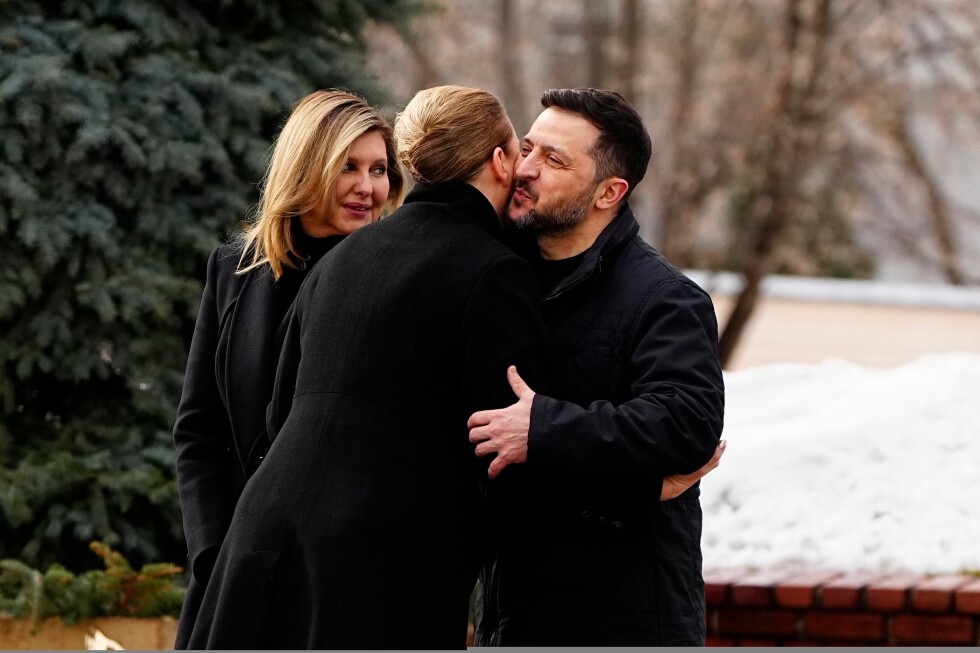
    KYIV, Ukraine — In a powerful demonstration of solidarity, more than a dozen high-ranking European officials converged on the Ukrainian capital Tuesday, marking the somber fourth anniversary of Russia’s full-scale invasion. The diplomatic delegation included European Council President Antonio Costa, European Commission President Ursula von der Leyen, Finnish President Alexander Stubb, along with seven prime ministers and three foreign ministers.

    Ukrainian President Volodymyr Zelenskyy declared that despite overwhelming odds, Ukraine has successfully preserved its sovereignty against Russia’s superior military forces. According to analysis from the Washington-based Institute for the Study of War, Russian forces captured merely 0.79% of Ukrainian territory over the past year of fighting. “We have defended our independence, we have not lost our statehood,” Zelenskyy stated via social media, emphasizing that President Vladimir Putin “has not achieved his goals” and “has not broken Ukrainians.”

    However, the conflict has evolved into a corrosive war of attrition with no diplomatic breakthrough in sight. U.S.-led peace initiatives remain stalled over critical issues including the status of the Russian-occupied Donbas region and post-war security arrangements demanded by Kyiv to prevent future invasions.

    The human cost continues to mount dramatically. A recent Center for Strategic and International Studies report estimates combined casualties on both sides could reach 2 million by spring, representing the highest troop mortality rate for any major power since World War II.

    European leaders increasingly view the conflict as directly impacting their own security. German Chancellor Friedrich Merz characterized the war as “a nightmare for us all” in a social media post, adding that “the fate of Ukraine is our fate.”

    The conflict has assumed global dimensions, with NATO countries providing military assistance while Russia receives support from North Korea (troops and artillery), Iran (drone technology), and China (machine tools and chips according to U.S. and analyst reports). This internationalization threatens to exacerbate shortages, hunger, and political instability across developing nations.

    With Ukraine dependent on foreign assistance to continue resisting Russian aggression, NATO members have stepped up weapons procurement following the Trump administration’s policy shift away from direct arms donations. The European Union has provided financial aid, though occasionally facing resistance from member states Hungary and Slovakia.

    The staggering reconstruction costs for Ukraine are now estimated at nearly $588 billion over the next decade—almost triple the country’s nominal GDP for last year, according to a joint report from the World Bank, European Commission, United Nations, and Ukrainian government.

  • Australia begins sweeping public inquiry probing antisemitism after Bondi Beach killings

    Australia begins sweeping public inquiry probing antisemitism after Bondi Beach killings

    Australia has initiated a comprehensive federal investigation into rising antisemitism nationwide, prompted by the December 14 Bondi Beach massacre where two Islamic State-inspired gunmen killed 15 people at a Jewish festival. Prime Minister Anthony Albanese established the Royal Commission on Antisemitism and Social Cohesion, the government’s most powerful form of public inquiry, to examine the tragic incident and broader social tensions.

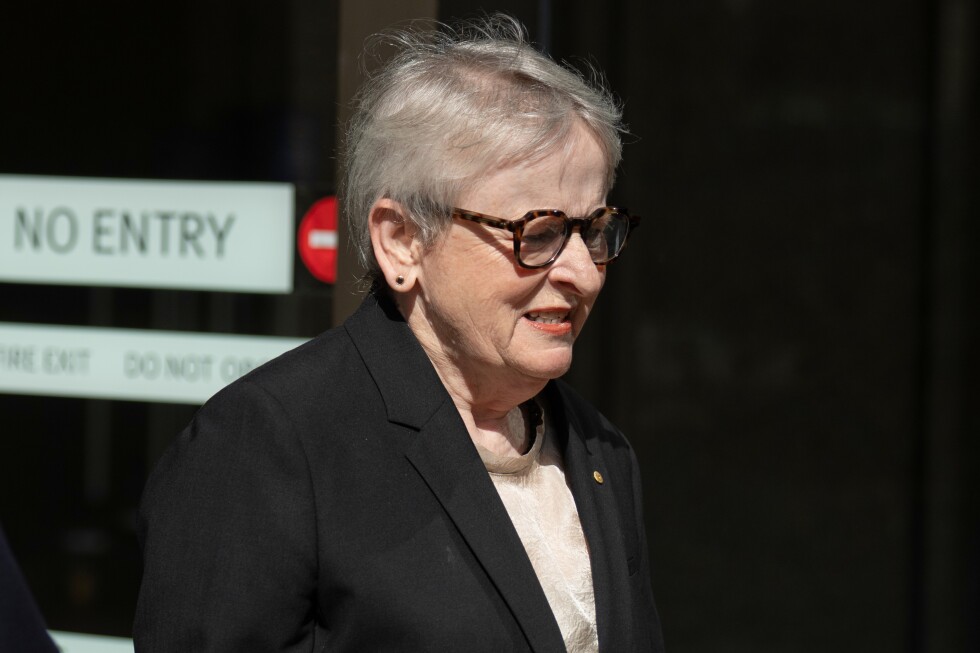
    Commission head Virginia Bell, a retired high court justice, emphasized the delicate balance between her investigation and the ongoing criminal proceedings against alleged shooter Naveed Akram, who faces 15 murder charges and 40 attempted murder counts. “This commission must do its work without risking any prejudice to that criminal proceeding,” Bell stated in her opening address, acknowledging that while evidence of the attack and heroism of responders would be expected, the criminal trial would be the appropriate venue for such details.

    The commission operates under an accelerated timeline, with an interim report due by April’s end examining coordination between federal and state agencies, event organizers, and security preparations for the Hanukkah celebration. The full report must be completed by the massacre’s first anniversary, which Bell acknowledged imposes “a tight time frame” and limitations on the investigation’s scope.

    Despite its focus on antisemitism, Commissioner Bell recognized that multiple religions and ethnicities experience prejudice in Australia. However, she justified the specific focus: “Against the background of the massacre of innocent people who appear to have been targeted simply because they were Jewish, I trust everyone will appreciate why the focus of this commission will be on tackling antisemitism.”

    The inquiry will identify gaps in legal and regulatory frameworks that might impede law enforcement, border control, immigration, and security agencies from preventing and responding to such attacks. It will also examine the nature and prevalence of antisemitism in institutions and society, including drivers such as extremism and radicalization, while reviewing security at Jewish facilities and public events.

    The commission has already issued dozens of document requests to government agencies, though public hearing dates remain unset. The investigation incorporates previous work by retired bureaucrat Dennis Richardson, who now serves as Bell’s special adviser after initially being appointed to examine intelligence and security agency roles following the shooting.

    This inquiry unfolds against a backdrop of significantly increased reports of both antisemitic and Islamophobic behavior in Australia since the Israel-Hamas war began in 2023. Australia’s Jewish community numbers fewer than 120,000 in a population of 28 million, with 85% concentrated in Sydney and Melbourne. The government had previously appointed special envoys to confront both antisemitism and Islamophobia in 2024.