作者: admin

  • Residents face early traffic, low visibility as monster fog blankets parts of UAE

    Residents face early traffic, low visibility as monster fog blankets parts of UAE

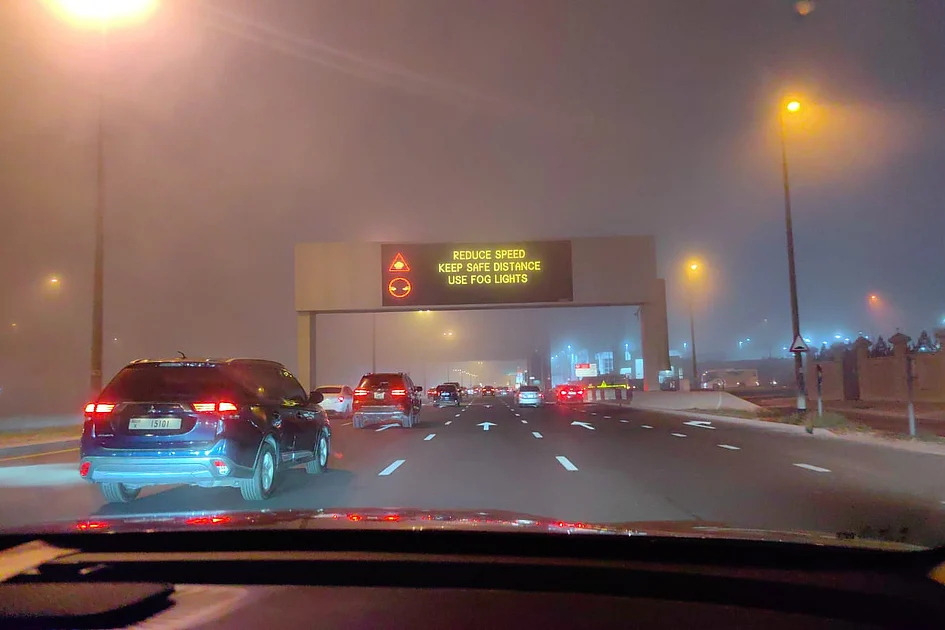
    A severe fog event descended upon the United Arab Emirates early Tuesday morning, significantly disrupting daily life and transportation across several emirates. Dense fog patches, described by residents as a ‘monster’ blanket, engulfed areas including Sharjah, Dubai, and Al Qusais, drastically reducing visibility to as low as 200 meters in some locations.

    The meteorological phenomenon triggered an immediate multi-agency response. The UAE’s National Centre of Meteorology (NCM) issued red and yellow weather alerts across most regions, warning of hazardous driving conditions persisting until 10:00 AM. Simultaneously, the Roads and Transport Authority (RTA) activated electronic signboards along major thoroughfares, broadcasting critical safety advisories urging motorists to reduce speed, maintain safe following distances, and utilize fog lights.

    Transportation networks experienced substantial disruptions with traffic congestion building hours earlier than typical patterns. Eyewitnesses reported heavy police presence on major highways including E311, where authorities implemented additional safety measures. Heavy vehicles were temporarily sidelined along Sheikh Mohammed Bin Zayed Road to prevent potential accidents in the low-visibility conditions.

    The fog’s impact extended beyond roadways, affecting school transportation systems with numerous reports of delayed bus arrivals. Residents described surreal conditions where familiar landmarks disappeared within the thick blanket of fog. Long-time Sharjah resident Umm-e-Aiman noted the unusual intensity, stating, ‘The mosque, which is less than 200 metres from my home, was no longer visible.’

    Abu Dhabi Police implemented precautionary speed restrictions, activating an 80 km/h limit on most capital roads through electronic information boards. Motorists expressed cautious approaches to commuting, with Sharjah resident Usman Malik emphasizing, ‘We can arrive 30 minutes late, but in the event of a minor accident, we may lose more than an hour.’ The comprehensive response demonstrated the UAE’s coordinated approach to managing weather-related public safety challenges.
  • Singapore, China deepen financial ties with new capital market initiatives

    Singapore, China deepen financial ties with new capital market initiatives

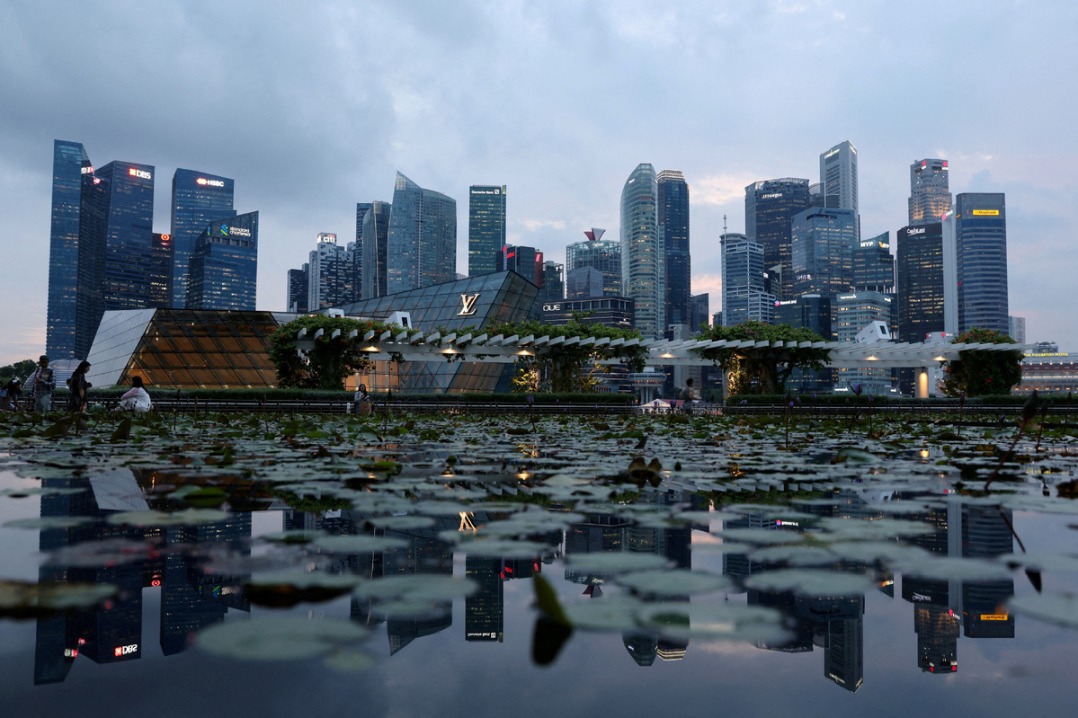
    Singapore and China have embarked on a transformative financial partnership, implementing a series of groundbreaking capital market initiatives designed to strengthen bilateral economic ties. The collaboration, featuring over two dozen agreements signed during December’s 21st Joint Council for Bilateral Cooperation in Chongqing, establishes new pathways for Chinese companies to access international capital through Singapore’s dynamic financial ecosystem.

    Central to this enhanced cooperation is a newly established secondary listing framework that dramatically streamlines bond issuance processes for Shanghai and Shenzhen-listed companies seeking to raise funds in Singapore. This innovative system reduces administrative procedures and documentation requirements, compressing the typical timeline for bond issuance to approximately six to eight weeks—a significant improvement over conventional processes.

    Chia Caihan, Head of Capital Markets for Greater China at Singapore Exchange (SGX), emphasized the strategic importance of these developments: “Streamlining listing processes while maintaining full compliance with Chinese corporate and accounting standards provides Chinese firms with greater certainty and ease when considering Singapore for fundraising activities. This positions them to attract both regional and international investors through our platform.”

    The comprehensive agreement package includes the appointment of DBS Bank as Singapore’s second offshore renminbi clearing bank, alongside over-the-counter bond market arrangements that grant institutional investors direct access to fixed-income products on China’s Interbank Bond Market (CIBM). These measures collectively enhance currency convertibility and reduce transaction costs for Chinese enterprises operating throughout Southeast Asia.

    According to DBS representatives, the new clearing arrangements eliminate the need for intermediate US dollar conversions when exchanging regional currencies like Indonesian rupiah for Chinese yuan, resulting in substantial savings on exchange rate costs for multinational corporations.

    Academic experts highlight the strategic timing of these developments. Dr. Xu Le, Lecturer at the National University of Singapore Business School, describes the initiatives as “a major step forward in capital market connectivity between Singapore and China, representing a milestone in bilateral securities market cooperation.” Meanwhile, Associate Professor Fu Fangjian of Singapore Management University notes that attracting Chinese listings will expand Singapore’s market liquidity while providing international investors convenient access to Asia’s growth narrative.

    The strengthened financial partnership emerges as Chinese companies face increasing regulatory challenges in Western markets, positioning Singapore as a stable offshore hub that offers geopolitical risk mitigation through multi-jurisdictional listings. SGX’s established strengths in ESG frameworks and corporate transparency further enhance the appeal for Chinese firms seeking to align with globally recognized standards while maintaining regulatory compliance.

  • Celebrity doctor Peter Attia steps down from CBS over Epstein links

    Celebrity doctor Peter Attia steps down from CBS over Epstein links

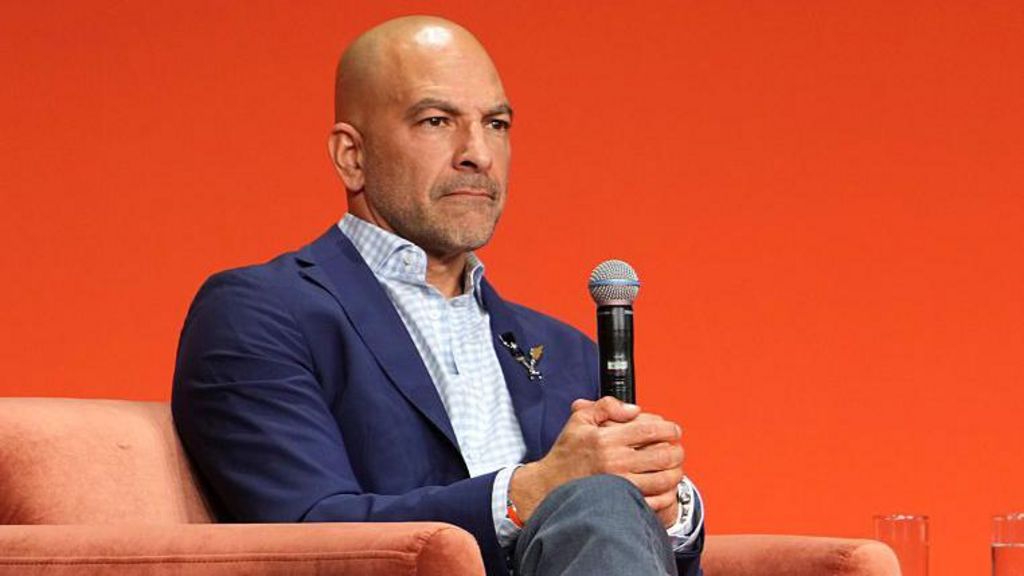
    Prominent anti-aging physician and media personality Dr. Peter Attia has resigned from his recently appointed position as a CBS News contributor following the disclosure of his email correspondence with convicted sex offender Jeffrey Epstein. The communications, released by the US Department of Justice, revealed inappropriate exchanges containing crude remarks about women’s anatomy and personal expressions of missing Epstein’s company.

    A spokesperson for Dr. Attia announced his immediate departure from the network, characterizing his contributor role as ‘newly established and had not yet meaningfully begun.’ The statement emphasized that Attia’s decision to ‘step back’ was intended to prevent becoming ‘a distraction from the important work being done at CBS.’

    The health influencer has issued multiple apologies for the tone and content of his messages while vigorously denying any involvement in Epstein’s criminal activities. In a comprehensive 1,000-word social media statement published days after the documents surfaced, Attia clarified that he had ‘never been on [Epstein’s] plane, never on his island, and never present at any sex parties.’

    According to Attia’s account, his interactions with Epstein were limited to ‘seven or eight’ visits to the financier’s New York residence between 2014 and 2019, during which he claims to have witnessed no illegal activity or encountered any underage individuals. The physician maintained that his communications with Epstein were unrelated to ‘his sexual abuse or exploitation of anyone.’

    Attia was among nineteen new contributors appointed by CBS News editor-in-chief Bari Weiss in January, following the network’s acquisition by Paramount. Weiss, a former New York Times opinion writer known for her critiques of ‘cancel culture,’ was brought in to help reshape the network’s editorial direction under new ownership by David Ellison, son of Trump ally and technology billionaire Larry Ellison.

    The revelation has sparked considerable backlash from portions of Attia’s audience, particularly concerning emails from 2016 containing inappropriate jokes about female anatomy and sexual acts. Epstein, who died in custody in 2019 while awaiting trial on sex trafficking charges, had previously been convicted in 2008 of soliciting a minor as part of a plea deal.

  • Tourists seek shelter from cartel vengeance in Mexico

    Tourists seek shelter from cartel vengeance in Mexico

    A wave of retaliatory violence has engulfed popular Mexican tourist destinations following the death of the nation’s most-wanted drug lord, Nemesio Oseguera Cervantes, known as ‘El Mencho.’ Foreign visitors found themselves barricaded inside hotel rooms as cartel members unleashed a spree of attacks, setting businesses ablaze and creating widespread chaos in response to the kingpin’s demise.

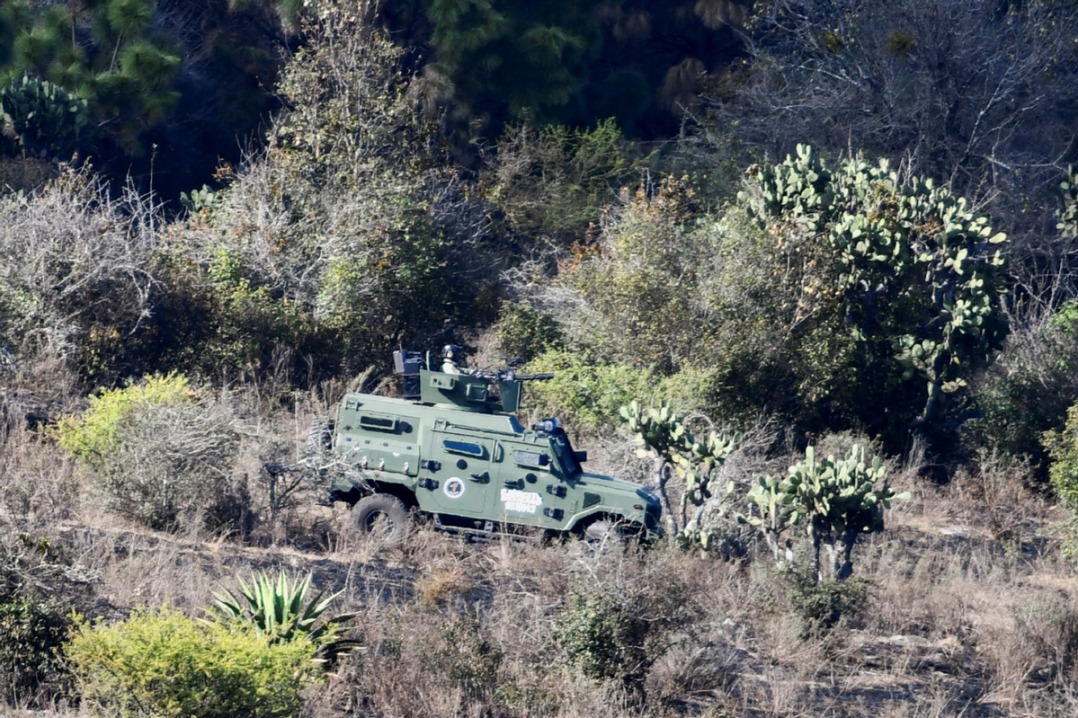
    The crisis erupted after Mexican special forces fatally wounded the leader of the Jalisco New Generation Cartel (CJNG) during a Sunday raid in Tapalpa, Jalisco. The operation, which resulted in El Mencho’s death en route to hospital, claimed the lives of 25 National Guard members and 30 criminal suspects, according to Security Minister García Harfuch. Authorities confiscated an arsenal of weaponry including armored vehicles and rocket launchers.

    International travel faced immediate disruption as major airlines including Delta, American, Alaska, and Air Canada suspended or redirected flights to Puerto Vallarta and Guadalajara airports. Viral footage depicted terrified travelers scrambling for cover at Guadalajara International Airport, abandoning luggage and sheltering behind check-in counters as violence spilled into public spaces.

    The United States government confirmed providing intelligence support for the operation, with White House Press Secretary Karoline Leavitt stating: ‘President Trump has been very clear—the United States will ensure narcoterrorists sending deadly drugs to our homeland are forced to face the wrath of justice they have long deserved.’ The CJNG has been designated a foreign terrorist organization by the Trump administration.

    Mexican President Claudia Sheinbaum praised security forces while urging calm, even as cartel members established over 250 roadblocks, burned vehicles, and engaged in open shootouts. Jalisco Governor Pablos Lemus Navarro activated a statewide ‘code red,’ suspending public transportation and advising residents to remain indoors.

    The Chinese Embassy in Mexico issued security alerts advising Chinese citizens to maintain heightened vigilance and follow local government directives. The diplomatic mission confirmed it was closely monitoring affected areas and urged immediate contact with authorities during emergencies.

    Security experts warned that the decapitation strike would not dismantle the criminal organization. Guadalupe Correa-Cabrera, a professor at George Mason University, noted: ‘The Jalisco Cartel does not have a single, critical leader. Leadership is fragmented—the cells have different leaders and political protection at the local level. Arrests or extraditions don’t destroy the organization; family members or successors usually step in.’

    The violence has shattered the perceived safety of Mexico’s tourist havens. Jim Beck, a Minnesota resident with two decades of travel experience in Puerto Vallarta, described watching twenty local businesses burn from his hotel rooftop: ‘Today, everybody was running down the streets in panic and terror as cars were blowing up all over the place. It’s just been so sad.’

  • Sudanese paramilitary forces kill at least 28 people in an attack in Darfur, group says

    Sudanese paramilitary forces kill at least 28 people in an attack in Darfur, group says

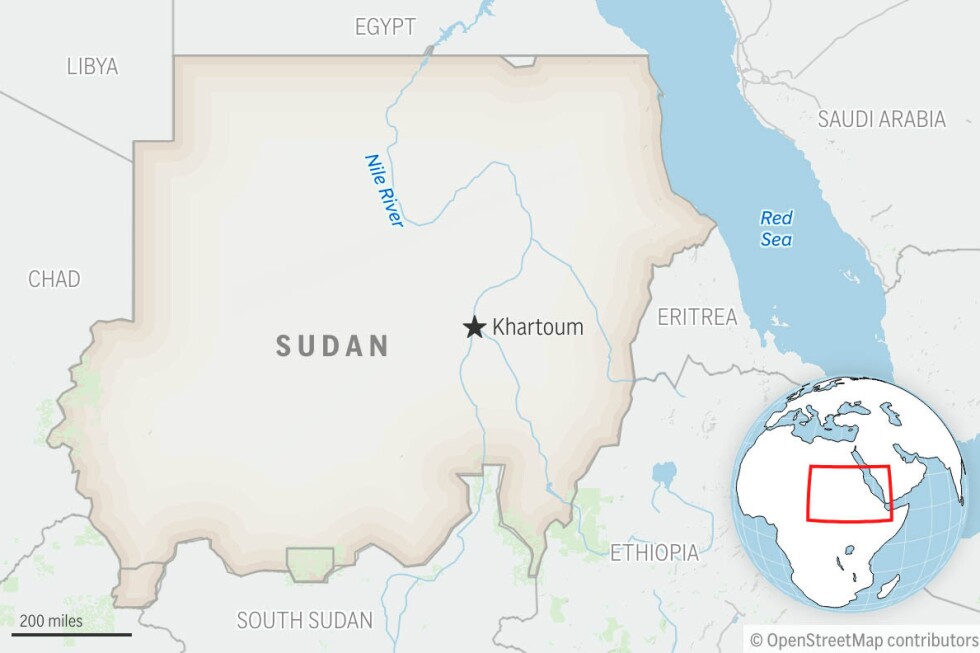
    CAIRO — A devastating assault by Sudan’s paramilitary Rapid Support Forces (RSF) on the North Darfur town of Misteriha has resulted in significant casualties, according to a Tuesday report from the Sudan Doctors Network. The medical organization, which monitors the nation’s ongoing conflict, confirmed at least 28 fatalities and 39 individuals wounded, including 10 women, during the Monday offensive.

    The town serves as a key stronghold for Arab tribal leader Musa Hilal, who shares ethnic ties with the majority Rizeigat Arab tribe of the RSF. The attack commenced over the weekend with drone strikes targeting Hilal’s guesthouse, escalating into a full-scale ground offensive on Monday that culminated in the RSF seizing control of Misteriha.

    In a particularly concerning development, the medical group reported that RSF shelling damaged the town’s healthcare facility. Following this, paramilitary fighters allegedly assaulted medical personnel and detained at least one staff member. This incident highlights the perilous conditions facing aid workers in the conflict zone.

    This violence emerges within the broader context of Sudan’s devastating war, which erupted in 2023 when tensions between the national army and the rival RSF escalated into open combat. Beginning in the capital Khartoum, the conflict has since spread nationwide, creating a humanitarian catastrophe characterized by thousands of deaths, mass displacement, disease outbreaks, and severe food insecurity.

    The capture of Misteriha solidifies RSF dominance across the Darfur region but risks inflaming longstanding tribal tensions in an area with a tragic history of violence and warfare.

  • Spiro secures $50 million from Afreximbank, others to expand Africa battery-swapping network

    Spiro secures $50 million from Afreximbank, others to expand Africa battery-swapping network

    NAIROBI, Kenya — Africa’s electric vehicle sector is experiencing significant financial acceleration as institutional investors demonstrate growing confidence in battery-swapping technologies and charging infrastructure. Three major funding announcements within days signal a transformative period for sustainable transportation across the continent.

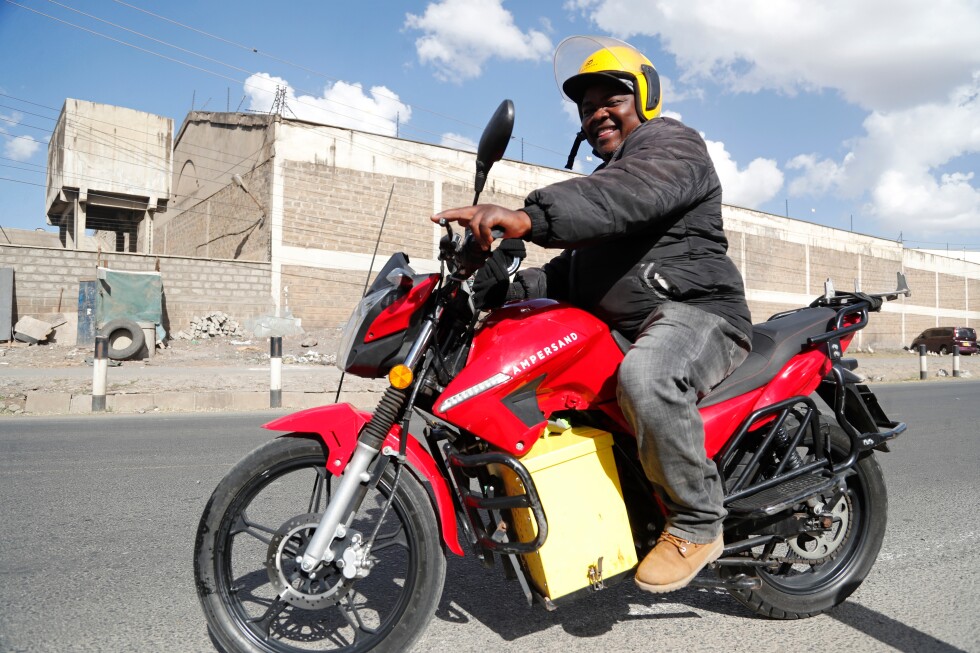
    Spiro, Africa’s predominant electric mobility operator, has secured a substantial $50 million debt financing package from a consortium comprising African Export-Import Bank (Afreximbank), U.S. climate fintech firm Nithio, and the Africa Go Green Fund. This capital injection will facilitate the expansion of Spiro’s battery-swapping network and advance technological innovations including automated battery exchange systems, rapid charging capabilities, and renewable energy integration.

    The funding momentum continued with Arc Ride, another e-mobility enterprise, receiving a $5 million equity commitment from the International Finance Corporation (IFC). Simultaneously, Ugandan electric bike startup Gogo Electric obtained $1 million from ElectriFi, an EU-funded electrification financing initiative managed by EDFI.

    Kaushik Burman, CEO of Spiro, emphasized the strategic importance of this investment: “This new funding reinforces our vision of building a robust, scalable energy network tailored for Africa by Africans.” The company currently operates across six African nations—Kenya, Uganda, Rwanda, Nigeria, Benin, and Togo—with pilot programs underway in Cameroon and Tanzania.

    Spiro’s operational metrics demonstrate substantial scale: deployment of over 80,000 electric motorcycles, circulation of more than 300,000 batteries, completion of 30 million battery swaps, and establishment of over 2,500 swap stations. These operations have enabled riders to accumulate over one billion carbon-free kilometers.

    Gagan Gupta, Spiro’s founder, outlined the environmental objectives: “We will use it to deploy energy infrastructure that will contribute meaningfully to a greener future in Africa.”

    Development financiers perceive electric mobility as both an environmental solution and an industrialization opportunity. Raghav Sachdeva, Chief Investment Officer at Nithio, noted: “Spiro is one of the largest and fastest-growing players in the Pan-African e-mobility market. We see e-mobility as a critical pillar of Africa’s clean energy transition.”

    Laurène Aigrain, Managing Director of Africa Go Green Fund, highlighted the commercial and environmental dual mandate: “The transaction reflects the fund’s commitment to backing commercially robust businesses that combine innovation with measurable environmental and social impact.”

    Afreximbank officials positioned their support within broader economic development goals. Oluranti Doherty, Managing Director for Export Development, stated: “Driving Africa’s transition to electric mobility is central to how we view sustainable economic development across the continent.”

    Since 2022, Spiro has raised more than $230 million, financing production and assembly facilities across Nigeria, Kenya, Uganda, and Rwanda. This investment pattern reflects the increasing flow of climate-focused capital into Africa’s emerging e-mobility sector, signaling both environmental commitment and economic opportunity.

  • From Expo to the Olympics, Milan bets on big events to fuel its transformation to a global city

    From Expo to the Olympics, Milan bets on big events to fuel its transformation to a global city

    Milan has strategically leveraged its hosting of the Milan Cortina Winter Games to cement its status as a global metropolis, adding ‘Olympic city’ to its established identities as Italy’s fashion and financial capital. This achievement represents the culmination of two decades of transformative urban development that has reshaped the city’s skyline while stimulating unprecedented investment, tourism, and cultural vitality.

    The Olympic legacy manifests in both tangible infrastructure and intangible prestige. Unlike traditional Games that emphasize massive construction, Milan adopted a distributed model across seven existing venues spanning hundreds of kilometers. The city inherits the state-of-the-art Santgiulia arena—destined for concerts, exhibitions, and sporting events—while the Olympic Village will address critical housing needs by transforming into accommodation for 1,700 students in a city grappling with affordability challenges amid its 10 universities.

    Preliminary data from Bocconi University’s ongoing IOC-commissioned study reveals approximately €4 billion in Games-related investments, encompassing sports facilities, transportation upgrades (roads, metro access, railways, ski lifts), energy infrastructure, and administrative costs. According to Assolombarda business association, Milan specifically invested €735 million to host 90 indoor ice events and the opening ceremony at San Siro, with visitors projected to spend around €1 billion. The Olympics are forecast to boost Milan’s 2026 economic growth by 0.6 percentage points to 1.7%, accelerating industrial output throughout the region.

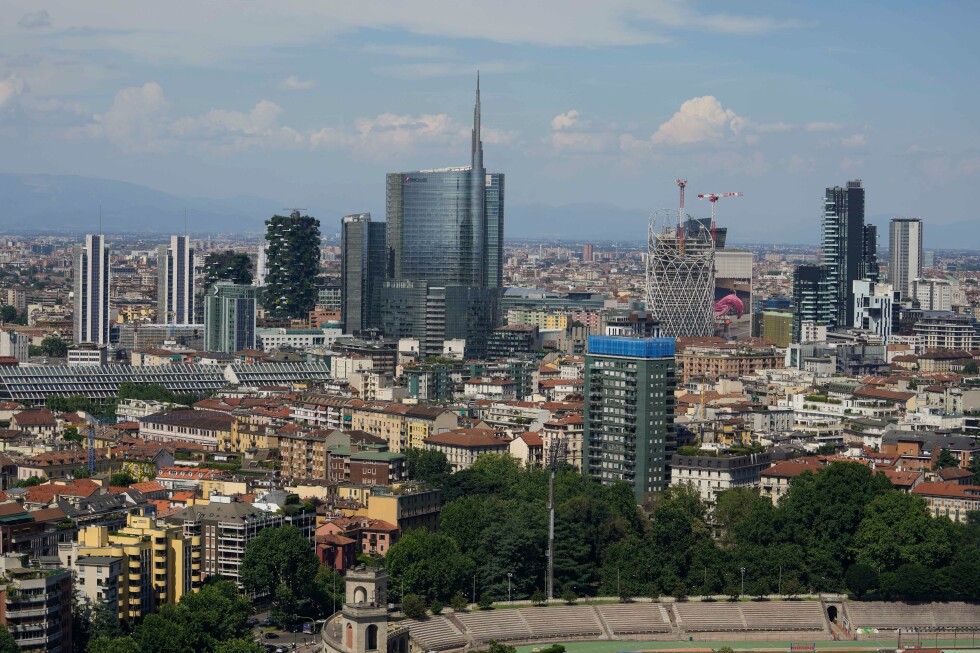
    This Olympic chapter continues Milan’s remarkable transformation that began in the early 2000s, shifting from a provincial industrial center to an international destination. The CityLife district emerged with iconic skyscrapers by starchitects Zaha Hadid, Daniel Libeskind, and Arata Isozaki, while Porta Nuova development introduced the 218-meter UniCredit Tower. Expo 2015 served as a pivotal catalyst, drawing 22 million visitors over six months and triggering sustained tourism growth—rising 6.5% to 9.6 million visitors in 2025.

    Beyond tourism, Expo sparked a €3 billion investment converting the former site into MIND, a science and technology hub. The city has since tripled its five-star hotel capacity, added two subway lines, and opened numerous cultural institutions including Fondazione Prada, MUDEC, and Pirelli HangarBicocca.

    However, rapid development has fueled criticism from housing activists who argue that mega-events and luxury developments prioritize wealthy interests, driving real estate prices beyond reach for many workers. They demand policies addressing 80,000 vacant residences while increasing subsidized housing options.

    The Olympic Village has accelerated regeneration of the southern Porta Romana railyard, adjacent to major former industrial sites. This 20-hectare project will deliver 100,000 square meters of housing—approximately half designated as social housing under 2019 regulations—along with extensive parks and public spaces. The area neighbors Fondazione Prada and emerging fashion hubs hosting Bottega Veneta, Moncler, and upcoming OTB headquarters.

    Sporting legacy extends beyond infrastructure, with Italy’s record 30 medals expected to reignite winter sports participation. Olympic organizers are collaborating with companies to promote daily physical activity—an initiative carried over from Paris 2024. Milan’s convention operator has committed to maintaining temporary ice facilities while studying permanent rink options, capitalizing on renewed enthusiasm for ice sports.

    As Professor Dino Ruta of Bocconi University notes, ‘Milan is increasingly creating a distinctive brand able to attract an international audience.’ The Games have provided both global visibility and concrete mechanisms for urban improvement, though balancing growth with social equity remains an ongoing challenge for Italy’s rising metropolis.

  • Ex-Olympic boxing champ Yoka takes DR Congo license but rejects Olympic switch from France

    Ex-Olympic boxing champ Yoka takes DR Congo license but rejects Olympic switch from France

    PARIS — French Olympic gold medalist Tony Yoka has formally obtained a boxing license from the Democratic Republic of Congo, his father’s homeland, while simultaneously clarifying that this administrative move does not signal a change in his competitive nationality or Olympic aspirations.

    The 33-year-old super heavyweight champion, who triumphed at the 2016 Rio de Janeiro Olympics, addressed speculation through a video message on his Instagram platform this Tuesday. Yoka explicitly stated: “Under no circumstances is there any question of me going to the Olympic Games representing the Democratic Republic of Congo. I am and will remain a French Olympic champion.”

    This clarification comes after Congolese Sports Minister Didier Budimbu Ntubuanga previously announced that Yoka had committed to representing Congo with ambitions for Olympic gold, alongside establishing a dedicated boxing academy within the country. The minister had characterized the arrangement as “a major boost for national boxing.”

    Yoka explained that the Congolese license serves purely practical purposes for an upcoming bout scheduled in the country later this year. The boxer emphasized his pride in contributing to Congo’s international recognition while honoring his familial heritage.

    “I’m proud to be able to help the Democratic Republic of Congo shine in the eyes of the world, as well as to honor my word and pay tribute to minister Didier Budimbu, who trusts me in this adventure,” Yoka stated in his social media announcement.

    Following an extensive amateur career spanning 84 fights, Yoka transitioned to professional boxing in 2017. His current professional record stands at 15 wins (12 by knockout) against 3 losses. The former champion is currently working to revitalize his career under the guidance of British promoter Frank Warren.

  • Drone and fireworks show staged in Macao to celebrate Spring Festival

    Drone and fireworks show staged in Macao to celebrate Spring Festival

    China Daily Information Co (CDIC) has established comprehensive copyright protection protocols for all content published across its digital platforms. The company’s stringent policies explicitly prohibit the republication or utilization of any materials—including textual content, photographs, and multimedia information—without obtaining prior written authorization from CDIC.

    The copyright notice, which dates back to 1994, underscores the organization’s long-standing commitment to intellectual property protection. The publication recommends optimal viewing experience through browsers with 1024*768 resolution or higher, ensuring consumers access content in its intended format.

    CDIC maintains multiple regulatory certifications, including Online Multimedia Publishing License 0108263 and Registration Number 130349, demonstrating compliance with China’s digital publishing regulations. The media organization additionally provides information regarding corporate operations, advertising opportunities, contact channels, and employment prospects for both domestic and international professionals through its dedicated portal sections.

  • Year of the Horse, full speed ahead

    Year of the Horse, full speed ahead

    As China welcomed the Year of the Horse in February 2026, the nation erupted in vibrant celebrations marking the Lunar New Year. The festivities showcased a rich tapestry of cultural traditions and modern innovations across the country.

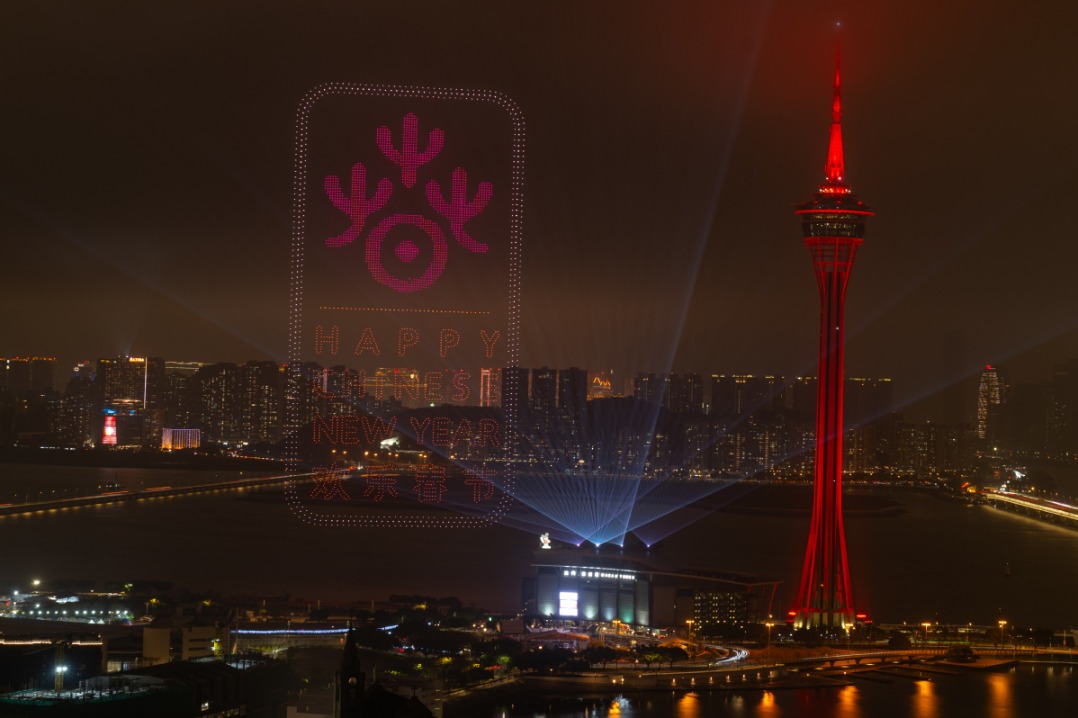
    In Macao, a spectacular drone and fireworks display illuminated the night sky, creating a mesmerizing technological spectacle that drew thousands of spectators. Meanwhile, in Shanxi province, tourists flocked to the historic Zhaoyu Ancient City to experience traditional Spring Festival celebrations amidst well-preserved architectural heritage.

    The unique horse culture of Inner Mongolia took center stage at a winter photography festival, where the region’s equestrian traditions were displayed against breathtaking snowy landscapes. This celebration held particular significance during the Year of the Horse in the Chinese zodiac, symbolizing strength, speed, and perseverance.

    Cultural institutions reported record engagement, with China’s science and technology museums attracting over 3.5 million visits during the holiday period. The surge in domestic tourism also set new records, particularly in cross-border travel between mainland China and special administrative regions, leading to unprecedented traffic on major transportation corridors.

    The celebrations extended beyond China’s borders, with Chinese tourists spreading festive vibes internationally while maintaining deep connections to their cultural roots. The panda, China’s national treasure, continued to capture public imagination as these beloved animals became integrated into daily life narratives during the holiday season.

    Despite the celebrations, authorities remained vigilant about public safety, issuing warnings about forest fire risks in Guangdong province following several incidents. The mixed pattern of traditional observance and modern adaptation characterized China’s approach to one of its most important cultural festivals, demonstrating both the preservation of heritage and embrace of innovation.