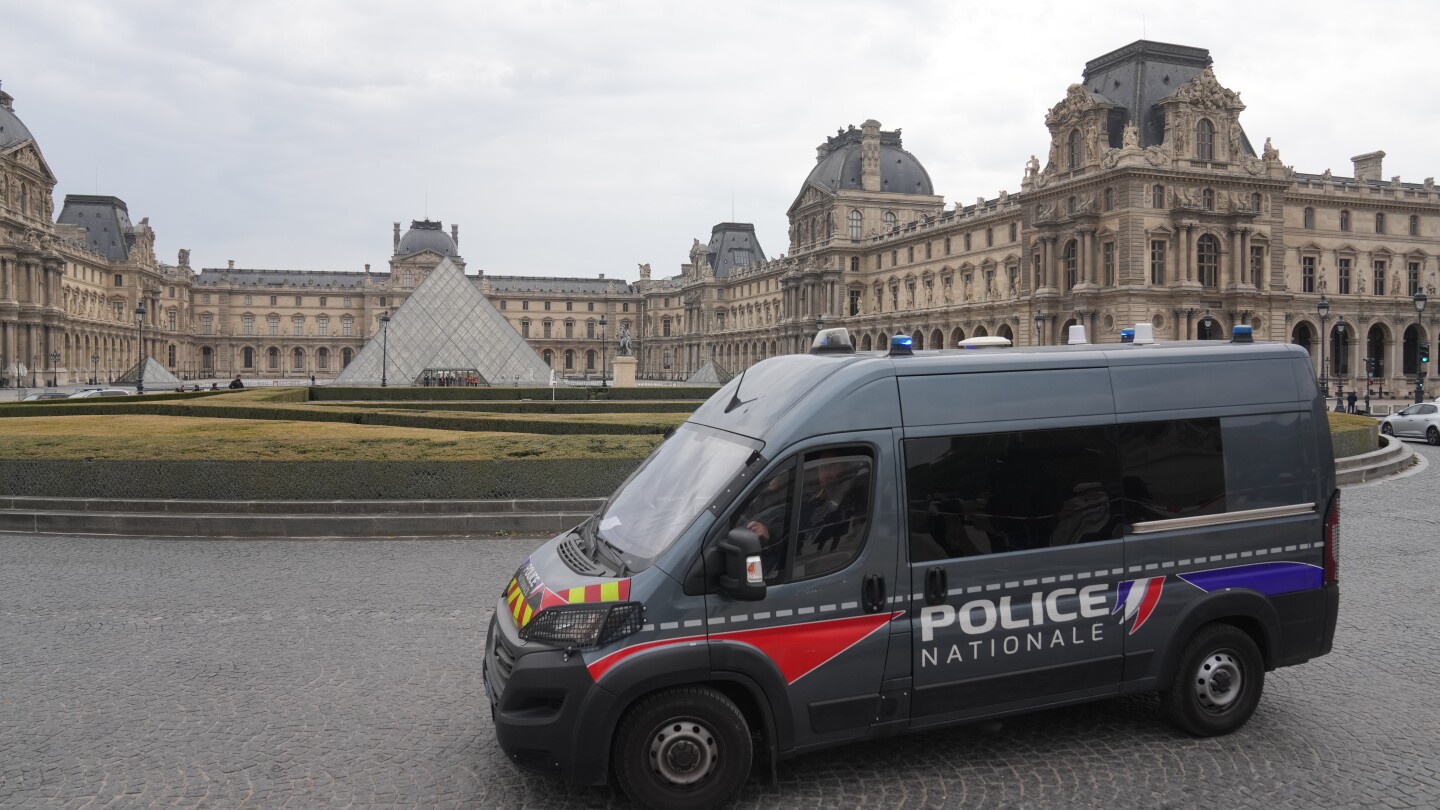
In a stunning heist that has left Paris in shock, a collection of priceless jewels tied to 19th-century French imperial history was stolen from the Louvre Museum. The theft, described as extraordinary, has prompted an intense investigation as the iconic museum remains closed for a second day. According to the French Culture Ministry, the stolen items include several pieces of immense historical significance. Among them are the emerald necklace and earrings once worn by Empress Marie-Louise, the second wife of Napoleon I. Also missing are the crown and brooch of Empress Eugenie, wife of Napoleon III, as well as the crown and sapphire jewelry worn by Queen Marie-Amelie and Queen Hortense, who reigned from 1830 to 1848. A reliquary brooch, another treasured artifact, was also taken. These jewels not only represent opulence but also serve as tangible links to France’s imperial past. The heist has raised concerns about security at one of the world’s most renowned cultural institutions and has left historians and art enthusiasts mourning the loss of these irreplaceable treasures.
作者: admin
-
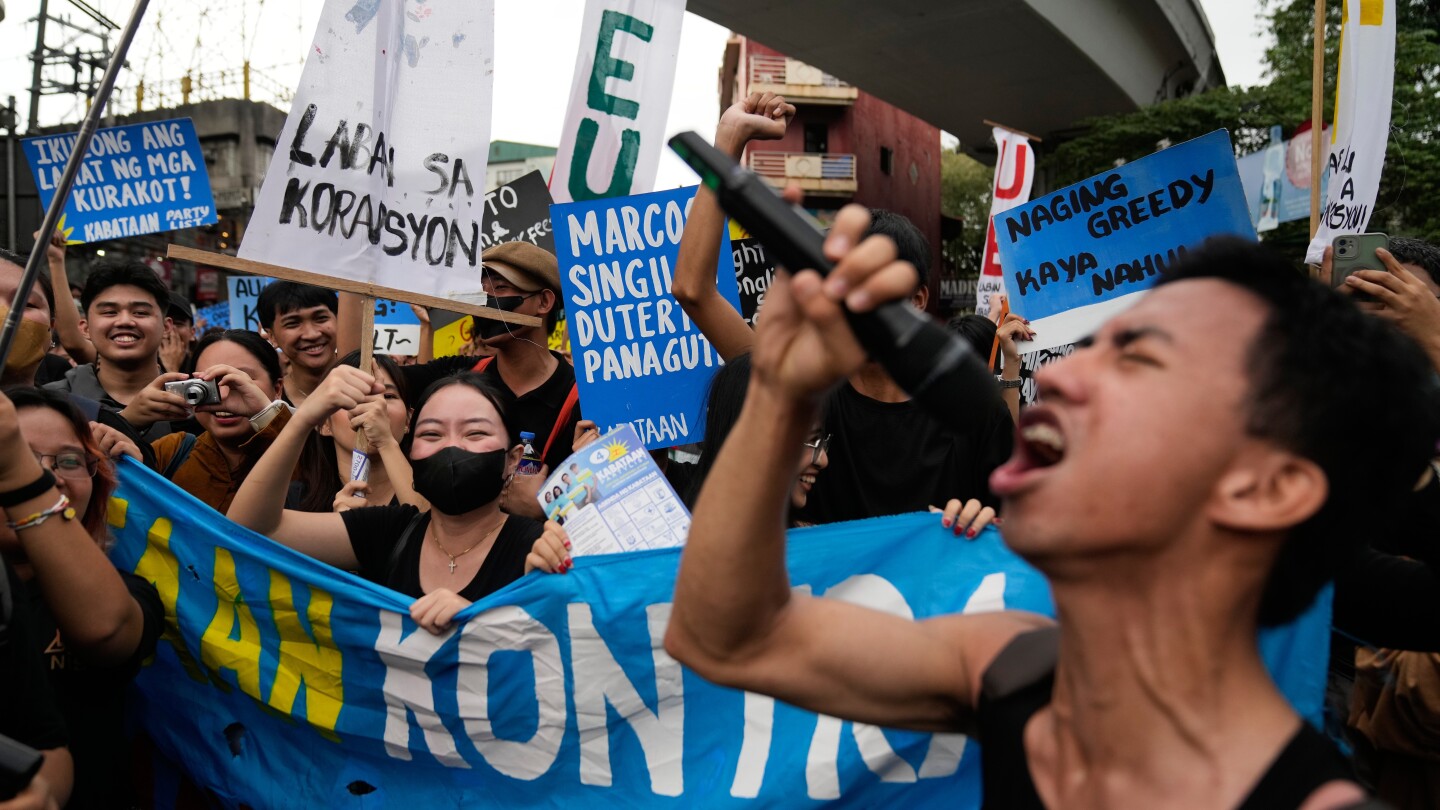
Philippines unveils a new jail for legislators who may face corruption trial
In a significant move to address public outrage over a sprawling corruption scandal, the Philippines has inaugurated a new detention facility in metropolitan Manila capable of housing up to 800 detainees. The jail, showcased to the media by Interior Secretary Jonvic Remulla, is expected to accommodate powerful legislators, public works officials, and others implicated in alleged irregularities tied to flood control projects. This initiative is part of President Ferdinand Marcos Jr.’s administration’s efforts to restore public trust and ensure accountability.
-
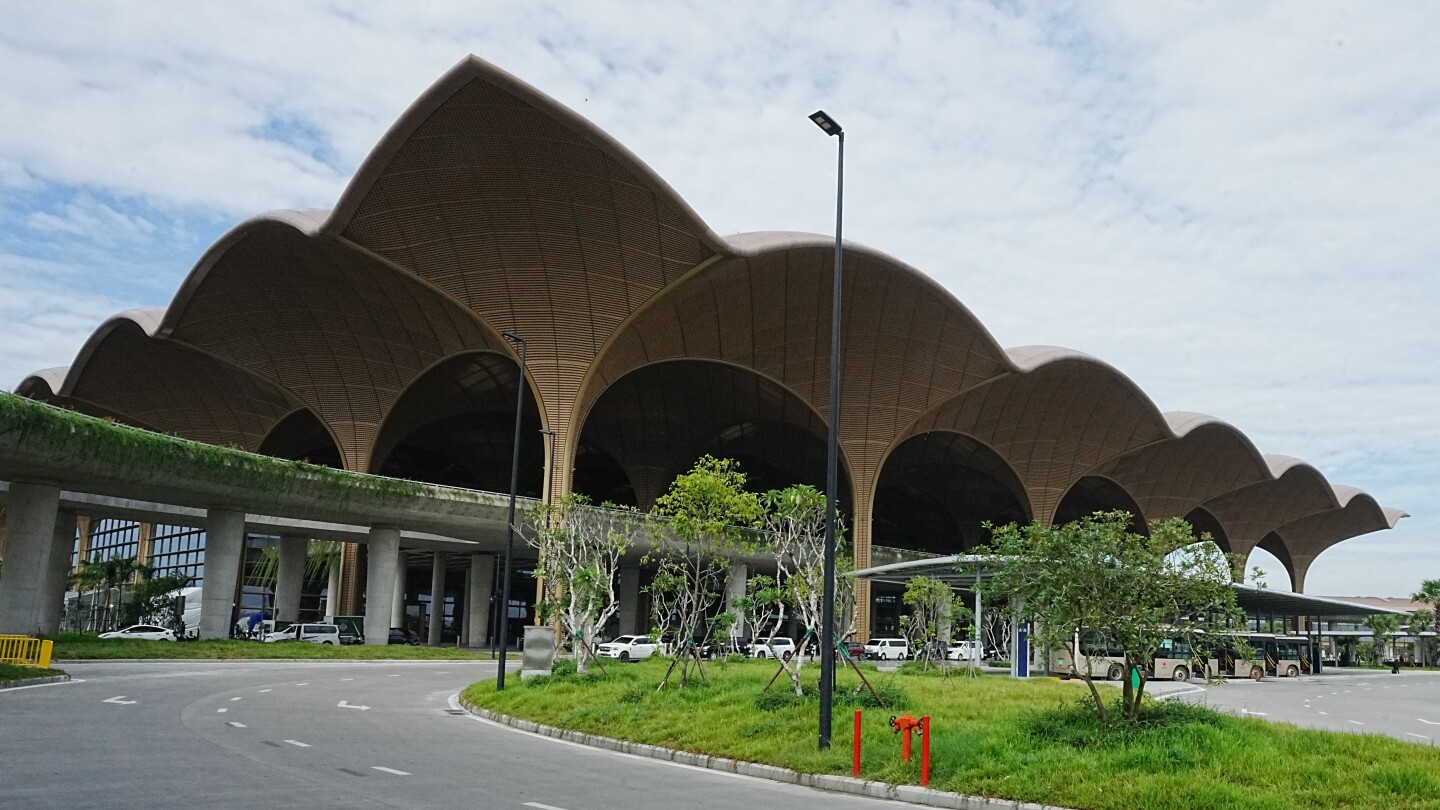
Cambodia opens a new $2 billion airport to serve Phnom Penh
Cambodia’s Prime Minister Hun Manet inaugurated the state-of-the-art Techo International Airport on Monday, marking a significant milestone in the nation’s efforts to revitalize tourism and attract foreign investment. Located in Kandal province, approximately 30 kilometers south of Phnom Penh, the $2 billion facility replaces the aging Phnom Penh International Airport, which had operated for nearly seven decades with a single runway. The new airport, a joint venture between the Cambodian government and the Overseas Cambodian Investment Corp., began operations in September and features three runways. Initially designed to handle 13 million passengers annually, its capacity is projected to expand to 30 million by 2030 and 50 million by 2050. Hun Manet expressed optimism that the airport would serve as a catalyst for economic recovery, aiming to surpass pre-pandemic tourism and investment levels. However, Cambodia’s tourism sector faces challenges, including the recent death of a South Korean man allegedly lured into an online scam center, which has drawn international attention to the country’s illegal cybercrime industry. Additionally, a brief but tense border conflict with Thailand in July further impacted tourism. Despite these setbacks, Cambodia welcomed 4 million foreign tourists from January to August 2023, with plans to leverage its second major airport in two years—the Siem Reap-Angkor International Airport, opened in October 2023—to support the iconic Angkor Wat temple complex.
-
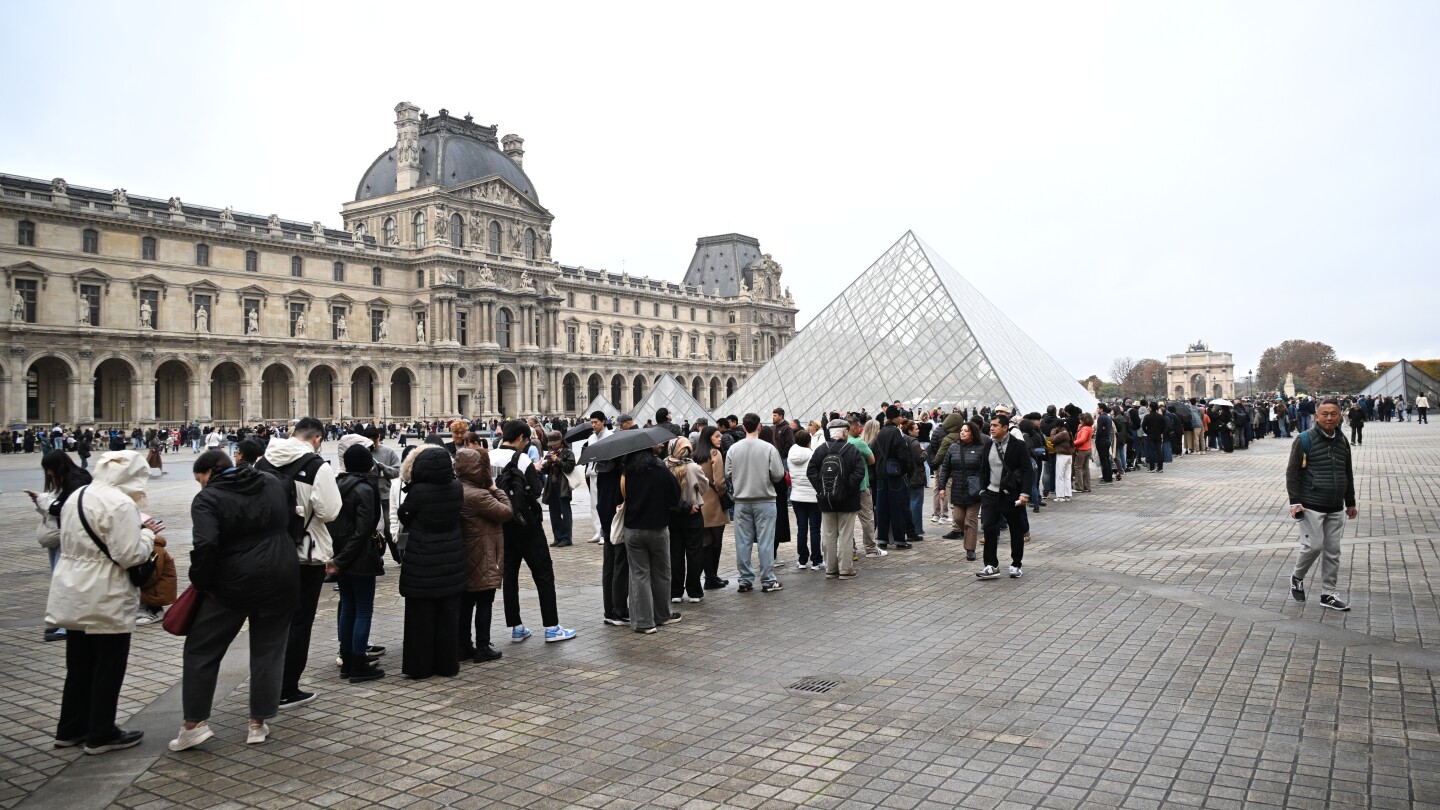
Louvre remains closed one day after jewel heist
The Louvre Museum in Paris remained closed on Monday following a brazen daylight theft of historic Napoleonic-era jewels, prompting a nationwide reassessment of security measures at cultural institutions. The audacious heist, which unfolded just 250 meters from the iconic Mona Lisa, involved thieves using a basket lift to scale the museum’s facade, forcing entry through a window, and smashing display cases to steal priceless artifacts. The robbery, lasting less than eight minutes, occurred shortly after the museum opened, with visitors already inside, marking one of the most high-profile museum thefts in recent memory.
French officials confirmed that eight objects, including a sapphire diadem, necklaces, earrings, and a reliquary brooch linked to 19th-century French queens and Empress Marie-Louise, were stolen. One item, Empress Eugénie’s imperial crown adorned with over 1,300 diamonds, was later recovered outside the museum. Culture Minister Rachida Dati described the operation as highly professional, with thieves demonstrating precise knowledge of their targets.
Justice Minister Gerald Darmanin acknowledged significant security lapses, questioning why windows were unsecured and a basket lift was accessible on a public road. Interior Minister Laurent Nunez has ordered an immediate review of security protocols at cultural sites across France. Meanwhile, the Louvre’s staff informed visitors of the closure and promised refunds for pre-booked tickets.
The incident has cast a spotlight on the museum’s ongoing ‘Louvre New Renaissance’ plan, a 700-million-euro initiative launched earlier this year to modernize infrastructure and enhance security. Dati emphasized that the museum, originally designed for far fewer visitors, faces unique challenges in safeguarding its treasures. Investigations are ongoing, with evidence including motorcycles and license plates recovered from the scene.
-

Pope meets with board of global organization of clergy sexual abuse victims to talk zero-tolerance
In a historic meeting at the Vatican on Monday, Pope Leo XIV convened with representatives from Ending Clergy Abuse (ECA), a global organization advocating for survivors of clergy abuse and pushing for a universal zero-tolerance policy within the Catholic Church. This marked the first time a pope has formally engaged with an activist group dedicated to this cause. The ECA, which campaigns to extend the U.S. church’s stringent abuse policies worldwide, emphasized the need for the permanent removal from ministry of any priest found guilty of child abuse. During the meeting, Pope Leo acknowledged the significant resistance to implementing a universal zero-tolerance law but expressed his willingness to collaborate with ECA and the Vatican to advance the initiative. Tim Law, co-founder of ECA, highlighted the pope’s openness to dialogue and his recognition of the importance of addressing systemic issues within the Church. While previous popes, including Francis and Benedict XVI, have met with individual survivors, they have largely avoided direct engagement with advocacy organizations. Pope Leo’s meeting with ECA underscores his commitment to addressing clergy abuse more proactively, building on his prior experience as a bishop in Peru, where he was known for listening to victims’ concerns.
-
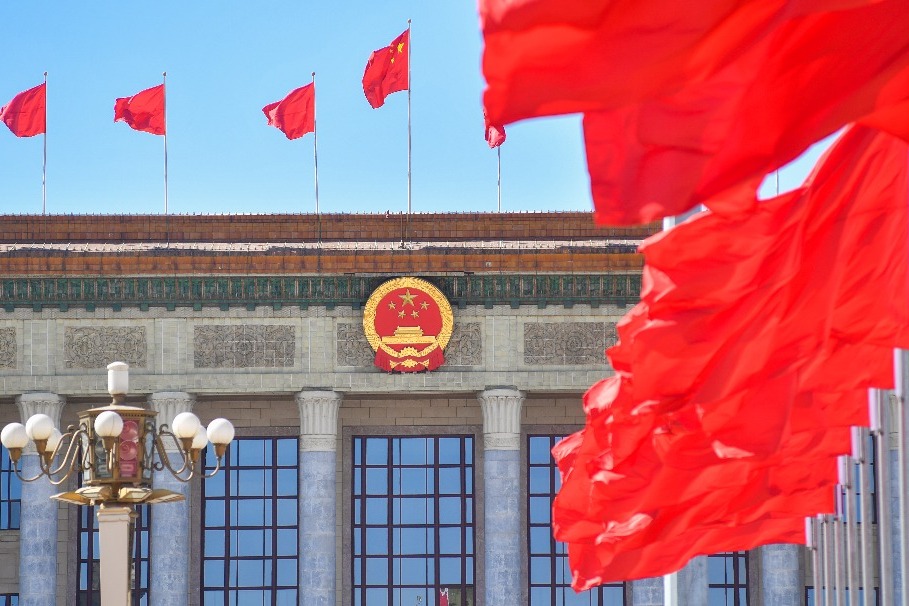
20th CPC Central Committee starts fourth plenary session
The 20th Central Committee of the Communist Party of China (CPC) commenced its fourth plenary session in Beijing on Monday, marking a pivotal moment in the nation’s political calendar. The session, led by Xi Jinping, General Secretary of the CPC Central Committee, focused on critical discussions surrounding China’s strategic direction for the coming years. Xi presented a comprehensive work report on behalf of the Political Bureau, outlining the Party’s vision and priorities. A key agenda item was the formulation of the 15th Five-Year Plan (2026-2030), which will guide China’s economic and social development over the next half-decade. The draft proposals underscored the CPC’s commitment to sustainable growth, technological innovation, and national rejuvenation. This plenary session is a testament to the Party’s proactive approach to governance, ensuring China remains on a trajectory of stability and prosperity. The outcomes of this meeting are expected to have far-reaching implications for both domestic policy and China’s role on the global stage.
-
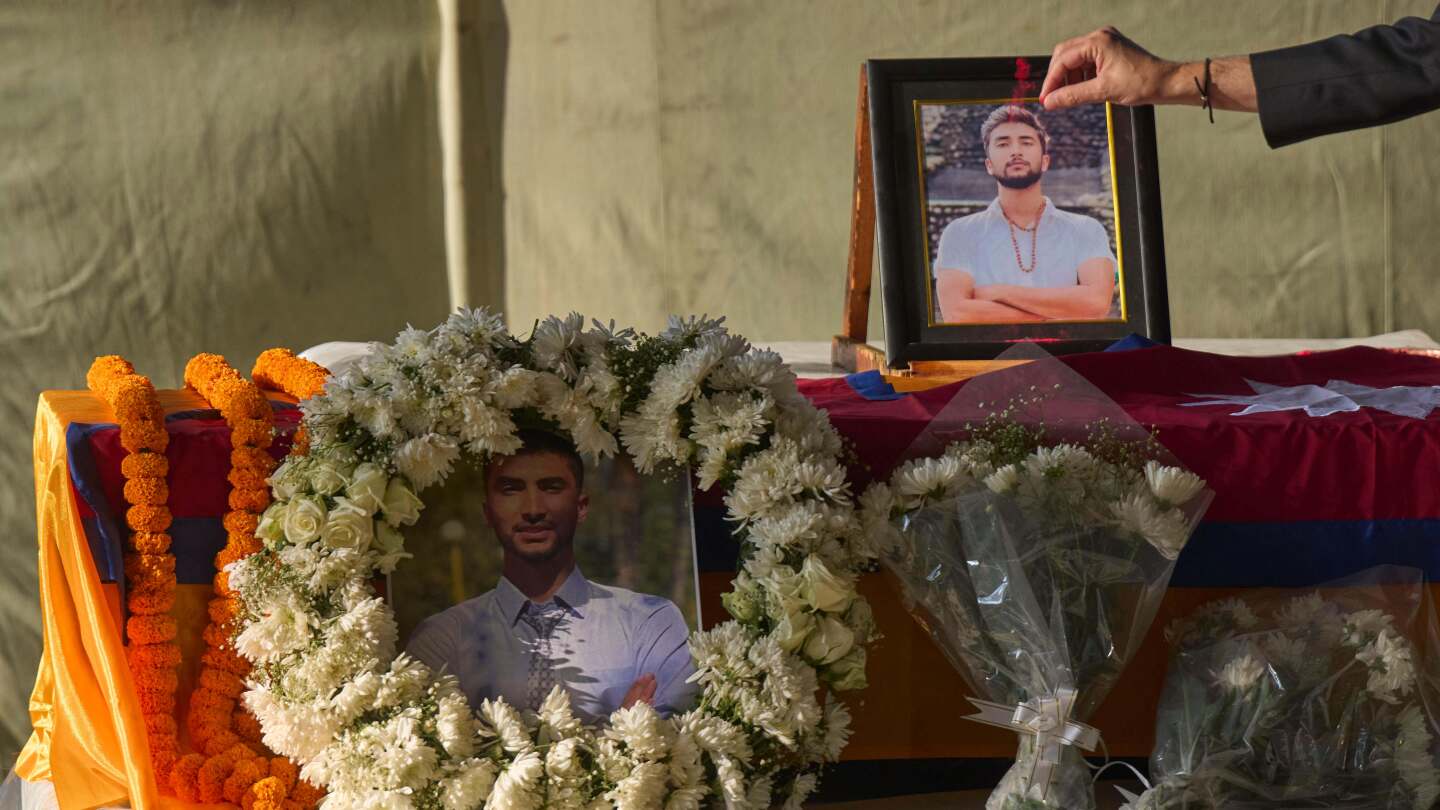
Body of slain Nepali hostage held in Gaza repatriated after release by Hamas
The remains of Bipin Joshi, a Nepali student tragically killed while held hostage in Gaza, were repatriated to Kathmandu on Monday. Joshi’s body arrived at Tribhuvan International Airport from Israel’s Ben Gurion International Airport, where it was received with solemn honors. Nepal’s Foreign Ministry confirmed that the body would be transported to his hometown of Bhimdattanagar later in the evening. Joshi was one of 17 Nepali students studying agriculture in southern Israel when Hamas launched its devastating attack on October 7, 2023, sparking the ongoing Gaza conflict. He had arrived in Israel just a month prior as part of a student exchange program, working and studying at Kibbutz Alumim near the Gaza border. The Hamas assault claimed the lives of 10 Nepali students and left six others injured. Joshi, aged 22 at the time, was abducted during the attack. The Israel Defense Forces confirmed his death in captivity on October 14, 2023, while his mother and sister were in the United States advocating for his release. Nepal’s Prime Minister Sushila Karki paid tribute to Joshi at a ceremony at Kathmandu’s airport, draping the national flag over his coffin. She praised his courage, stating, ‘Bipin’s bravery is a source of pride for every Nepali. He is a son of Nepal, a son of every mother. We will never forget him. He lives in our hearts.’ The Nepali government emphasized its efforts to secure Joshi’s release during his captivity, expressing deep sorrow over the tragic outcome.
-

Trump says India to continue paying ‘massive’ tariffs if Russian oil imports unrestricted
US President Donald Trump has reiterated his stance that India will face significant tariffs if it continues unrestricted imports of Russian oil. Speaking to reporters aboard Air Force One on Sunday, Trump claimed that Indian Prime Minister Narendra Modi assured him that India would limit its purchases of Russian oil. ‘I spoke with Prime Minister Modi of India, and he said he’s not going to be doing the Russian oil thing,’ Trump stated, echoing comments he made earlier in the week. However, the Indian government has denied any such conversation took place. Trump responded to this denial by asserting that India would continue to pay ‘massive tariffs’ if it did not comply with the restrictions. This development highlights the ongoing diplomatic and economic tensions between the US and India, particularly in the context of global energy markets and international trade policies.
-

Fintech revolution: Super apps, the next frontier in payments
In the rapidly evolving landscape of digital innovation, super apps have emerged as a transformative force, reshaping how consumers interact with financial services and everyday conveniences. Originating in Asia with platforms like WeChat and Grab, these all-in-one digital ecosystems integrate messaging, shopping, ride-hailing, payments, and even healthcare into a single, seamless experience. As consumer expectations soar and financial services become increasingly embedded in daily life, super apps are no longer a niche concept but the next frontier in payments. At their core, super apps redefine digital convenience by offering frictionless experiences. Users can book a taxi, order food, pay bills, transfer money, invest in crypto, or access Buy Now Pay Later (BNPL) credit—all within one app. For businesses, the value is immense, unlocking cross-sell opportunities, leveraging data for personalized journeys, and enhancing customer lifetime value. Payments are the backbone of these platforms, enabling peer-to-peer (P2P) transfers, pay-to-merchant (P2M) transactions, pay-to-government (P2G) services, and diverse cash-in/cash-out methods. Seamless wallet experiences, instant transfers, and integrated payment rails are not just features but the foundation of the ecosystem. Digital onboarding is critical, ensuring compliance with KYC and AML while maintaining user-friendliness. Once onboarded, users gain access to a full spectrum of financial services, from wallet top-ups to advanced offerings like micro-lending and digital asset trading. Companies like FOO are at the forefront of this transformation, embedding wallet functionality, P2P payments, BNPL, P2M/P2G capabilities, and cross-border remittances into super app platforms. However, building such infrastructure is complex, requiring adherence to regulatory frameworks, risk management, and data security while prioritizing user experience. In emerging markets, super apps are leapfrogging financial inclusion, providing underserved populations with secure, affordable, and convenient financial services. Even in mature markets, the demand for consolidated digital experiences is growing as consumers seek integrated solutions to combat app fatigue. The success of super apps hinges on trust and user-centricity. As these platforms accumulate data and expand their influence, transparency, security, and responsible innovation must remain priorities. Compliance, risk management, and security frameworks are not just back-end features but the bedrock of credibility. Competition is intensifying, with traditional banks, fintech startups, and tech giants vying for a share of the super app market. Partnerships will be key to success, leveraging fintech expertise, regulatory knowledge, and consumer trust to deliver scalable, holistic platforms. The rise of super apps marks a new chapter in the evolution of payments, placing them at the center of everyday digital interactions. For fintech innovators, this presents both a challenge and an opportunity—to build complex, compliant systems at scale while redefining value exchange in the digital economy. Super apps are not just the next frontier in payments; they are the foundation of the next generation of digital economies.
-
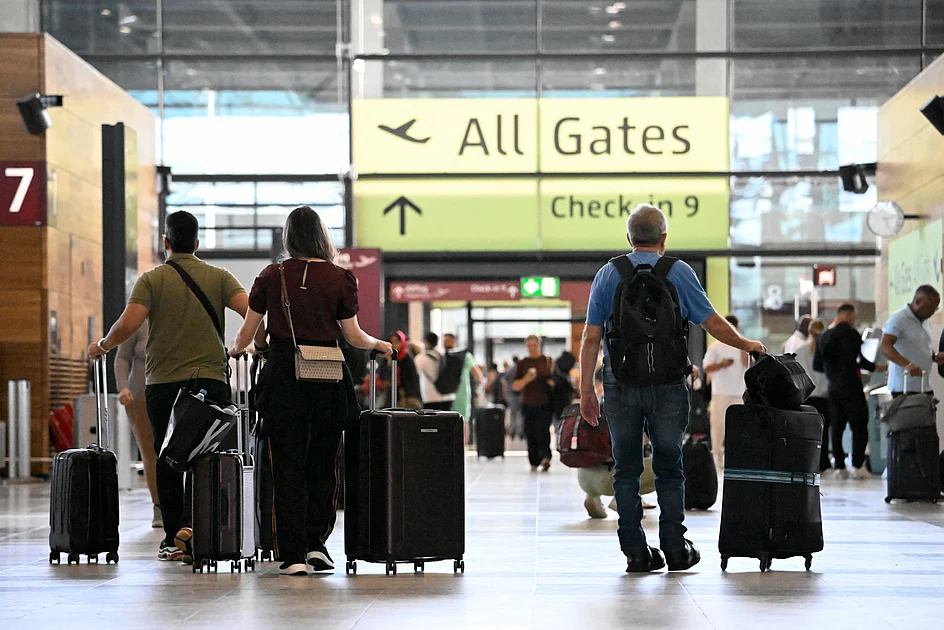
Fire on Air China flight shows why airlines are banning power bank use onboard
A recent incident aboard an Air China flight from Hangzhou to Incheon has reignited concerns about the safety of lithium batteries on aircraft. Smoke began emanating from an overhead compartment, prompting crew members to swiftly extinguish flames later identified as a lithium-battery fire. The plane was safely diverted to Shanghai, and no injuries were reported. However, the event underscores the potential dangers of small electronic devices mid-air, particularly power banks and other lithium-powered gadgets. This incident has drawn global attention to the handling and packing of such devices, with UAE airlines already implementing stricter regulations. Emirates, flydubai, and Etihad Airways have banned the use of power banks onboard and imposed specific rules to mitigate risks. The International Air Transport Association (IATA) has also launched a campaign, ‘Travel Smart with Lithium Batteries,’ to educate travelers on safe practices. According to IATA, lithium batteries are found in a wide range of everyday items, from smartphones to medical devices, and improper handling can lead to severe consequences. Safety experts warn that damaged or overcharged lithium-ion or lithium-polymer cells can overheat, triggering thermal runaway, which can result in fires or explosions. To ensure safety, IATA recommends travelers follow seven simple rules, including carrying devices in hand baggage, protecting loose batteries, and checking airline-specific regulations. The Air China incident serves as a stark reminder of the importance of adhering to these guidelines to prevent potential in-flight emergencies.