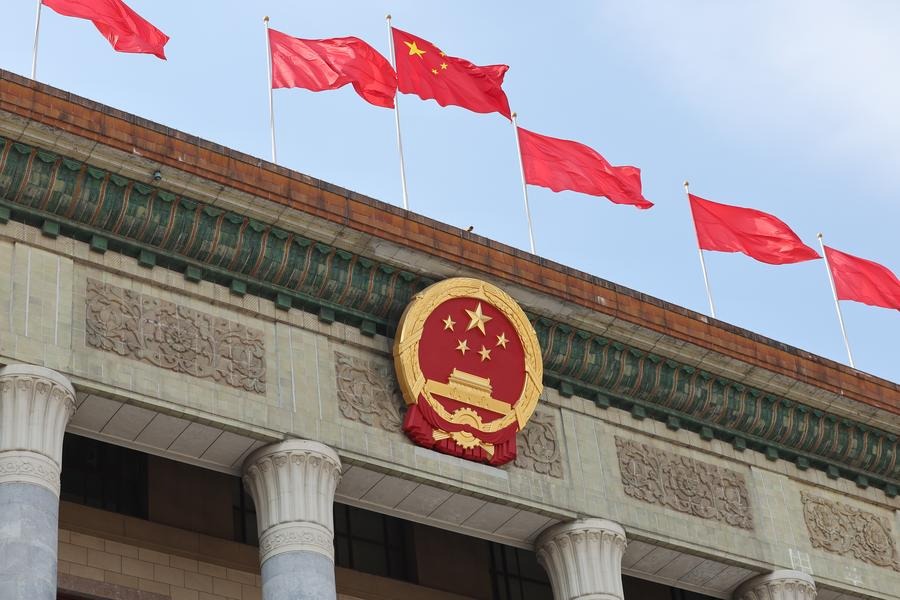
China is taking a significant step to codify its public interest litigation system into law, marking a milestone in its legal and governance modernization efforts. The draft law on procuratorial public interest litigation, currently under review by the Standing Committee of the National People’s Congress (NPC), aims to consolidate and expand the system’s scope, which has been in place since 2015. This legislation, the first of its kind, defines 14 existing categories of public interest litigation and introduces two new areas: cultural heritage and national defense. The draft also establishes clear rules on jurisdiction, investigation, trial, and enforcement, ensuring a structured approach to safeguarding national and social interests. Yang Xiaochao, chair of the NPC’s Supervisory and Judicial Affairs Committee, emphasized that the law reflects China’s commitment to timely and effective public interest protection, a global governance priority. The draft mandates that prosecutors first urge administrative agencies to fulfill their duties before initiating litigation, and it prohibits coercive measures like restricting personal freedom or freezing assets during investigations. Citizens and social organizations are encouraged to provide leads and monitor case handling, fostering public participation. Since its pilot launch in 2015, the system has handled over 1.22 million cases, with significant support from provincial-level governments and legislatures. The Supreme People’s Procuratorate has also established collaborative mechanisms with over 30 administrative law enforcement agencies to enhance practical and theoretical integration. This new law aims to address the fragmented nature of existing regulations, providing a unified framework to tackle practical challenges and institutionalize a decade of innovative practices.
作者: admin
-
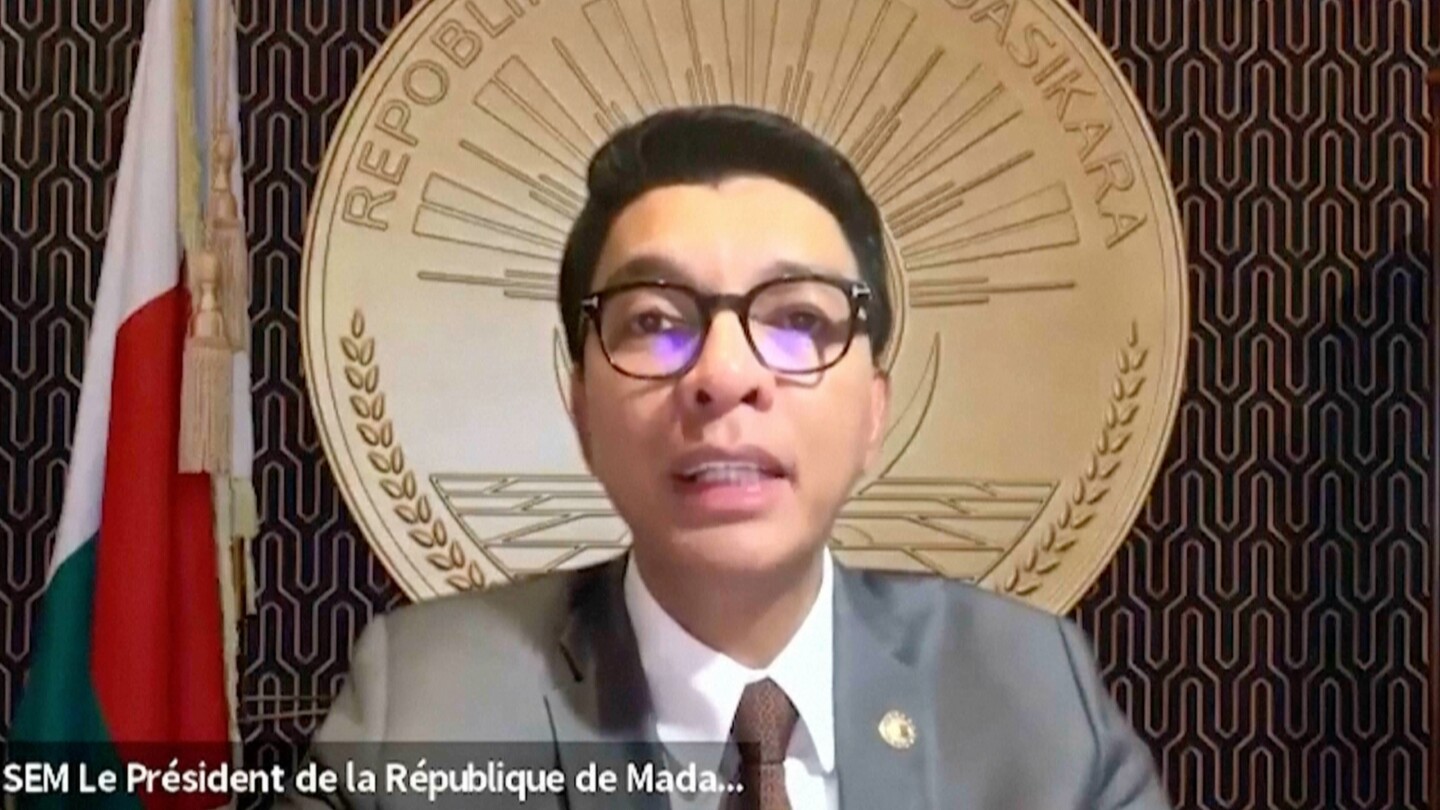
Former Madagascar president Andry Rajoelina stripped of citizenship after military takeover
In a dramatic turn of events, former Madagascar President Andry Rajoelina has been stripped of his Malagasy citizenship following his ousting in a military coup just over a week ago. Rajoelina, who also holds French citizenship, fled the country amid widespread protests demanding his resignation. His current whereabouts remain unknown. The new Prime Minister, Herintsalama Rajaonarivelo, has enacted a decree that revokes the citizenship of any Malagasy individual holding dual nationality, a move that directly impacts Rajoelina. This development follows intense scrutiny over Rajoelina’s eligibility to run in the 2023 presidential election, which he ultimately won. The protests, led predominantly by the youth, were initially sparked by chronic issues such as water and electricity shortages but quickly escalated to address broader grievances like poverty and unemployment. The unrest culminated in a violent crackdown by security forces, resulting in 22 deaths and over 100 injuries, according to the United Nations. Rajoelina, who expressed fears for his life, addressed the nation from an undisclosed location shortly before the military takeover. Colonel Michael Randrianirina has since been sworn in as the new president. Madagascar, which gained independence from France in 1960, has a tumultuous history of political instability, with Rajoelina himself first rising to power following a coup in 2009.
-
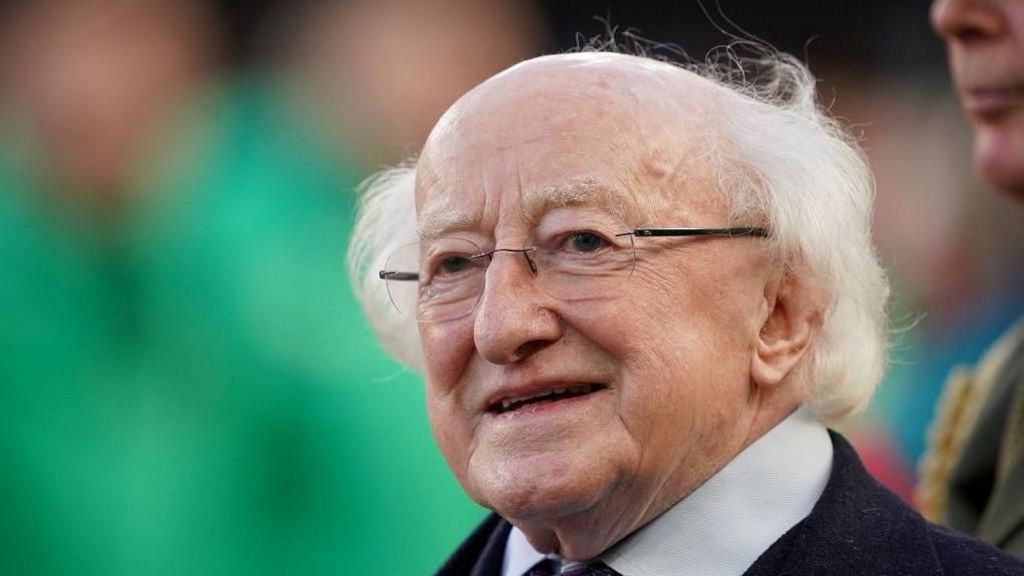
Michael D Higgins spends night in hospital for treatment
Irish President Michael D. Higgins was admitted to St. James’s Hospital in Dublin on Sunday for treatment of a localized infection. According to a spokesperson, the President received antibiotics and is in “good spirits,” with plans to return to Áras an Uachtaráin, his official residence and workplace. Higgins will continue to serve in his role until the inauguration of his successor, Catherine Connolly, on November 11 at Dublin Castle. Connolly, an independent member of the Irish parliament, made history by securing a record-breaking 63% of first-preference votes in the presidential election. However, the unusually high number of spoiled votes—213,738—has drawn attention and calls for electoral reform. Connolly’s victory over Fine Gael’s Heather Humphreys was officially confirmed on Saturday evening, marking the beginning of a new chapter in Ireland’s political landscape.
-
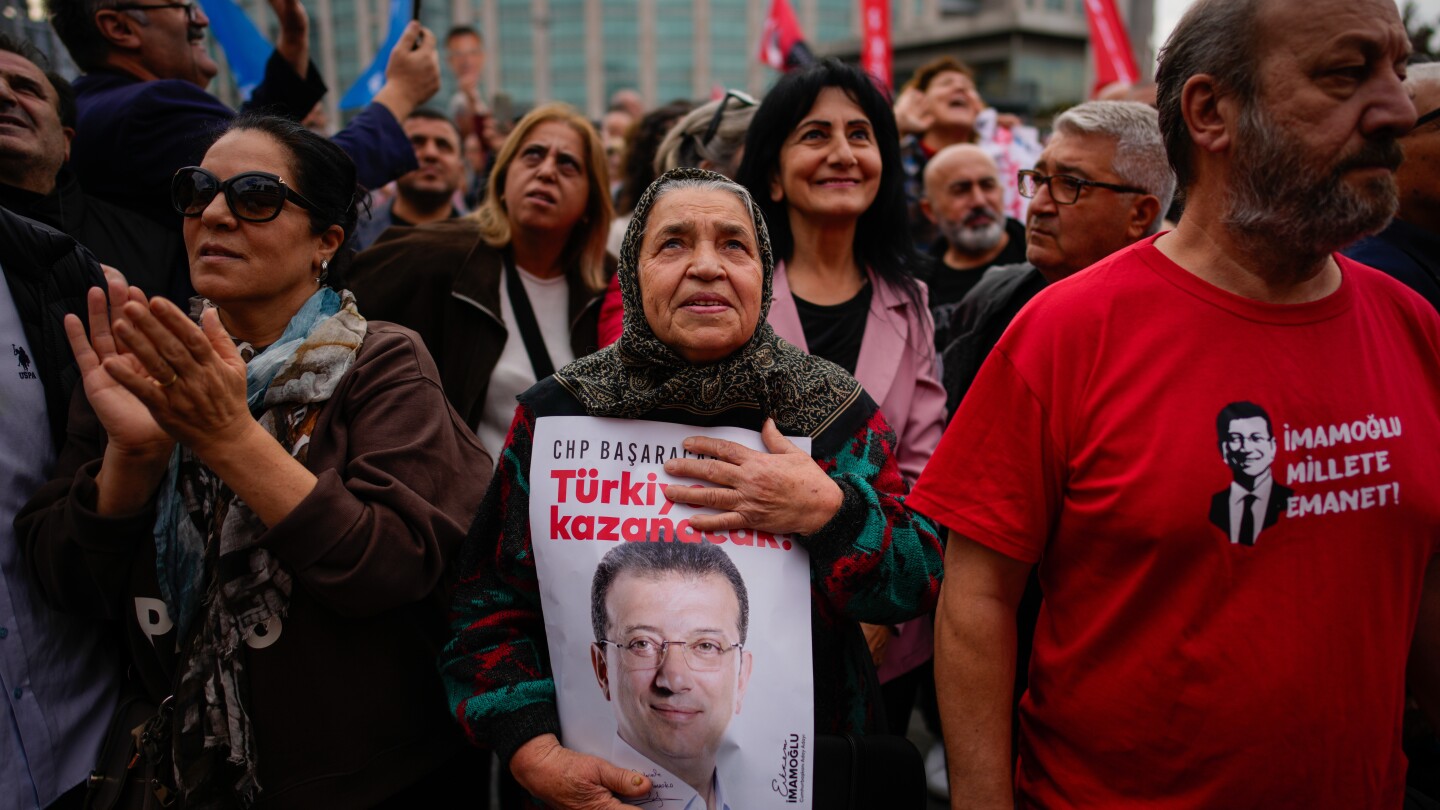
Turkish prosecutors file new espionage charges against Istanbul’s jailed mayor
In a significant escalation of judicial pressure, Turkish prosecutors have leveled new espionage charges against Ekrem Imamoglu, the incarcerated mayor of Istanbul and a prominent opposition figure widely regarded as a formidable challenger to President Recep Tayyip Erdogan. The charges, filed on Monday, are linked to an ongoing investigation into alleged connections between Imamoglu’s political campaign and a businessman arrested in July for reportedly conducting intelligence operations on behalf of foreign governments. Imamoglu’s former campaign manager, Necati Ozkan, and journalist Merdan Yanardag have also been implicated in the case. According to the state-run Anadolu Agency, Imamoglu, who is already in pretrial detention on corruption charges, is accused of unlawfully transferring personal data of Istanbul residents to secure international funding for his campaign. Imamoglu vehemently denied the allegations, dismissing them as ‘nonsense’ in a social media statement. ‘Even the claim that I burned down Rome would have been more credible than this nonsense,’ he remarked, vowing to intensify his resistance against what he described as a systemic effort to undermine Turkey’s future. The charges have further fueled accusations of a broader crackdown on opposition figures, particularly following the Republican People’s Party’s (CHP) significant gains in last year’s local elections. Imamoglu’s arrest in March had already sparked nationwide protests, with critics viewing it as part of a concerted effort to stifle dissent. Erdogan’s government maintains that the judiciary operates independently and that the investigations are solely focused on combating corruption.
-
Australia’s Albanese discusses US minerals deal, jet incident with China’s Premier Li
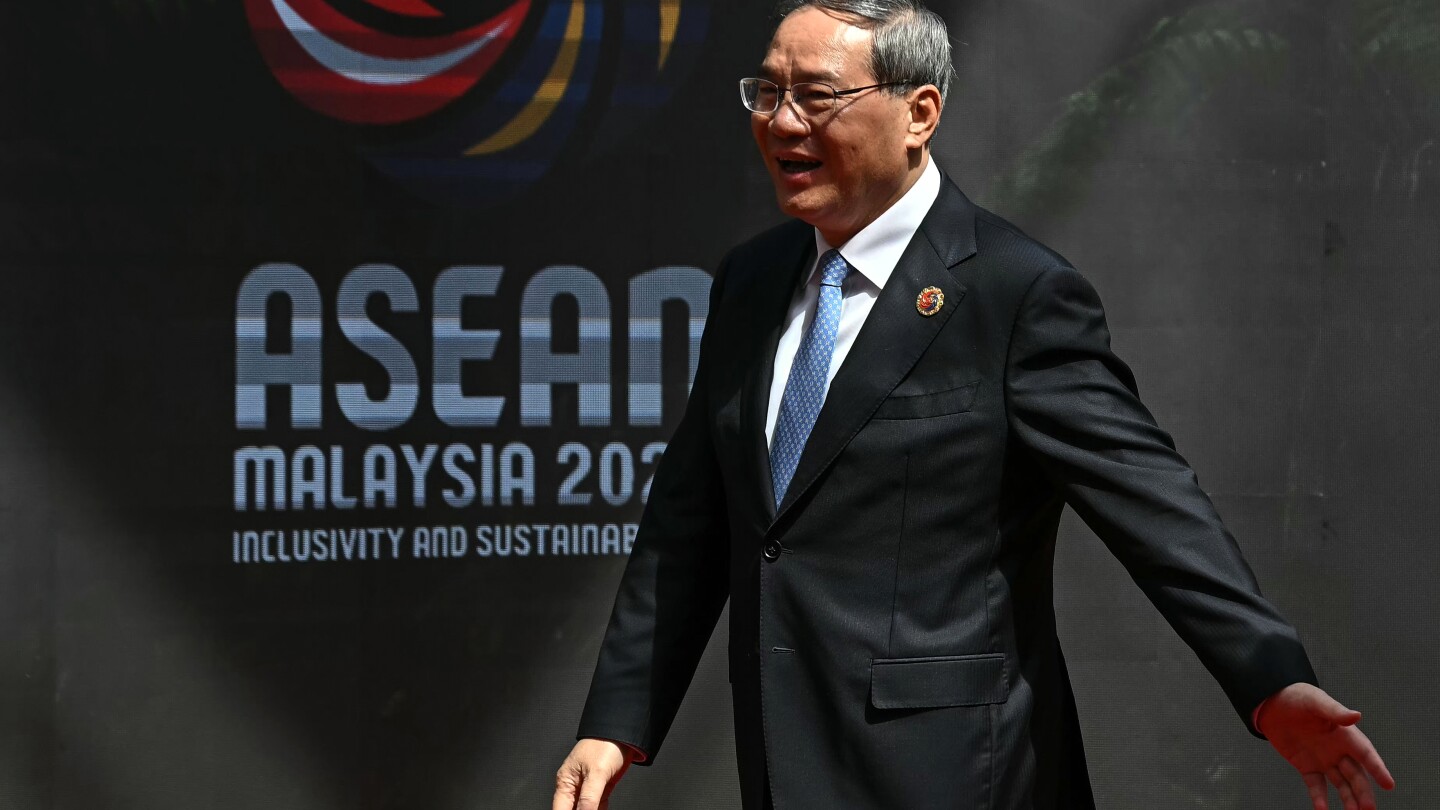
In a significant diplomatic engagement, Australian Prime Minister Anthony Albanese and Chinese Premier Li Qiang convened on the sidelines of the Association of Southeast Asian Nations (ASEAN) summit in Kuala Lumpur, Malaysia. The meeting, described by Albanese as “positive,” focused on key issues such as Australia’s critical-minerals deal with the United States and recent tensions involving a Chinese warplane. This marked the seventh meeting between the two leaders, reflecting a stabilizing relationship since Albanese’s center-left government took office in 2022. China has since lifted several trade barriers that had previously cost Australian exporters up to $13 billion annually. Albanese highlighted discussions about his recent U.S. visit, where an $8.5 billion critical minerals agreement was signed, underscoring Australia’s strategic role in global rare earth resources amid China’s tightening export controls. Li emphasized China’s desire for an open, non-discriminatory environment for Chinese investments in Australia and expressed willingness to collaborate on green economy initiatives, high-tech industries, and digital innovation. However, Australia remains wary of China’s dominance in critical minerals and renewable energy supply chains, as evidenced by recent government actions to restrict Chinese ownership in key sectors. Albanese also raised concerns over a recent incident in the South China Sea, where a Chinese Su-35 jet released flares dangerously close to an Australian surveillance aircraft. The Australian government condemned the behavior as unsafe and unprofessional, while China accused Australia of violating its sovereignty. Despite these tensions, Albanese stressed the importance of frank dialogue in addressing disagreements, a sentiment echoed in his previous engagements with Chinese leadership.
-
Sermons urge youth to take part in public affairs in Morocco after wave of protests
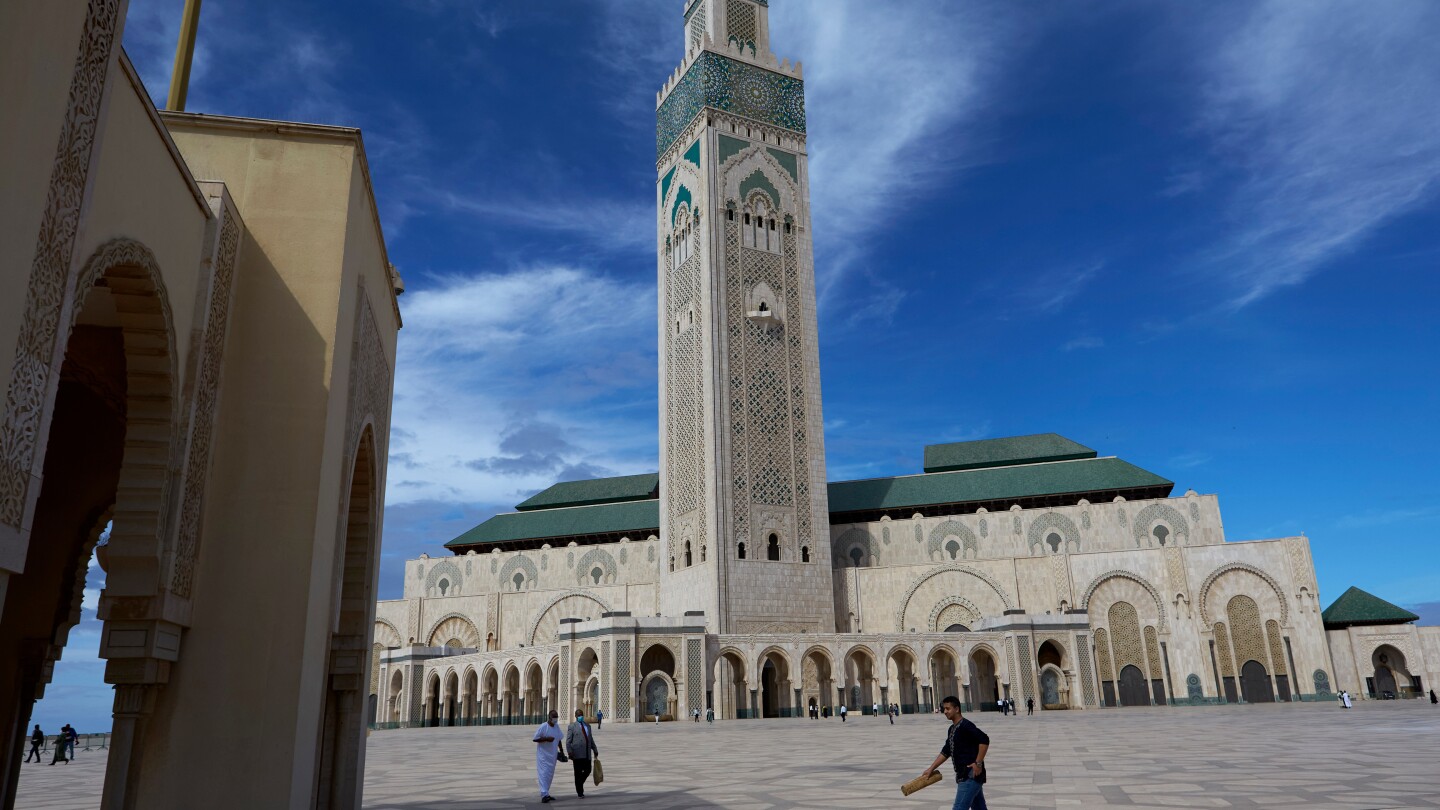
In a striking move to address rising youth discontent, Morocco’s government has taken to the pulpit to deliver a unified message across the nation’s mosques. On Friday, imams in over 53,000 mosques, including one in Rabat, delivered a government-written sermon urging parents to involve their children in public affairs. The sermon, broadcast live on public television, emphasized the importance of civic participation, national loyalty, and the role of youth in shaping Morocco’s future. This initiative comes in the wake of widespread protests led by the Gen Z 212 movement, which has been demanding better social and economic conditions and accountability from the government. The protests, organized via social media platforms like Discord, have been marked by acts of vandalism, arrests, and even fatalities. While the sermon did not directly address the protests, it was widely interpreted as an attempt by the government to engage with the youth and steer them toward constructive dialogue. Critics, however, argue that the state’s control over sermon content turns mosques into tools for promoting government policies. In response to the unrest, the government has announced new measures, including a draft bill to simplify election candidacy requirements for individuals under 35 and a record $15 billion allocation for health and education in the 2026 budget. Despite these promises, weekend protests saw lower-than-expected turnout, with only dozens attending a gathering in Casablanca. Analysts like Dr. Driss El Ganbouri suggest that while sermons can influence public opinion, they must be backed by tangible actions to gain the trust of the younger generation.
-
Lula is optimistic there will be a US-Brazil trade deal after meeting with Trump in Malaysia
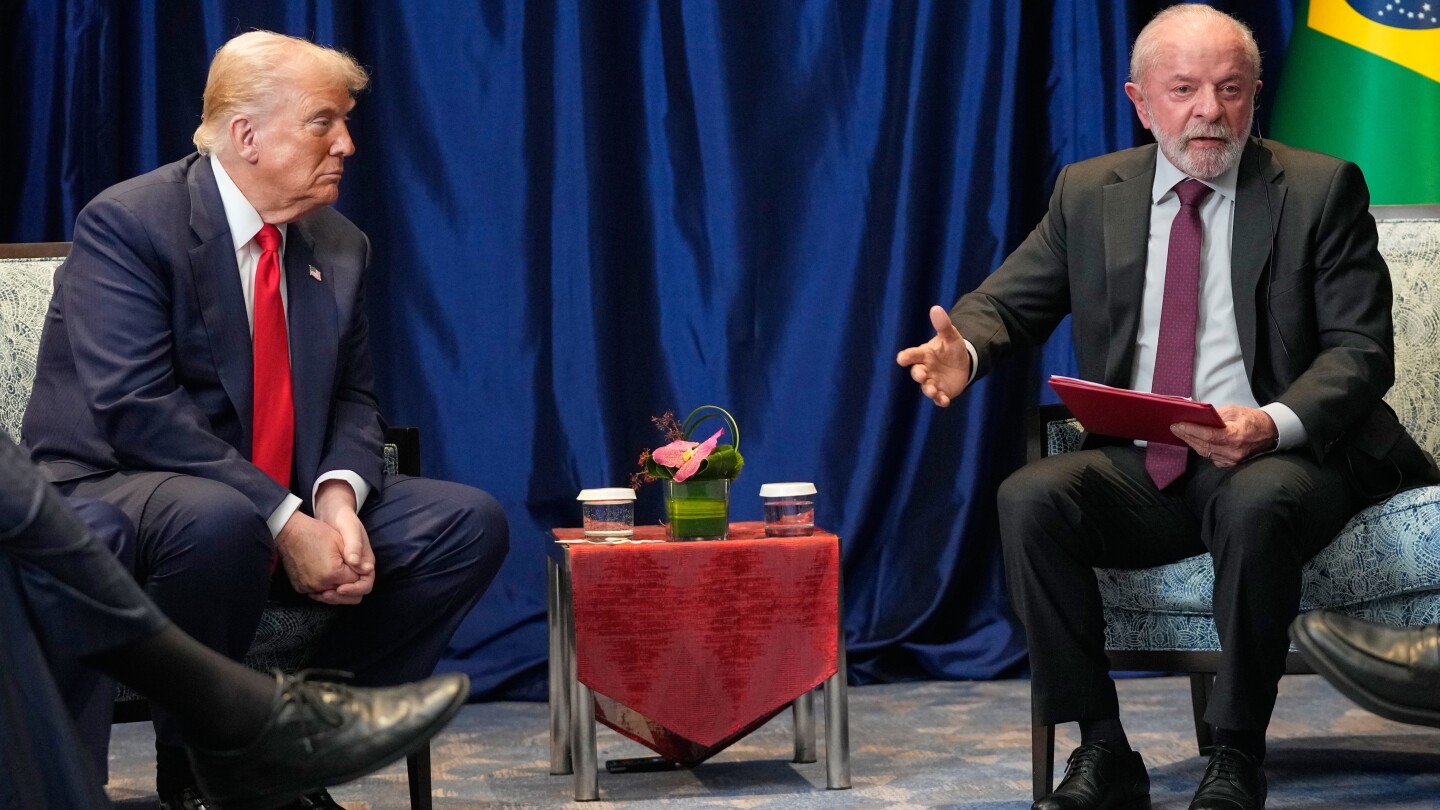
KUALA LUMPUR, Malaysia — Brazilian President Luiz Inácio Lula da Silva expressed optimism on Monday about reaching a trade agreement with the United States, following a productive meeting with U.S. President Donald Trump. The discussions took place on the sidelines of a regional summit in Malaysia’s capital, Kuala Lumpur, which Lula described as “very good.” Trump, who later departed for Japan, hinted at the possibility of reducing tariffs imposed on Brazil, a move that could ease tensions between the two nations. The U.S. had previously implemented a 40% tariff on Brazilian goods in July, citing Brazil’s policies and the prosecution of former President Jair Bolsonaro as an economic emergency. Bolsonaro, a Trump ally, was recently sentenced to 27 years in prison for attempting a coup after losing the 2022 election. Lula presented Trump with a document outlining Brazil’s stance against the tariff hikes, acknowledging the U.S.’s right to impose such measures but arguing they were based on “mistaken information.” While Trump did not commit to suspending the tariffs, Lula remained confident, stating, “He guaranteed to me that we will reach an agreement.” Lula also emphasized Brazil’s role as one of three G20 nations with which the U.S. maintains a trade surplus, highlighting the $6.8 billion surplus recorded last year. Additionally, Lula offered to mediate the crisis in Venezuela, where President Nicolas Maduro has accused the U.S. of escalating tensions. Celebrating his 80th birthday, Lula expressed a sense of fulfillment and optimism for the future, aiming to live up to 120 years. His presence at the ASEAN summits underscored Malaysia’s efforts to strengthen trade ties between Southeast Asia and Latin America.
-

Contenders flex their muscles as Packers ruin Rodgers reunion
The eighth week of the NFL season delivered a spectacle of dominant performances, rookie breakouts, and nail-biting comebacks, solidifying the league’s reputation for unpredictability and excitement. The Indianapolis Colts continued their impressive run, improving to 7-1 after a commanding 38-14 victory over the Tennessee Titans. Running back Jonathan Taylor was the standout, scoring his fourth touchdown hat-trick of the season and amassing 153 rushing yards, including an electrifying 80-yard touchdown. Taylor’s stellar form has sparked discussions about him becoming the first running back to win the MVP since Adrian Peterson in 2012. Meanwhile, the Denver Broncos and New England Patriots extended their winning streaks to five games, with quarterbacks Bo Nix and Drake Maye showcasing their prowess. Nix threw four touchdown passes in a 44-24 rout of the Dallas Cowboys, while Maye overcame five sacks to lead the Patriots to a 32-13 victory over the Cleveland Browns. The New York Jets provided one of the most thrilling moments of the week, staging a remarkable 39-38 comeback against the Cincinnati Bengals. Running back Breece Hall was the hero, scoring two rushing touchdowns and throwing the game-winning touchdown on a trick play. This marked the Jets’ first win of the season and ended a 135-game losing streak for teams trailing by 15 or more points entering the fourth quarter. Elsewhere, Aaron Rodgers faced his former team, the Green Bay Packers, for the first time, but it was Jordan Love who stole the show, leading the Packers to a 35-25 victory over the Pittsburgh Steelers. Love’s near-flawless second half, which included 20 consecutive completions, has Packers fans dreaming of a bright future. The Philadelphia Eagles avenged their recent loss to the New York Giants with a 38-20 win, thanks to a monster 150-yard rushing performance by Saquon Barkley. Despite leaving the game with a groin injury, Barkley’s breakout game could be the catalyst the Eagles need to reignite their offense. The Tampa Bay Buccaneers joined the Eagles at 6-2 after a dominant 23-3 win over the New Orleans Saints, while the Buffalo Bills remained hot on the Patriots’ heels with a 40-9 demolition of the Carolina Panthers. Week 8 also saw the Baltimore Ravens and Miami Dolphins secure crucial victories, with Derrick Henry scoring twice for the Ravens and Tua Tagovailoa throwing four touchdowns for the Dolphins. As the season progresses, the race for playoff spots intensifies, with several teams emerging as genuine contenders for the Super Bowl.
-
In Russia’s ‘blitz’ of Ukraine, the question of appeasement is back
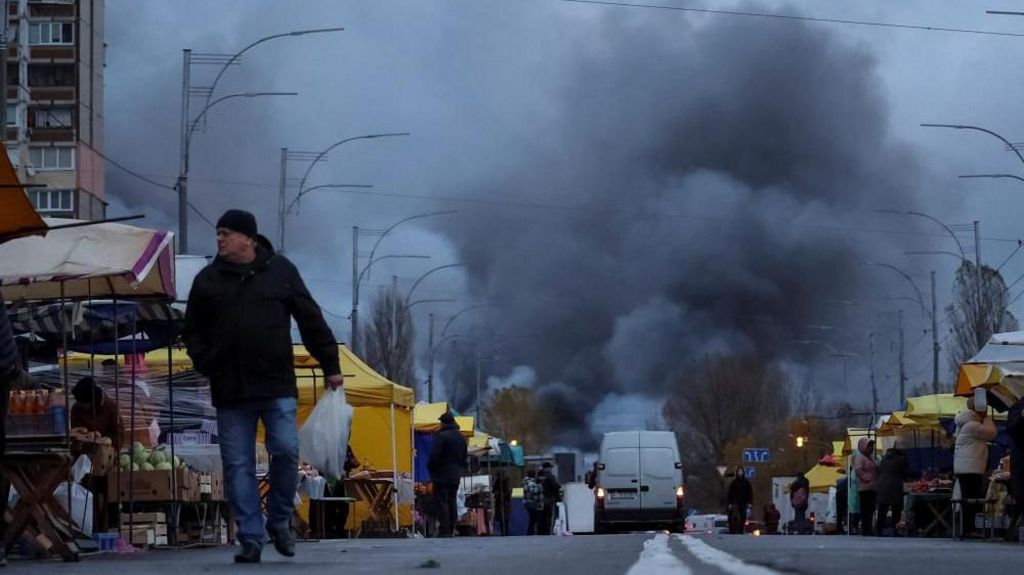
In the aftermath of yet another week of relentless Russian airstrikes on Ukrainian cities, a poignant image has circulated on Ukrainian social media. The composite photo juxtaposes a black-and-white image of Londoners during the Blitz with a contemporary shot of Kyiv residents shopping at a market, black smoke billowing in the background. The caption, ‘Bombs can’t stop markets,’ underscores the resilience of Ukrainians in the face of adversity. However, beneath this spirit of fortitude lies palpable fear and uncertainty. Halyna, a market vendor, expressed grim pessimism, stating, ‘This war hasn’t even started yet. It will get worse.’ The recent escalation in Russian attacks, targeting civilian infrastructure and causing significant casualties, has intensified the conflict. Ukrainian President Volodymyr Zelensky’s recent diplomatic efforts, including a challenging meeting with U.S. President Donald Trump, have yielded little progress. Trump’s strategy, criticized as ‘weakness through appeasement,’ has further complicated the situation. Meanwhile, European leaders have pledged support for Ukraine, including sanctions and military aid. As the war enters a new phase, the question of whether to fight or negotiate with Russia remains central. The lessons of history, particularly the failures of appeasement, loom large as Ukraine continues to resist Russian aggression.
-
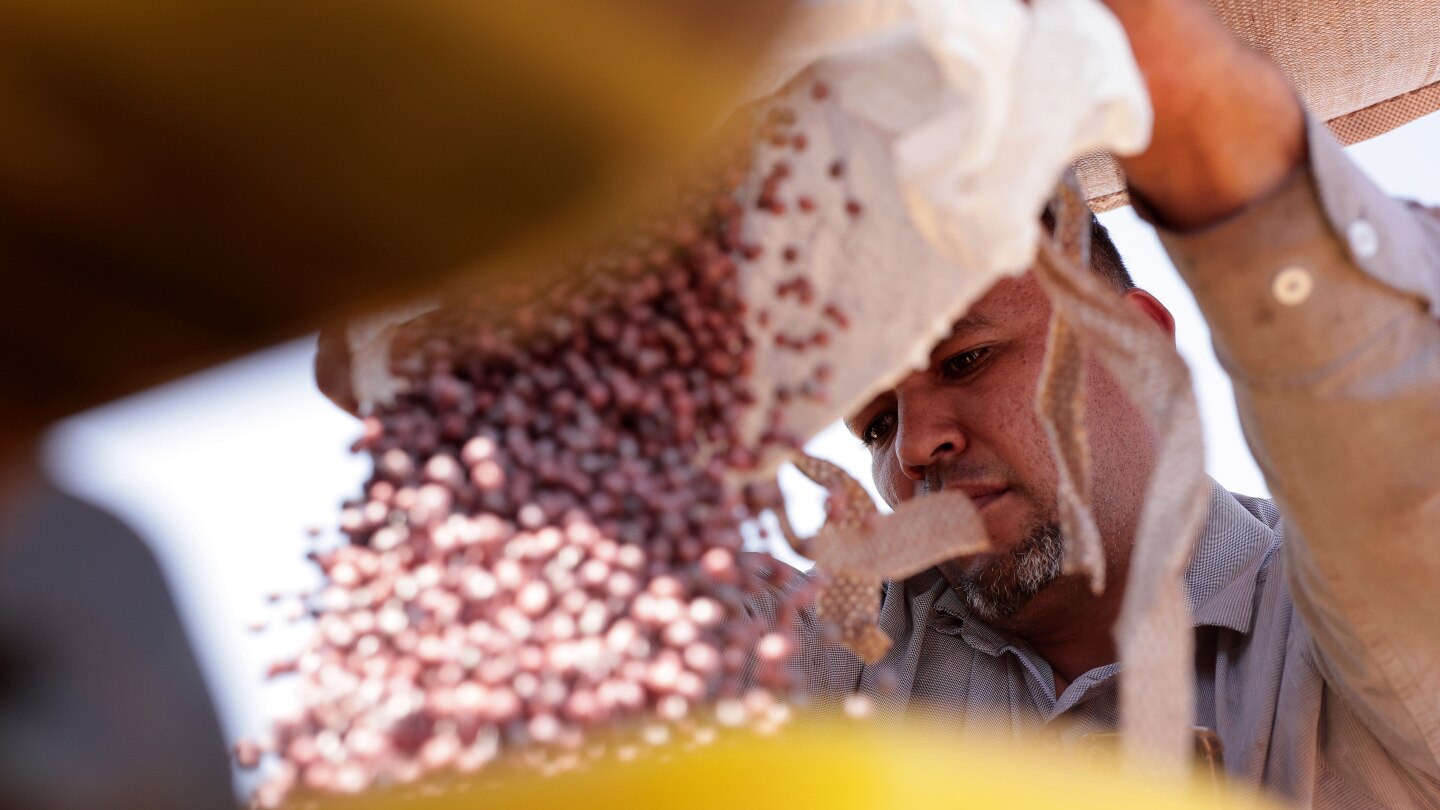
Brazilian farmers beef up soybean production as China halts business with US during trade fight
In Santa Cruz do Rio Pardo, Brazil, farmer Andrey Rodrigues has shifted gears to ramp up soybean production for the upcoming harvest, driven by the escalating trade tensions between the U.S. and China. The Trump administration’s trade war has effectively blocked American soybeans from the Chinese market, creating a golden opportunity for Brazilian producers. Over the past two months, Chinese buyers have aggressively sought Brazilian soybeans, signaling a willingness to purchase as much as possible. This surge in demand has fueled optimism among Brazilian farmers, who are now preparing to meet China’s needs. According to China’s customs data, the country imported no U.S. soybeans in September, a stark contrast to previous years. Brazilian soybeans already dominate China’s imports, accounting for over 70% of the market, while the U.S. share has dwindled to 21%. Rodrigues, who chairs the soybean farmers association in São Paulo, is seizing the moment by expanding production at his Morada do Sol farm. He emphasizes the need to act swiftly, selling futures for the next harvest to capitalize on the current demand. Brazil’s Agriculture Ministry predicts a 3.6% increase in soybean production for the next harvest, driven by China’s insatiable appetite. However, analysts caution that China’s interest in Brazilian soybeans may be a short-term strategy to retaliate against the U.S. Meanwhile, American farmers are grappling with the loss of the Chinese market, focusing on alternative buyers and domestic uses for their crops. Despite the challenges, some U.S. farmers remain resilient, adapting to the shifting political and economic landscape. Brazil’s President Luiz Inácio Lula da Silva has strengthened ties with China, further bolstering the soybean trade. Yet, farmers like Rodrigues stress the importance of harmony in global trade, advocating for a balanced approach that benefits all parties.