作者: admin

  • Michael B Jordan upends Oscars race as Sinners wins big at Actor Awards

    Michael B Jordan upends Oscars race as Sinners wins big at Actor Awards

    In a dramatic twist just weeks before the Academy Awards, Michael B. Jordan secured a stunning victory for Best Actor at the prestigious Actor Awards ceremony (formerly SAG Awards), fundamentally reshaping the Oscar landscape. Jordan triumphed for his compelling performance in the vampire horror film ‘Sinners,’ which also captured the night’s top honor for Best Ensemble Cast.

    The actor appeared genuinely astonished during his acceptance speech, stating, ‘I don’t even know where to begin, I wasn’t expecting this at all.’ He expressed profound gratitude for the nomination and dedicated the award to his mother Donna, recalling her sacrifices during his early career: ‘Mom, thank you for driving me back and forth to New York when we didn’t have enough money to go through the Harlem tunnel.’

    ‘Sinners’ co-star Delroy Lindo, while accepting the Ensemble award, described the filmmaking process as an ‘incredible journey’ where ‘every single day we brought ourselves, our hearts, our souls, to this endeavor.’ The victory comes just one week after both actors demonstrated remarkable professionalism when a Tourette’s campaigner involuntarily shouted a racial slur during their BAFTA stage appearance.

    The ceremony featured several notable moments, including a posthumous win for Catherine O’Hara (The Studio), accepted emotionally by Seth Rogen who praised her ability to be ‘a genius, and be kind.’ Harrison Ford received the lifetime achievement award, joking that it felt ‘a little early’ at what he called ‘the half-point of my career.’

    With the Oscars approaching on March 15th, Jordan’s surprise win has created unprecedented uncertainty in the Best Actor category, where he previously trailed behind competitors like Timothée Chalamet and Wagner Moura in precursor awards. ‘Sinners’ enters the Academy Awards with a record-breaking 16 nominations, positioning it as a strong contender against ‘One Battle After Another,’ which has dominated other major ceremonies.

  • Argentina’s Milei opens Congress praising Trump and attacking opposition

    Argentina’s Milei opens Congress praising Trump and attacking opposition

    In a characteristically combative address to Argentina’s Congress on Sunday, libertarian President Javier Milei delivered a 90-minute polemic that celebrated his administration’s accomplishments while launching vitriolic attacks against political opponents. The presidential speech, marked by heated exchanges with opposition lawmakers, served as both a victory lap and declaration of continued political warfare.

    Milei’s address came following significant legislative victories that have strengthened his position. The president highlighted several key achievements including labor market reforms, adjustments to criminal responsibility age thresholds, the Mercosur-European Union trade pact, and preliminary approval of glacier protection legislation. “This extraordinary session represents one of the most productive periods in our historical record, fulfilling all campaign commitments made for 2025,” Milei declared.

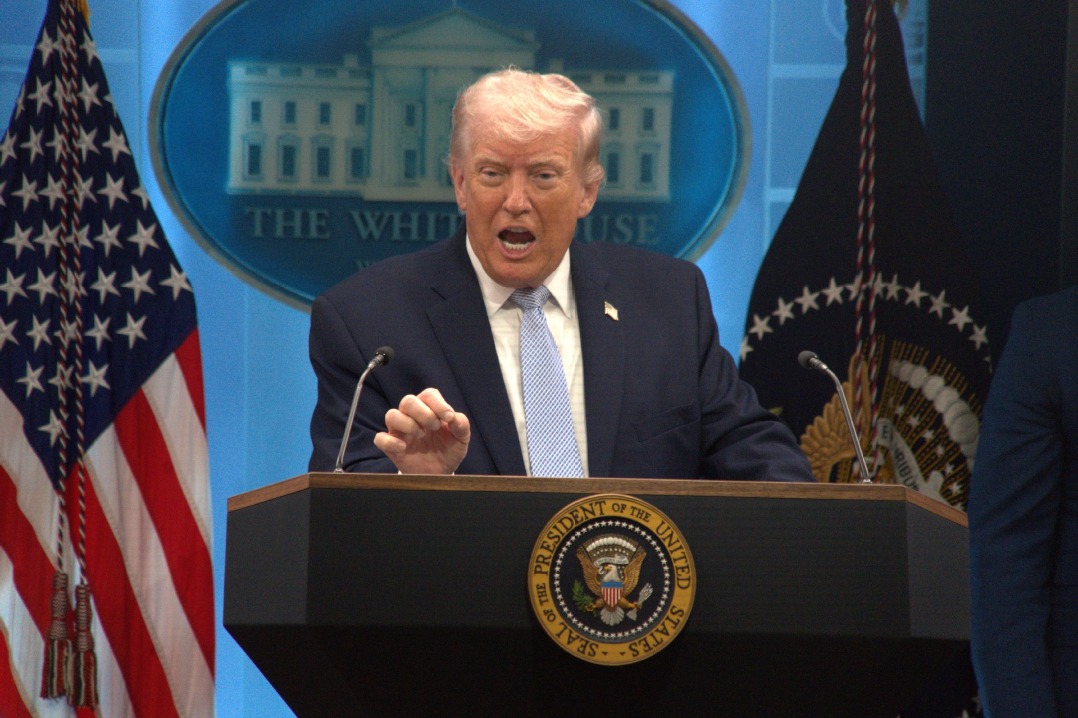
    The Argentine leader devoted substantial attention to international relations, particularly emphasizing his administration’s alignment with the United States. Milei praised the financial assistance provided by Washington and highlighted his “special relationship” with former President Donald Trump, whom he characterized as a “key ally.” In a notable rhetorical flourish, Milei echoed Trump’s signature phrase, proclaiming, “We must create the century of the Americas. Make America Great Again.”

    Milei articulated Argentina’s geopolitical advantages, emphasizing the nation’s abundance of critical minerals sought by Western nations, strategic access to both Atlantic and Pacific oceans, and proximity to Antarctica. “Argentina functions as a natural nexus within the West’s strategic value chain,” the president asserted.

    The address frequently descended into confrontation as Milei denounced opposition legislators as “thieves,” “murderers,” and “ignorant” individuals. He specifically targeted former leftist President Cristina Fernández de Kirchner, currently imprisoned on corruption charges.

    Political analysts note Milei’s significantly strengthened legislative position compared to his early presidency in 2023, when his La Libertad Avanza party ranked only third in congressional representation. Following the 2025 elections and alliance with the right-wing Republican Proposal (PRO) party, Milei’s coalition now commands the largest bloc in both chambers and maintains veto-sustaining capabilities.

    According to Gustavo Marangoni, political scientist and director of M & R Asociados consulting firm, the administration has successfully consolidated support from previously reserved or critical allies, including PRO members who now demonstrate “perfect alignment with the ruling party.” Juan Negri, director of the Political Science program at Torcuato Di Tella University, observed that Milei now operates with “significant support and a parliamentary majority that seemed unprecedented in 2023.”

  • ‘Lots of money’: Storm players block out Zac Lomax noise as Craig Bellamy’s ridiculous record goes on the line

    ‘Lots of money’: Storm players block out Zac Lomax noise as Craig Bellamy’s ridiculous record goes on the line

    As the Melbourne Storm finalize preparations for their Thursday night NRL season opener against the Parramatta Eels, player focus remains squarely on the field, deliberately sidelining the ongoing transfer drama surrounding Zac Lomax. Despite Lomax’s potential move from the Eels dominating headlines, Storm athletes emphasize their attention is consumed by maintaining their club’s extraordinary Round 1 winning streak under coach Craig Bellamy.

    The proposed transfer of Lomax remains in contractual limbo, complicated by the Eels’ refusal of financial compensation from Melbourne and the original release terms from Parramatta that prevent immediate NRL club switching. This leaves the representative winger’s immediate future unresolved as both clubs’ management continue negotiations.

    Storm prop Josh King articulated the team’s collective stance, stating, “We’ll let the big wigs and the people who get paid lots of money sort all that out. There’s no extra motivation with anything to do with Zac Lomax.” This sentiment reflects the squad’s determination to avoid distractions ahead of the crucial season commencement.

    The match carries additional narrative weight as it marks the first confrontation with former Storm playmaker Jonah Pezet, now with the Eels. Storm outside back Nick Meaney issued a playful warning to his former teammate, indicating targeted defensive strategies: “I messaged him saying ‘get ready, I hope you’ve got the shoulders strapped.’”

    Central to the occasion is Bellamy’s impeccable record in season openers, having never lost a Round 1 match since assuming coaching duties in 2003. While players acknowledge this remarkable statistic, they emphasize it represents broader ambitions rather than standalone glory. “It’s not the round 1 record that matters—it’s about starting the season well off a really good pre-season,” King explained, framing the game as the first demonstration of their preparatory work.

    The showdown pits a pre-season dominant Eels squad against a Storm team motivated by consecutive grand final defeats, setting the stage for a compelling initiation to the 2025 NRL campaign.

  • UK toughens asylum rules to discourage migration

    UK toughens asylum rules to discourage migration

    The United Kingdom has implemented a sweeping transformation of its asylum framework, introducing temporary refugee status provisions that mark a significant departure from previous protection protocols. Effective March 2, the Home Office’s new regulations mandate that both adult refugees and their accompanying children will undergo comprehensive status reassessment every 30 months.

    This structural reform establishes a conditional protection system where refugees demonstrating continued need for sanctuary will receive renewed status, while those originating from nations now classified as safe will face expectations to return to their countries of origin. The policy carves out an exemption for unaccompanied minors, who will maintain protected status for five-year intervals while authorities deliberate on permanent solutions for this vulnerable demographic.

    Home Secretary Shabana Mahmood defended the controversial measures, asserting that the previous system’s perceived generosity had created unsustainable pull factors encouraging perilous migration journeys and enriching human trafficking networks. The policy shift aligns with Denmark’s successful immigration model, which has driven asylum applications to historic lows through similar stringent approaches.

    Opposition voices from charitable organizations and Labour Party legislators have condemned the reforms, warning they will destabilize settled refugee communities and create perpetual uncertainty. Additional proposed measures requiring parliamentary approval would extend the waiting period for permanent residency applications from five to twenty years.

    The policy revision occurs against a backdrop of record asylum applications, with over 110,000 claims recorded in the year ending September 2025—representing a 13% increase from the previous year and exceeding previous historical peaks. Primary countries of origin for applicants include Pakistan, Eritrea, Iran, Afghanistan, and Bangladesh, while refusal rates have surged alongside slightly increased initial approval percentages compared to 2024.

  • New rules, same old suspects as F1 revs up for 2026 season

    New rules, same old suspects as F1 revs up for 2026 season

    The 2026 Formula One championship commences in Melbourne’s Albert Park circuit on March 8th amidst unprecedented technical transformation and heightened competitive speculation. This season introduces the most comprehensive regulatory overhaul in recent history, featuring revolutionary chassis designs and power unit modifications aimed at enhancing overtaking opportunities and advancing environmental sustainability.

    Defending world champion Lando Norris returns with McLaren amid swirling rumors about Mercedes potentially exploiting a technical loophole that could yield approximately 0.3 seconds per lap advantage—a substantial margin in elite motorsport. The controversy emerged during pre-season testing where reigning four-time champion Max Verstappen openly criticized the new designs as “Formula E on steroids” and “anti-racing,” while Mercedes driver George Russell defended the engineering innovations.

    The simmering rivalry between Russell and Verstappen adds psychological intrigue to the technical drama. Their contentious history, including verbal sparring dating to the 2022 Azerbaijan sprint race, threatens to intensify should Mercedes successfully challenge Red Bull’s dominance. Russell previously characterized Verstappen as a “bully,” while the Dutch driver labeled Russell a “backstabber” during their 2024 exchanges.

    Technical questions surround Red Bull’s first independently developed power unit, created with limited Ford collaboration. Despite skepticism, Max Verstappen’s father Jos described the engine as “powerful and reliable” after observing testing performances. The grid also features promising newcomers including 19-year-old Kimi Antonelli (Mercedes) and 21-year-old Isack Hadjar, who confidently stated: “If the car is capable of winning, then I will win races.”

    Seven-time champion Lewis Hamilton enters his second Ferrari season with renewed determination after a disappointing 2025 campaign. The 41-year-old British driver declared himself “re-set and refreshed” following preseason preparations, vowing to pursue his record-breaking eighth championship title with revitalized intensity. Meanwhile, technical focus remains on sophisticated battery management systems that require drivers to strategically allocate energy deployment throughout each lap.

    The season’s 24-race calendar promises to test both mechanical innovation and strategic adaptability as teams navigate mid-season regulatory adjustments that may close perceived loopholes. While McLaren, Mercedes, Red Bull and Ferrari remain championship favorites, the new regulations theoretically enable unexpected challengers to emerge throughout the extended campaign.

  • World Cup tickets: Huge demand and sky-high prices

    World Cup tickets: Huge demand and sky-high prices

    With exactly 100 days remaining until the kickoff of the 2024 FIFA World Cup in North America, an extraordinary surge in ticket demand is creating a formidable financial barrier for international football enthusiasts. An in-depth analysis reveals a pricing structure that places attendance at premium matches firmly in the realm of luxury expenditure.

    FIFA, the tournament’s governing body, reports that nearly seven million tickets have been allocated for the expanded 48-team competition. The initial sales phase, conducted via lottery in October, moved approximately two million tickets. This was followed by a record-shattering second phase that attracted an astonishing 508 million requests for tickets, highlighting the immense global appetite for the event.

    The financial commitment required is substantial. Ticket prices begin at $60 for select group stage matches, such as the Austria versus Jordan opener in California. However, for fixtures involving top-tier national teams, costs quickly escalate to a minimum of $200. The championship final on July 19th at New Jersey’s MetLife Stadium represents the peak of this pricing pyramid, with entry-level tickets priced at $2,000 and premium seats commanding $8,680.

    The secondary market has exacerbated the situation dramatically. FIFA’s official resale platform has listings that defy belief, including a Category Three seat for the final advertised at $143,750—over forty-one times its original $3,450 face value. This controversial fan-to-fan marketplace operates without price regulation in the U.S. and Canada, allowing resellers to set rates based purely on demand. For the opening match between Mexico and South Africa at Mexico City’s Azteca Stadium, a seat originally costing $895 was recently listed at $5,324 on secondary platforms.

    FIFA President Gianni Infantino attributes these soaring prices to market dynamics, specifically referencing the ‘dynamic pricing’ model prevalent in the United States. In response to widespread criticism, FIFA introduced a limited number of $60 tickets reserved for qualified teams’ supporters, though these constitute merely 10% of each national federation’s allocation.

    Beyond match tickets, attendees face additional substantial costs. Stadium parking presents another financial hurdle, with spaces priced at $100 in Atlanta and soaring to $300 in Los Angeles. For those unable to secure match tickets, FIFA will host Fan Festivals across the 16 host cities, with venues like Kansas City accommodating up to 25,000 spectators and New York’s Flushing Meadows transforming into a paid-entry fan zone for limited dates.

  • ‘Rip the Band-Aid off’: Reuben Garrick opens up on Roosters deal and shuts down major DCE theory

    ‘Rip the Band-Aid off’: Reuben Garrick opens up on Roosters deal and shuts down major DCE theory

    In a candid revelation, Manly Sea Eagles standout Reuben Garrick has addressed the emotional complexities surrounding his decision to depart the club at the season’s end for a three-year contract with the Sydney Roosters commencing in 2027. The prolific winger, a mere 11 tries shy of becoming just the fifth player to score 100 tries for Manly, explicitly refuted widespread speculation that veteran teammate Daly Cherry-Evans was a pivotal factor in his move.

    Garrick clarified the timeline of communications, stating his discussions with Cherry-Evans occurred only during the final stages of negotiations. He emphasized that personal relationships would not dictate a decision of such magnitude concerning his family’s future and professional trajectory. ‘I’m not going to be making a decision for my family’s future and my own based off a mate who I’m going to have outside of footy anyway,’ Garrick asserted, acknowledging the uncertainty of even sharing the field with Cherry-Evans next year given the halfback’s contract situation.

    The emotional weight of leaving his long-time club was palpable in Garrick’s reflections. Having made his NRL debut with Manly in 2019 and spending his entire professional career there, he expressed a heartfelt desire to have remained a one-club player. However, after protracted negotiations failed to yield a mutually agreeable arrangement with the Sea Eagles’ management, he viewed the transition as an inevitable and potentially positive change.

    Despite the advanced announcement, Garrick declared an unwavering ‘110 per cent’ commitment to the Sea Eagles for the upcoming season. He characterized the early decision as a strategic move to ‘rip the Band-Aid off,’ preventing a season-long distraction and allowing the team to focus entirely on their campaign. He acknowledged the inherent awkwardness of the NRL’s contracting system but affirmed his dedication to contributing his best to Manly before embarking on his new chapter in the eastern suburbs.

  • Oil shock after Middle East tensions could force Reserve Bank to pause interest rates

    Oil shock after Middle East tensions could force Reserve Bank to pause interest rates

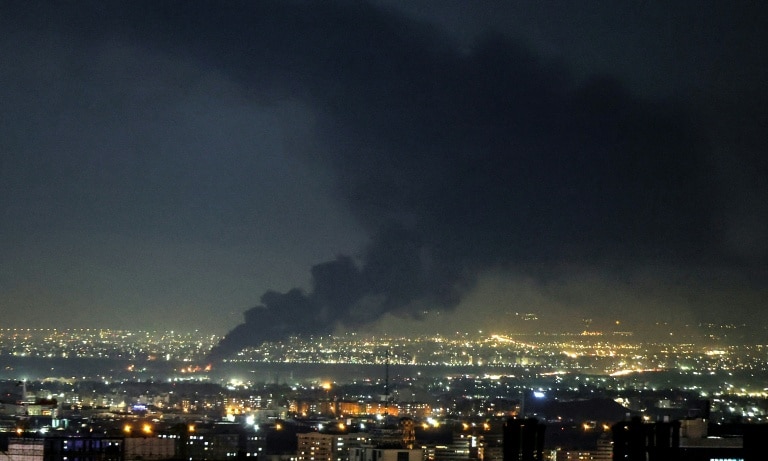
    Escalating geopolitical conflicts in the Middle East are creating a complex dilemma for Australia’s Reserve Bank, potentially forcing monetary policymakers to maintain current interest rates even as rising oil prices threaten to push inflation higher. The recent spike in crude prices to four-year highs has introduced unprecedented uncertainty into global energy markets, directly impacting Australia’s economic outlook.

    Financial experts reveal that while elevated oil prices typically drive inflationary pressures, they simultaneously function as an indirect tax on consumer spending that can precipitate economic slowdowns. This dual-effect phenomenon presents central bankers with contradictory signals when determining appropriate monetary policy responses.

    BetaShares Chief Economist David Bassanese emphasized that current Middle Eastern instability would likely prompt the RBA to adopt a wait-and-see approach. “The central bank would assess the macroeconomic effects, which present a mixed picture—inflation increases while economic activity decreases,” Bassanese explained. “This heightened uncertainty typically encourages policymakers to remain on the sidelines, increasing inertia in their decision-making process regardless of previous stances.”

    The RBA’s current official cash rate stands at 3.85% following a series of rate adjustments throughout 2025 and 2026. Earlier this year, economists had predicted further rate hikes, though consensus on timing remained divided, with some anticipating increases as early as May.

    AMP Chief Economist Shane Oliver provided historical context, noting that oil price surges have frequently preceded global economic downturns, including the mid-1970s recession, early 1980s contraction, and even the Global Financial Crisis. “While not necessarily the primary driver of these recessions,” Oliver observed, “energy price increases effectively function as a consumption tax that reduces disposable income and dampens economic activity.”

    Current oil markets have witnessed dramatic fluctuations, beginning 2026 at $56 per barrel before soaring to $75 following recent Middle Eastern conflicts—a 13% single-day surge. Oliver calculated that each $1 per barrel increase translates to approximately one cent per liter at Australian fuel pumps, meaning a return to $100+ oil prices could cost motorists an additional 40 cents per liter within days.

    Beyond direct impacts on transportation costs, sustained oil price increases would affect multiple sectors including aviation and logistics, creating broader inflationary effects throughout the economy. Although fuel directly accounts for approximately 3% of Australia’s inflation measurement, prolonged price elevations would generate significant indirect impacts that could reshape the RBA’s monetary policy trajectory in coming months.

  • CBS in turmoil as US media feels pressure under Trump

    CBS in turmoil as US media feels pressure under Trump

    A significant crisis is unfolding at CBS News as the renowned broadcast network experiences substantial internal upheaval following its acquisition by Paramount Skydance in mid-2025. The organization, once celebrated for its journalistic excellence under legendary figures like Walter Cronkite and Edward R. Murrow, now faces serious allegations of editorial interference that many insiders attribute to the influence of President Donald Trump’s administration.

    The situation escalated when CBS’s new leadership, headed by Trump ally David Ellison, appointed Bari Weiss—a known critic of progressive politics—as Editor in Chief. Weiss’s controversial decisions included abruptly pulling a scheduled report on the Trump administration’s immigration policies hours before broadcast, which later aired with substantial revisions. This move prompted widespread concern among journalists and triggered a wave of resignations, including top producers from the flagship ’60 Minutes’ program.

    Further controversy emerged when the network blocked Stephen Colbert from airing his interview with Texas Democrat James Talarico, who is challenging Republican Senator John Cornyn. The conflict reflects broader patterns of corporate media behavior, as noted by FCC commissioner Anna M. Gomez, who described these developments as ‘troubling examples of corporate capitulation’ to administrative pressure campaigns.

    Academic experts analyzing the situation suggest strategic motivations behind these changes. Victor Pickard, Professor of Media Policy at the University of Pennsylvania, indicated that CBS’s new approach primarily aims to ‘appease or curry favor with the Trump administration’ ahead of potential acquisitions, including the upcoming purchase of Warner Bros Discovery.

    The $16 million settlement Paramount paid regarding Trump’s complaints about CBS’s election coverage—described by Colbert as ‘a big fat bribe’—adds to concerns about financial influences on editorial independence. With CNN now facing similar ownership changes under Skydance, media analysts warn of reduced editorial diversity and increased alignment with administration-preferred narratives across major news networks.

    Christopher Terry, Professor at the University of Minnesota, emphasized the broader implications: ‘The real danger is the deals that follow because of this deal,’ suggesting this acquisition could inspire copycat megamergers that fundamentally reshape the American media landscape.

  • ‘Activist’: Angus Taylor snaps at journalist in Trump-like spray over ISIS brides

    ‘Activist’: Angus Taylor snaps at journalist in Trump-like spray over ISIS brides

    Australian Opposition Leader Angus Taylor engaged in a heated exchange with a journalist during a press conference addressing the controversial issue of repatriating citizens with ISIS connections. The confrontation occurred Monday following Taylor’s meeting with Nationals MP Michael McCormack and representatives of the persecuted Yazidi community.

    The political firestorm centers on the Coalition’s proposed legislation to criminalize assistance for 34 women and children seeking return to Australia after years in Syrian detention camps. These individuals are connected to ISIS fighters who traveled to support the terrorist organization in the Middle East.

    Taylor repeatedly characterized the group as ‘ISIS sympathizers’ during the briefing, emphasizing that one woman already faces temporary return restrictions. When pressed on whether this designation extended to children involved, the Opposition Leader maintained his position without qualification.

    The tension escalated when Saturday Paper journalist Jason Koutsoukis questioned why Syria should bear responsibility for Australian citizens. Taylor interrupted, referencing ISIS atrocities including mass genocide and murders of innocent people before challenging the reporter’s professional capacity: ‘Either you’re an activist or a journalist—you need to make up your mind which one you are.’

    The Coalition has consistently accused the federal government of facilitating the group’s return, allegations vigorously denied by Home Affairs Minister Tony Burke and Prime Minister Anthony Albanese. The controversy deepened with revelations that Burke associate Dr. Jamal Rifi is currently in Syria assisting the cohort, though Burke confirmed during Monday’s Question Time that their last communication occurred ‘many, many months’ ago.

    The parliamentary debate coincides with Save the Children’s expressed disappointment regarding Australia’s refusal to assist citizens in distress overseas, highlighting the complex humanitarian and security dimensions of this politically charged issue.