作者: admin

  • India and Canada agree to boost economic partnership in a move to reset ties

    India and Canada agree to boost economic partnership in a move to reset ties

    In a significant diplomatic development, India and Canada have committed to reinvigorating their economic relations following a period of substantial strain. The breakthrough emerged during high-level talks between Indian Prime Minister Narendra Modi and his Canadian counterpart Mark Carney in New Delhi on Monday.

    The two leaders announced ambitious plans to finalize a comprehensive economic partnership agreement by year’s end, setting a bilateral trade target of $50 billion by 2030. This initiative represents a substantial escalation in economic cooperation between the two nations, who had previously experienced diplomatic friction over allegations of Indian involvement in the killing of a Canadian Sikh activist near Vancouver in June 2023.

    The diplomatic rift had resulted in reciprocal expulsions of senior diplomats and suspension of certain visa services. Relations began improving when Carney extended an invitation to Modi for the G7 summit in Alberta last June, signaling a desire to rebuild diplomatic channels.

    Beyond trade, the nations signed a nuclear agreement facilitating Canadian uranium exports to India. Additional memoranda of understanding covered critical minerals, energy security, defense industry collaboration, maritime domain awareness, and cultural cooperation.

    Carney’s visit to India forms part of his broader strategy to diversify Canadian trade relationships beyond the United States. The Canadian leader has articulated ambitions to double non-U.S. exports within the next decade, citing American tariff policies as creating investment uncertainty. Following his India visit, Carney is scheduled to continue his trade diversification mission with stops in Australia and Japan.

  • Guangzhou to bring back horse racing after 27 years

    Guangzhou to bring back horse racing after 27 years

    Guangzhou is poised to resurrect international thoroughbred horse racing this October following a 27-year suspension, marking a significant milestone in the Guangdong-Hong Kong-Macao Greater Bay Area’s integrated development strategy. The Conghua Racecourse will host this landmark event, organized under the operational standards of the Hong Kong Jockey Club and governed by international racing regulations.

    Unlike previous iterations discontinued due to gambling associations, the upcoming event is explicitly positioned as a demonstration race without betting facilities. The competition will feature world-class trainers, elite international jockeys, and thoroughbreds competing under standardized international racing protocols. Concurrently, authorities will inaugurate a horse racing experience center to enhance public engagement.

    This revival forms part of a broader strategic cooperation framework between Guangzhou and Hong Kong’s equine industries. Wu Sa, Party chief of Guangzhou’s development and reform commission, confirmed during February legislative meetings that the city would pursue new equine industry agreements with Hong Kong, emphasizing the integration of horse racing with cultural tourism initiatives.

    The Conghua district, leveraging its ecological advantages and historical equestrian culture, is developing a specialized cooperation zone for the Guangzhou-Hong Kong horse industry. The region will host horse-themed cultural events, specialized tourism routes, and high-end industrial development forums to capitalize on this initiative.

    Infrastructure development underscores this ambition: The Hong Kong Jockey Club-built Conghua Racecourse—inaugurated in 2018 with four tracks, 12 stables, veterinary facilities, and a horse swimming pool—can simultaneously accommodate over 1,100 racehorses. Its recently completed second-phase expansion features a grandstand with 9,500 spectator capacity, making it mainland China’s largest racing facility.

    The economic impact is already measurable: Guangzhou Customs reported supervising 5,927 horse entries/exits in early 2025, a 28.6% year-on-year increase. Local businesses like Chen Daqing’s grocery store near Conghua’s hot spring scenic spot have noted increased tourist retention since the racecourse’s opening.

    Professor Lin Jiang of Sun Yat-sen University highlighted the capital-intensive nature of horse racing’s extended value chain, suggesting Conghua could evolve into South China’s premier hub for horse breeding, auctions, and import-export operations. This development aligns with the Greater Bay Area’s 2019 outline plan encouraging Guangdong-Hong Kong collaboration in equestrian sports and streamlined horse quarantine procedures.

  • Australian Grand Prix to feel ‘no impact’ of travel chaos

    Australian Grand Prix to feel ‘no impact’ of travel chaos

    Melbourne’s Albert Park Circuit remains poised to host the 2026 Formula 1 season opener despite significant travel disruptions stemming from recent Middle East military actions. Australian Grand Prix officials have expressed strong confidence that all essential personnel will arrive in time for this weekend’s event, following extensive logistical reorganization.

    Approximately 1,000 Formula 1 staff members faced substantial travel complications after U.S. and Israeli forces launched strikes against Iran last Saturday, triggering regional retaliatory measures that disrupted key air routes through Qatar and the United Arab Emirates. This development forced Formula 1 management to implement contingency plans, including arranging three charter flights from Europe to transport an estimated 500 personnel.

    Australian Formula 1 chief Travis Auld addressed the situation Monday, confirming that despite the ‘reshuffling of flights’ during the past 48 hours, all critical personnel including drivers, team members, and technical staff would arrive without impacting the event’s operation. ‘My understanding is that’s all now been locked in,’ Auld stated, assuring fans that ‘everyone will be here ready for the race and fans won’t notice any difference.’

    While the immediate focus remains on the Australian Grand Prix, Formula 1 authorities are simultaneously monitoring the geopolitical situation for potential implications on upcoming Middle Eastern races scheduled for April. The championship is set to visit Bahrain on April 12th and Saudi Arabia on April 19th following events in China and Japan, which are not expected to be affected by current air travel disruptions.

    An official Formula 1 spokesperson emphasized that the organization maintains its standard protocol of ‘closely monitoring any situation like this and working closely with relevant authorities’ regarding future events. Auld acknowledged that while the current race faces no operational challenges, series organizers are undoubtedly ‘thinking ahead to what the implications might be’ for the calendar should regional tensions persist.

  • Trump says US strikes Iran ‘in full force’, predicting more US casualties

    Trump says US strikes Iran ‘in full force’, predicting more US casualties

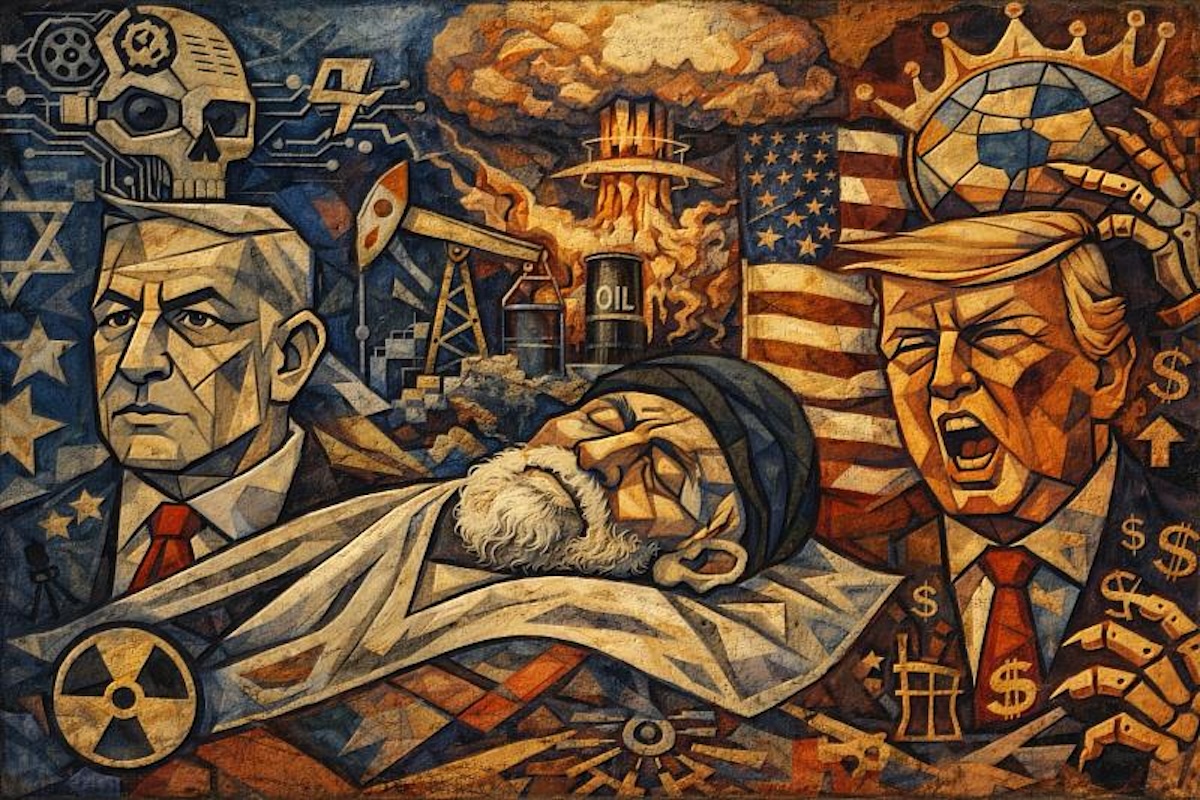
    President Donald Trump has declared that United States military operations against Iran are proceeding “in full force” and are expected to continue indefinitely until American objectives are met. The announcement came amid escalating hostilities that have resulted in significant casualties on both sides.

    In a six-minute video address delivered via Truth Social on Sunday afternoon, Trump confirmed the ongoing combat operations but declined to specify precise strategic goals. “Combat operations continue at this time, in full force, and they will continue until all of our objectives are achieved. We have very strong objectives,” the President stated without elaboration.

    The commander-in-chief somberly acknowledged the likelihood of additional American casualties as hostilities persist. “Sadly there will likely be more before it ends,” Trump remarked, adding that “that’s the way it is” in reference to the anticipated human cost.

    Trump reiterated his demand for members of the Iranian Islamic Revolutionary Guard Corps to surrender their weapons in exchange for “full immunity,” though he provided no details about how such a process would be implemented.

    The conflict escalated dramatically when the United States and Israel initiated large-scale airstrikes against Iranian targets on Saturday morning. These attacks prompted immediate retaliation from Tehran, which launched waves of missile and drone assaults against Israeli territory and American military installations throughout the Gulf region.

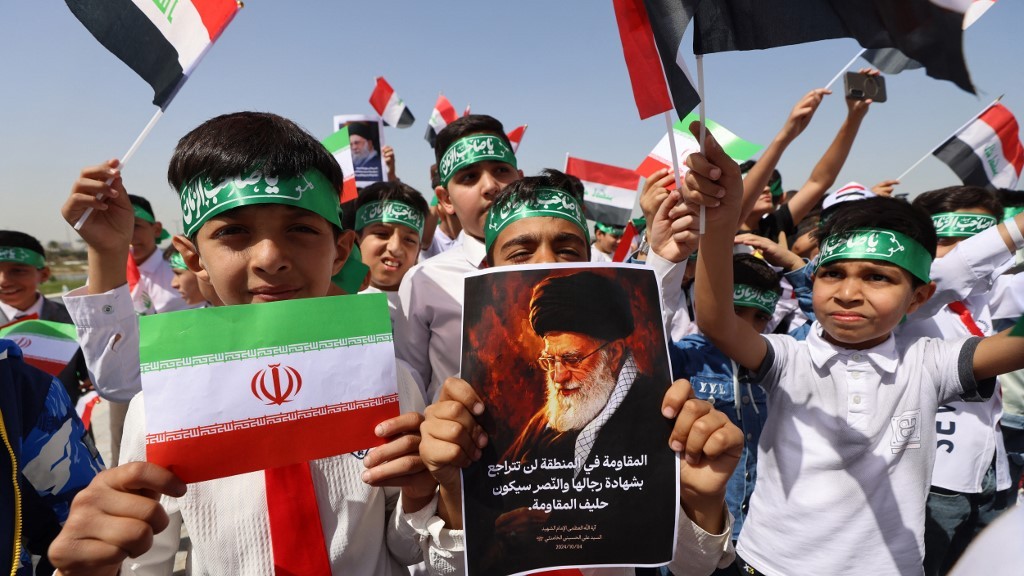
    In a separate interview with Fox News, Trump claimed that 48 senior Iranian officials had been killed during the offensive. Iranian authorities subsequently confirmed that Supreme Leader Ayatollah Ali Khamenei perished in the joint U.S.-Israeli operations conducted the previous day.

    Iranian Foreign Minister Seyed Abbas Araghchi responded defiantly to Trump’s statements during an appearance on ABC News. Araghchi asserted that no world leader possesses the authority to dictate Iran’s response to ongoing military actions, emphasizing his nation’s inherent right to self-defense. The Foreign Minister maintained that Iranian forces remain “capable enough to defend our country” despite the sustained attacks.

  • Myanmar grants amnesty to over 7,000 convicted of ‘terrorist group’ support

    Myanmar grants amnesty to over 7,000 convicted of ‘terrorist group’ support

    In a significant prisoner amnesty, Myanmar’s military regime has ordered the release of more than 7,300 individuals convicted under anti-terrorism legislation. The move, announced on a national holiday, comes as the junta attempts to reposition itself following controversial elections held earlier this year.

    The released prisoners had been sentenced for offenses including financing designated ‘terrorist organizations’ and providing logistical support through shelter or transportation. The military government has systematically applied the terrorist label to pro-democracy movements and armed resistance groups that emerged following the 2021 coup that overthrew Aung San Suu Kyi’s elected government.

    Simultaneously, the junta disclosed that nearly 12,500 pending cases involving similar terrorism charges would be dismissed. The amnesty also extended to over 2,800 additional prisoners and ten foreign nationals, though specific details regarding their offenses remain undisclosed.

    Eyewitness accounts from outside Yangon’s notorious Insein Prison described emotional scenes as approximately 300 detainees were transported from the facility in convoy buses. Anxious relatives gathered at the barbed-wire perimeter holding flowers and placards bearing names of loved ones.

    The military administration cited humanitarian considerations and public tranquility as motivations for the mass release. However, regional analysts interpret the move as a strategic effort to soften the regime’s international image during its transition to a nominally civilian government structure.

    This recalibration follows January’s widely criticized elections, which saw the pro-military party secure an uncontested victory while Suu Kyi remains imprisoned and her political party dissolved. The junta maintains that its phased electoral process represents a return to civilian rule and an opportunity to resolve the ongoing civil conflict, though substantial portions of the country remain under rebel control and the military’s ultimate political intentions remain unclear.

  • Deepfake attack: ‘Many people could have been cheated’

    Deepfake attack: ‘Many people could have been cheated’

    The corporate world faces an unprecedented threat from sophisticated deepfake technology, with reported cases surging by approximately 3,000% over the past two years according to cybersecurity experts. The alarming trend has impacted major organizations worldwide, from financial institutions to engineering firms, demonstrating the rapidly evolving capabilities of AI-powered fraud.

    In a prominent case from early this year, a fabricated video featuring Bombay Stock Exchange CEO Sundararaman Ramamurthy circulated across Indian social media platforms. The convincing deepfake portrayed Ramamurthy providing specific stock investment advice and promising substantial returns to viewers. The executive confirmed the video was completely artificial, created using advanced AI technology without his knowledge or consent.

    “When such incidents occur, we immediately file complaints and work with platforms like Instagram to remove the content,” Ramamurthy stated. “We regularly issue market warnings about these fraudulent videos, though it’s impossible to determine how many people may have been influenced or suffered financial losses.”

    The problem extends far beyond India’s financial sector. LastPass CEO Karim Toubba experienced a similar attempt in 2024 when an employee received suspicious audio and text messages allegedly from him requesting urgent assistance. Fortunately, the employee recognized several red flags—including the use of WhatsApp instead of sanctioned communication channels—and reported the incident to cybersecurity teams before any damage occurred.

    Not all organizations were as fortunate. British engineering firm Arup fell victim to one of the most sophisticated corporate deepfake attacks recorded in 2024. Hong Kong police reported that an employee transferred $25 million to five different bank accounts after participating in a video call with what appeared to be the company’s CFO and other staff members—all of whom were later revealed to be AI-generated deepfakes.

    According to cybersecurity experts, the barrier to creating convincing deepfakes has dropped dramatically. Matt Lovell, CEO of UK-based CloudGuard, explains that generating high-quality audio and video deepfakes now takes mere minutes, with costs ranging from $500 for simple attacks to $10,000 for more sophisticated operations using largely free tools.

    While detection technology is advancing—including verification software that analyzes facial expressions, head movements, and even blood flow patterns beneath the skin—experts warn that defense mechanisms struggle to keep pace with rapidly evolving attack vectors. The situation has created a high-stakes technological arms race between fraudsters and security professionals.

    Tech researcher Stephanie Hare notes that the proliferation of deepfake attacks has exacerbated the existing global shortage of cybersecurity professionals. She observes that companies are gradually recognizing the urgency of securing their operations against these emerging threats, with executives increasingly collaborating with chief information security officers to develop comprehensive protection strategies.

  • Rap star ex-mayor hopes to unseat  former PM in Nepal’s Gen Z election

    Rap star ex-mayor hopes to unseat former PM in Nepal’s Gen Z election

    CHITWAN, Nepal – The thunderous beat of an AI-generated campaign anthem echoes across the rally grounds as thousands chant “Balen” in unison. Thirty-five-year-old Balendra Shah, the rapper-turned-mayor now vying for Nepal’s prime ministership, has become the symbol of a generational uprising against the country’s entrenched political elite.

    Shah’s Rastriya Swatantra Party (RSP), which surprisingly secured fourth place in the 2022 general elections, now challenges Nepal’s longstanding political dynasties. His campaign directly confronts former Prime Minister KP Sharma Oli in Jhapa-5, a constituency traditionally considered Oli’s safe seat.

    The political upheaval follows September’s deadly anti-corruption protests that forced Oli’s resignation after police fatally shot 77 demonstrators, mostly young activists. The movement began as opposition to social media restrictions but evolved into a widespread demand for accountability and opportunities in a nation grappling with 20.6% youth unemployment – among South Asia’s highest rates.

    At Shah’s rallies, first-time voters like 18-year-old Nandav Yadav express unwavering support: “We want to fight for the young people who died in the Gen-Z movement. Our former prime minister could have stopped it, but he didn’t.”

    Meanwhile, Oli maintains his innocence regarding the protest violence, telling reporters his party “wants to understand the feelings of the new generation” while promising to restore “sovereignty, peace and democracy.” His supporters, including 82-year-old Narad Prashad Luitel, believe he should “finish the work he started on the country’s roads and infrastructure.”

    Political analyst Nischal Pandey notes the historic significance: “None of our governments have survived their full terms in decades. These are historic elections. People are tired of the same old faces.”

    With over 915,000 first-time voters among nearly 19 million eligible citizens, Thursday’s election represents a potential watershed moment. A victory for Shah could mark Nepal’s first government in years without communist participation, potentially ending decades of political instability and coalition bargaining among the same political families.

    The election mirrors recent regional movements, following weeks after similar youth-led anti-corruption protests in Bangladesh, signaling a broader generational shift in South Asian politics.

  • Saudi Arabia tells Gulf allies to avoid any steps that could inflame tensions with Iran, sources say

    Saudi Arabia tells Gulf allies to avoid any steps that could inflame tensions with Iran, sources say

    Senior Saudi officials have reportedly expressed significant discontent regarding the scope and timing of recent US and Israeli military actions against Iran. According to Gulf Arab sources familiar with the matter, Crown Prince Mohammed bin Salman has urgently communicated with leaders across the Gulf Cooperation Council (GCC) nations, advocating for collective caution to prevent regional escalation.

    The diplomatic outreach occurred shortly after Saudi Arabia’s foreign ministry formally condemned Iranian retaliatory strikes across the Arabian Peninsula. While the conversations were described as brief, they revealed a emerging consensus among Gulf states that Iran’s response was notably less intense than anticipated. This assessment has prompted regional leaders to advocate for measured responses that would avoid provoking further Iranian aggression.

    Notably, the communication between Crown Prince bin Salman and UAE President Mohamed bin Zayed signaled a temporary reconciliation of differences, highlighting how the security crisis has prompted unusual diplomatic coordination. The Saudi foreign minister, Prince Faisal bin Farhan, subsequently echoed this message in calls with regional counterparts, emphasizing the critical need for de-escalation and unified foreign policy positions among GCC members.

    Despite having received advance notification of the US-Israeli strikes, Saudi Arabia reportedly chose not to oppose the White House’s position, even as the kingdom faces criticism in Washington over diplomatic tensions with the UAE. This careful balancing act reflects Riyadh’s complex position as it navigates relationships with Western allies while maintaining regional stability.

    The situation has raised particular concerns about potential involvement of Iranian proxy groups, especially Yemen’s Houthi rebels. Saudi defense analyst Hesham Alghannam noted that maintaining a perceived distance from the anti-Iran front might actually discourage Houthi engagement in the conflict. Previous agreements had temporarily halted Houthi attacks on Red Sea shipping routes and Israeli targets, but the current escalation threatens to undermine these arrangements.

    Regional analysts warn that prolonged conflict could eventually push Gulf states toward closer alignment with US military objectives. Firas Maksad of Eurasia Group observed that ‘Iran is forcing the GCC up the escalation ladder,’ potentially necessitating greater operational freedom for US forces in the region. This assessment was indirectly supported by comments from UAE Minister of State Reem Al Hashimy, who suggested that continued Iranian attacks might necessitate opening Emirati airspace and bases to support US operations.

    Meanwhile, influential voices including Qatar’s former Prime Minister Hamad bin Jassim Al Thani have urged GCC states to avoid direct confrontation with Iran, warning that such conflict would deplete regional resources and create opportunities for external manipulation. This perspective aligns with Saudi Arabia’s apparent strategy of pursuing neutral positioning while exploring backchannel diplomacy to resolve hostilities.

  • ‘Deep regret’: Victorian anti-corruption watchdog issues rare apology for mishandling complaint against police officer

    ‘Deep regret’: Victorian anti-corruption watchdog issues rare apology for mishandling complaint against police officer

    In a remarkable display of institutional accountability, Victoria’s Independent Broad-based Anti-corruption Commission (IBAC) has delivered an unprecedented formal apology to a survivor of police-perpetrated family violence. Commissioner Victoria Elliott offered the profound apology during a parliamentary committee hearing, expressing deep regret for the watchdog’s inadequate handling of Dr. Jana Katerinskaja’s complaints.

    The case originated in 2018 when Dr. Katerinskaja, whose former partner was a serving police officer, reported serious family violence incidents to Victoria Police. She subsequently escalated her concerns to IBAC after discovering that the investigation was being conducted by her partner’s colleagues and that confidential information had been improperly shared.

    IBAC’s initial response involved referring the complaint back to Victoria Police’s Professional Standards Command, which initially dismissed the allegations as “unfounded.” Despite identifying deficiencies in the police investigation, IBAC again referred the matter back to the same force. Dr. Katerinskaja filed a second complaint two years later regarding her treatment by police handling her case.

    The Victorian Inspectorate’s 2022 special report revealed significant systemic failures, including IBAC’s failure to consider potential corrupt conduct, substantial procedural delays, and inadequate attention to the complainant’s welfare. Commissioner Elliott acknowledged that IBAC had adopted a “highly adversarial approach” when responding to the critical report, which she now characterizes as “inappropriate and insensitive.”

    Dr. Katerinskaja described the apology as a potential “turning point” for the organization but cautioned that similar cases could still occur under the current system. Her legal representative, Jeremy King of Robinson Gill, noted the historical significance of the apology while emphasizing the need for structural reforms, including the establishment of an independent police ombudsman to handle complaints through trauma-informed approaches.

    The case has highlighted ongoing concerns about Victoria’s police oversight framework, with IBAC reportedly investigating only 1% of police complaints while referring the overwhelming majority back to Victoria Police for internal review.

  • Bettors profit hugely from suspiciously timed wagers on Iran war

    Bettors profit hugely from suspiciously timed wagers on Iran war

    A series of highly profitable and suspiciously timed bets placed on prediction platform Polymarket, coinciding with the United States’ military strikes against Iran, has triggered significant congressional concern and calls for immediate regulatory action. According to Bloomberg News reporting, six newly created accounts in February generated approximately $1 million in profits by accurately wagering on the timing of U.S. attacks. These accounts exclusively bet on military action timelines, with some positions established mere hours before explosions were reported in Tehran.

    One particularly successful account under the name ‘Magamyman’ transformed an $87,000 investment into over $515,000 in profits by correctly predicting that ‘US strikes Iran by February 28, 2026’ – the exact date President Donald Trump announced bombing campaigns against Iran.

    The extraordinary financial gains have drawn sharp criticism from lawmakers. Senator Chris Murphy (D-Conn.) characterized the situation as ‘insane’ and announced immediate legislation to prohibit such betting practices. ‘People around Trump are profiting off war and death,’ Murphy alleged via social media, though no concrete evidence has emerged connecting administration officials to the trades.

    Representative Mike Levin (D-Calif.) emphasized that ‘prediction markets cannot be a vehicle for profiting off advance knowledge of military action,’ demanding answers, transparency and oversight. Levin notably highlighted that Donald Trump Jr. sits on Polymarket’s advisory board, with his firm having invested ‘double-digit millions’ into the platform the previous year. He further noted that Justice Department and Commodity Futures Trading Commission investigations into Polymarket were discontinued following Trump’s assumption of office.

    This incident follows similar suspicious betting activity regarding U.S. actions toward Venezuela, raising broader concerns about insider trading on prediction markets. Current Polymarket offerings include wagers on Iran’s leadership changes, ceasefire agreements, and potential invasion timelines.

    Adding to the controversy, TMZ reported that individuals in a Washington, D.C. restaurant bar were openly discussing the impending military action hours before it occurred, suggesting possible information leaks beyond official channels. As journalist David Bernstein noted, this opens the possibility that ‘these insider bets have been placed by any rich person with good ears in DC.’