
A groundbreaking study conducted by researchers from the Xinjiang Institute of Ecology and Geography, part of the Chinese Academy of Sciences, has revealed profound changes in extreme rainfall and snowfall patterns across the Northern Hemisphere over the past seven decades. Published in the journal *Advances in Climate Change Research*, the study highlights how global warming has altered the distribution of both liquid and solid precipitation, significantly impacting their intensity and frequency. Using ERA5-Land reanalysis data from 1950 to 2022, the team analyzed long-term trends, temperature sensitivity, and underlying mechanisms driving these extreme weather events. The findings indicate that extreme rainfall has intensified at a rate of 0.269 mm per year, nearly nine times faster than the increase in extreme snowfall, which stands at 0.029 mm per year. The study underscores that rising temperatures are primarily responsible for the surge in extreme rainfall, while their impact on snowfall remains relatively modest. Li Yupeng, the study’s lead author, emphasized the critical role of extreme precipitation in risk management, urging mid-latitude regions to focus on flood mitigation and high-latitude and alpine areas to address snow-related hazards. The research provides valuable insights for understanding global precipitation patterns and supports the development of region-specific climate adaptation and disaster prevention strategies.
作者: admin
-
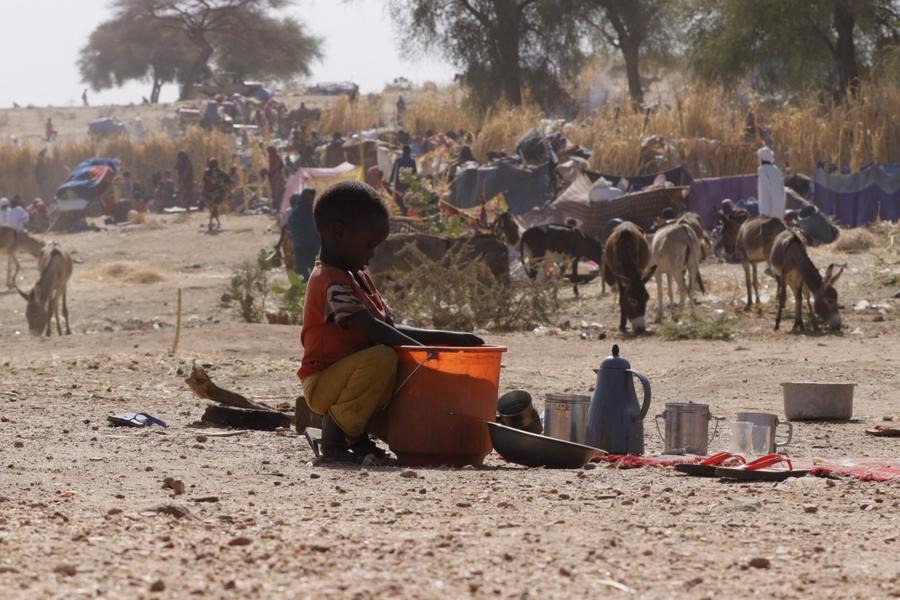
Sudan’s paramilitary forces announces full control of El Fasher city
In a significant development in Sudan’s ongoing civil war, the paramilitary Rapid Support Forces (RSF) declared on Sunday that they have secured full control of El Fasher, the capital of North Darfur State. The RSF described the capture as a ‘pivotal moment,’ emphasizing the city’s symbolic, strategic, and military importance. The announcement was made via a statement on Telegram, accompanied by videos on social media platform X showing RSF fighters celebrating outside the Sudanese army’s Sixth Infantry Division headquarters, their last stronghold in the Darfur region. However, the Sudanese Armed Forces (SAF) have yet to issue an official response, and local reports suggest that battles in El Fasher may still be ongoing. The El Fasher Resistance Committees, a volunteer group, confirmed that fighters remain steadfast despite the RSF’s claims. El Fasher, the last major administrative center in Darfur under SAF control, has been under siege since May 2024, exacerbating a humanitarian crisis marked by heavy casualties and widespread displacement. The conflict between the SAF and RSF, which began in April 2023, has claimed tens of thousands of lives and displaced millions, deepening Sudan’s humanitarian catastrophe.
-

Jiangsu survey reveals strontium deposit
A significant strontium ore deposit has been unearthed in the Lishui district of Nanjing, Jiangsu Province, according to the Geological Survey of Jiangsu. The deposit, located at a depth of less than 1 kilometer, contains an estimated 545,000 metric tons of ore and 265,000 tons of minerals, with an average grade of 48.65 percent. Strontium, classified as a critical rare metal, is essential for manufacturing special ceramic materials and magnetic alloys, which are vital components in high-end electronic devices. The European Commission recognized strontium as a Critical Raw Material in 2020, underscoring its global importance. Professor Tan Hongbing of Hohai University highlighted the deposit’s high grade and substantial reserves, emphasizing its significant mining value. He also noted that China holds over 60 percent of the world’s proven strontium reserves, reinforcing its leading role in the global strontium market. The discovery, located near the Aijing Mountain deposit in the Lishui volcanic basin, marks a continuation of Jiangsu’s rich history in strontium mining, which dates back to the 1960s. The Geological Survey of Jiangsu conducted a four-year study to map the basin, overcoming challenges such as dense human activity. Their research identified five concealed strontium ore bodies in the Mashantou area, along with deposits of copper, lead-zinc, and pyrite. This discovery not only enhances Jiangsu’s mineral wealth but also provides valuable insights for future strontium exploration.
-
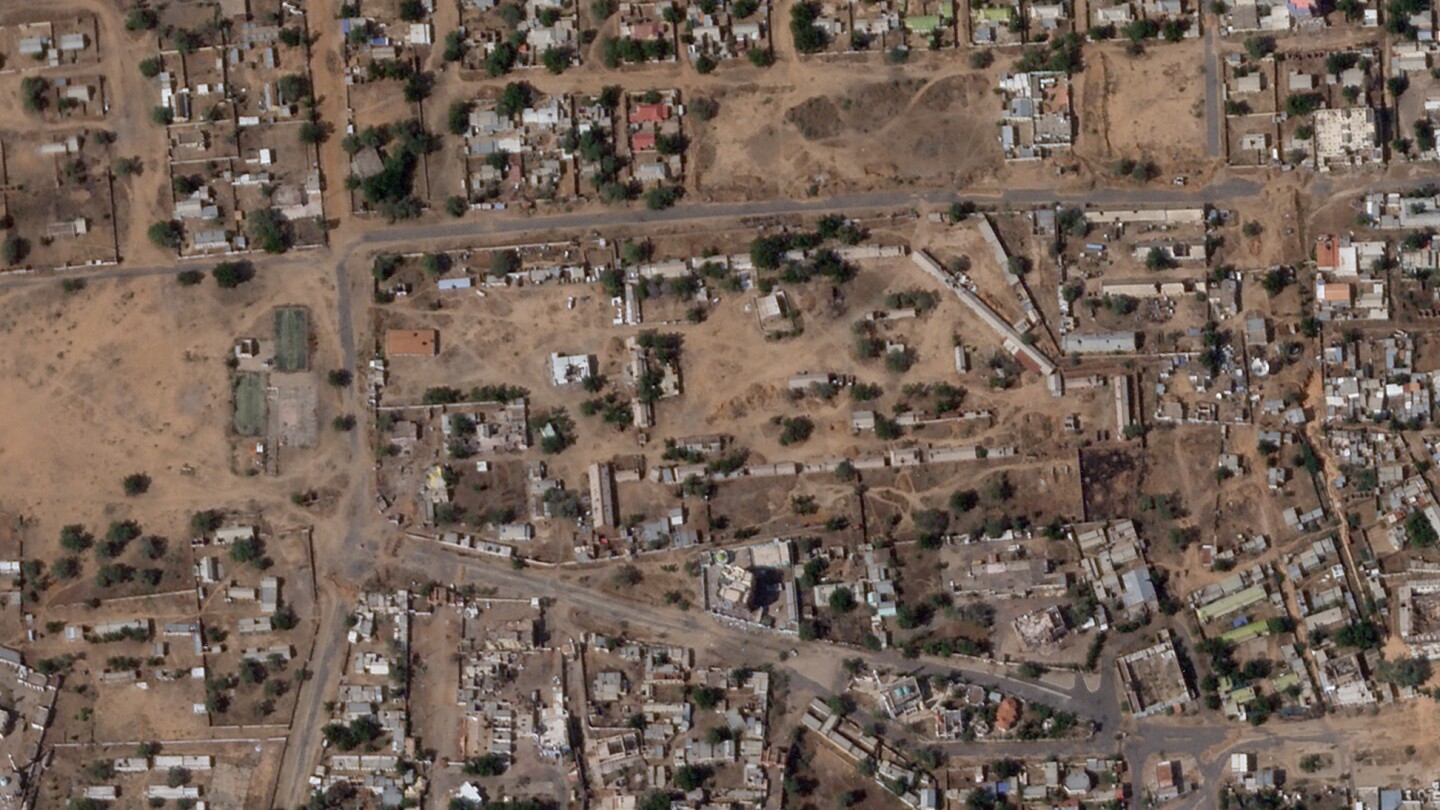
Sudan’s paramilitary forces push into the army’s last Darfur stronghold, killing dozens of civilians
In a significant escalation of Sudan’s ongoing conflict, paramilitary forces known as the Rapid Support Forces (RSF) have captured a crucial military base in el-Fasher, the last stronghold of the Sudanese army in the Darfur region. This development, reported by activists and aid groups on Monday, marks a turning point in the war that has ravaged the country since April 2023. The RSF’s advance has resulted in widespread civilian casualties, destruction of health infrastructure, and the displacement of hundreds of thousands of people. Medical groups reported dozens of deaths, though exact casualty figures remain unclear. El-Fasher, the provincial capital of North Darfur, has been a focal point of the conflict for over a year, with its fall potentially signaling a dangerous new phase in the war. The RSF, which originated from the notorious Janjaweed militias, has been accused of systematic targeting of civilians, arbitrary detentions, and acts amounting to war crimes. Satellite imagery analyzed by The Associated Press and the Humanitarian Research Lab at Yale University confirmed the RSF’s advance and the damage inflicted on the military base. The United Nations has expressed deep alarm over the humanitarian crisis, with hundreds of thousands of civilians trapped in dire conditions. The conflict has already claimed over 40,000 lives and displaced more than 14 million people, creating the world’s worst humanitarian crisis. The International Criminal Court is investigating alleged war crimes and crimes against humanity in the region.
-
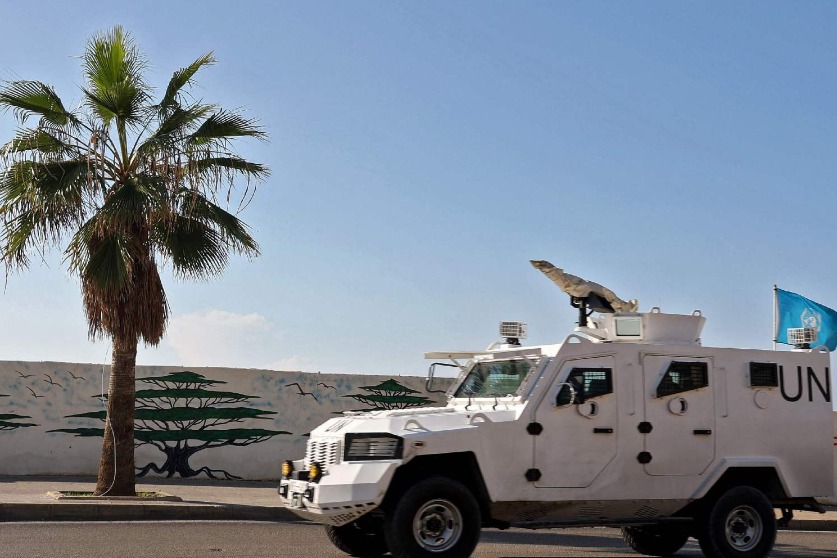
UN peacekeepers in Lebanon come under Israeli fire, no casualties reported
A United Nations peacekeeping patrol in southern Lebanon was targeted by Israeli forces on Sunday, according to a statement from the United Nations Interim Force in Lebanon (UNIFIL). The incident occurred near the village of Kafr Kila, where an Israeli drone dropped a bomb near the patrol at approximately 5:45 pm local time (1545 GMT). Shortly after, an Israeli tank fired in the direction of the peacekeepers. Fortunately, no injuries or damage to UNIFIL personnel or equipment were reported. UNIFIL condemned the actions as violations of UN Security Council Resolution 1701 and Lebanon’s sovereignty, emphasizing that such incidents endanger peacekeepers fulfilling their mandate in the region. This event follows a similar encounter earlier in the day, where an Israeli drone flew aggressively over a patrol, prompting UNIFIL to take defensive measures. Israel has not yet responded to the allegations. Since the outbreak of cross-border clashes following the Gaza war in October 2023, UNIFIL positions have been targeted multiple times. Despite a ceasefire between Israel and Hezbollah, Israel has continued periodic strikes in Lebanon, citing threats from Hezbollah, and has maintained border positions beyond a February 18 withdrawal deadline.
-
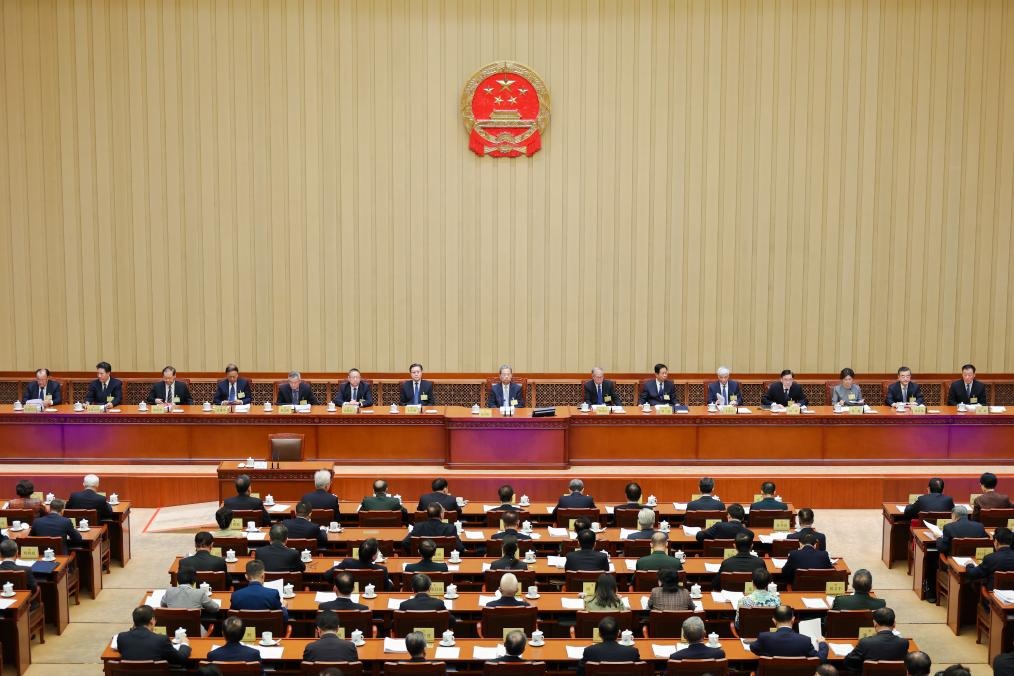
Chinese legislators hear reports at NPC standing committee session
The Standing Committee of the 14th National People’s Congress (NPC) convened its third plenary meeting on October 26, 2025, at the Great Hall of the People in Beijing. Chaired by Zhao Leji, the NPC Standing Committee Chairman, the session focused on deliberating several critical reports that underscore China’s legislative and financial priorities. Among the key discussions was a report on the implementation of the Food Security Law, which highlighted both achievements and challenges in enforcing the legislation. The report emphasized the need for a comprehensive revision of the law to ensure its effectiveness. Additionally, lawmakers reviewed a report on the Forest Law’s implementation, noting significant progress in forest conservation and ecological restoration while identifying areas for improvement. The financial sector was also a focal point, with a report outlining developments since November 2024 and proposing measures such as a moderately loose monetary policy and enhanced financial regulation. Other reports addressed state-owned asset management, criminal punishment enforcement, and maritime trials, reflecting the NPC’s broad oversight role. The meeting concluded with Zhao chairing a session of the Council of Chairpersons, where senior lawmakers discussed various legislative bills.
-

Conference exhibits Shanghai’s smart city models
The 2025 SDG Cities Global Conference commenced in Shanghai on Sunday, highlighting the city’s pioneering role in advancing sustainable urban development worldwide. The event unveiled the latest edition of the Shanghai Manual, a comprehensive document featuring 21 case studies from 11 countries. These case studies span diverse areas such as urban planning, economic revitalization, community governance, transportation, cultural tourism, climate and energy, ecological protection, and digital governance. The manual serves as a vital resource for cities globally, offering replicable models and policy insights for creating people-centered smart cities.
Among the showcased examples, eight are from China, with two standout initiatives from Shanghai. The Dongming Road community in Pudong New Area leverages modern technologies to enhance youth participation, addressing the live-work separation challenge faced by younger residents. The community developed a mobile app featuring a 3D replica of the area, augmented reality oral history systems, and gamified elements to foster engagement and rediscovery of the neighborhood.
Another notable example is the Shanghai metro’s smart maintenance project, which represents the nation’s first complete digital transformation in rail transit. Integrating industrial internet, artificial intelligence, big data, and cloud computing, the project shifts from reactive maintenance to proactive real-time monitoring, significantly improving efficiency and reducing response times.
The conference also introduced the Shanghai Award, an international accolade recognizing cities excelling in sustainable development. Jointly presented by the United Nations Human Settlements Programme and the Shanghai government, the award aims to amplify the voices of developing and least developed countries in global governance.
Shanghai’s influence extends beyond its borders, with its ’15-minute community life circles’ concept gaining traction globally. This model, which ensures all essential services are within a 15-minute walk, has inspired cities like Paris and Milan. Additionally, the conference released international standards for green block design, developed by the World Green Design Organization, with plans for global expansion.
Experts and delegates lauded Shanghai’s innovative approaches, emphasizing their potential to shape the future of urban development worldwide.
-
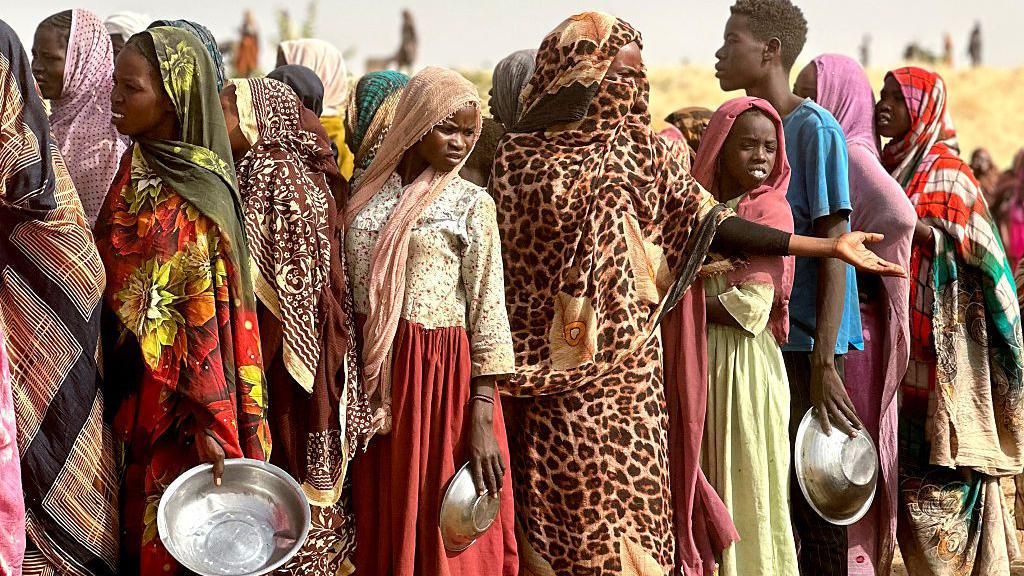
UN pleads for safe passage for civilians trapped in war-hit Sudan city
The Sudanese city of el-Fasher has become the epicenter of a deepening humanitarian crisis as paramilitary forces, the Rapid Support Forces (RSF), claim control over the army’s main base in the region. Despite the RSF’s declaration, Sudan’s military has yet to acknowledge the loss of this strategic stronghold, which would mark a significant turning point in the ongoing civil war. El-Fasher, the last remaining army foothold in Darfur, has been under siege by the RSF and its allies for 18 months, with intense fighting erupting since Saturday after the RSF captured the North Darfur governor’s residence. Verified social media footage shows RSF fighters celebrating their alleged victory, though local army allies report that clashes persist in parts of the city. The RSF has been accused of targeting civilians in airstrikes and trapping nearly 250,000 people by encircling the city with an earth wall, leaving many on the brink of starvation. The United Nations has described el-Fasher as an ‘epicenter of suffering,’ with UN humanitarian official Tom Fletcher expressing deep alarm over civilian casualties and the dire conditions faced by those trapped. Fletcher emphasized the urgent need for safe passage and access to aid for civilians, a call echoed by the United States, which is actively seeking to broker a ceasefire. The capture of el-Fasher would represent a crucial comeback for the RSF following their defeat in Khartoum, but it also signals the likelihood of prolonged conflict rather than resolution. Since 2023, Sudan has been engulfed in a devastating power struggle between the RSF and the Sudanese army, resulting in over 150,000 deaths and displacing approximately 12 million people. The army retains control over much of the north and east, while the RSF dominates Darfur and large parts of Kordofan. The RSF has previously expressed ambitions to establish a rival government in el-Fasher, further complicating the path to peace. As the crisis deepens, the international community continues to call for immediate action to alleviate the suffering of civilians caught in the crossfire.
-
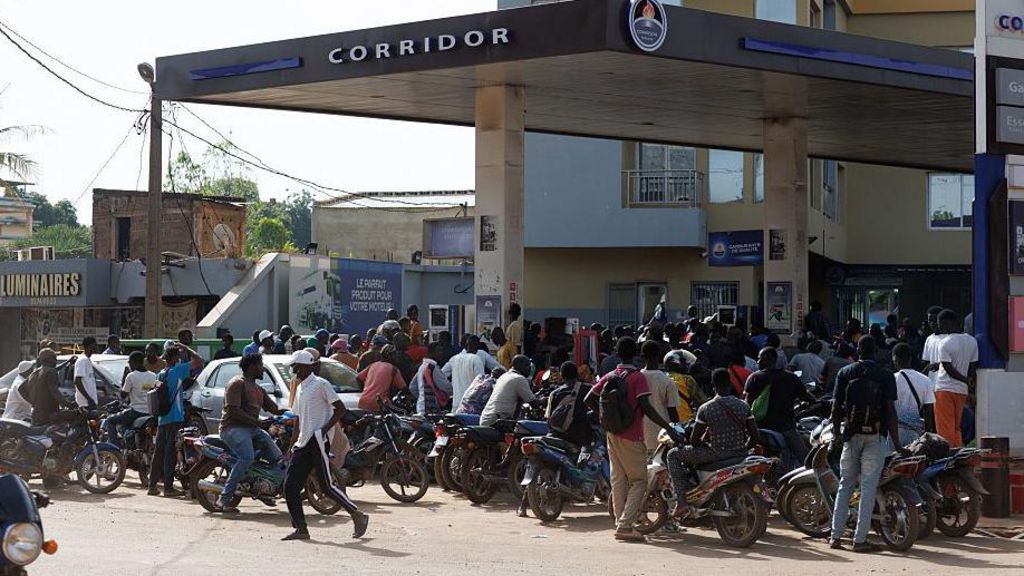
Mali shuts schools and universities as jihadist blockade worsens fuel crisis
Mali has been plunged into a deepening crisis as schools and universities across the nation have been forced to suspend operations due to a severe fuel shortage. The disruption stems from a blockade on fuel imports imposed by Islamist insurgents, who have targeted tankers on major highways. Education Minister Amadou Sy Savane announced the suspension on state television, stating that all educational institutions will remain closed until November 9. The decision was made to address the logistical challenges faced by staff and students in commuting amid the fuel scarcity. The government has assured the public that it is working tirelessly to resolve the crisis and resume classes by November 10. The capital, Bamako, has been particularly hard-hit, with long queues forming at petrol stations and the city’s bustling streets now eerily quiet. Mali, a landlocked country, relies entirely on fuel imports from neighboring nations such as Senegal and Ivory Coast, making it vulnerable to such blockades. The military government, led by General Assimi Goïta, has struggled to contain the crisis despite earlier assurances that the fuel shortage was temporary. The situation has escalated to the point where the US Embassy in Bamako has evacuated non-essential diplomatic staff and their families, citing worsening fuel shortages and heightened security concerns. The embassy warned that the fuel disruptions could lead to unpredictable security challenges and have already impacted electricity supplies. Mali’s ongoing instability is rooted in a complex history of insurgency, with Islamist militants gaining control over large swathes of the north and east. The military junta, which seized power in a 2021 coup, initially enjoyed popular support for its promises to address the security crisis. However, the withdrawal of UN peacekeeping forces and French troops has left the government reliant on Russian mercenaries to combat the insurgency, with limited success. The current fuel blockade underscores the persistent threat posed by jihadist groups and the broader challenges facing Mali’s fragile governance.
-

Indian minister accused of victim blaming after Australian cricketers’ assault
A recent incident involving the street harassment of two Australian female cricketers in Indore, Madhya Pradesh, has ignited widespread condemnation and a heated debate in India. The players, who were in the country for the Women’s World Cup, were reportedly approached and inappropriately touched by a motorcyclist while walking to a cafe. The perpetrator has since been arrested, but the incident has drawn global attention to the pervasive issue of street harassment in India.