
In a groundbreaking achievement, ophthalmologists from the Zhongshan Ophthalmic Center at Sun Yat-sen University have successfully conducted the world’s first remote robotic subretinal injection surgery. This historic procedure, performed on Sunday, utilized a domestically developed 5G ophthalmic surgical robot, marking a significant leap in remote high-precision medical care. The surgery was executed seamlessly over a distance of 4,200 kilometers, with the main control terminal in Guangzhou, Guangdong province, guiding the surgical terminal in Urumqi, Xinjiang Uygur autonomous region. The operation, led by Professor Lin Haotian and Professor Yang Bo, involved precise micron-level fundus procedures, completed in less than seven minutes. The success of this surgery underscores China’s capability to deliver advanced medical resources to remote regions and safely apply high-precision robotic technologies in ophthalmic treatments. This achievement not only advances the field of remote intelligent medical care but also highlights the potential of 5G technology in revolutionizing healthcare. Moving forward, the team aims to expand this ‘remote plus intelligent’ model, making high-level ophthalmic medical resources more accessible to grassroots patients.
作者: admin
-

Higher-level opening-up to offer new possibilities
China’s commitment to advancing reform and development through higher-level opening-up is set to unlock new opportunities for multinational corporations and trading partners, according to business leaders and market analysts. This strategic focus, outlined in the Recommendations of the Central Committee of the Communist Party of China for the 15th Five-Year Plan (2026-30), emphasizes institutional opening-up, safeguarding the multilateral trading system, and promoting international economic flows. These measures aim to spur new growth drivers and enhance resilience against global risks such as protectionism and geopolitical uncertainties. A communique issued after the fourth plenary session of the 20th CPC Central Committee highlighted China’s intention to open wider to the world, innovate trade practices, expand two-way investment cooperation, and pursue high-quality Belt and Road initiatives. Mei Xinyu, a researcher at the Chinese Academy of International Trade and Economic Cooperation, noted that these efforts will attract quality foreign investment and strengthen global confidence in China’s development. Foreign business leaders, including Poh-Yian Koh of FedEx and Jens Eskelund of the European Union Chamber of Commerce in China, expressed optimism about the policy directions, citing potential for expanded market access and a more enabling business environment. Companies like Kone Corp and ABB Group are also leveraging China’s urbanization and energy transition strategies to deepen their investments and innovation capabilities. China’s foreign direct investment (FDI) in the first three quarters of 2025 reached 573.75 billion yuan ($80.68 billion), with significant increases from key trading partners. Despite global economic challenges, China remains a stabilizing force and a key growth engine for the global economy.
-

Investigators board cruise ship that left woman behind on island
In a tragic turn of events, the Coral Adventurer cruise ship has become the center of a harrowing investigation after an elderly passenger was left behind on a remote Australian island and later found dead. Suzanne Rees, an 80-year-old woman from Sydney, was hiking on Lizard Island with fellow passengers when she decided to rest, breaking away from the group. Unbeknownst to her, the ship departed without her, only realizing her absence several hours later. Despite a search and rescue effort, Ms. Rees was discovered deceased the following day. The incident has prompted a joint investigation by the Australian Maritime Safety Authority (AMSA), Queensland Police, and the state coroner. The Coral Adventurer, operated by Coral Expeditions, was initially delayed due to mechanical issues and later canceled its 60-day cruise around Australia following the tragedy. The ship, designed to access remote coastal areas, accommodates up to 120 guests and 46 crew members. Ms. Rees’ daughter, Katherine Rees, expressed her family’s shock and sadness, emphasizing the apparent failure of care and common sense. She hopes the coroner’s inquiry will reveal what could have been done to save her mother’s life. The cruise operator has expressed deep regret and is cooperating fully with authorities while offering support to the bereaved family.
-

Astronauts savor grilled chicken and beef in space
In a groundbreaking culinary achievement, Chinese astronauts aboard the Tiangong space station have become the first humans to grill and consume chicken and beef in outer space. This historic event, facilitated by a specially designed oven delivered by the Shenzhou XXI spacecraft, marks a significant milestone in space exploration and living conditions for astronauts. The Shenzhou XXI crew, including mission commander Senior Colonel Zhang Lu and spaceflight engineer Major Wu Fei, collaborated with the Shenzhou XX team to prepare and enjoy grilled chicken wings and black pepper beef steaks. The process was captured in a video broadcasted from the space station, showcasing the astronauts’ excitement and satisfaction with their space-cooked meals. According to Liu Weibo, an engineer at the Astronaut Center of China, the oven was developed to enhance the dining experience and living quality of astronauts by allowing them to cook a variety of foods, including cakes and roasted peanuts, in microgravity. Wang Yanan, chief editor of Aerospace Knowledge magazine, highlighted the technical challenges of creating an oven for space use, emphasizing the need for innovative solutions to manage heat and cooking fumes in the absence of convection. This achievement not only underscores China’s advancements in space technology but also sets a new standard for future space missions, offering a glimpse into the potential for more diverse and enjoyable culinary experiences in space.
-
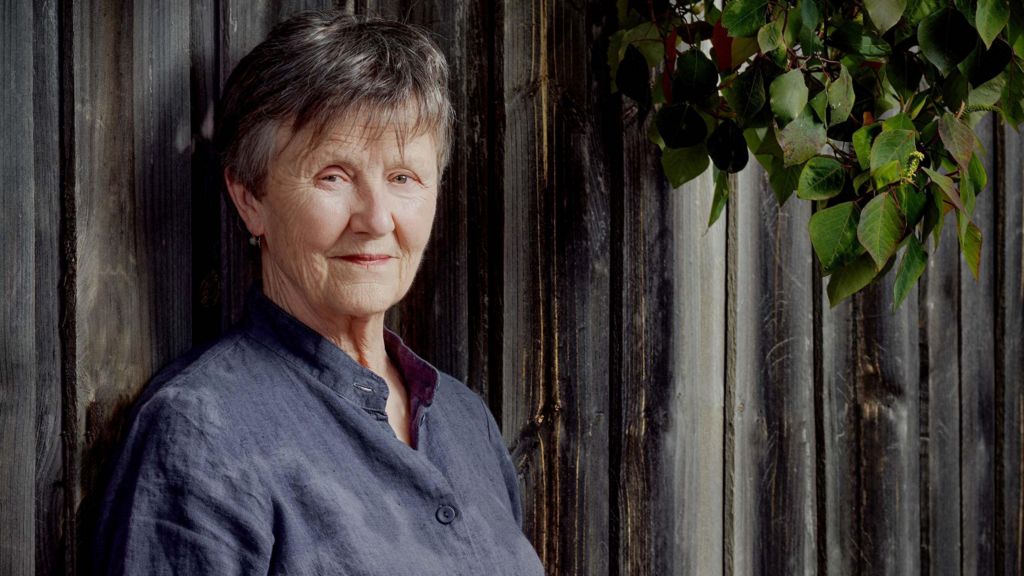
‘Addictive’ diaries win prestigious non-fiction prize
Australian author Helen Garner has made history by winning the esteemed Baillie Gifford Prize for Non-Fiction with her collection of diaries, *How to End a Story: Collected Diaries*. This marks the first time a diary compilation has received this prestigious award. Garner’s work offers a deeply personal narrative, chronicling her life from her early days in Melbourne’s bohemian scene to her experiences as a mother in the 1970s and the dissolution of her marriage in the 1990s. Known for her previous works, including *The House of Grief* (2014), which delved into the tragic trial of Robert Farquharson, Garner has long been celebrated for her incisive storytelling and keen observational skills. The judging panel, led by Robbie Millen, unanimously selected Garner’s work, praising it as ‘a remarkable, addictive book’ that elevates the diary form to new heights. Comparisons have been drawn to the legendary *Diary of Virginia Woolf*, with critics like Rachel Cooke of *The Observer* hailing Garner’s collection as ‘the greatest, richest journals by a writer since Woolf’s.’ Garner’s win is particularly significant as it represents her first major UK-based literary accolade, following the British publication of three of her books last year. The Baillie Gifford Prize, which honors outstanding non-fiction works, awarded Garner £50,000, with the other shortlisted authors each receiving £5,000. The shortlist included notable works such as Jason Burke’s *The Revolutionists*, Richard Holmes’ *The Boundless Deep*, and Justin Marozzi’s *Captives and Companions*. Garner’s victory underscores her enduring influence and the universal appeal of her deeply introspective and evocative writing.
-
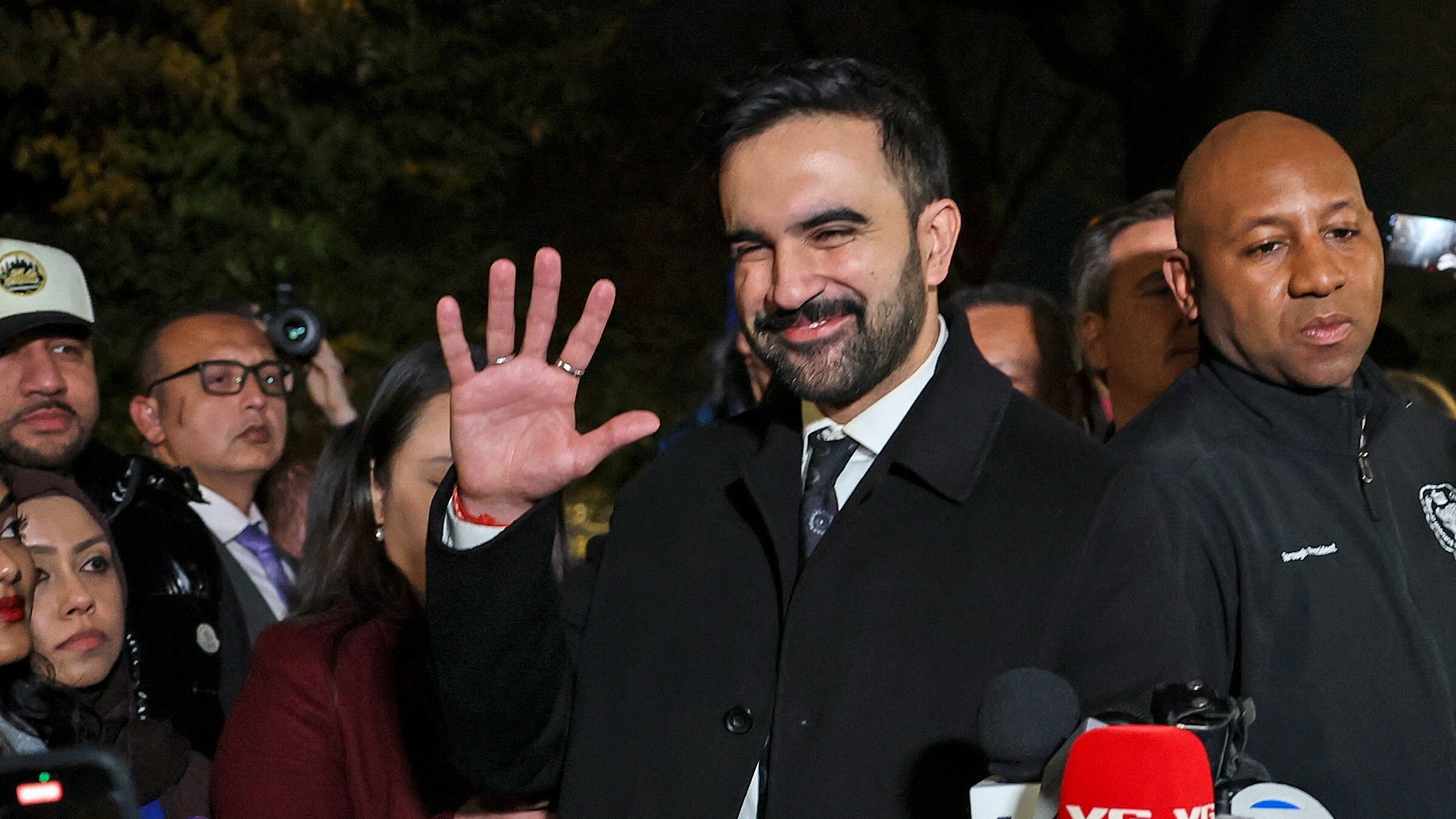
Zohran Mamdani makes history to become New York City’s first Muslim mayor
In a groundbreaking election that captured global attention, Zohran Kwame Mamdani, a 34-year-old Democratic Socialist and assemblyman from Queens, New York, emerged victorious in the New York City mayoral race on Tuesday. His win marks a historic moment as he becomes the city’s youngest mayor in over a century and its first Muslim leader. Originally considered an outsider, Mamdani’s triumph in the Democratic primary in June propelled him to the forefront of the race, where he championed a bold, left-wing agenda. His campaign focused on addressing New York’s affordability crisis, proposing rent control, free bus travel, and increased taxes on the wealthiest residents to fund these initiatives. Mamdani’s unapologetically pro-Palestinian stance, despite facing accusations of antisemitism, resonated with a diverse electorate, particularly young voters and marginalized communities. His victory over Andrew Cuomo, a seasoned politician from a prominent New York political dynasty, was decisive, with Mamdani securing over 50% of the vote by 10 PM local time. Cuomo, who re-entered the race as an Independent after losing the Democratic primary, failed to gain traction, with his campaign marred by controversies and divisive tactics. Mamdani’s win also underscores a significant demographic shift in New York City, reflecting its growing diversity and the electorate’s demand for progressive change. His campaign mobilized an unprecedented grassroots effort, with volunteers knocking on three million doors across the city’s five boroughs. Mamdani’s viral campaign videos, showcasing his charisma and multilingual communication skills, further amplified his appeal. His victory has been hailed as a historic milestone for American Muslim political engagement and a rebuke of Islamophobia and anti-Palestinian racism in politics. As he prepares to take office on January 1, Mamdani faces the monumental task of leading the largest and most diverse city in the United States, setting the stage for a transformative era in New York’s governance.
-

‘My skin was peeling’ – the African women tricked into making Russian drones
Adau, a 23-year-old from South Sudan, thought she was embarking on a life-changing opportunity when she signed up for the Alabuga Start programme in Russia. Promised professional training in logistics, catering, and hospitality, she was instead thrust into the harsh reality of working in a drone factory in the Alabuga Special Economic Zone in Tatarstan. Adau’s story is not unique; the programme, which targets young women from Africa, Latin America, and Southeast Asia, has been accused of deceptive recruitment practices and exploiting workers in dangerous conditions.
-
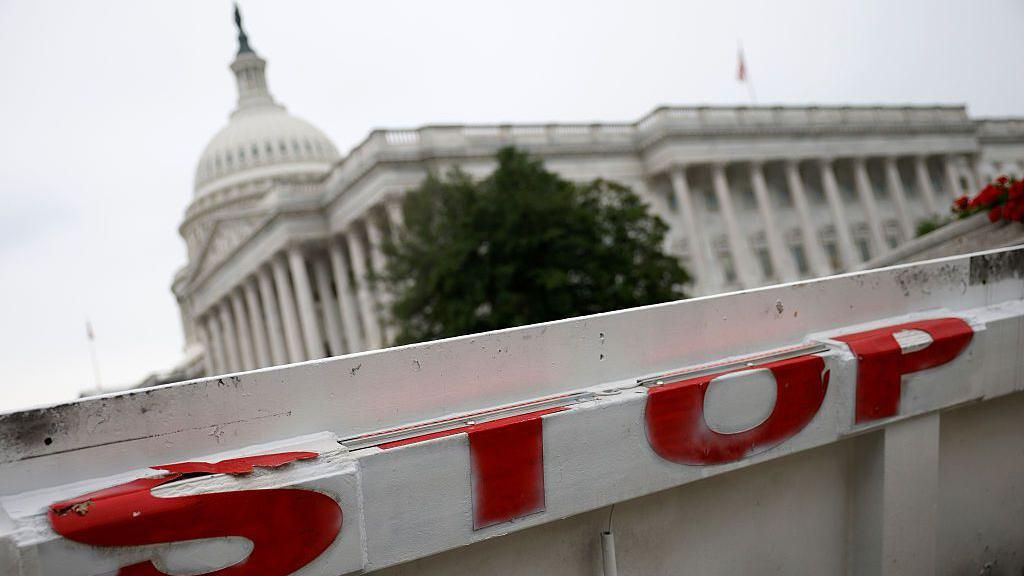
Government shutdown becomes longest in US history
The United States government shutdown has now reached its 36th day, setting a new record as the longest closure in American history. The impasse, which began on October 1, stems from Congress’s failure to agree on a new funding deal. This has left hundreds of thousands of federal employees without pay and disrupted essential services for millions of Americans. Despite weeks of gridlock between Democrats and Republicans, there are faint signs of potential progress. Senate Majority Leader John Thune, a top Republican, expressed cautious optimism, stating that a breakthrough might be imminent. The previous record for a government shutdown was 35 days, set during President Donald Trump’s first term in 2019. The ongoing shutdown has had severe consequences, with thousands of federal workers missing paychecks and growing concerns about disruptions to air travel. Transportation Secretary Sean Duffy warned that parts of U.S. airspace might have to be closed if the shutdown continues, as 13,000 air traffic controllers are working without pay. Low-income Americans relying on government assistance programs like SNAP (Supplemental Nutrition Assistance Program) are also feeling the strain. While a court ruling ensured partial SNAP benefits this month, President Trump has suggested he may defy the order unless Democrats agree to reopen the government. Efforts to pass a short-term funding bill have repeatedly failed in the Senate, with Democrats demanding healthcare subsidies for low-income Americans and Republicans accusing them of holding the government hostage. As the November 21 funding deadline approaches, there is increasing pressure for a compromise, with some moderate lawmakers signaling a willingness to negotiate ahead of Thanksgiving.
-

As world leaders enter climate talks, people in poverty have the most at stake
In the Arara neighborhood of northern Rio de Janeiro, summer heatwaves are becoming increasingly severe, leaving residents like Luis Cassiano, a 30-year resident, deeply concerned. Despite having air conditioning, Cassiano often cannot rely on it due to frequent power outages caused by an overloaded system. His green roof, installed a decade ago, provides some relief, keeping his home up to 15 degrees Celsius cooler than his neighbors’. However, the relentless heat remains a significant challenge. ‘The sun in the summer nowadays is scary,’ Cassiano remarked. As world leaders gather in Brazil for climate talks, the plight of communities like Arara underscores the urgent need for action. Poorer areas are more vulnerable to extreme weather and less equipped to cope with its impacts. Effective climate solutions require not only pledges to reduce emissions but also the political will and financial resources to implement them. The United Nations estimates that 1.1 billion people worldwide live in acute poverty, making climate adaptation a critical issue. The choice of Belem, a relatively poor city, to host these talks has been praised for highlighting the intersection of climate change and poverty. Inger Andersen, executive director of the U.N. Environment Programme, noted that Belem represents the reality for the majority of the global population affected by climate change. Even in wealthy countries, the poor face significant climate risks. A U.N. Development Programme report found that 82% of people living in poverty in highly developed countries are exposed to climate hazards such as extreme heat, drought, floods, and air pollution. Carter Brandon, a senior fellow at the World Resources Institute, emphasized that poverty exacerbates vulnerability to climate change, as those affected often lack the resources to relocate or rebuild after disasters. Agriculture is particularly at risk, with crop yields expected to decline significantly in poorer countries. Heriberto Tapia of the UNDP highlighted Africa as a major concern, with over 500 million people in poverty relying on agriculture for their livelihoods. Ismahane Elouafi of CGIAR noted that while technology could help, many farmers cannot afford it. Despite the urgency, some experts are skeptical that COP30 will deliver the necessary funding. Brazilian officials hope that hosting the talks in Belem will remind negotiators of the daily struggles faced by millions due to climate change. However, Kimberly Marion Suiseeya of Duke University expressed doubts about the likelihood of rapid action emerging from the conference. Pedro Conceição of the UNDP stressed that poverty reduction and climate action are interconnected, rejecting the notion that they are separate issues. Bill Gates has called for a shift in focus from emissions reduction to alleviating human suffering, particularly in poor countries. Conceição argued that climate change is not a distant problem but a present reality that must be addressed alongside poverty.
-

Pakistan win ODI against South Africa in last over as Salman shows the way
In a nail-biting finish at Faisalabad, Pakistan clinched a dramatic two-wicket victory over South Africa in the first of three One Day Internationals (ODIs) on Tuesday. Chasing a target of 264, Pakistan’s Salman Ali Agha emerged as the hero, scoring a crucial 62 runs to guide his team to victory with just two balls to spare. The match, marked by intense moments and strategic plays, showcased the resilience of both teams. South Africa, batting first, posted a competitive total of 263, thanks to notable contributions from Quinton de Kock (63) and Corbin Bosch (41). Pakistan’s chase was anchored by a solid 87-run opening partnership between Fakhar Zaman (45) and Saim Ayub (39), followed by a pivotal 91-run stand between Mohammad Rizwan (55) and Salman. Despite a late collapse that saw three wickets fall in quick succession, new captain Shaheen Shah Afridi steadied the ship to secure the win. The series continues on Thursday at Iqbal Stadium, which is hosting international cricket after a 17-year hiatus.