作者: admin

  • Australia’s Marsh out with ‘testicular bleeding’

    Australia’s Marsh out with ‘testicular bleeding’

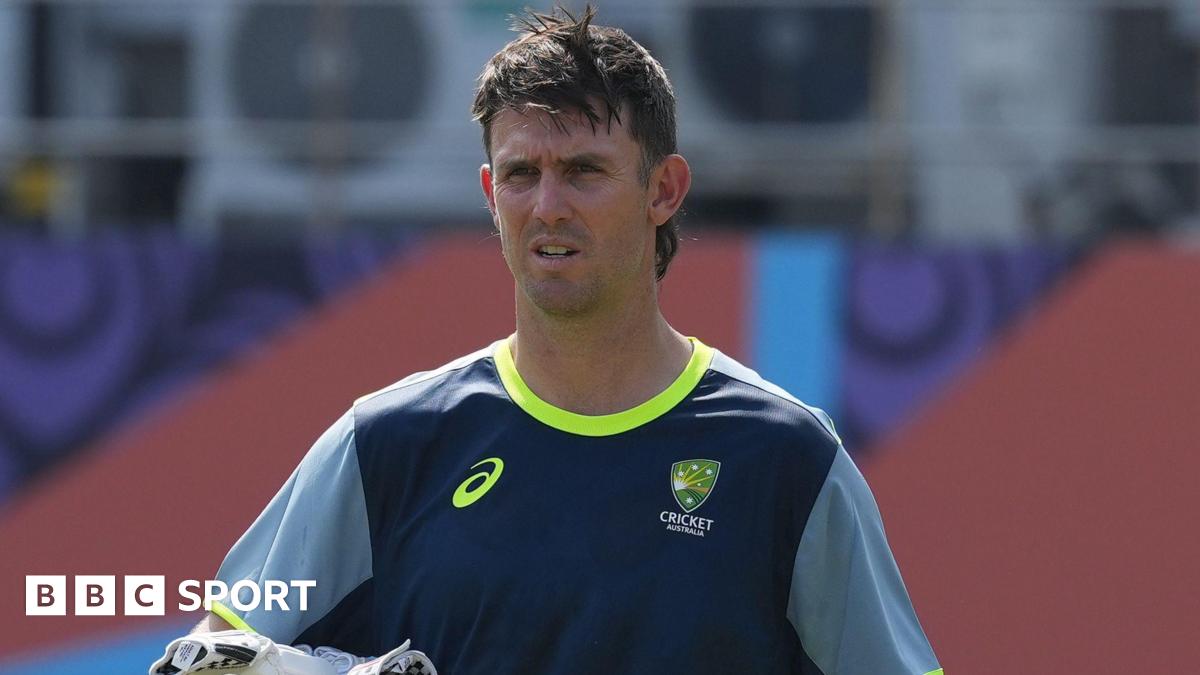
    Australian cricket team captain Mitchell Marsh has been sidelined from his team’s inaugural T20 World Cup match against Ireland due to a severe groin injury sustained during training. The 34-year-old all-rounder suffered testicular bleeding after being struck in the pelvic region while taking throwdowns during a practice session in Colombo this past Sunday.

    Cricket Australia’s medical team confirmed through comprehensive scans that Marsh has developed internal testicular bleeding, resulting in persistent pain and mobility restrictions. The national cricket body issued an official statement indicating the player will undergo a structured rehabilitation program with his return contingent upon symptom resolution and medical clearance.

    In response to this unexpected development, veteran batsman Steve Smith has been summoned as emergency cover. The 36-year-old, despite being omitted from the original World Cup roster despite strong Big Bash League performances, will join the squad in preparation for potential tournament involvement should Marsh’s recovery extend beyond initial projections.

    Travis Head assumed interim captaincy duties for Australia’s Group B encounter against Ireland in Marsh’s absence. The Australian team, now navigating early tournament challenges without their designated leader, faces Zimbabwe next at Colombo’s R. Premadasa Stadium this Friday.

    Marsh, who assumed T20 captaincy responsibilities in April 2024, brings substantial experience with 2,102 runs and 17 wickets across 78 international appearances in the format. His absence presents significant tactical adjustments for the Australian side as they commence their World Cup campaign.

  • Senegalese university students say death of protester dashes hope for change

    Senegalese university students say death of protester dashes hope for change

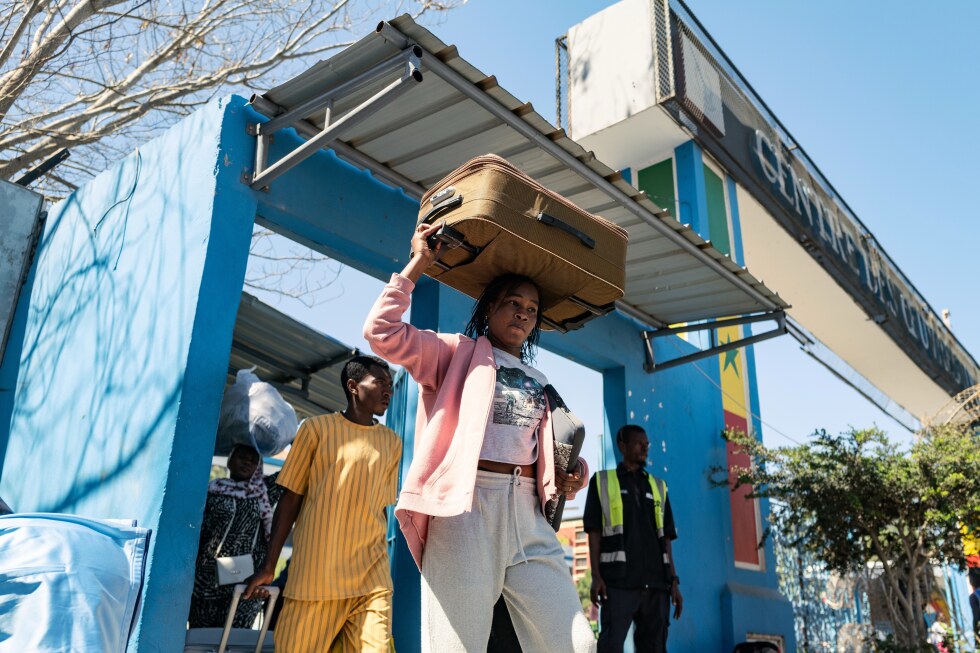
    DAKAR, Senegal — Senegal’s premier higher education institution descended into chaos this week as violent protests over delayed student stipends culminated in a tragic death and mass campus evacuations. The incident has exposed deep-seated systemic failures in the country’s education funding system and sparked nationwide outrage.

    Authorities confirmed the death of Abdoulaye Ba, a second-year medical student, following severe head injuries sustained during demonstrations at Cheikh Anta Diop University. While official reports remain vague, student representatives assert Ba was not participating in protests but was brutally assaulted by police within his residence. Social media footage captured terrifying scenes of students fleeing burning dormitories, some leaping from windows to escape the inferno.

    The unrest stems from a protracted stipend crisis affecting approximately 80,000 students at West Africa’s largest university. Many have endured months without receiving their 40,000 CFA franc ($73) monthly allowances—a critical financial lifeline for the majority who rely solely on this support. The situation deteriorated when university administrators shut down cafeterias after students refused to pay for meals typically covered by food stamps.

    This tragedy occurs against a backdrop of recurring academic disruptions that have plagued Senegalese universities for years. Extended closures—sometimes exceeding nine months—have created overlapping academic years and bureaucratic delays in stipend distributions. The current government inherited substantial debt from previous administrations, complicating resolution efforts despite campaign promises to address corruption and improve resource management.

    Interior Minister Mouhamadou Bamba Cissé acknowledged “acts of violence observed on both sides” during a press conference where unverified footage of Molotov cocktails played nearby. Amnesty International Senegal joined rights groups in condemning the “disproportionate use of force by police” at the university.

    The political dimension adds complexity to the crisis. Many students previously supported Prime Minister Ousmane Sonko and President Bassirou Diomaye Faye, who gained popularity through anti-corruption platforms. However, their administration’s response to the stipend crisis has generated widespread disillusionment among former supporters.

    Khadija Ndiaye, a history student without stipends for three months, expressed betrayal: “We were fighting for him during his campaign. It’s contradictory for him to now say students can survive without stipends.” Literature student Ibrahima Diatta echoed this sentiment, noting that stipends function as “de facto salaries” for many students supporting rural families.

    Education experts warn that the government’s decision to close campus housing—forcing thousands to return to countryside homes—may exacerbate academic calendar disruptions and further delay stipend payments. As David Célestin Faye, secretary-general of Senegal’s professors’ union, emphasized: “Students are not a burden, they are an investment that must be supported.”

  • Tumbler Ridge mass shooting: What we know so far

    Tumbler Ridge mass shooting: What we know so far

    The remote Canadian community of Tumbler Ridge, British Columbia, is reeling from one of the nation’s deadliest mass shootings, which claimed nine lives and left 25 others injured on Tuesday. The tragedy unfolded at Tumbler Ridge Secondary School and a nearby residence, sending shockwaves through the close-knit town of approximately 2,400 residents.

    According to the Royal Canadian Mounted Police (RCMP), authorities received an active shooter report at 13:20 local time (20:20 GMT). Police response was immediate, with officers arriving at the school within two minutes of the emergency call—a rapid intervention that officials believe prevented further casualties. The RCMP implemented an urgent shelter-in-place order for the entire community while initiating lockdown procedures at both the secondary school and nearby elementary school.

    The investigation revealed six victims deceased inside the educational facility, with two additional fatalities discovered at a connected residence. A ninth victim succumbed to injuries during transport to medical facilities. Approximately 25 individuals sustained non-life-threatening injuries and are receiving treatment at the local medical center. The suspected perpetrator was found deceased at the scene from an apparent self-inflicted wound.

    British Columbia’s Minister of Public Safety Nina Krieger characterized the event as a ‘devastating day’ for the province. Eyewitness accounts from students described barricading classroom doors for over two hours before police evacuation. Darian Quist, a Grade 12 student, recounted receiving disturbing images on his phone during the lockdown before being escorted to safety.

    Community leaders expressed profound grief, with Mayor Darryl Krakowka noting the personal connections within the small town: ‘I don’t call them residents. I call them family.’ Town Councillor Chris Norbury emphasized the unprecedented nature of the violence in a community where residents traditionally don’t lock their doors.

    The incident prompted national responses, with Canadian Prime Minister Mark Carney canceling a scheduled trip to Germany. British Columbia Premier David Eby described the shootings as ‘unimaginable tragedy’ that would cause parents across the province to ‘hug our kids a little tighter tonight.’

    Authorities continue investigating potential motives and connections between the suspect and the school, though the individual’s identity remains undisclosed. The RCMP is conducting additional searches of nearby properties to identify any further victims or connections to the attack.

  • Australia’s first female Liberal leader under pressure after front bench resignation

    Australia’s first female Liberal leader under pressure after front bench resignation

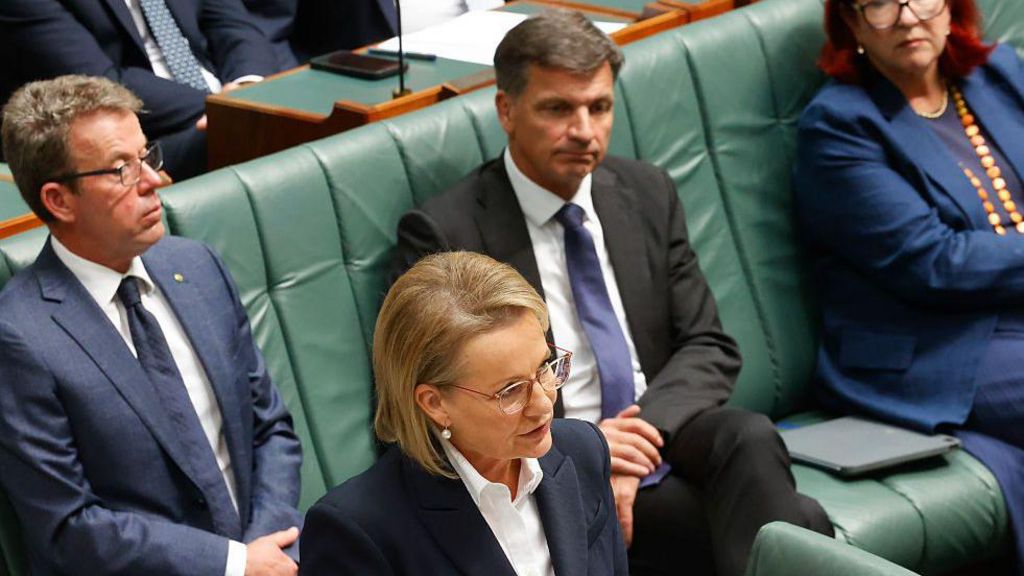
    Australia’s political landscape has been thrown into turmoil following the dramatic resignation of Shadow Defence Minister Angus Taylor from the opposition Liberal Party’s leadership team. This move signals an impending challenge to current leader Sussan Ley, who made history as the first woman to lead the conservative party.

    The resignation comes amid growing internal dissatisfaction with Ley’s leadership, which has been characterized by persistently poor polling numbers and deepening factional divisions within the Liberal-National coalition. Taylor, representing the party’s conservative wing, openly criticized Ley’s ability to effectively lead the opposition against the ruling Labor government.

    ‘We have failed to hold a bad Labor government to account,’ Taylor stated during his resignation announcement, emphasizing the need to ‘protect Australians’ way of life’ and restore living standards. His departure follows months of internal strife that saw the coalition temporarily split over contentious policy issues including hate speech legislation and climate commitments.

    The political instability has created an opening for the populist One Nation party, which recent polls show has overtaken the coalition to become the primary opposition force behind Labor. This development marks a significant shift in Australia’s political dynamics, particularly as the Liberals struggle to maintain relevance in urban centers while their coalition partners, the Nationals, pivot further right to counter rising populist sentiment.

    Political analysts note that the coalition’s failure to reconcile internal differences on key policy matters, combined with Ley’s declining personal approval ratings, has created ideal conditions for a leadership challenge. Taylor’s supporters are expected to call for a special party meeting to initiate a leadership spill motion, potentially ending Ley’s tumultuous tenure.

  • Proteas edge Afghanistan after two super overs

    Proteas edge Afghanistan after two super overs

    In an unprecedented display of cricketing tension, South Africa and Afghanistan delivered what will be remembered as one of the most dramatic contests in T20 World Cup history, ultimately decided through two nerve-shredding super overs in Ahmedabad.

    The monumental Group D clash saw both teams finish locked at 187 runs after their allotted 20 overs, triggering the extraordinary tie-breaker procedure. The first super over ended in another deadlock with both teams scoring 17 runs, marking only the third instance in men’s T20 international history requiring multiple super overs to determine a winner.

    South Africa established their competitive total of 187-6 through commanding half-centuries from Quinton de Kock (59 from 41 balls) and Ryan Rickelton (61 from 28 deliveries), who combined for a formidable 114-run second-wicket partnership. Afghanistan’s response was spearheaded by Rahmanullah Gurbaz’s explosive 84 from just 42 balls, supported by valuable contributions from Azmatullah Omarzai (22) and captain Rashid Khan (20).

    The match reached its zenith in the final over of regulation play. With Afghanistan requiring 13 runs from the final six deliveries and only one wicket remaining, Kagiso Rabada’s two no-balls provided dramatic reprieves. The tension peaked when Fazalhaq Farooqi was run out attempting a second run with three balls remaining, forcing the match into its first super over.

    After both teams matched each other’s 17-run effort in the initial super over, the contest progressed to an unprecedented second tie-breaker. David Miller’s crucial 16 runs from four deliveries propelled South Africa to 23-0, setting a challenging target. Despite Rahmanullah’s blistering 18 from four balls in response, spinner Keshav Maharaj claimed two vital wickets, restricting Afghanistan to 19-2 and securing South Africa’s victory by the narrowest of margins.

    This thrilling encounter served as a rematch of the 2024 T20 World Cup semi-final, though Afghanistan demonstrated significant improvement from their previous 56-all-out performance in Trinidad. The result solidifies South Africa’s position in the tournament following their opening victory over Canada, while Afghanistan faces elimination after consecutive defeats.

    The Proteas now prepare to face New Zealand at the same venue on Saturday, while Afghanistan will meet the United Arab Emirates in Delhi on Monday, with both teams contemplating very different tournament trajectories after this historic contest.

  • Xinjiang through my eyes: Horse racing in Zhaosu

    Xinjiang through my eyes: Horse racing in Zhaosu

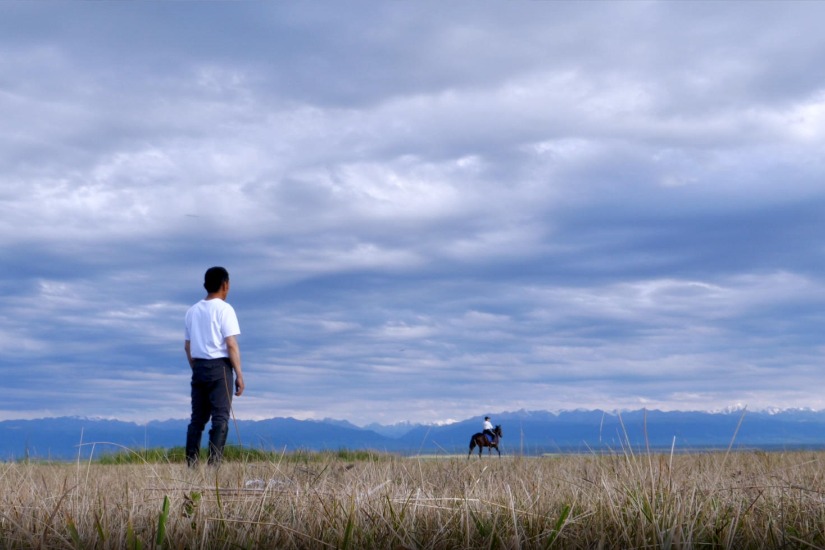
    In China’s northwestern Xinjiang region, a profound transformation is underway in the ancient tradition of horse racing. Bayinbieleke, a dedicated horse trainer from Zhaosu, embodies this shift as he prepares for the prestigious Heavenly Horse International Tourism Festival. Despite challenging weather conditions including heavy rainfall, his team’s meticulous preparation ensured the festival’s opening ceremonies proceeded flawlessly.

    The trainer’s vision extends far beyond local recognition. While deeply proud of regional equestrian traditions, Bayinbieleke now aspires to cultivate riders and horses capable of competing on international platforms. “My aspiration is to develop superior equine athletes that will gain recognition throughout China and across the global stage,” he stated, highlighting the evolving ambitions within Xinjiang’s equestrian community.

    This development represents the broader cultural and economic evolution occurring in Xinjiang, where traditional practices are being reimagined with contemporary global relevance. The region’s rich horsemanship heritage, once primarily a local spectacle, is now positioning itself within the international equestrian circuit, potentially creating new economic opportunities and cultural exchanges through the universal language of sport.

  • ‘Home of Gold’: What you need to know about Dubai’s new Gold District

    ‘Home of Gold’: What you need to know about Dubai’s new Gold District

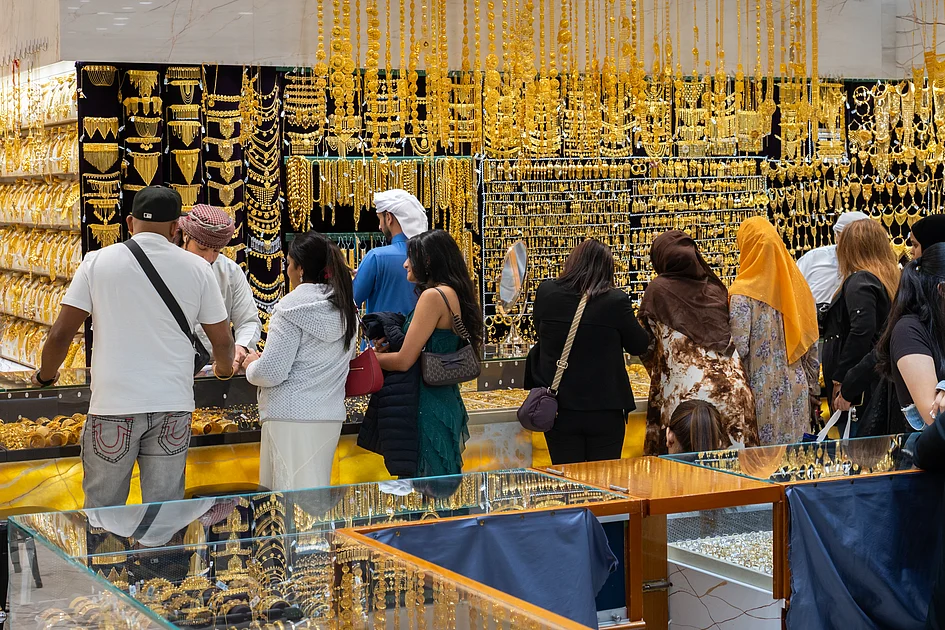
    Dubai has solidified its status as a global luxury hub with the official launch of the Dubai Gold District, a groundbreaking development being hailed as the definitive ‘Home of Gold’. This purpose-built ecosystem consolidates the entire spectrum of the gold and jewellery industry—encompassing bullion trading, wholesale, retail, bespoke craftsmanship, and investment services—into a single, integrated destination.

    Strategically designed as a comprehensive hub, the district brings together international traders, investors, global brands, and consumers. Beyond its core function, it expands into a multifaceted lifestyle experience. The retail offering extends far beyond gold to include prestigious watch collections, diamonds and gemstones, fashion outlets, and perfume and cosmetics. The development is further enhanced by a diverse culinary scene, ranging from casual cafes to fine dining establishments, and supported by substantial hospitality infrastructure featuring over 1,000 guest rooms across six dedicated hotels.

    The project’s most audacious and headline-grabbing feature is the planned construction of the world’s first ‘Gold Street’—an actual street surface integrated with gold, poised to become a major global tourist attraction and a permanent visual landmark. With over 1,000 retailers already confirmed, including industry giants like Jawhara Jewellery, Malabar Gold and Diamonds, Al Romaizan, Tanishq, and a massive 24,000-square-foot flagship from Joyalukkas, the district establishes an unparalleled concentration of market leaders.

    Operating from 10 AM to 10 PM daily, the Dubai Gold District is strategically positioned to cater to both international trade partners and luxury shoppers, reinforcing Dubai’s pivotal role in the global precious metals and gems market.

  • Middle East CEOs feel the heat as boards demand faster results and deeper transformation

    Middle East CEOs feel the heat as boards demand faster results and deeper transformation

    Corporate leadership across the Middle East is experiencing unprecedented pressure as boardrooms worldwide compress executive timelines and demand faster, more demonstrable results. According to Russell Reynolds Associates’ Global CEO Turnover Index Annual Report 2025, CEO departures reached 234 globally last year—marking a 16% year-on-year increase and standing 21% above the eight-year average.

    The data reveals a significant contraction in executive tenure, with the average term of departing CEOs declining to 7.1 years in 2025 from 8.3 years in 2021. This trend reflects a fundamental recalibration of performance expectations, with directors becoming “far more explicit about what results must be delivered—and when.” The report emphasizes that the CEO role has become “materially more complex and harder than it has ever been.”

    Middle Eastern companies, particularly those navigating rapid economic diversification, digital transformation, and evolving regulatory landscapes, find themselves directly impacted by these global currents. Boards are making definitive decisions earlier in leadership lifecycles, with departures within 30-36 months surging 79% year-over-year. This shift reflects the inheritance challenges facing new CEOs, who often take helm of underperforming organizations or those facing activist investor pressure.

    Nicolas Manset, Head of the Middle East at Russell Reynolds Associates, notes: “Middle East CEOs are operating under the same global forces driving record CEO turnover worldwide, from geopolitical shocks and investor scrutiny to accelerated transformation. The Gulf continues to strengthen its position as a globally competitive business hub, attracting international capital, multinational headquarters and world-class executive talent.”

    The report identifies intensified investor scrutiny as a key pressure point. Rusty O’Kelley, who co-leads RRA’s Board & CEO Advisory Partners in the Americas, warns that “the margin for error has narrowed significantly” for today’s corporate leaders. Activist campaigns have directly contributed to accelerated CEO exits, with Barclays data showing a record 32 CEOs resigning within a year of activist involvement in 2025.

    Succession patterns reveal that first-time CEOs accounted for 86% of global appointments in 2025—a consistent trend since 2018. This pattern, reflected in Middle Eastern companies’ investment in homegrown leadership, presents both opportunity and risk. Laura Sanderson, RRA’s UK leader, observes: “Historically, the first couple of years of a CEO’s tenure were about clarifying the mandate… That grace period has been severely compressed. Today, CEOs are expected to demonstrate momentum almost immediately.”

    The technology sector provides a notable case study: after record churn in 2024, tech CEO exits halved in 2025 as boards paused leadership changes amid intense operational demands. This suggests that stability can be strategic, though boards continue to expect cost discipline and near-term validation.

    Persistent diversity challenges remain, with women comprising just 9% of incoming CEOs globally in 2025—down from 11% in 2024. The report highlights insufficient female representation in key feeder roles such as CFO, COO, and divisional P&L leadership positions.

    For Gulf corporations, the leadership playbook is evolving from episodic transitions to continuous succession planning. Boards must now define 24-36-month outcomes with precision and treat CEO development as an ongoing governance responsibility. As the report concludes, in a market that prizes rapid transformation, adequate support structures can determine the difference between sustained momentum and costly missteps.
  • Xinjiang through my eyes: The prairie doctor

    Xinjiang through my eyes: The prairie doctor

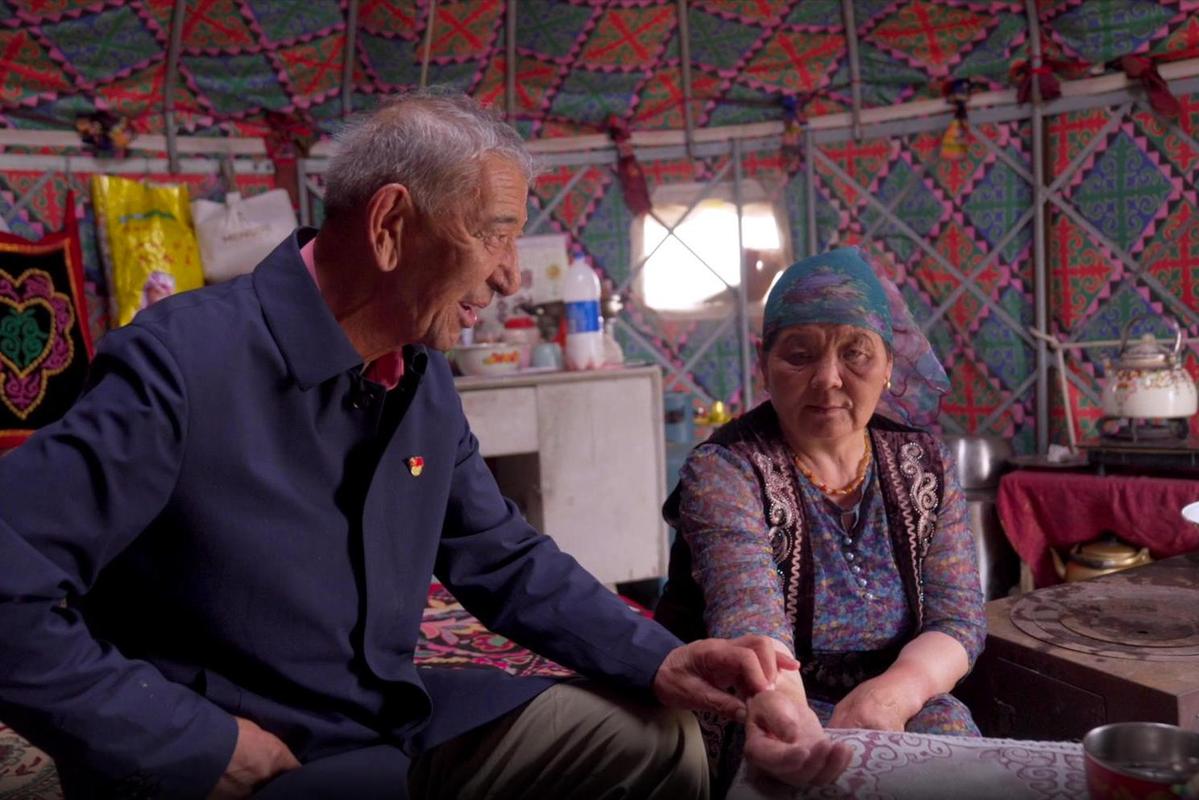
    In the vast grasslands of Xinjiang, 70-year-old Maolixialifu Hapa embodies a lifetime commitment to community healthcare. Since graduating in 1976, the traditional Chinese medicine practitioner has deliberately chosen rural service over research institute opportunities, bringing both medical expertise and genuine human connection to remote villages.

    For nearly five decades, Dr. Maolixialifu has served as both physician and trusted friend to countless villagers, integrating traditional Chinese medical knowledge with modern healthcare practices. His approach represents a unique blend of cultural preservation and community service that has become increasingly rare in modernizing China.

    The elderly doctor’s recent declaration—”If my health allows, I will help them and treat them all my life”—captures the essence of his dedication. This philosophy extends beyond mere medical treatment to encompass holistic care that addresses both physical ailments and emotional well-being.

    Dr. Maolixialifu’s story emerges as part of a broader series exploring Xinjiang’s cultural landscape, highlighting how traditional practices continue to thrive alongside modernization efforts. His work demonstrates how grassroots healthcare initiatives can successfully bridge cultural traditions with contemporary medical needs in China’s western regions.

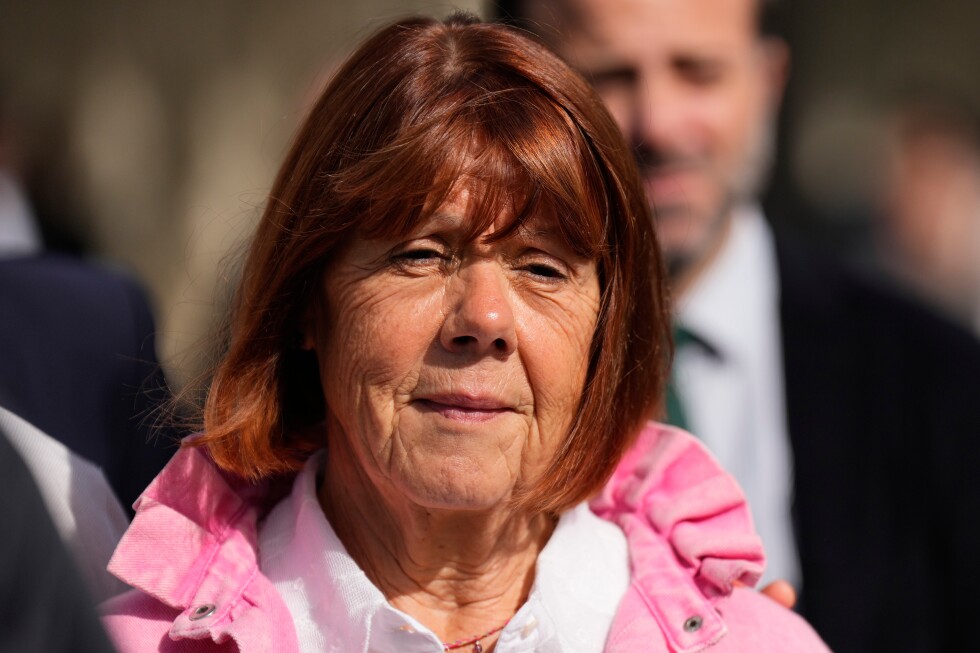
  • Gisèle Pelicot publicly recounts harrowing discovery of her husband’s rape crimes

    Gisèle Pelicot publicly recounts harrowing discovery of her husband’s rape crimes

    In a courageous act of breaking her silence, French survivor Gisèle Pelicot has publicly detailed her traumatic ordeal of systematic sexual exploitation by her husband and dozens of accomplices. Her revelations come through a powerful new memoir and subsequent interviews, marking her first public discourse since the landmark 2024 trial that transformed her into an international symbol against sexual violence.

    The horrific saga began unfolding on November 2, 2020, when Pelicot accompanied her then-husband, Dominique Pelicot, to a police station after his arrest for secretly filming up women’s skirts in a supermarket. It was there that Officer Laurent Perret delivered the devastating truth: her husband had been drugging her unconscious for years and orchestrating rape sessions involving at least 53 men who paid to assault her inert body.

    According to Pelicot’s account in her memoir “A Hymn to Life, Shame Has to Change Sides,” the police presentation included photographic evidence showing her in various states of unconsciousness while being violated by strangers. The images depicted a woman she failed to recognize—her face slack, her body limp like a rag doll—as multiple perpetrators committed atrocities against her without consent or awareness.

    Investigations revealed Dominique Pelicot’s sophisticated operation: he regularly adulterated his wife’s food and beverages with sedatives, rendering her unconscious before inviting paying participants to sexually assault her while he documented the crimes. This systematic exploitation continued for nearly a decade before the shocking discovery.

    The subsequent trial culminated in December 2024 with unanimous guilty verdicts against all 51 defendants. Dominique Pelicot received the maximum sentence of 20 years imprisonment, while 49 other men were convicted of rape and sexual assault charges. An additional defendant was found guilty of collaborating with Pelicot to drug and assault his own wife.

    Pelicot’s decision to share her story has ignited national conversations about rape culture in France and inspired global movements supporting survivors of sexual violence. Her transformation from victim to advocate represents a significant milestone in the ongoing fight against gender-based violence and institutional complacency.