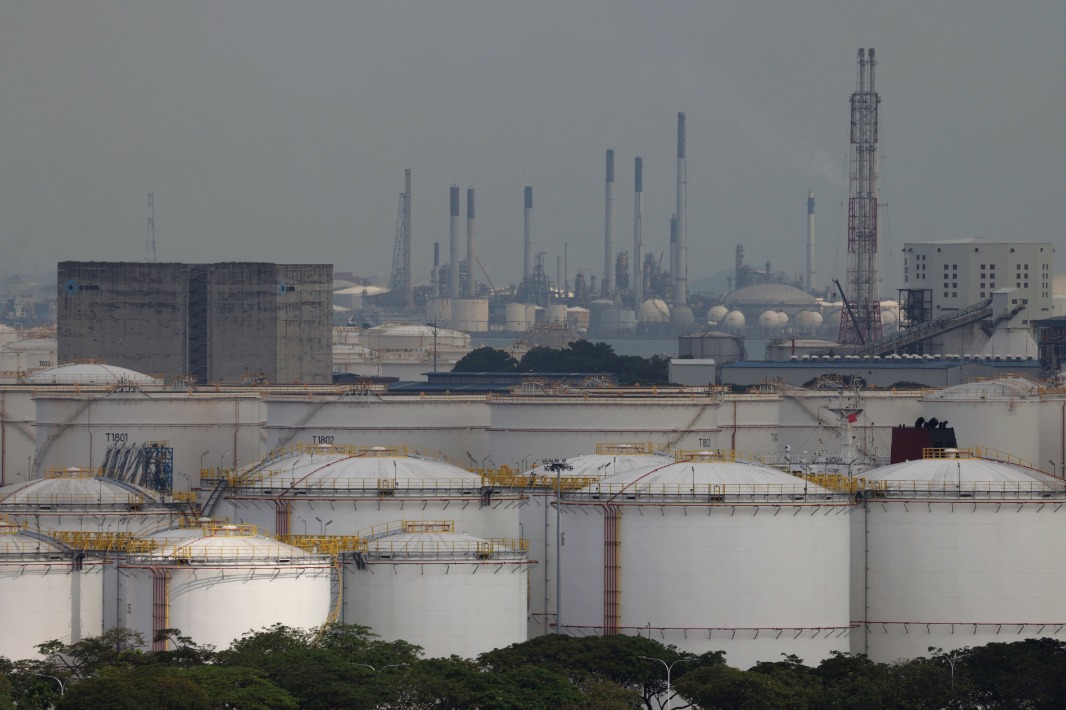
The Asia-Pacific region is facing unprecedented economic pressure from skyrocketing energy costs, triggered by a sudden disruption to global oil shipping that pushed the international benchmark Brent crude past $101 per barrel on Monday. The crisis escalated rapidly after the United States implemented a naval blockade of the Strait of Hormuz, one of the world’s most critical energy chokepoints, on Sunday. Within 24 hours, commercial shipping through the strategic waterway came to a complete standstill, according to global maritime industry outlet Lloyd’s List. More than 20% of the world’s daily oil trade passes through the strait, making the shutdown an immediate shock to global energy markets.
作者: admin
-
War in the Middle East: latest developments
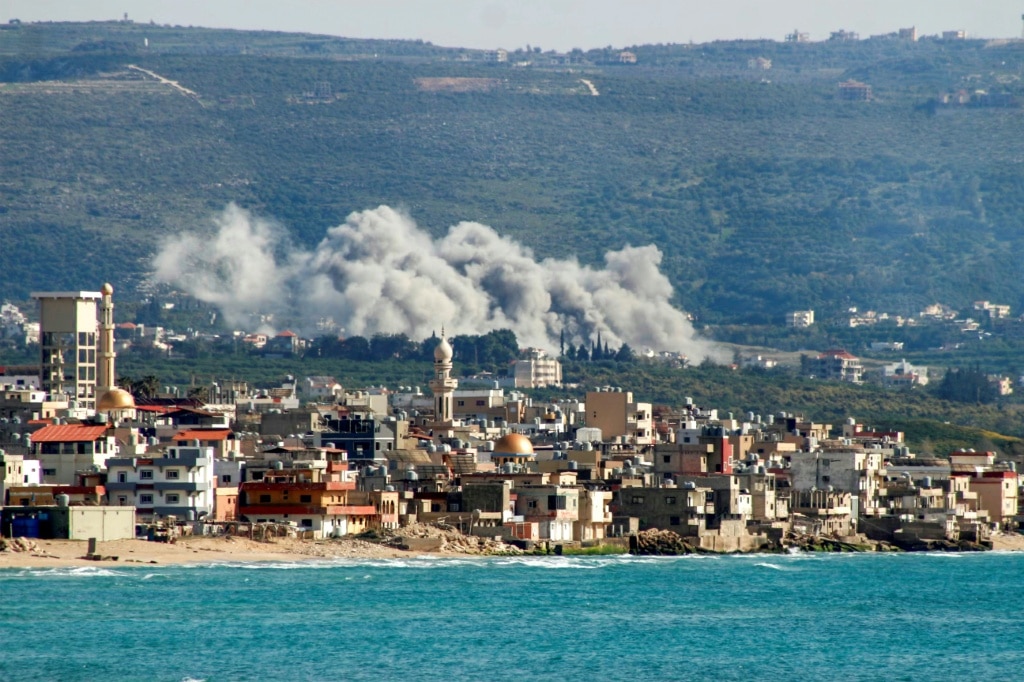
Escalating tensions and shifting diplomatic moves across the Middle East have dominated global headlines this week, as multiple parallel efforts to de-escalate conflict face critical tests amid new military clashes and economic disruptions.
-
Renowned Chinese missile expert passes away at 63
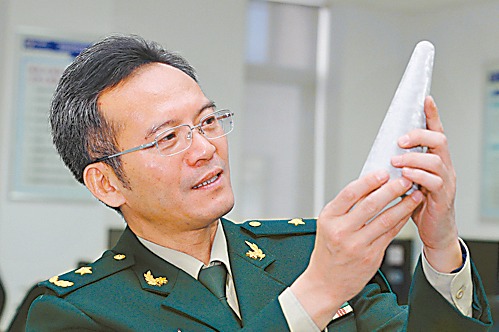
One of China’s most decorated ballistic missile experts, Major General Feng Yufang of the People’s Liberation Army Rocket Force, has passed away at the age of 63 following an illness, with his death announced on Monday, April 14, 2026.
Born in January 1963 in Yuyao, a city in China’s eastern Zhejiang Province, Feng spent his early years completing primary and secondary education in his hometown before earning admission to the National University of Defense Technology in Changsha, Hunan in September 1983. There, he specialized in the study of nuclear radiation and corresponding protective technologies, laying the academic foundation for his decades-long career in national defense research. He graduated with a bachelor’s degree in July 1987 and was immediately assigned to a research institute under the PLA Second Artillery Corps, the organizational predecessor of today’s PLA Rocket Force.
Over the course of his tenure at the institute, Feng rose steadily through the professional ranks, focusing his research and development work on core technologies and operational tactics for both conventional and nuclear ballistic missile warheads. In late 2003, he was reassigned to a second institute under the then-PLA Second Artillery Corps Equipment Research Academy, where he remained through the end of 2014. That year, he was appointed senior engineer at the academy’s experimentation center, a role that allowed him to expand his work on cutting-edge warhead testing and validation.
Feng received his promotion to the rank of Major General in the summer of 2006, and not long after, he was tapped to lead a high-level national expert group focused on advancing missile warhead technology. He continued to pursue advanced academic work alongside his military research, earning a doctorate in 2008 from the China Academy of Launch Vehicle Technology — a leading national institution responsible for the development of both carrier rockets and ballistic missile systems. In 2017, Feng earned one of his field’s highest honors when he was elected as an academician of the Chinese Academy of Engineering, a distinction reserved for the nation’s top engineering and technology innovators.
Throughout his four-decade career in national defense, Feng’s groundbreaking contributions to the development and deployment of next-generation conventional and nuclear warheads earned him numerous prestigious national awards, multiple honorary professional titles, and widespread recognition from both military and academic circles. Beyond his core research work, Feng also played a key role in national strategic policy: he served as a member of a top-tier national advisory council focused on nuclear arms control issues, and held seats on the 13th and 14th National Committees of the Chinese People’s Political Consultative Conference, contributing his expertise to broader national governance and policy deliberation.
-
Cameroon separatists to pause fighting ahead of Pope visit
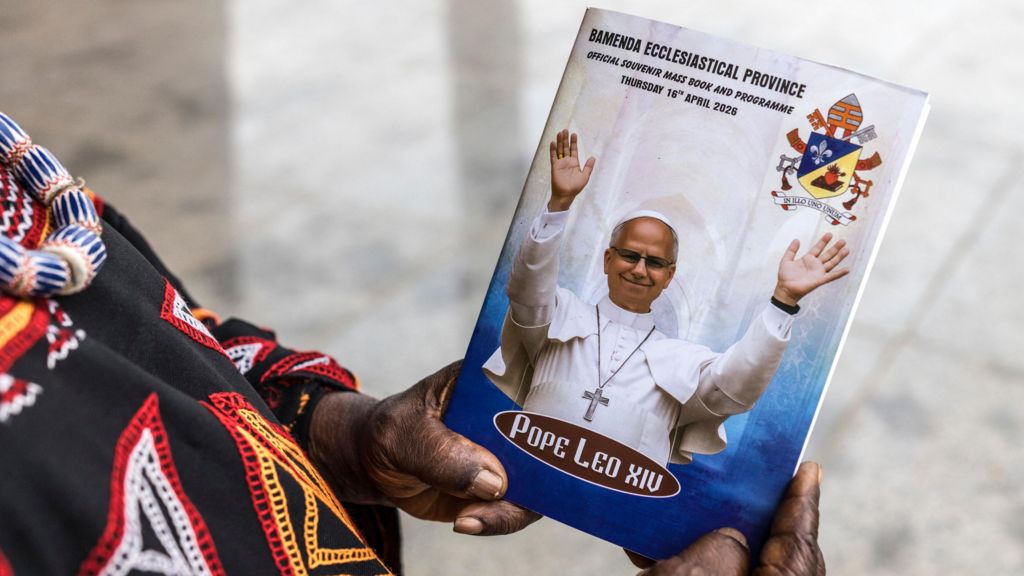
As Pope Leo XIV continues the second day of his landmark 11-day tour across four African nations, a remarkable development has unfolded in violence-wracked Cameroon, where armed Anglophone separatist groups have agreed to a three-day ceasefire to open a “safe travel passage” ahead of the pontiff’s upcoming visit.
The ceasefire, announced by the Unity Alliance — a coalition of major armed secessionist groups active in Cameroon’s two English-speaking regions — will come into effect ahead of Pope Leo’s arrival on Wednesday. In an official statement, the alliance framed the pause in hostilities as a recognition of the “profound spiritual importance” of the papal visit, and a commitment to protecting civilian life and facilitating smooth movement for pilgrims and attendees gathering for the papal events. The statement emphasized that the decision reflects a deliberate commitment to responsibility, restraint, and respect for human dignity, even amid years of ongoing conflict. The alliance also added that the visit should remain strictly spiritual and pastoral in nature, warning against any attempts to politicize the historic occasion.
Cameroon’s francophone-dominated national government has not yet issued an official comment on the ceasefire announcement, though local authorities have confirmed that comprehensive security measures have already been put in place to protect the pontiff and all visitors at scheduled event locations across the country. Local preparations in Bamenda, the capital of Cameroon’s North-West region and the focal point of the separatist conflict where Pope Leo will hold a key peace gathering, are already well underway: street billboards featuring portraits of Pope Leo and Cameroonian President Paul Biya have been erected across the city, and officials have confirmed that all papal event sites will be open to visitors free of charge.
The conflict in Cameroon’s Anglophone regions erupted nearly a decade ago, when separatist movements launched an armed campaign for secession from the country’s majority French-speaking government. The violence has claimed at least 6,000 lives and displaced hundreds of thousands of civilians from their homes. A 2019 national dialogue convened by the Cameroonian government failed to resolve the standoff, leaving the region locked in a cycle of persistent violence. Pope Leo’s planned stop in Bamenda is widely viewed as a symbolic outreach by the Catholic Church to advance peace and reconciliation in the divided region, where he is scheduled to host a special peace gathering at the city’s Saint Joseph’s Cathedral.
Pope Leo launched his 11-day African tour on Monday, with his first stop in Algeria — marking the first ever papal visit to the North African nation, which is predominantly populated by Sunni Muslims. Algeria also holds deep personal significance for the new pontiff: it is the birthplace of St Augustine, and Pope Leo is the first pope from the religious order that follows St Augustine’s teachings. Currently based in Annaba, where St Augustine served as bishop centuries ago, the pontiff visited the archaeological site of the ancient city of Hippo Regius on Tuesday, and is scheduled to lead a public Mass at the Basilica of Saint Augustine later that same day.
After concluding his stop in Cameroon, Pope Leo will continue his tour with visits to Angola and Equatorial Guinea, adding up to 11 stops across four African nations overall. This trip marks only his second major foreign visit since he was elected to the papacy in 2025, and it underscores the growing global importance of the Catholic Church in Africa. Latest 2024 demographic data shows that Africa is home to roughly 288 million Catholics — accounting for more than one-fifth of the global Catholic population, a share that continues to grow steadily year over year.
-

French woman, 86, held by ICE after moving to US to reunite with long-lost love
A decades-long romance that defied time and distance has ended in an unexpected and grim turn: an 86-year-old French woman, who moved to the U.S. last year to build a new life with her reconnected 1960s sweetheart, is now being held in an Immigration and Customs Enforcement (ICE) detention facility in Louisiana.
The story of Marie-Thérèse, a native of Nantes, France, reads like a romantic drama that has shifted into a chilling real-life legal nightmare. Back in the 1960s, she was working as a secretary when she met Billy, an American soldier stationed at a NATO base in Saint-Nazaire. The pair forged a connection, but when Billy was ordered back to the U.S. in 1966, they lost contact completely. Both moved on with their separate lives: they married other partners, raised children, and built families in their respective countries.
Decades later, in 2010, the former sweethearts reconnected, and began visiting one another regularly, even alongside their respective spouses at the time. By 2022, both had been widowed, and the pair rekindled their old romance. Marie-Thérèse’s son described the couple as being smitten “like teenagers,” calling Billy a “charming, adorable man” who won his mother’s heart. The pair married in 2024, and Marie-Thérèse relocated to Anniston, Alabama, to start her new life, submitting an application for a green card to secure permanent legal residency in the U.S.
Tragedy struck just months later, in January 2025, when Billy died suddenly. What followed was a bitter dispute over his estate between Marie-Thérèse and her stepson, Billy’s son. According to Marie-Thérèse’s son, who spoke to French newspaper Ouest-France, the stepson launched a campaign of harassment against his mother: he threatened her, intimidated her, and even cut off access to basic utilities including water, electricity and internet at her home.
Marie-Thérèse retained legal counsel to resolve the inheritance conflict, but she was taken into ICE custody the day before a scheduled court hearing on the matter. Neighbors of the elderly woman alerted her biological children in France after the arrest, and her son has since spoken out to raise awareness of her case.
He described the arrest to Ouest-France, saying that agents restrained his mother by handcuffing both her hands and feet, treating her “like she was a dangerous criminal.” While there is no concrete evidence linking the stepson’s alleged harassment to the detention, the timing of the arrest has raised serious questions about the circumstances that led to ICE taking an 86-year-old woman with chronic health conditions into custody.
Currently, the French Ministry of Foreign Affairs has intervened in the case, and consular officials have already visited Marie-Thérèse in detention. Her son says despite her advanced age and pre-existing health conditions including heart disease and chronic back pain, his mother, who he describes as a “fighter,” is holding up as well as can be expected. Still, he warns that her health cannot tolerate the conditions of detention long-term.
“Our priority is to get her out of this detention center and repatriate her to France,” he said. “Given her health, she won’t last a month in such conditions of detention.”
This case comes amid a major expansion of ICE’s authority and operations following the start of Donald Trump’s second presidential term. The agency has been placed at the center of the administration’s aggressive mass deportation policy, with its budget and enforcement mandate significantly expanded to carry out removals of undocumented immigrants across the country.
For Marie-Thérèse’s family, the entire ordeal feels surreal. “This story was like a bad American film,” her son said. “Every morning I wake up and tell myself none of it is true, that it was just a nightmare.”
As of reporting, the BBC has reached out to the U.S. Department of Homeland Security, which oversees ICE, to request comment on the case, and has not yet received a response.
-
Spain finalizes amnesty measure for up to hundreds of thousands of immigrants
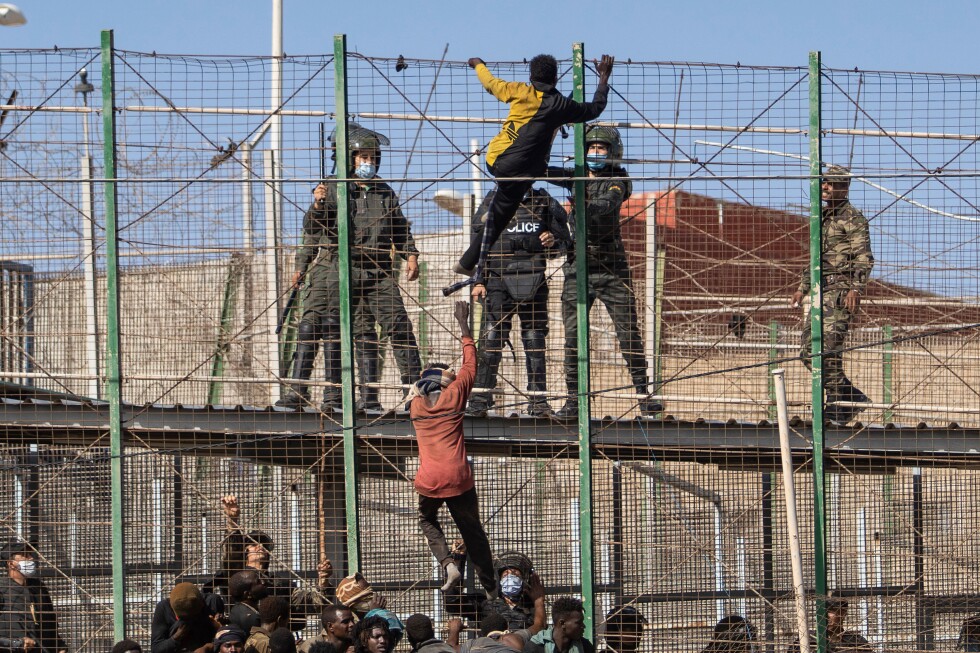
MADRID – In a policy shift that stands in stark contrast to restrictive immigration approaches taking hold across much of the European continent and the former hardline stance of the U.S. Trump administration, Spain’s ruling government completed work Tuesday on a sweeping amnesty measure first unveiled earlier this year. The reform will open a path to legal status for hundreds of thousands of unauthorized immigrants who have already settled and built working lives in the southern European nation.
Unlike many of its European neighbors, which have prioritized cutting new migration arrivals and ramping up deportation operations, Spain’s leadership has framed the amnesty as both a moral imperative and a practical economic adjustment. Spanish Prime Minister Pedro Sánchez celebrated the finalization of the policy in social media remarks, calling it “an act of justice and a necessity.”
Sánchez reiterated his administration’s core position that immigrants already contributing to Spanish society through work and residency deserve the chance to participate fully under equal legal conditions, while also upholding their civic responsibilities. “We recognize rights, but we also demand obligations,” Sánchez wrote, noting that legalized migrants will be required to pay taxes like all other residents.
Officials estimate that as many as 500,000 unauthorized people currently living in Spain will qualify for legal status under the new rules, while independent analysts place the total number of undocumented residents in the country as high as 800,000. A large share of these immigrants, hailing primarily from Latin America and African nations, fill critical labor gaps in Spain’s foundational economic sectors, including seasonal agriculture, the massive tourism industry, and broad consumer and hospitality services.
Under the terms of the approved policy, eligible applicants can apply for a one-year renewable residency and work permit once they meet clear eligibility requirements. Spanish Migration Minister Elma Saiz confirmed that in-person applications will open starting April 20, with the online application portal going live as early as this Thursday.
To qualify, applicants must have entered Spanish territory before January 1 of 2025, and prove continuous residency in the country for at least five months prior to applying. Saiz noted that residency can be verified through a wide range of both public and private documents, expanding access for applicants who may lack formal government records. All candidates must also pass a background check to confirm they have no criminal record.
This amnesty marks a long-standing precedent for Spain: the country has launched six previous regularization programs for undocumented immigrants between 1986 and 2005, building a history of large-scale legalization efforts that deviates from increasingly restrictive policy norms across much of Western Europe.
-

People fly Kongming lanterns in Jinghong, China’s Yunnan
Since 1994, all intellectual property rights to content distributed across China Daily’s official digital platform are held exclusively by China Daily Information Co (CDIC). This copyright protection extends to every form of content hosted on the site, including but not limited to written articles, photographic material, and multimedia productions. Any form of republication or uncredited use of this content is strictly prohibited unless the user has obtained explicit, written authorization from CDIC in advance. For optimal user experience, CDIC recommends that visitors access the site using a web browser configured to a display resolution of 1024*768 or higher. Beyond the core copyright regulations, the site also publicly lists key operational and regulatory details: its license for online multimedia publication is numbered 0108263, and its official business registration number is 130349. To improve public engagement and accessibility, the platform also maintains dedicated sections covering general information about the China Daily organization, opportunities for advertising partnerships, contact channels for inquiries, open recruitment listings for domestic roles, and specific employment opportunities for foreign expats. Users can also follow China Daily’s updated content across multiple social media platforms via the follow links provided on the site.
-
US forces to join combat drills in Philippines to show commitment to Asia while fighting Iran
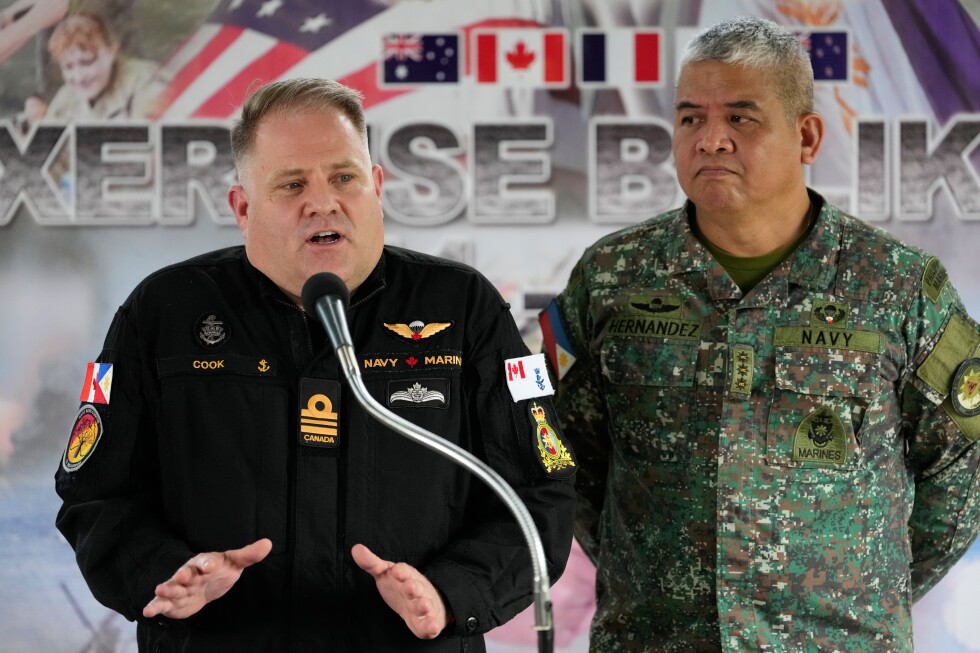
MANILA, Philippines — One of the largest annual joint military exercises between the United States and the Philippines is set to kick off this spring, bringing over 17,000 personnel from the two treaty allies together for combat training. The drills, organizers say, send a clear signal that Washington remains deeply committed to regional security in the Indo-Pacific even as it navigates ongoing security crises in the Middle East, a senior U.S. military spokesperson confirmed Tuesday.
Running from April 20 to May 8, this year’s iteration of the annual Balikatan – Tagalog for “shoulder-to-shoulder” – drills will mark a major expansion from 2024, when roughly 9,000 U.S. troops took part. Unlike previous years, the 2025 exercise will open participation to additional partner nations that have formal visiting forces agreements with Manila, including Japan, France and Canada.
A centerpiece of the drills will be a live-fire ship-sinking exercise hosted in Philippine waters off the northwest coast, directly facing the disputed South China Sea. Philippine military officials confirmed that Japanese forces will conduct the live missile launch for the drill, and Japan’s top defense official has been extended an invitation to observe the operation in person.
When asked about the strategic purpose of deploying such a large contingent amid ongoing conflict in the Middle East, U.S. forces spokesperson Colonel Robert Bunn emphasized the exercise’s core message. “Our message is our dedication and commitment to our alliance and regional security,” Bunn told reporters during a news briefing. He also noted that counter-drone defense tactics, a critical capability for modern regional security challenges, will be a key focus of the mock combat training scenarios.
The exercises come amid rising long-running tensions over territorial claims in the South China Sea, a strategically vital global shipping waterway. Beijing claims nearly the entirety of the sea as its sovereign territory, overlapping with claims from Manila, Hanoi, Kuala Lumpur, Bandar Seri Begawan and Taipei. Territorial confrontations between Chinese and Philippine forces have intensified sharply in recent years.
China has repeatedly voiced opposition to large-scale military drills led by the U.S. in the disputed region. Philippine defense officials have stressed that the drills are not intended to target any specific nation, but have openly acknowledged that the joint training with Washington and other security partners strengthens the Philippines’ ability to defend its sovereign interests in the contested waters.
The exercise aligns with the Trump administration’s recent regional security posture. During a visit to Manila last year, U.S. Defense Secretary Pete Hegseth reaffirmed to Philippine President Ferdinand Marcos Jr. that Washington would work closely with regional allies to boost deterrence against global threats, specifically naming China’s assertive actions in the South China Sea. “Friends need to stand shoulder to shoulder to deter conflict, to ensure that there is free navigation whether you call it the South China Sea or the West Philippine Sea,” Hegseth said.
-

Jepchirchir withdraws from London Marathon
One of women’s distance running’s biggest champions will not be on the start line for this month’s London Marathon, as defending winner Peres Jepchirchir has confirmed her withdrawal from the 2025 event due to a lingering injury.
The 32-year-old Kenyan, who boasts an elite resume that includes gold at the Tokyo 2020 Olympics, a world championship title, and a women-only world record run at last year’s London Marathon, was diagnosed with an unspecified stress fracture after she crossed the line in second place at the Valencia Marathon last December. The injury forced an unexpected pause to her winter training block, which Jepchirchir says has left her unprepared to compete at the top level required for the World Marathon Major.
In an official statement shared with race organizers, Jepchirchir explained that she was only able to return to structured training in late January. “I know that to be competitive at the London Marathon you have to be at your top level and despite my best efforts, I’m just short of that due to my lack of training,” she said.
This marks the second consecutive year that the elite distance runner has been forced to pull out of the London race; an ankle injury kept her sidelined from the 2023 event, before her historic 2:16:16 world record victory in 2024.
Jepchirchir’s withdrawal adds to the list of high-profile athletes missing from the April 26 start line. Sifan Hassan, the women’s marathon gold medalist at the 2024 Paris Olympics, previously announced her exit from the race after suffering an Achilles injury.
Despite the losses of two of the women’s field’s top contenders, race organizers are still expected to deliver one of the most competitive fields in the event’s history, with dozens of the world’s top distance runners set to compete for the title and prize purse.
-
Sixteen injured after ex-student opens fire at high school in Turkey
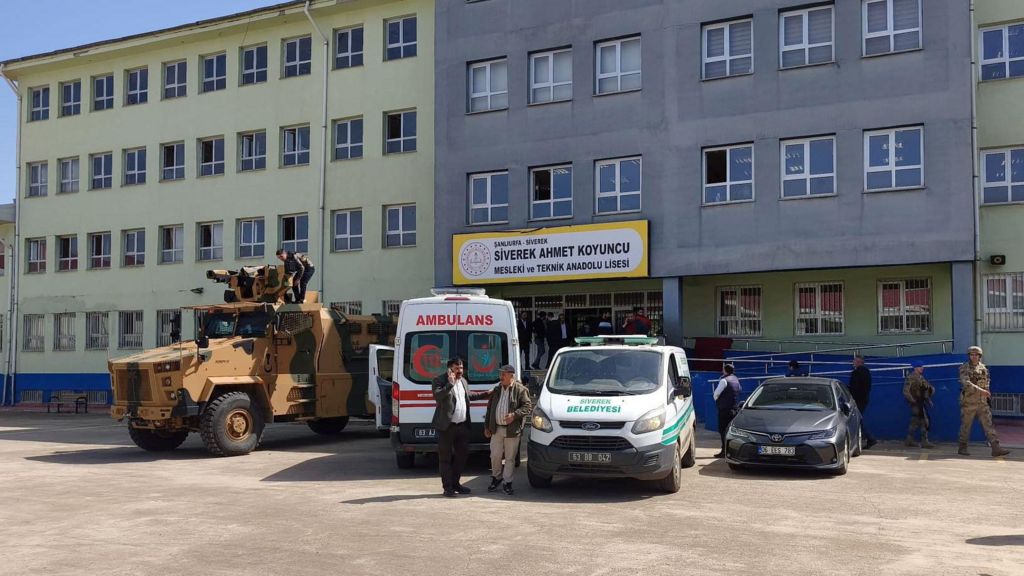
A violent shooting incident has shaken a southeastern Turkish community, after a former high school student opened fire on campus Wednesday, leaving at least 16 people wounded before taking his own life. Local authorities confirmed the details of the attack, which unfolded on the grounds of Ahmet Koyuncu Vocational and Technical Anatolian High School in Siverek District at approximately 9:30 a.m. local time, or 6:30 a.m. GMT.
Local governor Hasan Şıldak, the region’s top local official, told reporters that the attacker was in his late teens, who carried an illegally obtained shotgun onto the campus and began firing indiscriminately at people inside the school grounds before turning the weapon on himself. Among the 16 injured victims are 10 students, four teachers, one cafeteria employee and one responding police officer. Five of the wounded have been transferred to larger medical facilities in other regions for more advanced treatment, while the remaining injured receive care at local hospitals. Immediately after the shooting, authorities ordered a full evacuation of the entire campus, and have launched a formal criminal investigation into the circumstances of the attack.
In a surprising statement, Şıldak noted that the 17 to 18-year-old attacker had no prior criminal record on file with Turkish law enforcement, and that the school had long been classified as a safe facility by local police. Witness testimony collected by Turkish news agency IHA has painted a chaotic picture of the attack. One unnamed witness described the gunman entering the school’s front gate without warning, pulling out a long, pump-action shotgun and immediately opening fire in all directions.
“He immediately started shooting left and right. Then he fired towards the main school building. Then he ran inside. He started shooting at anyone who came in front of him, and then with the students’ screams, the teachers’ screams, everyone immediately scattered,” the witness recalled in their account.
One injured student, Ömer Furkan Sayar, spoke to Turkey’s state-owned public broadcaster TRT from his hospital bed, describing how the gunman moved through at least two occupied classrooms during the rampage, including his own. “First we threw ourselves to the ground, then two of us jumped out of the window. He didn’t say anything to us, he just came in and started shooting,” Sayar said.
As of Thursday morning, authorities have not released a possible motive for the attack, and the investigation is ongoing.