
In an increasingly competitive job market, university graduates are exploring unconventional career paths to secure their livelihoods. Lu Yiding, a former university student, exemplifies this trend. After attempting to start his own business during his studies in 2018, Lu left his job in 2023 to run a cake stall at a night market in Nanning, Guangxi Zhuang Autonomous Region. Similarly, Wu Yun’e, a graduate with a degree in internet of things engineering from Hunan Agricultural University, found himself working as a server at a Chef Fei restaurant. Initially struggling with social anxiety, Wu has since risen to become the head of a branch in Zhengzhou, Henan Province, within just two years. His journey highlights the growing number of graduates who, unable to find jobs in their chosen fields, are turning to alternative professions. Wu’s initial difficulty in greeting customers and presenting the restaurant’s signature dish underscores the challenges faced by many in transitioning to new roles. These stories reflect a broader shift in the career trajectories of graduates, driven by the need to adapt to a challenging economic landscape.
作者: admin
-
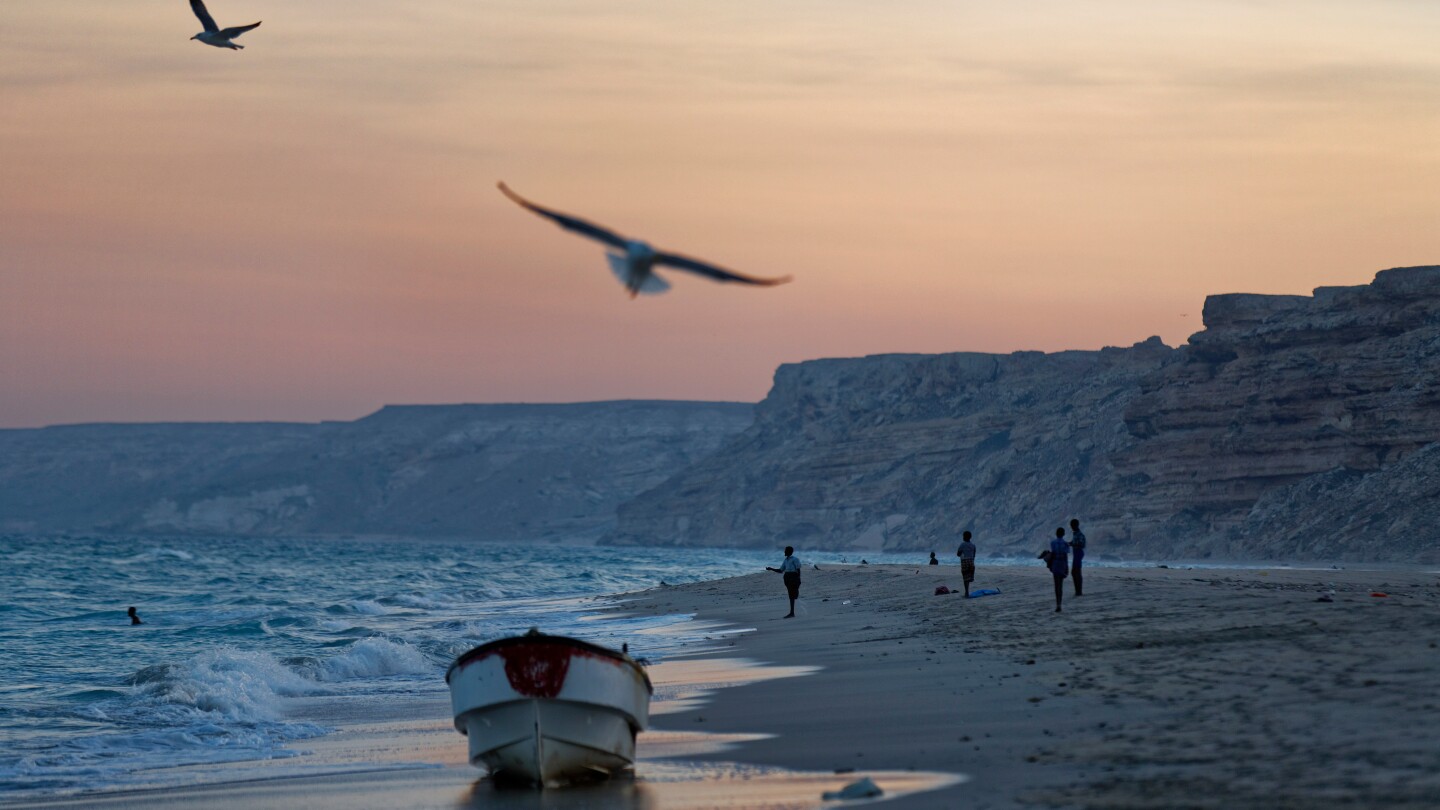
Attackers board a ship off the coast of Somalia after firing rocket-propelled grenades
In a brazen act of maritime piracy, attackers armed with machine guns and rocket-propelled grenades boarded a Malta-flagged tanker off the coast of Somalia on Thursday, according to British officials. The vessel, identified as the Hellas Aphrodite, was en route from Sikka, India, to Durban, South Africa, when it came under assault. The British military’s United Kingdom Maritime Trade Operations (UKMTO) center issued an alert, warning other ships in the area of the ongoing threat. Private security firm Ambrey confirmed the attack, attributing it to resurgent Somali pirates who have been increasingly active in the region. The attackers reportedly seized an Iranian fishing boat, the Issamohamadi, to use as a base of operations, though Iran has not officially acknowledged the incident. The Hellas Aphrodite’s crew of 24 mariners locked themselves in the ship’s citadel for safety during the attack, as the vessel lacked an armed security team. This incident follows a recent suspected pirate attack on the Cayman Islands-flagged Stolt Sagaland, where armed security forces engaged in a firefight with the assailants. Somali piracy, which peaked in 2011 with 237 attacks and $7 billion in global economic losses, had diminished due to international naval patrols and a stronger Somali government. However, piracy has resurged in recent months, partly fueled by regional instability caused by Yemen’s Houthi rebels and the ongoing Israel-Hamas conflict. In 2024 alone, seven incidents have been reported off Somalia, with multiple fishing boats seized by pirates.
-

Hong Kong sci-tech forum gathers young scientists amid innovation hub drive
The Hong Kong Laureate Forum 2025, a premier science and technology exchange event, commenced in Hong Kong on Wednesday, November 5, 2025. The forum attracted over 200 young scientists from more than 20 countries and regions, fostering international collaboration and innovation. Chan Kwok-ki, Chief Secretary for Administration of the Hong Kong Special Administrative Region government, emphasized the region’s commitment to becoming a global innovation hub. He highlighted the launch of a 3 billion Hong Kong dollar (approximately $385.8 million) frontier technology research support scheme, aimed at building advanced facilities for cutting-edge scientific research. The forum, themed ‘Meeting of Inspirational Minds,’ will span four days and feature keynote speeches, breakout sessions, and poster presentations. Discussions will focus on astronomy, life science, medicine, and mathematical sciences. Tong Wai-cheung, Chairman of the forum, underscored its mission to cultivate curiosity, ignite passion for science, and empower emerging talent globally. The event not only supports scientific development but also accelerates Hong Kong’s transformation into an international innovation and technology center.
-
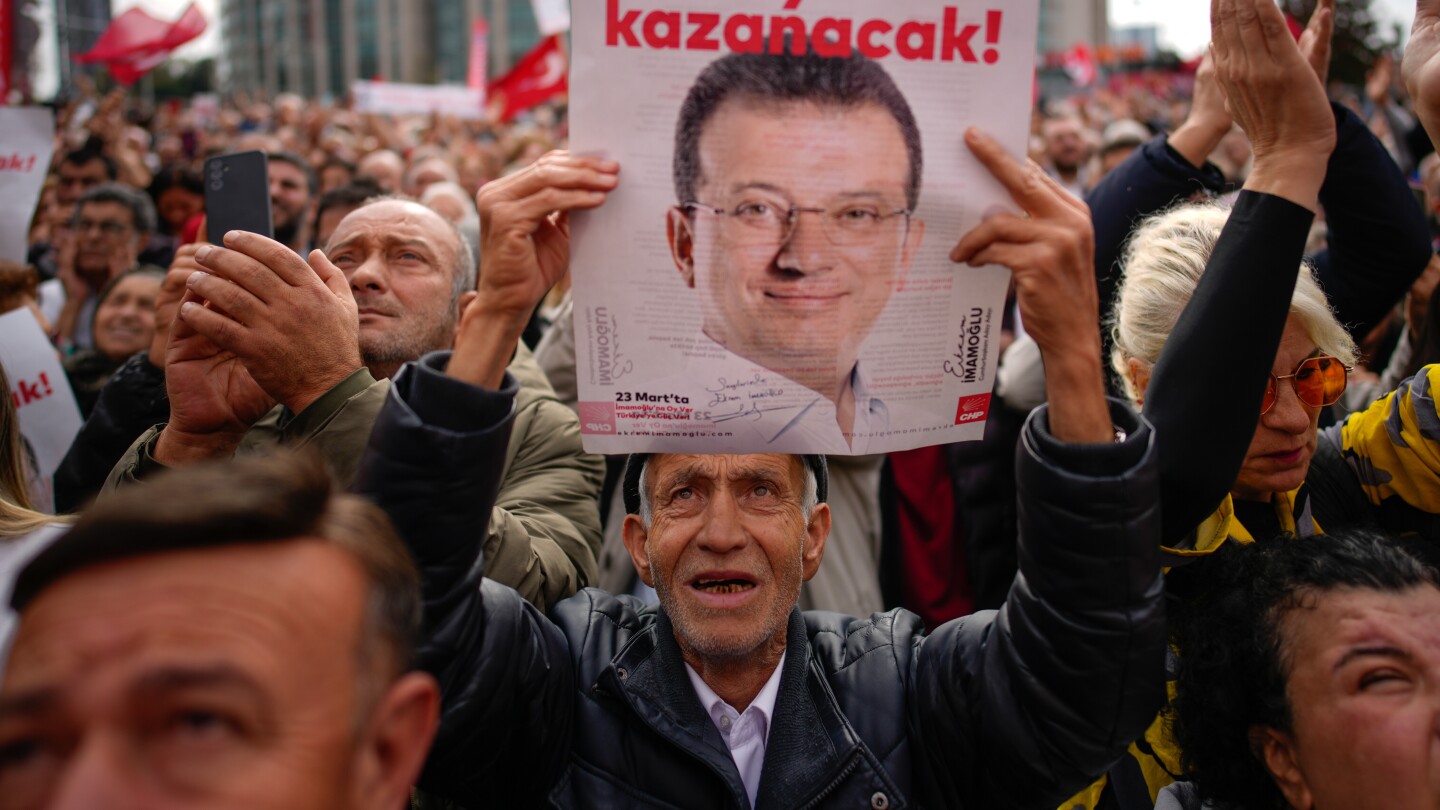
6 Turkish journalists summoned over reports on imprisoned opposition mayor
In a significant development in Istanbul, six prominent Turkish journalists were called in for questioning by police on Thursday. The investigation revolves around allegations that they spread false information regarding reports about the imprisoned opposition mayor, Ekrem Imamoglu. The Istanbul Chief Prosecutor’s Office stated that the journalists were being investigated for “publicly disseminating false information and aiding a criminal organization,” specifically referencing the so-called “Imamoglu criminal organization for profit.” However, it remains unclear whether formal charges have been or will be filed against them. Imamoglu, a key figure in the Republican People’s Party (CHP) and a formidable challenger to President Recep Tayyip Erdogan’s 22-year rule, was arrested in March over corruption allegations and has been detained since. His arrest sparked the largest street protests in Turkey in over a decade. The journalists in question—Soner Yalcin, Saban Sevinc, Asli Aydintasbas, Rusen Cakir, Yavuz Oghan, and Batuhan Colak—have all publicly questioned the legitimacy of the cases against Imamoglu, which many view as politically motivated. Burhanettin Bulut, deputy chairman of the CHP, condemned the police’s early morning raids on the journalists’ homes and the confiscation of their phones, calling it a “de facto detention” aimed at intimidating the opposition and suppressing press freedom. Turkey’s press freedom remains under scrutiny, with Reporters Without Borders ranking the country 159th out of 180 in its 2025 press freedom index.
-
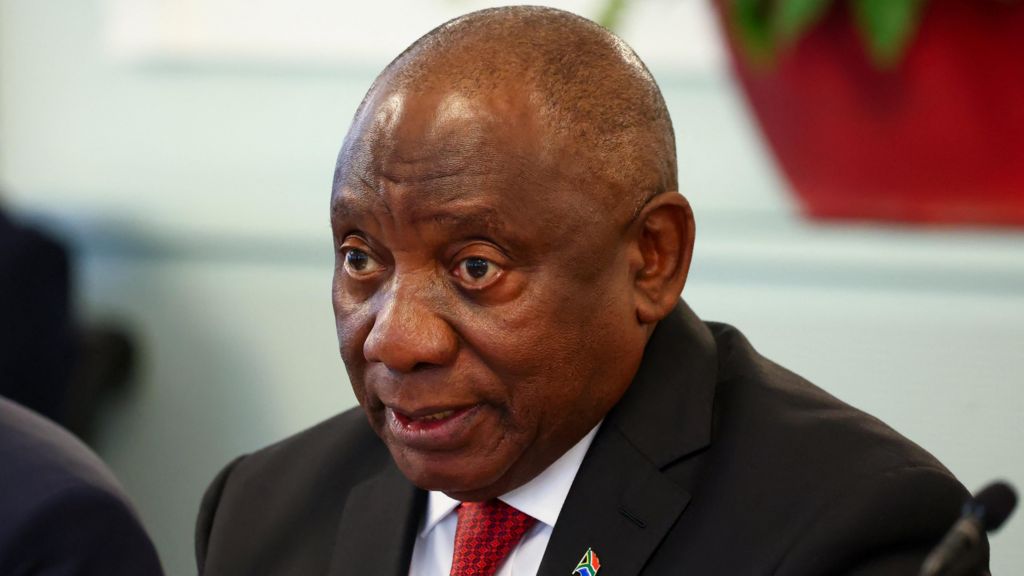
South Africans trapped in Donbas after joining Russia-Ukraine war, Ramaphosa says
The South African government has disclosed that it has received distress calls from 17 of its citizens who were allegedly recruited as mercenaries in the ongoing Russia-Ukraine conflict. These individuals, aged between 20 and 39, are reportedly stranded in Ukraine’s war-torn Donbas region. President Cyril Ramaphosa has initiated an investigation into the circumstances surrounding their recruitment, which appears to have been facilitated under the guise of lucrative contracts. The government has not specified which side of the conflict these South Africans are fighting for, but it emphasized that such activities are illegal under South African law unless authorized by the government.
Vincent Magwenya, a government spokesperson, stated that the South African authorities are utilizing diplomatic channels to secure the safe return of these citizens. He also revealed that 16 of the men hail from KwaZulu-Natal, while one is from the Eastern Cape. President Ramaphosa has condemned the exploitation of vulnerable young people by foreign military entities, labeling it as a grave concern.
This incident comes amid broader geopolitical developments involving Russia’s expanding influence in Africa. The Africa Corps, a Russian mercenary group under the control of the Russian Ministry of Defence, has effectively replaced the Wagner Group in West Africa following the death of its leader, Yevgeny Prigozhin, in a plane crash. Additionally, the South African government had previously issued warnings about deceptive recruitment schemes targeting young women for jobs abroad, particularly in Russia. A BBC investigation uncovered that over 1,000 women from Africa and South Asia were recruited to work in weapons factories in Russia’s Alabuga Special Economic Zone.
In a related development, Kenyan police rescued over 20 individuals from a suspected human trafficking ring that lured them with job offers in Russia, only to intend sending them to fight in Ukraine. Ukraine has also reported holding citizens from various countries, including Somalia, Sierra Leone, Togo, Cuba, and Sri Lanka, in prisoner-of-war camps.
-

India leads T20 series 2-1 after Australia crashes against spin
In a thrilling display of spin bowling prowess, India clinched a decisive 48-run victory over Australia in the fourth Twenty20 match held on the Gold Coast. The visitors’ spin trio, led by Washington Sundar, orchestrated a dramatic collapse of the Australian batting lineup, restricting them to a mere 119 runs while chasing a target of 168. Sundar’s remarkable spell of 3-3 in just 1.2 overs was complemented by Axar Patel’s 2-20 and Varun Chakravarthy’s 1-26, collectively dismantling the hosts’ middle and lower order. Earlier, India posted a competitive total of 167-8, anchored by Shubman Gill’s solid 46 off 39 balls. Despite Adam Zampa’s 3-45 for Australia, the home team faltered under pressure, with skipper Mitchell Marsh’s 30 off 24 balls being the highest individual score. With this win, India took an unassailable 2-1 lead in the series, setting the stage for the final match in Brisbane on Saturday.
-
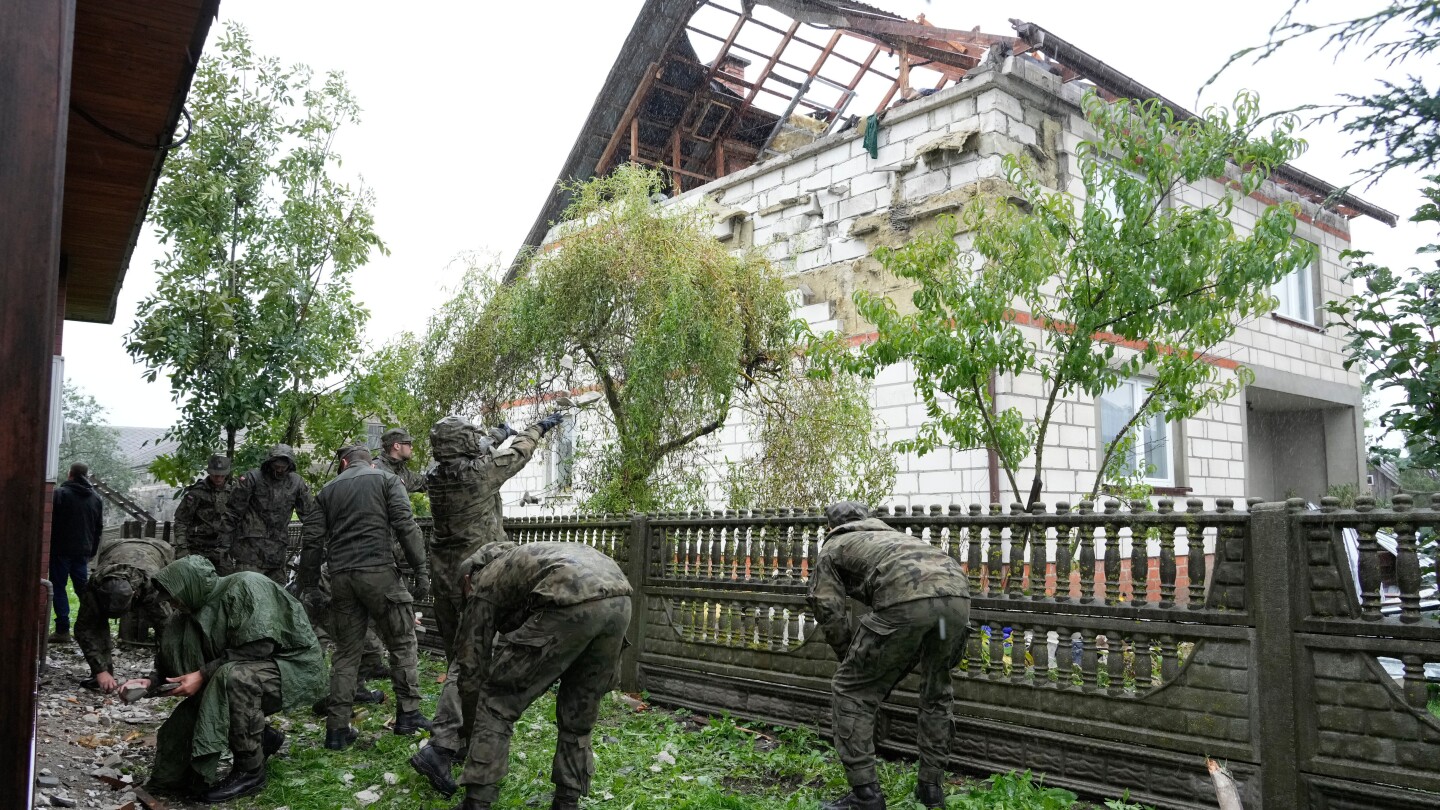
As Russian drone incursions rattle Europe, Poland and Romania deploy a new defensive system
In response to escalating Russian drone incursions into NATO airspace, Poland and Romania are deploying the American-made Merops system, an advanced AI-powered defense technology designed to identify and neutralize hostile drones. This move comes after a series of alarming incidents, including the penetration of Polish airspace by approximately 20 Russian drones in early September, which exposed vulnerabilities in NATO’s eastern flank. The Merops system, compact enough to fit in a midsize pickup truck, operates independently of satellite and electronic communications, making it highly effective in jamming environments. Denmark has also joined the initiative, signaling a broader effort to fortify NATO’s defenses against Russian aggression. The system’s deployment aims to create a robust deterrent along the alliance’s eastern border, stretching from Norway to Turkey. NATO officials emphasize that Merops offers cost-effective solutions compared to traditional methods, such as deploying multimillion-dollar fighter jets to counter low-cost drones. The technology has already proven effective in Ukraine, where it has been used to protect critical infrastructure and military operations. As drone warfare evolves rapidly, NATO is investing in a range of counter-drone technologies, including anti-drone missiles and collaborative EU efforts to establish a ‘drone wall’ along its eastern border. The alliance is also advocating for an Eastern Flank Deterrence Line, a layered defense network integrating advanced sensors and command systems. Despite Russia’s numerical advantage in deployable forces, NATO is leveraging its technological edge to offset this disparity. The Merops system represents the first phase of a multi-year defense strategy, with further developments expected in the coming years.
-

Cummins ‘on track’ to return for second Ashes Test
Australia’s cricket captain, Pat Cummins, has expressed confidence in his recovery from a lower back injury, stating he is “on track” to participate in the second Test of the Ashes series against England. The 32-year-old pace bowler has been sidelined since the conclusion of a Test series in the West Indies in July and will miss the opening Test in Perth, commencing on 21 November. Cummins has resumed bowling with a reduced run-up as part of his rehabilitation and is targeting a return for the day-night match in Brisbane, starting on 4 December. “It’s all feeling really good. On track and yeah, probably better than I expected,” Cummins remarked. He added that each session is incremental, and he anticipates being close to a full run-up once he arrives in Perth. In Cummins’ absence, Steve Smith, who was stripped of the captaincy in 2018 following a ball-tampering scandal, will lead Australia in the first Test. Cummins, who has taken 91 wickets against England in 19 Tests, remains cautious about his workload post-recovery, stating, “I don’t really want to commit to anything this far out. I’m pretty keen to play as much as I can.” Australia’s pace attack in Perth is expected to feature Mitchell Starc, Josh Hazlewood, and Scott Boland, all aged 34 and above.
-
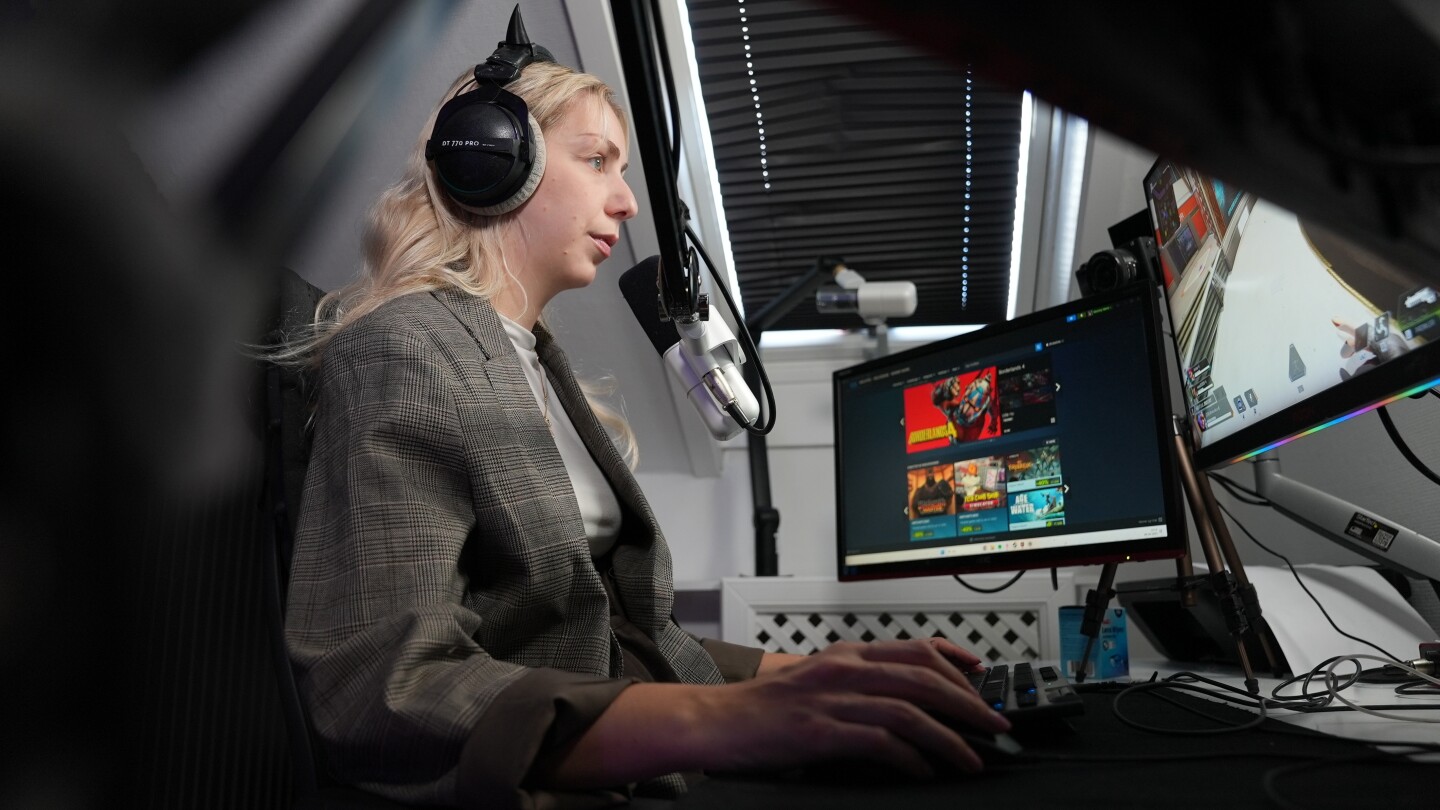
Denmark eyes new law to protect citizens from AI deepfakes
In 2021, Danish video game live-streamer Marie Watson was shocked to discover a manipulated image of herself circulating online. The photo, originally from her Instagram account, had been altered using deepfake technology to remove her clothing, leaving her feeling violated and helpless. Watson’s experience is just one example of the growing threat posed by deepfakes — highly realistic AI-generated images, videos, or audio that can be used for malicious purposes, from humiliating individuals to spreading misinformation. As generative AI tools become more accessible and sophisticated, the problem has escalated globally, prompting Denmark to take decisive action. A new bill, expected to pass early next year, aims to amend copyright law to grant individuals ownership over their likeness, enabling them to demand the removal of unauthorized deepfakes. While the law will allow for parodies and satire, it seeks to protect citizens’ personal characteristics from exploitation. Experts, including Henry Ajder of Latent Space Advisory, have praised Denmark’s initiative, noting the lack of effective protections currently available. The legislation, which has broad political support, could set a precedent for other countries grappling with the ethical and legal challenges of deepfakes. However, enforcement will primarily target tech platforms, with severe fines for non-compliance. Despite these measures, Watson remains skeptical, emphasizing the need for greater accountability from social media companies to prevent the spread of harmful content.
-

UN climate summit kicks off in Brazil’s Amazon with hopes for action despite US absence
As world leaders gather in Belem, Brazil, for the United Nations’ annual climate summit, COP30, the urgency of the global climate crisis is starkly visible. The Amazon rainforest, often referred to as the ‘lungs of the world,’ surrounds the city with its lush greenery and winding rivers. Yet, the view also reveals vast barren plains, a testament to the 17% of the Amazon’s forest cover lost over the past 50 years due to deforestation for agriculture, logging, and mining. This biodiverse ecosystem, crucial for absorbing carbon dioxide, has been increasingly threatened by wildfires and cattle ranching. Brazilian President Luiz Inácio Lula da Silva aims to use this summit to rally global support for halting the destruction of tropical rainforests and advancing critical climate goals. However, the absence of key leaders from the world’s largest polluters—China, the United States, and India—casts a shadow over the event. U.S. President Donald Trump’s withdrawal from the Paris Agreement and his administration’s absence from the summit have raised concerns about a potential global retreat from climate commitments. Meanwhile, Brazil faces its own contradictions as a major oil producer, with Lula’s decision to allow oil exploration near the Amazon River drawing criticism. Despite logistical challenges in hosting the summit in Belem, including a shortage of accommodations and surging prices, the event has become a platform for activists to voice their demands for climate justice and Amazon preservation. The freedom to protest in Brazil contrasts sharply with previous summits held in autocratic nations, offering a unique opportunity for dialogue and action.