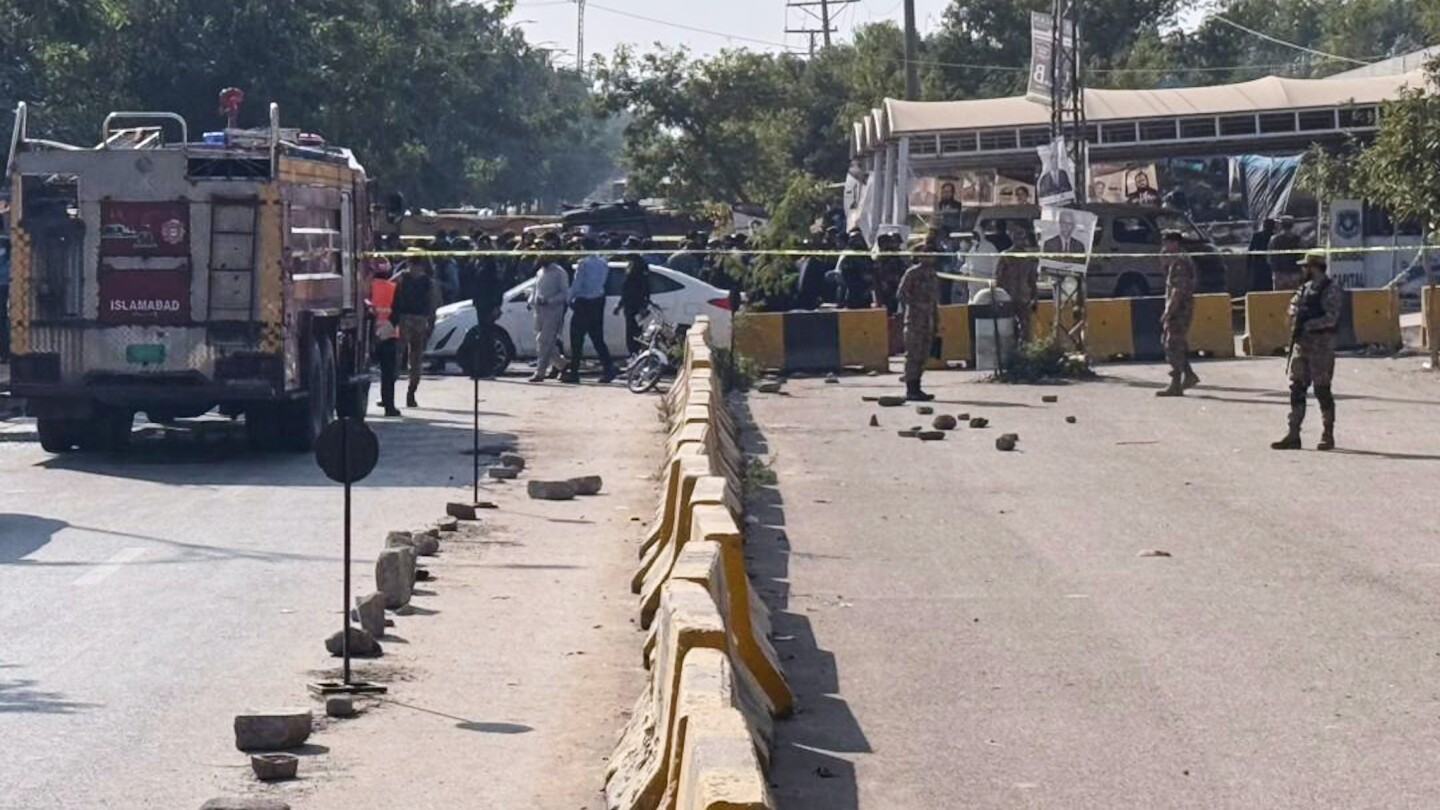
A devastating suicide bombing occurred outside a district court in Islamabad on Tuesday, resulting in 12 fatalities and 27 injuries, according to Pakistani Interior Minister Mohsin Naqvi. The attacker detonated explosives near a police vehicle after failing to enter the court premises. The explosion, heard miles away, struck during peak hours when the area was bustling with visitors attending hearings. Initial reports from Pakistani state media and security officials suggested a car bomb was responsible, but investigators later confirmed it was a suicide bomber. No militant group has claimed responsibility yet, but Pakistan has been grappling with a resurgence of attacks by the Pakistani Taliban and other extremist factions. The casualties included passersby and individuals with court appointments. Authorities are investigating all aspects of the attack, with no immediate statements from Islamabad police. This incident follows a thwarted militant attempt to take cadets hostage at an army-run college in Khyber Pakhtunkhwa province earlier on Tuesday. The Pakistani Taliban denied involvement in the college attack, which saw two militants killed and three cornered in an administrative block. Pakistan has experienced a surge in militant violence in recent years, including the 2014 Peshawar school massacre that claimed 154 lives. Tensions between Pakistan and Afghanistan have also escalated, with recent cross-border clashes and failed peace talks in Istanbul.
作者: admin
-

Outgoing Irish president proved he was no pushover
Michael D Higgins, Ireland’s outgoing president, has stepped down from Áras an Uachtaráin after a remarkable 14-year tenure. His presidency was defined by a steadfast commitment to his principles, often defying public, church, and government pressures. One of the most defining moments of his leadership was his 2021 boycott of an inter-church service marking the centenary of Northern Ireland’s partition. Higgins argued that the event’s title politicized the occasion, placing it beyond his presidential remit. This decision polarized opinions, elevating his standing among nationalists while alienating some unionists who questioned his ability to bridge divides. Higgins, a self-proclaimed leftist, followed in the footsteps of his predecessor, Mary Robinson, transforming the presidency from a ceremonial role to a platform for national discourse. He tackled pressing issues such as housing shortages, migration, and climate change, urging reflection without directly criticizing government policies. His activism reshaped public expectations of the presidency, pushing the boundaries of the office. Higgins’ tenure also saw historic moments, including becoming the first Irish president to pay a state visit to the UK. A passionate advocate for the arts and Irish culture, Higgins leaves behind a legacy of moral leadership and cultural promotion, even as his departure raises questions about the future direction of the presidency.
-
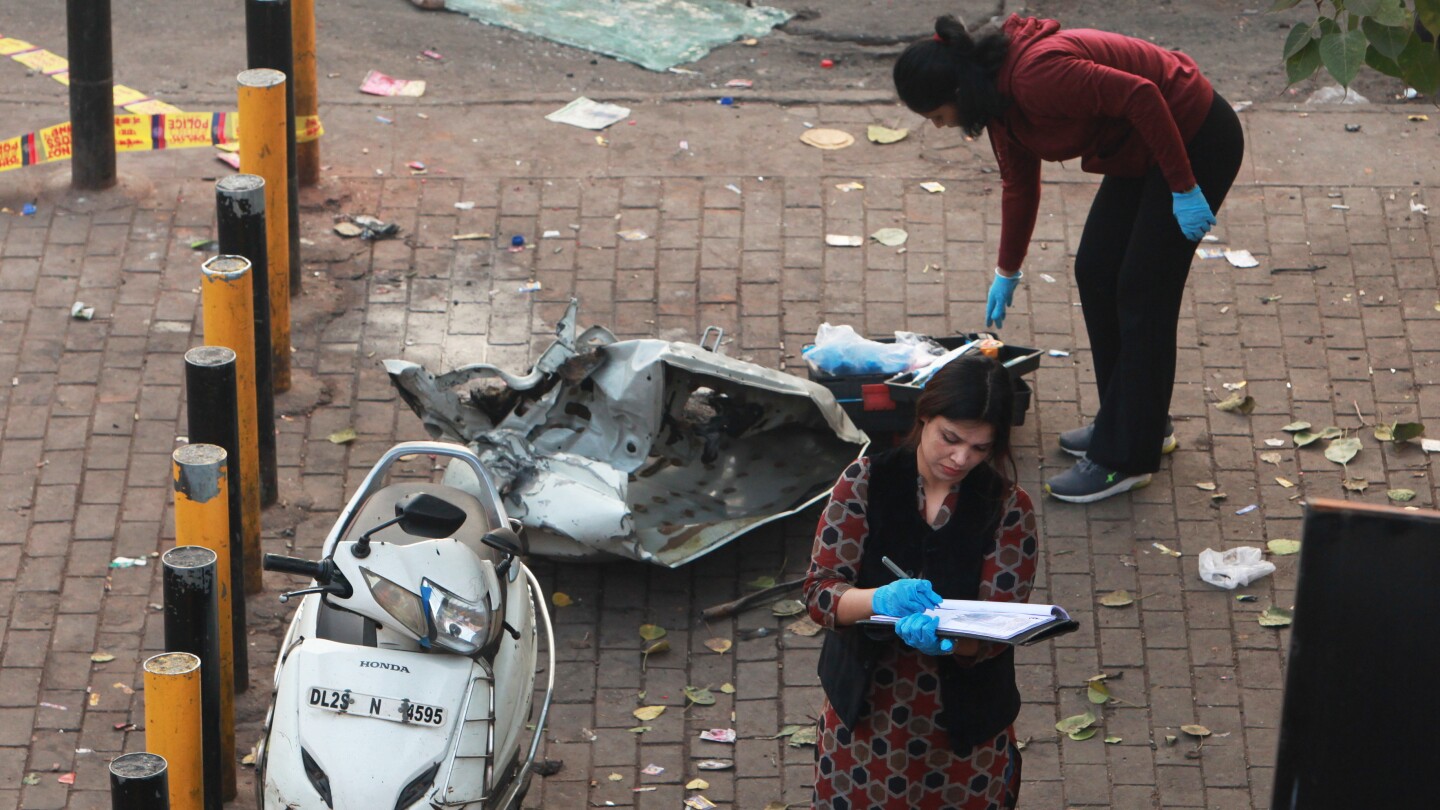
The deadly car explosion in New Delhi is being investigated under an anti-terrorism law
Indian authorities have launched a comprehensive investigation under the Unlawful Activities (Prevention) Act following a devastating car explosion near New Delhi’s historic Red Fort. The incident, which occurred late Monday, claimed the lives of at least eight individuals and left several others injured. Forensic teams are meticulously working to ascertain the cause of the blast, which is believed to have originated from a Hyundai i20 car stopped at a traffic signal. The explosion caused significant damage to nearby vehicles, with images depicting shattered windows, twisted metal, and engulfing flames. Prime Minister Narendra Modi, currently on an official visit to Bhutan, has vowed that the perpetrators will face justice, emphasizing that investigators will uncover the full extent of the conspiracy. Home Minister Amit Shah has assured that all possible angles are being explored, with security agencies leveraging CCTV footage from the area to expedite the inquiry. In response to the incident, major transportation hubs, including train stations in Mumbai and Uttar Pradesh, have been placed on heightened security alert. The Red Fort, a 17th-century Mughal-era monument and a symbol of national pride, is a prominent tourist destination and the site of annual Independence Day speeches by Indian leaders. The surrounding area, known for its bustling bazaars, is typically crowded, amplifying the impact of the explosion. Authorities are also working to identify the car’s owner and occupants, who are presumed to have perished in the blast.
-

‘Sea legs meant I couldn’t bowl’ – when England travelled to Australia by boat
The Ashes, cricket’s most storied rivalry between Australia and England, has always been more than just a series of matches—it’s a journey steeped in history, tradition, and evolution. As the 2025-26 Ashes series approaches, the contrast between modern-day tours and those of the past couldn’t be more striking.
-
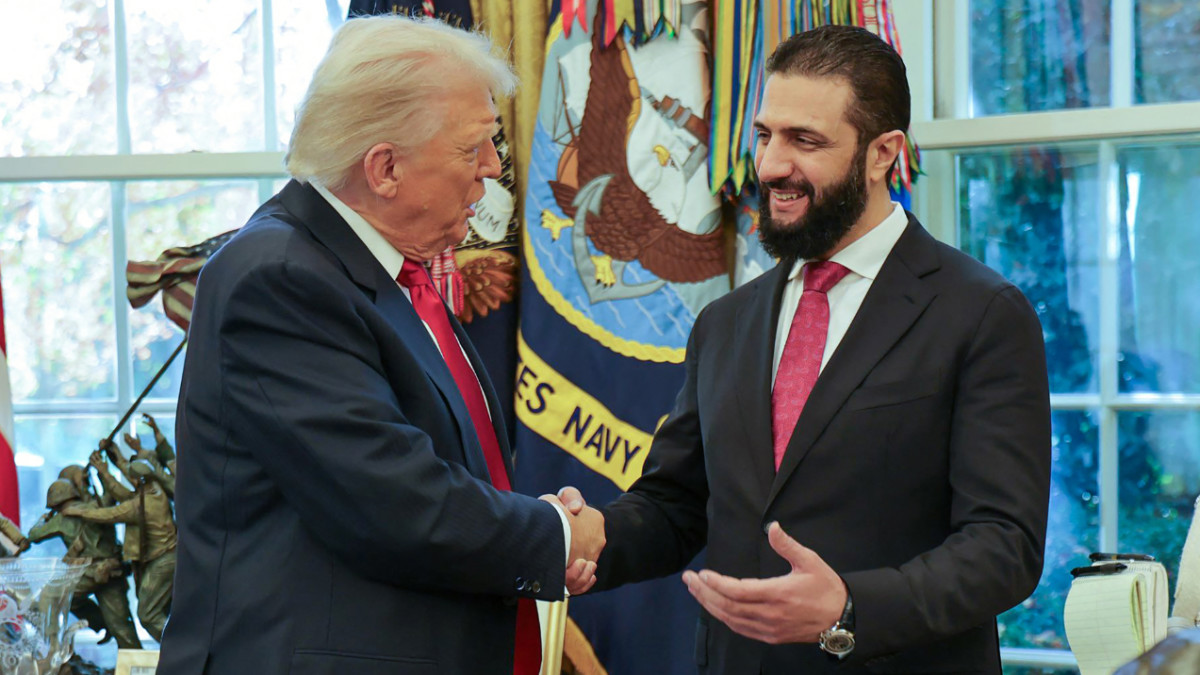
Ahmed al-Sharaa becomes first Syrian leader to visit the White House
In a historic turn of events, Syrian President Ahmed al-Sharaa, a former al-Qaeda member, made his first-ever visit to the White House on Monday, symbolizing a dramatic shift in US-Syria relations. Sharaa, who led the Islamist rebel group Hay’at Tahrir al-Sham (HTS) to overthrow longtime ruler Bashar al-Assad in December 2024, is the first Syrian leader to visit Washington since Syria’s independence from France in 1946. His visit underscores Damascus’s transformation from a US-designated sponsor of terror to a potential partner in regional stability. During the meeting, President Donald Trump praised Sharaa as a “strong leader” and pledged US support to make Syria “successful.” Sharaa’s government has been working to solidify security ties with the US, reassert control over Kurdish-dominated regions, and address Israeli attacks in the south. While Sharaa has faced skepticism from Egypt and the UAE due to his past, he has strengthened ties with Saudi Arabia and Qatar. The US is reportedly considering integrating Syria into its coalition against the Islamic State (IS) and may establish an air base south of Damascus to monitor a potential de-escalation agreement between Syria and Israel. Despite these diplomatic strides, Syria’s economy remains stagnant, with corruption and lingering sanctions deterring foreign investment. Trump has lifted some sanctions and is lobbying Congress to repeal the 2019 Caesar Sanctions, but progress has been slow. Sharaa’s visit, though cautiously handled by the White House, marks a significant step in reshaping Syria’s role in the Middle East.
-
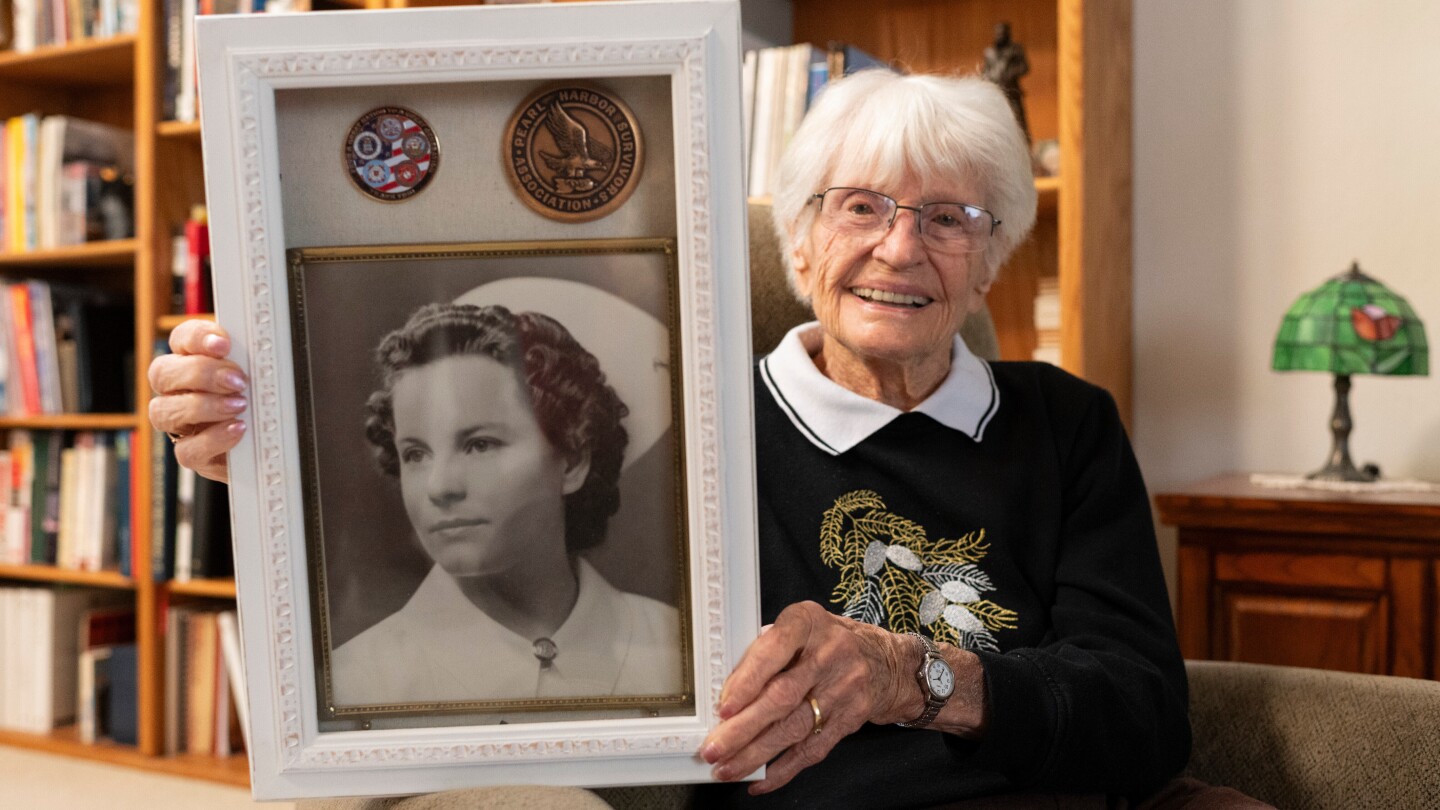
WWII nurses who dodged bullets and saved lives deserve Congressional honor, lawmakers say
At 106 years old, Alice Darrow vividly remembers her time as a nurse during World War II, a period marked by bravery and sacrifice. As part of a pioneering group of nurses, she risked her life to treat soldiers’ burns and gunshot wounds, often under enemy fire. Some nurses were killed, while others endured years as prisoners of war. Most returned home to lives of quiet obscurity, their contributions largely unrecognized. Now, eight decades after the war, a coalition of retired military nurses and advocates is campaigning to award the Congressional Gold Medal, one of the nation’s highest civilian honors, to all nurses who served in WWII. This effort aims to honor their courage and dedication, which saved countless lives.
-

Finding direction in Chinese martial arts
Jacob Brinnand’s life took a transformative turn when he discovered the profound world of Chinese martial arts. Growing up in the Bay Area, Brinnand was immersed in a vibrant Asian and Pacific Islander community where martial arts were deeply ingrained in the culture. Inspired by kung fu films like *Drunken Master II*, he sought authenticity in martial arts but struggled to find a mentor who could guide him to its true essence. This changed in 2005 when he met Y.C. Wong, a fourth-generation disciple of the legendary Wong Fei-hung, a Qing Dynasty martial artist renowned for his mastery of hung gar and drunk boxing, as well as his expertise in traditional Chinese medicine. Wong became Brinnand’s sifu (master), offering him not just martial arts training but also a path to self-discovery and purpose. Brinnand’s journey led him to China in 2007, where he participated in the 160th anniversary of Wong Fei-hung’s birth, performing alongside masters and living legends. This experience deepened his understanding of kung fu as a holistic practice encompassing health, strength, longevity, and community. Inspired by Wong’s teachings and Chinese philosophical texts like the *Tao Te Ching*, Brinnand left his successful marketing career to dedicate his life to martial arts. Today, he teaches hung gar in Houston, Texas, helping others find strength and fulfillment through this ancient art.
-
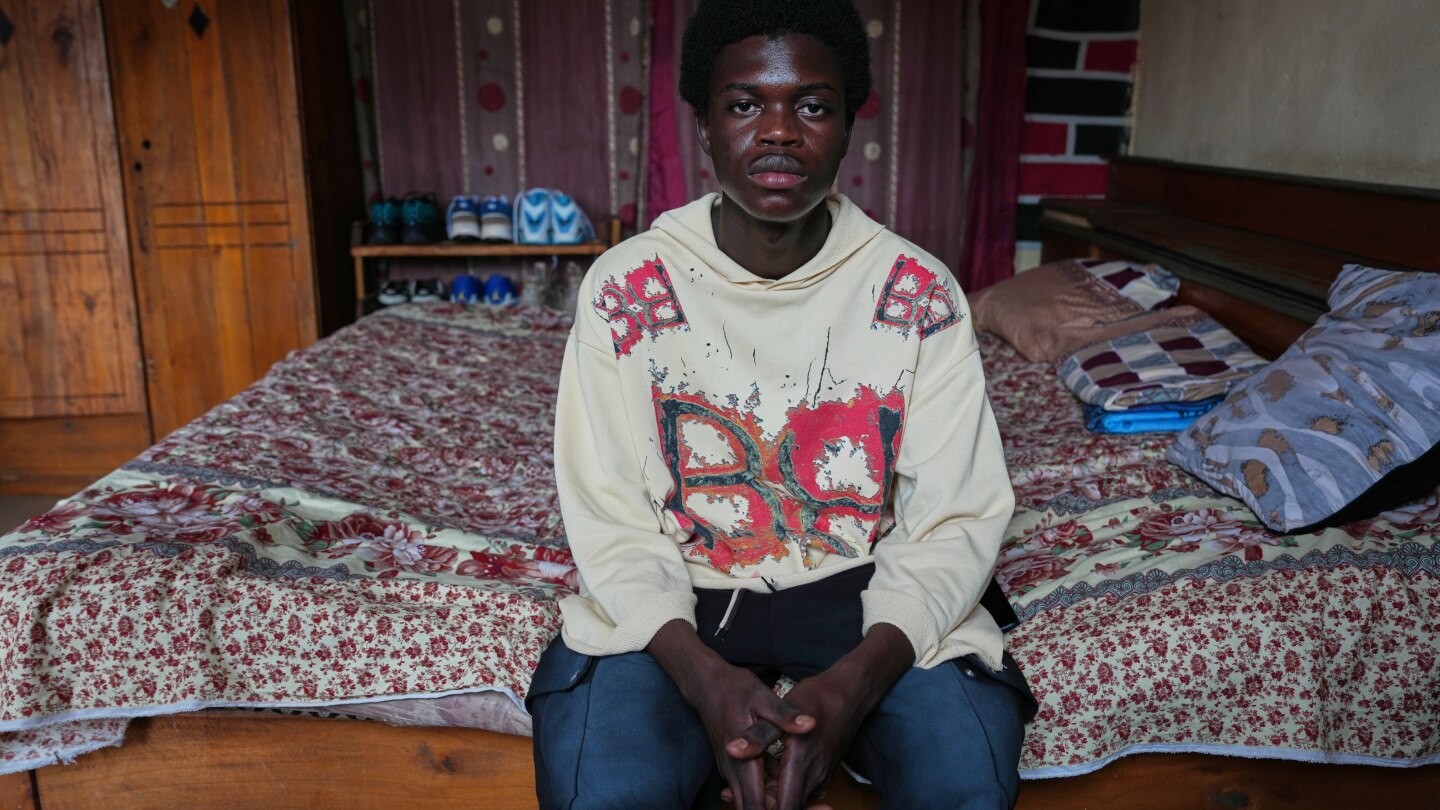
Takeaways from an AP report on a Europe-funded program returning African migrants
The European Union (EU) has allocated hundreds of millions of dollars to the International Organization for Migration (IOM) to assist tens of thousands of African migrants returning from unsuccessful journeys to Europe. However, investigations by The Associated Press reveal that many returnees in Gambia and Guinea claim they have received little to no promised economic or psychosocial support. Migration experts argue that the IOM’s efforts are insufficient, potentially fueling further migration attempts due to desperation. The IOM acknowledges concerns but cites high caseloads and incomplete documentation as reasons for delays. The EU has not provided detailed transparency on fund allocation, and a 2021 audit by the European Court of Auditors questioned the program’s effectiveness. Launched in 2016, the EU-funded IOM program aims to repatriate migrants and provide post-return assistance, including housing, medical care, and vocational training. Despite these goals, returnees report facing trauma, debt, and family shame without adequate support. A WhatsApp group of over 50 returnees highlights widespread frustration with the IOM’s unresponsiveness. Experts emphasize the need for better reintegration support, particularly in countries with weak state services. While the program has reduced irregular crossings into Europe, critics argue that its lack of transparency and accountability undermines its impact on vulnerable migrants.
-
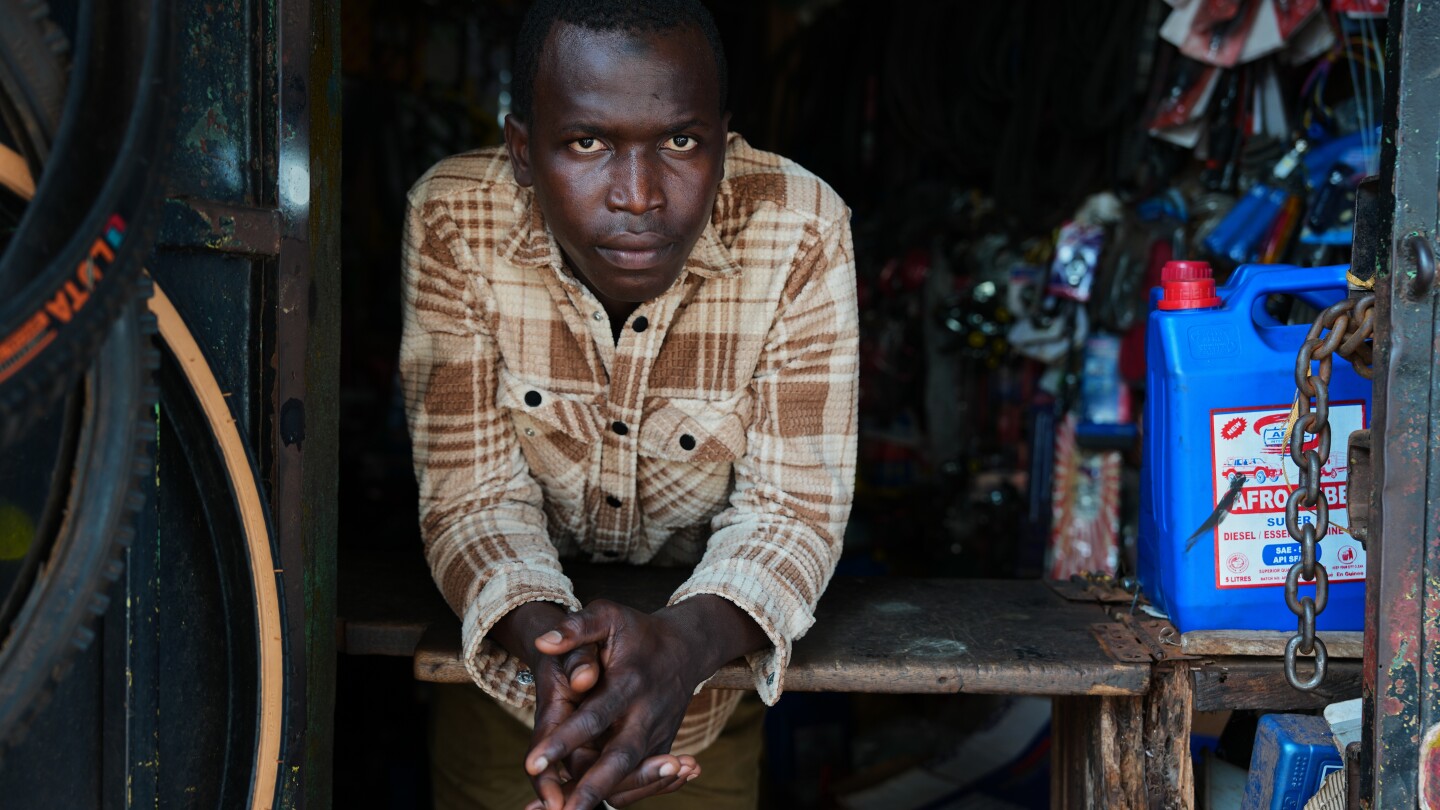
African migrants assert a Europe-funded program abandons them after returning them home
CONAKRY, Guinea (AP) — Oumar Bella Diallo, a 24-year-old Guinean, returned home in July after a harrowing year-long attempt to reach Europe. His journey was marked by police brutality, scams, and the haunting sight of fellow migrants perishing in the desert. Diallo is among tens of thousands of African migrants repatriated through the International Organization for Migration (IOM), a program funded by the European Union (EU) to curb migration. However, many returnees report unfulfilled promises of post-return assistance, leaving them to grapple with trauma, debt, and societal shame. The AP interviewed several returnees in Guinea and Gambia, who expressed frustration over the lack of follow-up support from the IOM. Diallo, for instance, sought help to start a small business but received only a phone number for a counselor and a brief orientation course. He also requested medical assistance for an injury sustained during his migration but was told it was unavailable. The IOM program, launched in 2016, has repatriated over 100,000 sub-Saharan migrants from North Africa and Niger. Despite a $380 million budget, with 58% allocated for post-return assistance, many returnees claim they have not received the promised support. Francois Xavier Ada of the IOM’s West Africa office acknowledged concerns over delays, attributing them to high caseloads or incomplete documentation. Experts, however, criticize the lack of transparency and accountability in the program’s implementation. The European Court of Auditors found that the program failed to demonstrate sustainable reintegration results during its first phase (2016-2021). Josephine Liebl of the European Council on Refugees and Exiles noted that the EU’s focus on returns overshadows the need for effective reintegration support. Returnees like Kabinet Kante, a 20-year-old Guinean, face additional challenges. Kante, who aspired to be a footballer in Germany, returned home after being intercepted at sea and abandoned in the desert. Despite his efforts to seek vocational training, the IOM has ignored his requests. Kante has since created a WhatsApp group for frustrated returnees and uses TikTok to warn others about the dangers of migration. The IOM program coincides with Europe’s broader efforts to deter migration, including paying African governments to intercept migrants—a practice criticized by human rights groups. While these efforts have reduced irregular crossings, experts argue that the lack of reintegration support in migrants’ home countries undermines the program’s effectiveness. Camille Le Coz of the Migration Policy Institute emphasized the need for access to social protection and labor markets. Despite the challenges, returnees like Diallo and Kante are not planning to migrate again soon, primarily due to financial constraints. However, the allure of Europe remains strong, and the visa process remains prohibitively expensive and uncertain for many. Elhadj Mohamed Diallo, a former migrant now working with the IOM, acknowledged the difficulties in preventing returnees from migrating again. ‘Migration is a natural thing,’ he said. ‘Blocking a person is like blocking the tide.’
-
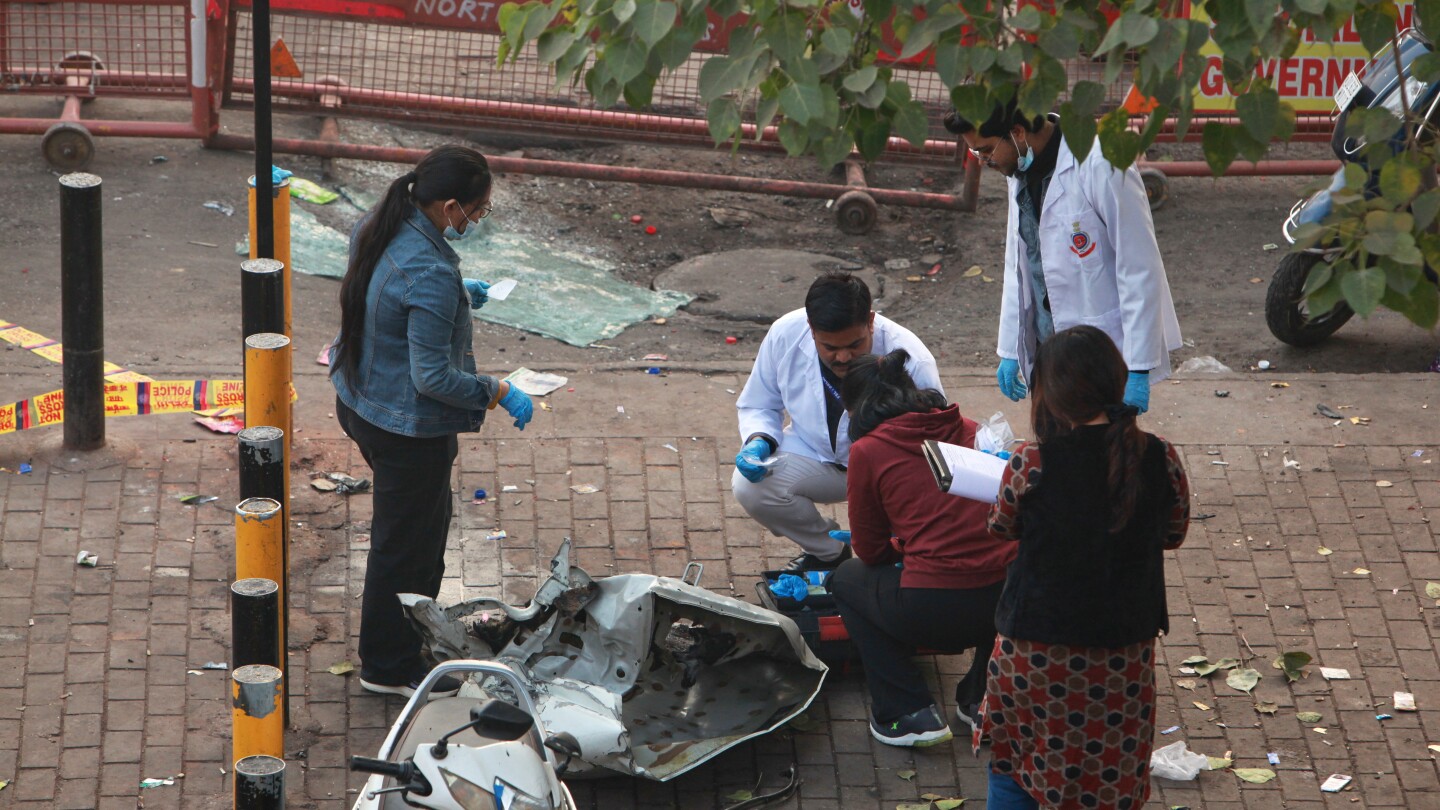
What we know about the car explosion near Delhi’s historic Red Fort that killed 8 people
A devastating car explosion near the historic Red Fort in New Delhi has left at least eight people dead and several others injured, prompting a high-level investigation under India’s anti-terrorism laws. The incident occurred late Monday evening when a Hyundai i20 vehicle, stopped at a traffic signal, suddenly exploded, igniting nearby cars and rickshaws. The blast caused widespread destruction, with shattered windows, twisted metal, and flames engulfing the area. Eyewitnesses described scenes of chaos, with body parts scattered across the site and vehicles reduced to wreckage. Authorities swiftly cordoned off the area as forensic teams and the National Investigation Agency (NIA) began probing the cause of the explosion. Home Minister Amit Shah emphasized that all possibilities, including terrorism, are being explored, with CCTV footage playing a crucial role in the investigation. In response to the incident, security alerts were heightened across major train stations, airports, and government buildings nationwide. The U.S. Embassy in New Delhi advised citizens to avoid crowded areas near the Red Fort, a significant tourist attraction and a symbolic location for India’s Independence Day celebrations. The explosion has raised concerns about public safety in one of the city’s busiest areas, known for its bustling bazaars and heavy foot traffic.