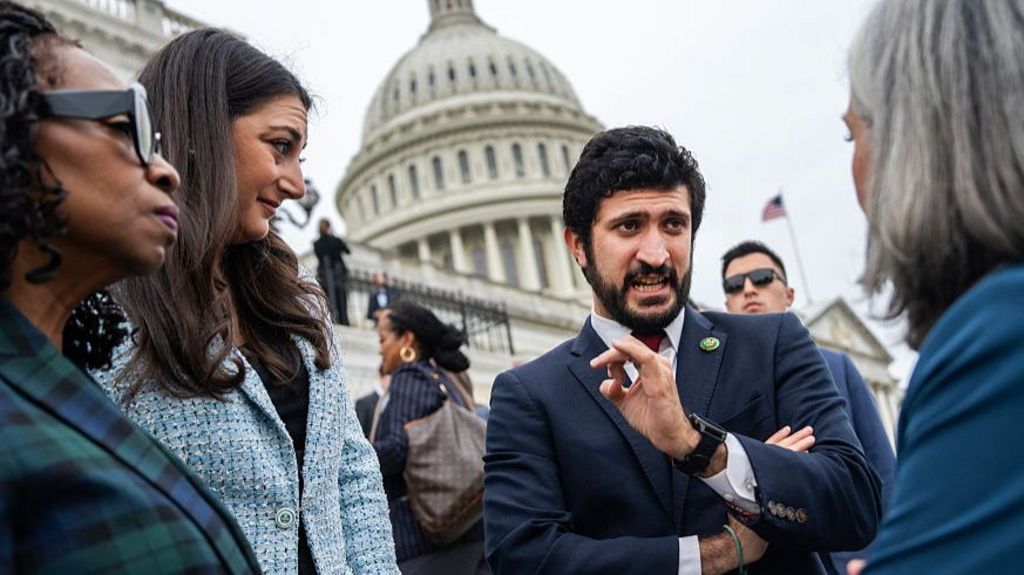
Following the US Senate’s approval of a spending bill to end the longest government shutdown in history, the focus now shifts to the House of Representatives, where a critical vote is expected this week. Unlike the Senate, House Republicans can pass the budget without Democratic support if they remain united, though the margin for error is exceptionally narrow. Key issues remain unresolved, particularly the Democrats’ push to renew tax credits that make health insurance more affordable for 24 million Americans. Senate Republicans have only agreed to a December vote on extending these subsidies, while House Speaker Mike Johnson has not committed to allowing a vote on the matter. This stance carries significant political risk for Republicans, as failing to extend the subsidies could lead to skyrocketing health insurance premiums, providing Democrats with a potent campaign issue for the upcoming midterm elections. Marjorie Taylor Greene, a conservative Republican from Georgia, has broken ranks with former President Donald Trump to warn against such a scenario. Meanwhile, Democrats, emboldened by recent election victories in Virginia, New Jersey, and New York City, face internal tensions between pragmatic and progressive factions. Progressive leaders like Senator Bernie Sanders and Congressman Greg Casar have criticized the budget deal, with Casar calling it a ‘betrayal’ of millions of Americans. Centrist Democrats, however, may cross party lines to support the bill. House Republicans, holding a slim majority, can only afford to lose two votes, with fiscal conservatives like Thomas Massie likely to oppose the package. The proposed deal would add $1.8 trillion annually to the national debt, a point of contention for fiscal hawks. As the House prepares to vote, logistical challenges, including flight delays and severe weather, further complicate the process.
作者: admin
-
Gulf Medical University’s Doctor of Veterinary Medicine Programme receives CAA approval
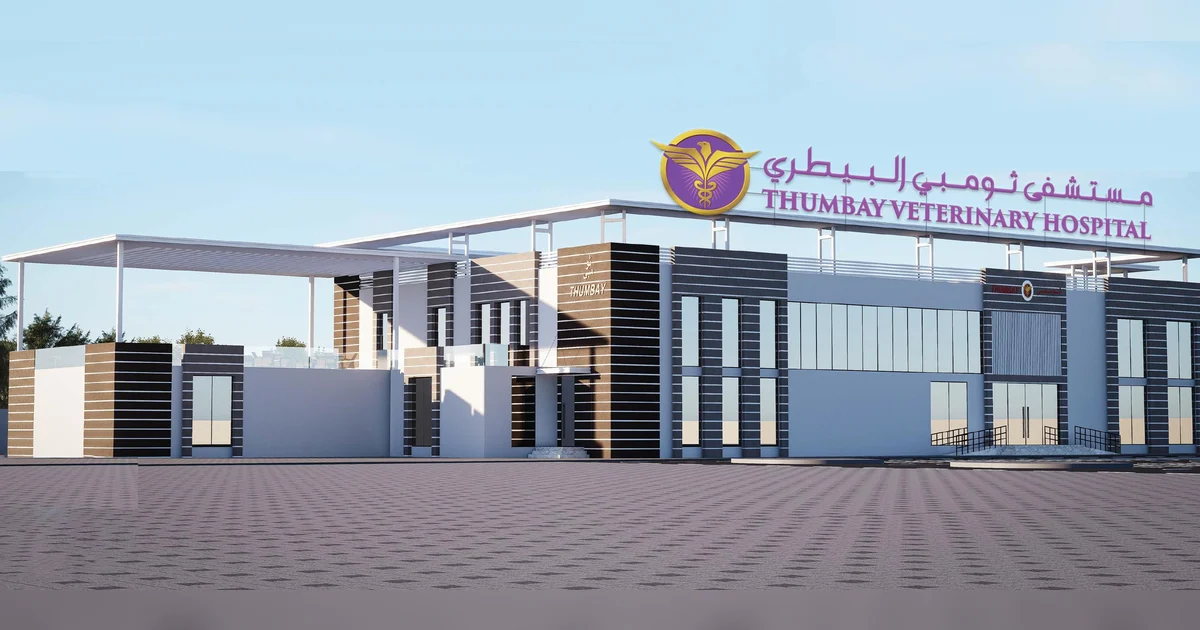
Thumbay Group has taken a significant leap forward in its mission to integrate human, animal, and environmental health by launching a comprehensive veterinary ecosystem under its One Health philosophy. This initiative, anchored by the newly approved Doctor of Veterinary Medicine (DVM) programme at Gulf Medical University (GMU), marks a pivotal moment in the UAE’s healthcare and education landscape. The programme, which has received initial accreditation from the Commission for Academic Accreditation (CAA), UAE, aims to address the region’s growing demand for veterinary expertise amid rising pet ownership, livestock health concerns, and food security challenges. The DVM programme will admit 60 students annually, offering a globally aligned curriculum supported by over 30 academic and industry partnerships. These collaborations include prestigious institutions such as the Royal Veterinary College in London and Don State Technical University in Russia, ensuring students gain access to advanced diagnostics, clinical rotations, and research opportunities. Thumbay Group’s broader veterinary ecosystem includes the Thumbay Veterinary Clinic in Sharjah, a forthcoming veterinary hospital in Thumbay Medicity, and additional clinics and labs across Dubai and Ras Al Khaimah. Professor Manda Venkatramana, Chancellor of GMU, emphasized the programme’s alignment with the One Health approach, which is increasingly recognized as a global necessity. The initiative not only prepares graduates for clinical practice but also supports the UAE’s development goals in public health, food security, and scientific innovation. With applications now open, the programme invites aspiring veterinarians to join this transformative journey towards a healthier, more interconnected world.
-
A timeline of the Trump speech controversy roiling the BBC and other recent scandals
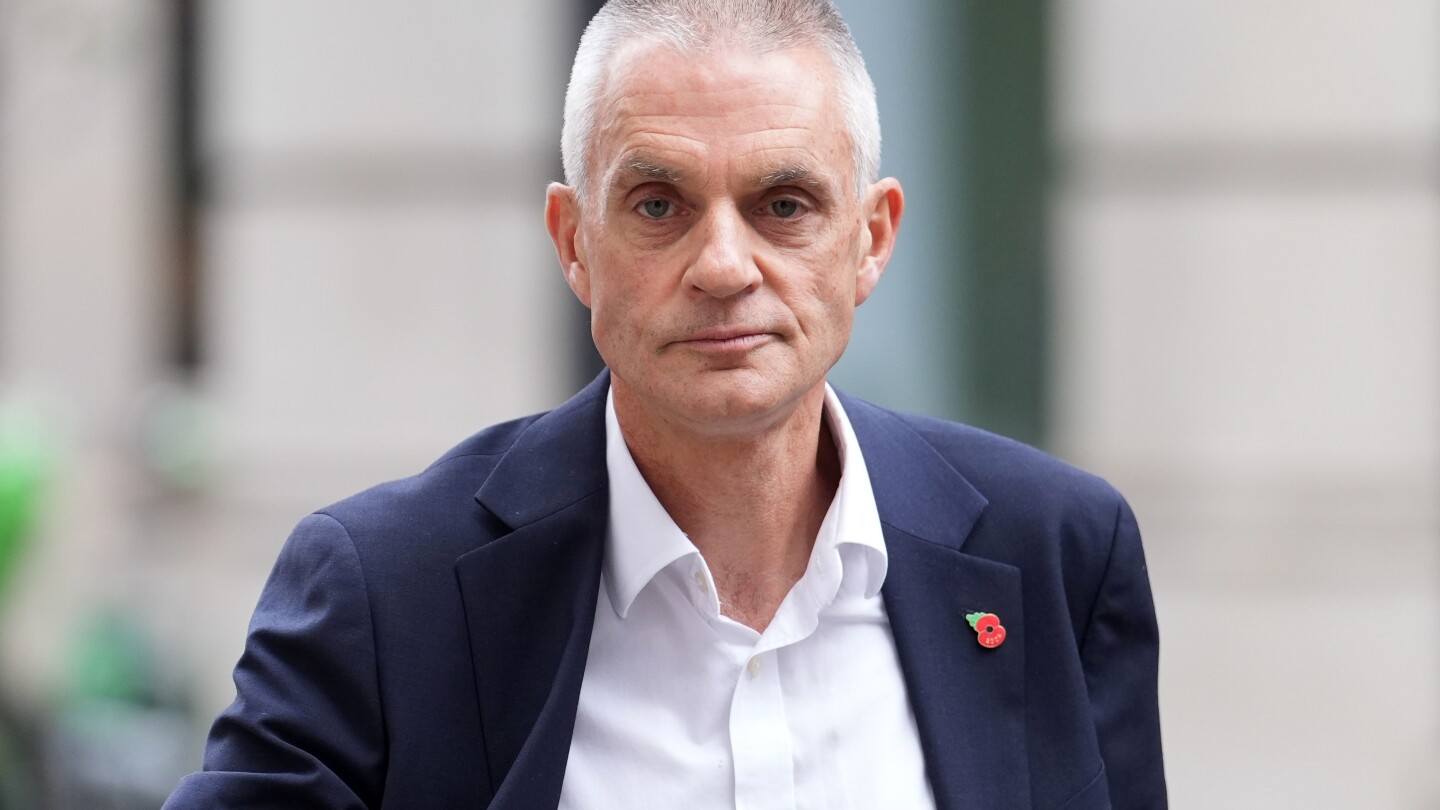
The British Broadcasting Corporation (BBC) is embroiled in its most severe crisis in years, following a series of controversies that have culminated in the resignation of its Director-General, Tim Davie, and head of news, Deborah Turness. The turmoil was sparked by accusations of biased editing in a documentary featuring former U.S. President Donald Trump’s speech on January 6, 2021. Trump has threatened legal action, demanding $1 billion in damages for what he termed “false, defamatory, and inflammatory statements.” The BBC’s chair, Samir Shah, has issued an apology for an “error of judgment” in the editing process. This incident is the latest in a string of scandals that have plagued the BBC under Davie’s leadership. These include the Martin Bashir scandal, where a journalist used fake documents to secure an interview with Princess Diana, and the suspension of high-profile presenter Huw Edwards over allegations of inappropriate conduct. The BBC has also faced criticism for its coverage of sensitive topics, including the Gaza conflict and transgender issues. The institution’s credibility is now under intense scrutiny, with concerns raised about institutional bias and editorial standards.
-
Russia contributes to building the global AI architecture
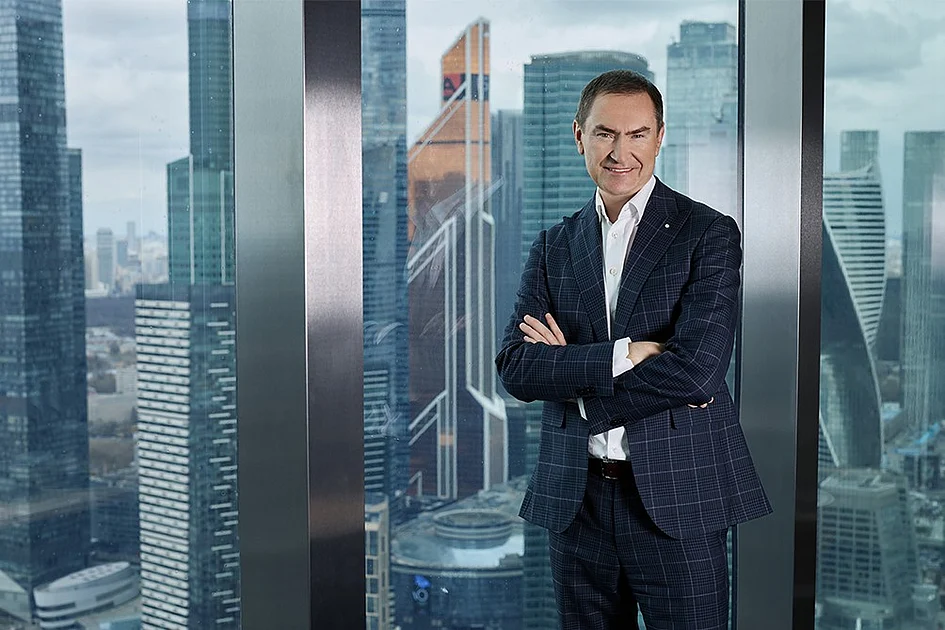
As artificial intelligence (AI) continues to reshape the global economy and society, Russia is emerging as a key player in fostering international collaboration and regulation in the field. Alexander Vedyakhin, Sberbank’s first deputy chairman of the executive board, highlights Russia’s leadership in the BRICS AI Alliance Network and its efforts to expand AI cooperation globally. Established in 2024, the AI Alliance Network unites 17 industry-specific associations from 14 countries, including BRICS+ members and nations like Azerbaijan, Belarus, and Serbia. In 2025, Russia chairs the Secretariat, spearheading the Global AI Horizons foresight research project, which involves over 200 scientists from 25 countries. The Alliance focuses on joint educational initiatives, AI regulation, and ethical frameworks, aiming to create a human-centered foundation for AI development. Efforts are underway to include Arab nations such as Bahrain, Egypt, and the UAE, whose cultural and linguistic diversity is crucial for AI’s global evolution. The BRICS+ AI Success Hub, in partnership with UNIDO, will serve as a platform for sharing AI implementation case studies. Russia also emphasizes the need for a unified global AI regulatory framework, advocating for safety, ethics, and innovation. The annual AI Journey conference, held in Moscow, further promotes AI research and dialogue, attracting global experts and young researchers. Russian AI solutions, such as GigaChat, are gaining traction in BRICS markets, supported by localization efforts and partnerships. The Russian AI Casebook, featuring over 600 implementation cases, showcases the country’s advancements in AI applications across industries. Harmonizing AI standards among BRICS members remains a priority to ensure seamless technology exchange and integration.
-
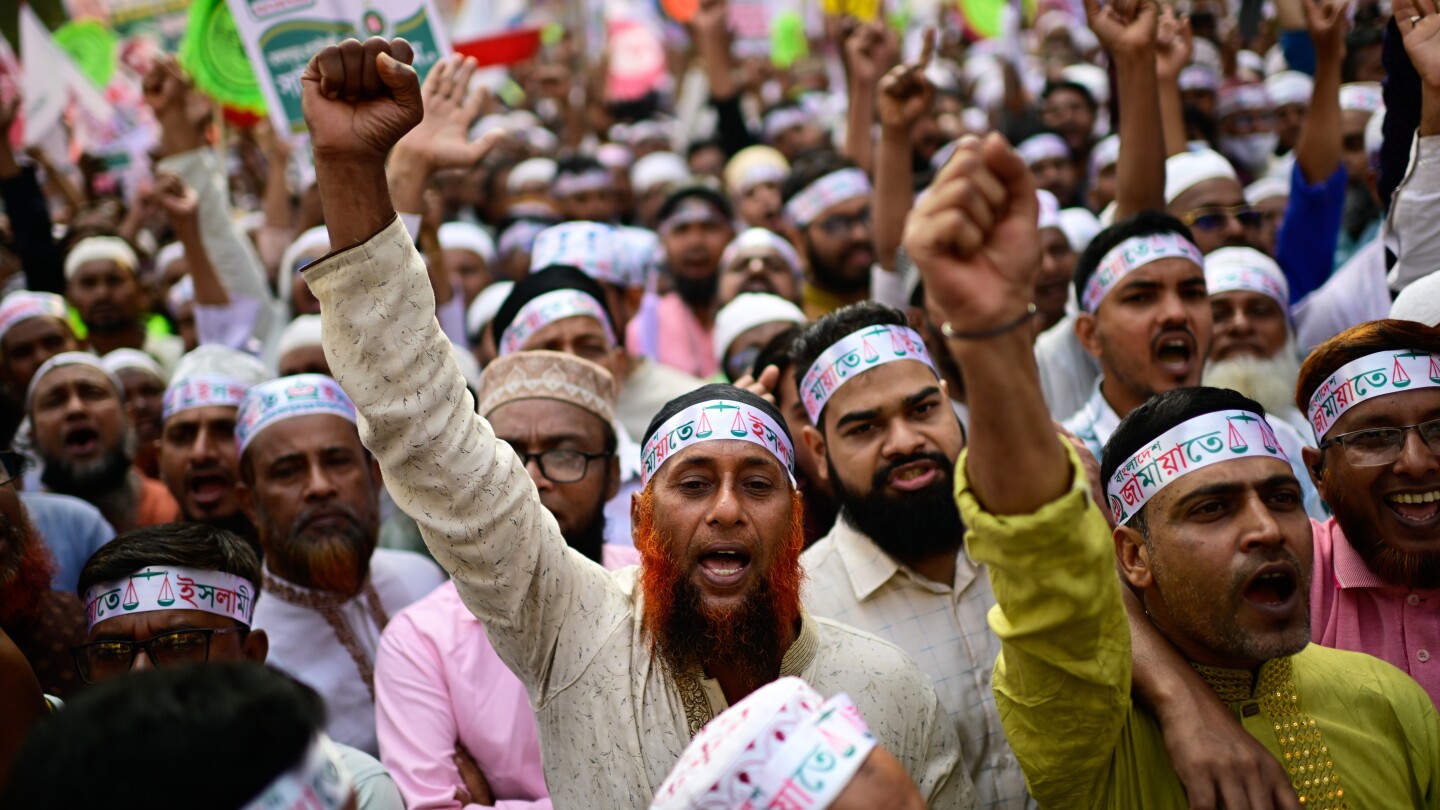
Islamists in Bangladesh demand a referendum on the national charter ahead of a general election
In Dhaka, Bangladesh, thousands of Islamist supporters gathered on Tuesday to demand the interim government legalize the ‘July National Charter,’ a proposed framework for political reforms. The rally, organized by the Jamaat-e-Islami party and seven other political groups, emphasized that the upcoming general election, slated for early 2026, cannot proceed without a legally binding roadmap for constitutional changes. The charter, named after the July 2024 uprising that led to the ouster of former Prime Minister Sheikh Hasina, aims to introduce checks and balances to prevent authoritarianism, including term limits for legislators and measures to combat corruption. Currently nonbinding, the charter requires a referendum to become part of the constitution, a process only Parliament can initiate in Bangladesh’s parliamentary democracy. The interim government, led by Nobel Peace Prize laureate Muhammad Yunus, proposed the roadmap following Hasina’s removal in August 2023. The Bangladesh Nationalist Party, headed by former Prime Minister Khaleda Zia, has endorsed the charter, while Hasina’s Awami League remains banned, and she faces trial for alleged crimes during last year’s uprising. Supporters at the rally insisted that the 2026 election must be conducted under a proportional representation system and that the charter must be legally binding. Meanwhile, a special tribunal is set to announce a verdict date for Hasina’s trial on Thursday, as Bangladesh’s political future remains uncertain under Yunus’s leadership.
-
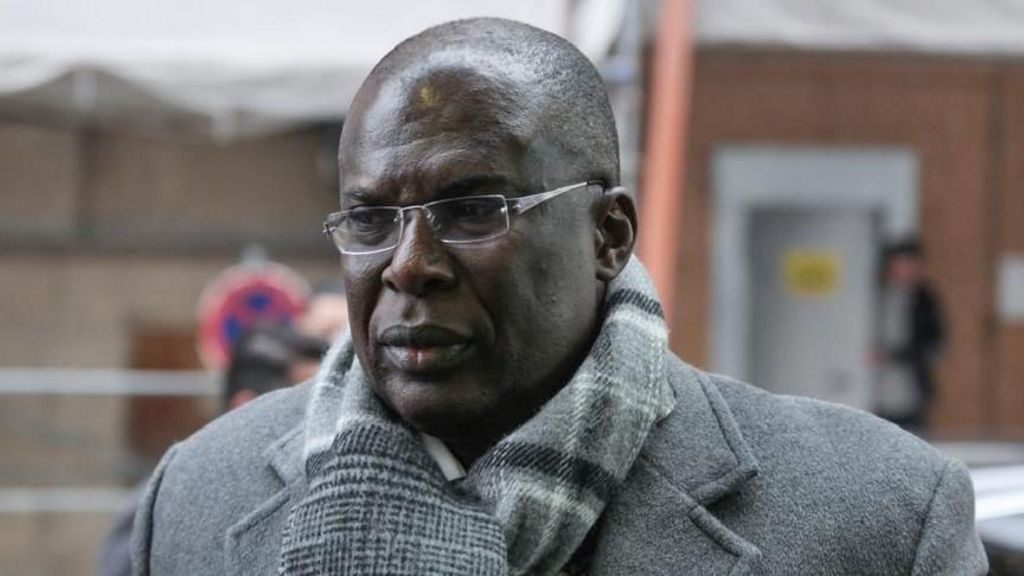
Anger over ‘wanted notice’ for Nigeria’s ex-oil minister Timipre Sylva
Nigeria’s former oil minister, Timipre Sylva, has been issued an arrest warrant by the country’s anti-corruption agency, the Economic and Financial Crimes Commission (EFCC), over allegations of diverting $15 million in public funds intended for an oil refinery project. Sylva’s spokesperson, Julius Bokoru, has dismissed the charges as politically motivated, asserting that the refinery project was legitimate and fully documented. Bokoru revealed that Sylva is currently in the UK for a medical check-up and plans to engage with the EFCC upon his return. He criticized the agency for not contacting Sylva directly and accused them of using social media to ‘inflame public sentiment’ by issuing a ‘wanted notice.’ The EFCC’s notice follows a warrant issued by a High Court in Lagos last Thursday. Sylva, who served as petroleum minister from 2019 to 2023 under former President Muhammadu Buhari, has a long political history, including a term as governor of Bayelsa state, a key oil-producing region. The case has sparked debate over the transparency of Nigeria’s anti-corruption efforts and the potential politicization of such investigations.
-
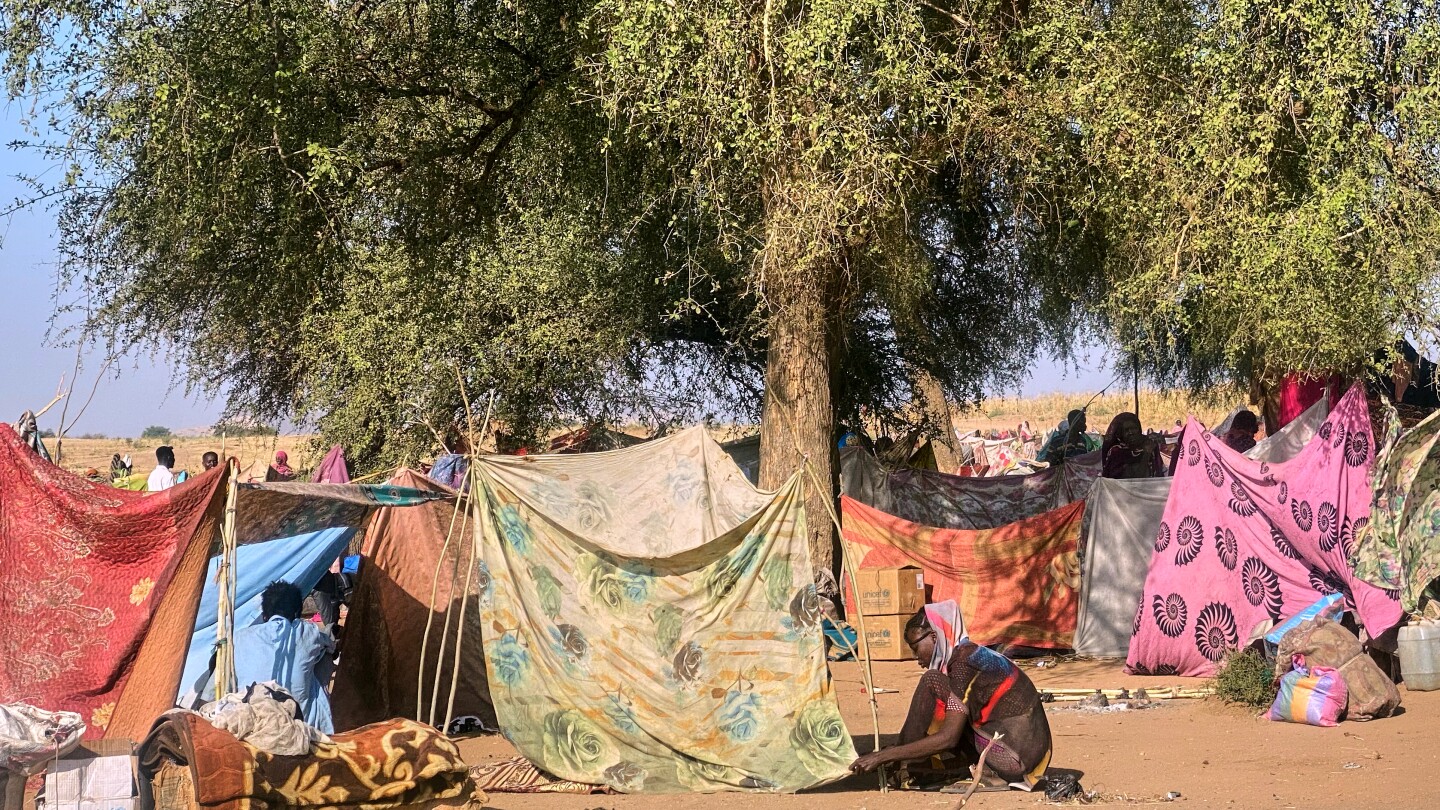
Sudan relief operations are ‘on the brink of collapse,’ UN migration agency warns
The International Organization for Migration (IOM) issued a stark warning on Tuesday, highlighting the dire state of humanitarian operations in Sudan’s war-torn North Darfur region. The agency emphasized that unless immediate funding and secure access for relief supplies are guaranteed, aid efforts could grind to a complete halt.
-
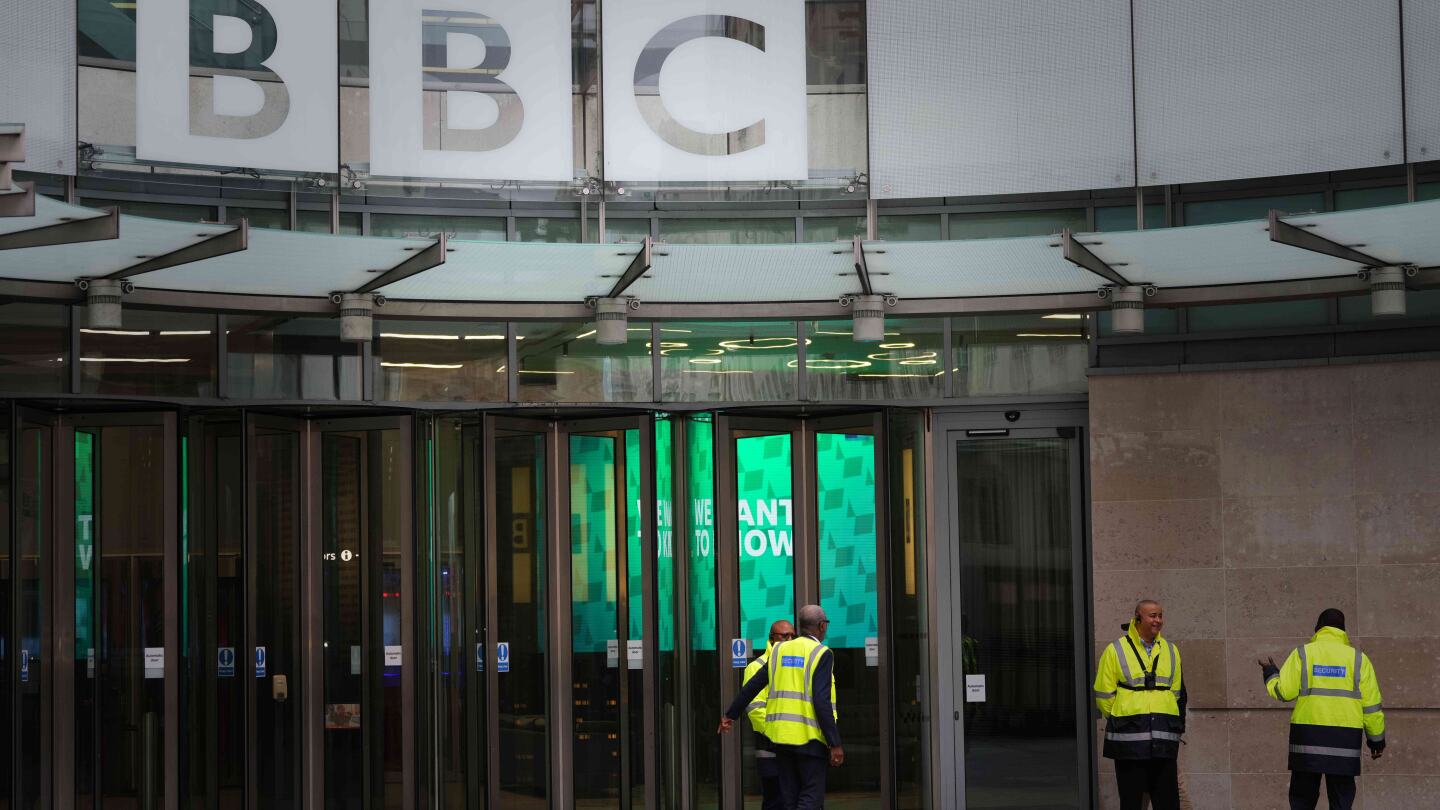
UK government is caught up in a feud between Trump and the BBC
The UK government has stepped into the escalating dispute between the BBC and former U.S. President Donald Trump, who is threatening legal action over the broadcaster’s editing of his post-2020 election speech. Culture Secretary Lisa Nandy is set to address the issue in the House of Commons, as critics demand significant reforms to the BBC while supporters urge the government to shield the public broadcaster from political interference. The controversy has already led to the resignation of BBC Director-General Tim Davie, who acknowledged the organization’s mistakes but emphasized the need to defend its journalism. Trump’s lawyer has demanded a retraction, apology, and compensation for what he claims is a defamatory portrayal in a documentary aired last year. The BBC has admitted to misleading editing in the documentary, which spliced together quotes from Trump’s speech, creating the impression of a direct call for violence. The broadcaster, funded by an annual license fee, faces mounting pressure in an era of polarized politics and shifting media consumption. While the Labour Party government has supported the BBC, it has also stressed the importance of correcting errors to maintain public trust.
-
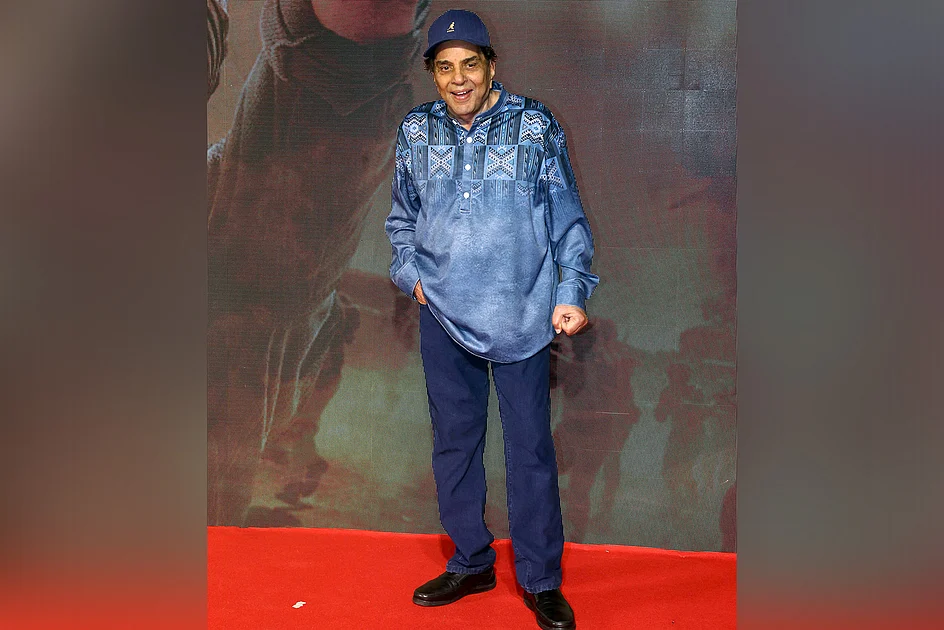
Esha Deol denies father Dharmendra’s death reports by media
In a heartfelt Instagram post on Tuesday, Bollywood actress Esha Deol vehemently denied widespread media reports claiming the demise of her father, veteran actor Dharmendra. Addressing the public, Esha clarified that her father is “stable and recovering” and urged the media to refrain from spreading unverified news. She also requested respect for her family’s privacy during this challenging period. The false reports had earlier led to confusion, with Indian Defence Minister Rajnath Singh even tweeting condolences, which were later deleted. Esha’s statement aimed to quell the rumors and provide clarity amidst the misinformation circulating online. The incident highlights the need for responsible journalism, especially when dealing with sensitive personal matters involving public figures.
-
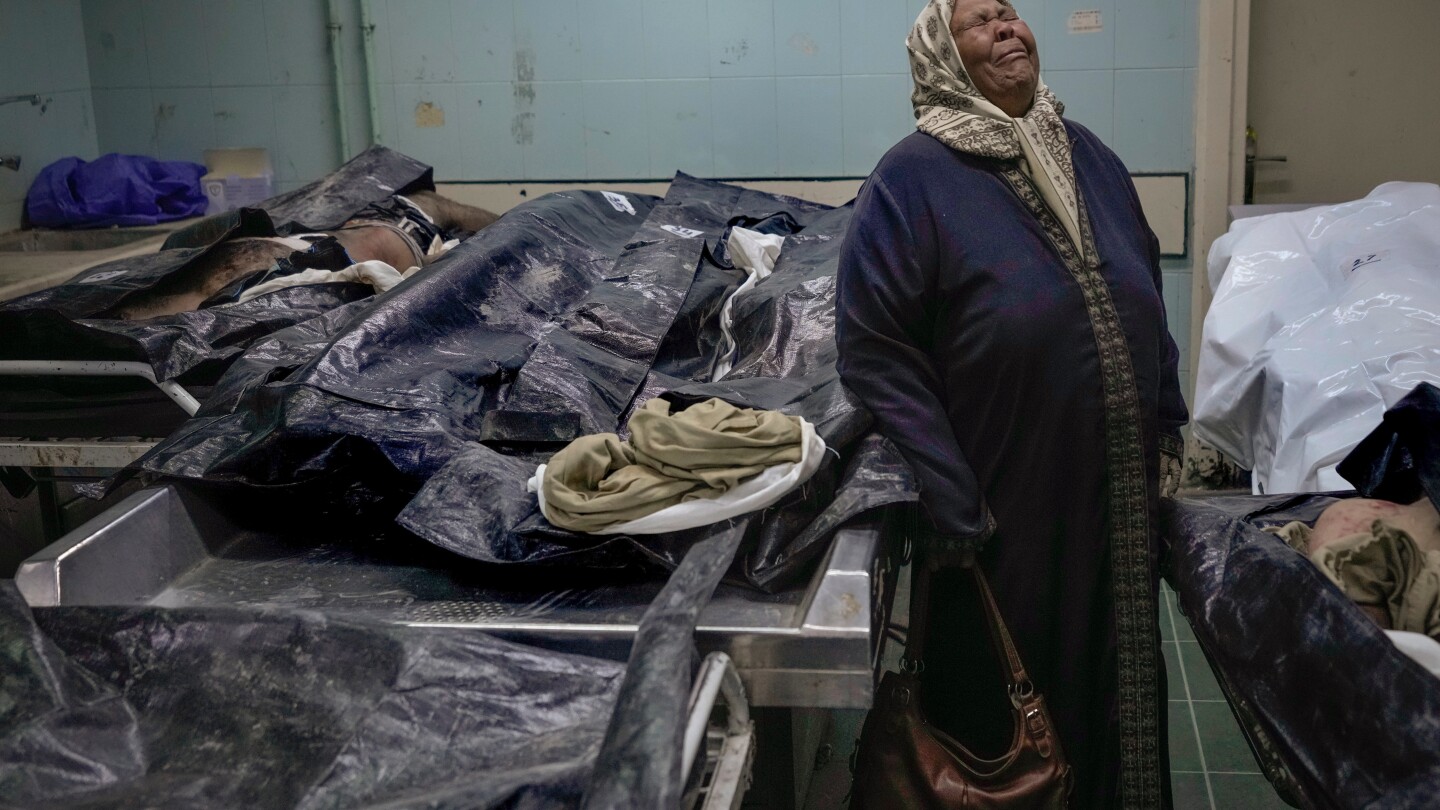
Exiled Syrian opens up about death-defying smuggling operation that showed proof of Assad’s cruelty
In a daring act of defiance against the Syrian dictatorship, Ussama Uthman, now 59, and his brother-in-law Farid al-Mazhan risked their lives to smuggle out over 53,000 photographs documenting the systematic torture and extrajudicial killings ordered by President Bashar Assad’s regime. The operation, known as the Caesar Files, began in 2011 during the Arab Spring, when protests in Syria were met with brutal government crackdowns. Uthman, a construction engineer, and al-Mazhan, a military police officer, secretly coordinated to gather and transport evidence of the regime’s crimes, including images of broken bodies and torture sites. The photos, which began appearing online in 2014, spurred international condemnation, U.S. sanctions, and legal actions against former Syrian officials. Uthman and his family eventually fled to France, where they continued their mission to expose Assad’s atrocities. Despite the fall of Assad’s regime in a surprise rebel offensive last year, the team remains committed to seeking justice for the victims and their families. Their efforts have provided crucial evidence for prosecuting war crimes and helping Syrians uncover the fates of their missing loved ones. The Caesar Files team, now expanded to 60 members, continues to document new evidence, ensuring that Assad’s crimes are not forgotten.