
Asian stock markets experienced significant declines on Tuesday, with major indices in Tokyo and Seoul plummeting over 3%, mirroring a broader sell-off in U.S. markets driven by artificial intelligence (AI)-related stocks. The downturn was fueled by concerns over inflated valuations of tech companies, particularly Nvidia, which is set to release its earnings report on Wednesday. U.S. futures also dipped, with the S&P 500 contract down 0.6% and the Dow Jones Industrial Average futures falling 0.4%.
作者: admin
-
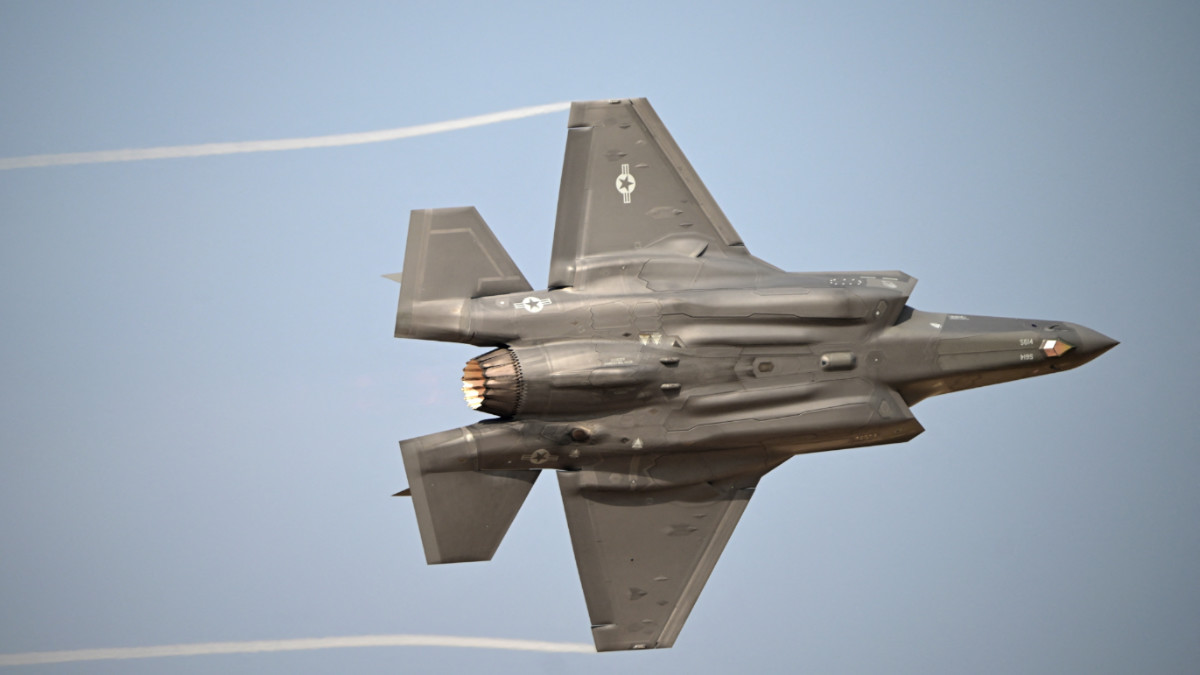
US will sell F-35 warplanes to Saudi Arabia, Trump says
The United States has confirmed its intention to sell F-35 fighter jets to Saudi Arabia, as announced by President Donald Trump. This decision marks a significant arms deal ahead of Crown Prince Mohammed bin Salman’s visit to Washington. Trump emphasized Saudi Arabia’s status as a key ally, stating, ‘They want to buy. They have been a great ally.’ The deal, potentially involving up to 48 F-35s, follows a $142 billion defense agreement signed during Trump’s visit to the kingdom in May 2023. However, the sale faces opposition from two major groups: Israel and certain US defense and intelligence officials. Israel has historically opposed such sales, fearing a compromise of its military edge, while US officials worry about the potential for China to access sensitive technology. Despite these concerns, experts suggest that the US can mitigate risks by limiting the technology included in the sale. Saudi Arabia, undergoing economic diversification, remains a lucrative market for US defense exports, even as it scales back ambitious projects like the Neom mega-city. The kingdom’s sovereign wealth fund has also reduced its stakes in several US companies, signaling a strategic shift in its investment priorities.
-
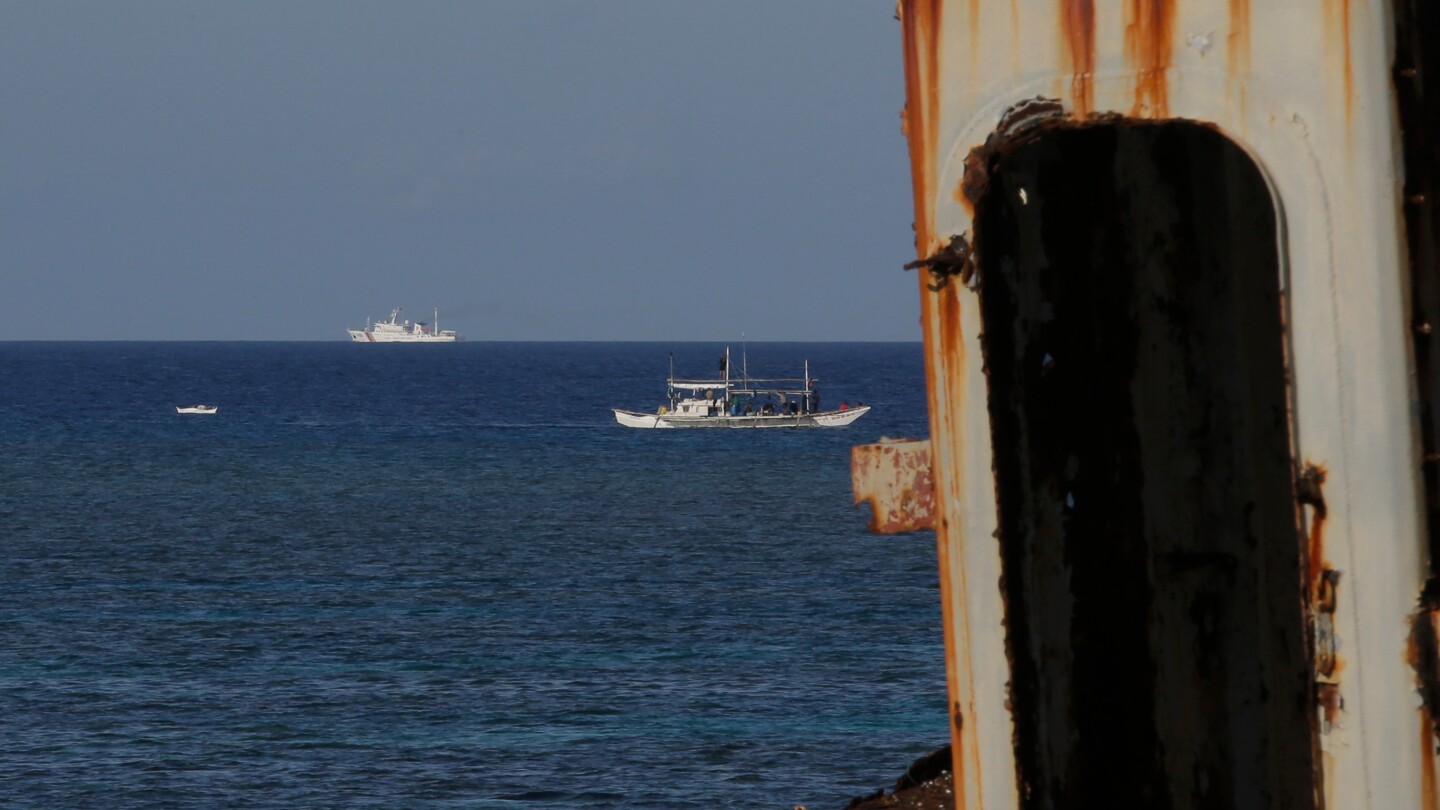
Chinese ship jams communications as Filipino forces deliver supplies to Philippines-occupied shoal
In a tense maritime operation, Philippine forces successfully transported essential supplies and personnel to the Second Thomas Shoal, a disputed territory in the South China Sea, despite interference from Chinese government ships. The mission, conducted on Friday, saw the Armed Forces of the Philippines deliver food, fuel, and a fresh batch of navy personnel to the BRP Sierra Madre, a grounded warship serving as a territorial outpost. Chinese Coast Guard vessels, which have long guarded the periphery of the shoal, reportedly jammed communications during the operation, ostensibly to prevent potential drone surveillance by the United States or other foreign forces. Philippine officials confirmed the mission was completed without incident, though they spoke anonymously due to the sensitivity of the issue. China, which claims sovereignty over the shoal and much of the South China Sea, has repeatedly demanded the removal of the Sierra Madre. The two nations had previously signed a temporary nonaggression agreement in July 2024 to avoid confrontations in the area. However, tensions have persisted, with China deploying additional coast guard and militia ships to the shoal in August, some equipped with advanced weaponry. The Philippines has conducted 12 such supply missions since last year, all without incident. The South China Sea remains a flashpoint for regional disputes, with Vietnam, Malaysia, Brunei, and Taiwan also laying overlapping claims. The U.S., while not claiming the waters, has pledged to defend the Philippines, its oldest Asian ally, in the event of armed conflict.
-
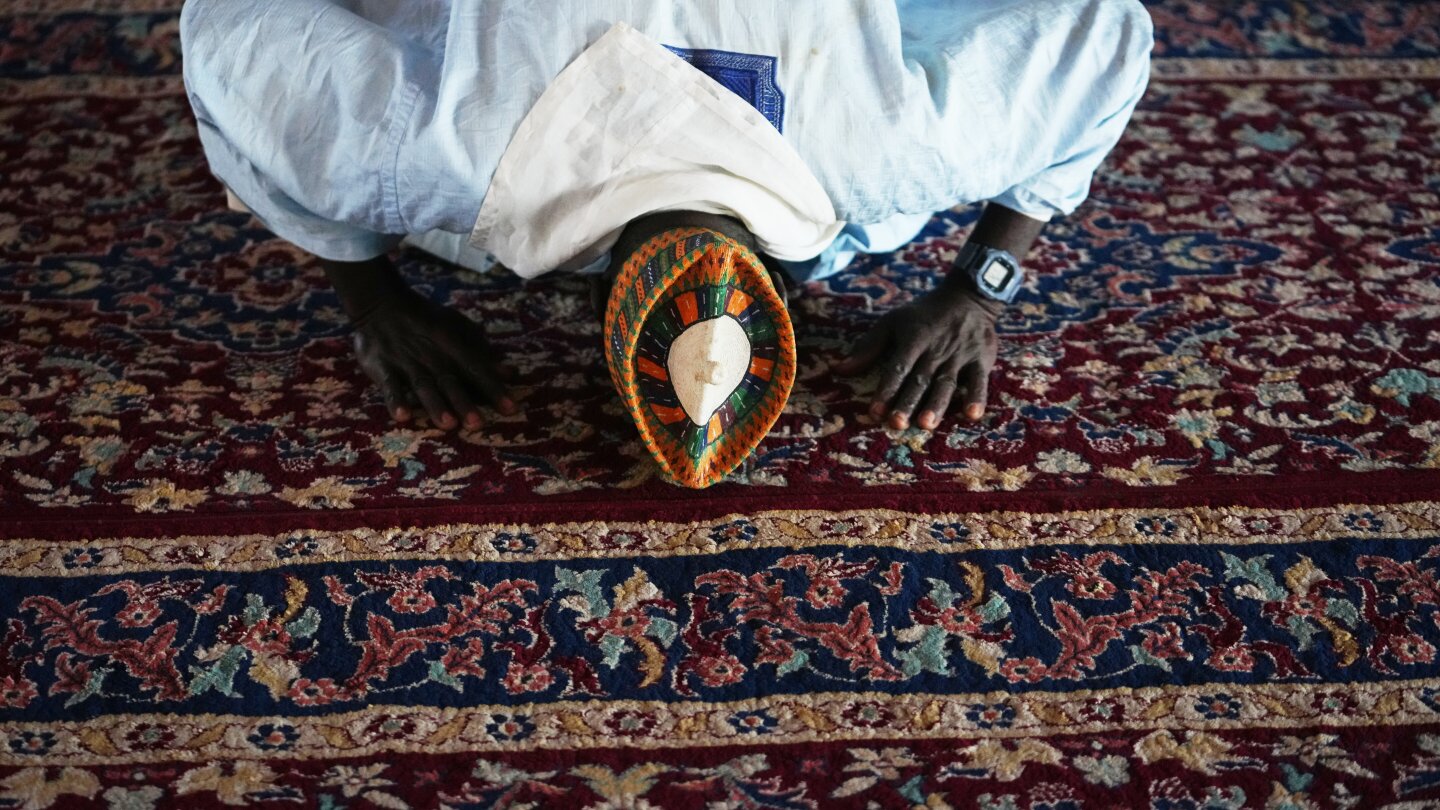
Takeaways from AP’s report on the violence in northern Nigeria
Northern Nigeria has been engulfed in a prolonged security crisis, marked by widespread violence that has drawn international attention. U.S. President Donald Trump has specifically criticized Nigeria for what he describes as the “killing of Christians” by “radical Islamists.” While victims and church leaders affirm that Christians face persecution, many experts and residents argue that the situation is more complex. The violence, they say, spares no one, regardless of religious affiliation.
-
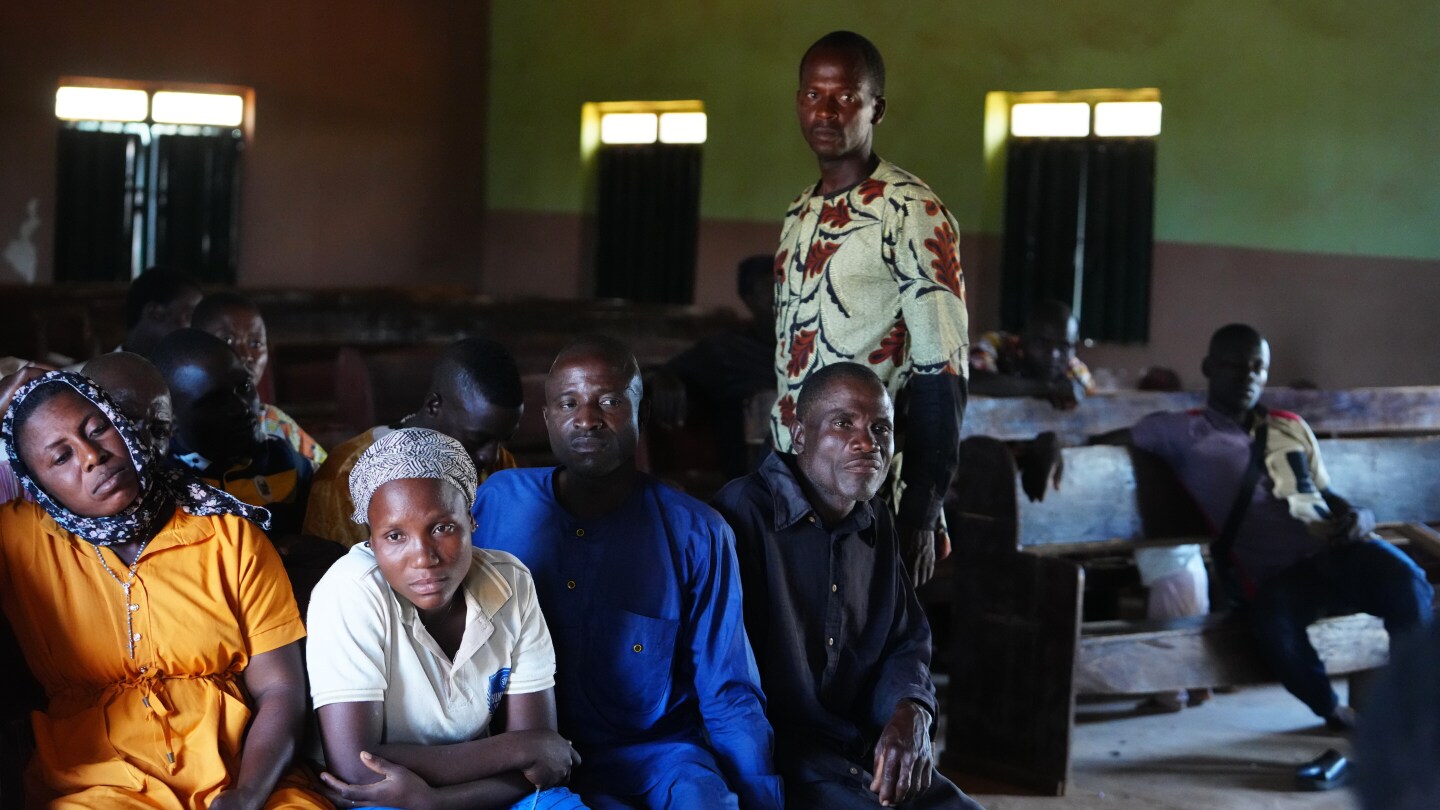
In the violence plaguing Nigeria, many say everyone — Christian or Muslim — is a potential victim
In the remote village of Ligari, nestled in Nigeria’s northwestern Kaduna state, a harrowing incident unfolded during a church service in November 2024. Armed gunmen on motorcycles stormed the gathering, firing indiscriminately and abducting at least 62 individuals, including the pastor and several children. The hostages were forcibly marched into the bush, enduring a grueling two-day trek to a forest hideout, where they were held captive for nearly a month. Families, desperate for their loved ones’ release, sold farmland, livestock, and motorcycles to meet the kidnappers’ ransom demands. The hostages faced severe deprivation, with little food or sleep, and were pressured to renounce their Christian faith. Tragically, two hostages were killed during the ordeal. Four survivors recounted their experiences to The Associated Press, highlighting the trauma and resilience of their community. This attack is emblematic of the broader security crisis plaguing Nigeria’s north, where violence has become a grim reality for many. Just days after the Ligari incident, gunmen abducted 25 schoolgirls from a boarding school in Kebbi, killing at least one staff member. The pervasive violence has left nearly every household in Ligari mourning a lost or abducted relative. While U.S. President Donald Trump has framed the crisis as a targeted persecution of Christians by radical Islamists, local voices and experts paint a more complex picture. Many argue that the violence is indiscriminate, affecting both Christians and Muslims alike. Abdulmalik Saidu, a Muslim resident of Zamfara state, recounted how his brother was killed during a highway kidnapping, emphasizing that the attackers’ primary motive is financial gain rather than religious ideology. Similarly, Imam Idris Ishaq of Kaduna shared the loss of multiple family members to violence, underscoring the shared suffering across faiths. Nigeria’s security challenges are exacerbated by rampant corruption, inadequate law enforcement, and porous borders that facilitate the flow of weapons to criminal gangs. In the northeast, Boko Haram and its offshoots continue their insurgency, while in the northwest, rogue gangs terrorize villages and farming communities. The Ligari community, located just 20 kilometers from Kaduna’s capital, remains vulnerable due to its remote location and lack of security infrastructure. Despite the dire circumstances, some villagers have struck deals with gangs to access their farmlands, a testament to their desperation. The Nigerian government’s failure to address the crisis has drawn criticism, with some viewing Trump’s threat of military intervention as a potential catalyst for change. However, analysts caution that the situation requires nuanced solutions, as the violence transcends religious divides and reflects deeper systemic issues. As Nigeria grapples with this ongoing crisis, the resilience of its people remains a beacon of hope amidst the darkness.
-

Murderer sues for right to eat Vegemite in prison
A convicted murderer in Australia is taking legal action against the state of Victoria’s ban on prisoners consuming Vegemite, arguing that the prohibition violates his human right to embrace Australian culture. Andre McKechnie, 54, has filed a lawsuit in the Supreme Court of Victoria, targeting the Department of Justice and Community Safety and Corrections Victoria. The case, set for trial next year, seeks a declaration that the ban breaches the Charter of Human Rights and Responsibilities Act and the Corrections Act, which mandates adequate food for prisoners’ well-being. McKechnie also demands the court overturn the Vegemite ban, asserting it should be reconsidered in accordance with the law. Vegemite, a yeast-based spread iconic in Australian cuisine, has been prohibited in Victorian prisons since 2006 due to concerns it interferes with narcotic detection dogs and its potential use in alcohol production. Inmates have reportedly used Vegemite to mask the scent of illicit drugs, prompting the ban. Despite its polarizing taste, Vegemite holds cultural significance in Australia, often marketed as a source of vitamin B and a staple in breakfast meals. The lawsuit has sparked controversy, with victims’ rights advocates criticizing it as frivolous and insensitive to crime victims and their families. McKechnie, serving a life sentence for the 1994 murder of Otto Kuhne, has spent the past decade in maximum-security Port Phillip Prison. His legal team has not commented on the case.
-
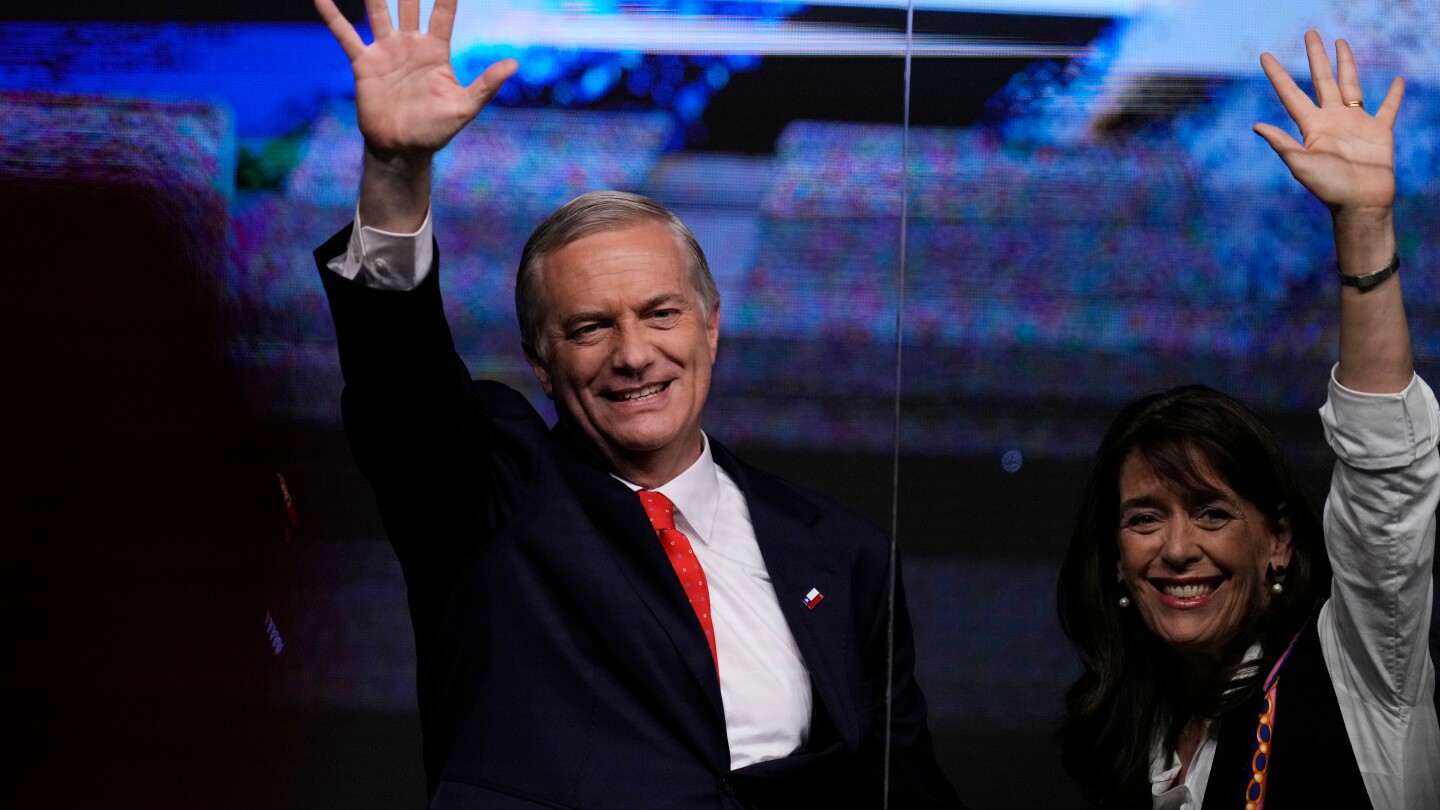
Chile’s most polarized presidential race in decades boosts the right and divides immigrants
Chileans are poised to make a pivotal decision in their nation’s democratic history as they prepare to vote in a presidential runoff next month. The election pits hard-right candidate José Antonio Kast against communist Jeannette Jara, presenting a stark ideological divide. Neither candidate secured the required 50% in the initial vote, but Kast enters the second round with momentum after right-wing parties garnered an unprecedented 70% of the vote. Kast, an ultraconservative lawyer, has campaigned on promises to deport undocumented immigrants and restore order, while Jara represents a leftist vision focused on social welfare and progressive policies. The election has particularly high stakes for Chile’s 1.5 million immigrants, including hundreds of thousands of Venezuelans who fled their homeland’s socialist regime. Many immigrants, ineligible to vote, face the prospect of deportation under Kast’s proposed policies. The runoff also reflects broader regional trends, as Latin America shifts toward right-wing leadership amid rising concerns over crime and economic instability. Kast’s admiration for authoritarian figures like Donald Trump and Nayib Bukele has drawn both support and criticism, while Jara’s communist ties evoke fears of Chile’s autocratic past. The outcome of this election will shape Chile’s future, determining whether it leans toward conservative law-and-order policies or progressive social reforms.
-
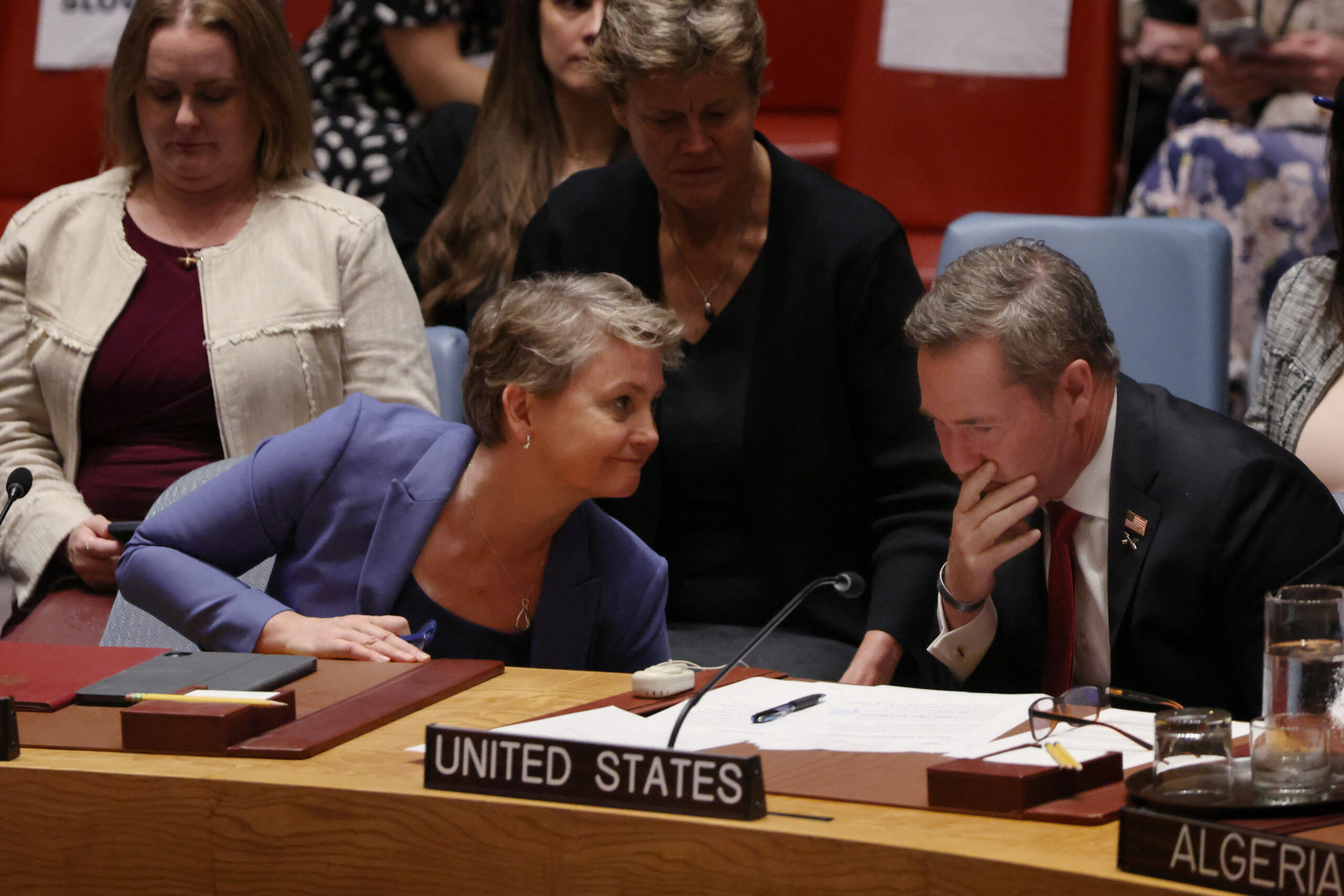
UN adopts US plan for Gaza, including line on Palestinian statehood
The United Nations Security Council (UNSC) has approved a US-backed resolution outlining President Donald Trump’s vision for Gaza’s future, including a contentious reference to the possibility of a Palestinian state. The resolution, UNSC 2803, passed with 13 votes in favor and abstentions from Russia and China. Israel, though present at the meeting, was not eligible to vote. The resolution suggests that Palestinian self-determination and statehood could be achievable if the Palestinian Authority (PA) implements reforms and Gaza’s redevelopment progresses. Despite Israel’s last-minute efforts to remove references to Palestinian statehood, the US maintained the language, signaling its commitment to maintaining ties with key Muslim allies. The resolution also proposes the creation of an ‘International Stabilisation Force’ for Gaza, modeled after the UN-backed force in Haiti. However, the plan has faced criticism for excluding Palestinian participation and imposing foreign governance. Russia had proposed an alternative resolution, emphasizing the formation of a Palestinian state encompassing Gaza and the West Bank. The US resolution builds on Trump’s 20-point plan for Gaza, with a ‘Board of Peace’ chaired by Trump overseeing the security force. Critics argue that the resolution perpetuates occupation rather than fostering self-governance. The adoption of the resolution marks a significant shift for the Trump administration, which has historically been hostile toward the UN. Arab and Muslim states view this as a victory, as they seek to avoid being seen as occupiers on Israel’s behalf. The resolution’s implementation remains uncertain, with Israel already accused of breaching the ceasefire over 250 times.
-

Naomi Osaka withdraws from the Auckland WTA event to play for Japan at the United Cup
Tennis star Naomi Osaka has announced her withdrawal from the ASB Classic in Auckland, New Zealand, scheduled for January 2026. The four-time Grand Slam champion, who had previously committed to the event in September, has decided to represent Japan in the United Cup instead. Osaka informed Auckland tournament director Nicolas Lamperin of her change in plans, opting to begin her preparations for the Australian Open in Australia. Osaka, a former world No. 1, will team up with Shintaro Mochizuki for Japan in the United Cup, which runs from January 2 to 11 in Perth. Japan is set to face Britain and Greece in the group stage. The Australian Open, the year’s first Grand Slam tournament, will commence on January 18 at Melbourne Park. Osaka’s decision marks a strategic shift in her early-season schedule as she aims to balance national representation and Grand Slam preparation.
-
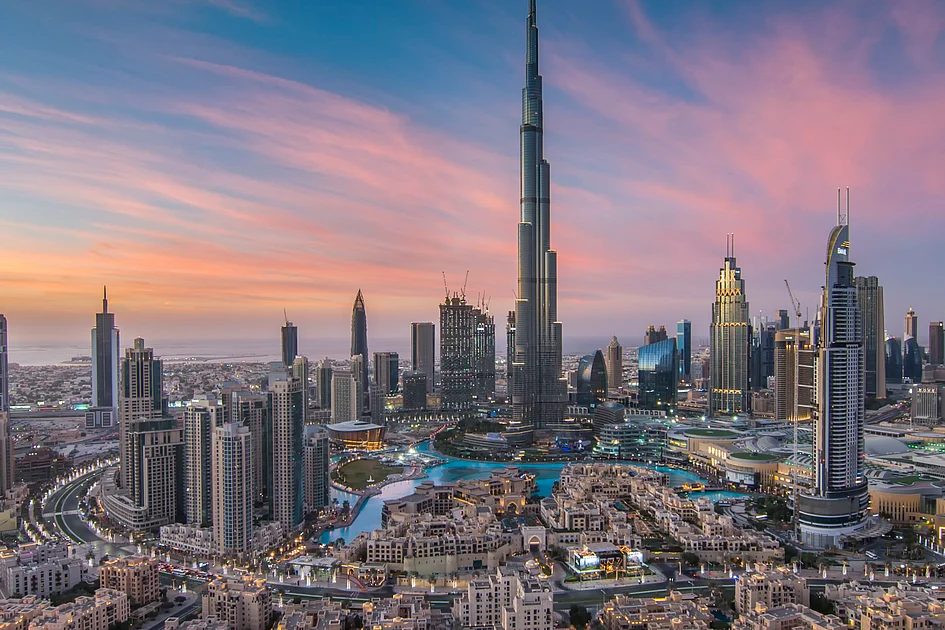
Dubai’s land market skyrockets 403% as strategic planning redefines urban growth
Dubai’s real estate sector has undergone a transformative surge, with land transaction values skyrocketing by 403.6% between 2019 and 2024, according to JLL’s latest report, *Beyond the Skyline: Dubai’s Land Market Transformation Story*. This unprecedented growth, driven by strategic urban planning, infrastructure investment, and regulatory reforms, has positioned Dubai as a global model for sustainable urban development. From Dh13.7 billion in 2019, land transaction values soared to Dh68.8 billion in 2024, with volumes nearly tripling from 691 to 1,991 deals. The momentum continued into 2025, with Dh43 billion worth of transactions in the first half alone, marking a 42.9% year-on-year increase. Freehold areas have emerged as the standout performers, with transaction volumes growing by 495.8%, compared to 240.7% in non-freehold zones. This trend reflects investor preference for unrestricted ownership rights and validates Dubai’s strategic expansion of freehold zones, including recent conversions along Sheikh Zayed Road and Al Jaddaf. Tim Millard, Head of Value and Risk Advisory – Mena at JLL, emphasized that Dubai’s real estate transformation has global implications, offering a blueprint for markets seeking international investment. Dubai’s population has surged from 2.3 million in 2014 to over 4 million in 2025, with projections reaching 5.8 million by 2040. This demographic growth has been leveraged through strategic urban planning, with large-scale projects such as Dubai South and communities along Dubai-Al Ain Road activating peripheral zones. Prime districts like Business Bay, Downtown Dubai, and Dubai Marina continue to command premium valuations. Infrastructure spending remains a cornerstone of Dubai’s growth, with Dh39 billion allocated in 2025—nearly 46% of its annual budget—to infrastructure and construction. Regulatory innovations, including mandatory escrow accounts, blockchain-enabled property transactions, and Transit-Oriented Development rezoning, have enhanced transparency and investor confidence. Residential prices have soared, with apartments up 63.5% and villas up 116.3% since 2019, supported by a 518.5% rise in transaction activity. Commercial real estate is equally buoyant, with prime office rents jumping 76.8% and Grade A rents rising 69.9%. Mixed-use developments dominate investor interest, accounting for 27.6% of total land transaction value (Dh70.3 billion). Geographically, Business Bay (Dh11.6 billion) and Dubai Islands (Dh11.4 billion) lead the pack, while emerging corridors like Reem and Dubai South show growing traction. Premium pricing is evident in Dubai Marina (Dh1,092 per sq. ft.) and Business Bay (Dh687 per sq. ft.), while up-and-coming areas such as Arjan and Dubai Creek Harbour have seen land values surge by 379.6% and 81.4% respectively since 2019. JLL analysts assert that Dubai’s real estate boom is not cyclical but the result of deliberate, forward-looking strategies, offering both immediate opportunities and long-term lessons in value creation through integrated urban planning.