作者: admin

  • Children are among the latest killed as Pakistan and Afghanistan keep fighting

    Children are among the latest killed as Pakistan and Afghanistan keep fighting

    KABUL, Afghanistan — Intensified cross-border hostilities between Taliban-led Afghanistan and Pakistan entered a critical phase this Monday, resulting in significant civilian casualties and drawing urgent international attention. Afghan authorities confirmed that at least four civilians, including two children, perished during artillery exchanges along the volatile southeastern frontier.

    The United Nations Security Council responded to the escalating crisis by unanimously adopting a resolution demanding Afghanistan’s Taliban government enhance counterterrorism measures. While the resolution refrained from explicitly naming Pakistan, it delivered a forceful condemnation of all terrorist activities occurring within the region. Concurrently, the Council authorized a three-month extension of the UN Assistance Mission in Afghanistan (UNAMA).

    Pakistan maintains persistent allegations that Kabul provides sanctuary to militant organizations, specifically the Tehrik-i-Taliban Pakistan (TTP)—a US-designated terrorist group—alongside Baloch separatist factions. These groups are accused of executing attacks against Pakistani security personnel and civilians. Afghan leadership consistently denies these accusations.

    Provincial spokesperson Mustaghfar Gurbaz reported that mortar projectiles launched from Pakistani territory struck residential areas in Khost province, demolishing homes and wounding ten additional individuals. This incident follows Sunday’s tragedy in Pakistan’s Bajaur district, where a mortar round allegedly fired from Afghan territory destroyed a home, claiming four lives from a single family and injuring a five-year-old child.

    Pakistani military operations have targeted alleged militant positions across the border, with Islamabad characterizing the situation as ‘open war.’ Recent developments include Pakistan’s deployment of airstrikes near Kabul and Kandahar, targeting what it describes as militant infrastructure. Afghan officials counter that these strikes hit a drug rehabilitation center and an inactive security post, causing minimal damage.

    Afghan Deputy Prime Minister Abdul Salam Hanafi emphasized national sovereignty defense as a fundamental citizen duty while expressing profound regret over civilian losses. The conflict originated in late February following Afghan retaliatory attacks against Pakistani airstrikes that killed Afghan civilians. This violence has effectively nullified the Qatar-mediated ceasefire established in October, which previously mitigated border tensions.

  • Iranian footballer says ‘everything will be fine’ as she trains with Oz team

    Iranian footballer says ‘everything will be fine’ as she trains with Oz team

    In a significant development highlighting international humanitarian efforts, two members of Iran’s national women’s football team have formally begun training with Australia’s A-League club Brisbane Roar after being granted political asylum. Fatemeh Pasandideh and Atefeh Ramezanisadeh, who were among seven players initially seeking refuge during the Women’s Asian Cup tournament, ultimately became the only two to remain in Australia after their teammates reversed their decisions.

    The athletes received humanitarian visas following their symbolic protest during Iran’s opening match, where they declined to sing their national anthem—an act that raised concerns about potential repercussions upon their return home. Their discreet relocation to Brisbane occurred after they separated from team minders and sought protection from Australian Federal Police.

    Brisbane Roar FC Chief Executive Kaz Patafta confirmed the club’s official welcome, stating the organization has provided access to training facilities and a supportive environment for the players during their transition. Social media posts from the club show both athletes integrated with the women’s squad, displaying positive camaraderie with their new teammates.

    Human rights advocates suggest the five returning players may have faced familial pressures to abandon their asylum bids, though this remains unconfirmed. The situation unfolds against the backdrop of heightened tensions in Iran following recent military actions involving Israel and the United States.

    The Brisbane club previously issued a statement expressing ‘immense admiration’ for the Iranian players, emphasizing their desire to provide a non-political sanctuary focused solely on football and community support. The organization highlighted Queensland’s welcoming football community and extended an open invitation to train and belong without conditions.

  • Chinese retailer rivalling Amazon launches in UK

    Chinese retailer rivalling Amazon launches in UK

    Chinese e-commerce titan JD.com has officially entered the United Kingdom market with the launch of its Joybuy platform, marking a significant challenge to established players like Amazon. The US and Hong Kong-listed company, recognized as China’s largest retailer by revenue, will operate from strategic distribution centers in Milton Keynes and Luton.

    The newly launched platform offers British consumers an extensive product portfolio spanning consumer electronics, home appliances, beauty products, homewares, and groceries. JD.com has committed to providing next-day delivery services to approximately 17 million UK households from the platform’s inception, signaling its serious intentions in the competitive British e-commerce landscape.

    This market entry follows JD.com’s previous unsuccessful acquisition attempts, including terminated negotiations to purchase Currys in 2024 and Argos last year. The UK expansion forms part of a broader European strategy that simultaneously targets five additional markets: Germany, the Netherlands, France, Belgium, and Luxembourg.

    The company’s European ambitions were further demonstrated through its recent €2.2 billion acquisition of Germany-based electronics retail group Ceconomy. Matthew Nobbs, Managing Director of Joybuy UK, expressed strong confidence in the company’s growth prospects, emphasizing their long-term commitment to establishing a sustainable presence in the UK market.

    JD.com’s arrival coincides with Amazon’s recent announcement regarding the closure of its first UK fulfillment center in Brogborough, Bedfordshire, creating an interesting competitive dynamic in the British e-commerce sector. Company executives believe their combination of diverse product offerings, competitive pricing, and delivery convenience will successfully attract British consumers.

  • Former deputy head of national forestry and grassland body charged with bribery

    Former deputy head of national forestry and grassland body charged with bribery

    Li Chunliang, the former deputy director of China’s National Forestry and Grassland Administration, has been formally indicted on charges of bribery and influence peddling according to an official announcement from the Supreme People’s Procuratorate. The case represents another significant development in China’s ongoing anti-corruption campaign.

    The Dezhou People’s Procuratorate in Shandong Province has been designated to handle the prosecution, which has now been formally submitted to the Dezhou Intermediate People’s Court. The case underwent initial investigation by the National Commission of Supervision before being transferred to judicial authorities for criminal prosecution.

    Prosecutors allege that Li exploited his numerous former positions of authority, including senior roles within the Communist Party of China Central Committee’s Organization Department and his leadership capacity at both the former State Forestry Administration and its successor organization, the National Forestry and Grassland Administration. The indictment claims he provided improper benefits to associates in exchange for substantial monetary payments and valuable assets.

    Additionally, the prosecution maintains that even after leaving public office, Li continued to leverage his residual influence from previous government positions. He allegedly manipulated other public officials to secure improper advantages for third parties while accepting particularly large sums of money and valuable property in return.

    During the judicial review process, prosecutors followed standard procedural protocols by informing Li of his legal rights, conducting formal questioning, and consulting with his defense team. The 63-year-old Hebei native, who joined the Communist Party in March 1984, held his forestry administration position from December 2016 through his 2023 retirement. Following his retirement, Li was elected president of the China Wildlife Conservation Association in December 2023.

    His fall from grace began with a disciplinary investigation in May 2025, culminating in his expulsion from the Communist Party in November of that year. The case demonstrates China’s continued commitment to investigating corruption both during and after officials’ public service tenure.

  • From tornadoes to blizzards, severe weather expected to batter parts of the US

    From tornadoes to blizzards, severe weather expected to batter parts of the US

    A massive weather system is creating hazardous conditions across the eastern United States, delivering everything from blizzard conditions to tornado threats while simultaneously setting the stage for extreme heat in western states.

    Meteorological chaos has engulfed over a dozen states from Missouri to Maine, with wind advisories active throughout the region. The National Weather Service reports accumulating snow reaching 2 feet in Wisconsin and northern Michigan since the weekend, with southeastern Minnesota recording over 20 inches by Sunday afternoon. The agency has issued stark warnings about ‘whiteout conditions making travel treacherous and potentially life-threatening.’

    The storm’s impact on infrastructure has been severe. Aviation tracking service FlightAware reported over 2,000 flight cancellations and 7,000 delays by Monday morning, with Chicago’s O’Hare International Airport and New York’s LaGuardia Airport experiencing the most significant disruptions. Power outages have affected more than half a million customers, primarily concentrated in Michigan, Ohio, and Georgia.

    Emergency measures are underway in multiple states. Minnesota Governor Tim Walz has activated the National Guard to support emergency operations. In North Carolina, where wind gusts were predicted to exceed 74 mph, Governor Josh Stein urged residents to enable emergency alerts on their phones. Numerous school districts from North Carolina to Wisconsin have closed facilities.

    Meanwhile, the southern tier faces severe thunderstorm threats with the National Weather Service predicting possible hail and ‘a tornado or two’ in parts of North Carolina, South Carolina, and West Virginia.

    In stark contrast, western states are preparing for extreme heat conditions. An excessive heat watch is scheduled for parts of southern California, Arizona, and Nevada later this week, with temperatures in southwest Arizona expected to reach 109°F (42°C). Officials warn this brings ‘a significant increase’ in heat-related illness risks and elevated wildfire danger across the West and High Plains.

    The weather dichotomy highlights the extreme meteorological divide affecting the nation, with Nebraska already deploying approximately 30 National Guard troops to combat multiple wildfires that have damaged nearly 1,000 square miles and claimed at least one life.

  • Russia agrees to stop using Kenyan recruits in Ukraine conflict, Kenya says

    Russia agrees to stop using Kenyan recruits in Ukraine conflict, Kenya says

    In a significant diplomatic development, Kenyan Foreign Minister Musalia Mudavadi has announced that Russia has formally agreed to cease the deployment of Kenyan nationals to fight in its war against Ukraine. The agreement was reached during high-level talks in Moscow between Mudavadi and Russian Foreign Minister Sergei Lavrov.

    Minister Mudavadi, speaking alongside his Russian counterpart, stated unequivocally: “We have now agreed that Kenyans shall not be enlisted through the Russian Ministry of Defence – they will no longer be eligible to be enlisted. There will be no further enlisting.” This commitment comes in response to a Kenyan intelligence report from February that warned over 1,000 citizens had been recruited to fight for Russia in Ukraine.

    The recruitment issue has been particularly contentious as numerous Kenyans have reported being deceived with promises of lucrative civilian employment, only to find themselves coerced into military service. Russian officials, including Lavrov, have maintained that all foreign recruits, including Kenyans, enlisted voluntarily “in full compliance with Russian law.”

    Beyond halting future recruitment, Mudavadi is actively negotiating the repatriation of Kenyans who wish to return home. Authorities have already returned 27 citizens who had been fighting for Russia, providing them with psychological support to address trauma and facilitate de-radicalization. The exact number of Kenyan casualties remains unclear, as Russia has not formally addressed such reports.

    The Kenyan government has taken domestic measures to combat the problem, closing more than 600 recruitment agencies suspected of duping citizens with false overseas job offers. Lawmakers have further alleged that rogue state officials collaborated with human trafficking networks to recruit citizens for Russian forces.

    Public pressure has mounted significantly, with families of those believed to be fighting in Ukraine holding protests outside parliament in Nairobi in February, demanding government action and the return of their relatives.

    Mudavadi’s visit also aims to broaden bilateral relations, with negotiations underway for an agreement that would provide Kenyans easier access to the Russian job market. “We do not want for any reason our partnership with Russia to be defined from the lenses of the special operation agenda only,” Mudavadi emphasized. “The relationship between Kenya and Russia is much broader than that.”

    The issue extends beyond Kenya, with Ukrainian intelligence estimating that more than 1,700 people from 36 African countries have been recruited to fight for Russia. In a similar case, South Africa repatriated 17 citizens in February who reported being trapped in Ukraine’s Donbas region after being deceived into fighting for Russia. Ukraine itself has faced criticism for attempts to recruit foreign nationals, including Africans, to fight on its side.

  • National Drum King Convention draws 14 top troupes to Hebei

    National Drum King Convention draws 14 top troupes to Hebei

    Zhengding county in Shijiazhuang, Hebei province, transformed into a vibrant cultural epicenter on March 15, 2026, as it hosted the prestigious National Drum King Competition. The event brought together fourteen nationally acclaimed drum troupes representing diverse regional traditions from across China.

    The competition served as both a artistic showcase and seasonal celebration, with performers delivering dynamic routines that blended time-honored Chinese drumming techniques with contemporary international influences. The rhythmic performances created an immersive cultural experience for both local residents and visiting tourists, filling the streets with powerful percussion and theatrical energy.

    Following the formal competitive presentations, the participating troupes embarked on a vibrant procession through Zhengding’s thoroughfares. This ceremonial parade allowed for intimate engagement with audiences, demonstrating the enduring appeal and accessibility of traditional folk drum art in modern cultural expression.

    The event highlighted Hebei province’s ongoing commitment to preserving and promoting intangible cultural heritage while fostering interregional artistic exchange. The convergence of these elite performing groups underscored the continuing vitality of drumming traditions within China’s diverse cultural landscape.

  • Western allies push back on Trump call for NATO help to reopen Hormuz

    Western allies push back on Trump call for NATO help to reopen Hormuz

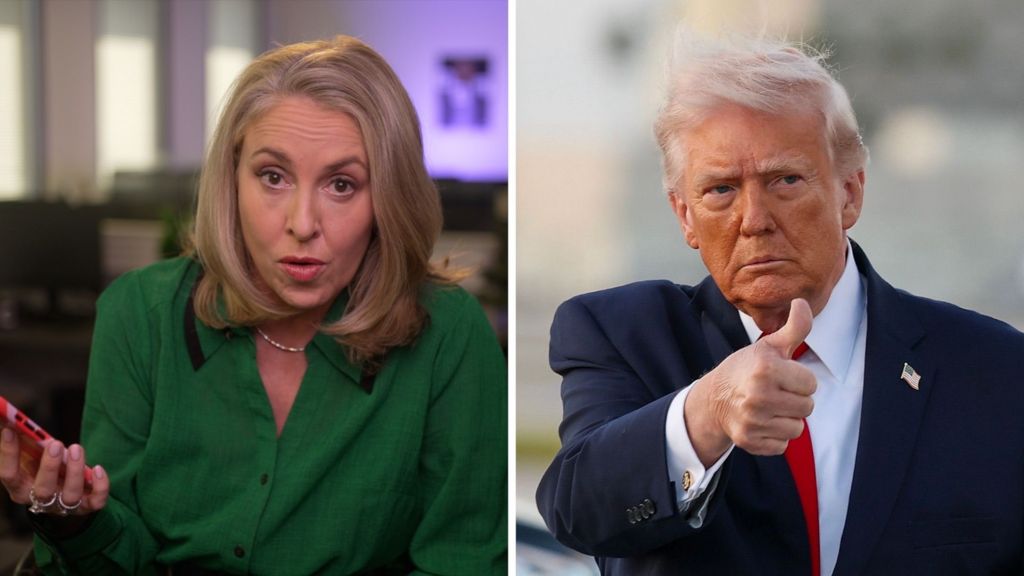
    European NATO members delivered a firm rebuke to U.S. President Donald Trump’s demand for military assistance in reopening the strategically vital Strait of Hormuz, with key allies distancing themselves from any potential NATO-led mission in the Persian Gulf. The coordinated pushback emerged Monday as Western capitals responded to Trump’s weekend appeal for naval support against Iran’s blockade of the critical oil transit route.

    British Prime Minister Keir Starmer articulated a cautious approach, confirming that London was collaborating with international partners to develop a ‘viable collective plan’ to restore freedom of navigation while explicitly ruling out NATO involvement. ‘Let me be clear: that won’t be, and it’s never been envisioned to be, a NATO mission,’ Starmer emphasized during a Downing Street briefing, adding that Britain ‘will not be drawn into the wider war’ between the U.S., Israel, and Iran.

    Germany’s leadership delivered even more definitive resistance, with Chancellor Friedrich Merz’s spokesman declaring the conflict ‘has nothing to do with NATO’ and emphasizing the alliance’s defensive territorial mandate. Defense Minister Boris Pistorius confirmed Berlin would provide ‘no military participation’ while offering diplomatic support to ensure safe passage through the strait.

    The reluctance extended across the European continent, with Poland’s Foreign Minister Radoslaw Sikorski noting the president had already excluded Polish armed forces from any operation. Spain’s Defense Minister Margarita Robles stated Madrid was ‘absolutely not’ considering military contributions. The responses came after Japan and Australia similarly declined participation earlier Monday, with Canberra refusing to deploy naval vessels.

    Despite the widespread resistance, some European diplomats suggested maintaining dialogue while emphasizing de-escalation. Danish Foreign Minister Lars Lokke Rasmussen described the situation as ‘very, very serious’ while advocating for an ‘open mind’ about potential contributions. Baltic representatives from Lithuania and Estonia indicated willingness to discuss options while stressing the need to understand U.S. objectives and operational details before committing to any action.

    The geopolitical standoff has triggered significant economic consequences, with oil prices remaining above $100 per barrel as the conflict enters its third week, highlighting the strait’s critical importance to global energy markets. Trump had warned that refusal to participate would be ‘very bad for the future of NATO,’ though European leaders appeared unmoved by the threat as they prioritized diplomatic solutions over military escalation.

  • PM says UK working with allies on plan to reopen Strait of Hormuz

    PM says UK working with allies on plan to reopen Strait of Hormuz

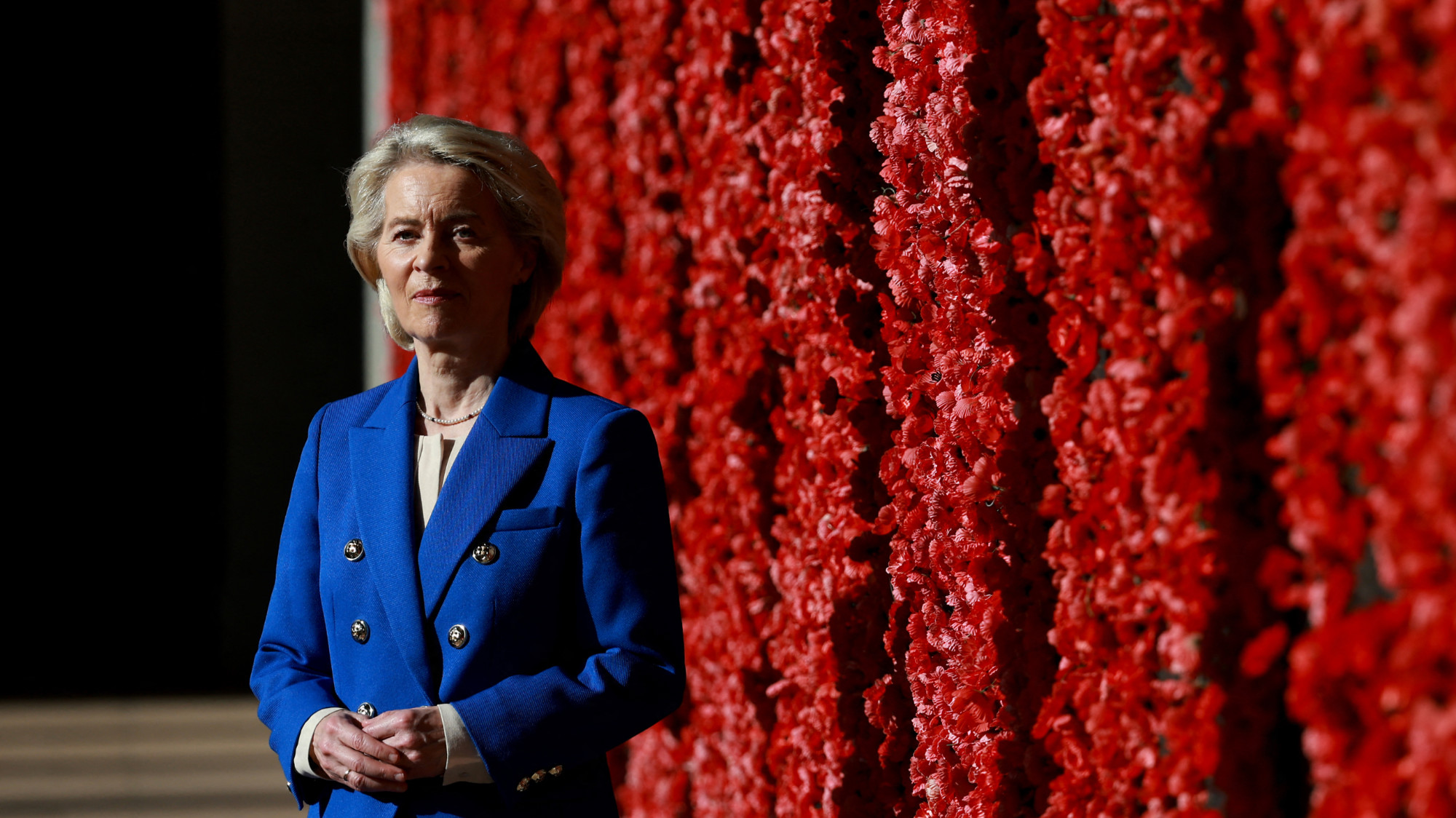
    Prime Minister Sir Keir Starmer has announced the United Kingdom is collaborating with international allies to develop a comprehensive strategy for restoring safe passage through the critically important Strait of Hormuz. This declaration follows mounting pressure from former President Donald Trump urging Western nations to deploy naval assets to secure the vital shipping corridor.

    Speaking at a press conference, the British leader confirmed that while Royal Navy minehunters are already positioned in the region, no definitive decisions have been made regarding additional military commitments. Sir Keir emphasized his administration’s cautious approach, stating unequivocally that Britain would not be drawn into broader conflict escalation despite external pressures.

    The strategic waterway, essential for global energy transportation, has become effectively impassable for oil tankers since hostilities with Iran intensified. This closure has triggered significant volatility in global oil markets, with prices surging to multi-year highs. Iranian forces have issued threats against vessels perceived as having American affiliations, while the persistent danger of naval mines further complicates maritime security.

    “Our ultimate objective remains reopening the Strait of Hormuz to stabilize energy markets,” Sir Keir stated. “This presents considerable operational challenges, necessitating coordinated international effort. We are therefore working extensively with European partners, Gulf states, and the United States to formulate a viable collective plan that restores freedom of navigation while mitigating economic consequences.”

    The Prime Minister’s measured stance has generated diplomatic friction with the United States. Sir Keir initially declined American requests to utilize UK military bases for offensive operations against Iran, though he subsequently authorized their use for defensive countermeasures against missile attacks. This decision drew criticism from political opponents who characterized the response as hesitant.

    Defending his position, Sir Keir asserted: “Some would have rushed Britain headlong into conflict without comprehensive situational awareness or exit strategy. My leadership prioritizes British interests above external pressure, regardless of its source.”

    International reactions revealed divergent perspectives. German officials clarified that NATO constitutes a defensive alliance with no mandate for offensive operations, with Defense Minister Boris Pistorius questioning the strategic value of limited European naval deployments. These sentiments found support from former British military chief General Sir Nick Carter, who emphasized NATO’s fundamentally defensive nature.

    Domestically, the government announced £53 million in support for households experiencing severe financial strain due to heating oil price increases. Unlike gas and electricity consumers protected by price caps, heating oil users face unregulated market conditions exacerbated by the Gulf crisis.

    As geopolitical tensions persist, the British government maintains its dual focus on diplomatic de-escalation and multilateral solution-building, reflecting Sir Keir’s commitment to strategic caution amid complex international demands.

  • Ecuador deploys 75,000 soldiers and police to combat drug gangs

    Ecuador deploys 75,000 soldiers and police to combat drug gangs

    In an unprecedented security mobilization, the Ecuadorian government has initiated a sweeping counter-narcotics operation across four provinces severely impacted by drug-related violence. Interior Minister John Reimberg confirmed the deployment of over 75,000 combined police and military personnel to the regions of El Oro, Guayas, Los Ríos and Santo Domingo de los Tsáchilas, alongside the implementation of nighttime curfews as part of what authorities term a “new phase” in their campaign against criminal organizations.

    The substantial escalation comes despite President Daniel Noboa’s sustained efforts to combat cartel violence since assuming office in November 2023. Official statistics reveal a troubling 30% surge in homicides between 2024 and 2025, culminating in a record murder rate last year, underscoring the persistent challenges facing the nation.

    Ecuador’s strategic positioning between Colombia and Peru—the world’s primary cocaine producers—has established the country as a critical transit hub for illicit narcotics. An estimated 70% of cocaine originating from these neighboring nations is trafficked through Ecuadorian territory en route to international markets, particularly the United States.

    In response to this transnational threat, the Noboa administration has forged a strategic alliance with the United States, participating in a 17-nation coalition led by President Donald Trump targeting criminal networks throughout the Western Hemisphere. This collaboration recently manifested through the establishment of the FBI’s first operational office in Ecuador and the launch of joint counter-narcotic initiatives.

    The partnership was further solidified during the “Shield of the Americas” summit convened by President Trump at Mar-a-Lago, where he characterized criminal syndicates as a “cancer” requiring military intervention. Following the high-level meeting, President Noboa publicly affirmed his commitment to confronting transnational organized crime, stating via social media: “For too long, the mafias thought that America was their territory. That they could cross borders, move drugs, guns and [spread] violence without consequences. Their time has run out.”