
In a significant move, President Donald Trump has approved the sale of the United States’ most advanced fighter jet, the F-35, to Saudi Arabia. This decision comes despite concerns that China, Saudi Arabia’s top trading partner, could potentially access the jet’s cutting-edge American technology. The agreement was reaffirmed during Saudi Crown Prince Mohammed bin Salman’s recent visit to Washington.
作者: admin
-
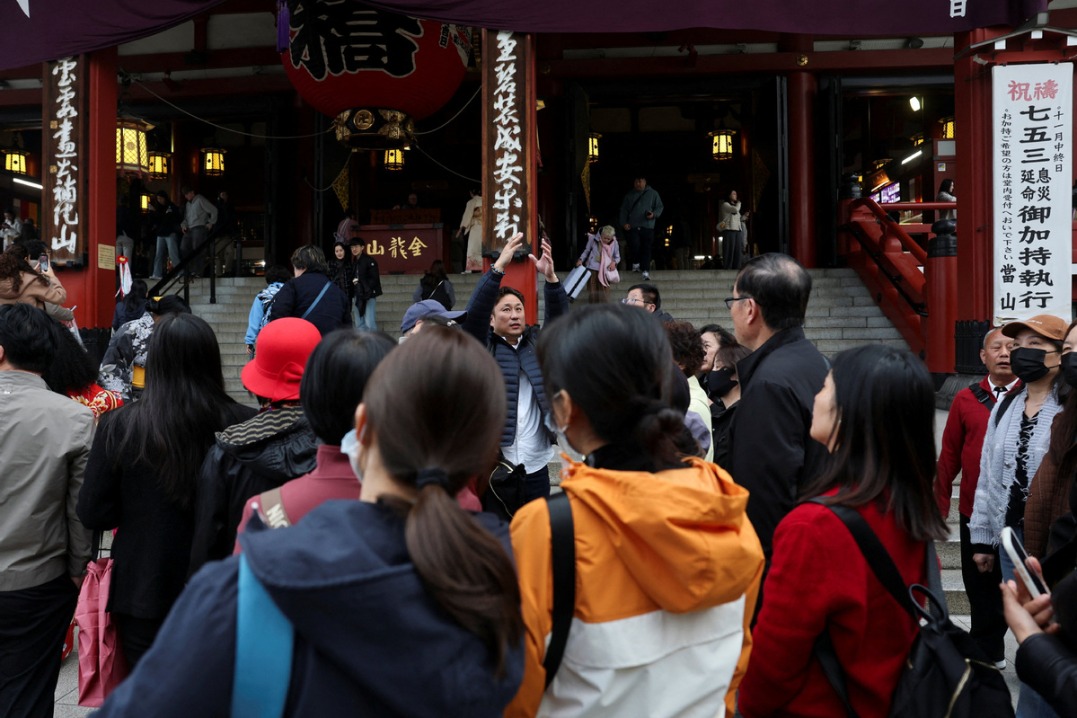
Japan’s tourism battered as Chinese travelers cancel trips
Japan’s tourism sector is facing significant challenges as a wave of cancellations by Chinese travelers follows recent diplomatic tensions. The cancellations come in response to travel advisories issued by Beijing, urging Chinese citizens to avoid Japan due to controversial remarks made by Japanese Prime Minister Sanae Takaichi regarding Taiwan. These comments have sparked strong protests from China, leading to a notable shift in travel preferences among Chinese tourists.
Data from flight booking platforms reveals that South Korea has now become the most sought-after destination for Chinese travelers, with Thailand, Hong Kong, Malaysia, Singapore, and Vietnam also seeing increased interest. Major Chinese travel agencies, including Tuniu Corp and Spring Tour, have reported a surge in cancellations for group tours to Japan. Additionally, Spring Airlines has canceled several flights between Shanghai and Japanese cities, citing alignment with pre-existing plans.
Major Chinese airlines, such as Air China, China Southern Airlines, and China Eastern Airlines, have announced that passengers with tickets for Japan-bound flights before December 31 can avail of free refunds or rescheduling. The Chinese Foreign Ministry has reiterated its stance on defending national interests, urging Japan to retract its statements and address the concerns of the Chinese people.
The travel advisory, issued on Friday, highlights concerns over public safety in Japan and the potential risks to Chinese citizens. Similar alerts were released by China’s Ministry of Education and Ministry of Culture and Tourism. The downturn in Chinese tourism has already impacted Japan’s economy, with tourism-related stocks experiencing declines. Companies like Shiseido, Japan Airlines, and Isetan Mitsukoshi Holdings have seen their shares drop, while the Nikkei 225 Index fell by 3.22%.
According to Japan’s Nomura Research Institute, a significant reduction in Chinese tourists could result in a 0.36% decline in Japan’s GDP, with estimated economic losses reaching 2.2 trillion yen ($14.18 billion). As China remains Japan’s largest trading partner and source of imports, the ongoing tensions could have broader implications for bilateral relations and economic cooperation.
-
Why India’s poorest state continues to struggle with illegal alcohol sales
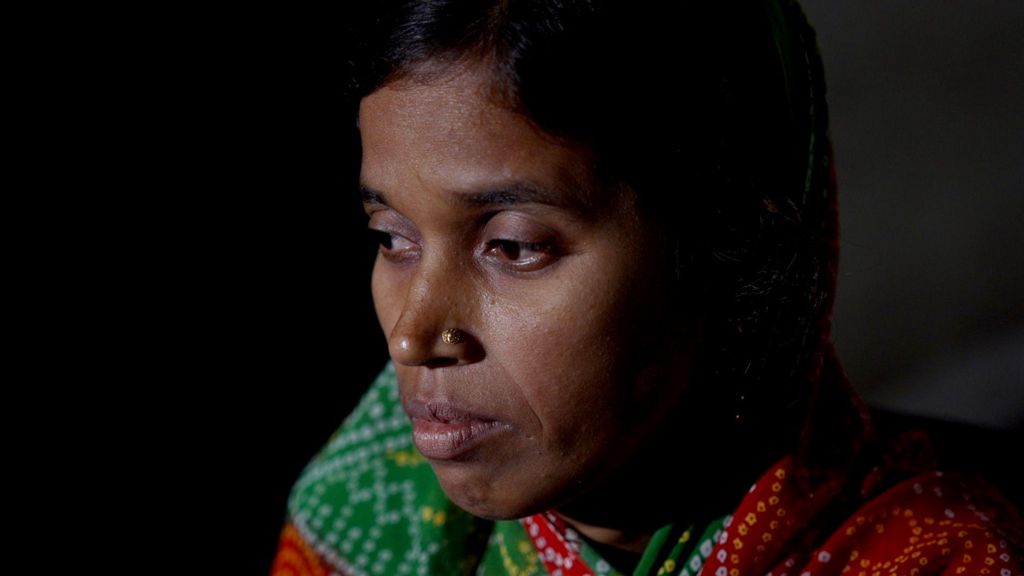
In 2016, Bihar, India’s poorest state, implemented a statewide alcohol ban to combat addiction, domestic violence, and financial distress among its most vulnerable families. Nine years later, the policy’s effectiveness remains a contentious issue, with enforcement gaps and a thriving black market undermining its intended goals. A recent BBC investigation highlighted these challenges during a raid on an illegal distillery near Patna, where officials discovered a makeshift setup fermenting jaggery into country liquor. Despite the raid, the perpetrators had fled, underscoring the persistent issue of tip-offs and collusion. Since the ban’s inception, 1.1 million cases have been registered, with 650,000 convictions, but over 99% of these are for consumption rather than production or distribution. The black market continues to flourish, with illicit alcohol worth over 522 million rupees seized in the six weeks leading up to the recent state elections. Enforcement is further complicated by Bihar’s geography, bordering states where alcohol is legal and a porous 726km border with Nepal, a key conduit for smuggling. Despite these challenges, many women, including Lalmunni Devi, who lost her husband to toxic liquor in 2022, advocate for the ban’s continuation, citing its positive impact on household finances and family well-being. However, critics argue that the policy has merely driven the problem underground, with unintended consequences such as bootlegging and deaths from illicit brews. As Bihar’s outgoing government prepares to return to power, the alcohol ban remains a paradox—hailed as a social reform by some and criticized as ineffective by others. The question of whether it has succeeded or merely shifted the problem persists, leaving the state grappling with its complex legacy.
-

India’s digital payments revolution is redefining global finance
India has emerged as a global leader in digital payments, transforming its financial landscape in less than a decade. At the heart of this revolution are two groundbreaking innovations: the Unified Payments Interface (UPI) and the RuPay card network. These systems have not only reshaped domestic commerce but are also challenging traditional financial powerhouses worldwide. UPI, launched in 2016, has become the world’s most successful real-time payment platform, processing over a trillion transactions annually. Its open architecture allows seamless integration with banks, fintech companies, and payment apps, enabling instant, secure, and low-cost transactions. Meanwhile, RuPay has disrupted the dominance of global credit card networks in India, capturing 60% of the domestic card market. Its affordability and sovereignty have made it a preferred choice for small businesses and consumers alike. Together, UPI and RuPay have created a unified payments ecosystem that is unparalleled in its inclusivity and efficiency. This transformation has brought over 500 million people into the formal financial system, empowering small businesses, farmers, and daily wage workers. Beyond India’s borders, UPI is gaining traction in countries like France, Singapore, and the UAE, offering a faster and cheaper alternative to traditional remittance systems. India’s digital payments revolution is not just a technological achievement; it is a strategic move toward financial sovereignty and global influence. As more nations adopt UPI and RuPay, India is laying the foundation for a new financial order that prioritizes inclusivity, affordability, and independence. The world is taking notice, and India’s leadership in digital payments is set to redefine the future of global finance.
-

Congress passes bill to release Epstein files, sending to Trump’s desk
In a rare bipartisan move, both chambers of the U.S. Congress have unanimously agreed to compel the Department of Justice to release its extensive files on Jeffrey Epstein, the disgraced financier and convicted sex offender. The House of Representatives passed the measure with an overwhelming 427-1 vote, while the Senate expedited the process through unanimous consent, bypassing a formal vote. This decision follows President Donald Trump’s unexpected reversal of his stance, urging Congress to disclose the records after facing public pressure from his supporters. Trump’s ties to Epstein resurfaced last week when over 20,000 pages of documents, some referencing the president, were released. The White House has denied any wrongdoing. Republican Clay Higgins of Louisiana was the sole dissenter in the House, expressing concerns about potential harm to innocent individuals. The bill, now headed to Trump’s desk for his expected signature, mandates Attorney General Pam Bondi to release all unclassified materials related to Epstein and his accomplice Ghislaine Maxwell within 30 days. However, Bondi retains the authority to withhold information that could jeopardize ongoing investigations or reveal victims’ identities. Epstein, who died in prison in 2019, was accused of sex trafficking and had previously been convicted of soliciting prostitution from a minor. The push for transparency was spearheaded by Republican Thomas Massie and Democrat Ro Khanna, who introduced the legislation. Massie faced criticism from Trump but remained steadfast, accusing opponents of protecting pedophiles. Marjorie Taylor Greene, another Republican advocate for the release, clashed with Trump, labeling him a ‘traitor’ for his reluctance. Survivors of Epstein’s abuse, including Annie Farmer, have condemned the secrecy, calling it an ‘institutional betrayal’ that allowed further harm. The controversy has sparked significant political fallout, with some viewing it as a threat to Trump’s MAGA movement.
-

Arsenal and Sobha Realty mark two years of partnership
Arsenal Football Club and Sobha Realty have marked the second anniversary of their groundbreaking partnership, showcasing a shared dedication to excellence in sports and beyond. Since their collaboration began in 2023, Sobha Realty has secured naming rights for the Sobha Realty Training Centre at London Colney and branding on Arsenal’s training kits. Over the past two years, the partnership has driven significant upgrades to the facility, including enhanced restaurant and dressing room spaces, a dedicated building for the women’s first team, a refurbished media centre, and new sauna and steam amenities. These improvements aim to foster an optimal environment for player preparation and recovery. The collaboration also birthed ‘The Art of Detail,’ a four-part series that delves into the meticulous work behind the scenes at the training centre, reflecting the partners’ shared values of precision, innovation, and continuous improvement. Ashish Parakh, Group Chief Sales & Marketing Officer at Sobha Realty, hailed the partnership as a ‘powerful synergy’ that transcends sports and real estate, emphasizing their commitment to creating spaces where talent flourishes. Juliet Slot, Arsenal’s Chief Commercial Officer, praised Sobha Realty’s role in supporting the club’s ambitions, expressing excitement for future achievements. As the partnership enters its third year, both parties aim to maintain the Sobha Realty Training Centre as a global benchmark for high-performance facilities while strengthening ties between football and luxury real estate.
-

How the viral Baby Shark video created a $400m business
In June 2016, Kim Min-seok, CEO of Pinkfong, approved the release of a 90-second children’s song, unaware it would become a global sensation. The song, ‘Baby Shark,’ amassed over 16 billion views on YouTube, making it the platform’s most-watched video ever. This viral hit not only captivated toddlers and irked adults worldwide but also transformed Pinkfong into a media powerhouse valued at over $400 million. On November 18, 2025, Pinkfong debuted on the South Korean stock market, with shares surging more than 9% on its first trading day. Founded in 2010 as SmartStudy, the company initially focused on digital content for children under 12. With just three employees, including Kim and CTO Dongwoo Son, the firm operated from a modest office. Over the years, Pinkfong underwent significant changes, shifting its focus to toddlers and creating simpler, educational content. The release of ‘Baby Shark’ in 2016 marked a turning point, generating half of the company’s revenue and paving the way for new content and merchandise. Despite facing a plagiarism lawsuit in 2019, Pinkfong successfully defended its position, arguing that ‘Baby Shark’ was derived from a public domain folk song. The company now employs 340 people, with offices in Tokyo, Shanghai, and Los Angeles. While ‘Baby Shark’ remains a cornerstone of Pinkfong’s success, the company is diversifying its portfolio with franchises like Bebefinn and Sealook. Kim Min-seok aims to expand Pinkfong’s offerings and establish it as a tech-driven content creator, leveraging data to shape future projects. However, the challenge lies in proving to investors that Pinkfong is more than a one-hit wonder.
-

Why students turn to ChatGPT instead of teachers, Dubai Future Forum reveals
A groundbreaking revelation at the Dubai Future Forum 2025 has shed light on the growing trend of students turning to generative AI tools like ChatGPT for academic assistance, often bypassing traditional teacher-student interactions. The forum, held from November 18 to 19, brought together over 2,500 participants and 200 speakers from around the globe to discuss the future of education and technology.
-
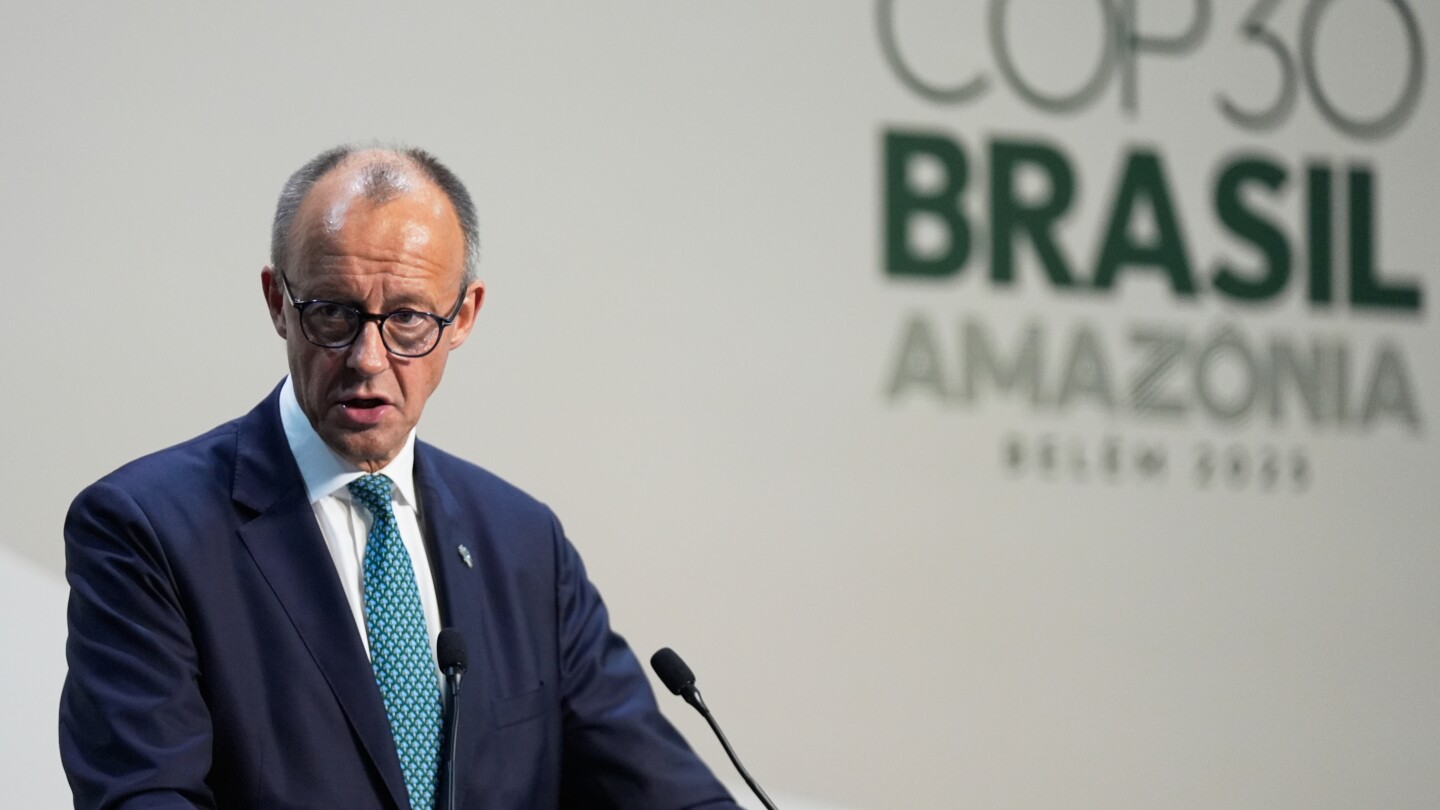
Germany’s Merz under fire in Brazil for his comments on Amazon host city of COP30
Brazilian authorities have strongly criticized recent comments made by Germany’s Chancellor Friedrich Merz, who appeared to disparage Belem, the host city of the United Nations’ Climate Summit in the Amazon rainforest. President Luiz Inácio Lula da Silva, Para State Governor Helder Barbalho, Belem Mayor Igor Normando, and several lawmakers have publicly rebuked Merz for his remarks, which were made during a trade conference in Berlin after his visit to Brazil in early November. Merz expressed relief at returning to Germany, describing it as one of the world’s most beautiful countries and implying dissatisfaction with his time in Belem. Brazilian leaders responded with a mix of humor and sharp criticism, urging Merz to appreciate the cultural and environmental richness of the region. President Lula suggested that Merz should have explored Belem’s vibrant culture, cuisine, and nightlife to truly understand its value. Meanwhile, Governor Barbalho accused Merz of prejudice, while Mayor Normando emphasized the warmth and respect Belem extends to all visitors. The controversy has sparked broader discussions about international cooperation on climate issues, particularly given Germany’s role as a key donor to the Amazon Fund, which supports deforestation prevention. Despite the diplomatic tensions, Brazilian officials reaffirmed their commitment to fostering positive relations with Germany while defending their nation’s cultural and environmental heritage.
-
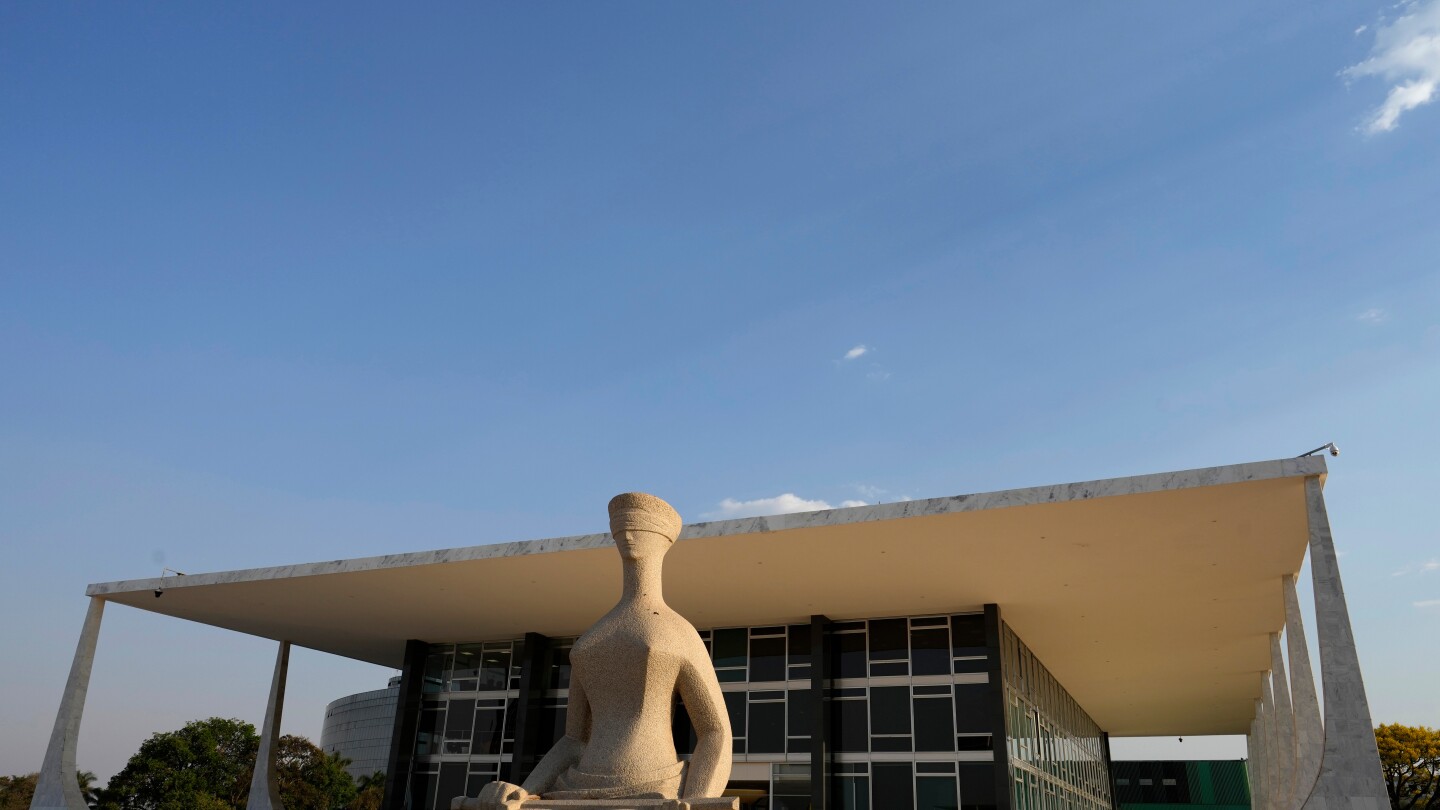
Brazil’s Supreme Court sentences military officials for planning to kill Lula
In a landmark ruling, Brazil’s Supreme Court has sentenced high-ranking military officials and a federal police officer to prison terms of up to 24 years for their roles in a foiled coup attempt and a plot to assassinate President Luiz Inácio Lula da Silva and other key government figures. The verdict, delivered on Tuesday, marks a significant moment in Brazil’s ongoing struggle to uphold democratic institutions and combat political extremism.