作者: admin

  • A Super Bowl starting at 12:30 a.m.? Welcome to an Olympic-sized problem for fans in Italy

    A Super Bowl starting at 12:30 a.m.? Welcome to an Olympic-sized problem for fans in Italy

    CORTINA D’AMPEZZO, Italy — The 2026 Winter Olympics in Milan-Cortina has created an unprecedented scheduling conflict for American athletes as the Super Bowl’s kickoff coincides with critical competition preparation hours. With the championship game beginning at 12:30 a.m. local time on Monday, Olympians face the difficult choice between supporting their home teams and maintaining optimal athletic readiness.

    Zack DiGregorio, a Massachusetts-native luge athlete and devoted New England Patriots fan, exemplifies this dilemma. Despite his mother’s two-decade career with the Patriots organization, DiGregorio acknowledges the conflict: “If I happen to wake up in the middle of the night to go to the bathroom, I may be tuning in.”

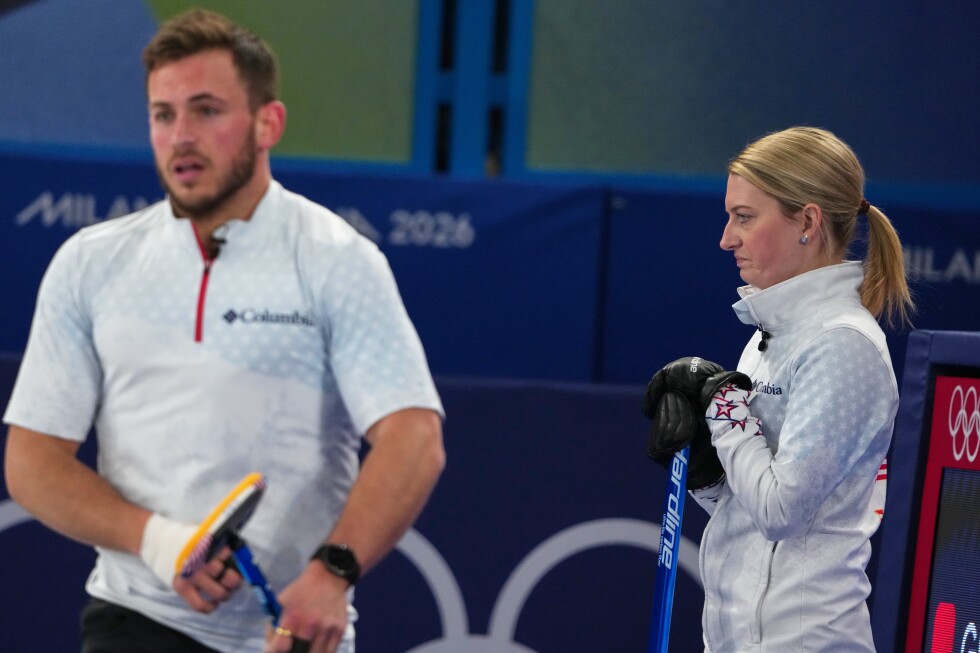
    The timing conflict affects numerous competitors, with 15 Massachusetts natives and eight Washington state athletes on the U.S. Olympic team potentially torn between sporting loyalties. While some athletes plan to watch regardless of the hour, others prioritize their Olympic ambitions. Curler Korey Dropkin, another Massachusetts native, stated: “I’m not going to be able to watch because that’s going to be real late here. But as my form of support, I’m going to wear my Pats jersey to bed.”

    This marks only the second occurrence of the Winter Olympics and Super Bowl overlapping on the same day, following the 2022 precedent. International Olympic Committee President Kirsty Coventry has highlighted the broader implications: “You’ve got big events all working and overlapping. When are we all going to sit down as one big sporting family and have these conversations around how we prioritize?”

    Resourceful supporters are finding creative solutions. Mark Henderson, father of freestyle skier Grace Henderson, negotiated with a Livigno bar to remain open beyond its 2 a.m. closing time to accommodate approximately 20 family members. Krista DiGregorio, Zack’s mother, seeks similar arrangements in Cortina d’Ampezzo, joking about “begging or perhaps sliding a few euros in their direction.”

    Despite the football distraction, the Olympic spirit remains paramount. The DiGregorio family has decorated their rental with Patriots memorabilia but considers Zack’s participation in the opening ceremony already a championship-level achievement. As Krista DiGregorio reflected: “To be there and see how happy he is, how happy his teammates are, the people he’s grown up with and gotten close to, it’s been wonderful.”

  • Annual session of Shanghai Municipal People’s Congress concludes

    Annual session of Shanghai Municipal People’s Congress concludes

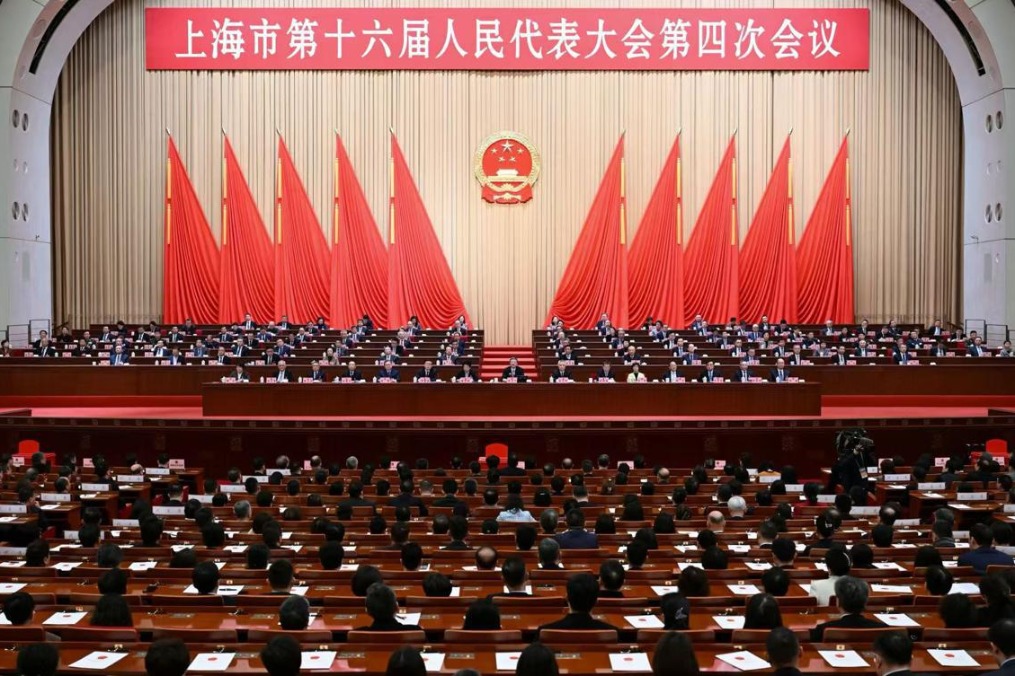
    The Shanghai Municipal People’s Congress concluded its annual plenary session on Saturday after successfully completing all scheduled agendas. The legislative gathering saw deputies approve critical resolutions concerning the municipal government’s work report and the city’s 15th Five-Year Plan (2026-2030), marking a significant milestone in Shanghai’s development planning.

    During the closing ceremony, Shanghai Party Secretary Chen Jining commended deputies for their dedicated service, emphasizing how their collective wisdom and thorough deliberation on major development initiatives demonstrated the effectiveness of whole-process people’s democracy. Chen highlighted that the coming five years represent a pivotal transformation period for Shanghai to leverage its unique advantages and achieve comprehensive progress.

    The city leadership outlined Shanghai’s expected role as a pioneer in advancing Chinese-style modernization, with particular focus on enhancing its capabilities as an international hub for economy, finance, trade, shipping, and technological innovation. Central to this vision is the acceleration of new productive forces cultivation and expansion, alongside better implementation of national strategies that safeguard China’s interests and security.

    Shanghai is positioned to champion pioneering reforms, leading openness initiatives, and breakthrough innovations that will stimulate high-quality development momentum. This strategic direction aims to establish new mechanisms and pathways that could serve as a national model, reinforcing Shanghai’s status as a frontrunner in China’s modernization journey.

  • The woman tasked with kicking Australian kids off social media

    The woman tasked with kicking Australian kids off social media

    In a Sydney office overlooking the harbor, Julie Inman Grant embodies the complex frontline of digital governance as Australia’s eSafety Commissioner. The 57-year-old regulator, who transitioned from two decades in the private tech sector to heading the nation’s pioneering online safety agency, now navigates unprecedented challenges ranging from death threats to global corporate resistance.

    Australia’s groundbreaking social media ban for users under 16, effective since December 10th, represents the world’s most ambitious youth protection legislation. The policy affects ten major platforms including Meta’s Facebook and Instagram, Snapchat, and YouTube. While widely supported by parents seeking governmental reinforcement in household digital battles, the ban faces criticism from child welfare advocates and technology experts who argue for education over prohibition and highlight enforcement challenges for marginalized communities.

    Inman Grant’s approach combines regulatory authority with pedagogical philosophy. She frequently employs aquatic analogies to contextualize digital risks: ‘We need to teach them about algorithmic rips and online predators—the digital equivalent of sharks and pedophiles.’ This perspective evolved from her initial skepticism about blanket bans to implementing what she now considers a necessary protective measure.

    The commissioner’s extensive background includes security roles at Microsoft and Twitter during social media’s formative years, providing unique insight into corporate mechanisms. ‘You must understand that all this is driven by revenue and growth,’ she notes regarding tech company motivations. Her appointment by former Prime Minister Malcolm Turnbull specifically sought someone with industry experience who could anticipate corporate strategies.

    International tensions have escalated significantly under her watch. Inman Grant has sparred publicly with Elon Musk over content removal requests, faced character attacks from U.S. Congressional figures, and prepares for High Court challenges from both Reddit and Australian teenagers. The Columbia University documented a staggering increase in abusive posts targeting her—from a daily average of 145 mentions to over 73,000 during the X controversy period.

    Looking ahead, Inman Grant identifies artificial intelligence as the next critical frontier for regulation. ‘The world was late to social media regulation,’ she warns, ‘and we cannot afford to repeat that with AI.’ As her second five-year term concludes next year, she contemplates transitioning her expertise to global capacity-building while maintaining her career-long mission: creating safer digital environments through designed protection rather than retrospective intervention.

  • From golden luqaimat to dama boards: How Sharjah festival brings traditions to life

    From golden luqaimat to dama boards: How Sharjah festival brings traditions to life

    The 23rd annual Sharjah Heritage Days festival is currently transforming the Heart of Sharjah district into a vibrant cultural showcase, running through February 15th with extended programming across multiple emirate cities. Under the patronage of Sheikh Dr. Sultan bin Mohammed Al Qasimi, UAE Supreme Council Member and Ruler of Sharjah, this immersive event transcends conventional exhibition formats to actively demonstrate living traditions that continue to shape community identity.

    Throughout the festival grounds, aromatic clouds of freshly prepared luqaimat—golden fried dough balls dipped in syrup—drift through reconstructed traditional alleyways. Women demonstrate generations-old culinary techniques inside authentic arisha structures, hand-mixing dough and carefully frying these sweets known regionally as zalabiya in Egypt. This culinary demonstration represents more than shared recipes, embodying values of hospitality, patience, and intergenerational knowledge transfer.

    Strategic board games provide another dimension of cultural preservation. Visitors gather around wooden dama boards, observing a game often compared to chess that requires strategic foresight and patience. The festival intentionally features such traditional games to introduce younger generations to cultural practices that risk fading from collective memory.

    The comprehensive program integrates performance, education, and community participation. Folk performances feature both local troupes and expatriate communities, reflecting the UAE’s cultural diversity. Educational components include heritage workshops, cultural dialogue sessions, and a dedicated Children’s Village with hands-on activities. The Sharjah Institute for Heritage emphasizes documentation through specialized publications and daily festival bulletins produced with local publishers.

    Dr. Abdulaziz Al Musallam, Chairman of the Sharjah Institute for Heritage, explained to Khaleej Times that the festival aims to transcend formal presentations by creating participatory learning environments where traditions can be understood within contemporary contexts. Evening cultural seminars examine historical marketplaces as social hubs, documenting disappearing professions and preserving their stories for future generations.

    From handmade food preparations to strategic games and conversations about vanishing market culture, Sharjah Heritage Days offers visitors an experiential journey through living heritage—not as frozen memories but as practices that continue to shape cultural identity in modern society.

  • Italian police fire tear gas as protesters clash near Winter Olympics hockey venue

    Italian police fire tear gas as protesters clash near Winter Olympics hockey venue

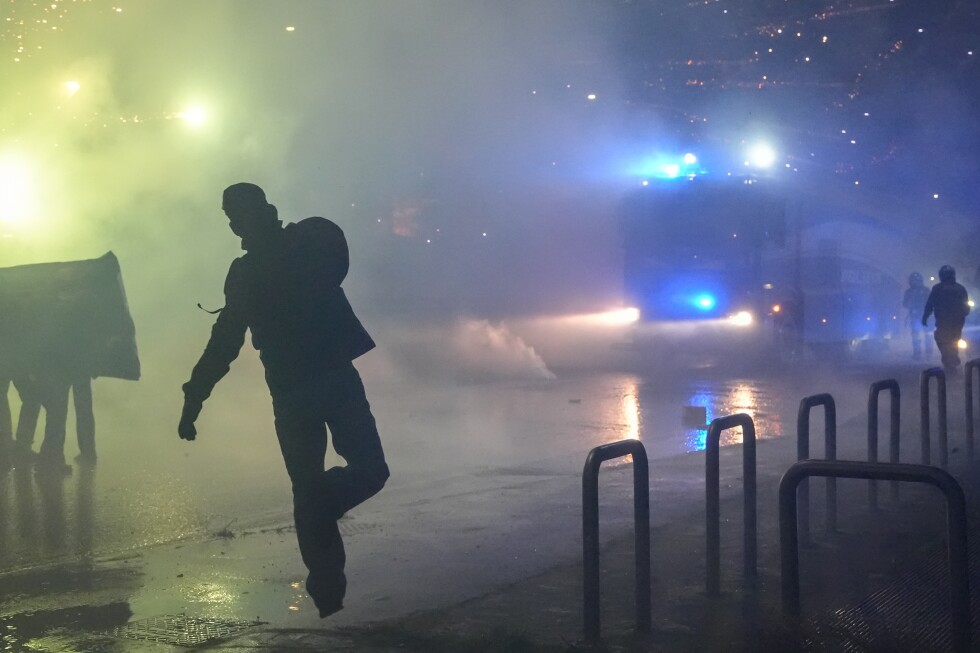
    MILAN — Italian law enforcement deployed tear gas and water cannons to disperse demonstrators during a large-scale protest near Winter Olympics venues on Saturday. The confrontation erupted when a splinter group from a predominantly peaceful march of approximately 10,000 participants began launching firecrackers and attempting to breach security barriers near Olympic infrastructure.

    The initial demonstration, organized by environmental activists and community groups, proceeded peacefully with families and students expressing concerns about the Games’ ecological footprint and the controversial presence of U.S. Homeland Security personnel. Protesters carried symbolic cardboard trees representing deforestation for Olympic construction and performed cultural demonstrations accompanied by drumming and protest music.

    Tensions escalated when masked activists detonated smoke bombs on a bridge approximately 800 meters from the Athletes’ Village. Security forces established reinforced perimeters around critical Olympic transit routes, successfully preventing protesters from accessing competition venues. Authorities confirmed the disturbances did not disrupt athlete transportation or competition schedules.

    The protest coincided with the visit of U.S. Vice President JD Vance, who led the American delegation at Friday’s opening ceremony. Demonstrators specifically objected to the deployment of U.S. Immigration and Customs Enforcement (ICE) personnel, though official statements clarified that only investigative agents from Homeland Security Investigations—not enforcement officers—were present in diplomatic capacities.

    Environmental concerns centered on the Cortina bobsled track construction, with protester Guido Maffioli alleging regulatory bypasses for Olympic projects. Signs referencing ‘Infernal Olympics’ and criticizing fossil fuel sponsors reflected broader criticisms of the Games’ sustainability credentials and potential financial burden on Italian taxpayers.

  • UAE doctors warn against rise in eye infections due to screens, AC, self-medication

    UAE doctors warn against rise in eye infections due to screens, AC, self-medication

    Medical specialists across the United Arab Emirates are reporting a significant escalation in ocular health emergencies, with conjunctivitis cases reaching concerning levels. Leading ophthalmologists attribute this alarming trend to a dangerous convergence of environmental aggressors, digital lifestyle habits, and the growing peril of self-medication practices.

    Clinical data from multiple healthcare facilities indicates a sharp increase in patients presenting with acute red eye symptoms, displaying characteristics of both infectious and allergic conjunctivitis. Dr. Pavly Moawad, Specialist Ophthalmologist at Saudi German Hospital Ajman, confirms: ‘We’re observing a diverse caseload encompassing bacterial, viral, and allergic conjunctivitis variants, each requiring distinct therapeutic approaches.’

    The medical community identifies three primary catalysts driving this public health concern:

    1. Environmental Factors: Dubai’s arid climate, combined with pervasive air conditioning systems and atmospheric particulate matter, creates optimal conditions for ocular surface irritation. These elements compromise the eye’s natural defense mechanisms, increasing vulnerability to infections.

    2. Digital Lifestyle: Extended screen exposure and subsequent reduced blink rates have led to epidemic levels of chronic dry eye syndrome—a significant predisposing factor for more severe ocular conditions.

    3. Diagnostic Misadventures: A dangerous trend of self-diagnosis through mobile applications and AI consultations has resulted in numerous cases of mismanaged treatment. Dr. Emad Badawi of Medcare Eye Centre warns: ‘Superficial symptoms often mask deeper pathologies. Inappropriate management can precipitate corneal ulcers and permanent vision deterioration.’

    Particular concern surrounds the misuse of ocular medications, including non-prescribed antibiotics, shared eye drops, and unsupervised steroid applications. These practices not only exacerbate existing conditions but contribute to antimicrobial resistance patterns.

    High-risk populations include young professionals, athletes exposed to environmental irritants, and chronic allergy sufferers who frequently self-medicate. Contagion risks amplify in shared environments like educational institutions, corporate offices, and fitness centers, compounded by inadequate ventilation systems.

    Ophthalmologists emphasize that early symptoms—including grittiness, burning sensations, watery discharge, and photophobia—often get dismissed as minor irritations. Medical intervention becomes imperative when symptoms persist beyond 48 hours or manifest with pain, visual disturbances, or purulent discharge.

    Preventive strategies include rigorous hand hygiene, avoidance of eye rubbing, and refraining from sharing personal items. Infected individuals should minimize social interactions to curb transmission vectors. Contrary to popular belief, viral conjunctivitis requires physical contact for transmission—not visual exposure.

    The medical consensus underscores that ocular health preservation begins with professional diagnosis and responsible treatment protocols, emphasizing that vision protection demands more than over-the-counter solutions.

  • Langenhan, Mueller, Fischnaller lead way after 1st 2 runs of Olympic men’s luge race

    Langenhan, Mueller, Fischnaller lead way after 1st 2 runs of Olympic men’s luge race

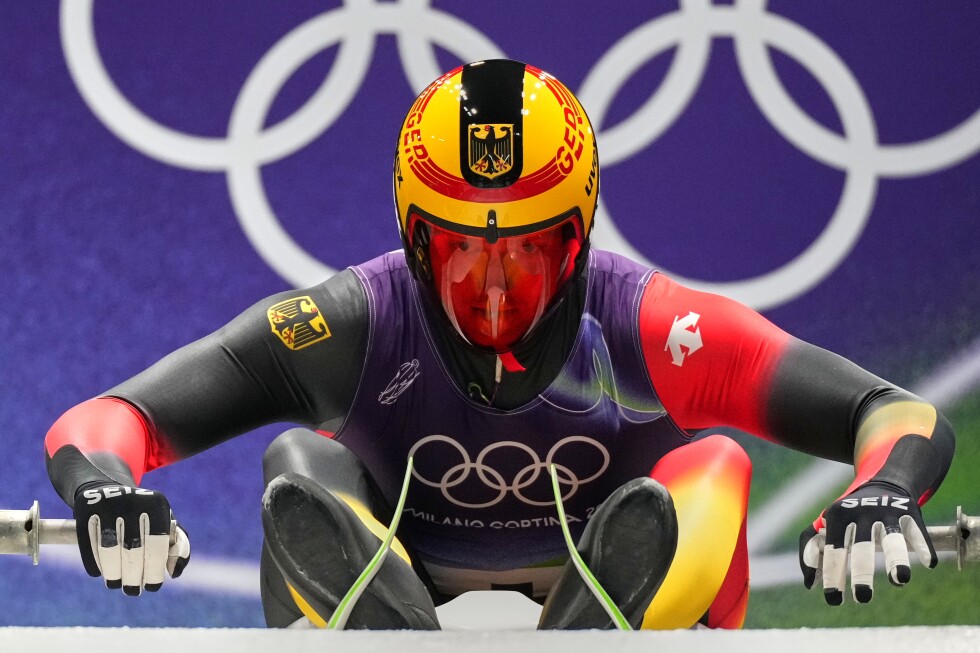
    CORTINA D’AMPEZZO, Italy — The men’s singles luge competition at the Winter Olympics has crystallized into an intense three-athlete battle for podium positions following Saturday’s opening heats. Germany’s Max Langenhan emerged as the frontrunner with a combined time of 1 minute, 45.826 seconds across his initial two runs, establishing a commanding position heading into Sunday’s decisive final runs.

    Austria’s Jonas Mueller sits closely behind in second place with a time of 1:45.988, while Italian favorite Dominik Fischnaller occupies third position at 1:46.124. The competition demonstrates remarkable concentration at the top, with no other competitor within half a second of Langenhan’s leading time.

    Notably absent from the immediate medal conversation are several pre-race favorites. Germany’s Felix Loch, a two-time Olympic champion and current World Cup leader, finds himself in a surprising eighth position. Similarly, Austria’s Wolfgang Kindl, the reigning Olympic silver medalist, sits seventh overall. Both athletes face significant challenges to climb into medal contention during Sunday’s final heats.

    Historical patterns suggest the current top three competitors hold substantial advantages. In all 16 previous Olympic men’s luge competitions, the eventual gold medalist has never been ranked lower than third after the initial two heats. Furthermore, in 10 of those competitions, the podium order remained unchanged from the halfway point to the final medal ceremony.

    For the American team, Jonny Gustafson occupies 11th position while Matthew Greiner sits 17th heading into Sunday’s concluding runs.

  • France investigates ex-minister Jack Lang over Epstein links

    France investigates ex-minister Jack Lang over Epstein links

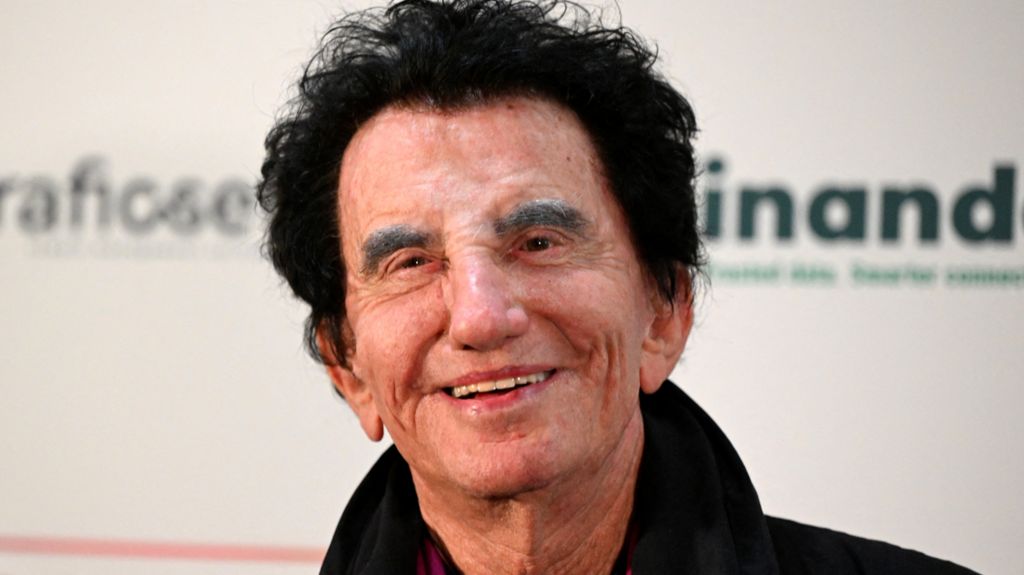
    French financial prosecutors have initiated a preliminary investigation into Jack Lang, the nation’s former Culture Minister, concerning his associations with the convicted sex offender Jeffrey Epstein. The probe centers on allegations of “laundering of tax fraud proceeds.”

    Lang, an 86-year-old prominent socialist figure who held ministerial positions in the 1980s and 2000s, has vehemently denied any wrongdoing, labeling the accusations as “baseless.” The investigation follows the U.S. Department of Justice’s disclosure of extensive court documents related to Epstein, which reference Lang and his family approximately 700 times.

    In response to the mounting pressure, Lang has offered to resign from his position as president of the Arab World Institute, a Paris-based organization dedicated to fostering Franco-Arab cultural relations. In a correspondence to Foreign Minister Jean-Noël Barrot, Lang stated his intention to formally submit his resignation at the upcoming board meeting. Barrot has acknowledged the offer and commenced the search for a successor.

    The investigation also encompasses Lang’s daughter, Caroline, aged 64, who recently stepped down as head of a French film producers’ union. While the released files document financial and social interactions between the Lang family and Epstein, they do not suggest involvement in his sexual crimes.

    Lang maintains that his encounters with Epstein occurred roughly 15 years ago, facilitated by an introduction from filmmaker Woody Allen. He described Epstein as “passionate about art, culture and cinema,” claiming ignorance of his criminal activities at the time. Documents revealed by French media indicate Lang solicited various favors from Epstein, including the use of his private plane and car.

    Caroline Lang acknowledged meeting Epstein in 2012 regarding a proposed art investment venture, admitting to being “incredibly naive” about his intentions. The U.S. financier died in prison in 2019 while awaiting trial on sex trafficking charges.

  • Ramadan 2026: Which countries will witness the longest, shortest fasting hours?

    Ramadan 2026: Which countries will witness the longest, shortest fasting hours?

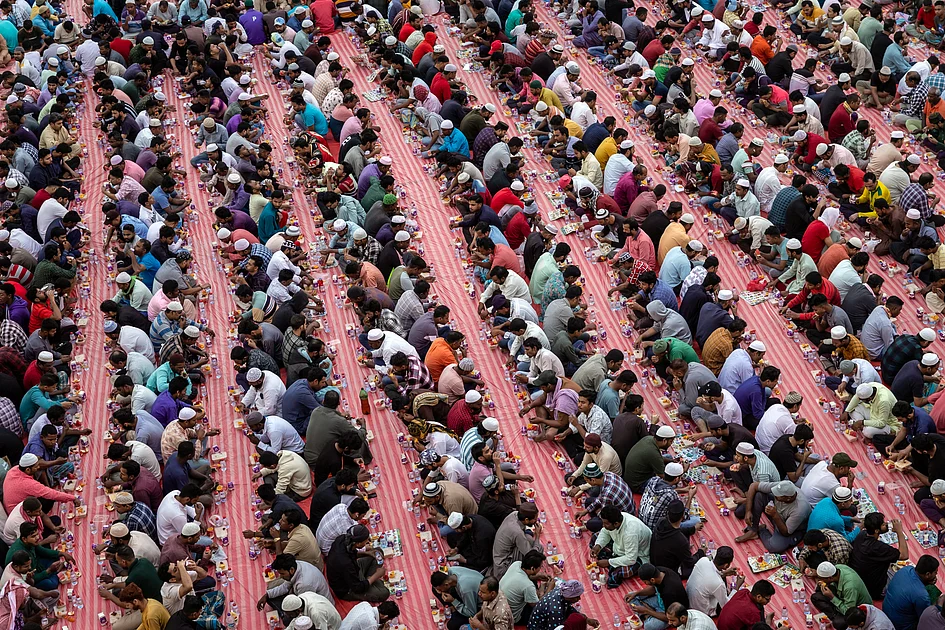
    As the Muslim world anticipates Ramadan 2026 commencing approximately February 19th, significant geographical variations in fasting durations are projected across global communities. With over 1.5 billion adherents preparing for spiritual devotion, this holy month’s temporal characteristics are directly influenced by the lunar-based Islamic calendar and planetary axial tilt.

    The forthcoming Ramadan period will demonstrate noticeably reduced fasting intervals compared to previous years, offering moderate relief to worshippers worldwide. This annual temporal shift occurs because the Hijri calendar advances 10-12 days earlier each solar year, consequently altering daylight exposure during the fasting period.

    Geographical positioning emerges as the primary determinant for fasting duration disparities. Nations within equatorial regions including Indonesia, Malaysia, Kenya, and Brazil will experience relatively balanced fasting windows of 11-13 hours due to consistent day-night cycles. Conversely, northern hemisphere territories at extreme latitudes face substantially extended devotions.

    Arctic and subarctic communities in Greenland, Iceland, and Scandinavian countries will endure the most demanding physical trials with fasting periods exceeding 16 hours. Certain northern Russian territories and Canadian regions might experience up to 20 hours of continuous fasting due to the midnight sun phenomenon.

    Islamic scholars have established adaptive measures for communities in extreme latitudes, permitting alignment with Mecca’s timings or adopting schedules from geographically moderate cities. The United Arab Emirates anticipates an inaugural fast of 12 hours 46 minutes—approximately 30 minutes shorter than 2025’s commencement.

    Throughout the sacred month’s progression, daily fasting durations will gradually extend by incremental minutes as the northern hemisphere approaches its vernal equinox. This celestial dynamic underscores the intersection of astronomical precision and religious observance within global Islamic practice.

  • Iran says missile programme ‘never negotiable’ in talks with US

    Iran says missile programme ‘never negotiable’ in talks with US

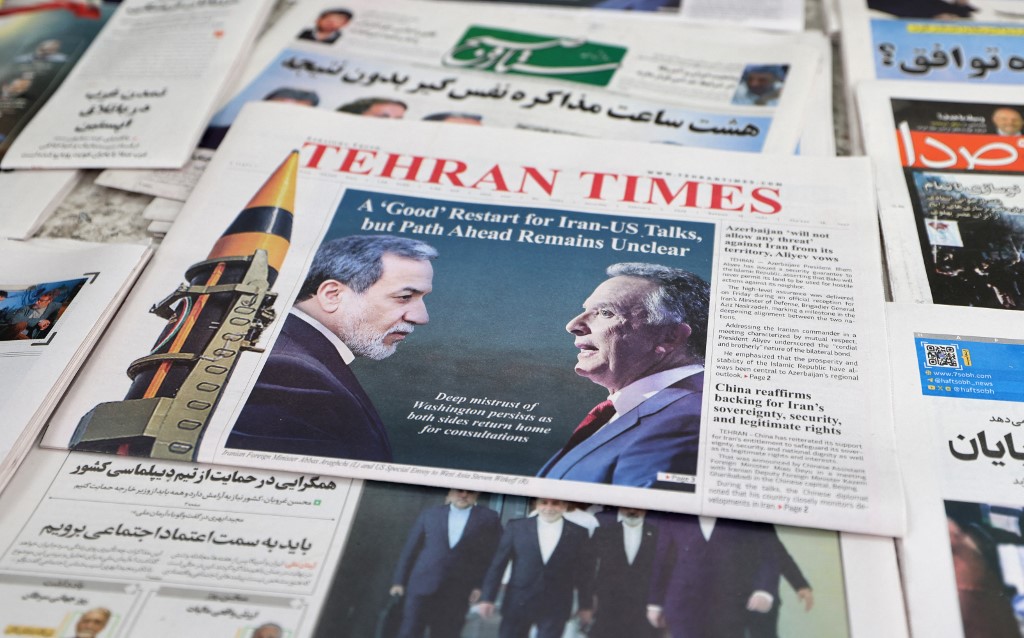
    Iran’s Foreign Minister Abbas Araghchi delivered a definitive statement regarding his country’s missile capabilities during ongoing diplomatic engagements with the United States, asserting that the Islamic Republic’s missile program remains “never negotiable” in any discussion framework. The declaration came through an interview with Al Jazeera on Saturday as indirect negotiations between Iranian and American delegations continued in Muscat, Oman.

    The discussions, mediated by Omani Foreign Minister Badr bin Hamad Al Busaidi, brought together US envoys Steve Witkoff and Jared Kushner with Iranian representatives led by Araghchi. Despite previous US demands for comprehensive talks encompassing both nuclear and ballistic missile programs, reports from Israeli newspaper Haaretz indicate Washington has acquiesced to Tehran’s conditions limiting discussions exclusively to nuclear matters. This apparent concession reportedly followed diplomatic interventions from regional powers including Qatar, Saudi Arabia, and Oman.

    While Omani officials characterized the dialogue as “useful to clarify both Iranian and American thinking,” tensions between the nations remain elevated. Shortly after the talks concluded, the United States implemented new sanctions targeting Iran’s oil export capabilities, designating 14 vessels flagged in Turkey, India, and the United Arab Emirates alongside sanctions against 15 entities and two individuals.

    The military posture in the region reflects ongoing volatility, with US aircraft carriers maintaining positions near Iranian coastal waters. The USS Abraham Lincoln was documented conducting replenishment operations in the Arabian Sea as Iran’s army spokesperson Brigadier-General Mohammad Akraminia warned of readiness for potential conflict that would “encompass the entire region and all US bases” if provoked.

    Diplomatic warnings have intensified concurrently, with the virtual US embassy in Iran issuing alerts urging American citizens to “leave Iran now” while Israeli Prime Minister Benjamin Netanyahu reportedly suggested conditions were building toward “the downfall of the Iranian regime.” Iranian officials have countered that they remain prepared for regional conflict should their negotiation framework conditions be rejected.