作者: admin

  • Iran ‘negotiating’ with FIFA over moving World Cup games to Mexico: embassy

    Iran ‘negotiating’ with FIFA over moving World Cup games to Mexico: embassy

    The Iranian Football Federation has initiated formal negotiations with FIFA to transfer its 2026 World Cup group stage matches from the United States to Mexico, citing substantial security apprehensions and logistical complications. This diplomatic maneuver follows controversial statements from former U.S. President Donald Trump regarding the safety of Iranian athletes on American soil.

    Iran’s participation in the prestigious tournament, co-hosted by the United States, Canada, and Mexico from June 11 to July 19, 2026, has encountered significant uncertainty amidst escalating Middle Eastern tensions. The situation deteriorated when Trump publicly declared that the Iranian national team should reconsider their travel plans “for their own life and safety,” despite previously extending welcome through FIFA President Gianni Infantino.

    Mehdi Taj, President of Iran’s Football Federation, explicitly stated through the Iranian Embassy in Mexico’s official channels: “When Trump has explicitly stated that he cannot ensure the security of the Iranian national team, we will certainly not travel to America. We are currently negotiating with FIFA to hold Iran’s matches in the World Cup in Mexico.”

    Iran’s scheduled matches include confrontations with New Zealand and Belgium in Los Angeles, followed by a crucial game against Egypt in Seattle. The team’s designated training base in Tucson, Arizona, now faces potential abandonment.

    Abolfazl Pasandideh, Iran’s Ambassador to Mexico, has formally criticized the U.S. government’s alleged lack of cooperation regarding visa processing and logistical support for the Iranian delegation. The ambassador confirmed having personally proposed to FIFA the relocation of Iran’s matches to Mexican venues.

    The geopolitical context underscores these developments, with recent military engagements between the United States, Israel, and Iran exacerbating diplomatic tensions. Iran has emphatically asserted that “no one can exclude Iran’s national team from the World Cup,” reflecting their determination to compete despite political challenges.

    FIFA has not yet issued an official response to these negotiation requests or the surrounding controversy, leaving the football world awaiting resolution of this unprecedented international sports diplomacy dilemma.

  • And the burger goes to… Michael B Jordan marks Oscars win at In-N-Out

    And the burger goes to… Michael B Jordan marks Oscars win at In-N-Out

    Fresh from his Academy Awards triumph for Best Actor in ‘Sinners,’ Michael B. Jordan traded the Dolby Theatre’s glamour for a classic Hollywood afterparty venue: In-N-Out Burger. The newly crowned winner, still adorned in his formal black tuxedo, celebrated his victory with a substantial 3×3 burger—featuring three beef patties and three cheese slices—while his golden statuette occupied the seat beside him.

    The actor’s post-Oscars burger ritual places him within an elite group of A-list celebrities who have maintained this unconventional tradition. Photographers captured Jordan generously signing paper hats for restaurant staff amidst a vibrant atmosphere of cheering fans and flashing cameras, transforming the fast-food establishment into an impromptu celebration venue.

    This phenomenon traces back to 2005 when Hilary Swank made a grand entrance at Astro Burger following her ‘Million Dollar Baby’ victory, eliciting spontaneous applause from diners. More recently, Oscar presenters Julia Roberts (2019) and Jamie Lee Curtis (2024) have been spotted at the same burger chain after fulfilling their ceremonial duties.

    The connection between In-N-Out Burger and Hollywood’s biggest night extends beyond individual visits. Since 1994, Vanity Fair’s legendary post-Oscars gathering has featured the chain’s burgers as culinary staples, with director Steven Spielberg and models Emily Ratajkowski and Adwoa Aboah among those photographed enjoying them during recent celebrations.

  • European leaders warn against Israeli ground incursion into Lebanon

    European leaders warn against Israeli ground incursion into Lebanon

    In a significant diplomatic move, the heads of state from Canada, France, Germany, Italy, and the United Kingdom have jointly called for Israel to refrain from launching a comprehensive ground invasion into Lebanese territory. This collective appeal comes amid escalating hostilities that resumed in southern Lebanon two weeks prior.

    The five-nation coalition expressed profound alarm regarding the cross-border attacks, emphasizing the critical need for all involved parties to return to diplomatic negotiations. They articulated grave concerns about the potential humanitarian fallout, stating that a major Israeli ground operation would likely precipitate catastrophic human suffering and potentially ignite a prolonged regional conflict.

    Official statistics from Lebanon’s disaster management authority reveal the conflict has already displaced approximately one million people within the country. The human cost stands at 886 fatalities and 2,141 injuries among Lebanese citizens.

    The current cycle of violence began when Hezbollah initiated missile strikes against Israel following Israel’s joint military engagement with the United States against Iranian interests on February 28. Although a truce negotiated by the Trump administration in November 2024 had previously governed the border area, this agreement had reportedly been violated hundreds of times prior to the recent escalation.

    Israeli officials maintain their operations specifically target Hezbollah weapon storage facilities and high-ranking operatives deemed imminent threats. However, the Western leaders’ statement unequivocally condemned all attacks directed at civilian populations, essential infrastructure, medical personnel, and UN peacekeeping forces in Lebanon.

    The joint declaration specifically called for Hezbollah to cease its attacks on Israel and complete disarmament, while simultaneously urging the Lebanese government to enforce weapons prohibitions against the group. Hezbollah leadership has consistently rejected disarmament demands, citing ongoing security threats from Israel along their shared border. The militia organization, with decades of Iranian support, remains a deeply entrenched military force within Lebanon’s political landscape.

  • AFL 2026: Essendon defender Ben McKay quick to shut down Matthew Lloyd’s analysis

    AFL 2026: Essendon defender Ben McKay quick to shut down Matthew Lloyd’s analysis

    Essendon Football Club’s key defender Ben McKay has delivered a robust response to critiques from premiership greats, staunchly defending his team’s effort and commitment following a disappointing Round 1 performance against Hawthorn. The Bombers’ significant loss prompted former champion Matthew Lloyd to characterize his old side as “out of their depth” and “lazy” in their season opener.

    McKay, however, presented a counter-narrative during a media appearance. He attributed the loss not to a lack of effort but to deficiencies in on-field decision-making and execution. The defender emphasized his role as a senior player in shielding younger teammates from external criticism and reinforcing the internal guidance provided by coach Brad Scott and high performance manager Dean Solomon.

    The debate expanded when another premiership forward, Richmond’s Jack Riewoldt, questioned Essendon’s standing among Victoria’s traditional “big four” clubs, citing their prolonged finals victory drought spanning over two decades. McKay met this assertion with firm opposition, labeling the view as “ignorant.” He pointed to the club’s substantial fan base, consistent sell-out crowds—including approximately 85,000 attendees in their opening match—and rich historical legacy as irrefutable evidence of their elite stature.

    While acknowledging that on-field success is the ultimate measure of relevance, McKay expressed confidence that improved performances would naturally silence detractors and restore full pride among the Essendon faithful.

  • Sao Paulo AI policing nabs criminals, and a few innocents

    Sao Paulo AI policing nabs criminals, and a few innocents

    Sao Paulo has deployed Latin America’s most extensive artificial intelligence surveillance system in an ambitious attempt to combat the city’s persistent crime rates. The Smart Sampa program, launched in 2024, utilizes 40,000 cameras scanning the streets of Brazil’s largest metropolis, comparing real-time images against judicial databases to identify wanted individuals.

    The system has demonstrated significant operational success, capturing approximately 3,000 fugitives and intercepting nearly 4,000 criminal acts in progress. Municipal Security Secretary Orlando Morando enthusiastically endorsed the program, stating the captured fugitives could fill seven prisons and that he ‘can no longer imagine Sao Paulo without Smart Sampa.’ The technology’s capabilities were demonstrated when Morando’s own image was tracked across multiple locations within seconds.

    However, the implementation has revealed substantial flaws. Official transparency reports indicate that over 8% of arrests made through the system during its first year resulted in erroneous detentions. At least 59 individuals were released after being misidentified, including an 80-year-old retiree mistaken for a rapist and psychiatric patients interrupted during therapy sessions by armed police.

    Further concerns have emerged regarding the system’s application beyond serious crimes. Nearly half of captured fugitives were wanted for ‘other’ offenses, predominantly child support payments—civil matters largely unrelated to public security. Critics argue the system enables ‘civil control’ rather than addressing violent crime.

    Additional questions about potential algorithmic bias remain unanswered due to significant data gaps. Racial identity information is missing for more than half of those detained, creating uncertainty about whether the system exhibits racial bias in a country with one of the world’s largest Black populations. Studies from other nations have indicated facial recognition technologies frequently demonstrate higher error rates when processing darker-skinned individuals.

    Despite these issues, government officials maintain the system has contributed to a nearly 15% reduction in robberies while deflecting responsibility for outdated warrants and missing racial data to the judiciary system.

  • Sweden’s prisons prepare to house young teens

    Sweden’s prisons prepare to house young teens

    In a groundbreaking shift in juvenile justice policy, Sweden’s prison system is undergoing radical transformations to accommodate offenders as young as 13 years old. The Rosersberg correctional facility north of Stockholm stands among eight institutions preparing for this controversial transition scheduled for July 1, following the government’s decision to lower the criminal responsibility age from 15 to 13 for serious offenses carrying minimum four-year sentences.

    The minority right-wing government, supported by far-right Sweden Democrats, initiated this reform as a strategic response to combat criminal networks increasingly recruiting minors as hitmen for bombings and shootings. Previously, underage offenders faced placement in secure youth care homes (SiS-hem), but these facilities have reportedly become recruitment grounds for gang activities, prompting the judicial overhaul.

    Extensive modifications are underway at Rosersberg to create age-appropriate detention environments. Authorities have transferred adult inmates to other facilities, redesigned 10-square-meter single cells previously shared by two adults, and implemented vibrant green color schemes. Each cell now features television sets, while shared spaces include redesigned yards with greenery, sofas, and training areas. Notably, cigarette receptacles have been removed in compliance with smoking prohibitions for minor inmates.

    The institutional framework emphasizes educational development, with mandatory schooling until age 16 integrated into the correctional program. Specially designed classrooms have replaced the cafeteria that previously separated adult and youth sections. Security protocols require doubled guard-to-inmate ratios compared to adult facilities, with officers assuming expanded responsibilities as de facto legal guardians addressing behaviors ranging from school attendance resistance to homework completion.

    Despite governmental justification citing crime prevention necessities, the reform faces substantial opposition from child rights organizations and institutional stakeholders. Julia Hogberg, legal adviser to children’s rights group Bris, contends that incarcerating young adolescents risks counterproductive outcomes, potentially lowering criminal recruitment ages further while harming developmental progress and increasing recidivism risks. Critics argue this policy shift undermines Sweden’s longstanding reputation as a global model for children’s rights, particularly concerning the maintained age of criminal responsibility throughout 150 years of varying crime rates.

    The government maintains its position that stringent measures are essential to address escalating youth involvement in serious crimes, pushing multiple reforms ahead of September legislative elections.

  • Iran war pushes importers into energy triage as they conserve power and curb soaring prices

    Iran war pushes importers into energy triage as they conserve power and curb soaring prices

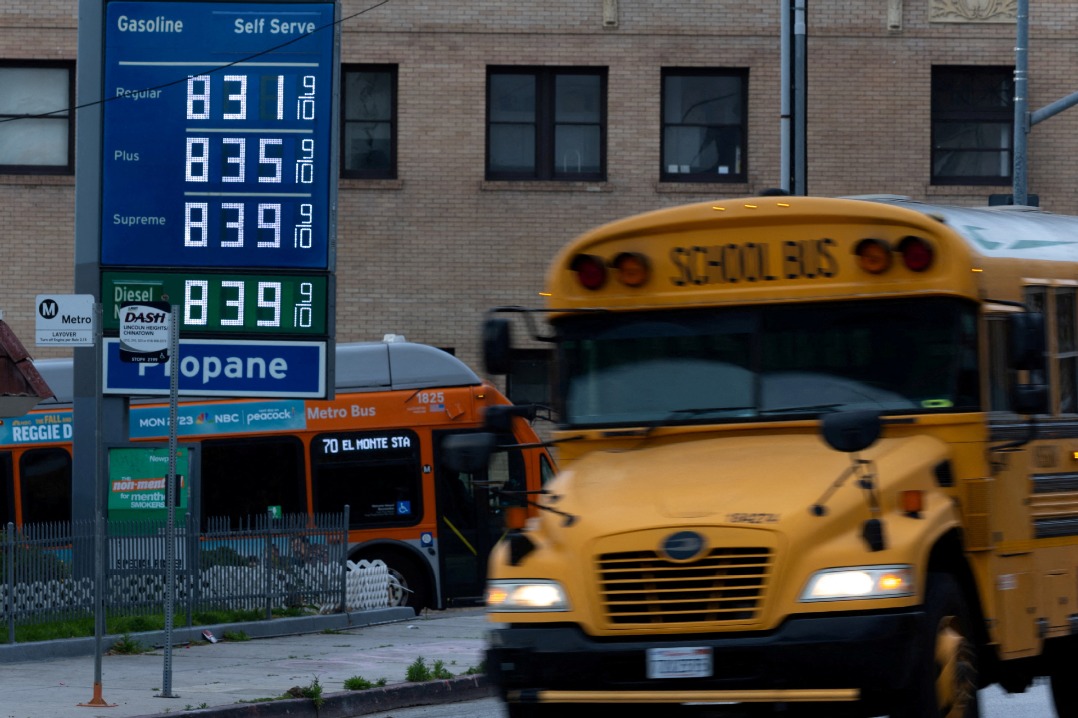
    The escalating military confrontation with Iran has triggered a severe global energy crisis, forcing nations worldwide into difficult triage decisions regarding fuel allocation and consumption. This supply shock has exposed critical vulnerabilities in energy-importing economies, particularly across Asia where governments are implementing emergency measures to manage dwindling resources.

    Asia faces disproportionate exposure to the crisis due to its heavy reliance on imported fuels, much of which traditionally transits through the now-disrupted Strait of Hormuz. This critical maritime corridor, located offshore from Iran, typically facilitates approximately one-fifth of global crude oil and liquefied natural gas trade. The blockage has compelled regional governments to enact conservation measures, compete for scarce supplies, and implement price controls—all while navigating difficult trade-offs between economic activity and energy security.

    Southeast Asian nations have adopted particularly stringent conservation approaches. The Philippines transitioned to a four-day workweek for government employees to reduce energy consumption by 20%, alongside mandating elevated office temperature settings and computer shutdowns during breaks. Vietnam encouraged remote work arrangements, while Thailand’s Prime Minister advocated for stair usage over elevators in conservation efforts.

    Energy analysts warn these measures inevitably impact economic productivity. Linh Nguyen of Control Risks consultancy noted that ‘even relatively modest constraints on energy use can create a drag on industrial activity,’ particularly affecting energy-intensive export industries like Vietnam’s manufacturing sector.

    The crisis extends beyond Asia to fuel-importing economies across Africa and other regions as global competition for limited supplies intensifies. Putra Adhiguna of the Energy Shift Institute in Jakarta emphasized that ‘the situation is common across the board—there is no easy decision for the short term.’

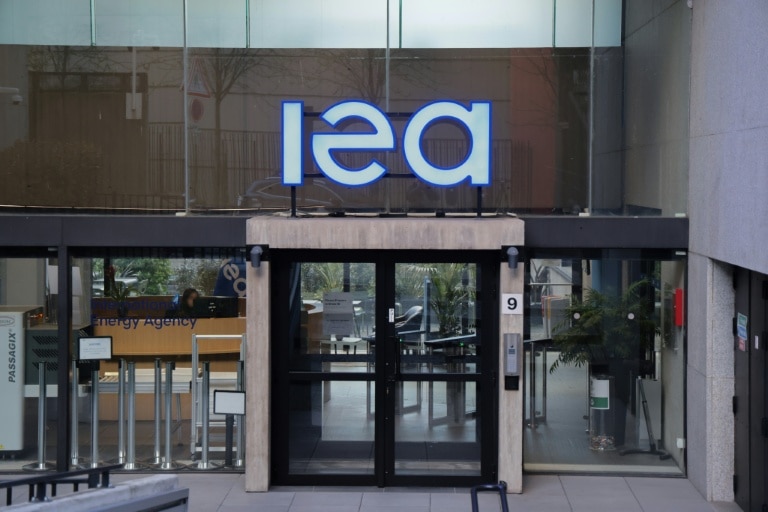
    East Asian economic powers are deploying strategic reserves to maintain industrial operations. Japan initiated the release of approximately 45 days’ worth of oil from its substantial reserves—a system established after the 1970s oil crises—while South Korea committed to releasing 22.46 million barrels through the International Energy Agency’s coordinated effort. However, energy experts caution that reserve depletion constitutes merely a temporary buffer rather than a sustainable solution.

    Populous nations face particularly complex challenges in balancing household needs against commercial demands. India prioritized liquefied petroleum gas (LPG) allocations for residential cooking over commercial establishments, forcing restaurants to modify menus and operating hours. Similar dilemmas confront Indonesia and Thailand, where subsidy programs strain national budgets while attempting to shield consumers from price spikes.

    The European Union is addressing the crisis through accelerated clean energy transition strategies, seeking to reduce consumption and enhance energy security across member states. European Commissioner for Energy Dan Jørgensen confirmed officials are ‘working on immediate measures to help businesses and our most vulnerable citizens’ amid sharply elevated prices.

    As the conflict persists, analysts warn that energy rationing and difficult prioritization decisions will likely expand globally, with renewable energy and diversified supply chains emerging as critical long-term solutions to enhance energy security.

  • Millions without electricity as Cuba’s power grid collapses

    Millions without electricity as Cuba’s power grid collapses

    Cuba’s national electricity system experienced a catastrophic failure on Monday, plunging millions of citizens into darkness in the latest and most severe power crisis to hit the island nation. According to UNE, Cuba’s grid operator, restoration efforts are gradually underway across provinces and urban centers, though complete recovery remains uncertain.

    The collapse represents the culmination of years of deteriorating energy infrastructure and chronic fuel shortages that have now reached critical levels. These systemic problems have been dramatically worsened by recent US sanctions that have effectively strangled Cuba’s oil supply chain. The situation has become particularly dire since January, when American authorities captured Venezuelan President Nicolas Maduro and subsequently intensified pressure on Cuba by intercepting multiple oil shipments destined for the island.

    President Donald Trump escalated tensions further during a White House press briefing, stating he believed he would have the ‘honour of taking Cuba’ and remarking that the nation’s weakened state meant he ‘could do anything I want with it.’ These comments follow his previous threats of a ‘friendly takeover’ of the Caribbean nation, which has maintained strained relations with the US since the 1959 revolution that brought Fidel Castro to power.

    The current energy crisis has deep roots in Cuba’s dependence on imported fuel, with Venezuela previously supplying approximately 35,000 barrels daily—accounting for nearly half of Cuba’s consumption. With no oil shipments reaching Cuban shores for three months, according to President Miguel Diaz-Canel, the country’s power grid has buckled under the strain.

    This energy catastrophe has triggered widespread social unrest, with protesters recently storming a Communist Party building in Moron following rallies against soaring food prices and persistent blackouts. Havana residents express grim resignation, with one telling Reuters that the latest outage ‘didn’t surprise’ her, adding ‘We’re getting used to living like this.’

    Despite the tensions, diplomatic channels remain partially open, with President Diaz-Canel confirming last week that preliminary talks with the Trump administration were underway to resolve bilateral differences.

  • Sri Lanka declares Wednesdays off as Asian countries try to conserve fuel

    Sri Lanka declares Wednesdays off as Asian countries try to conserve fuel

    Sri Lanka has instituted a mandatory four-day work week, designating every Wednesday as a public holiday in a drastic effort to conserve fuel reserves. This emergency measure comes as the island nation faces severe shortages following the escalation of military conflict between the US-Israel alliance and Iran, which has disrupted critical oil shipments through the Strait of Hormuz.

    President Anura Kumara Dissanayake emphasized the gravity of the situation, stating, “We must prepare for the worst, but hope for the best” during emergency deliberations with government officials. The Wednesday closure was strategically selected to prevent three consecutive non-working days while maximizing fuel conservation.

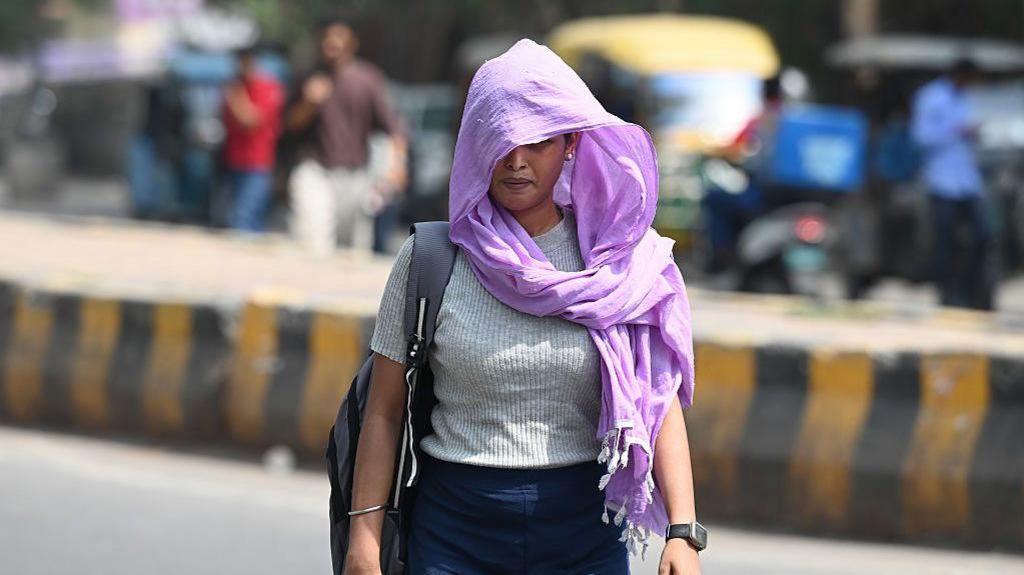
    The energy crisis has triggered a chain reaction of austerity measures across Asia, the world’s largest oil-importing region that received nearly 90% of the strait’s oil and gas shipments last year. Thailand has launched campaigns promoting short-sleeved attire to reduce air conditioning dependency, while Myanmar has implemented alternate-day driving restrictions based on license plate numbers. Bangladesh has rescheduled academic calendars and introduced nationwide planned blackouts, and the Philippines has mandated work-from-home arrangements while banning non-essential public sector travel.

    Sri Lanka’s measures extend beyond the four-day week, reintroducing a National Fuel Pass system that rations purchases to 15 liters for private vehicles and 5 liters for motorcycles. This system previously helped navigate the country’s devastating 2022 economic crisis when foreign reserves depleted completely. Current oil prices have surged to approximately $100 per barrel since hostilities began in the Gulf, compounding existing economic pressures.

    The government has exempted essential services including healthcare and immigration from the shortened work week, though educational institutions will adhere to the new schedule. Despite these efforts, public dissatisfaction simmers over what many citizens perceive as inadequate fuel allocations amid the growing crisis.

  • Iranian women soccer players granted asylum in Australia are pictured training in Brisbane

    Iranian women soccer players granted asylum in Australia are pictured training in Brisbane

    In a significant development following their high-profile asylum case, two members of Iran’s women’s national football team have commenced training with Australian professional club Brisbane Roar. Fatemeh Pasandideh and Atefeh Ramezanisadeh were photographed enthusiastically participating in their first public training session since being granted humanitarian protection by Australian authorities.

    The images, shared on Brisbane Roar’s official Instagram account, depict the athletes smiling while adorned in the club’s colors alongside the women’s elite squad. Club CEO Kaz Patafta emphasized the organization’s commitment to “providing a supportive environment for them whilst they navigate the next stages” of their transition.

    This development concludes a complex diplomatic episode that unfolded during the Women’s Asian Cup tournament. The situation escalated when Australia’s government extended humanitarian visa offers to multiple team members following Iran’s elimination from the competition. Initially, seven players and staff accepted asylum, though five subsequently reversed their decisions and rejoined the team in Malaysia before their eventual return to Oman.

    The two athletes have expressed gratitude for their reception, with Ramezanisadeh commenting “Thank you for everything” on the club’s social media post. Both women have been relocated to undisclosed secure locations and are receiving governmental assistance as they settle into their new circumstances.

    The original controversy emerged when several team members remained silent during Iran’s national anthem during early tournament matches—an act interpreted by some observers as symbolic protest amid ongoing regional conflicts. These actions drew criticism from hardline commentators in Iran, who labeled the players “wartime traitors,” while Iranian officials maintained that returning athletes would face no security concerns.

    Australian immigration authorities conducted private interviews with team members at airports without team supervision before their departure. The final squad members departed from Kuala Lumpur to Oman on Monday, with travel arrangements coordinated by the Iranian embassy, according to Asian Football Confederation officials.