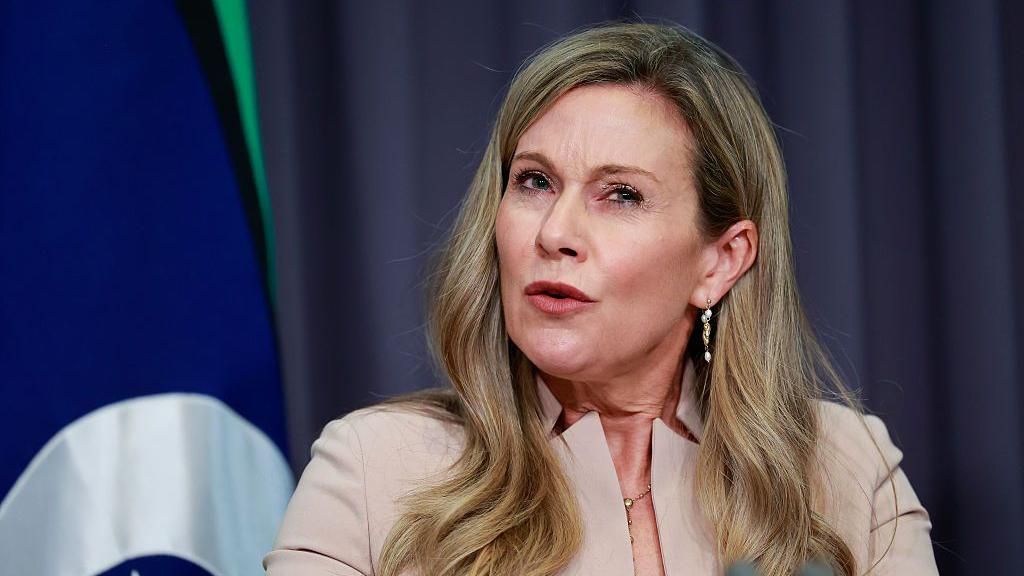
Australia’s eSafety Commissioner, Julie Inman Grant, is under scrutiny from US Republican Congressman Jim Jordan, who has requested her testimony before the US Congress. Jordan, chair of the Committee of the Judiciary, expressed concerns that Australia’s Online Safety Act (OSA) enforcement is impinging on free speech in the United States. In a letter to Inman Grant, Jordan criticized her as a ‘noted zealot for global takedowns’ and accused her of overreaching by applying Australian laws extraterritorially, which he claims threatens American citizens’ speech rights. He has demanded her appearance by December 2, just before Australia’s social media ban for under-16s takes effect. A spokesperson for Inman Grant stated that she is considering the request, emphasizing that her role is to enforce Australian laws and that she is accountable to Australia’s Minister for Communications and Parliament. The spokesperson also clarified that eSafety’s actions do not restrict American companies from displaying content to Americans. Jordan’s letter referenced Inman Grant’s past legal actions against Elon Musk’s X platform, where she sought the removal of videos depicting a Sydney church stabbing, deemed a terrorist incident, from global users. Although X initially refused to comply, it later blocked the videos in Australia. Jordan also accused Inman Grant of collaborating with pro-censorship entities in the US to promote ‘global censorship regimes’ and criticized her speech at Stanford University, labeling it as ‘troubling’ and indicative of efforts to censor lawful American speech. He warned that such global content takedown orders could set a dangerous precedent for other governments to follow.
作者: admin
-
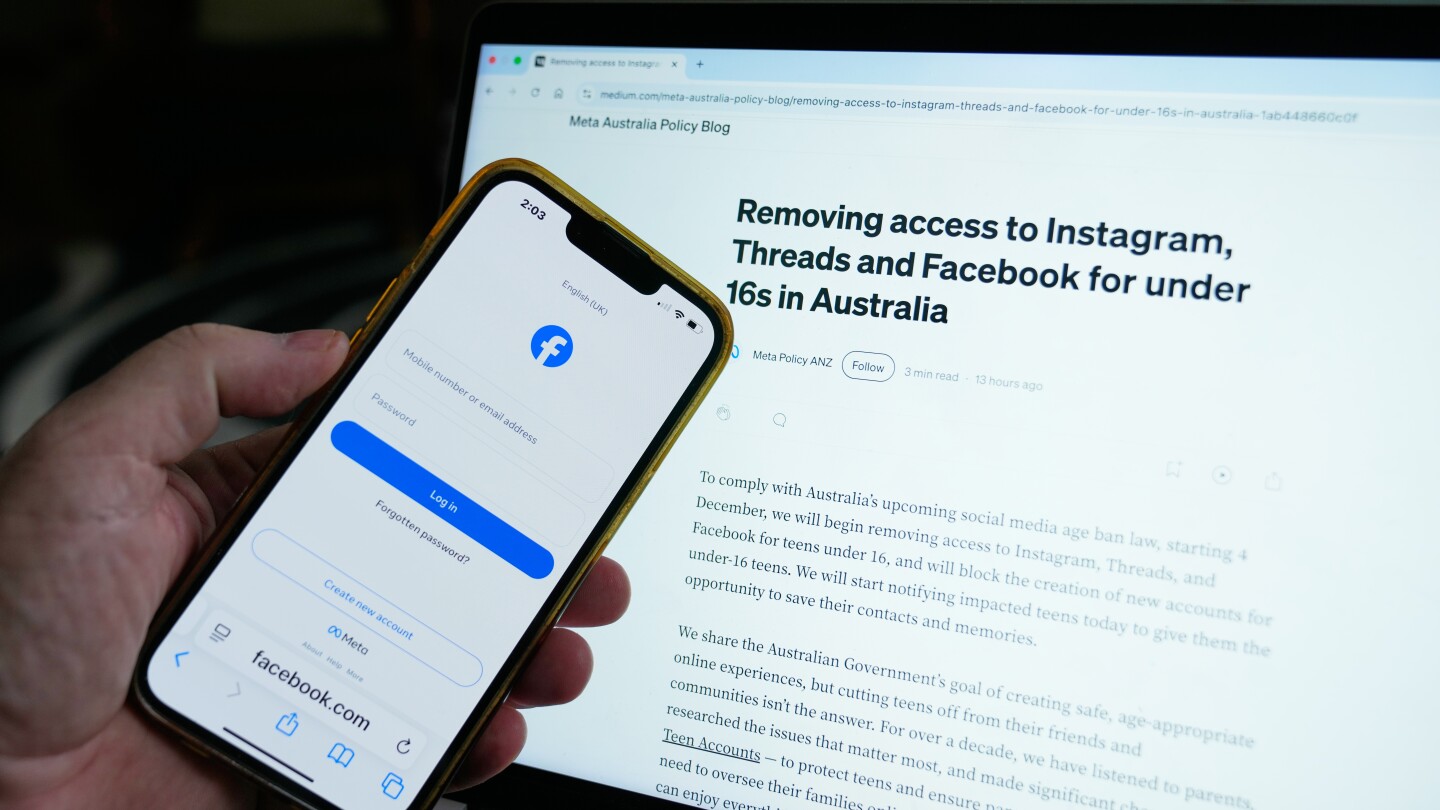
Meta alerts young Australians to download their data before a social media ban
In a landmark move, Meta has begun notifying thousands of young Australians to download their digital histories and delete their accounts from Facebook, Instagram, and Threads. This action precedes the enforcement of Australia’s pioneering social media ban on accounts of children under 16, set to take effect on December 10. The Australian government recently mandated that major platforms, including Meta’s trio, Snapchat, TikTok, X, and YouTube, implement measures to exclude users below the age of 16. Meta, headquartered in California, has emerged as the first tech giant to outline its compliance strategy. Starting December 4, suspected underage users will be denied access, with Meta issuing warnings via SMS and email. The company has advised young users to utilize the notice period to save their data and update contact details for future account recovery. Meta estimates that 350,000 Australians aged 13-15 are on Instagram, with an additional 150,000 on Facebook. For those mistakenly flagged, Meta offers age verification through Yoti, requiring government-issued IDs or a ‘video selfie.’ However, experts like Terry Flew of Sydney University caution that facial-recognition technology has a failure rate of at least 5%. The government has warned platforms against imposing blanket age verification, emphasizing that they already possess sufficient data to identify underage users. Non-compliance could result in fines up to AUD 50 million (USD 32 million). Meta’s Antigone Davis advocates for a standardized, privacy-preserving age verification system at the OS/app store level, arguing it would offer more comprehensive protection. Meanwhile, Dany Elachi of the Heaps Up Alliance, a parents’ group that lobbied for the ban, urges parents to help their children reallocate time previously spent on social media. Despite some reservations about the legislation’s implementation, Elachi supports the principle that children under 16 are better off engaging with the real world.
-
China’s economic retaliation against Takaichi is just beginning
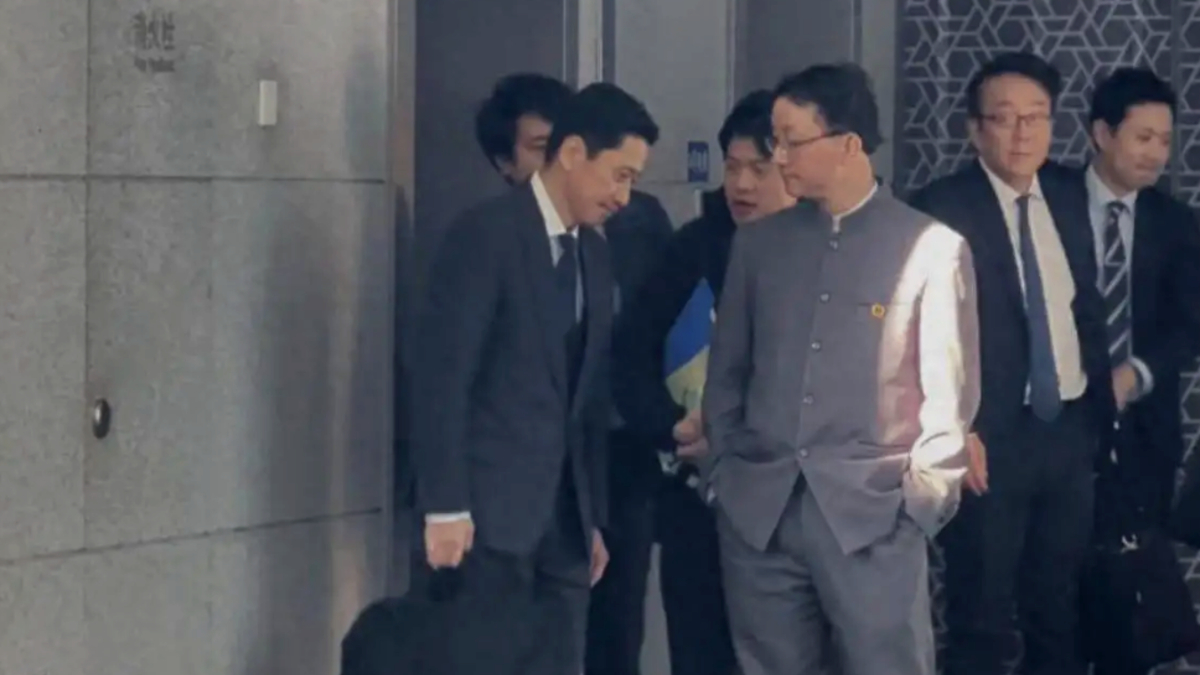
The diplomatic relationship between China and Japan has taken a sharp turn towards confrontation following provocative remarks by Japanese Prime Minister Sanae Takaichi regarding Taiwan. In response, Chinese analysts and policymakers have proposed stringent measures against Japan, including banning exports of rare earths and halting imports of Japanese seafood and agricultural products. Gao Zhikai, a prominent Chinese academic and former diplomat, suggested these measures in a social media video, emphasizing the need for a robust response to Japan’s pro-Taiwan stance. Gao also recommended canceling visa-free arrangements for Japanese passport holders and barring entry to those who visited the controversial Yasukuni Shrine in the past year. These proposals have already begun to materialize, with China suspending imports of Japanese aquatic products and terminating bilateral consultations on Japanese beef exports. The rare earths issue is particularly critical, as Japan relies heavily on China for these materials, essential for its high-tech industries. The situation has been further exacerbated by China’s issuance of travel advisories and study-abroad alerts, citing deteriorating security conditions in Japan. The economic impact is significant, with Chinese travel platforms canceling hundreds of thousands of tickets to Japan, leading to substantial revenue losses for Japanese businesses. The tensions stem from Takaichi’s recent comments on Taiwan, which Beijing views as a direct challenge to its sovereignty. China has warned of severe consequences if Japan intervenes militarily in the Taiwan Strait, with state media highlighting the risks of a hostile security environment and international criticism. Despite diplomatic efforts to stabilize ties, including a recent meeting between officials from both countries, progress has been minimal. The situation remains volatile, with both nations standing firm on their positions.
-
These were the major deals signed by Saudi crown prince on his US visit
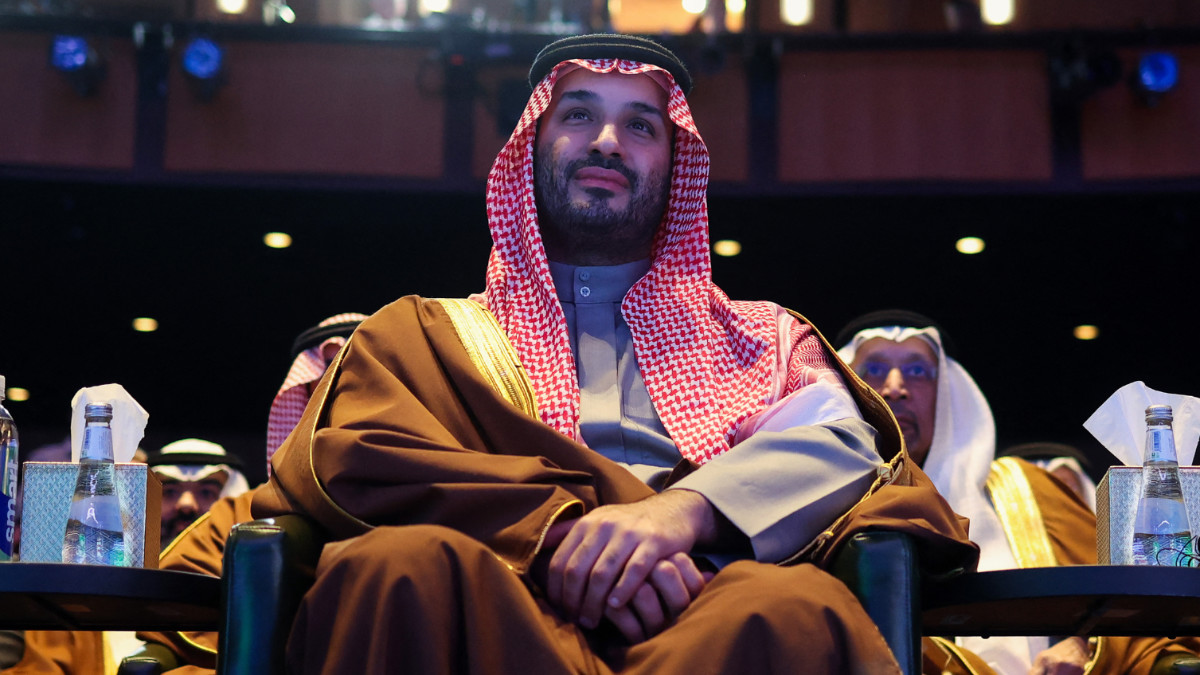
In a landmark series of agreements, the United States and Saudi Arabia have solidified a robust economic partnership, with deals worth hundreds of billions of dollars announced during Crown Prince Mohammed bin Salman’s visit to Washington. President Donald Trump revealed that $270 billion in new investment deals were signed, while Saudi state media reported an even higher figure of $557 billion. These agreements span various sectors, including technology, rare earth minerals, and energy, underscoring the deepening ties between the two nations.
Among the most notable deals is a joint venture between MP Materials, a US-based rare earths company, and Saudi Arabian Mining Company (Maaden). The partnership aims to establish a refinery in Saudi Arabia to process rare earth minerals, critical for advanced technologies. The US Department of War is financing the American contribution to this venture, highlighting the strategic importance of reducing reliance on China, which dominates global rare earth refining.
In the tech sector, Elon Musk’s xAI announced a collaboration with Saudi Arabia’s state-owned AI company, Humain, to develop a network of GPU data centers, including a massive 500-megawatt facility. Humain also secured partnerships with AMD, Cisco Systems, and Amazon to expand its data center capacity, positioning Saudi Arabia as a global hub for AI infrastructure. The kingdom’s competitive electricity prices, driven by its abundant fossil fuel and solar energy reserves, make it an attractive location for energy-intensive data centers.
Additionally, Saudi Aramco, the kingdom’s state-owned oil giant, signed 17 preliminary agreements with US companies, potentially worth over $30 billion. These deals span sectors such as liquefied natural gas, financial services, and advanced materials manufacturing, further cementing Saudi Arabia’s role as a key player in global energy markets.
While the scale of these agreements is impressive, questions remain about the distinction between pledges and actual financial commitments. Nevertheless, the deals reflect a concerted effort by both nations to strengthen economic and technological cooperation, with Saudi Arabia leveraging its sovereign wealth fund and strategic resources to attract global investments.
-

A corruption scandal pressures Ukraine’s Zelenskyy to show greater accountability
Ukrainian President Volodymyr Zelenskyy is under increasing pressure to demonstrate accountability as a corruption scandal threatens to destabilize his government amidst the ongoing war with Russia. The scandal, involving the embezzlement of $100 million from Ukraine’s energy sector, has led to the dismissal of two top officials and sanctions on close associates. However, these actions have failed to quell public outrage, particularly as Ukrainians endure frequent power outages caused by Russian bombardments. Calls are growing for the resignation of Zelenskyy’s chief of staff, Andrii Yermak, who is seen as a central figure in the administration. While neither Zelenskyy nor Yermak have been directly implicated, critics argue that senior leaders must be held accountable to restore public trust and maintain credibility with Western allies. The scandal has intensified scrutiny of Ukraine’s long-standing corruption issues, which Zelenskyy had pledged to eradicate when elected in 2019. Despite the political storm, Zelenskyy has not yet decided to dismiss Yermak, whose influence in the administration remains significant. The situation highlights the delicate balance Zelenskyy must strike between addressing internal corruption and maintaining focus on the war effort.
-

Dubai: Voting opens for Globe Soccer Awards with Dembélé, Ronaldo nominated
The 16th edition of the prestigious Globe Soccer Awards is set to take place on December 28, 2025, at the luxurious Atlantis The Royal hotel on Palm Jumeirah in Dubai. Football enthusiasts worldwide are invited to participate in the voting process, which opened on November 20 and will continue until November 27 for nine of the 15 award categories. A second round of voting will run from December 3 to 11, with final winners determined by a combination of fan votes and the esteemed Globe Soccer Jury, featuring football legends like Marcello Lippi, Francesco Totti, Iker Casillas, and Luis Figo.
Paris Saint-Germain (PSG) dominates the nominations following their stellar 2024-2025 season, which saw them clinch the Uefa Champions League, Super Cup, Ligue 1, and Coupe de France. The club is vying for the Best Men’s Club award, while manager Luis Enrique and sporting director Luís Campos are shortlisted for Best Coach and Best Sporting Director, respectively. Eight PSG players, including Ousmane Dembélé and Gianluigi Donnarumma, are nominated for Best Men’s Player, alongside other football giants like Vinícius Júnior, Kylian Mbappé, and Mohamed Salah.
In the women’s categories, Barcelona Femení and Spain midfielder Aitana Bonmatí aims for a third consecutive Best Women’s Player award. She is joined by teammates and England’s Uefa Women’s Euro 2025 champions on the shortlist. Arsenal, the Uefa Women’s Champions League winners, are among the contenders for Best Women’s Club.
Cristiano Ronaldo, representing Portugal and Al-Nassr, is nominated for Best Middle East Player, competing against Salem Al-Dawsari, Karim Benzema, and others. The event promises to celebrate the finest talents in global football, with fans playing a pivotal role in deciding the winners.
-
Trump says he will intervene in Sudan war at Saudi leader’s request
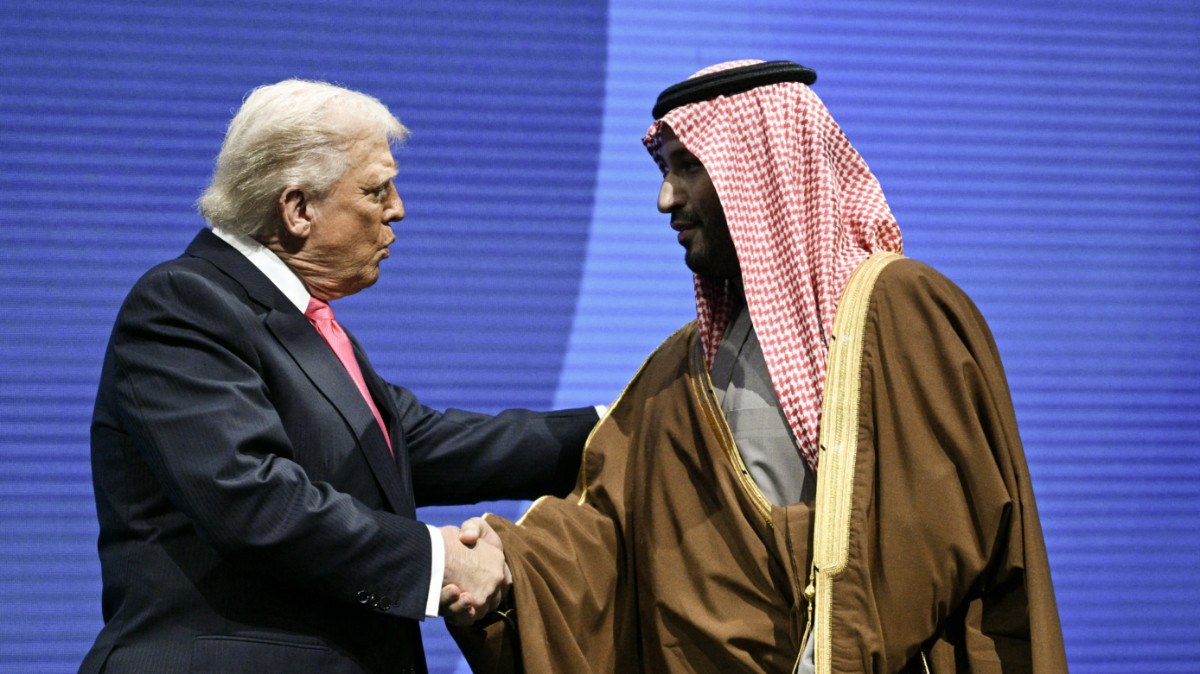
In a significant diplomatic development, former U.S. President Donald Trump has announced his intention to intervene in Sudan’s ongoing civil war, following a direct appeal from Saudi Crown Prince Mohammed bin Salman. The decision, confirmed during a U.S.-Saudi investment conference, aligns with an exclusive report by Middle East Eye (MEE) that Riyadh had planned to lobby Trump for involvement in the conflict. Trump described the war as ‘crazy and out of control,’ emphasizing the importance of addressing the crisis at the Saudi leader’s request. The move comes amid rising tensions between Saudi Arabia and the United Arab Emirates (UAE), which has been accused of supporting the paramilitary Rapid Support Forces (RSF) in Sudan. Trump’s intervention marks a potential shift in U.S. foreign policy towards the region, as the conflict has escalated into one of the world’s most severe humanitarian crises. U.S. Secretary of State Marco Rubio has also condemned the RSF’s supporters, hinting at increased pressure on the UAE. The war, which began in April 2023, pits the Sudanese Armed Forces (SAF) against the RSF, with both sides receiving external backing. Saudi Arabia has positioned itself as a mediator, though sources suggest Riyadh favors the SAF for perceived stability. The UAE, meanwhile, denies allegations of supplying weapons to the RSF, despite evidence to the contrary. Trump’s involvement could reshape the dynamics of the conflict and its regional implications.
-
Philippines sentences ‘Chinese spy mayor’ to life in jail
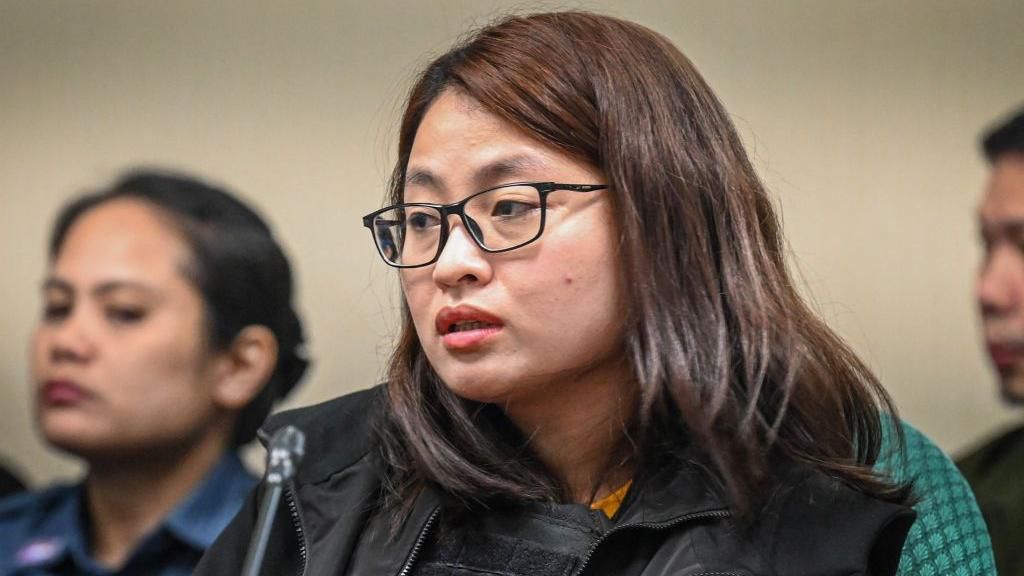
In a landmark ruling that has captivated the Philippines for years, former Bamban Mayor Alice Guo has been sentenced to life imprisonment for her involvement in human trafficking and operating a massive scam center. On Thursday, Guo and three accomplices were handed life sentences and fined 2 million pesos ($33,832) by the court. The case, which has drawn national attention, stems from the discovery of one of the country’s largest scam hubs in Bamban, a small town north of Manila. Authorities rescued approximately 800 Filipinos and foreigners from the center, many of whom were coerced into participating in ‘pig butchering’ scams—a notorious form of online fraud. Guo, 35, was arrested in 2024 after fleeing for weeks and has consistently denied all charges. It remains unclear whether she will appeal the verdict. The case against Guo includes five ongoing charges, one of which is money laundering. Elected as Bamban’s mayor in 2022, Guo was initially perceived as a compassionate leader by local residents. However, her reputation crumbled in 2024 when a sprawling scam center, masquerading as an online casino (locally known as Philippine Online Gaming Operations or Pogo), was uncovered near her office. Despite her initial claims of ignorance, a senate investigation revealed that the 8-hectare compound, housing 36 buildings, was constructed on land she previously owned. Further scrutiny exposed inconsistencies in her background, including her false claim of being born in the Philippines. Investigations confirmed that Guo migrated from China as a teenager, and her fingerprints matched those of a Chinese national named Guo Hua Ping. Following her removal from office, Guo disappeared in July 2024, prompting an international manhunt across four countries. She was eventually arrested in Indonesia in September 2024 and extradited to the Philippines, where her passport was revoked. The case has unfolded against the backdrop of ongoing territorial disputes between the Philippines and China in the South China Sea. While the allegations against Guo have dominated Philippine headlines, China has remained notably silent on the matter.
-
Leaders press on with G20 summit in South Africa that won’t have US and Trump
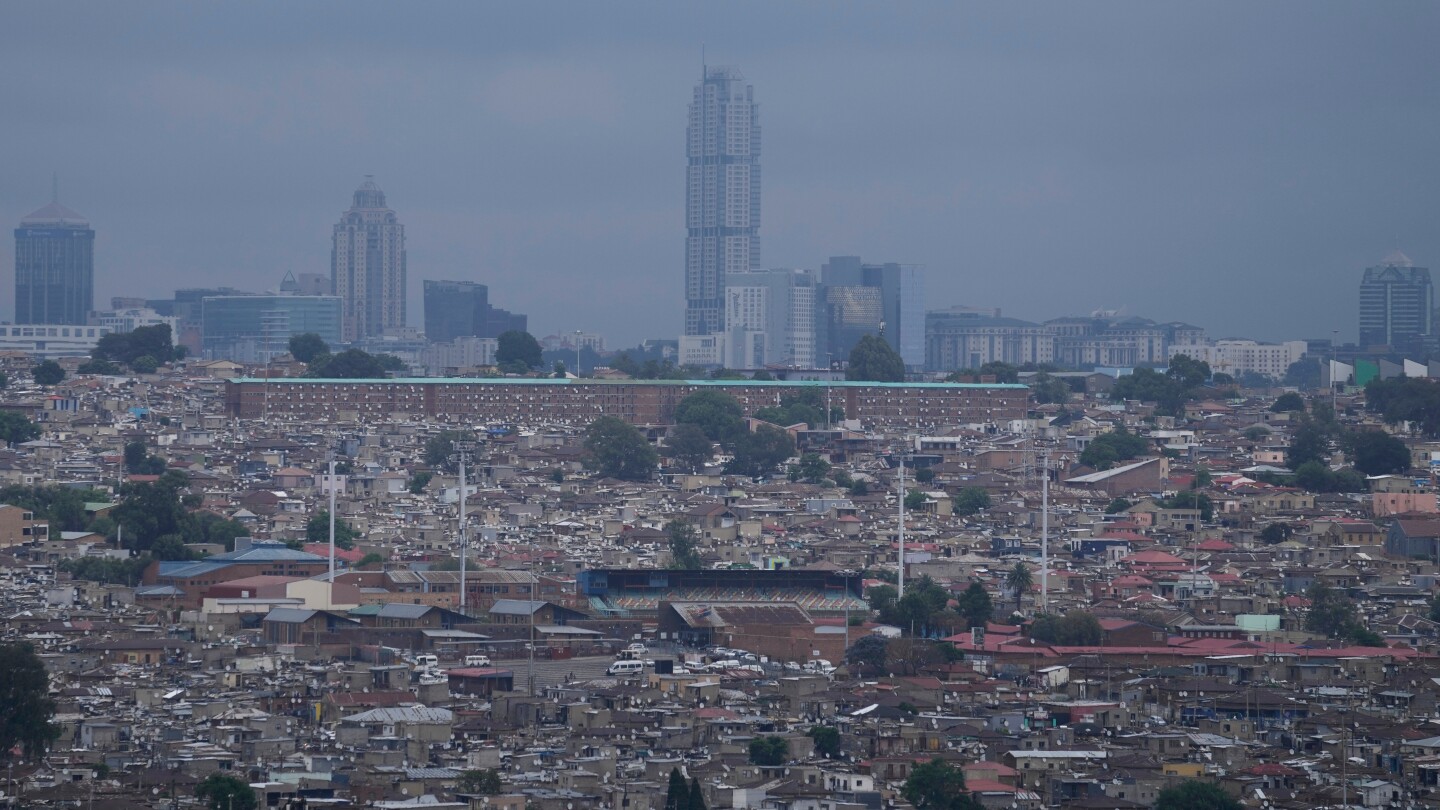
The Group of 20 (G20) summit, hosted for the first time in Africa, is underway in Johannesburg, South Africa, but the absence of U.S. President Donald Trump and his administration has overshadowed the event. Trump’s boycott, citing alleged discrimination against South Africa’s white farmers, has sparked controversy and dominated discussions, diverting attention from the summit’s agenda, which includes climate resilience, debt sustainability for poor nations, and global inequality. South African President Cyril Ramaphosa has refuted Trump’s claims, calling them ‘completely false.’
The U.S. boycott extends beyond Trump’s absence, with no U.S. officials attending the summit. The U.S. has also discouraged member nations from adopting a ‘Leaders Declaration,’ which would signify multilateral consensus. This move has raised concerns about the summit’s effectiveness, though South Africa’s Foreign Minister Ronald Lamola views it as an opportunity to demonstrate that the world can progress without U.S. involvement, albeit with challenges.
Other notable absences include Russian President Vladimir Putin, who faces an arrest warrant from the International Criminal Court over Russia’s war in Ukraine, and Chinese President Xi Jinping, who has sent Premier Li Qiang as his representative. Despite these absences, Johannesburg has been bustling with preparations, including street clean-ups and vibrant decorations.
South Africa, as the G20 president, is focusing on advancing an inclusive agenda, particularly addressing the needs of poor nations. Key issues include securing financing for climate change mitigation, with experts estimating a need for $1 trillion annually by 2030. The African Union plans to advocate for African countries facing climate and financial challenges, while experts emphasize the importance of global governance reform to ensure all regions, including Africa, have a meaningful voice in global priorities.
Support for the summit remains strong among other major nations, including France, Germany, and the United Kingdom, whose leaders are expected to attend. U.N. Secretary-General António Guterres has also confirmed his participation, expressing commitment to advancing international financial reforms and sustainable development in Africa.
-
US approached Yemen about international force in Gaza: Report
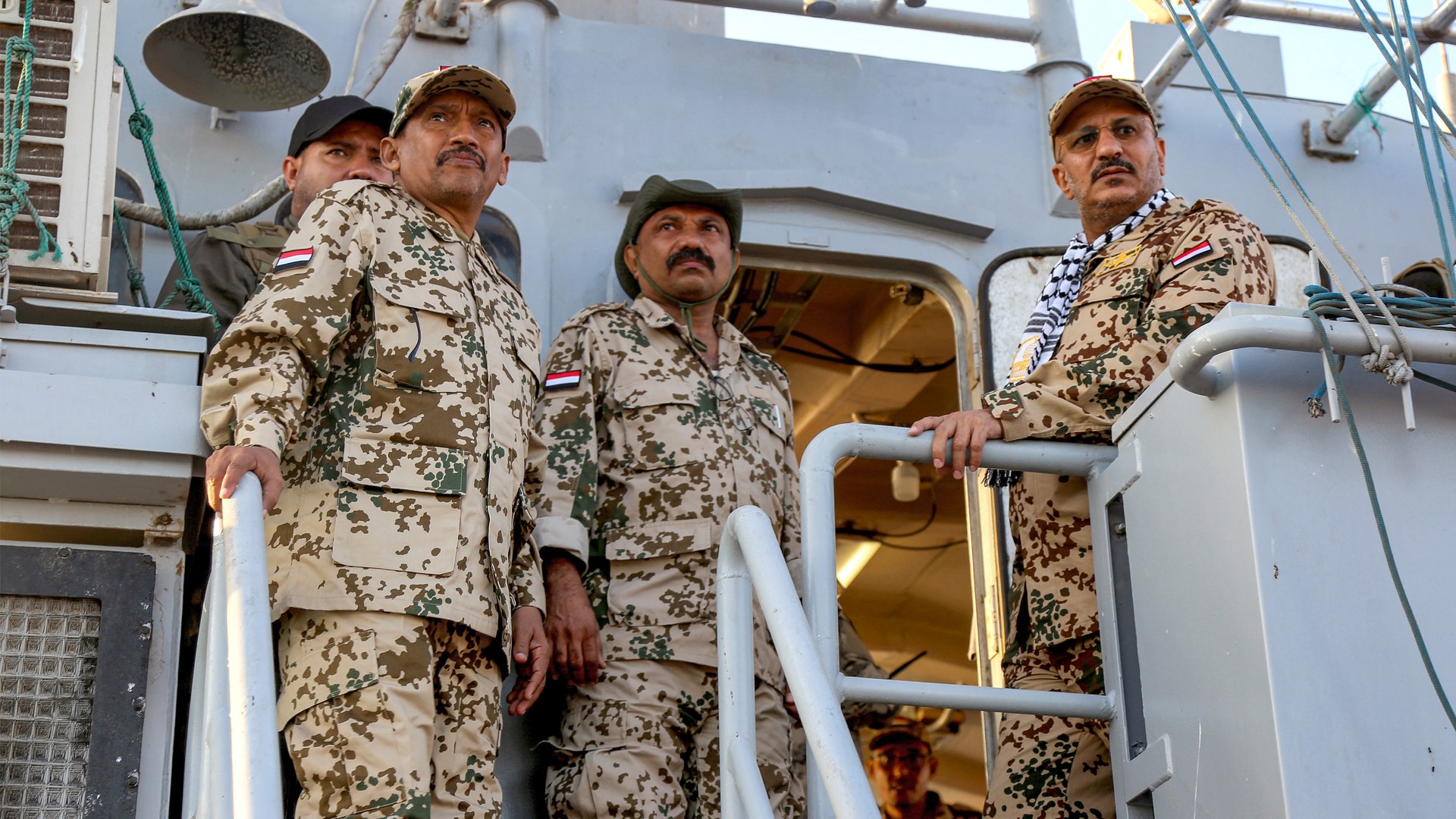
The Trump administration has reportedly engaged with Yemen’s internationally recognized government (IRG) in Aden regarding potential participation in an international stabilization force for Gaza, according to an AFP report published on Wednesday. Sources within Yemen’s presidential council, a diplomat, and a senior military official, all speaking anonymously, confirmed the discussions. While the military official noted that Yemen’s involvement has been discussed with the U.S., no formal request has been made yet. The IRG, despite its UN representation and Washington ambassador, wields minimal control within Yemen, having been ousted from the capital, Sanaa, by Houthi rebels over a decade ago. The Houthis, who dominate much of Yemen, have faced air strikes from Saudi Arabia, the UAE, Israel, and the U.S., and openly support Hamas in Gaza. Hamas, however, has strongly opposed the idea of a U.S.-led international force, insisting that any such force must operate under UN supervision and exclude Israeli involvement. This development follows President Trump’s recent meeting with Saudi Crown Prince Mohammed bin Salman, where Saudi Arabia’s financial backing for Gaza’s reconstruction and its role in assembling a stabilization force were emphasized. While countries like Turkey and Indonesia have prepared troops, Hamas’s resistance to U.S. oversight could escalate tensions between the force and Palestinian fighters.