作者: admin

  • What to know about the Eurovision Song Contest as it turns 70 with a Vienna extravaganza

    What to know about the Eurovision Song Contest as it turns 70 with a Vienna extravaganza

    As the Eurovision Song Contest marks its 70th anniversary this year, the iconic, glitter-fueled global musical gathering is balancing its long-running celebration of cross-cultural connection with growing political tensions ahead of its 2026 installment in Vienna, Austria. Running from May 12 to 16, this year’s event will bring 35 competing acts from across Europe and beyond to the stage, but the gathering is overshadowed by a high-profile boycott led by five nations protesting Israel’s eligibility to compete amid the ongoing Israel-Hamas war in Gaza.

    Founded in 1956 in the aftermath of World War II, Eurovision was originally conceived to test emerging live broadcast technology and rebuild continental unity across a war-scarred Europe. What began as a small contest with just seven competing nations has expanded into a global cultural phenomenon, now welcoming dozens of entries from across Europe and even non-European participants including Israel and Australia.

    Widely described as the “Olympics of pop music,” the contest has cultivated a massive global fanbase by blending campy theatricality, unapologetic pop joy, and unfiltered national pride. Last year’s installment drew a global audience of 162 million viewers, and organizers confirm fans from 75 countries have already purchased tickets for this year’s live shows at Vienna’s Wiener Stadthalle. Over its seven-decade history, Eurovision has launched the careers of some of the world’s biggest music stars, from 1974 winners ABBA to Celine Dion, who claimed victory for Switzerland in 1988, to more recent standouts including 2014 winner Conchita Wurst, 2021 champions Måneskin and 2022 winners Kalush Orchestra. Even its most famously silly entries, such as early winners “La, La, La” and “Boom Bang-a-Bang,” have become beloved parts of the contest’s quirky legacy.

    Though the contest’s official motto remains “United by Music,” politics have repeatedly intruded on its celebration in recent years. In 2022, Russia was expelled from the competition following its full-scale invasion of Ukraine, and the 2024 contest in Malmö and 2025 event in Basel both saw widespread pro-Palestinian demonstrations calling for Israel’s removal from the contest over its military campaign in Gaza and allegations of voting manipulation.

    Tensions boiled over in December 2025, when five countries – Iceland, Ireland, the Netherlands, Slovenia and Spain – announced their withdrawals from the 2026 contest after the European Broadcasting Union (EBU), which runs Eurovision, reaffirmed Israel’s eligibility to compete. Slovenia’s national broadcaster even went so far as to announce it would not broadcast this year’s contest in solidarity with the boycott. While Bulgaria, Moldova and Romania have rejoined the competition after skipping recent installments for financial or artistic reasons, the total number of 2026 participants sits at 35, down from 37 in 2025. Multiple pro-Palestinian protests are already scheduled to take place across Vienna during contest week.

    For fans focused on the music, this year’s lineup features a diverse range of acts spanning pop-opera, folk-infused dance, high-energy rock, and soulful ballads. Oddsmakers currently peg Finland’s “Liekinheitin” (“Flamethrower”), a high-octane collaboration between violinist Linda Lampenius and pop singer Pete Parkkonen, as the frontrunner to take home the trophy. Other top contenders include 17-year-old French singer Monroe’s pop-operatic ballad “Regarde!”, Denmark’s sultry jazz-tinged entry “Før Vi Går Hjem” (“Before We Go Home”), and Greece’s fan-favorite party-rap track “Ferto” (“Bring It”). Australia, a long-time enthusiastic non-European participant, has sent acclaimed star Delta Goodrem with the polished mid-tempo ballad “Eclipse,” while Cyprus’ folk-influenced dance-pop entry “Jalla” by Antigoni has already gone viral on YouTube and earned a positive nod from Eurovision experts. Israeli crooner Noam Bettan will compete with his ballad “Michelle,” while tiny San Marino’s entry “Superstar” features a surprise guest appearance from 1980s pop icon Boy George.

    Eurovision expert Paul Jordan, known professionally as Dr. Eurovision, notes that the contest has long outgrown its old reputation for formulaic cheesy pop. “There’s not a lot of cheesy pop numbers this year,” he explained. “There’s such diversity that I don’t think there is such a thing as a ‘Eurovision sound’ anymore.”

    Following longstanding tradition, 2026’s contest is hosted by 2025’s winner, Austrian singer JJ, marking the third time Vienna has hosted the event. The competition kicks off with two semi-finals on May 12 and 14, which will narrow the field to 25 finalists who will compete in the grand final on May 16, hosted by Austrian singer and business heir Victoria Swarovski and actor Michael Ostrowski. The contest will broadcast on national public broadcasters across participating countries, stream on Peacock in the United States, and air via the official Eurovision YouTube channel in many other regions.

    Voting, which combines public votes and scores from national expert juries, has been updated this year to address repeated allegations of vote rigging. The EBU has cut the maximum number of votes per purchase in half to 10 and implemented new safeguards to block suspicious or coordinated voting activity. Viewers in participating countries can vote via phone or text during the live final (though they are prohibited from voting for their home country’s act), while fans in non-participating nations including the U.S. can cast votes online via the official Eurovision voting website. After all votes are tallied, the act with the highest combined score claims the win, with the slow, dramatic reveal of scores keeping global audiences on the edge of their seats.

    The 2026 boycott has sparked new questions about Eurovision’s future, particularly at a time when many European public broadcasters face crippling funding cuts and younger audiences increasingly turn to social media for entertainment. The withdrawal of two longstanding core participants – seven-time winner Ireland and Spain, one of the five largest funding contributors to the contest – is a significant blow to the event’s stability. Still, Eurovision leadership is looking to expand globally, with the first-ever Eurovision Song Contest Asia scheduled to launch in Bangkok this November.

    Jordan remains optimistic that the 70-year-old institution can weather this latest period of tension. “At 70, Eurovision is part of our European culture,” he said. “It still gets people talking. It still brings us all together. It still gets huge viewing figures, it’s still creating hits. At a time when broadcasting is changing, people still make a date with their television set on that Saturday night.”
  • An angry crowd riots outside Australian hospital treating suspect in 5-year-old girl’s death

    An angry crowd riots outside Australian hospital treating suspect in 5-year-old girl’s death

    In the remote Australian Outback, a shocking wave of public anger has boiled over into violent unrest outside a major regional hospital, triggered by the brutal murder of a young Indigenous child. The incident unfolded over four days starting on a weekend in the area surrounding Alice Springs, a remote hub in central Australia’s Northern Territory.

    Authorities allege that Jefferson Lewis, the 55-year-old primary suspect, abducted the 5-year-old child from her home in a nearby Indigenous community. Per cultural customs of the local First Nations people, a strict ban prohibits publicly naming deceased community members, so the young victim has been identified publicly only as Kumanjayi Little Baby. Her body was discovered by search teams on Thursday, four days after she was reported missing, sparking immediate, raw outrage across the local Indigenous community.

    Before law enforcement could take Lewis into custody, a large group of community members tracked the suspect down and beat him until he lost consciousness, in an act of vigilante justice. When police arrived at the scene to intervene, they extracted the unconscious suspect and rushed him to Alice Springs Hospital for emergency medical treatment.

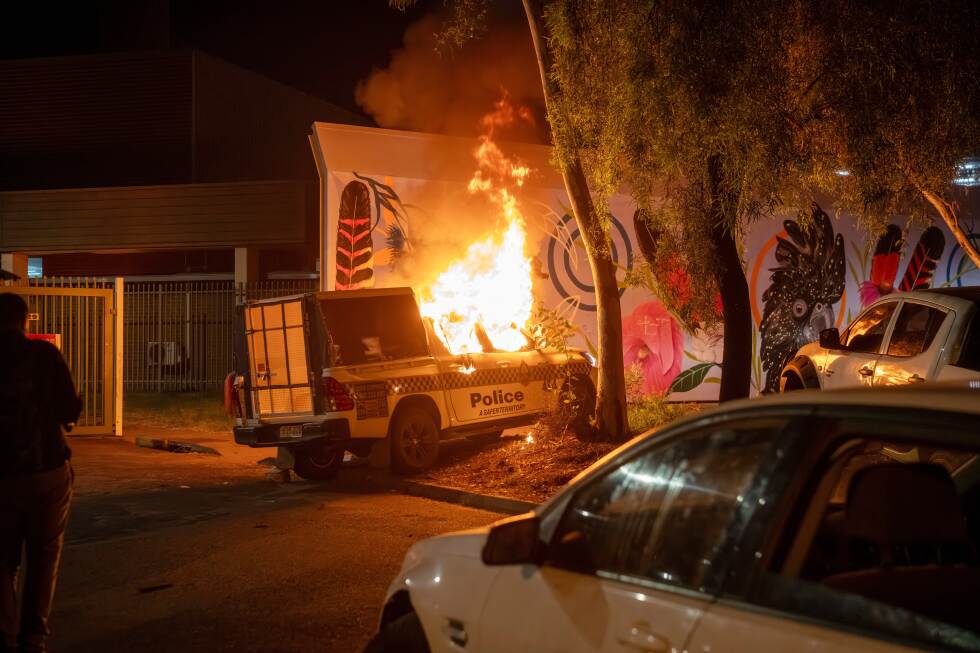
    That evening, hundreds of angry local residents gathered outside the hospital’s entrance to protest his presence there. Many in the crowd pushed for Lewis to be subjected to “payback,” a traditional form of customary Indigenous justice that can include corporal punishment such as beating or spearing. As the crowd refused to disperse and tensions escalated into rioting, law enforcement deployed less-lethal crowd control measures: officers fired rubber bullets and released tear gas to push the crowd back. In the chaos of the unrest, multiple police vehicles were damaged by members of the crowd.

    To de-escalate the situation and protect Lewis from further harm, hospital staff cleared him for transport into police custody shortly after the riot broke out. Authorities immediately arranged an air transfer 1,500 kilometers (more than 900 miles) north to Darwin, the capital of the Northern Territory, where Lewis will remain in pre-charge detention. Prosecutors confirm that formal charges against the suspect are expected to be filed on Friday.

    The incident has thrown a harsh spotlight on the deep tensions between formal Australian state law and traditional Indigenous customary justice in remote central Australian communities, where many First Nations residents continue to prioritize traditional governance systems for addressing serious harm.

  • US imposes sanctions on DR Congo ex-President Kabila alleging rebel support

    US imposes sanctions on DR Congo ex-President Kabila alleging rebel support

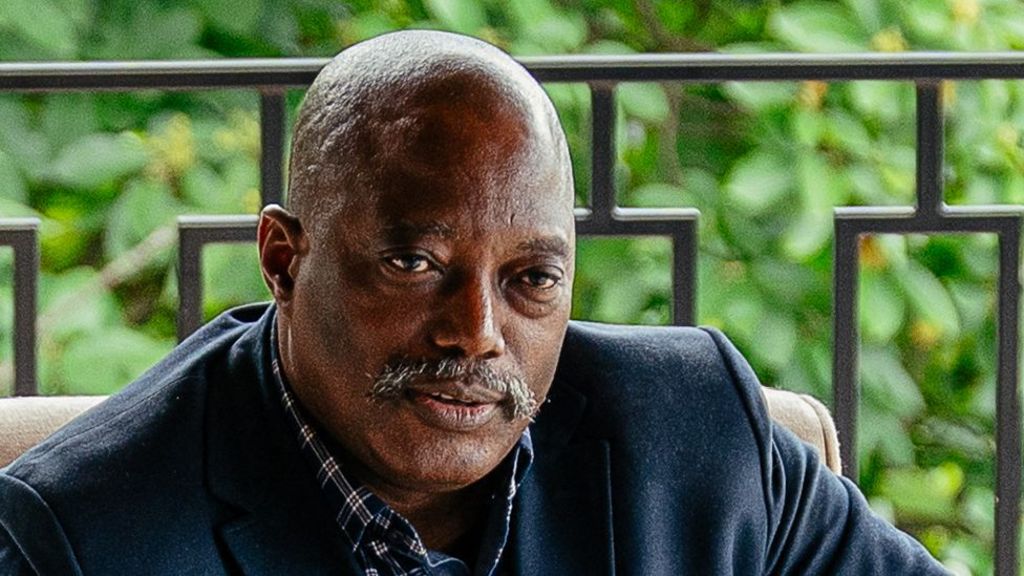
    The United States has announced wide-ranging sanctions against former Democratic Republic of Congo (DRC) President Joseph Kabila, leveling serious accusations that the long-time former leader has provided direct support to the M23 rebel group active in eastern DRC.

    According to U.S. officials, Kabila has delivered critical financial backing to the insurgent group, encouraged defections from the official Congolese national army, and even plotted to launch coordinated attacks against Congolese military forces from his base outside the country. The 54-year-old ex-president, who held the DRC’s highest office for 18 years starting in 2001, has not issued any public response after the BBC reached out for comment on the new sanctions. Kabila’s current location remains unconfirmed publicly, though he entered self-imposed exile in South Africa in 2023; he was last spotted publicly one year ago in Goma, a major eastern DRC city that is currently controlled by M23 forces.

    This latest punitive action by Washington is framed as a key component of its broader efforts to uphold the 2024 peace deal between DRC and neighboring Rwanda that the U.S. helped broker. The U.S. has long alleged that Rwanda provides military and logistical support to M23, a claim that Kigali has repeatedly denied despite overwhelming independent evidence to the contrary. Rwandan officials maintain that any military presence they have in the border region is strictly a defensive measure to counter cross-border security threats from armed groups based in eastern DRC. Washington previously sanctioned top Rwandan army commanders over their ties to M23 back in March 2025.

    In its official statement announcing the sanctions, the U.S. Treasury Department claims Kabila’s ultimate goal is to destabilize the current DRC government based in Kinshasa, clearing the way for an allied opposition candidate to seize power and restore his political control over the country. Under the newly imposed measures, all assets owned by Kabila that fall under U.S. jurisdiction are immediately frozen, and any U.S. citizen or registered company is prohibited from conducting financial or commercial activity with the former president. Global financial institutions and foreign business partners have also received formal warnings against engaging in even indirect transactions with Kabila, with violations carrying severe civil and criminal penalties. U.S. officials note the sanctions serve both as a punitive measure and a tool to force a change in Kabila’s behavior, sending a clear signal that Washington is prepared to target even former heads of state accused of fueling deadly conflict in central Africa.

    Eastern DRC has been plagued by persistent armed conflict for decades, with dozens of competing armed groups vying for control of the region’s resource-rich territory. M23 launched major offensive operations in early 2025, seizing large swathes of land and multiple major population centers in the area. Beyond advancing regional peace and security goals, the U.S. says the new sanctions against Kabila will also strengthen a recent regional economic agreement focused on improving transparency in global critical mineral supply chains. Last December, the U.S. and DRC formalized a bilateral partnership to expand U.S. access to DRC’s massive reserves of strategically critical minerals, including cobalt, coltan, and copper, all of which are core inputs for global clean energy and electronics manufacturing.

    The punitive actions against Kabila are not limited to international sanctions: last September, a Congolese military court sentenced the former leader to death in absentia after convicting him of war crimes and treason tied to his alleged support for M23. Kabila rejected the charges as politically motivated and arbitrary, and refused to appear in court to mount a defense against the accusations.

  • Vonn still in ‘survival mode’ after Olympic crash

    Vonn still in ‘survival mode’ after Olympic crash

    One of the most decorated alpine skiers in history, American downhill legend Lindsey Vonn is not ready to call time on her competitive career just yet – but she also refuses to rule out permanent retirement, three weeks after a devastating crash at the 2026 Cortina Winter Olympics left her on the brink of leg amputation.

    The 41-year-old 2010 Olympic downhill champion has undergone eight invasive surgeries since the high-speed accident on February 8, where she crashed just 13 seconds into her downhill run after striking a gate, rupturing ligaments in her left knee and sustaining a complex tibia fracture. What makes this injury far more severe than any she has dealt with over her decades-long career, Vonn says, is that multiple medical procedures were required to save her leg from amputation.

    In an interview with the Associated Press, Vonn acknowledged she is still navigating the acute recovery phase, describing her current mindset as being in “survival mode” that leaves her emotionally unready to commit to a final decision about her career. “I just don’t want to jump to any conclusions or even speculate on what I might do,” she explained. “I may retire. I may never race again and that would be completely fine, but I’m not in a position emotionally to make that decision at this point.”

    Vonn’s recovery road stretches far into the future, with one more major procedure already scheduled: the upcoming surgery will remove existing metal hardware from her injury site and perform a replacement for her torn anterior cruciate ligament (ACL). After that operation, she faces another six months of structured rehabilitation, meaning she will need at least 18 months of progressive recovery before she could return to full fitness even for off-slope gym training, let alone competitive racing.

    This is not Vonn’s first run with career-threatening injury: the skier, who holds 82 World Cup race wins – the second-most all time among female alpine skiers, trailing only fellow American Mikaela Shiffrin – initially retired from professional competition in 2019 after a string of serious leg injuries. She stunned the skiing world with a comeback announcement in 2024, after recovering from a partial right knee replacement, and entered her fifth Olympic Games as a medal contender, even competing through an ACL injury she sustained in the final pre-Olympic World Cup race in Switzerland.

    That pre-Games injury, she says, pales in comparison to the damage sustained in Cortina. “It’s much different than any injury I’ve ever had, in terms of the severity of the injury and understanding that I could have lost my leg and how bad things were,” Vonn said. “I can deal with a lot of pain, but this was so extreme. It’s not even been in the universe of pain as what I’ve had before.”

    Vonn, who returned to her home in the United States in mid-February after initial treatment in Italy, has continued to post incremental progress updates after each round of surgery. For now, her priority is pushing through the grueling initial recovery phase, rather than locking in a career choice. “I’m still in survival mode. I just want to get through this phase and be able to assess where I am in my life,” she said. “I don’t want to make a decision now because I think that would be rash and probably too emotional and I don’t want to make a mistake.”

  • Pickleball and protests: How a Trump visit is roiling the world’s largest retirement community

    Pickleball and protests: How a Trump visit is roiling the world’s largest retirement community

    Nestled across 30,000 acres of sun-drenched central Florida, spanning three counties and four zip codes, the Villages is widely known as the world’s largest retirement community. Often nicknamed “Disney without the rollercoasters,” this meticulously landscaped, age-restricted haven for adults over 55 draws transplants from across the country with its endless recreational opportunities, vibrant social scene, and leisurely resort-style lifestyle.

    Residents themselves gush about the community’s one-of-a-kind appeal. “It’s like being at a resort on a full-time basis,” says 79-year-old Betty Brock, who relocated from North Carolina. “If you get bored here, it’s not the Villages’ fault—it’s yours.” Sixty-two-year-old Terri Emery puts it even more simply: “The bottom line is, it’s kind of like utopia.” On any given day, residents can be found dancing to live cover music at one of the community’s five public squares, cruising the sprawling network of paths in colorful, customized golf carts—the neighborhood’s preferred mode of transport—or gathering for meals at local restaurants. “You move here to be young; you don’t move here to die and become old,” Emery explains.

    But even this seemingly perfect retirement paradise is not immune to the deep political divides roiling the United States. Following Donald Trump’s return to the presidency last year, political tensions have simmered across the community, and the former president-turned-commander-in-chief’s upcoming rally speech this Friday, part of his midterm election push to promote his economic policies to voters, has thrown those rifts into sharp relief.

    While Trump’s supporters in the Villages have scrambled to secure tickets and celebrate the presidential visit, local Democrats and Trump critics have organized counter-protests. What unites both sides, however, is a widespread unwritten agreement: discussing politics across party lines is best avoided.

    “Everybody does still try to get along,” says 63-year-old Maddy Bacher, a Democrat who moved to the Villages from Connecticut. “You want to at least be able to say good morning and how are you and how’s the dog. But… I find you don’t socialize as much, and it’s kind of difficult, because everything you do move to talk about might have a political consequence.” Brock echoes that sentiment, noting that while politics occasionally comes up in casual conversation, “not as much as you think, because you don’t ever know where that line is.”

    Political friction during the COVID-19 pandemic pushed divisions to a breaking point for many residents, prompting Bacher to launch a Democratic-only pickleball team. Her husband followed suit, starting a separate golf group for liberal residents after many reported feeling uncomfortable with the right-leaning views common on the community’s public greens. The Villages is home to more than 3,000 niche hobby clubs catering to every interest from female fly fishing to parrot ownership, and Bacher recalls one member quitting a local clay arts club entirely over clashing views on COVID-19 booster shots.

    Long a reliable Republican stronghold that backed Trump in all three of his presidential campaigns, the Villages has seen a surge in Democratic organizing in recent years. Last month, nearly 7,000 local residents turned out for two simultaneous “No Kings” protests against Trump—a turnout that stunned even long-time liberal activists. “Nothing turns out Democrats like Trump,” says Bill Knudson, president of the Villages Democratic Club, who moved to the community with his wife four years ago. Knudson says he was “kinda stunned” at how many new members showed up to a club meeting held just weeks after Trump’s inauguration, with many going out of their way to seek out the group to get involved.

    As of this week, Knudson and other Democratic organizers have been busy crafting protest signs and finalizing plans for Friday’s demonstration. Traffic gridlock and safety concerns have kept some partisans on both sides at home: the community is so large that Knudson says it would take him an hour of driving 20 miles per hour in his golf cart just to reach the rally site.

    Even with the rising tensions, many cross-party friendships persist. Retired lawyer Dorothy Duncan, a Democrat who participated in the “No Kings” protest and is preparing to join this week’s demonstration, still meets regularly for coffee with staunch Trump supporter Tom Samson. The 81-year-old Pittsburgh native and retired pest control business owner says what draws him to Trump is his unfiltered style: “He doesn’t have a filter and says whatever’s on his mind, and he’s not a politician.”

    Duncan and Samson’s friendly, civil cross-aisle chat is far from the norm, residents agree. Bob Carberry, who moved to the Villages 14 years ago, recalls the community was once almost entirely apolitical—until Trump entered national politics. “The emotional level of politics is something that’s emerged probably more so in the last five years with Trump,” he says.

    For Trump’s backers, Friday’s rally is the most anticipated community event of the year. “He’s a man that does do what he says he’s going to do, and he may not be diplomatic, and he may not be charming, may not be politically correct, but he’s doing what every president before him has promised to do when they’re out there campaigning but have never done,” says Sharlene, a supporter who declined to share her last name. Though she will miss the speech due to work, local Republicans have organized watch parties and are discussing golf cart parades for shut-out supporters.

    Seventy-nine-year-old Phil Montalvo, a retired lawyer who launched a second Republican club in the Villages three years ago to cut down on commute times for conservatives on opposite ends of the sprawling community, says nearly all local GOP members are “jazzed” for Trump’s visit. Montalvo notes that Trump’s “America First” message has resonated deeply with the Villages’ conservative majority, with Trump serving as a unifying figure for local Republicans. Citing voter registration numbers from Sumter County—one of the three counties that host the Villages—Montalvo points out that out of all registered voters, there are just 23,000 Democrats compared to 77,000 Republicans. While he acknowledges that Democratic visibility has grown, he says conservatives are not intimidated: “It’s great that they express themselves. We think they have the wrong message, but that’s their prerogative.”

    Some Trump supporters are less welcoming of opposing views. Emery, who has secured a ticket to Friday’s rally, calls the anti-Trump protests “absolutely disgusting,” going so far as to label protesters communists. “The only king is the Lord. Trump is not a king. He’s our president, and if you like him or not, he’s still your president at the end of the day.” She recounts a recent story of a local Trump supporter who called police after a neighbor took down his pro-Trump flag—one of dozens of small, bitter conflicts that have become more common since 2016, when Trump was first elected.

    Democratic golfer Thomas Bacher says that even casual neighborhood traditions have fallen victim to polarization. “We’d have a block party and things like that, and then… some of the people started putting up Trump flags. And that just caused a big rift. We didn’t have block parties anymore. People wouldn’t talk to each other anymore.”

    Longtime resident Roy Irwin, who moved to the Villages in 2012, says the community has become a perfect microcosm of the entire country’s political divide. “I try to talk gently with everybody, no matter what their belief—respect their opinion,” he says. “It’s just like anywhere else—there’s people feeling very strongly on both sides.”

    Not all residents fit neatly into one political camp, though these ideologically flexible voters are rare. Seventy-seven-year-old lawyer Edward Hannan, who describes himself as “not fixated ideologically,” says he will skip Friday’s rally mostly to avoid hours of waiting and strict security screenings. Hannan says he disagrees with Trump on many issues but admires his organizational skill, a trait he says has been lacking in many previous U.S. presidents—though he criticizes Trump’s aggressive style. “You should not denigrate people who disagree with you; you should reason with them,” he says. Hannan laments that open political dialogue has all but disappeared in the Villages, with most residents either avoiding politics entirely or only discussing it with like-minded friends. “So that’s a negative, because getting diverse ideas in a small group is difficult.” When asked if his moderate views make him an anomaly in the community, he answers immediately: “Yes.”

    Home to more than 150,000 residents over the age of 55, the Villages’ growing political rifts offer a clear window into how national partisan divides are reshaping even the most insulated, leisure-focused American communities.

  • Trump to remove whisky tariffs after King’s visit

    Trump to remove whisky tariffs after King’s visit

    A surprise policy announcement has upended transatlantic spirits trade relations, as US President Donald Trump has confirmed he will eliminate all existing tariffs and trade restrictions on whisky imports into the United States, a decision timed explicitly to honor King Charles III and Queen Camilla’s recent four-day state visit to the US. The move clears the way for restored full collaboration between Scottish whisky producers and Kentucky’s bourbon industry, a cross-border partnership that has been constrained by trade barriers for years, and the policy change extends to all imported whiskies, including Irish whiskey, UK government officials have confirmed.

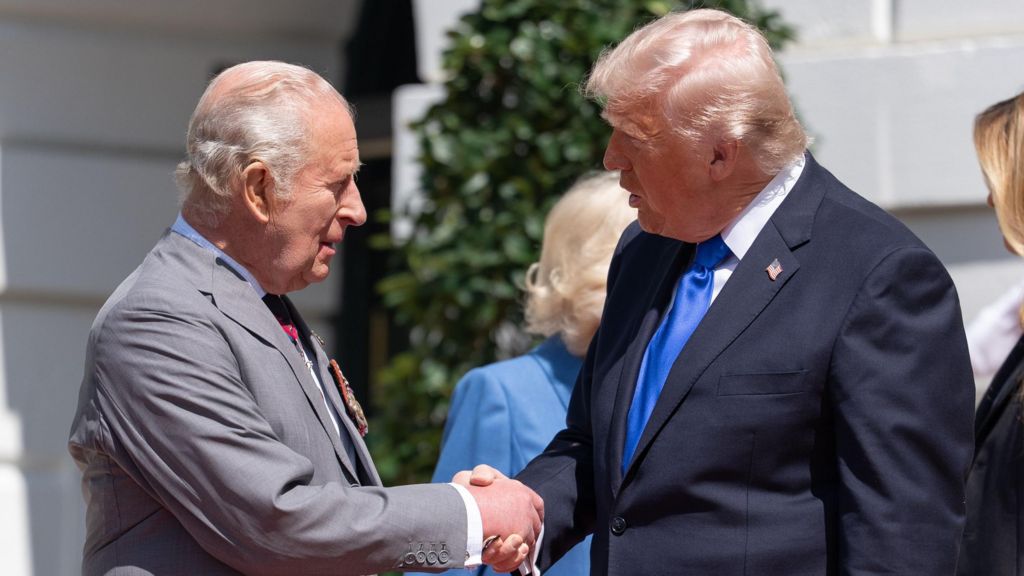
    King Charles and Queen Camilla wrapped up their state visit on Thursday, which included stops in Washington D.C., New York, and Virginia, and ended with a warm handshake between the British monarch and the US president ahead of the royal party’s departure. In comments to reporters following the visit, Trump framed the tariff elimination as an unexpected outcome of the royal trip, noting, “The Royal visit got me to do something that nobody else was able to do, without hardly even asking.”

    In a public post to his Truth Social platform, Trump expanded on the decision, writing that the action was taken “in honour of the King and Queen of the United Kingdom, who have just left the White House, soon headed back to their wonderful country.” He highlighted the deep historic and economic ties between the Scottish whisky and Kentucky bourbon sectors, particularly the longstanding trade of used bourbon barrels. Today, the Scottish whisky industry is the single largest buyer of Kentucky’s used bourbon barrels, importing approximately £200 million worth of the casks annually, a flow of goods that has been disrupted by existing trade restrictions.

    Buckingham Palace confirmed the King’s response to the announcement in a statement, saying the monarch extended his “sincere gratitude” to President Trump and added that he “will be raising a dram to the President’s thoughtfulness.”

    Political leaders across the United Kingdom have widely praised the decision. Scotland’s First Minister John Swinney called the development “tremendous news for Scotland,” crediting King Charles with playing a pivotal role in pushing the agreement across the finish line. Swinney noted that the tariffs had inflicted severe ongoing damage on Scotland’s economy, saying “Millions of pounds were being lost every month from the Scottish economy.”

    UK Business and Trade Secretary Peter Kyle echoed that enthusiasm, noting that Scotch whisky exports to the US are valued at nearly £1 billion annually and support tens of thousands of jobs across the United Kingdom. The 10% across-the-board tariff on whisky imports was first introduced by the Trump administration during an earlier trade dispute, and the levy hit the US market — which is the largest export market for Scotch whisky by value — particularly hard. Compounding that pressure, a suspended 25% tariff on premium single malt Scotch, which had been put on hold four years ago, was scheduled to go back into effect this spring. A last-minute deal with the Trump administration had been the only way to avoid the additional cost that would have crippled premium single malt sales in the key US market.

    Industry leaders say the elimination of all tariffs comes as a massive relief to a sector that has been operating under sustained financial pressure for years. Graeme Littlejohn, strategy director for the Scotch Whisky Association, told reporters that his organization was “delighted” by the announcement. “The industry’s been losing around £4m a week in lost exports to the United States – £150m over the course of the last year while tariffs have been in place,” Littlejohn explained. “This is a real boost for the industry and distillers will breathe a sigh of relief now that these tariffs are off.”

    Littlejohn credited years of high-level diplomatic negotiation for laying the groundwork for the deal, but acknowledged that the royal state visit provided the critical catalyst to finalize the agreement. “Perhaps the state visit has been the catalyst for getting this over the line and the King’s added that little bit of royal sparkle to make the deal work,” he said. Industry representatives across the UK and Ireland have noted that the elimination of tariffs will allow distillers of all sizes to operate with far more stability amid a period of ongoing global economic pressure on consumer goods sectors.

  • ASX 200 snaps losing streak as mining giants and Coles sales surge

    ASX 200 snaps losing streak as mining giants and Coles sales surge

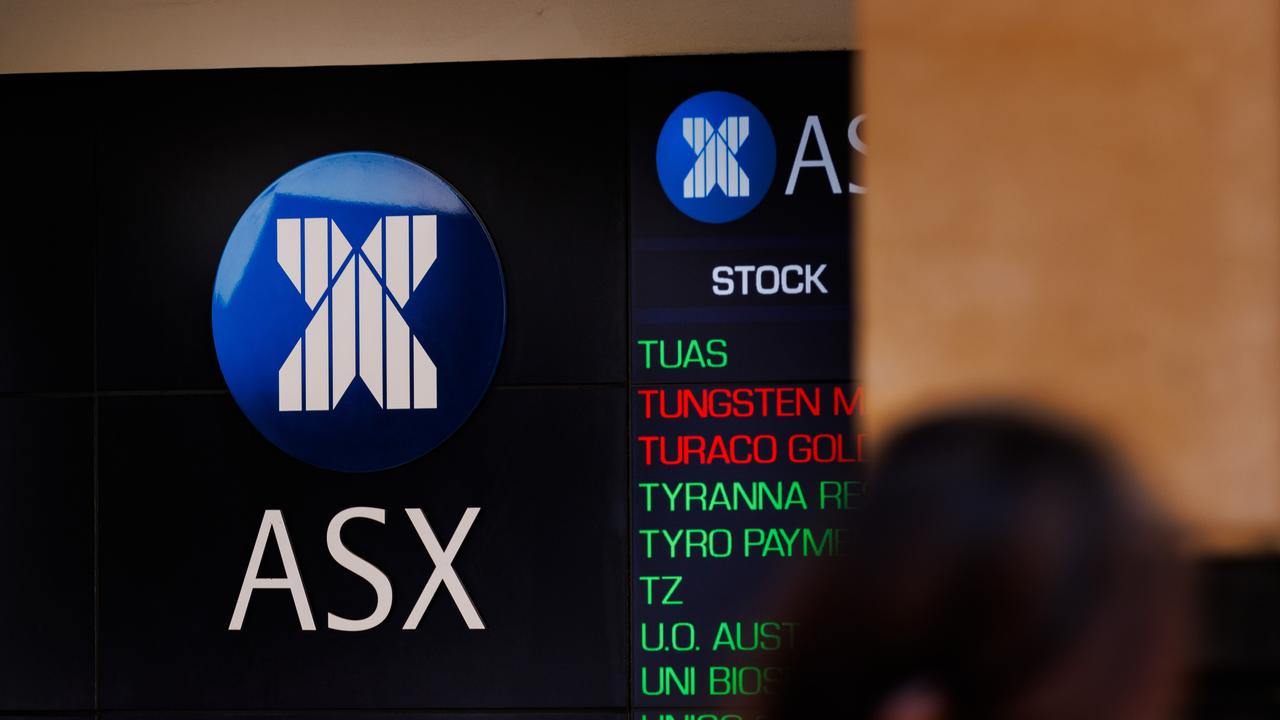
    After eight consecutive days of declines — its longest losing stretch since 2018 — Australia’s benchmark ASX 200 notched a welcome rebound on Friday, driven by sharp gains across major mining stocks and a robust sales update from national supermarket chain Coles. The leading index climbed 64 points, or 0.74%, to close at 8729.80, while the wider All Ordinaries index followed suit, rising 67 points (0.75%) to settle at 8954.60.

    The Australian dollar edged slightly lower over the session, dipping 0.15% to trade at 71.89 US cents. Ten of the ASX 200’s 11 industry sectors finished the day in positive territory, with the materials sector leading the charge. Global oil prices pulled back from a recent four-year high of $US126 per barrel to $US111 per barrel, easing cost pressure on resource operations and lifting investor sentiment for major miners. BHP Group rose 2.27% to $54.94, Rio Tinto jumped 2.73% to $171.97, and Fortescue Metals closed up 1.83% at $20.01.

    Despite the near-term market bounce, AMP’s deputy chief economist Diana Mousina cautioned that geopolitical risks remain underpriced by markets, particularly in the global energy sector. While peace talks had previously showed tentative progress, negotiations have now stalled, leaving the region in a tense geopolitical standstill. “Markets clearly expect some sort of resolution will eventually be reached, especially as missile strikes have slowed in recent weeks,” Mousina explained. “However, we believe markets are underestimating the lingering risks, especially within the oil market.”

    The consumer staples sector also turned in a strong performance, almost entirely thanks to Coles’ upbeat trading update. The supermarket giant reported group sales revenue of $10.7 billion for the 12-week period ending March 29, sending its shares surging 3.66% to $22.92. Other consumer-facing stocks also posted gains: Endeavour Group climbed 2.09% to $3.42, while A2 Milk rose 2.68% to $7.27. Coles’ main rival Woolworths bucked the trend, however, slipping 0.70% to $34.15.

    Financials was the only sector to close the session in negative territory. ANZ Banking Group recorded a 9% half-year profit increase to $3.65 billion, but shares still slumped 2.84% to $35.61 after chief executive Nuno Matos warned that the ongoing geopolitical conflict would create greater economic headwinds for Australia. Matos noted that lower national growth, persistently high inflation, and ongoing interest rate hikes will create growing financial pressure for many Australian customers. “As Australia’s most international bank, we have a front-row seat to global developments,” Matos said. “Much of the potential impact of this crisis remains ahead of us, but the longer oil supplies remain constrained, the greater the chance the crisis shifts from primarily an inflation challenge to a much more serious supply and growth challenge.” Other major banks also posted small declines: Commonwealth Bank fell 0.36% to $173.04, Westpac dipped 0.13% to $38.45, and NAB slipped 0.13% to $39.83.

    In other corporate news, Qantas Airways gained 0.83% to $8.48 after announcing it would extend flight capacity cuts through to 2026-2027 in response to ongoing disruption from the Middle East conflict. Sleep and respiratory treatment manufacturer ResMed dropped 3.53% to $28.73 despite reporting an 11% year-over-year revenue increase to $US1.4 billion for its latest reporting period.

  • Six injured in Washington state school stabbing

    Six injured in Washington state school stabbing

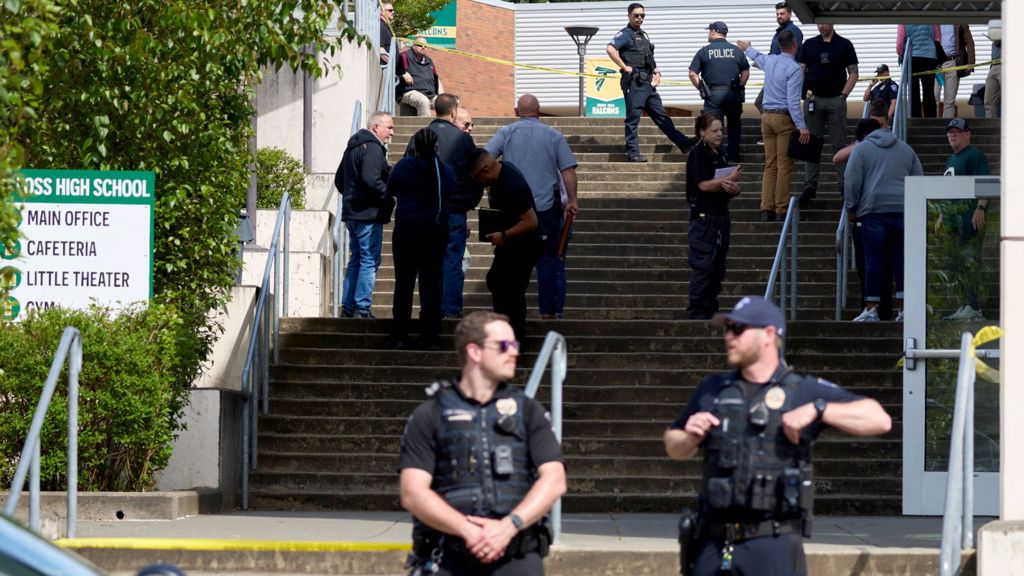
    A midday stabbing incident tied to a pre-existing dispute left six people wounded at Foss High School in Tacoma, Washington, on Thursday, according to local law enforcement and emergency response officials. Five student victims and one adult security guard were rushed to area hospitals shortly after first responders arrived at the campus, with emergency medical crews confirming Friday morning that all injured parties are now in stable condition.

    The Tacoma Police Department confirmed that the suspect taken into custody is a current student at Foss High School, who also sustained minor injuries during the altercation. Shelbie Boyd, public information spokeswoman for the Tacoma Police, told reporters the suspect has been formally charged with five counts of first-degree assault. Multiple law enforcement agencies were already processing evidence at the scene by mid-afternoon, with Boyd noting that responding officers arrived within minutes of the initial 911 call placed at 13:35 local time.

    “Officers moved quickly to locate the suspect, secure the entire campus, and make sure no further harm came to students or staff,” Boyd said in a press briefing Thursday. Initial statements from the Tacoma Fire Department had reported four critical injuries shortly after the incident, but authorities updated that status just two and a half hours later, confirming all six patients had stabilized by 16:00 local time. Boyd added that the investigation will remain active through the night, and investigators are asking any members of the public who captured cell phone video of the incident to submit that footage to the Tacoma Police to help piece together a full timeline of events.

    In an official update posted to the school district’s website Thursday evening, district officials announced Foss High School will remain closed to all students and staff on Friday, with plans to reopen the campus on Monday, May 4. Licensed mental health counselors will be available on site beginning Monday to provide emotional support for students, faculty and staff affected by the violence. The incident marks the second high-profile violent attack on the Foss High School campus in nearly 20 years: in 2007, an 18-year-old student fatally shot 17-year-old Samnang Kok in a school hallway, before being convicted of second-degree murder and sentenced to 23 years imprisonment.

  • UK police charge man with stabbing attack on two Jewish Londoners

    UK police charge man with stabbing attack on two Jewish Londoners

    A 45-year-old suspect has been formally charged by British police in connection with a broad-daylight stabbing attack that injured two Jewish men in north London’s Golders Green, an incident that has deepened anxiety among the UK’s Jewish community and triggered urgent government action to address a documented surge in antisemitism.

    The Metropolitan Police confirmed on Friday that Essa Suleiman, a British national who was born in Somalia and moved to the UK during childhood, faces three counts of attempted murder and one charge of carrying a bladed weapon in a public space. One of the attempted murder charges stems from an unrelated altercation Wednesday in south London, where Suleiman allegedly confronted a flat occupant while armed with a knife. The remaining charges relate directly to the Golders Green attack, an area known for its large, long-established Jewish population.

    The stabbing left two men — a 76-year-old and a 34-year-old — with non-life-threatening injuries. Both were treated on-site before being transferred to hospital for further care. Police confirmed the younger victim has been discharged, while the older victim remains in stable condition. Counter Terrorism Policing is leading the investigation, which was immediately classified as a terrorist incident.

    “We are determined to get justice for the victims,” said Commander Helen Flanagan, lead of the investigation team, in a formal statement. “Now that a person has been charged, I would urge everyone to avoid any further speculation in relation to this case so that justice can run its course.” Suleiman is scheduled to make his first court appearance at Westminster Magistrates’ Court later Friday.

    The attack comes amid a sharp upward trend in antisemitic incidents across the United Kingdom, with monitoring groups recording a dramatic surge after the outbreak of the Israel-Hamas war in Gaza. The incident sparked widespread anger from British Jewish communities, who have repeatedly accused the national government of failing to provide adequate protection for Jewish people and sites. When Prime Minister Keir Starmer visited the attack site Thursday, he was met with boos and heckles from attendees.

    In response to growing public pressure, Starmer pledged a new wave of security enhancements for the UK Jewish community in a televised address from Downing Street. He called on all British citizens to stand together against antisemitism, saying, “everyone decent in this country to open their eyes to Jewish pain, Jewish suffering and Jewish fear.”

    Senior law enforcement officials have echoed warnings that antisemitism is becoming increasingly embedded in British society. Met Police Commissioner Mark Rowley told Times Radio on Friday that the country is “facing a building pandemic of antisemitism in society.” He added that policing is only addressing the immediate outcomes of hate-based extremism, arguing, “We need work done upstream to tackle those attitudes in society which are far too prevalent.”

    The UK Home Office has already implemented urgent policy changes in response to the rising threat. Officials confirmed this week that the national terrorism threat level has been raised to “severe” — the second-highest tier in the UK’s five-tier classification system — meaning another attack is highly likely over the next six months. The government also allocated an extra £25 million ($33 million) to fund increased protective security for Jewish sites across the country, including synagogues, schools, community centers, and other places of worship.

    This latest attack comes nearly seven months after a fatal attack on a synagogue in Manchester, and follows a string of recent arson incidents targeting Jewish properties in north London. Monitoring groups note that alongside the surge in antisemitism, Islamophobic incidents have also risen sharply in the same period. Starmer is facing growing pressure from opposition and conservative voices to introduce tighter restrictions on pro-Palestinian protests, which critics claim have become a breeding ground for antisemitic rhetoric. His government already expanded police powers to regulate public demonstrations last year. Nigel Farage, leader of the hard-right Reform UK party, also visited the attack site Thursday, accusing authorities of being overly lenient on what he described as discriminatory chants at protests.

  • Victorian drivers tipped to save hundreds as government slashes vehicle rego costs by 20 per cent

    Victorian drivers tipped to save hundreds as government slashes vehicle rego costs by 20 per cent

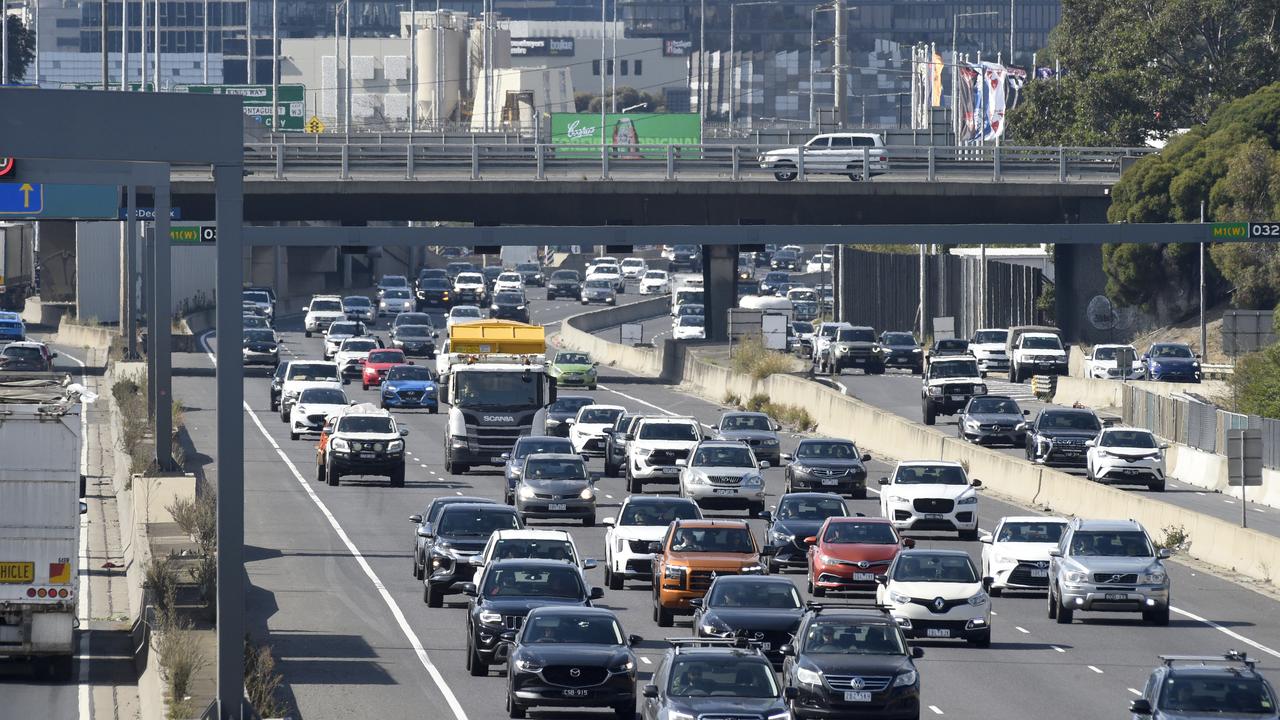
    Household budgets across Victoria, Australia, are set to receive targeted relief, as the state’s Labor government has rolled out a new $750 million one-off rebate program that will cut car registration costs by 20 percent for eligible vehicle owners ahead of the 2025/26 registration period. The new support comes as global economic volatility, amplified by the ongoing conflict in the Middle East, continues to push up everyday living costs for Australian families, prompting state leaders to roll out immediate, targeted relief measures. The 20 percent rebate marks the latest in a series of transport-focused cost cuts the government has introduced in recent weeks, following an earlier announcement that public transport fares would remain free for all users through the end of May, and capped at half price for the remainder of the calendar year. That existing initiative has already provided significant savings for commuters, and the new registration rebate expands that support to private vehicle owners across the state. Starting June 1, eligible vehicle owners will be able to submit applications for the rebate, which covers up to two passenger and light commercial vehicles registered under their name. The program applies exclusively to registration renewals or new registrations completed between July 1, 2025, and June 30, 2026, with the application window closing July 31 of the same year. Eligible vehicles include standard passenger cars, motorcycles, utes, vans, and light trucks with a gross vehicle weight under 4.5 tonnes. For a single vehicle that currently costs a maximum of $930 to register, the 20 percent cut brings the total registration cost down to $744, translating to an annual saving of $186 per vehicle. Owners with two qualifying vehicles can claim the rebate on both, earning a maximum total saving of $372 — the top benefit outlined by the government. Victoria Premier Jacinta Allan defended the large $750 million investment, framing it as a targeted, one-off intervention to ease immediate cost-of-living strains hitting regional and metropolitan families alike. “Like cheaper public transport, this won’t fix everything, but it’s immediate action I can take to make a difference,” Allan said, confirming that the state budget can accommodate the one-time expenditure without long-term fiscal strain. The program builds on the state government’s broader strategy to offset global cost pressures that have pushed up household expenses across Australia, delivering tangible savings directly to Victorian motorists while continuing to support affordable public transport for commuters.