作者: admin

  • How Russian drones targeting civilians are turning one Ukrainian city into a ‘human safari’

    How Russian drones targeting civilians are turning one Ukrainian city into a ‘human safari’

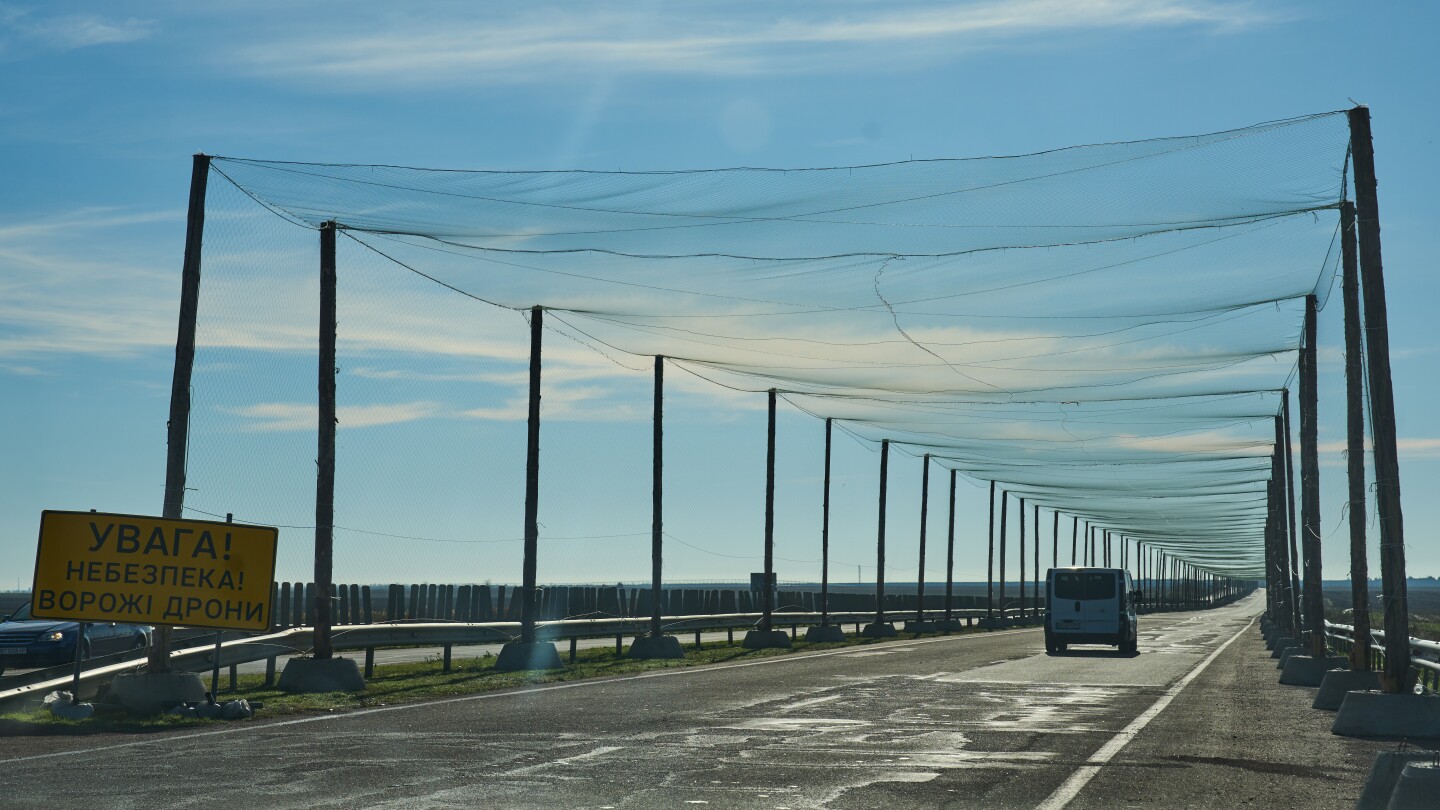
    In the liberated territories surrounding Kherson, southern Ukraine, civilians continue to endure what military officials and locals describe as a systematic ‘human safari’ – relentless drone attacks transforming their communities into testing grounds for Russian warfare tactics. Despite Ukrainian forces reclaiming the city from occupation in November 2022, the region remains trapped in a harrowing cycle of violence where first-person view (FPV) drones hunt civilians with terrifying precision.

    Residents like Olena Horlova from Komyshany village, merely 4 kilometers from the Dnipro River, navigate daily life under constant threat. Her survival strategies include driving without headlights after dark and keeping her daughters indoors indefinitely. The psychological warfare extends beyond immediate danger, with Russian Telegram channels routinely sharing attack footage accompanied by mocking captions and threats.

    The United Nations Independent International Commission of Inquiry on Ukraine has documented these attacks as deliberate campaigns violating fundamental human rights. Their October report concluded these operations constitute crimes against humanity through murder and forcible transfer, noting Russian forces specifically target vehicles including marked ambulances and civilian cars.

    Military intercepts obtained by The Associated Press reveal drones systematically scanning roadways before diving onto targets. Commander Dmytro Liashok of the 310th Separate Marine Electronic Warfare Battalion reports confronting approximately 300 daily drone incursions, with October alone seeing 9,000 drones over Kherson. His electronic warfare specialists neutralize over 90% of threats, yet the remainder causes devastating humanitarian impact.

    Local hospitals bear witness to the human cost. Dr. Yevhen Haran, deputy medical chief at Kherson’s main trauma facility, describes treating blast injuries ranging from amputations to fatal wounds daily. His hospital handled 85 inpatients and 105 outpatients last month alone – all victims of shelling and drone strikes. Haran himself survived an FPV attack while traveling with his wife in August, sustaining a concussion that still affects his speech and balance.

    The UN human rights office confirms short-range drones have become the leading cause of civilian casualties near frontlines, with over 200 killed and 2,000 wounded across three southern regions since July 2024. Nearly 3,000 homes have been damaged or destroyed, creating a humanitarian crisis that continues despite international awareness.

    As Angelina Jolie noted during her November visit, the ever-present drone threat creates ‘a heavy presence’ that civilians endure indefinitely. For survivors like 70-year-old Nataliia Naumova, recovering from a Shahed drone attack that injured her leg, existence has reduced to mere survival rather than living. Yet through the trauma, residents maintain determination – as Horlova summarizes: ‘We held out until liberation – we’ll hold out until peace as well.’

  • ICC judges to rule on provisional release of former Philippine President Rodrigo Duterte

    ICC judges to rule on provisional release of former Philippine President Rodrigo Duterte

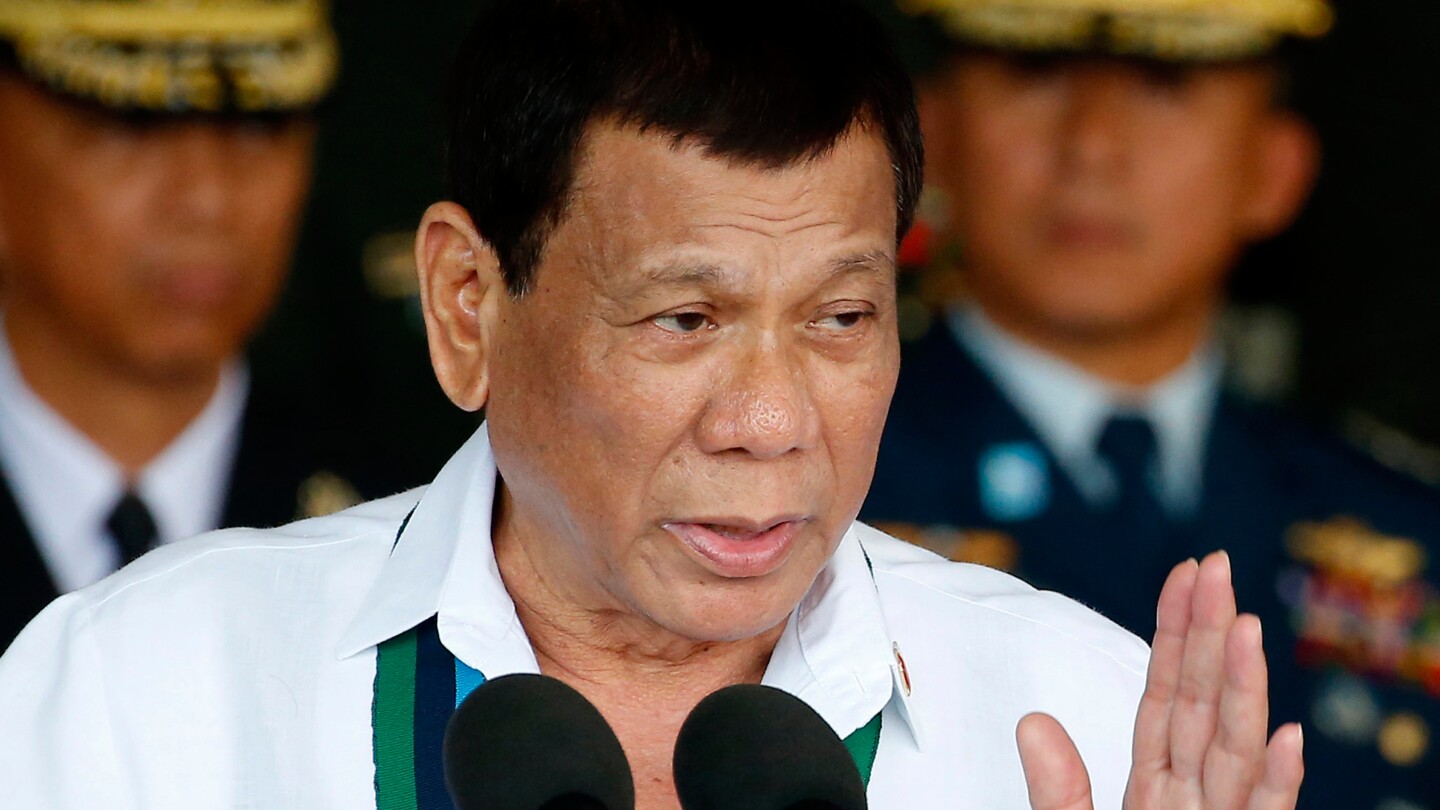
    THE HAGUE, Netherlands — The International Criminal Court is poised to deliver a pivotal ruling on Friday regarding the potential release of former Philippine President Rodrigo Duterte from detention. Appeals judges will determine whether the octogenarian leader should be granted freedom while ongoing proceedings continue regarding charges of crimes against humanity.

    This legal development follows an October decision that maintained Duterte’s custody after judges determined he posed a flight risk and potential witness intimidation threat. ICC prosecutors allege Duterte’s direct involvement in dozens of extrajudicial killings during his controversial war on drugs campaign, first as mayor of Davao City and subsequently as president. Court documents indicate he allegedly instructed and authorized “violent acts including murder” against suspected criminals.

    The human toll of Duterte’s anti-drug campaign remains contested. Official national police statistics report over 6,000 fatalities, while human rights organizations estimate casualties could reach 30,000. Victims’ families celebrated Duterte’s initial arrest in March as a landmark moment for accountability.

    Duterte’s defense team contends their client suffers from significant physical and cognitive decline, describing his continued detention as “cruel” given his alleged inability to assist with his own legal defense. The court previously postponed pretrial proceedings in September pending comprehensive medical evaluation.

    Should appeals judges rule in Duterte’s favor, he would not return to the Philippines but instead be transferred to another ICC member state’s custody during continuing legal proceedings. This case represents a critical test for international justice mechanisms confronting allegations of state-sanctioned violence.

    The legal pathway to this moment began in February 2018 when ICC prosecutors initiated a preliminary investigation into Duterte-era violence. The former president subsequently withdrew the Philippines from the Rome Statute, a move critics characterized as an attempt to evade accountability. ICC judges have consistently maintained jurisdiction, ruling that nations cannot abuse withdrawal procedures to shield individuals from justice for crimes already under consideration.

  • Sri Lanka set up tri-series final date with Pakistan

    Sri Lanka set up tri-series final date with Pakistan

    In a dramatic conclusion to the T20 tri-series league stage, Sri Lanka emerged victorious against Pakistan by a narrow six-run margin in Rawalpindi on Thursday. This crucial win propels them into Saturday’s championship final against the host nation.

    Facing elimination in this must-win encounter, Sri Lanka posted a competitive total of 184 for 5 during their 20 overs. The innings was anchored by opener Kamil Mishara’s explosive 76 runs from just 48 deliveries, providing the foundation for their challenging score. Kusal Mendis contributed a valuable 40 runs to bolster the Lankan total, while Pakistani bowler Abrar Ahmed claimed two wickets for 28 runs.

    Pakistan’s response was characterized by resilience after an early collapse left them struggling at 40 for 4. Captain Salman Agha spearheaded the recovery effort with an unbeaten 63 from 44 balls, supported by Usman Khan’s 33 runs. Despite their determined chase, the Pakistani team fell just short of the target, finishing at 178 for 7.

    The match’s defining performance came from Sri Lankan pace bowler Dushmantha Chameera, whose exceptional four-wicket haul for just 20 runs earned him the Player of the Match honor. His clinical bowling in the death overs proved decisive in containing Pakistan’s late surge.

    Sri Lankan captain Dasun Shanaka praised his team’s collective effort: ‘Everybody contributed so I’m happy. Kamil Mishara showed his capability and the discussions with the coaches helped him. When it comes to bowling, of course Chameera – world-class bowling.’

    Pakistan skipper Salman Agha remained optimistic despite the defeat: ‘Where we came from, 40 for 4 – you don’t often come back and chase it down but we went close.’

    The stage is now set for an electrifying final between the host nation Pakistan and a resurgent Sri Lankan team that has demonstrated both batting firepower and bowling precision under pressure.

  • A visit to Somalia’s crumbling hospitals shows the toll of aid cuts and war

    A visit to Somalia’s crumbling hospitals shows the toll of aid cuts and war

    MOGADISHU, Somalia — The precarious state of Somalia’s healthcare system has been thrust into sharp relief following drastic funding cuts from international donors, particularly the United States. The termination of USAID support has triggered a cascade of failures across the nation’s medical infrastructure, leaving vulnerable populations struggling to access basic care.

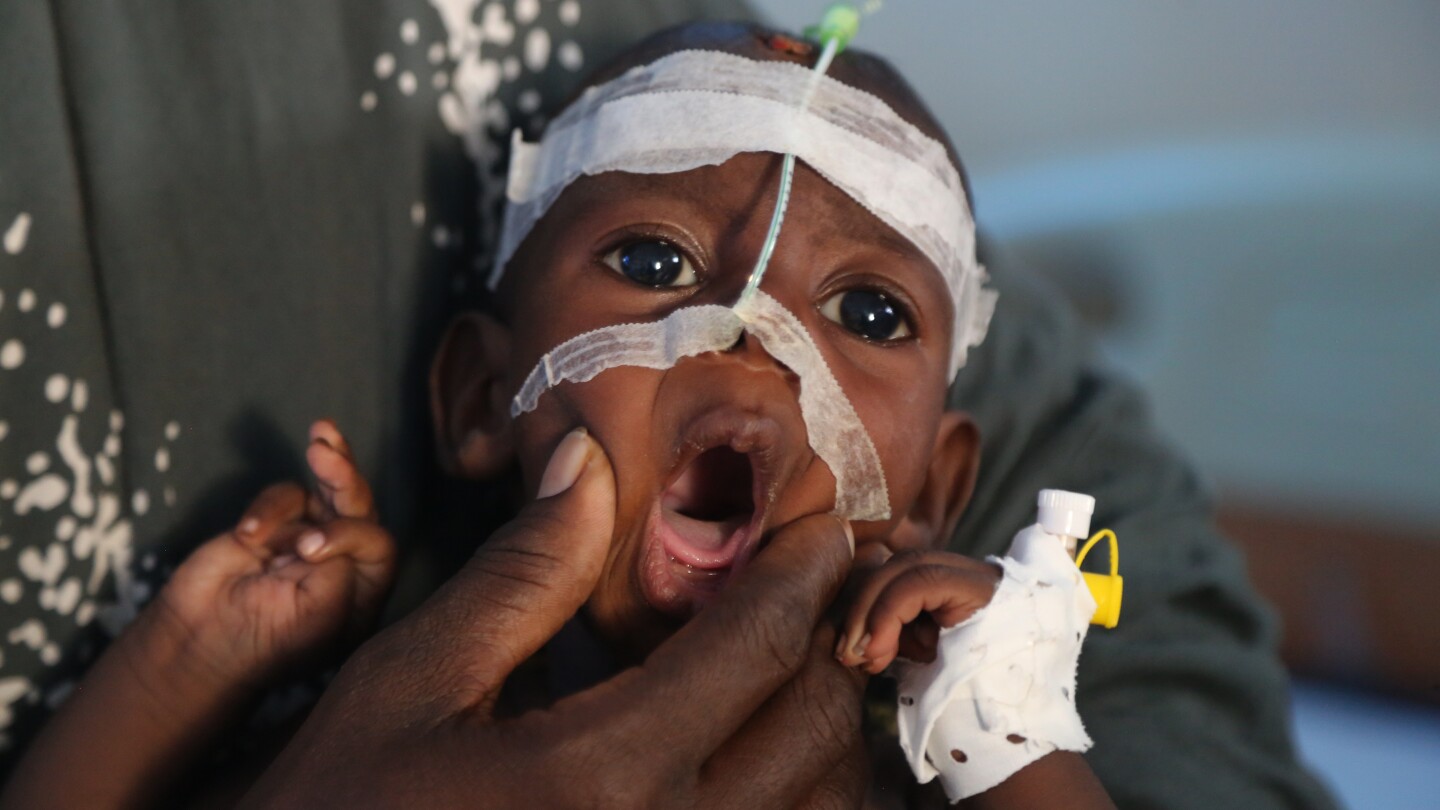
    Yusuf Bulle’s journey from rural southern Somalia to Mogadishu exemplifies the desperate measures families must take for medical treatment. His severely malnourished three-year-old son survived only after a 15-day stay at Banadir Hospital—a facility that remains operational primarily through international partnerships. “Where I come from, there is no hospital,” Bulle stated, highlighting the healthcare desert that characterizes much of the countryside.

    The Trump administration’s dissolution of USAID programs this year has resulted in over 6,000 healthcare workers losing their jobs and approximately 2,000 medical facilities facing operational challenges, according to Deputy Health Minister Mohamed Hassan Bulaale. This represents a catastrophic blow to a nation already ranked among those most vulnerable to donor withdrawal by the Center for Global Development.

    Despite recent security gains against al-Shabab militants through President Hassan Sheikh Mohamud’s “total war” campaign, hospital administrators and civic leaders report that the government’s singular focus on security has come at the direct expense of healthcare and other essential public services.

    Somalia’s healthcare system operates on a precarious financial model. The Ministry of Health received $91 million in this year’s national budget—a significant increase from last year’s $52 million—but almost entirely comprised of donor funds tied to specific projects. Mahad Wasuge of Somali Public Agenda think tank notes that “security remains the first priority” for authorities, even as foreign support diminishes from key benefactors including Britain.

    Historical institutions like Chinese-built Banadir Hospital (1977) and Italian-established De Martino Hospital (1922) now depend critically on United Nations and humanitarian organization support. At Banadir’s malnutrition unit, supervisor Dr. Mohamed Haashi revealed that 37 staff positions were eliminated due to U.S. cuts, with Concern Worldwide currently funding the remaining 13 positions along with essential nutritional supplies.

    The situation at De Martino Hospital illustrates the systemic challenges. Director Dr. Abdirahim Omar Amin expressed concern about impending funding crises when contracts with humanitarian groups expire in 2025. The hospital currently treats numerous diphtheria cases—a vaccine-preventable disease now spreading in rural areas where parents fear militant attacks during vaccination trips.

    “Donors are fatigued,” Amin observed, gesturing to laboratory equipment entirely acquired through international funding. While most services remain free through support from the International Rescue Committee and Population Services International, the hospital technically belongs to the Ministry of Health, which provides minimal direct support.

    The deputy health minister acknowledged developing contingency plans with partners but provided no specifics. The challenges are deeply rooted in Somalia’s history—De Martino Hospital once sheltered displaced people after the 1991 fall of dictator Siad Barre, when many public facilities were destroyed during civil war.

    Despite support from African Union peacekeepers, U.S. airstrikes, and security consultants from nations like Turkey (which funds an ICU-equipped hospital in Mogadishu), the federal government struggles to assert authority. As Wasuge notes, even functional public hospitals “don’t get direct government budget that allows them to provide better healthcare services.”

    National assembly representative Mohamed Adam Dini criticized the government’s “deficient” priorities, noting that “a lot of diseases have been spreading unchecked” due to the absence of both a national healthcare plan and a comprehensive political strategy. For unemployed mother Amina Abdulkadir Mohamed, who recently delivered at De Martino Hospital, the choice was simple: “I was told there is free medication.” In a nation where healthcare remains a privilege rather than a right, such institutions represent the last line of defense for Somalia’s most vulnerable citizens.

  • Sri Lanka closes offices and schools as death toll from landslides and floods rises to 56

    Sri Lanka closes offices and schools as death toll from landslides and floods rises to 56

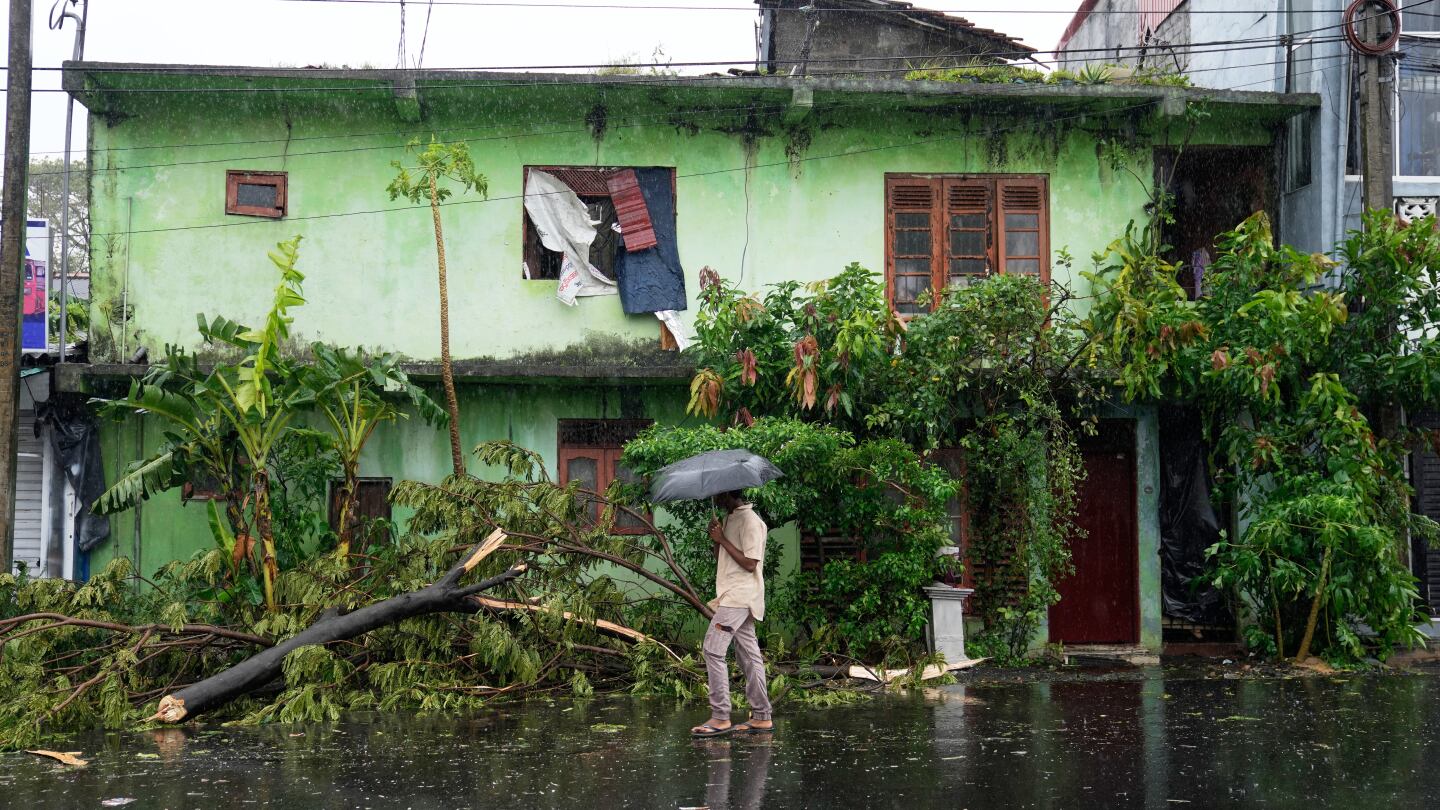
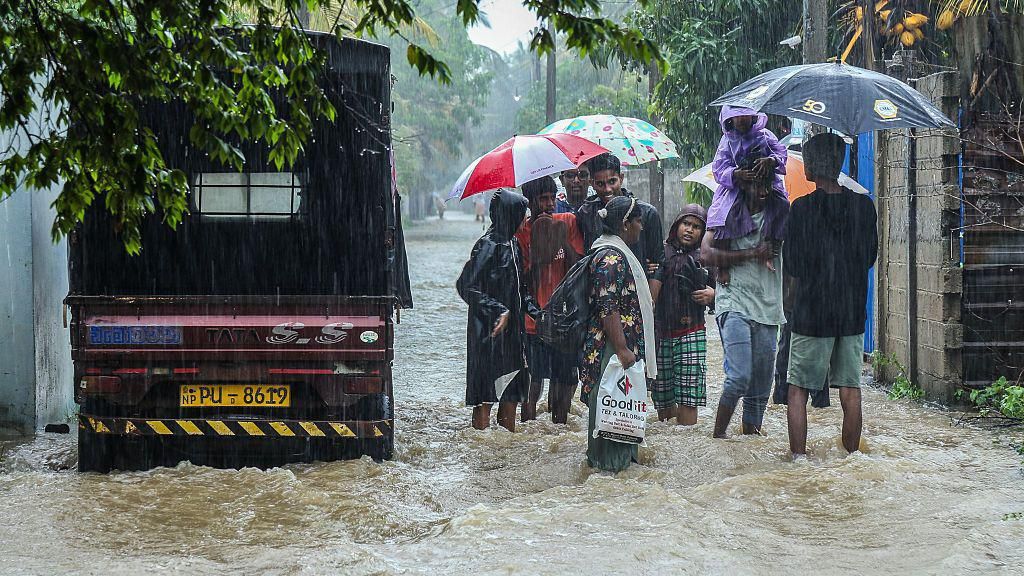
    COLOMBO, Sri Lanka — Sri Lankan authorities have shuttered all government institutions and educational facilities nationwide following catastrophic monsoon conditions that have claimed 56 lives and damaged over 600 residences. The Indian Ocean nation continues to battle the most severe weather system to hit its territory this season, with conditions dramatically intensifying Thursday amid torrential rainfall that submerged entire communities, agricultural lands, and transportation networks while triggering multiple fatal landslides.

    The most devastating incidents occurred in the central highland regions of Badulla and Nuwara Eliya, renowned for their tea plantations, where collapsing mountainsides buried communities under tons of earth and debris. Official reports from the Disaster Management Center confirm at least 25 fatalities in these districts alone, with 21 individuals remaining unaccounted for and 14 hospitalized with injuries.

    Transport infrastructure has suffered critical damage nationwide as overflowing reservoirs and river systems inundated roadways and railway tracks. Transportation authorities have suspended all passenger rail services and implemented widespread road closures after mudslides, rockfalls, and fallen trees rendered key transit routes impassable.

    Rescue operations have intensified with all branches of the military deploying emergency response teams. Aerial footage captured by local media showed Air Force helicopters executing precision rescues of civilians stranded on rooftops amidst raging floodwaters. Naval and police personnel have deployed amphibious vehicles and boats to evacuate residents from submerged neighborhoods. In one tragic incident near Ampara, surveillance cameras recorded a vehicle being swept away by violent currents, resulting in three fatalities.

    The meteorological department has issued continued alerts for additional precipitation, with emergency response teams remaining on highest alert across all affected provinces.

  • Hong Kong firefighters make final search for survivors after apartment tower blaze kills 94

    Hong Kong firefighters make final search for survivors after apartment tower blaze kills 94

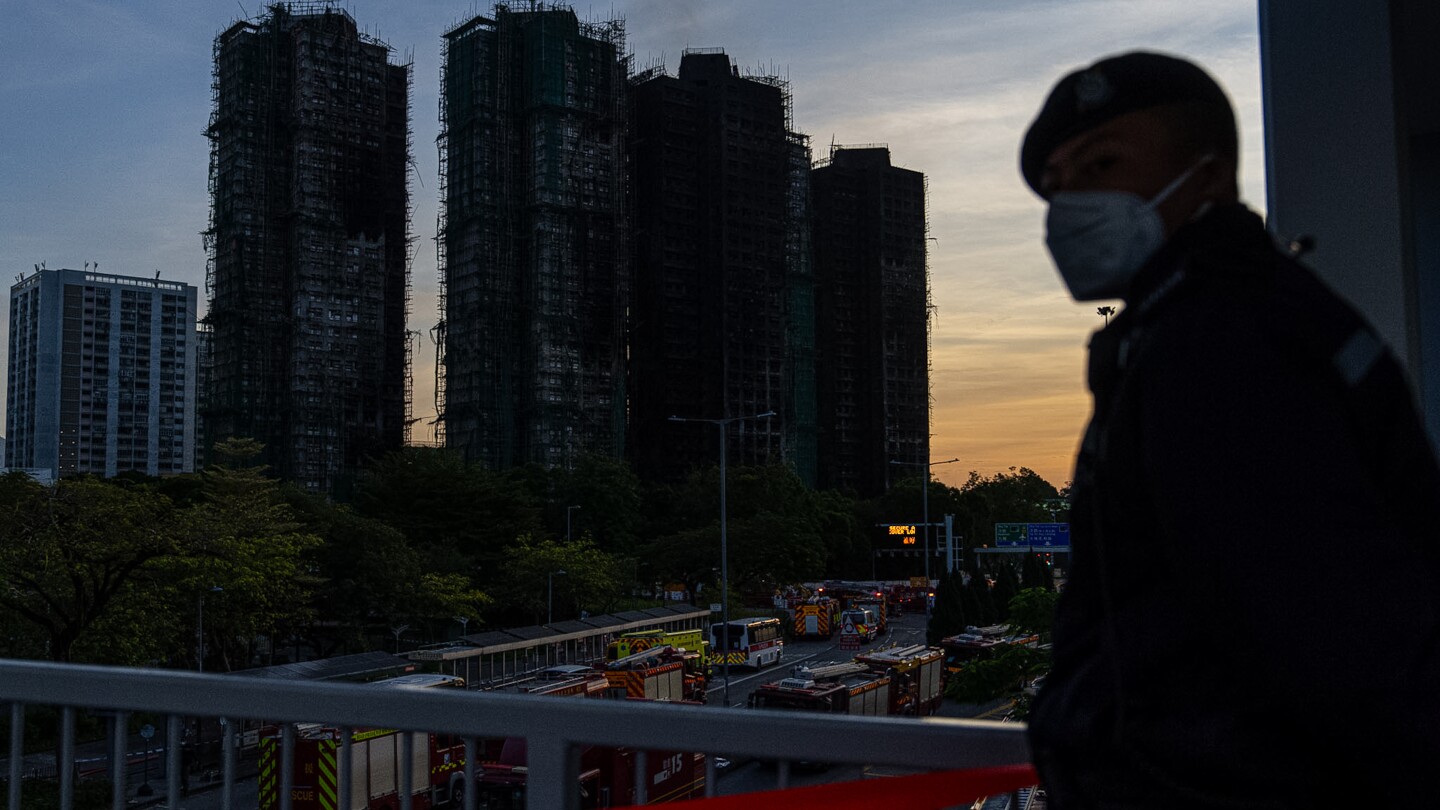
    HONG KONG — In one of the most catastrophic urban fires in recent history, Hong Kong authorities concluded a massive search operation Friday through the charred remains of a residential complex where a devastating blaze claimed at least 94 lives. The inferno, which rapidly engulfed seven interconnected towers in the Wang Fuk Court complex, represents the city’s deadliest fire incident in decades.

    Firefighters conducted apartment-by-apartment sweeps as their operation transitioned from rescue to recovery. Deputy Director of Hong Kong Fire Services Derek Armstrong Chan confirmed crews prioritized approximately 25 units from which distress calls were received during the height of the emergency but remained unreachable until flames subsided.

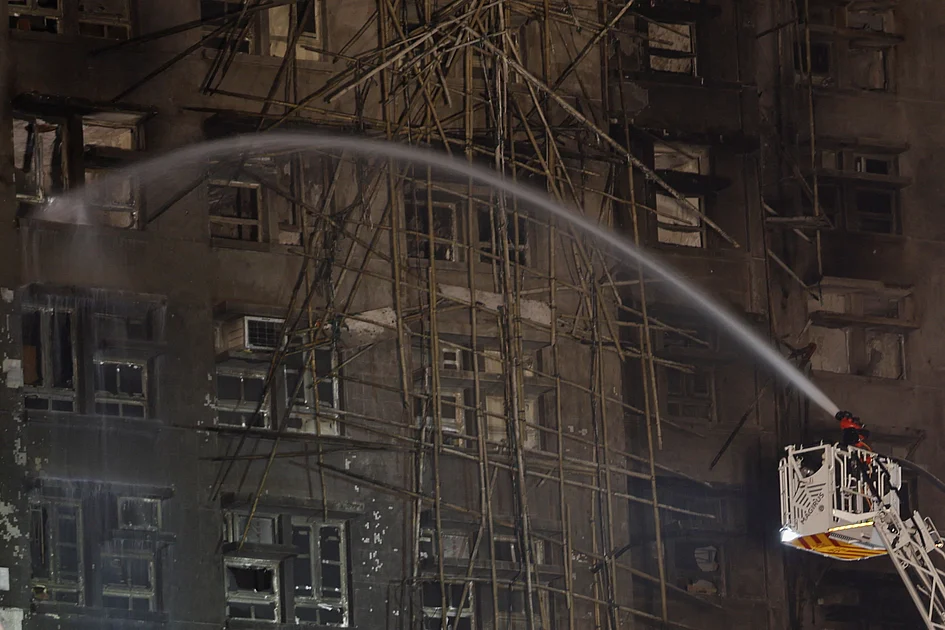
    The tragedy ignited Wednesday afternoon when renovation scaffolding—constructed primarily from bamboo and covered in netting—caught fire, creating a rapid vertical conduit for flames to jump between buildings. Over 1,000 firefighters battled the five-alarm conflagration for 24 hours before bringing it under control, with sporadic flare-ups continuing to produce smoke nearly two days later.

    The Tai Po district complex, housing approximately 4,800 residents across 1,900 apartments with significant elderly population, became the scene of unprecedented destruction. Hong Kong leader John Lee reported 279 residents remained unaccounted for early Thursday, though officials cautioned the final missing persons count would only be determined after complete building searches.

    The disaster has triggered multiple investigations, including a corruption probe into renovation practices. Hong Kong’s Independent Commission Against Corruption has joined the investigation amid allegations of substandard materials and safety violations. Three construction company officials—including directors and an engineering consultant—have been arrested on suspicion of manslaughter, with police citing evidence of gross negligence.

    Authorities identified highly flammable plastic foam panels improperly installed near elevator lobbies and suspect exterior wall materials failed to meet fire resistance standards, contributing to the unusually rapid fire spread. The government has announced immediate safety inspections at all housing estates undergoing major renovations.

    With over 70 injured including 11 firefighters, and approximately 900 residents displaced to temporary shelters, the catastrophe has exposed critical safety concerns in urban construction practices. The incident marks the most lethal fire since Hong Kong’s 1996 commercial building blaze that killed 41 people in Kowloon.

  • Louvre hikes ticket prices for most non-EU tourists by 45%

    Louvre hikes ticket prices for most non-EU tourists by 45%

    The Louvre Museum in Paris has announced a substantial 45% price increase for visitors from outside the European Economic Area, effective January 14th. The decision, ratified by the museum’s board on Thursday, will see tourists from nations including the United States, United Kingdom, and China paying €32 ($37; £28) for admission—an increase of €10 from current rates.

    This strategic move comes in response to mounting criticism of the institution’s security protocols and aging infrastructure following a spectacular October heist where thieves stole jewelry valued at $102 million (£76m) in a meticulously executed operation. An official audit conducted after the incident revealed significant deficiencies in the museum’s protective systems.

    The revenue generated from this pricing restructuring is projected to yield millions annually, earmarked for comprehensive security enhancements and facility modernization. These improvements include addressing structural concerns that recently forced the closure of the Greek ceramics gallery, alongside planned renovations to visitor amenities including restrooms and dining facilities.

    As the world’s most visited museum with approximately 9 million attendees in 2024—predominantly international tourists—the Louvre has faced persistent challenges with overcrowding. Notably, American visitors constitute over 10% of attendance, with Chinese tourists accounting for approximately 6%.

    In a parallel development, President Emmanuel Macron confirmed plans to relocate Leonardo da Vinci’s Mona Lisa to a dedicated exhibition space to alleviate congestion in the Salle des États, where approximately 30,000 daily visitors compete for brief viewing opportunities of the iconic masterpiece.

    The pricing strategy aligns with earlier suggestions from Macron and museum administration regarding differential fees for non-EU residents, though implemented earlier than the initially proposed 2026 timeline.

  • Hong Kong fire ‘expected to be extinguished tonight’; construction firm bosses arrested

    Hong Kong fire ‘expected to be extinguished tonight’; construction firm bosses arrested

    Hong Kong authorities have made significant arrests in connection with the catastrophic fire that engulfed the Wang Fuk Court housing complex, marking the city’s most devastating blaze since 1948. Police have taken into custody two directors and an engineering consultant from Prestige Construction, the firm contracted for maintenance work, on suspicion of manslaughter due to alleged gross negligence in using unsafe materials.

    The inferno, which tore through the northern Tai Po district complex wrapped in bamboo scaffolding and green mesh, has claimed at least 83 lives with approximately 300 individuals still unaccounted for. Firefighters battled intense heat and thick smoke for over 24 hours before largely containing the blaze, with officials anticipating complete extinguishment by Friday evening.

    Rescue operations revealed harrowing scenes as distraught families searched for missing relatives outside emergency shelters housing 900 displaced residents. “They didn’t have water to save our building,” wept one 52-year-old woman identified only as Ng, clutching her daughter’s graduation photo while awaiting news of her family’s fate.

    The tragedy has triggered a massive response across societal and political spheres. Hong Kong leader John Lee announced a HK$300 million ($39 million) relief fund, while major corporations including Xiaomi, Xpeng, Geely, and foundations linked to Alibaba’s Jack Ma and Tencent pledged substantial donations. Pope Leo expressed spiritual solidarity through a telegram to Hong Kong’s bishop, while Chinese President Xi Jinping called for “all-out efforts” to minimize casualties.

    Authorities seized critical evidence including bidding documents, employee records, and electronic devices during raids on Prestige Construction’s offices. The development bureau has initiated discussions about replacing traditional bamboo scaffolding with metal alternatives as a safety measure, responding to concerns about the flammable foam material found sealing windows in unaffected buildings.

    The densely-packed complex, home to over 4,600 residents through Hong Kong’s subsidized home ownership scheme, represents the acute affordable housing challenges facing the financial hub. The tragedy has drawn comparisons to London’s 2017 Grenfell Tower disaster, raising serious questions about construction safety standards in high-density urban environments.

  • Sharjah: 2 new roads to ease traffic congestion on Mleiha Road

    Sharjah: 2 new roads to ease traffic congestion on Mleiha Road

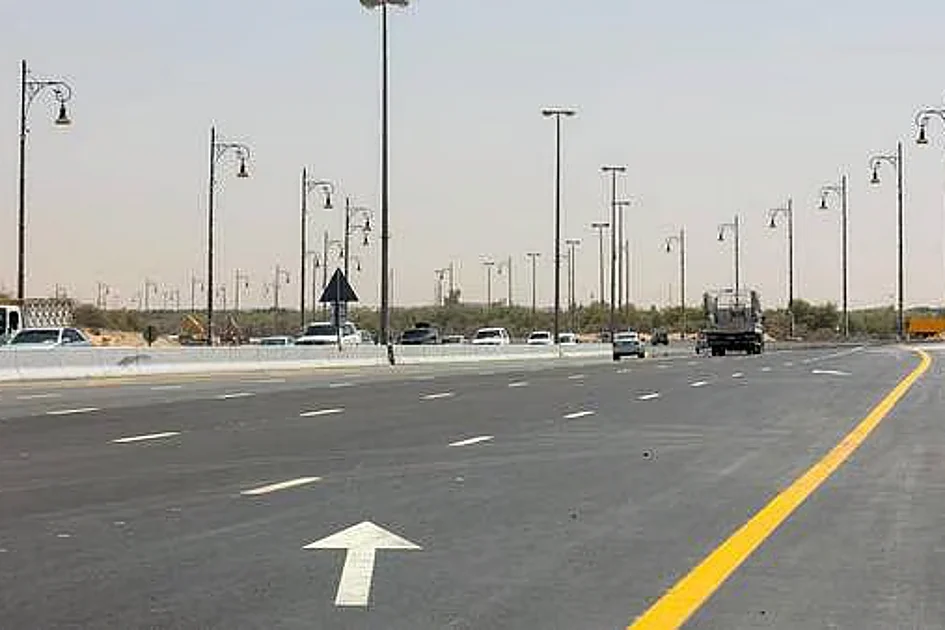
    In a significant move to address urban mobility challenges, Sharjah’s ruler has authorized two major transportation infrastructure projects with a combined budget of Dh150 million ($40.8 million). The initiative, approved by Sheikh Dr. Sultan bin Mohammed Al Qasimi, Supreme Council Member and Ruler of Sharjah, targets critical congestion points along the Mleiha Road corridor.

    The first project involves a comprehensive upgrade of a five-kilometer segment of Sharjah Ring Road near the Etihad Rail station, allocated Dh90 million. This development will substantially enhance capacity along this crucial transportation artery. Concurrently, the University City Bridge will undergo significant expansion to incorporate four lanes—two in each direction—improving connectivity to Rakan Bridge.

    The second development features the construction of a new Dh60 million bridge adjacent to the Martyrs’ Monument. This architectural project will serve dual purposes: creating a modern, aesthetically pleasing landmark while establishing a direct route for vehicles traveling between Mleiha Road and Mohamed bin Zayed Road. The bridge will additionally accommodate traffic flow from Sheikh Khalifa Street toward Maliha Road.

    According to the Sharjah Media Bureau, these projects represent strategic investments in urban infrastructure designed to enhance traffic safety, reduce congestion, and significantly decrease travel times across various regions. The modern design approach for the new bridge particularly emphasizes both functionality and visual enhancement of the surrounding area.

  • At least 40 dead as severe floods hit Sri Lanka

    At least 40 dead as severe floods hit Sri Lanka

    Sri Lanka is grappling with one of its most severe weather-related catastrophes in recent years, as torrential rains have unleashed devastating floods and lethal landslides across the island nation. Official reports from the Disaster Management Centre (DMC) confirm a death toll of at least 40 individuals, with an additional 21 people reported missing.

    The central tea-growing district of Badulla suffered the most significant single incident, where a catastrophic overnight landslide buried multiple homes, claiming 21 lives. Disturbing footage circulating on social media platforms depicts the sheer force of the disaster, showing residential structures being swept away by powerful floodwaters. In response, authorities have established temporary shelters to provide refuge for displaced families.

    Compounding the crisis, meteorological officials warn that conditions are poised to deteriorate further with the approach of Cyclone Ditwah along Sri Lanka’s eastern coastline. Originally forming as a deep depression, the system has intensified into a cyclone that is forecasted to make landfall in India while significantly impacting Sri Lanka’s weather patterns.

    With river levels continuing to rise dangerously, the DMC has issued urgent evacuation advisories for residents in low-lying regions. The Irrigation Department has escalated warnings to red alert status for the Kelani River valley, including areas within the capital Colombo, anticipating critical flooding within the next 48 hours. Forecasters predict excessive rainfall exceeding 200mm in central and northern territories on Friday.

    The widespread disruption has severely impacted transportation networks, with key inter-provincial roads closed and railway services experiencing major interruptions. The educational sector has also been affected, prompting authorities to postpone Advanced Level Examinations for thousands of students.

    While Sri Lanka routinely experiences monsoon conditions, the current scale of devastation is exceptionally rare. The event evokes memories of the country’s worst flooding this century in June 2003, which resulted in 254 fatalities and displaced hundreds of thousands of residents.