作者: admin

  • Bruce Lee’s legacy drives Foshan tourism

    Bruce Lee’s legacy drives Foshan tourism

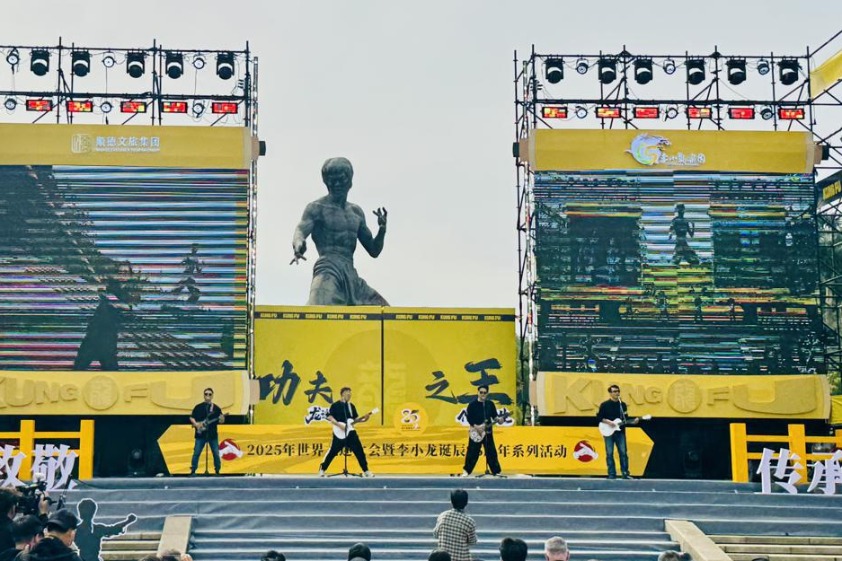
    Foshan’s Shunde district has launched an ambitious cultural tourism initiative centered on the enduring legacy of martial arts legend Bruce Lee. The 2025 International Bruce Lee Fans Convention, held from November 27-29 at Bruce Lee Paradise in Jun’an township, marked both the convention’s opening and commemorative events for what would have been Lee’s 85th birthday.

    Local officials emphasized Lee’s profound cultural impact, noting how he not only introduced the term ‘kung fu’ to the English language but elevated Chinese martial arts to global cultural significance. Wang Jinghua, senior official from Shunde’s district committee, highlighted Lee’s role in making Chinese kung fu a recognized element of humanity’s cultural heritage.

    The convention unveiled several significant developments, including the official designation of November 27 as ‘Shunde Kung Fu Day’ to promote Chinese culture and martial arts worldwide. The event attracted international fans and martial arts figures, showcasing Foshan’s strategy to transform cultural assets into economic opportunities.

    Lao Lujun of Shunde Culture and Tourism Group revealed plans to cultivate cultural tourism as both a pillar industry and community benefit by leveraging Lee’s global recognition. The initiative incorporates a innovative ‘kung fu + cuisine + tourism’ model, featuring for the first time a workshop combining Shunde’s martial arts traditions with its renowned culinary heritage.

    Complementing the convention, the Mars Martial Championship—a premier combat sports tournament—commenced alongside academic forums, musical performances, and specialized kung fu tours. Project leader Zeng Futian explained these efforts represent broader district plans to integrate cultural development with urban construction and economic growth.

    Bruce Lee, born in San Francisco in 1940 and passing in 1973, revolutionized martial arts cinema and philosophy through his Jeet Kune Do system and iconic weaponry mastery, particularly with nunchaku. His ancestral connection to Shunde continues to inspire cultural and economic development in the region decades after his death.

  • Ukraine, US to hold peace talks

    Ukraine, US to hold peace talks

    Diplomatic efforts to resolve the ongoing conflict in Ukraine are accelerating as high-level negotiations between Ukrainian and US officials commence in Florida. The Ukrainian delegation, led by National Security Chief Rustem Umerov, traveled to the United States on Sunday to engage in substantive discussions aimed at developing a concrete framework for peace.

    The talks come amid significant political developments within Ukraine, including the resignation of President Zelensky’s chief of staff Andriy Yermak, who previously served as the country’s lead negotiator with the US. Yermak’s departure follows anti-corruption searches at his residence conducted by Ukrainian authorities, though specific details regarding the investigation remain undisclosed.

    US diplomatic representation includes Secretary of State Marco Rubio, Special Envoy Steve Witkoff, and Jared Kushner, son-in-law of former President Donald Trump. The discussions focus on refining a revised 19-point peace proposal, substantially condensed from the original 28-point plan introduced by the United States last month.

    Parallel diplomatic movements are underway, with a US delegation expected to travel to Moscow later this week for direct talks with Russian President Vladimir Putin. Kremlin spokesman Dmitry Peskov confirmed that Moscow has received the adjusted parameters of the peace plan and anticipates detailed discussions.

    Meanwhile, European coordination continues as French President Emmanuel Macron prepares to host Zelensky in Paris on Monday. The French presidency stated the leaders will deliberate on conditions for “a just and lasting peace” in alignment with Geneva discussions and the US proposal.

    Despite these diplomatic initiatives, military confrontations persist unabated. Recent Russian drone and missile attacks in the Kyiv region resulted in multiple casualties, including three fatalities on Saturday and additional casualties in overnight strikes. Ukraine has demonstrated continued capability to strike strategic targets within Russia, damaging a critical oil terminal near Novorossiysk through unmanned naval vessels—an operation officially confirmed by Ukrainian authorities.

    Russian Foreign Ministry spokeswoman Maria Zakharova characterized Ukraine’s actions as threatening global security, promising to notify international platforms about the attack. The simultaneous escalation of diplomatic efforts and military operations underscores the complex dynamics shaping the conflict’s potential resolution.

  • Southeast Asia eyes aid for climate adaptation

    Southeast Asia eyes aid for climate adaptation

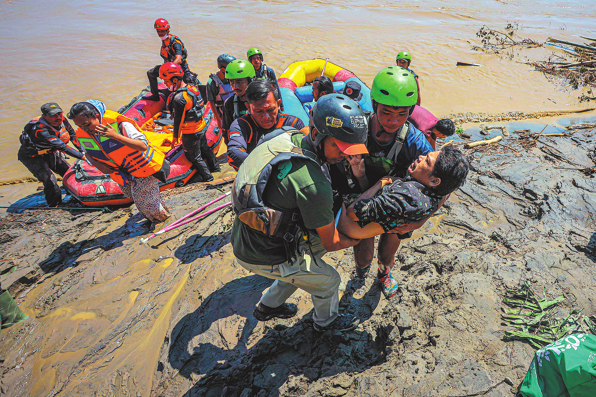
    Southeast Asia is grappling with an escalating climate emergency as catastrophic storms and unprecedented flooding displace tens of thousands, compelling regional experts to demand immediate action on adaptation financing. The convergence of climate change and inadequate infrastructure has created a perfect storm of devastation across vulnerable nations.

    Recent meteorological data reveals alarming patterns, with the Association of Southeast Asian Nations Specialized Meteorological Center projecting above-normal rainfall throughout the region until January. This phenomenon is amplified by a persistent negative Indian Ocean Dipole—a critical climate pattern characterized by contrasting sea-surface temperatures that significantly influences regional weather systems.

    The human toll has been staggering: Indonesian authorities report over 300 fatalities from Sumatran floods and landslides, while Thailand’s southern provinces mourn 145 lives lost. Malaysian emergency services have evacuated more than 20,000 citizens, and Vietnam contends with 108 casualties from mid-November’s torrential rains that triggered devastating floods and landslides.

    Climate experts emphasize that adaptation has become the paramount priority for developing economies. Dr. Sheeba Chenoli, University of Malaya geography associate professor, stresses that while global climate strategies predominantly focus on emission reductions, adaptation requires hyper-localized approaches. “Flood hazard mapping and similar initiatives must be community-based,” she asserts, “because only local populations possess the intimate knowledge of what truly needs implementation.”

    The recent UN climate conference in Brazil produced significant commitments, including pledges to double adaptation finance by 2025 and triple it by 2035. However, Dr. Serina Abdul Rahman of the National University of Singapore argues that ASEAN nations should have initiated robust adaptation measures much earlier, criticizing “elitist approaches to knowledge, science and policymaking” that exclude valuable traditional ecological knowledge.

    Deforestation emerges as a critical exacerbating factor, with Southeast Asia experiencing the tropics’ fastest forest loss despite containing 15% of the world’s tropical forests. Indonesia alone accounts for over 60% of regional deforestation, dramatically increasing vulnerability to landslides during extreme rainfall events.

    Cesar Carlito Baclagon, regional finance campaigner at environmental organization 350.org, frames adaptation as a fundamental survival strategy: “Building resilient, locally grounded systems isn’t merely precautionary—it’s what makes continued existence possible. These communities deserve not just to endure but to thrive.” This perspective underscores the growing consensus that climate action must integrate adaptation and sustainable development, particularly across the Global South where climate impacts are most severe yet resources remain scarcest.

  • Cyclone deaths cross 200 in Sri Lanka

    Cyclone deaths cross 200 in Sri Lanka

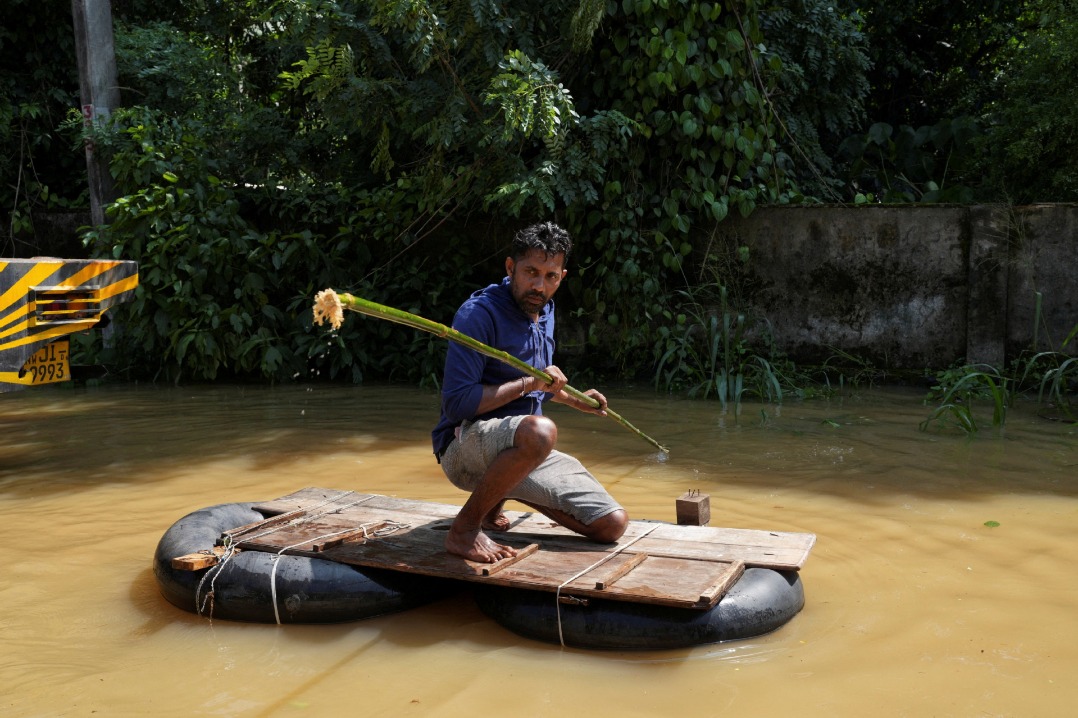
    COLOMBO — Sri Lanka confronts a mounting humanitarian crisis as the official death count from Cyclone Ditwah has surged beyond 200 individuals, with hundreds more reported missing. The devastating storm system unleashed torrential rains and triggered catastrophic mudslides across the island nation throughout the past week, particularly ravaging its central regions.

    Disaster response authorities reported on Sunday that at least 212 fatalities have been confirmed while 218 people remain unaccounted for. The full scale of destruction is gradually emerging as emergency crews work to clear roadways obstructed by debris and landslides, gaining access to previously isolated communities.

    The capital city Colombo experienced severe flooding in its northern districts as the Kelani River swelled dramatically, submerging low-lying residential areas. Official sources from the Disaster Management Centre noted that although the cyclone has moved away, continued heavy precipitation in upstream areas continues to threaten riverside communities.

    Personal accounts highlight the human tragedy unfolding across affected regions. Selvi, a 46-year-old resident of Colombo’s Wellawatta suburb, described abandoning her inundated home with her family’s possessions. ‘My house is completely flooded. I don’t know where to go, but I hope there is some safe shelter where I can take my family,’ she told reporters.

    The national blood supply system has reached critically low levels according to medical officials. Lakshman Edirisinghe, director of the National Blood Transfusion Service, indicated that daily requirements of approximately 1,500 units have plummeted to just 236 units due to weather-related disruptions to collection campaigns.

    President Anura Kumara Dissanayake has declared a state of emergency and formally requested international assistance to address the widespread devastation. The government’s response operations continue to face significant challenges in reaching affected populations.

    In a separate development, thousands of demonstrators in the Philippines protested alleged corruption in flood-control infrastructure projects. The unrest reflects regional concerns about climate resilience and governmental accountability as Southeast Asian nations increasingly confront extreme weather events.

  • China boosts commercial space sector

    China boosts commercial space sector

    In a landmark move for its space industry, China has established its first dedicated government body to oversee commercial space operations. The China National Space Administration (CNSA) recently formed the Department of Commercial Space Operations, marking an unprecedented institutional commitment to nurturing the private space sector.

    This strategic development coincides with the release of a comprehensive action plan outlining 22 specific measures to achieve high-quality growth in commercial space activities by the end of 2027. The blueprint integrates commercial space ambitions into national space strategy across five critical domains: enhancing technological innovation, optimizing resource allocation, promoting commercial products and services, improving regulatory management, and implementing full-chain safety supervision.

    The establishment of this specialized department signals a profound transformation in China’s space ecosystem. For nearly seven decades since the industry’s foundation, which will celebrate its 70th anniversary next year, space programs remained exclusively under state control through entities like CNSA, the Chinese Academy of Sciences, and major state-owned contractors including China Aerospace Science and Technology Corp.

    Over recent years, however, private enterprises have emerged as significant contributors to China’s space ambitions, fueled by supportive government policies and concrete assistance. This growing private sector involvement has generated substantial demand for commercial launch services, particularly in satellite deployment.

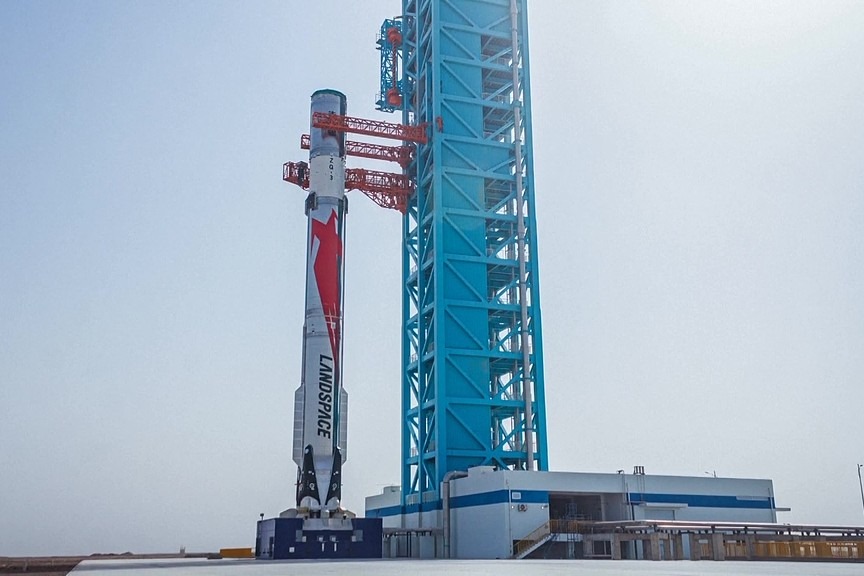
    Currently, five Chinese private companies—i-Space, Galactic Energy, Space Pioneer, LandSpace, and Orienspace—have successfully conducted orbital launches using independently developed carrier rockets. The industry’s latest development features Beijing-based LandSpace preparing to launch its inaugural reusable rocket, the ZQ 3, in coming weeks, positioning itself to compete with American pioneer SpaceX in reusable launch technology.

  • New system extracts water from atmosphere

    New system extracts water from atmosphere

    Shanghai researchers have unveiled a groundbreaking atmospheric water harvesting system that represents China’s transition from follower to leader in this emerging technology sector. Developed by Shanghai Jiao Tong University’s interdisciplinary ITEWA team, the comprehensive solution addresses global water scarcity through three distinct technological pathways tailored to different climate conditions.

    The system employs condensation, adsorption, and a novel heat pump coupled with adsorption/absorption technologies to extract drinking water from atmospheric moisture. This approach enables operation across diverse environments ranging from high temperature/humidity regions to areas with low temperature/humidity or high temperature/low humidity conditions.

    Commercialized through Shanghai-based technology firm AtmosWell, the innovation includes multiple product configurations. These range from solar-powered off-grid drinking stations capable of producing 50 liters daily without infrastructure to large-scale engineering platforms generating 1,600 liters per day for island communities, hotels, and emergency disaster relief scenarios. The portfolio also features plug-and-play water bars for office and home use.

    Professor Wang Ruzhu, lead scientist of the ITEWA team and 2023 Global Energy Prize laureate, emphasized the technology’s significance: “Extracting potable water from air represents one of humanity’s ultimate dreams for addressing uneven water distribution. We’ve systematically transformed laboratory breakthroughs into adaptable engineering solutions that serve society’s core needs.”

    The technology overcomes traditional challenges of atmospheric water extraction by adapting to complex climate variations through proprietary purification systems that combine traditional filtration with newly developed low-temperature rapid cooling antibacterial technology and comprehensive water circulation preservation.

    Market analysis from QYResearch projects the global atmospheric water collector market will reach $420 million by 2031, growing at 4.8% CAGR. Shanghai municipal technology officials highlight the innovation’s potential for environmental conservation, noting it could reduce the 600 billion plastic water bottles produced annually worldwide, of which only 9% are currently recycled.

  • China’s first space documentary screened in Bulgaria

    China’s first space documentary screened in Bulgaria

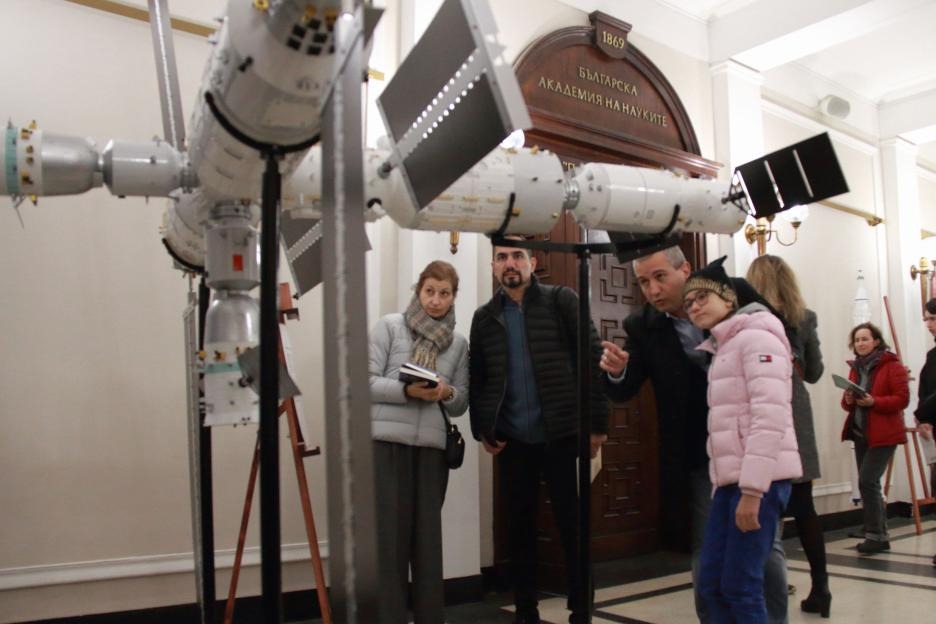
    SOFIA, Bulgaria – China’s groundbreaking space documentary “Blue Planet Outside the Window” (also known as “SHENZHOU XIII”) received its Bulgarian premiere on November 30, 2025, marking a significant moment in Sino-Bulgarian scientific collaboration. The historic screening, jointly organized by the Chinese Embassy in Bulgaria and the Space Research and Technology Institute of the Bulgarian Academy of Sciences, showcased extraordinary footage captured during China’s space missions.

    The event, held at the prestigious headquarters of the Bulgarian Academy of Sciences, featured an immersive exhibition including large-scale models of the Chinese space station and the Long March 2F carrier rocket. Attendees also received curated collections of China-related literature, enhancing the cultural exchange dimension of the gathering.

    Chinese Ambassador Dai Qingli highlighted the symbolic importance of the timing, noting that the screening commemorated the first anniversary of the “Talking with Taikonauts” event held at the same venue. Exactly one year prior, Bulgarian primary and secondary school students had engaged in a direct dialogue with the three Shenzhou-19 mission astronauts while they were in orbit.

    The documentary itself provides an unprecedented glimpse into the six-month mission aboard China’s space station from October 2021 to April 2022, documenting both the professional responsibilities and daily routines of Chinese astronauts. Notably, it captures the historic first spacewalk conducted by a Chinese female astronaut, representing a milestone in space exploration.

    In her written address to attendees, Bulgarian Academy of Sciences President Evelina Slavcheva praised the film as both “exciting” and intellectually stimulating, emphasizing its capacity to showcase remarkable achievements in space exploration. She specifically highlighted the documentary’s potential to inspire younger audiences to pursue careers in scientific exploration and innovation.

    The screening generated enthusiastic responses from viewers, with Veronika Prezhdarova noting China’s demonstration of technological leadership through its space advancements, particularly appreciating the focus on female participation. Iliya Valov from Pazardzhik described the film as “extremely fascinating and very emotional,” reflecting the documentary’s powerful impact on space enthusiasts.

  • Platform transforms rural women’s lives

    Platform transforms rural women’s lives

    A groundbreaking social enterprise is creating transformative pathways for rural women across China by combining vocational training with cultural preservation. Spearheaded by Dr. Chen Qiong, a dedicated scholar and women’s rights advocate, the organization Yichuang has developed a sophisticated framework addressing the distinct needs of different age demographics in underserved communities.

    The initiative operates through a dual-program structure targeting women aged 18-45 and 45-65 respectively. The younger cohort receives comprehensive beauty industry training through the ‘Beauty for Better Life’ program—a decade-old initiative providing skills in cosmetics, hairstyling, and related services. This 20-day intensive training enables participants to secure local employment with monthly earnings averaging 3,000 yuan ($421), allowing them to maintain family stability while achieving financial independence.

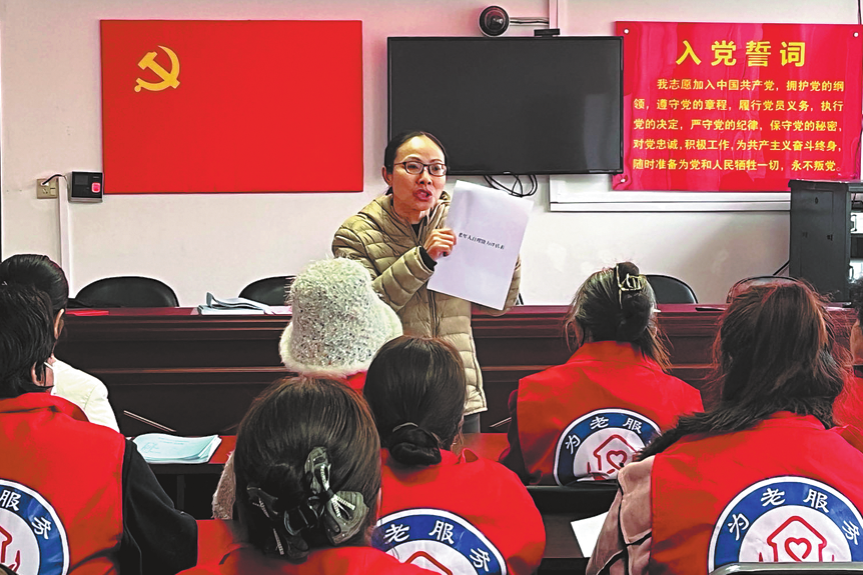
    For mature women who have completed their child-rearing responsibilities, Yichuang offers an elderly care program that transforms traditional caregiving roles into professional opportunities. Participants learn to provide essential services to seniors in their communities, particularly those whose children have migrated for work. The program includes daily wellness checks, weekly safety inspections, and bi-weekly practical support including accompaniment to medical appointments.

    Operating in hundreds of counties across China, with particular focus on rural revitalization regions like Hebei and Henan provinces, as well as less developed western areas including Shaanxi and Guizhou, the organization conducts approximately 40 classes annually with 40 participants each. The model relies on strategic partnerships with local organizations and female entrepreneurs who receive resources and financial support gathered from government agencies and foundations.

    Dr. Chen’s inspiration emerged during her graduate studies at Central China Normal University in 2005, where mentor Liu Xiaohong’s work on rural women’s political participation ignited her commitment to women’s empowerment. After completing her doctorate, she recognized the critical disconnect between grassroots initiatives and policy implementation, leading her to establish Yichuang in 2017 as a bridging platform.

    The organization maintains rigorous follow-up procedures spanning six to twelve months post-training, ensuring skills translation into sustainable economic opportunities. Through transparent monitoring systems and accountability measures, Yichuang addresses challenges such as potential exploitation by local partners, ensuring the program’s integrity remains intact.

    Beyond economic impacts, participants report improved family dynamics, enhanced educational outcomes for children, and stronger community bonds. The initiative demonstrates how women’s development can simultaneously advance personal fulfillment, family wellbeing, and broader social progress, creating a holistic model of rural empowerment that honors cultural values while embracing economic opportunity.

  • New logistics network transforms fortunes of remote Metog county

    New logistics network transforms fortunes of remote Metog county

    The remote county of Metog in Tibet Autonomous Region has undergone a remarkable economic transformation, evolving from one of China’s most isolated regions into a vibrant commercial hub through revolutionary logistics improvements and e-commerce integration.

    Historically known as the ‘isolated island’ of the Qinghai-Tibet Plateau due to its formidable terrain, Metog represented China’s last county without road access until 2013. The completion of a national highway ended decades of geographical isolation, creating fundamental infrastructure for economic development.

    The breakthrough accelerated dramatically when major e-commerce platforms eliminated logistics transfer fees for remote regions starting in late 2024. This policy shift proved instrumental in connecting Metog’s unique products with national markets. The county’s renowned stone pots, traditionally used for cooking, have emerged as particularly sought-after items among consumers across China.

    Local entrepreneur Wangmo exemplifies this transformation. Since establishing her online stone pot business in 2017, she has witnessed extraordinary growth following the improved shipping policies. ‘My orders now span the entire country, with the farthest destinations reaching Taiwan and Hong Kong,’ Wangmo reported. Her store on Pinduoduo platform now achieves monthly sales exceeding 100 stone pots.

    The logistics revolution has created a dual benefit system: while enabling local products to reach national markets, it simultaneously allows residents to access goods previously unavailable. Wangmo’s newly built home showcases various appliances purchased online, demonstrating how improved delivery systems have enhanced living standards.

    JD Logistics has been at the forefront of this transformation. According to their Lhasa representative, deliveries that previously required over a week now frequently arrive within 24 hours. This dramatic improvement stems from JD’s expanded self-operated warehousing network, with Metog orders now shipping from their smart warehouse in Lhasa.

    The economic impact appears substantial. During the recent Singles’ Day shopping festival, Tibet led the nation in per capita spending, indicating robust consumer engagement. Official statistics reveal Metog’s GDP reached 1.01 billion yuan ($142 million) with a 6.95% growth rate, while urban and rural disposable incomes grew by 7% and 8.3% respectively.

    This comprehensive logistics network has effectively bridged the gap between agricultural producers and national markets, creating seamless distribution channels for Tibet’s unique products while significantly reducing transportation costs for local farmers.

  • Experts: Tech to play positive role in art world

    Experts: Tech to play positive role in art world

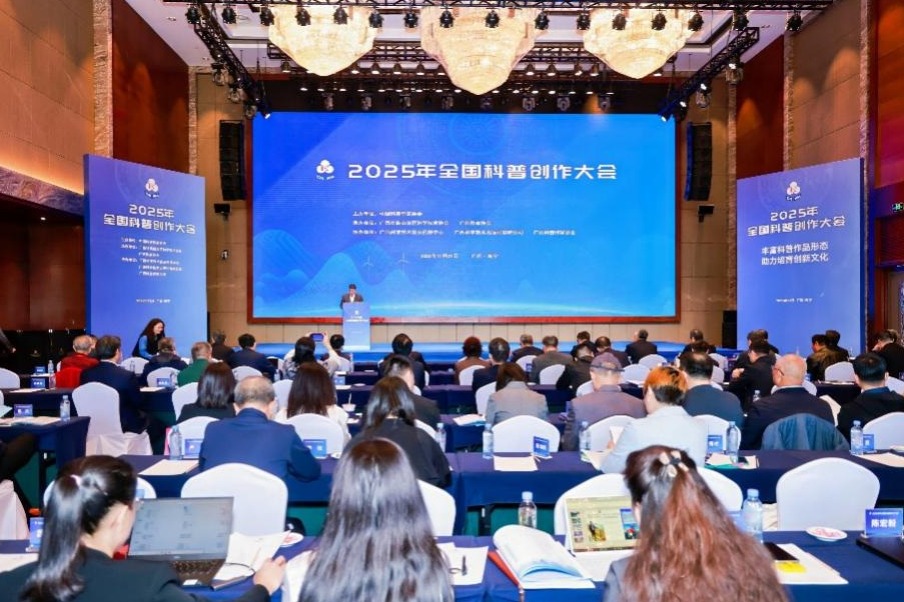
    NANNING—At a pivotal gathering of thought leaders, the intersection of technology and art emerged as a powerful catalyst for innovation, with experts advocating for a symbiotic relationship between these traditionally distinct fields. The 2025 National Conference on Science Popularization Content Creation, organized by the China Science Writers Association, became a platform for envisioning how disruptive technologies like artificial intelligence could revolutionize creative expression without supplanting human artistry.

    Shu Yong, a member of the National Committee of the Chinese People’s Political Consultative Conference and vice-president of the Kaiming Art Academy, presented a compelling vision of mutual empowerment between science and art. “While technological revolutions have historically sparked artistic revolutions,” he noted, “I equally believe art can propel technological development forward. The humanities offer invaluable perspectives that guide technological advancement with ethical and creative considerations.”

    The acclaimed artist, who has incorporated AI into his painting practice for three years, emphasized that his engagement with technology transcends mere production of visually striking works. Instead, he described it as “an exploration of knowledge through continuous creation”—a process that generates timeless classics reflective of their technological era while preserving irreplaceable humanistic elements.

    Documentary filmmaker Li Chengcai reinforced this perspective, addressing the critical challenge of translating complex scientific concepts into accessible public understanding. “We must maintain both the solemnity of scientific principles and the engaging storytelling that resonates with general audiences,” Li explained. He characterized this balancing act as navigating an inherent conflict between rigid scientific accuracy and narrative flexibility, where the ultimate goal is discovering “the warmth and humanistic care within science.”

    The conference highlighted several successful integrations of technology and art, including this year’s Spring Festival Gala presentation where robots performed the traditional yangko dance—an artistic demonstration of AI’s potential future applications. Such collaborations, experts agreed, make scientific concepts visible, comprehensible, and emotionally perceptible through artistic approaches.

    Ultimately, the gathering served as both forecast and foundation: a prediction of inevitable changes brought by disruptive technologies, and a commitment to ensuring these changes enrich rather than diminish human creativity. The China Science Writers Association aims to cultivate an innovative culture through such dialogues, expanding the forms and impact of popular science works in an increasingly technologically-integrated world.