作者: admin

  • Eid Al Etihad: 220,000 new companies entered the UAE market this year

    Eid Al Etihad: 220,000 new companies entered the UAE market this year

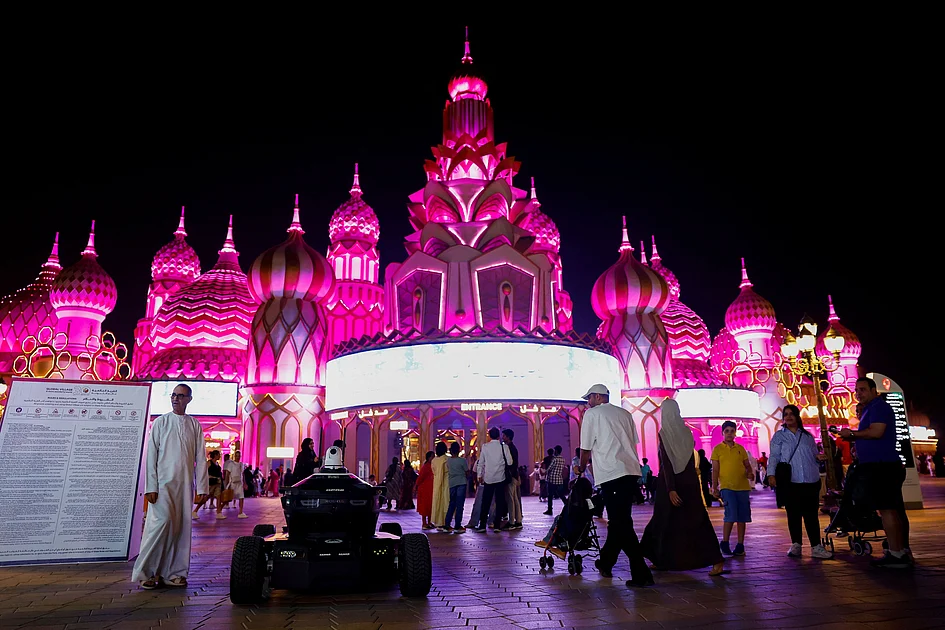
    The United Arab Emirates is experiencing an unprecedented period of economic expansion, with comprehensive data revealing extraordinary growth across both its commercial and tourism sectors throughout 2025. According to official statistics from the Ministry of Economy and Tourism, the UAE market welcomed an impressive 220,186 new companies between January and November 2025, demonstrating the nation’s powerful appeal to global investors and entrepreneurs.

    The country’s business environment has shown remarkable dynamism, with trademark registrations surging by 48.2 percent compared to the previous year, totaling over 36,000 national and international trademarks. This substantial increase underscores the UAE’s position as a premier destination for business establishment and intellectual property protection.

    Concurrently, the tourism sector has achieved extraordinary milestones, receiving international recognition through multiple prestigious awards. The hospitality industry maintained its robust growth trajectory during the first three quarters of 2025, welcoming 23.27 million hotel guests—a 4.9 percent increase from the same period in 2024. This influx resulted in more than 79.3 million booked room nights, with hotel revenues climbing 7.2 percent to exceed Dh35.9 billion.

    Performance metrics across the hospitality sector showed significant improvement, with hotel occupancy rates reaching 79.2 percent (a 1.8 percent increase) and the average length of stay extending from 3.38 to 3.41 nights. The Average Daily Rate rose by 4.2 percent to Dh557, while occupied room numbers increased by 3.5 percent to 46.17 million. The country’s tourism infrastructure now encompasses 1,246 hotel establishments offering 216,248 rooms nationwide.

    In a testament to its global tourism leadership, the UAE secured placement among the world’s top seven destinations for international tourist spending. The prestigious appointment of Sheikha Nasser Al Nowais as Secretary-General of UN Tourism and Masfout Village’s recognition as World’s Best Tourism Village 2025 further cement the nation’s international standing.

    Abdulla bin Touq Al Marri, Minister of Economy and Tourism, emphasized that these achievements coincide with the 54th Eid Al Etihad celebrations, reflecting the visionary leadership that has transformed the UAE into a model of growth and development. The minister highlighted the country’s exceptional economic performance, with real GDP growing by 4.2 percent and non-oil GDP expanding by 5.7 percent during the first half of 2025. Non-oil activities now constitute 77.5 percent of real GDP, demonstrating successful economic diversification.

    The Ministry’s regulatory efforts have been equally substantial, contributing to the issuance of 11 economic laws and 8 regulatory policies covering critical areas including consumer protection, ecotourism, food security, and sustainability. This comprehensive legislative framework supports the nation’s strategic objectives under the ‘We the UAE 2031’ vision, which aims to double the national economy to Dh3 trillion and establish the country as a global hub for the new economy.
  • Netanyahu corruption trials: Prime minister’s request for pardon sparks debate in Israel

    Netanyahu corruption trials: Prime minister’s request for pardon sparks debate in Israel

    Israeli Prime Minister Benjamin Netanyahu has formally requested a presidential pardon from President Isaac Herzog, triggering intense nationwide debate amid his ongoing corruption trial. The 111-page legal submission, accompanied by a personal letter delivered Sunday, argues that clemency would serve the “public interest” by fostering national “reconciliation.”

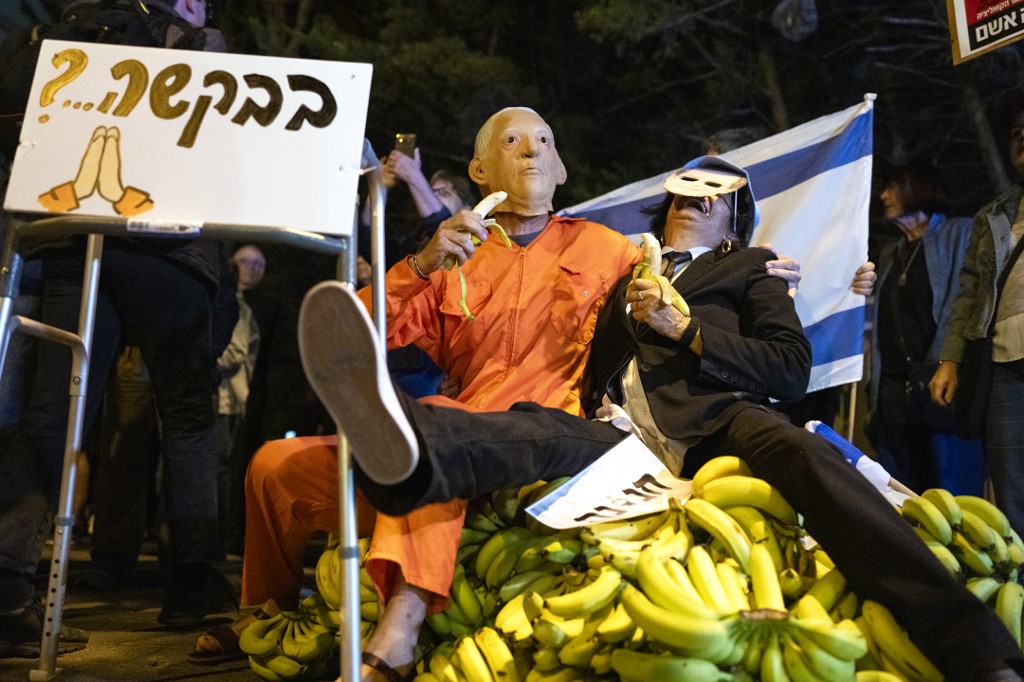
    Instead of unity, the move has exacerbated existing societal fractures. Protesters immediately gathered outside the presidential residence, while political figures across the spectrum voiced starkly contrasting views. President Herzog acknowledged the “controversy” surrounding the application, pledging to base his decision solely on Israel’s best interests while dismissing the impact of “violent discourse.”

    Critics highlighted the petition’s most contentious aspect: Netanyahu’s refusal to admit guilt for charges of fraud, bribery, and breach of trust. Opposition Leader Yair Lapid declared Herzog cannot grant pardon without “admission of guilt, expression of remorse, and immediate retirement from political life.” Haaretz commentator Yossi Verter characterized the letter as bordering on “extortion by threats,” noting that meaningful dialogue would require contrition and commitment to leave politics.

    Even within Netanyahu’s Likud party, dissent emerged. MP Tally Gotliv expressed feeling “pain and humiliation” over the submission, while far-right activist Arnon Segal lamented the right’s narrowed focus on acquittal rather than broader ideological goals.

    Supporters presented counterarguments. Energy Minister Eli Cohen asserted Netanyahu “is not a corrupt person” and that pardoning would benefit Israel by ending “this saga.” Environmental Protection Minister Idit Silman suggested, without evidence, that U.S. President Donald Trump might impose sanctions on Israeli judicial officials should Herzog refuse clemency.

    The controversy intersects with Israel’s security situation, with some social media users accusing Netanyahu of seeking to evade accountability for October 7 attacks. Enav Zangauker, mother of a recently released captive, condemned the move as prioritizing power retention over responsibility. Left-wing figures, including Hadash party leader Ayman Odeh, framed the pardon discussion as a distraction from Israel’s military actions in Gaza and the West Bank, asserting Netanyahu should face trial in The Hague for war crimes rather than receive domestic clemency.

  • Dubai motorists lose 45 hours in traffic jams this year amid rising population, vehicles

    Dubai motorists lose 45 hours in traffic jams this year amid rising population, vehicles

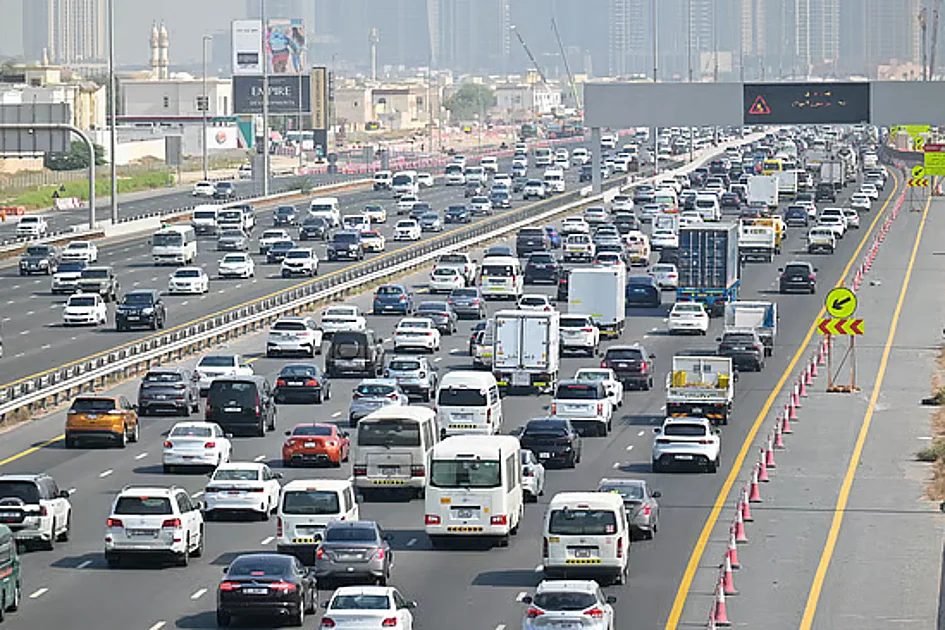
    Dubai motorists endured significantly increased traffic delays throughout 2025, with commuters losing approximately 45 hours to congestion according to the recently released Inrix Global Traffic Report. This represents a substantial increase from the previous year’s figures of 35 hours lost, highlighting growing transportation challenges across the emirates.

    The traffic congestion escalation coincides with notable population growth, with the UAE’s resident count expanding by two million over the past five years to reach 11.48 million as of November 2025. This demographic surge, coupled with increasing vehicle numbers, has placed unprecedented pressure on the nation’s road infrastructure.

    In response to these challenges, UAE authorities have unveiled an ambitious Dh170-billion transportation infrastructure package scheduled for implementation by 2030. Suhail Al Mazrouei, Minister of Energy and Infrastructure, announced during the UAE Government Annual Meeting that the comprehensive plan aims to enhance federal road efficiency by 73% through strategic expansions and upgrades.

    The infrastructure development strategy includes significant lane additions, with federal roads expanding from 19 to 33 lanes in each direction. Specific projects involve widening Etihad Road by six lanes (three per direction), increasing its capacity by 60%, while Emirates Road will expand to ten lanes throughout its length, boosting capacity by 65% and reducing travel time by 45%. Sheikh Mohammed bin Zayed Road will similarly be widened to ten lanes, enhancing capacity by 45%.

    Additionally, transportation authorities are conducting feasibility studies for a proposed fourth federal highway spanning 120 kilometers with twelve lanes, potentially handling up to 360,000 daily trips.

    The traffic impact varied across emirates, with Abu Dhabi motorists losing 29 hours to congestion, Umm Al Quwain 28 hours, Al Ain 17 hours, and Fujairah 8 hours. Dubai’s substantial investment in transportation infrastructure over two decades, totaling Dh175 billion, has delivered significant projects including the Dubai Metro, Dubai Tram, extensive road networks, cycling tracks, and pedestrian facilities. A McKinsey & Company study indicated these investments have yielded Dh319 billion in savings through reduced fuel consumption and time efficiency.

    Despite these efforts, traffic speeds have continued to decline, with peak commute speeds in Dubai dropping from 33 mph in 2023 to 29 mph in 2025, while last-mile downtown speeds decreased to 21 mph during morning commutes.

    Globally, Istanbul maintained its position as the world’s most congested urban area for the second consecutive year, with drivers losing 118 hours to delays—a 12% increase from 2024. Other severely affected cities included Mexico City, Chicago, New York, Philadelphia, Cape Town, London, Paris, Jakarta, and Los Angeles.

  • Trump says he doesn’t want Somalis in the US, urges them to go back to their homeland and fix it

    Trump says he doesn’t want Somalis in the US, urges them to go back to their homeland and fix it

    During an extended Cabinet session on Tuesday, President Donald Trump voiced strong opposition to Somali immigration into the United States, characterizing individuals from the conflict-torn East African nation as excessive beneficiaries of American welfare systems with minimal societal contributions.

    The President’s statements emerged shortly after his administration declared a temporary suspension of all asylum adjudications. This policy shift followed a shooting incident in Washington that injured two National Guard soldiers. Although the primary suspect in the attack was reportedly of Afghan origin, Trump expanded his critique to include immigrant populations from multiple nations, with particular emphasis on Somalia.

    “Their contribution levels are virtually nonexistent,” Trump asserted during the meeting. “Welfare dependency approaches 88 percent or similar figures. They contribute nothing. We have no desire for their presence in our nation.” The President further commented on Somalia’s national conditions, stating “Their country’s troubled status exists for identifiable reasons. Your nation’s condition is unsatisfactory, and consequently we decline to accept them here.”

    The remarks represent the latest development in the administration’s ongoing examination of immigration protocols and refugee acceptance criteria. Political analysts suggest these comments may signal forthcoming policy adjustments regarding immigration from specific African and Middle Eastern regions, though no official announcements have been made regarding substantive policy changes.

  • Federal authorities plan operation in Minnesota focusing on Somali immigrants, AP source says

    Federal authorities plan operation in Minnesota focusing on Somali immigrants, AP source says

    Federal immigration authorities are finalizing preparations for a targeted enforcement operation in Minnesota specifically focusing on Somali immigrants residing unlawfully in the United States. According to sources familiar with the planning, the operation—potentially launching within days—will concentrate on individuals in the Minneapolis-St. Paul area who have received final deportation orders.

    The planned sweep emerges amid escalating rhetoric from former President Donald Trump regarding Minnesota’s Somali community. During a recent Cabinet meeting, Trump stated, “They contribute nothing. I don’t want them in our country,” adding that “Their country is no good for a reason.” These comments have intensified community tensions and raised concerns about racial profiling.

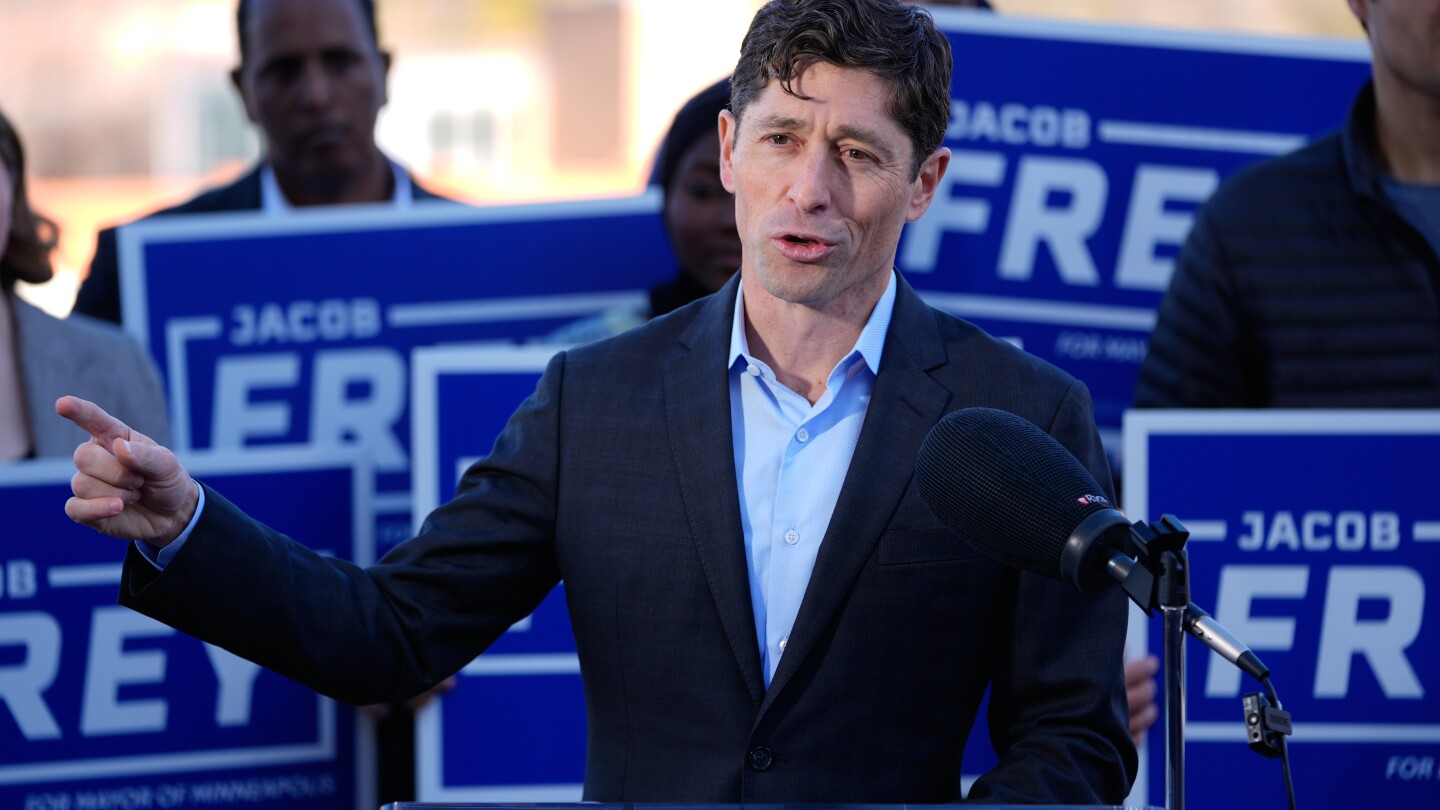
    Minneapolis Mayor Jacob Frey has declared that city police will not assist federal agents with immigration enforcement, stating that targeting Somalis would inevitably lead to due process violations and the detention of American citizens based solely on appearance. Homeland Security officials declined to comment on potential operations but emphasized that enforcement targets are based solely on immigration status, not ethnicity.

    The operation reportedly aims to apprehend hundreds of individuals, though officials acknowledge that “incidental arrests” of undocumented immigrants not specifically targeted may occur during the sweep. Community leaders note that approximately 95% of Somalis in Minnesota are U.S. citizens, with about half born in the United States, making the actual population vulnerable to deportation relatively small.

    The Trump administration’s increased focus on Somali immigrants follows allegations from conservative media that taxpayer dollars from defrauded government programs may have flowed to the Somali militant group al-Shabab. Treasury Secretary Scott Bessent has announced an investigation into these claims, blaming “feckless mismanagement” by the Biden administration and Minnesota Governor Tim Walz.

    Community representatives characterize the planned operation as political rhetoric and an attack against the Muslim community, warning that increased ICE presence will create additional pressure on all immigrant communities, including Hispanic and other African populations.

  • Michael Jordan is suing Nascar, accusing it of being an illegal monopoly

    Michael Jordan is suing Nascar, accusing it of being an illegal monopoly

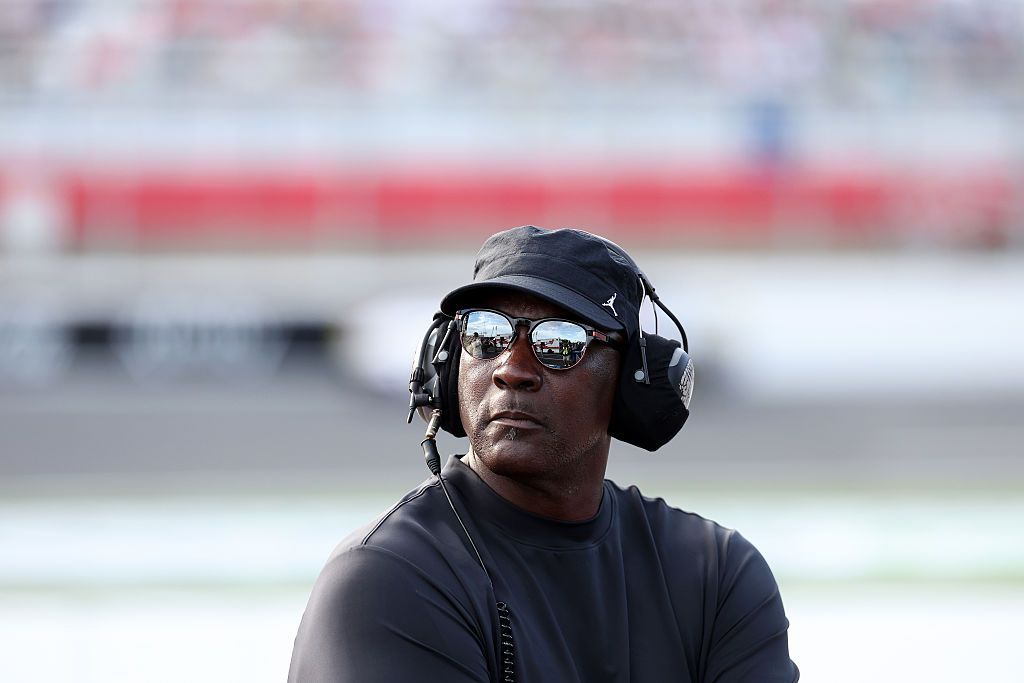
    Basketball icon Michael Jordan has entered a legal showdown with NASCAR, alleging the premier motorsports organization operates an unlawful monopoly that financially damages his racing team. The landmark trial commenced Monday in Charlotte, North Carolina, with Jordan personally attending courtroom proceedings alongside co-owner Denny Hamlin, the three-time Daytona 500 champion.\n\nJordan’s 23XI Racing and Front Row Motorsports, owned by fast-food franchise magnate Bob Jenkins, initiated the lawsuit in October 2024. They contend NASCAR’s restrictive practices have suppressed competition and profitability through mandatory use of Next Gen cars, exclusive parts sourcing requirements, and overwhelming control over racing regulations and venues. Central to the dispute is NASCAR’s charter system, which guarantees participating teams entry into all 38 annual races while providing defined financial payouts.\n\nAccording to plaintiffs’ attorney Jeffrey Kessler, the current revenue model proves unsustainable for most teams. He revealed during opening statements that over 70% of teams operated at a loss in 2024, citing a NASCAR-commissioned study. Meanwhile, the France family trust reportedly received nearly $400 million over three years from the racing empire valued at approximately $5 billion by Goldman Sachs estimates.\n\nNASCAR CEO Jim France, who inherited the organization from his father, founder Bill France Sr., denies any misconduct. Defense attorney Johnny Stephenson portrayed the France family as American success story pioneers who built NASCAR \”through hard work over 75 years.\”\n\nThe outcome could reshape American motorsports fundamentally. Should plaintiffs prevail, Judge Kenneth Bell possesses broad authority to dismantle perceived monopolistic structures—potentially mandating NASCAR’s sale or terminating the charter system entirely. Conversely, a NASCAR victory could force 23XI Racing and Front Row Motorsports to cease operations, with their six combined charters likely sold to private equity firms.\n\nThe trial anticipates approximately two weeks of testimony before six jurors, with Jordan’s celebrity status already influencing jury selection when one candidate openly admitted: \”I like Mike.\”

  • British police chief reiterates ‘legitimate’ decision to ban Maccabi Tel Aviv fans

    British police chief reiterates ‘legitimate’ decision to ban Maccabi Tel Aviv fans

    Senior officials from West Midlands Police have presented a robust defense of their contentious decision to prohibit Maccabi Tel Aviv supporters from attending the November 6th match against Aston Villa. Chief Constable Craig Guildford and Assistant Chief Constable Mike O’Hara testified before Parliament’s Home Affairs Select Committee, facing scrutiny over the unprecedented ban implemented amid heightened security concerns.

    The law enforcement leadership maintained that the prohibition constituted a carefully evaluated public safety measure rather than any form of discrimination. Guildford characterized the move as a ‘necessary tactic with legitimate aim, absolutely not antisemitic’ during his parliamentary testimony. The decision followed intelligence exchanges with Dutch police authorities regarding Maccabi fan conduct during matches in Amsterdam.

    According to security assessments, Dutch law enforcement had documented approximately 200 Maccabi supporters with alleged connections to Israeli military structures causing significant disturbances in Amsterdam. Internal documents described these individuals as ‘experienced fighters’ demonstrating highly organized patterns of violent behavior. Surveillance footage subsequently revealed instances of supporters assaulting local residents and voicing racist anti-Arab chants.

    The police assessment concluded that the primary threat of violence originated from extremist elements within the Israeli club’s supporter base. This evaluation was further substantiated by recent domestic incidents in Israel, including the cancellation of a local derby against Hapoel Tel Aviv due to security concerns and an incident involving fans launching fireworks at their manager’s residence.

    The verification process included cross-referencing Dutch police reports that characterized fan involvement in demonstrations and physical confrontations. Despite political criticism from certain government figures and media outlets, police authorities affirmed their operational strategy as both proportionate and effective in ensuring public protection.

  • Tariffs, AI boom could test global growth’s resilience, OECD says

    Tariffs, AI boom could test global growth’s resilience, OECD says

    The Organisation for Economic Cooperation and Development (OECD) released its latest Economic Outlook on Tuesday, presenting a complex global economic landscape where artificial intelligence investments are counterbalancing the disruptive effects of U.S. tariff policies. While maintaining cautious optimism, the Paris-based intergovernmental organization highlighted the delicate equilibrium that could be easily disrupted by renewed trade conflicts or unmet AI expectations.

    The comprehensive report maintains its previous global growth projections, forecasting a gradual deceleration from 3.2% in 2025 to 2.9% in 2026, followed by a modest recovery to 3.1% in 2027. This stability masks significant regional variations and underlying vulnerabilities that could test the resilience of worldwide economic expansion.

    United States economic prospects appear strengthened, with the OECD revising upward its 2025 growth forecast to 2.0% (from 1.8%) and 2026 projection to 1.7% (from 1.5%). This improved outlook stems from substantial AI sector investments, continued fiscal support, and anticipated Federal Reserve rate reductions, which collectively mitigate the negative impacts of import tariffs, reduced immigration, and federal employment cuts.

    China’s economic trajectory shows initial resilience with a upgraded 2025 forecast of 5.0% growth (from 4.9%), though analysts expect a slowdown to 4.4% in 2026 as fiscal measures diminish and new U.S. tariffs take full effect. The eurozone demonstrates modest improvement with 2025 growth revised to 1.3% (from 1.2%), primarily driven by Germany’s robust labor market and increased public expenditure. However, fiscal tightening in France and Italy is projected to constrain 2026 expansion to 1.2%.

    Japan’s economic performance exceeded expectations with a 2025 growth upgrade to 1.3% (from 1.1%), supported by strong corporate profitability and investment, though a slowdown to 0.9% is anticipated in 2026.

    The report highlights concerning trade dynamics, with global trade growth expected to decline significantly from 4.2% in 2025 to 2.3% in 2026 as tariff implementations dampen investment and consumer activity. Persistent trade policy uncertainty continues to hinder prospects for substantial recovery.

    Inflation projections indicate a gradual return to central bank targets across most major economies by mid-2027. The United States may experience a mid-2026 inflation peak due to tariff effects before subsequent easing, while China and select emerging markets could see modest inflation increases as production capacity normalizes.

    Monetary policy is expected to remain accommodative, with most central banks maintaining or reducing borrowing costs throughout the coming year. The Federal Reserve is projected to implement moderate rate cuts by late 2026, assuming no unexpected inflation surges from trade measures.

    The OECD concludes that while current economic resilience is noteworthy, the coexistence of AI-driven optimism and trade policy uncertainties creates a fragile balance that requires careful monitoring and international cooperation to sustain global growth.

  • Trump vowed fewer regulations and lots more oil. He’s delivered on one.

    Trump vowed fewer regulations and lots more oil. He’s delivered on one.

    Despite sweeping campaign pledges to dramatically expand U.S. fossil fuel production, President Donald Trump’s first year in office has yielded mixed results for the energy sector. While the administration has successfully dismantled numerous environmental regulations and delivered substantial tax benefits to oil companies, actual production increases have remained modest and failed to generate promised job growth or consumer price reductions.

    Energy economists report that current oil output of approximately 13.9 million barrels per day represents only a slight increase from the record 13.4 million barrels achieved during the Biden administration. This incremental growth stems primarily from improved operational efficiency rather than new drilling initiatives. Meanwhile, crude prices have declined from $75 to below $60 per barrel since Trump took office.

    The administration’s policy approach has produced significant contradictions. While implementing tariffs that raised costs for essential drilling materials like steel and aluminum, Trump simultaneously signed legislation delivering nearly $6 billion in annual tax breaks to major fossil fuel companies. His administration has opened millions of acres in Alaska’s Arctic National Wildlife Refuge to drilling and moved to strike down pollution controls on power plants and industrial facilities.

    Consumer energy costs have moved contrary to Trump’s campaign promises. Gasoline prices averaged $3.069 per gallon—virtually unchanged from year-ago levels—while household electricity bills have increased 11% nationally. Environmental groups estimate the repeal of climate regulations could add 22-32 billion metric tons of greenhouse gases to the atmosphere by 2055, with associated health and economic consequences.

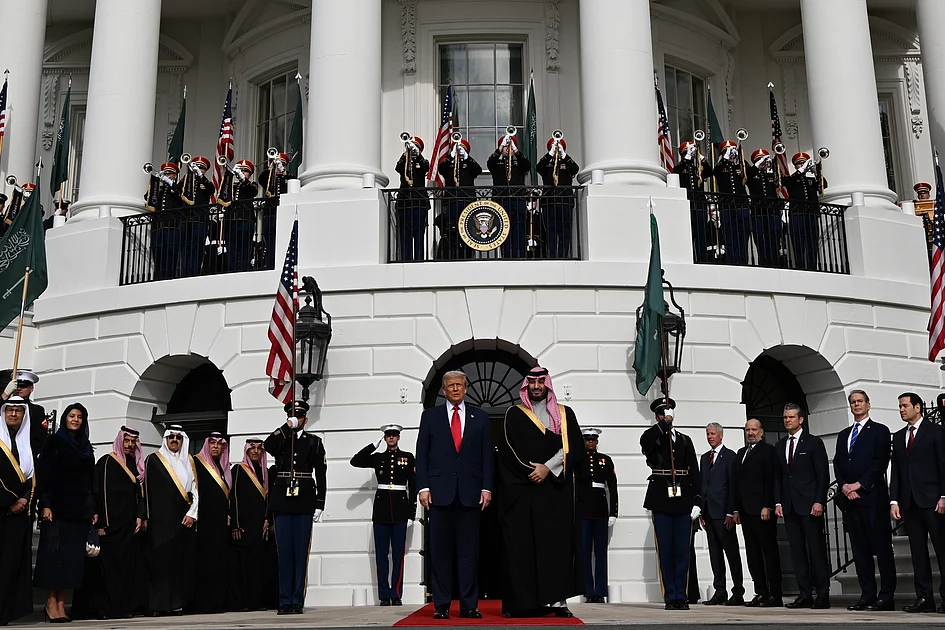
    The international dimension reveals further complexity. While hosting Saudi Arabia’s Crown Prince Mohammed bin Salman and striking deals for foreign purchases of U.S. liquefied natural gas, the administration has simultaneously worked to thwart global climate agreements. This occurs even as Saudi Arabia pursues its own economic diversification away from oil.

    Energy analysts characterize the investment climate as uncertain and confusing for industry players. While acknowledging the administration’s rhetorical support for energy dominance, experts note that tangible benefits for both industry and consumers have remained marginal at best, with the most significant impact being the systematic dismantling of previous climate policies.

  • Hegseth cites ‘fog of war’ in defending follow-on strike in scrutinized attack on alleged drug boat

    Hegseth cites ‘fog of war’ in defending follow-on strike in scrutinized attack on alleged drug boat

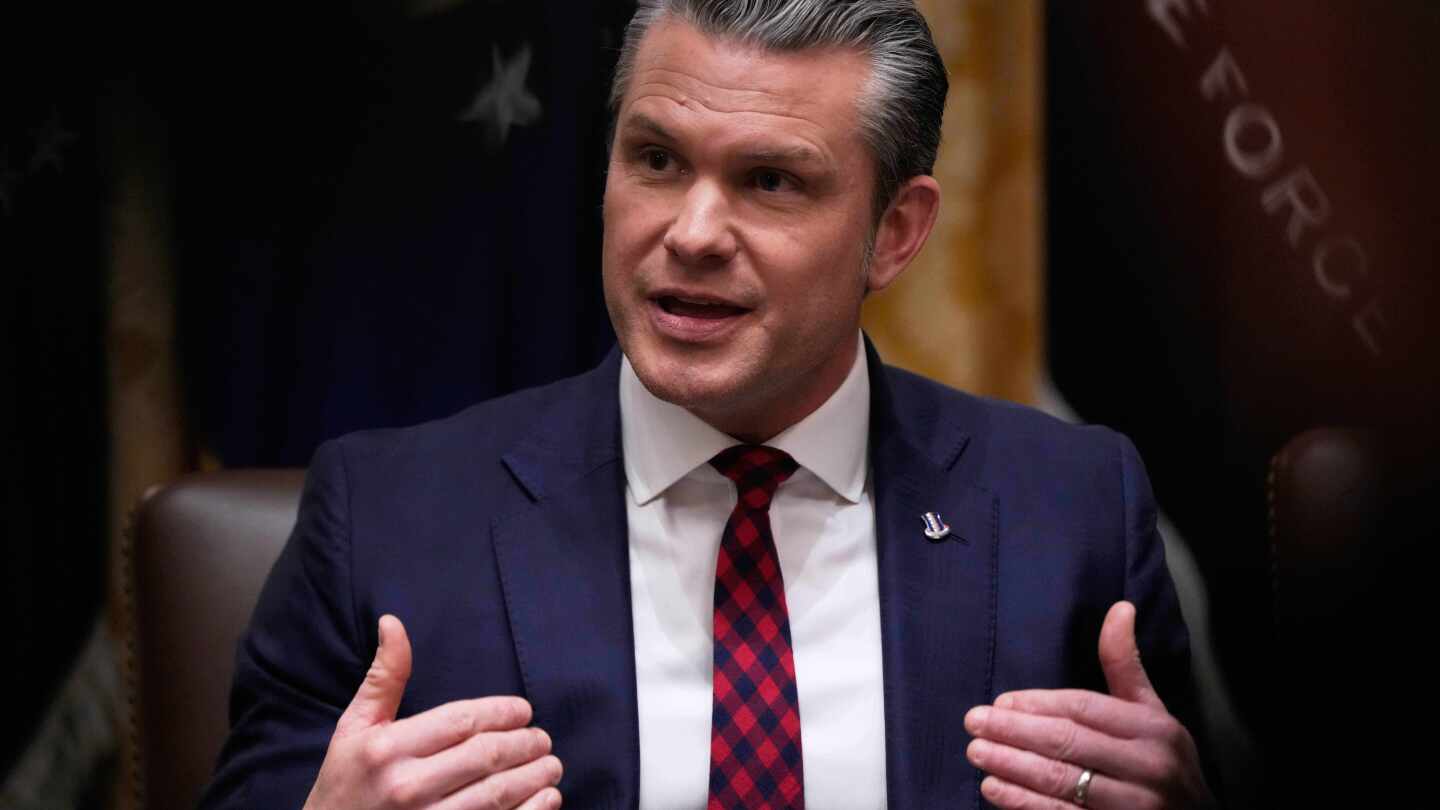
    U.S. Defense Secretary Pete Hegseth has invoked the ‘fog of war’ doctrine to justify a controversial secondary military strike in the Caribbean Sea that resulted in casualties among survivors from an initial engagement. The incident, which targeted a vessel suspected of narcotics trafficking earlier this September, has prompted congressional scrutiny and raised questions about military protocol.

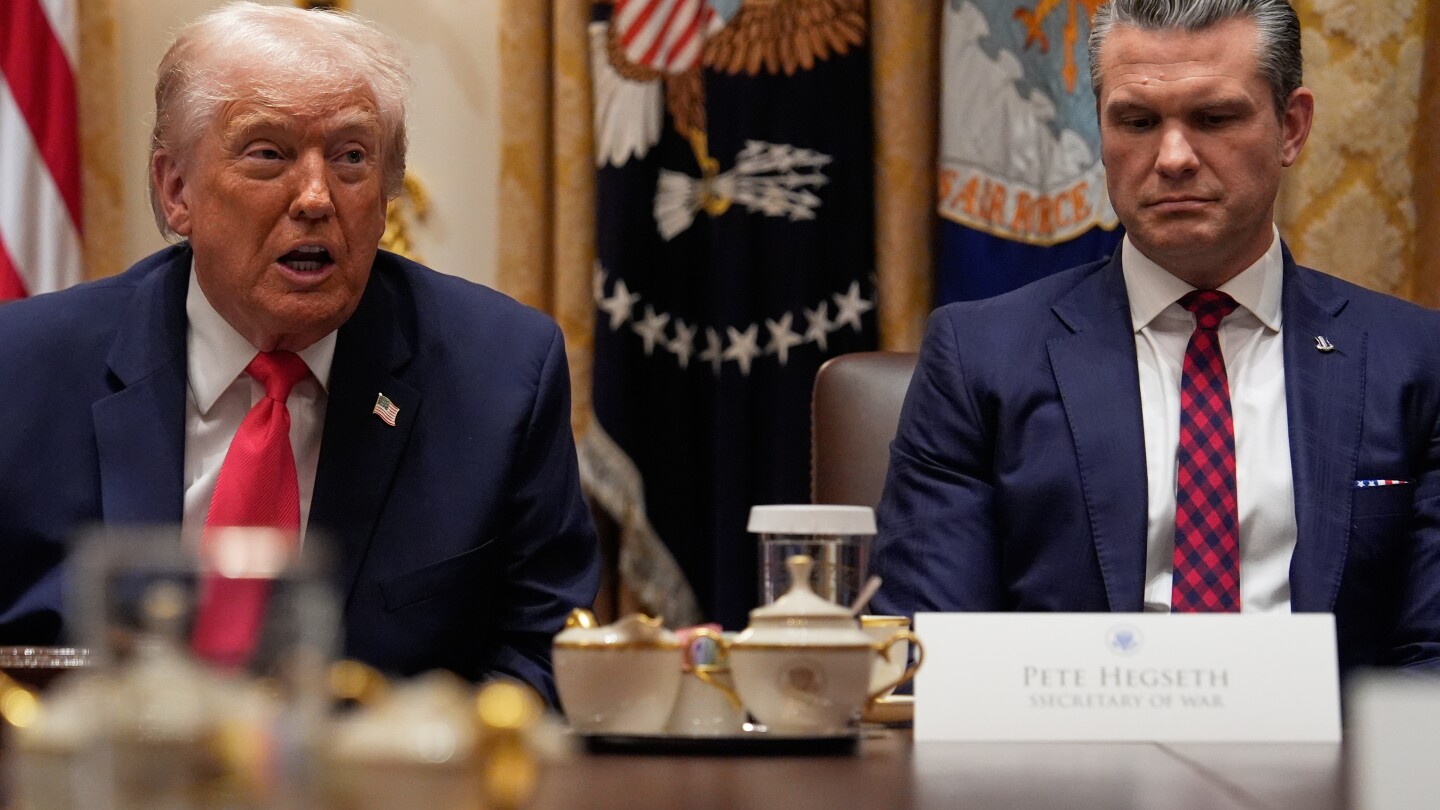
    During Tuesday’s White House cabinet meeting, Secretary Hegseth defended the decision-making process, stating he observed no survivors in the water before authorizing the follow-up attack. ‘The vessel was actively engulfed in flames at the time of the secondary engagement,’ Hegseth testified, emphasizing the chaotic nature of combat operations. The Defense Secretary acknowledged he departed the operational theater following the initial strike, delegating full authority to Navy Vice Admiral Frank ‘Mitch’ Bradley who executed the subsequent action.

    The Washington Post’s initial reporting revealed Hegseth issued verbal orders for the secondary strike that eliminated survivors from the first engagement. White House officials confirmed Monday that Admiral Bradley operated ‘within established legal parameters and his conferred authority’ when initiating the follow-up attack.

    Congressional committees have announced formal reviews into U.S. military protocols regarding drug interdiction operations. Admiral Bradley is scheduled to deliver a classified briefing to military oversight legislators this Thursday. When questioned about the controversial strike, President Donald Trump expressed limited familiarity with the incident, noting he ‘relies on Secretary Hegseth’s assessment’ and had not received comprehensive briefing materials.