作者: admin

  • Deep-sea search for Malaysia Airlines Flight 370 to resume Dec. 30

    Deep-sea search for Malaysia Airlines Flight 370 to resume Dec. 30

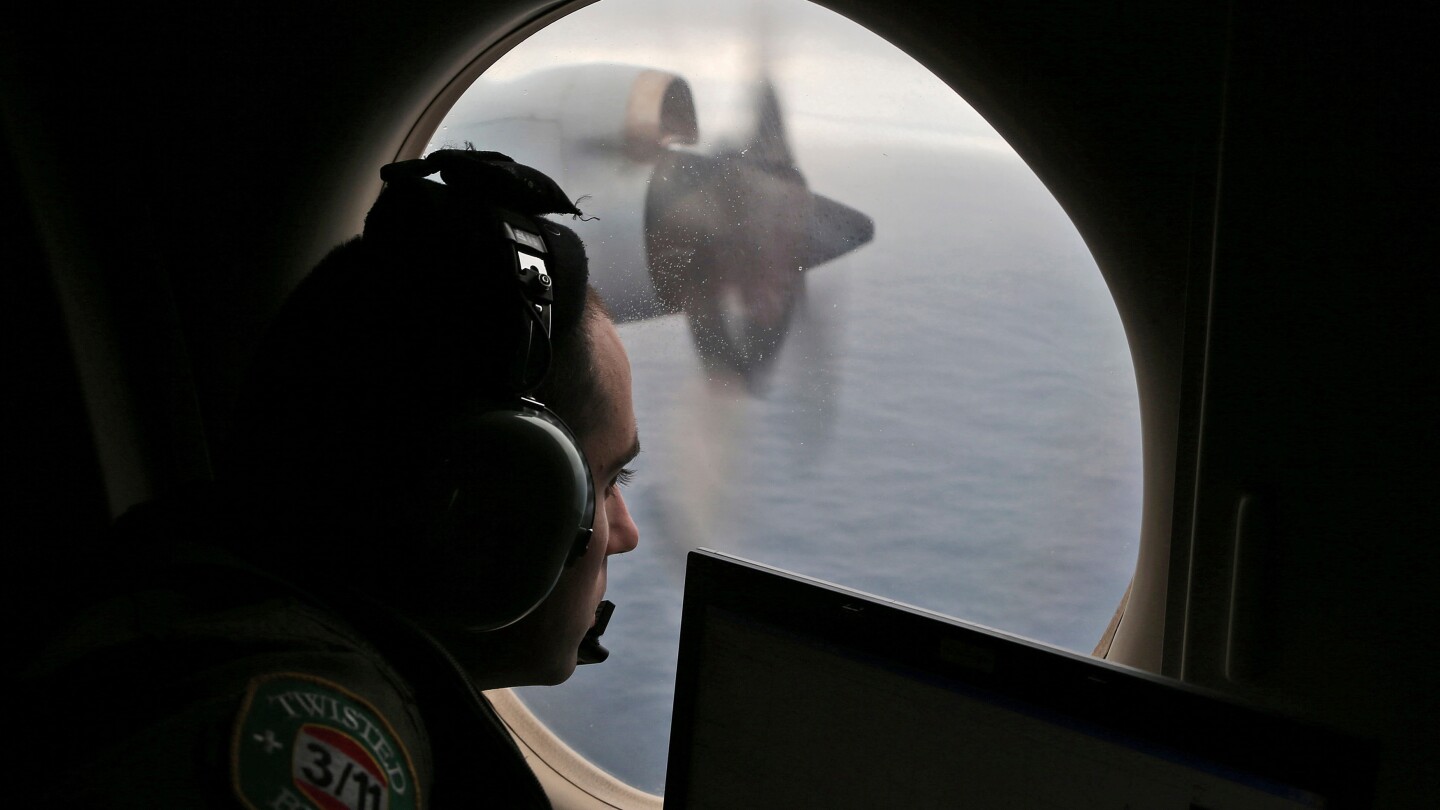
    KUALA LUMPUR, Malaysia — In a significant development to one of aviation’s most enduring mysteries, Malaysian authorities have announced the resumption of the deep-sea search for Malaysia Airlines Flight MH370. The renewed operation, scheduled to commence on December 30, represents the latest effort to locate the aircraft that disappeared without explanation over a decade ago.

    The Boeing 777 vanished from radar systems on March 8, 2014, during a routine flight from Kuala Lumpur to Beijing with 239 passengers and crew aboard, predominantly Chinese citizens. Satellite communications indicated the aircraft dramatically altered its intended flight path, diverting southward before presumably crashing in the remote southern Indian Ocean.

    According to an official statement from Malaysia’s Transport Ministry, Texas-based Ocean Infinity, a specialist in marine robotics, will conduct the search operation under a unique performance-based contract. The company will deploy advanced underwater technology across a targeted 15,000-square-kilometer (5,800-square-mile) zone identified through updated analysis as having the highest probability of containing wreckage.

    The search protocol involves intermittent operations over a 55-day period, with compensation of $70 million contingent exclusively upon successful discovery of aircraft debris. This “no-find, no-fee” arrangement, initially approved in March but delayed due to adverse weather conditions, demonstrates the government’s renewed determination to resolve the tragedy.

    Previous extensive multinational search efforts, including Ocean Infinity’s 2018 mission, yielded no definitive results despite recovering scattered debris along eastern African coastlines and Indian Ocean islands. The latest initiative reflects Malaysia’s ongoing commitment to providing closure for affected families while advancing technical understanding of deep-sea search capabilities.

  • Inside Abu Dhabi’s Zayed National Museum: 300,000 years of UAE history come to life

    Inside Abu Dhabi’s Zayed National Museum: 300,000 years of UAE history come to life

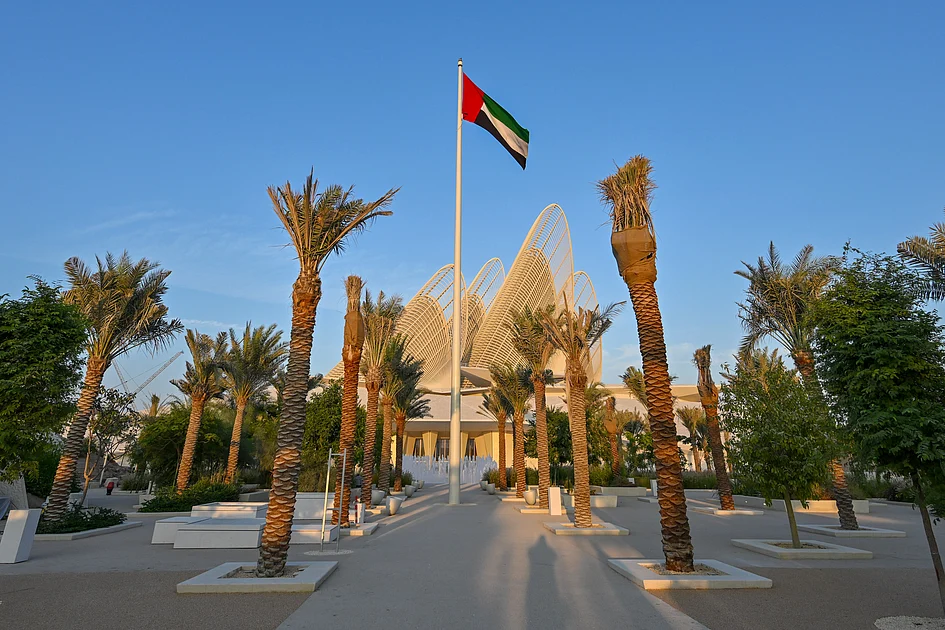
    Abu Dhabi’s highly anticipated Zayed National Museum officially opened its doors to the public today, offering an unprecedented journey through 300,000 years of Emirati history. The institution stands as a monumental tribute to the nation’s rich cultural legacy, blending archaeological marvels with community narratives in a groundbreaking approach to heritage preservation.

    At the heart of the museum’s atrium rests an extraordinary reconstruction of a 4,000-year-old Mesopotamian cargo boat—an 18-meter vessel meticulously crafted without nails using ancient techniques. Museum organizers conducted an authentic sea trial, successfully sailing this replica across the Arabian Gulf at speeds reaching five knots. This experimental archaeology project demonstrates the vessel’s seaworthiness while honoring ancient maritime traditions.

    The galleries showcase remarkable discoveries including the burial site of an 8,000-year-old woman from Marawah Island, accompanied by a shark-tooth necklace and traces of what experts believe to be ancient henna. According to Mohamed Al Mubarak, Chairman of the Department of Culture and Tourism – Abu Dhabi, the sophistication of her burial suggests she held significant status, possibly as a community leader. Alongside this ancient resting place, visitors can examine a Bronze Age sword recently unearthed in Al Ain, providing new insights into burial customs where weapons accompanied the deceased.

    Beyond physical artifacts, the museum pioneers an innovative ‘vault’ system where visitors can contribute personal memories and family histories, ensuring the preservation of intangible heritage. This commitment to oral history reflects Sheikh Zayed’s philosophy that ‘if you do not know your past, you cannot know your future’—a guiding principle throughout the institution’s narrative.

    The museum’s architecture, designed by Norman Foster, features five towers evoking falcon wings—symbolizing the UAE’s aspirations toward great heights. Interior spaces maintain a warm sand-colored palette that seamlessly blends past and future aesthetics.

    Six permanent galleries present Emirati history from a distinctly local perspective, covering maritime heritage, early Arab navigation, pearling economies, and trade networks. Interactive elements include scent stations featuring traditional spice mixes and a pearling water tank highlighting women’s contributions to coastal economies.

    The institution also serves as a research hub, offering scholarships to young Emiratis in archaeology, geology, and related fields while continuing archaeological excavations throughout the region. This dual focus on preservation and education ensures the museum will remain a living institution that grows alongside the nation it represents.

  • ILT20: Andries Gous dazzles as Vipers beat Capitals in opener

    ILT20: Andries Gous dazzles as Vipers beat Capitals in opener

    In a dramatic opening match of the International League T20 season, Desert Vipers secured a hard-fought four-wicket victory against defending champions Dubai Capitals at Dubai International Stadium on Tuesday. The match served as a compelling rematch of last season’s final, delivering poetic justice for the Vipers who had suffered defeat on the same ground earlier this year.

    The Capitals, batting first after losing the toss, struggled to establish momentum against a disciplined Vipers bowling attack. Despite a promising start, they were restricted to 150/8 in their allotted 20 overs. West Indies powerhouse Rovman Powell top-scored with 39 from 22 deliveries, but consistent wicket-taking pressure from the Vipers’ bowling unit prevented any substantial partnerships from developing.

    South African wicketkeeper-batsman Andries Gous emerged as the undisputed hero of the match, delivering a spectacular performance that earned him Player of the Match honors. His explosive 58 runs from just 36 balls, featuring six boundaries and three maximums, provided the crucial foundation for the Vipers’ successful chase. Gous formed a devastating opening partnership with Pakistani star Fakhar Zaman (26 off 15 balls), the duo accumulating 50 runs in merely 28 deliveries.

    Though the Capitals mounted a late resurgence with quick wickets that saw the Vipers stumble to 109/4, composed finishing from England’s Dan Lawrence (19* off 16) and Khuzaima Tanveer (12* off 8) ensured victory was achieved with six deliveries remaining. The bowling honors were shared among multiple Vipers players, with David Payne (2/26), Noor Ahmad (2/25), and Tanveer (2/35) making significant contributions.

    The victory sets an impressive tone for the Vipers’ campaign in the tournament, demonstrating their capability to perform under pressure against the defending champions.

  • ‘We keep taking in garbage’: Trump unleashes on Somali immigrants

    ‘We keep taking in garbage’: Trump unleashes on Somali immigrants

    In a marathon year-end cabinet session extending over two hours on Tuesday, President Donald Trump launched incendiary remarks targeting Somali immigrants and their sole congressional representative, alleging a hostile takeover of Minnesota. The president’s comments emerged during discussions concerning pandemic relief fraud investigations in the state.

    ‘They emanate from infernal conditions yet incessantly complain. We should repatriate them to address their nation’s failures,’ Trump declared to journalists, dismissing concerns about political correctness. ‘Their homeland’s deplorable state justifies my stance—this applies to multiple nations.’

    The Justice Department’s probe into COVID-19 assistance programs revealed substantial fraud schemes, with approximately eighty individuals facing charges or convictions across three distinct conspiracies totaling $1 billion. While acknowledging Minnesota’s systemic vulnerabilities to criminal exploitation, Governor Tim Walz condemned the president’s blanket community vilification as intellectually indolent.

    Minneapolis Councilman Jamal Osman, accompanied by municipal leadership and law enforcement officials, immediately denounced the presidential rhetoric as fundamentally racist, xenophobic, and Islamophobic, vowing community resilience against intimidation.

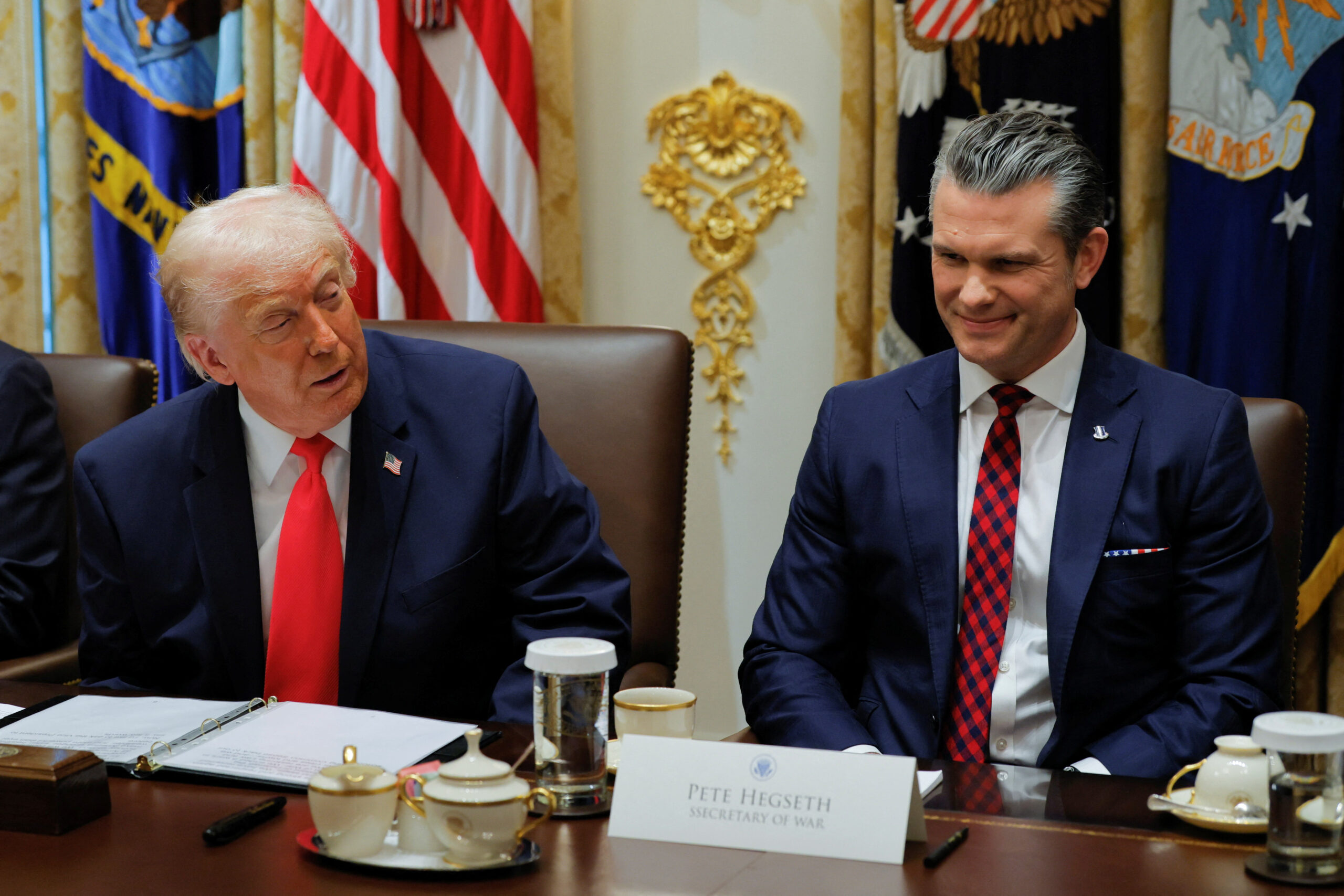
    Simultaneously, scrutiny intensified regarding a controversial military engagement in Venezuelan waters. Secretary of War Pete Hegseth faced allegations of ordering lethal force against suspected drug traffickers on September 2, resulting in numerous casualties. Pentagon representatives defended the secondary strike as legally justifiable under martial jurisprudence, though congressional armed services committees demanded comprehensive evidence review.

    The administration’s concurrent immigration crackdown manifested through terminated Temporary Protected Status for Somali refugees and suspended legal pathways for Afghan evacuees. This policy shift gained urgency following terrorism charges against Rahmanullah Lakanwal, an Afghan national and former CIA auxiliary operative accused of murdering National Guard personnel in Washington, D.C.

    Trump’s Mar-a-Lago address emphasized enhanced vetting procedures, declaring: ‘We must reassess every Afghan entrant under Biden’s administration and eliminate those contributing no benefit to our nation.’

  • YouTube says it will be less safe for kids under Australia’s social media ban

    YouTube says it will be less safe for kids under Australia’s social media ban

    Australia’s groundbreaking Social Media Minimum Age Act, set to take effect on December 10, has ignited a fierce confrontation between the government and technology giants. The legislation will automatically sign out users under 16 from their YouTube accounts, stripping them of upload capabilities, comment functions, and wellbeing features like break reminders.

    YouTube has launched a vigorous counterargument, claiming the ‘rushed’ regulations will ultimately decrease child safety online. Rachel Lord, Public Policy Senior Manager at Google and YouTube Australia, stated the ban undermines more than a decade of development in parental controls and robust protections. ‘This law will not fulfil its promise to make kids safer online, and will, in fact, make Australian kids less safe on YouTube,’ Lord asserted.

    Communications Minister Anika Wells delivered a sharp rebuttal, characterizing YouTube’s position as ‘outright weird’ for highlighting platform dangers while opposing regulatory solutions. ‘If YouTube is reminding us all that it is not safe… that’s a problem that YouTube needs to fix,’ Wells declared during a Wednesday address.

    The regulatory landscape extends beyond YouTube. Australia’s eSafety Commissioner has turned attention to emerging platforms Lemon8 (a TikTok sibling app) and Yope, demanding self-assessment regarding their compliance obligations. The government reversed YouTube’s exemption from the ban in July after identifying it as the most frequently cited platform where children aged 10-15 encountered harmful content.

    Penalties for non-compliance reach A$49.5 million, requiring tech companies to deactivate existing underage accounts and prevent new registrations. The comprehensive ban encompasses Facebook, Instagram, TikTok, Snapchat, X, Twitch, Threads, Reddit, and Kick.

    Minister Wells framed the legislation as protection for ‘Generation Alpha’ from what she described as ‘predatory algorithms’ that function as ‘behavioral cocaine’ and create a ‘dopamine drip’ through constant notifications. Tech companies must now submit six-monthly reports detailing under-16 accounts on their platforms.

    Google has reportedly considered legal challenges against YouTube’s inclusion in the ban, though the company declined BBC requests for comment. As implementation approaches, Wells acknowledged anticipated ‘teething problems’ while emphasizing that ‘regulation, and cultural change, takes time. Takes patience.’

  • Trump says he doesn’t want Somalis in US as ICE plans Minnesota operation

    Trump says he doesn’t want Somalis in US as ICE plans Minnesota operation

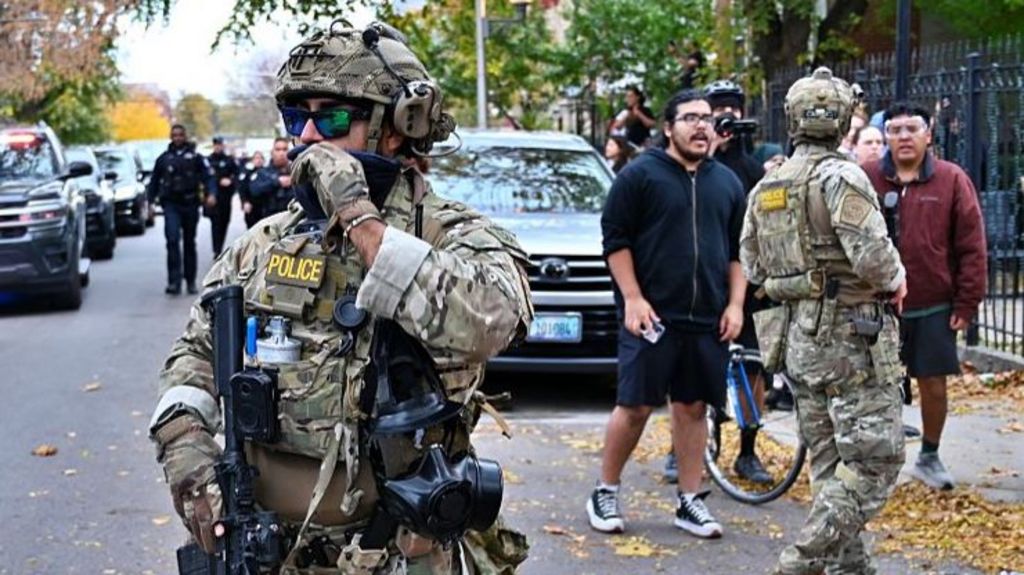
    President Donald Trump has sparked controversy with explicit remarks regarding Somali immigrants during a cabinet meeting, stating he does not want them in the United States and suggesting they should return to their country of origin. The comments came alongside revelations of planned immigration enforcement operations targeting Minnesota’s substantial Somali community.

    Speaking candidly to reporters, Trump characterized Somalia as lacking structure and described accepting immigrants from such nations as bringing ‘garbage’ into the country. ‘I don’t want them in our country,’ Trump emphasized, dismissing concerns about political correctness. His remarks extended to criticism of Representative Ilhan Omar, the first Somali-American congresswoman, whom he labeled as incompetent and hateful.

    The verbal attacks coincided with reports from CBS News that U.S. Immigration and Customs Enforcement (ICE) has been directed to conduct targeted operations against undocumented Somali immigrants in the Twin Cities area. While federal officials denied targeting based on race or ethnicity, stating enforcement focuses solely on immigration status, local authorities expressed concerns about potential violations of due process and the sweeping up of American citizens.

    Minnesota hosts one of the largest Somali communities globally, with approximately 80,000 residents of Somali descent, most of whom are U.S. citizens. The planned enforcement follows recent tragic events in Washington DC, where a shooting incident involving National Guard members prompted intensified immigration crackdowns. The administration also considers ending Temporary Protected Status for Somali residents, affecting several hundred immigrants.

    Local leaders and officials, including Minneapolis Mayor Jacob Frey and Minnesota Governor Tim Walz, have condemned both the rhetoric and planned operations, arguing that indiscriminate targeting undermines legitimate law enforcement efforts and community trust.

  • As lead changes in knife-edge Honduran election, will Trump fail to get his way?

    As lead changes in knife-edge Honduran election, will Trump fail to get his way?

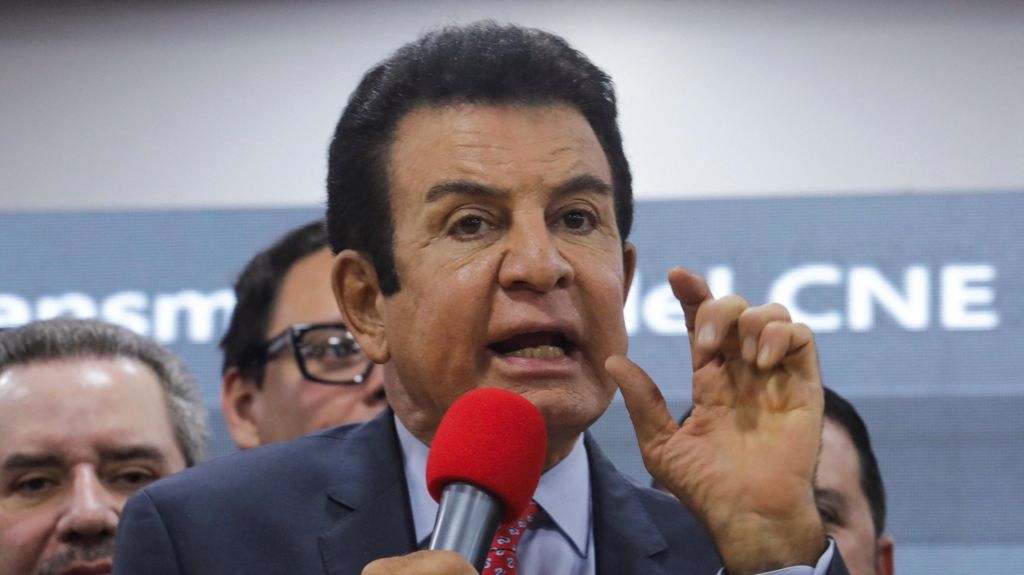
    In a dramatic turn of events that has captivated international attention, Honduras finds itself at a political crossroads with presidential candidate Salvador Nasralla maintaining a slender advantage as vote counting continues. The electoral process, now entering its critical final stages, sees Nasralla narrowly outpacing his conservative opponent Nasry Asfura, though Asfura’s National Party remains confident of ultimate victory.

    The election has been significantly influenced by external forces, particularly from Washington where former President Donald Trump has actively intervened in support of his preferred candidate. Trump’s involvement has ranged from suggesting potential aid cuts to the impoverished Central American nation to making unsubstantiated claims of electoral fraud, creating what analysts describe as an unprecedented level of American interference in Honduran domestic affairs.

    Adding to the political turbulence, ex-President Juan Orlando Hernández has been unexpectedly released from U.S. custody after serving merely one year of his 45-year sentence for drug trafficking and weapons charges. His pardon, directly orchestrated by Trump, has sparked both celebration and outrage. Hernández’s presidency was marred by serious allegations of human rights violations and corruption, making his early release particularly controversial among Honduran citizens who had viewed his conviction as a rare instance of accountability for political elites.

    Political analyst Josué Murillo characterizes Trump’s interventions as reminiscent of Cold War-era tactics: “No government should come here and treat us as a banana republic. That is a lack of respect. Donald Trump saying who we should elect violates our autonomy as a nation.”

    The former first lady, Ana García Carías, has emerged as a vocal defender of her husband, describing his release as “like being in a dream, a dream made reality.” She attributes Hernández’s legal troubles to what she calls “lawfare” and a “politically motivated witch-hunt” by the Biden administration, despite evidence that the case against Hernández was developed during Trump’s own presidency. García Carías acknowledged the instrumental role of Trump allies Roger Stone and Matt Gaetz in securing the pardon.

    As the nation awaits final election results, the outcome will determine not only Honduras’s political future but also the extent of American influence in Central American affairs, with Trump potentially gaining both a new ally in Asfura and the restoration of an old one in Hernández.

  • Police were doubtful of tip that led to Luigi Mangione’s arrest

    Police were doubtful of tip that led to Luigi Mangione’s arrest

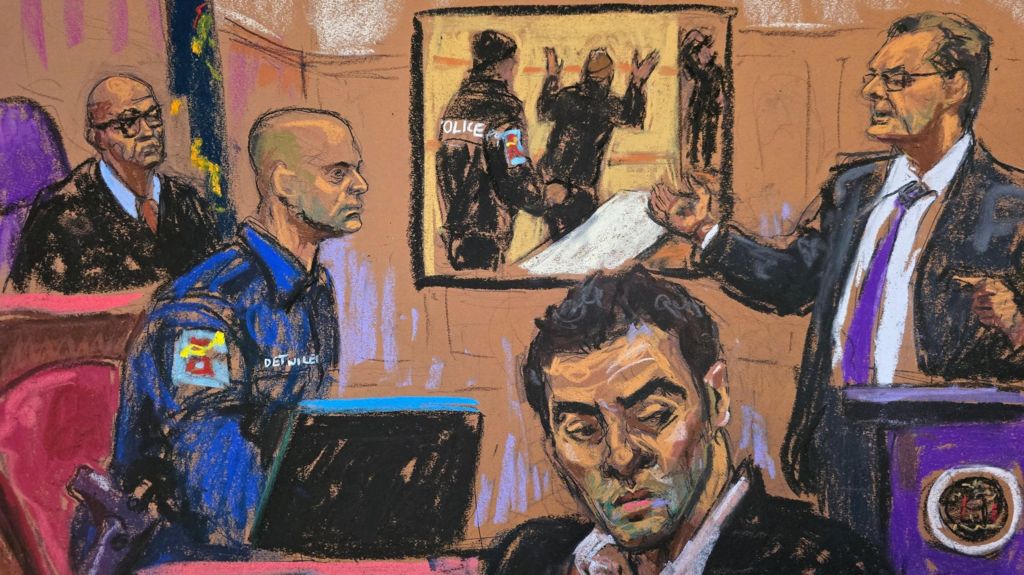
    A Pennsylvania police officer provided detailed testimony in a Manhattan courtroom regarding the unexpected arrest of Luigi Mangione, the suspect in the shooting death of UnitedHealthcare CEO Brian Wilson. Officer Joseph Detwiler revealed that he and his supervisor initially exchanged joking text messages about the tip that ultimately led to Mangione’s capture at an Altoona McDonald’s location.

    The December 2024 shooting of Wilson as he entered a Manhattan investors’ conference triggered an interstate manhunt and sparked national debate about the for-profit health insurance industry. Mangione, 27, now faces both state and federal murder charges while maintaining his not guilty plea.

    During pretrial proceedings that could extend for several days, the courtroom heard how Detwiler responded to what seemed like an improbable tip from a McDonald’s restaurant manager whose customers believed they had spotted the suspected shooter. Despite approaching the situation with what he described as a “semi-sarcastic” attitude, Detwiler quickly realized the tip’s legitimacy when he encountered a man matching the description exactly—wearing a large coat, brown beanie, and medical mask.

    Body camera footage presented in court showed the surreal scene of Mangione eating hash browns and a steak sandwich while Christmas music played in the background. Detwiler testified that he whistled along to the music in an effort to “keep things calm and normal” while secretly waiting for backup and fabricating a story about restaurant loitering policies.

    The defense team, led by attorney Karen Agnifilo, is seeking to exclude key evidence including a 9mm gun and notebook allegedly containing motive details, arguing that Mangione wasn’t immediately informed of his rights. The defense also aims to prevent federal prosecutors from seeking the death penalty, emphasizing the “low-priority” nature of the initial dispatch call that didn’t warrant lights or sirens during the officers’ approach.

  • Watch: Driver hoisted to safety from truck dangling over West Virginia bridge

    Watch: Driver hoisted to safety from truck dangling over West Virginia bridge

    A routine commute transformed into a perilous ordeal for a West Virginia driver this week when his truck lost control on an icy bridge, leaving the vehicle teetering over the edge and prompting a complex emergency response.

    The incident occurred during hazardous winter driving conditions, with black ice creating particularly treacherous surfaces on elevated roadways. According to preliminary reports from local authorities, the driver’s pickup truck skidded on the icy surface, crashing through the bridge barrier and coming to rest with its front section suspended precariously in open air.

    Emergency services responded with multiple agencies coordinating the delicate rescue operation. Using specialized heavy rescue equipment and harness systems, first responders carefully accessed the unstable vehicle. In a operation that combined technical rope expertise and emergency medical care, rescue teams secured the driver and hoisted him to safety using a crane apparatus.

    Miraculously, the driver emerged from the harrowing experience without physical injuries and was evaluated at the scene by medical personnel. The successful outcome highlighted both the dangers of winter driving and the advanced training of West Virginia’s emergency response teams in technical rescue scenarios.

    The damaged bridge section was temporarily closed for safety inspections and repairs, with transportation officials reminding motorists to exercise extreme caution during winter weather conditions and to ensure vehicles are properly equipped for cold weather driving.

  • UK government lawyers use ‘secret evidence’ to justify ban on Palestine Action

    UK government lawyers use ‘secret evidence’ to justify ban on Palestine Action

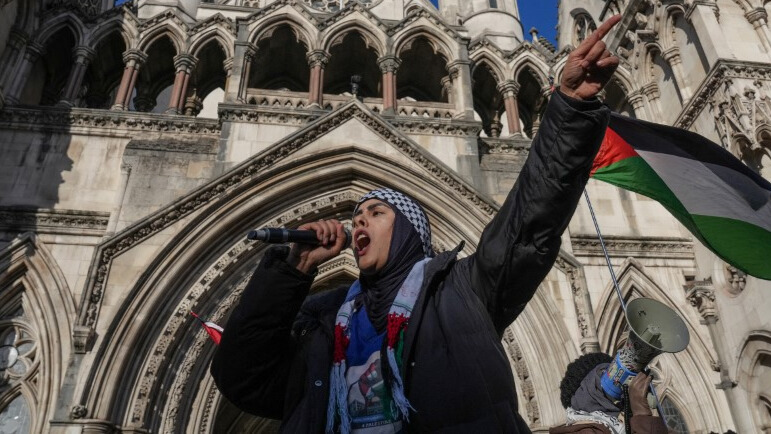
    In a landmark legal proceeding, the UK government concluded its judicial review of Palestine Action by presenting classified evidence withheld from both the defendant’s legal team and the public. The controversial three-day review—the first ever granted to an organization proscribed as terrorist—culminated in a three-hour closed session where government lawyers submitted national security material under special procedures.

    The Home Office defended its ban on Palestine Action, with lawyer Stephen Kosmin asserting the prohibition was essential ‘to protect the public’ and ‘maintain national security.’ The government outlawed the direct-action group following an incident where activists protesting the Gaza war allegedly caused £7 million in damage to military aircraft at an air force base.

    Legal representatives for Palestine Action co-founder Huda Ammori sharply criticized the government’s tactics. Raza Husain KC revealed the ban has triggered house raids, frozen bank accounts, and protest injunctions, creating a ‘severe chilling effect’ on Palestinian activism nationwide. The European Legal Support Centre provided documentation showing hundreds of arrests related to opposition to the ban.

    The case attracted international attention with UN special rapporteurs arguing the UK has become an ‘international outlier’ in its terrorism definition. Notably, Irish novelist Sally Rooney submitted a witness statement warning that the prohibition could force the withdrawal of her books from UK stores due to her support for the group, representing what she called ‘a truly extreme incursion by the state into artistic expression.’

    The High Court has not indicated when a final judgment will be issued in this precedent-setting case that balances national security concerns against civil liberties and protest rights.