作者: admin

  • Watch: Quebec debates stricter rules on religion in public spaces

    Watch: Quebec debates stricter rules on religion in public spaces

    A contentious legislative proposal in Quebec has sparked vigorous debate across the Canadian province, focusing on the proper place of religious expression within public institutions. The proposed bill, currently under consideration by provincial lawmakers, seeks to expand existing secularism laws by imposing stricter limitations on religious symbols and practices in government-funded spaces.

    The BBC’s recent documentary from Montreal captured diverse perspectives from Quebec residents amidst freezing temperatures, revealing deep divisions within society. Proponents argue the legislation reinforces state secularism and promotes cultural cohesion, while opponents contend it disproportionately targets religious minorities and infringes upon personal freedoms.

    This legislative initiative builds upon Quebec’s historical journey with secularism, notably through Bill 21 passed in 2019, which already restricted some public servants from wearing religious symbols at work. The new proposal would potentially extend these restrictions to additional public venues and situations, raising complex questions about the balance between state neutrality and individual rights.

    Legal experts anticipate constitutional challenges should the bill pass, as it would likely face scrutiny under Canada’s Charter of Rights and Freedoms. The debate reflects broader tensions between Quebec’s distinct cultural identity within the Canadian federation and evolving multicultural realities across the province.

  • Bollywood star Shah Rukh Khan says UK statue is like having ‘life-size doll’

    Bollywood star Shah Rukh Khan says UK statue is like having ‘life-size doll’

    In a historic celebration of Indian cinema, Bollywood megastars Shah Rukh Khan and Kajol unveiled a dual statue honoring their iconic roles in Leicester Square, London, amidst torrential rainfall on Thursday. The monument commemorates the 30th anniversary of Dilwale Dulhania Le Jayenge (DDLJ), the longest-running film in Indian cinematic history.

    Khan, humorously remarking that the statue resembled a “life-size doll,” engaged in playful banter with his co-star during the ceremony. “I think I’m looking very handsome. You’re also looking very pretty,” he told Kajol, who responded with laughter: “It’s like a second thought, but thanks.”

    The installation joins Leicester Square’s prestigious Scenes in the Square trail, placing the Bollywood icons alongside cultural monuments including Harry Potter, Paddington Bear, and the recently added Bridget Jones statue. Khan emphasized the significance of the London location, noting that “England’s audience has been very responsible for Indian cinema’s takeoff globally in modern times.”

    Despite monsoon-like conditions, dedicated fans gathered to witness the unveiling, demonstrating the enduring appeal of the film often described as Bollywood’s Romeo and Juliet. DDLJ follows the cross-continental romance between Raj (Khan) and Simran (Kajol), with several key scenes filmed in London and Leicester Square itself.

    The ceremony sparked broader discussions about Bollywood’s contemporary challenges. Both actors addressed the industry’s post-pandemic struggles, with Kajol noting increased competition from streaming services and changing viewer habits. Khan countered by affirming the enduring power of communal viewing experiences: “We like to see things, enjoy things together.”

    The event also highlighted Khan’s remarkable career trajectory—from romantic lead to industry mogul. Recently joining the billionaire club, he now ranks among the world’s wealthiest actors alongside figures like Taylor Swift and Arnold Schwarzenegger. Despite his global success, Khan maintained his characteristic humility, deflecting suggestions of playing James Bond with his trademark wit: “I don’t have the accent. And I don’t like shaken martinis.”

  • Pakistan to allow UN humanitarian aid into Afghanistan

    Pakistan to allow UN humanitarian aid into Afghanistan

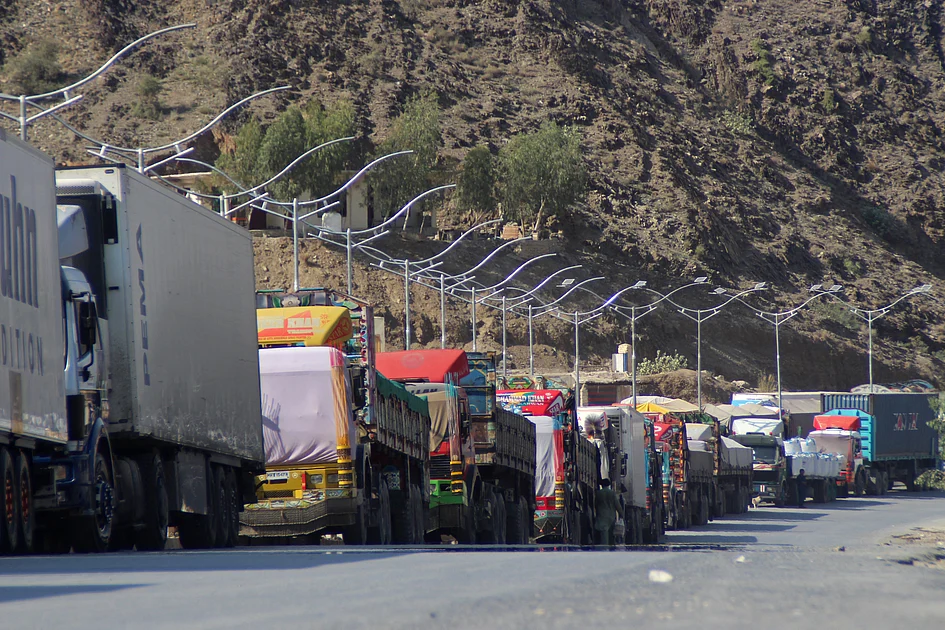
    In a significant humanitarian gesture, Pakistan has authorized the United Nations to transport essential supplies into Afghanistan through a temporary border opening. This marks the first partial reopening since October’s deadly cross-border clashes severely strained relations between the neighboring nations.

    The approval came through a formal exception to Pakistan’s border closure policy, specifically for UN humanitarian containers. According to anonymous government officials, this limited authorization covers critical supplies including food provisions, medicinal products, medical equipment, and other health and education-related essentials.

    The aid delivery will be implemented through a structured three-phase process, though specific timelines for the initial phase remain undisclosed. A United Nations representative confirmed the arrangement, indicating readiness to commence operations once logistical details are finalized.

    However, uncertainty persists on the Afghan side. Authorities in Spin Boldak, the Afghan border city near the crucial Chaman crossing, reported no official notification regarding the humanitarian corridor and confirmed the border gate remains closed.

    The border closure, initiated on October 12 following lethal cross-border exchanges and a subsequent fragile ceasefire, has created substantial economic hardship. The Pakistan-Afghanistan Joint Chamber of Commerce and Industry estimates losses exceeding $100 million on both sides, with approximately 25,000 border region workers affected by the trade suspension.

    Pakistan emphasized that this authorization constitutes a conditional humanitarian exception rather than a full border reopening. Official statements clarify that general trade, immigration, and Afghan Transit Trade arrangements remain suspended indefinitely. The decision reflects ongoing tensions stemming from Islamabad’s allegations that Taliban authorities harbor militants conducting cross-border attacks—claims consistently denied by Afghanistan’s government.

    As Afghanistan’s largest trading partner, Pakistan normally supplies crucial commodities including rice, pharmaceuticals, and raw materials while absorbing nearly half of Afghan exports, according to World Bank data. This humanitarian corridor represents a critical lifeline for a nation facing severe economic and humanitarian challenges.

  • Shenzhou XXI crew set for first extravehicular activities

    Shenzhou XXI crew set for first extravehicular activities

    China’s ambitious space program reaches another milestone as the Shenzhou XXI astronauts aboard the nation’s orbiting space station prepare to conduct their inaugural extravehicular activities (EVAs) in the coming days. The China Manned Space Agency officially confirmed the planned operations during Thursday’s announcement, marking a significant advancement in China’s celestial capabilities.

    The upcoming spacewalks represent a critical phase in China’s ongoing space station operations, demonstrating the country’s growing proficiency in complex orbital maneuvers. These activities will involve crew members exiting the station’s pressurized modules to perform external maintenance, scientific experiments, and equipment testing in the vacuum of space.

    This mission continues China’s steady progression in space exploration, building upon previous successful missions that established the country as a major spacefaring nation. The carefully orchestrated EVAs require meticulous planning and coordination between the astronauts and ground control teams to ensure absolute safety during the high-risk procedures.

    Technical teams at mission control have been conducting comprehensive simulations and system checks to prepare for the operations. The astronauts have undergone extensive training in both underwater simulations and virtual reality environments to master the complex movements required for working in microgravity conditions while encumbered by pressurized spacesuits.

    The successful execution of these spacewalks will provide invaluable data for China’s future space station operations and potential lunar missions, contributing to humanity’s broader understanding of long-duration space habitation and extravehicular operations.

  • Pickleball drives Shangyou’s green growth

    Pickleball drives Shangyou’s green growth

    The rural Chinese county of Shangyou in Jiangxi Province has transformed an unlikely sporting equipment—the pickleball paddle—into an engine for environmentally conscious economic growth, drawing international recognition for its innovative development approach.

    International observers participating in a Belt and Road Initiative training program recently witnessed firsthand how this mountainous region has strategically leveraged the rapidly growing sport to drive tourism while preserving its ecological integrity. The delegation, which included academics, journalists, and public servants from multiple nations, concluded a field visit with a pickleball experience event showcasing the county’s signature industry.

    Lim Chong Heng, a Malaysian university lecturer, noted the exceptional air quality and natural surroundings, stating that Shangyou’s environment makes it ideally suited for short retreats and extended weekend stays. He particularly endorsed the local government’s decision to implement subsidy programs supporting pickleball development, predicting that tournament hosting would significantly boost visitor numbers and stimulate local economic activity.

    Shangyou’s systematic approach to pickleball development began in 2023 when officials identified the sport’s accessibility, social nature, and space efficiency as ideal characteristics for their national fitness strategy. This recognition evolved into a comprehensive three-year action plan (2024-2026) featuring substantial financial commitments, including annual allocations of 13 million yuan ($1.8 million) in subsidies and dedicated funds for tournament hosting.

    The infrastructure development has been equally impressive: the county has already constructed or upgraded over 300 courts distributed across communities, educational institutions, and public parks, establishing what officials term a “10-minute sports circle” for residents. Looking ahead, an even more ambitious blueprint aims to expand the network to 500 courts by 2028, creating a “5-minute sports circle” while allocating 10 million yuan annually to support the entire pickleball industry ecosystem.

    The international visitors universally praised the environmental compatibility of this development model. Tsaone Basimanebotlhe, a journalist from Botswana, emphasized that sports constitute a genuinely green industry that preserves rather than damages natural surroundings. She noted the minimal spatial requirements of pickleball and expressed admiration for Shangyou’s well-preserved landscape and protected areas.

    Echoing this sentiment, Tsegaye Girma, an Ethiopian public servant, characterized pickleball development as “a very good choice” for economic stimulation. He further commended China’s broader environmental protection and green development practices as valuable lessons for his home country, explicitly stating that “Chinese development is green development.”

    The economic returns already demonstrate the strategy’s effectiveness: tournament events have consistently filled local hotels and restaurants with visitors. Official statistics reveal that from January to September, Shangyou recorded approximately 9.3 million tourist visits, generating over 9.4 billion yuan in tourism revenue—representing year-on-year increases of 8.1% and 8.5%, respectively.

  • Bomb threat forces IndiGo’s Madinah-Hyderabad flight to land in Ahmedabad

    Bomb threat forces IndiGo’s Madinah-Hyderabad flight to land in Ahmedabad

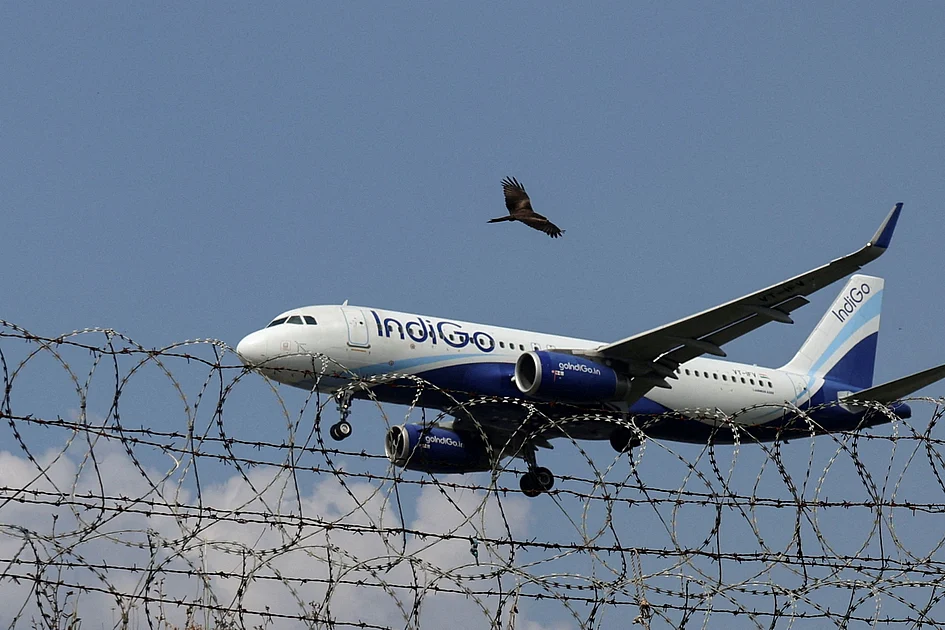
    An international IndiGo Airlines flight traveling from Madinah, Saudi Arabia to Hyderabad, India was urgently diverted to Ahmedabad on Thursday following a credible bomb threat received via email. The aircraft landed safely at Sardar Vallabhbhai Patel International Airport approximately at 12:30 PM local time, where all passengers and crew were immediately evacuated as a standard security precaution.

    According to Deputy Commissioner of Police Atul Bansal, the flight diversion occurred mid-route after the airline received specific threat information indicating explosive devices had been planted aboard the aircraft. Ahmedabad was selected as the emergency landing site as it represented the nearest available airport at the time of the threat assessment.

    Indian authorities initiated comprehensive security protocols upon landing, including a thorough sweep of the aircraft by specialized bomb detection and disposal teams. The incident comes amid operational challenges for IndiGo, which has recently experienced significant flight disruptions due to crew rostering issues, though authorities confirm this security incident is unrelated to those internal logistical matters.

    Aviation security experts emphasize that such threats, whether hoax or credible, trigger immediate response protocols under international aviation security conventions. The incident highlights continuing security challenges facing commercial aviation and the sophisticated response mechanisms now standard across international airports.

  • The Skripal poisonings – have British spies learned the lessons?

    The Skripal poisonings – have British spies learned the lessons?

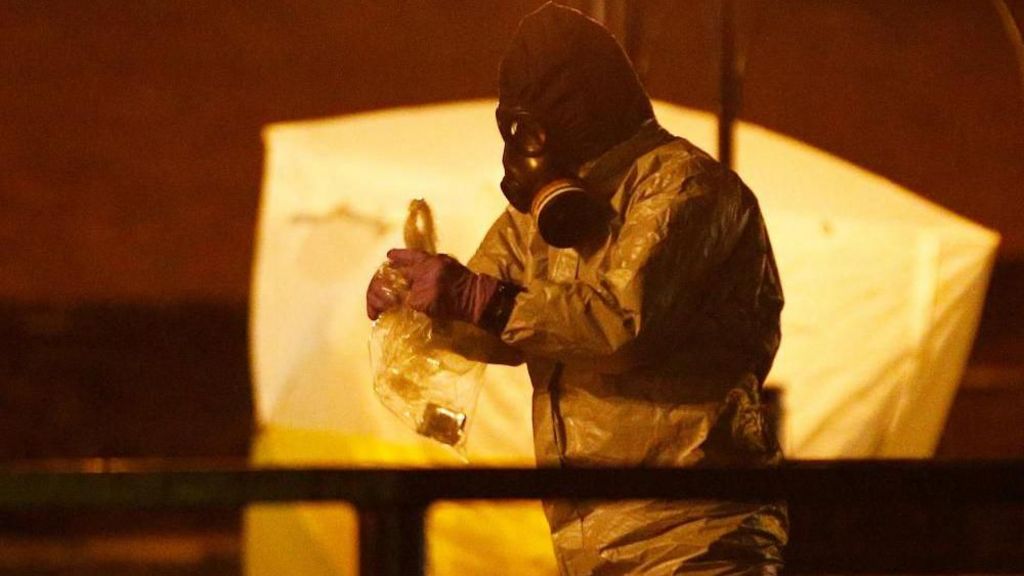
    A startling emergency call received by MI6 headquarters on March 4, 2018, triggered one of Britain’s most significant intelligence crises in recent history. The notification that former Russian double agent Sergei Skripal had been poisoned on UK soil sent shockwaves through British intelligence agencies, raising profound questions about security protocols for defectors that continue to resonate today.

    Skripal’s complex history reveals why his case presented particular challenges. Recruited by MI6 during the 1990s, he was eventually captured by Russian authorities before being exchanged in a 2010 spy swap. Upon his arrival in Britain, intelligence assessments deemed his ongoing risk level relatively low—a judgment senior officials later acknowledged as gravely mistaken. As a ‘settled defector,’ Skripal maintained autonomy over his security arrangements, explicitly rejecting offers of a new identity and life reconstruction that might have prevented the attack.

    The recently published report indicates that while no specific intelligence predicted the nerve agent assault, authorities failed to conduct updated, regular risk evaluations despite escalating tensions with Russia. The 2014 Ukraine crisis significantly darkened UK-Russia relations, and Skripal’s continued consultations with European intelligence services potentially elevated his visibility as a target. Russian President Vladimir Putin, himself a former intelligence officer with frequently expressed animosity toward traitors, was unlikely to forget such betrayals—nor was the GRU, Russia’s military intelligence agency where Skripal had previously served.

    The deployment of Novichok nerve agent represented more than mere assassination attempt; it constituted a deliberate demonstration of state power. Intelligence experts widely interpret the attack as a calculated message to potential defectors: betrayal of Russian secrets to Western agencies would result in relentless pursuit, regardless of time elapsed or collateral damage to family members.

    British intelligence responded rapidly to the incident, immediately enhancing protective measures for at-risk defectors nationwide. Investigation confirmed that a GRU unit executed the poisoning through a short-term mission team that entered Britain, deployed the toxin via a modified perfume bottle (which subsequently caused the death of Dawn Sturgess), and exfiltrated successfully. While many operatives were identified within months—with Bellingcat and other investigative outlets exposing numerous GRU operations and false identities—the fundamental question remains: could such an operation recur?

    Post-Salisbury security improvements, compounded by responses to Russia’s 2022 Ukraine invasion, have substantially pressured Russian intelligence operations across Europe. Mass diplomatic expulsions and enhanced information-sharing have complicated traditional spycraft. In adaptation, Russian agencies increasingly employ proxy operatives—as evidenced by the recent conviction of Bulgaria-based individuals hired from Moscow to conduct surveillance and discuss kidnappings of Russian exiles in Britain.

    This new model utilizes disposable, deniable agents who may fail frequently but require different detection methodologies than traditional espionage. Counter Terrorism Police report a fivefold increase in hostile state threat mitigation since Salisbury, noting Russia’s expanded use of low-level criminals for arson and other attacks.

    Contemporary Russian intelligence operations now engage in persistent low-level conflict with Britain and European nations, emphasizing surveillance and sabotage despite reduced capability for high-profile nerve agent attacks. While improved awareness and defenses have diminished certain risks, the evolving proxy-based threat paradigm presents novel challenges that demand continuous intelligence adaptation.

  • Dubai: Mountaineer, 64, scales Mount Gori Chen in Himalayas

    Dubai: Mountaineer, 64, scales Mount Gori Chen in Himalayas

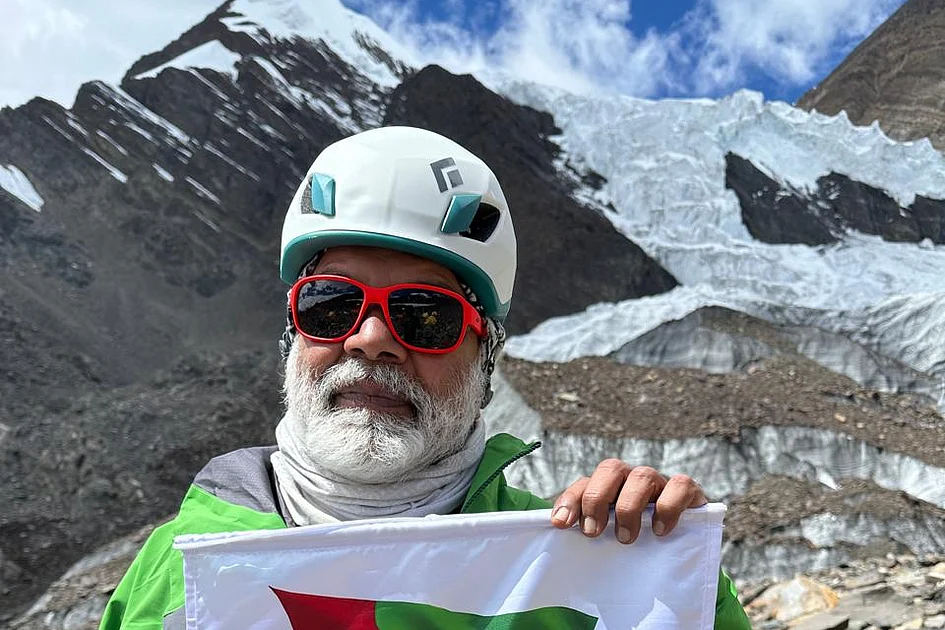
    In an extraordinary demonstration of human resilience, 64-year-old Dubai resident and veteran mountaineer Jayesh Choksi has successfully summited Mount Gori Chen in the Eastern Himalayas. The challenging ascent to 6,488 meters (21,286 feet) near the contentious India-China border in Arunachal Pradesh represents another significant achievement in Choksi’s extensive climbing career spanning numerous global peaks.

    The December expedition carried symbolic significance beyond personal accomplishment. Choksi proudly planted the flag of Dubai-based Kanz Jewels at the summit, creating a powerful visual statement against the breathtaking Himalayan backdrop after days of strenuous climbing through difficult terrain and extreme altitude conditions.

    Reflecting on his achievement, Choksi offered an inspirational perspective: “Dreams don’t retire, they climb higher. At 64, I wanted to remind everyone that passion and courage can take you to unimaginable heights.” His accomplishment challenges conventional perceptions about age limitations and physical achievement.

    Anil Dhanak, Managing Director of Kanz Jewels, extended congratulations to the mountaineer, noting that Choksi’s triumph perfectly embodies the jewelry brand’s core values of resilience, ambition, and pushing beyond perceived limitations. The successful expedition serves as a metaphor for overcoming challenges regardless of age or circumstance.

    The ascent of Mount Gori Chen, while not among the world’s highest peaks, presents significant technical challenges and requires substantial mountaineering expertise, particularly given its remote location and proximity to sensitive border areas. Choksi’s accomplishment highlights the growing trend of older athletes continuing to pursue ambitious physical challenges and redefining expectations of aging.

  • Putin says Russia disagrees with parts of US plan to end Ukraine war

    Putin says Russia disagrees with parts of US plan to end Ukraine war

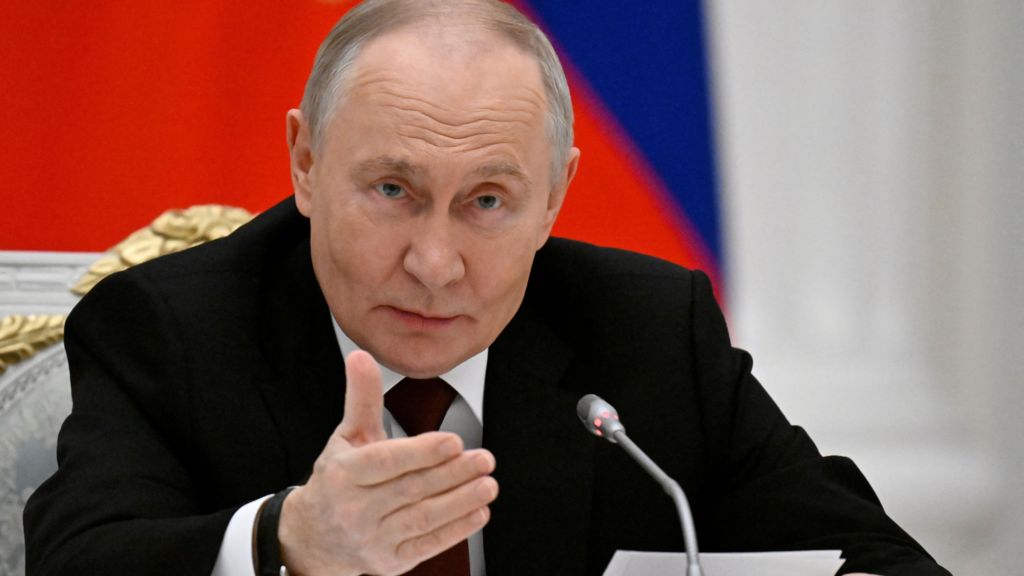
    Russian President Vladimir Putin has publicly expressed disagreement with significant components of a United States-proposed framework to resolve the ongoing Russia-Ukraine conflict. The declaration followed extensive negotiations lasting nearly five hours between Russian officials and a US delegation led by President Donald Trump’s envoy Steve Witkoff, accompanied by Jared Kushner, Trump’s son-in-law.

    In an exclusive interview with India Today preceding his state visit to Delhi, Putin revealed that Moscow had not received a modified version of the peace proposal prior to the Kremlin discussions. “At times we said that yes, we can discuss this, but to that we can’t agree,” Putin stated, without specifying the exact points of contention. Two primary obstacles remain unresolved: the status of Ukrainian territories currently under Russian occupation and the nature of security guarantees for Ukraine.

    President Putin reiterated Moscow’s firm demand for complete Ukrainian military withdrawal from the Donbas region, including areas still under Kyiv’s control. Russian forces currently administer approximately 85% of this eastern territory. “Either we take back these territories by force, or eventually Ukrainian troops withdraw,” the Russian leader asserted.

    Yuri Ushakov, Putin’s senior foreign policy adviser and principal negotiator, characterized the talks as producing “no compromise” on terminating hostilities. Ushakov further indicated that Russia’s diplomatic stance has been reinforced by recent battlefield advancements.

    Meanwhile, US and Ukrainian diplomatic teams are preparing for subsequent discussions in Florida. President Trump characterized the initial negotiations as “reasonably good” while acknowledging the complexity of the process, noting that “it does take two to tango.”

    Ukrainian leadership maintains a contrasting perspective on the negotiations. Foreign Minister Andrii Sybhia accused Putin of “wasting the world’s time,” while Ukraine’s ambassador to the US emphasized that they do not “need to wait for promises from Russia.” President Volodymyr Zelensky has consistently rejected any territorial concessions and insists on robust security assurances for Ukraine in any settlement.

    Zelensky acknowledged that “the world clearly feels that there is a real opportunity to end the war,” but stressed that negotiations must be “backed by pressure on Russia.” Ukrainian officials and European allies accuse Moscow of intentionally prolonging ceasefire discussions.

    In a significant development, German publication Der Spiegel reported obtaining a confidential transcript from a European leadership conference call expressing profound concerns about US negotiation tactics. According to an English transcript, French President Emmanuel Macron reportedly cautioned that “there is a possibility that the US will betray Ukraine on the issue of territory without clarity on security guarantees.” German Chancellor Friedrich Merz allegedly warned Zelensky to remain “extremely careful in the coming days,” suggesting that “they are playing games, both with you and with us.” Finnish President Alexander Stubb reportedly emphasized that “we mustn’t leave Ukraine and Volodymyr alone with these guys.”

    The Élysée Palace subsequently denied that President Macron “expressed himself in those terms” while declining to provide specific details citing confidentiality. Stubb declined to comment on the report, and Merz has not publicly addressed the allegations.

    The geopolitical maneuvering occurs against the backdrop of continued military operations, with Russian forces gradually advancing in southeastern Ukraine despite substantial combat casualties. Moscow currently controls approximately 20% of Ukrainian territory since initiating full-scale invasion in February 2022.


  • UAE: Palestinian-Jordanian expat on why money is both a ‘blessing and a test’

    UAE: Palestinian-Jordanian expat on why money is both a ‘blessing and a test’

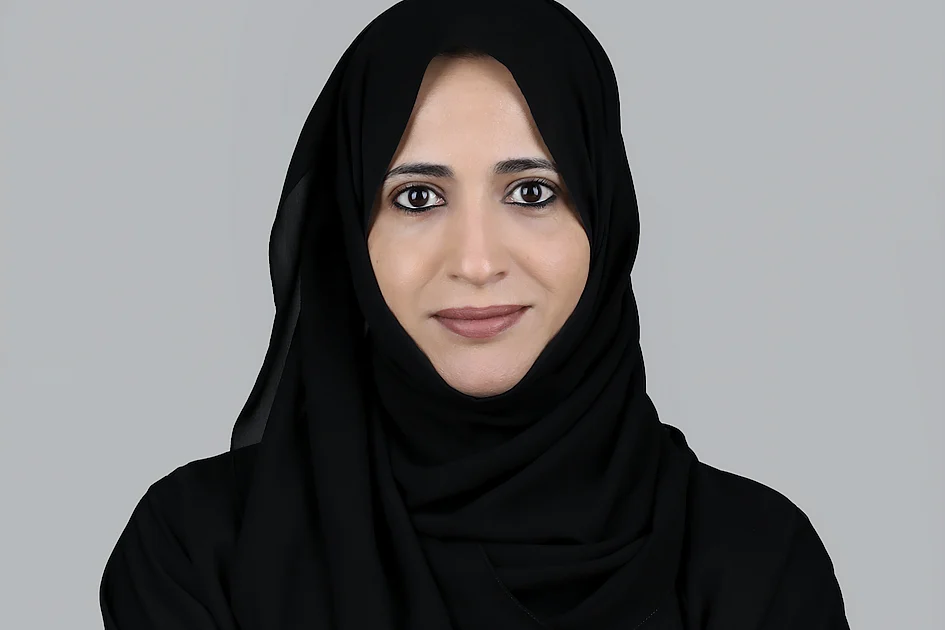
    Dr. Eman AbuKhousa, a Palestinian-Jordanian professor of information technology at the University of Europe for Applied Sciences in Dubai, is redefining financial literacy through a unique cultural lens. As a STEM champion and data science expert specializing in digital transformation strategies, she applies professional analytical rigor to personal finance while maintaining profound philosophical perspectives inherited from her heritage.

    In a recent interview, Dr. AbuKhousa described money as both “a blessing and a test”—a concept deeply rooted in her cultural background where wealth is perceived as rizq (divine provision) rather than personal property. This duality shapes her approach: while she strategically manages finances through meticulous Excel sheet planning, she maintains awareness that money’s true value lies in its utilization for personal, familial, and communal benefit.

    The professor credits her mother as her primary financial influence, recalling maternal wisdom that “in exile, money is like a homeland.” This proverb proved particularly prescient during a crisis when Dr. AbuKhousa found herself stranded abroad, realizing that financial resources represented not luxury but essential security and peace of mind.

    Her financial education came through hard-won experience rather than textbooks. “Life itself” served as her most effective teacher, with overdue debts and emotional shopping sprees providing harsh but valuable lessons about fiscal responsibility.

    Living in the UAE has significantly altered her financial perspective, introducing new budget categories like brunches and valet parking while fostering an environment where ambition and self-investment are normalized. The Emirates’ opportunity-rich landscape has reinforced her belief that financial independence means “having enough when you need it most” rather than pursuing excessive wealth.

    Dr. AbuKhousa’s unconventional approach to money discussions involves self-dialogue through spreadsheets and occasional “financial therapy” sessions with trusted friends during dinners. Her advice to younger generations emphasizes that money’s value derives not from spending but from wise allocation, noting that “shoes wear out, trends fade, but choices made with sense turn money into real value.”