作者: admin

  • A Hong Kong man asked for accountability after a deadly fire. So why was he arrested?

    A Hong Kong man asked for accountability after a deadly fire. So why was he arrested?

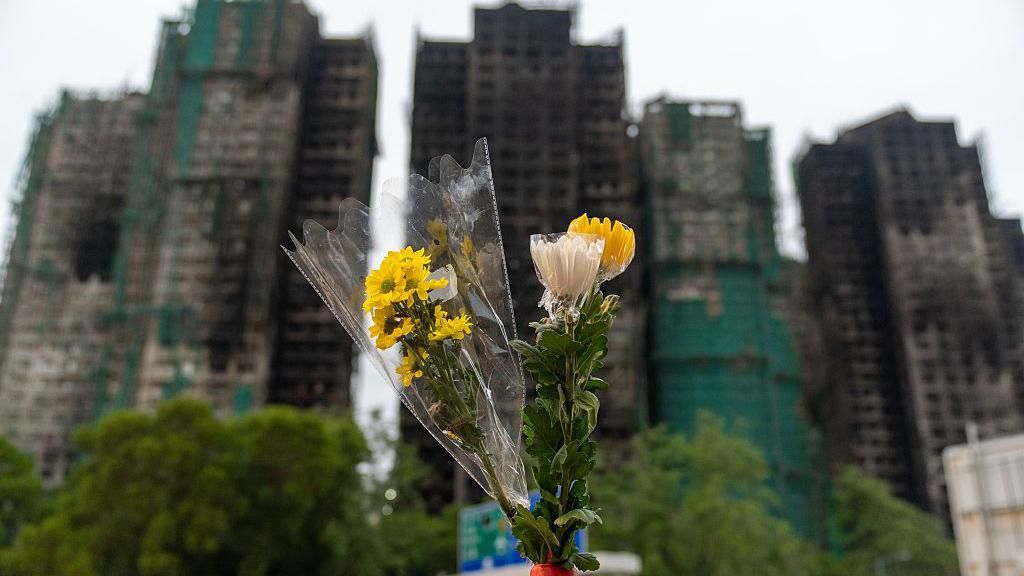
    A catastrophic fire that engulfed a densely populated housing estate in Hong Kong’s Tai Po district has become the catalyst for a complex political confrontation, pitting public demands for accountability against the government’s stringent national security measures. The inferno, which claimed at least 159 lives and displaced thousands, represents the most severe tragedy to strike the city since the 2019 pro-democracy protests.

    In the aftermath, undergraduate Miles Kwan initiated a petition echoing the 2019 protest slogans with ‘four demands’ for governmental transparency and investigation. Within hours, the petition gathered over 10,000 signatures before being removed, and Kwan was arrested under Hong Kong’s national security law on sedition charges. His detention reflects authorities’ determination to prevent what they describe as attempts to ‘exploit’ the tragedy to ‘endanger national security.’

    Government officials including Executive Council member Ronny Tong and lawmaker Regina Ip defended the arrests, emphasizing the need to differentiate between genuine opinion and petitions with ‘criminal intent.’ They cited concerns that public anger could lead to a recurrence of the 2019 unrest. Meanwhile, Chief Executive John Lee pledged comprehensive support for victims and announced an independent inquiry into the fire, building safety reviews, and financial assistance measures—actions notably similar to those demanded in Kwan’s petition.

    The national security apparatus has responded aggressively to the disaster. China’s Hong Kong security office issued warnings against instigating ‘black terror’—a term previously used to describe the 2019 protests—and vowed to punish ‘hostile foreign forces’ regardless of their location. Fifteen individuals have been arrested on suspicion of manslaughter, primarily construction firm executives and staff, while six fire equipment contractors face detention separately.

    Critics including pro-democracy activist Samuel Chu and arrested former district councillor Kenneth Cheung question the suppression of legitimate inquiry, arguing that seeking accountability constitutes a human response rather than a political campaign. Politics professor Kenneth Chan observes that authorities are applying ‘Beijing’s playbook’ focused on social control, replacing community-led relief efforts with government-backed initiatives.

    The controversy extends to the government’s decision to proceed with Legislative Council elections during the mourning period, permitting only pro-Beijing ‘patriots’ to contest. This move has drawn criticism from residents who believe priority should be given to victim support rather than political processes. As Hong Kong navigates this tragedy, the tension between public demands for accountability and national security enforcement continues to define the city’s political landscape.
  • Indigo flight cancellations: Minimal impact on UAE travellers, experts say

    Indigo flight cancellations: Minimal impact on UAE travellers, experts say

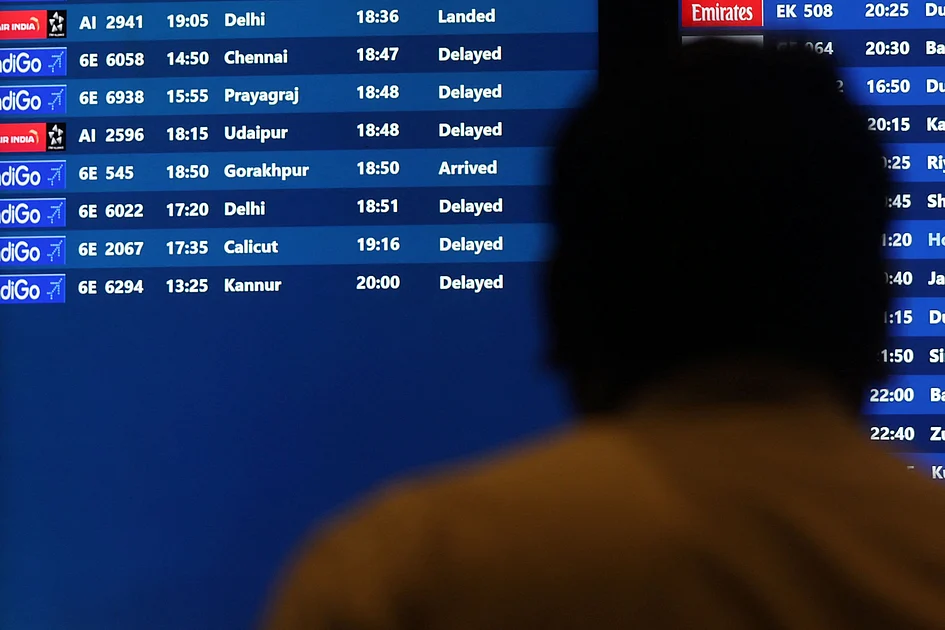
    Aviation experts confirm that UAE-based travelers are experiencing minimal disruption despite IndiGo’s massive domestic flight cancellations across India. The budget carrier’s international operations from the Emirates remain unaffected, providing stability for passengers traveling between the UAE and Indian destinations.

    Travel industry leaders have received direct assurances from IndiGo management regarding international route continuity. Mohammed Safeer, General Manager of Smart Travels, reported: ‘Our morning consultation with IndiGo confirmed all international flights will operate as scheduled. No UAE-originating routes have been impacted thus far.’

    Raheesh Babu, COO of Musafir.com, corroborated this assessment, noting: ‘Our passenger tracking shows international flights maintaining punctuality, with only one exception—a Dubai-Calicut delay caused by pilot illness on Wednesday.’

    The cancellations primarily stem from India’s aviation regulatory changes implemented by the Directorate General of Civil Aviation. New Flight Duty Time Limitations now mandate 48-hour weekly rest periods for pilots and restrict night landings to two per week, down from six previously. These measures address growing pilot fatigue concerns within the industry.

    IndiGo attributed the operational challenges to a combination of factors including technological issues, adverse weather conditions, and increased air traffic congestion. The airline has committed to schedule recalibration within 48 hours to stabilize operations.

    While international travelers remain secure, the domestic situation has prompted strategic reconsideration among some UAE passengers. Annu Joseph, planning a multi-city wedding trip to Kerala, stated: ‘With limited time off, I’m evaluating direct flights versus train connections from Bangalore. The uncertainty demands contingency planning.’

    Travel agencies are advising clients to opt for direct international routes rather than risk domestic connections during the stabilization period. Despite current challenges, industry confidence remains high regarding IndiGo’s crisis management capabilities. Praveen Chowdhury of Saffron Travels and Tourism noted: ‘Their handling demonstrates superior operational responsiveness compared to peers. We anticipate resolution before week’s end.’

    The airline’s historical effectiveness during previous operational challenges, including pilot migration events, suggests this disruption will be temporary despite its unfortunate timing during peak travel season.

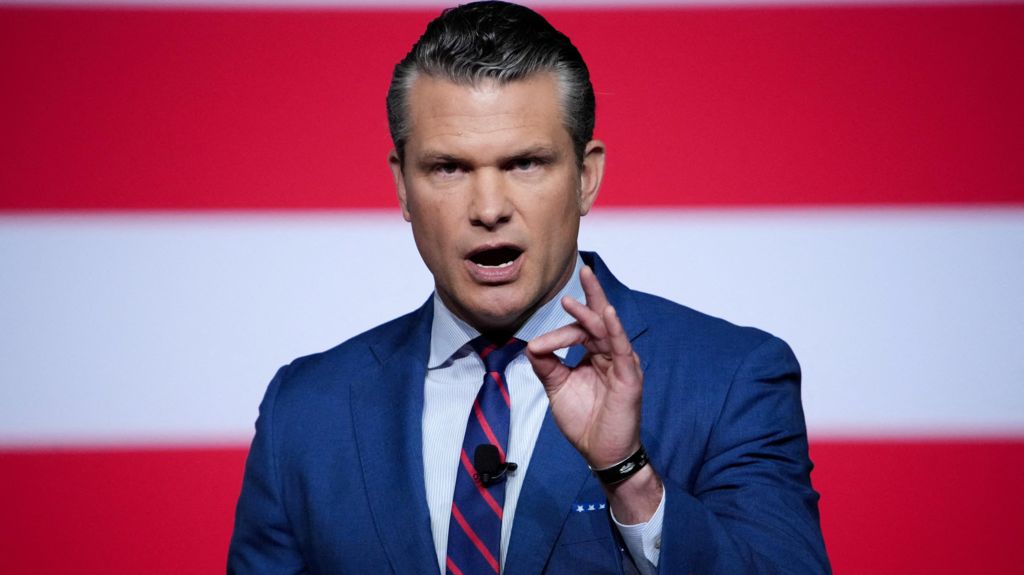
  • Boat strike briefings help Hegseth – but shipwreck video release may hurt

    Boat strike briefings help Hegseth – but shipwreck video release may hurt

    A Washington Post investigation into a September U.S. military strike on a suspected drug trafficking vessel in the Caribbean has triggered a fierce congressional debate, exposing deep partisan fractures over the legality and morality of the Trump administration’s anti-narcotics campaign. The report, which questioned the circumstances of the operation, initially sparked rare bipartisan concern and placed Defense Secretary Pete Hegseth’s position under scrutiny.

    Lawmakers received classified briefings from General Dan Caine, Chairman of the Joint Chiefs of Staff, and Admiral Frank Bradley, who commanded the operation. While congressional reviews found no evidence to support the Post’s claim that Hegseth issued an explicit ‘kill them all’ order, consensus ended there. Democratic representatives emerged from viewing operation footage describing the content as ‘deeply troubling,’ particularly the second strike that killed two survivors clinging to wreckage. Republicans uniformly defended the action as ‘entirely lawful and needful’ in combating drug trafficking.

    The fundamental disagreement centers on the administration’s designation of narcotics traffickers as terrorist organizations and its authorization of lethal force against civilian targets without external legal oversight. Since the initial September incident, the U.S. has conducted 21 similar strikes resulting in over 80 fatalities.

    Secretary Hegseth’s position appears stabilized following an inspector general report that largely cleared him of wrongdoing in the separate ‘Signalgate’ controversy involving discussions of classified information on unsecured platforms. The report concluded that while he created security risks, he did not transmit classified material as he claims to have declassified it beforehand.

    With former President Trump supporting the release of operation footage, public opinion may shift as visual evidence becomes available. For now, the American public must reconcile conflicting narratives from partisan lawmakers and investigative journalism regarding this controversial chapter of military engagement.

  • Intl students showcasing global business acumen in Shanghai

    Intl students showcasing global business acumen in Shanghai

    Shanghai became the epicenter of international business education on December 2-3, 2025, as Shanghai University of Finance and Economics hosted the culminating event of The 3rd International Business Simulation Competition. The tournament witnessed extraordinary participation from 140 student teams representing 74 countries and regions worldwide, with the most exceptional 33 teams from 22 academic institutions advancing to the championship rounds.

    The competition served as a dynamic platform for cultivating cross-cultural business leadership and strategic thinking capabilities among the next generation of global entrepreneurs. Participants engaged in sophisticated business scenario simulations that tested their analytical prowess, decision-making agility, and innovative problem-solving approaches within complex market environments.

    This prestigious event underscores Shanghai’s growing prominence as an international education hub and its commitment to fostering global talent exchange. The competition structure emphasized practical business application over theoretical knowledge, requiring students to demonstrate comprehensive understanding of market dynamics, financial management, and strategic planning under simulated real-world conditions.

    Academic institutions and corporate sponsors collaborated to create authentic business challenges that reflected current global market trends, providing participants with invaluable experiential learning opportunities. The event also facilitated meaningful cultural exchange and international networking among future business leaders from diverse geographical and academic backgrounds.

    The competition’s expansion to include participants from 74 countries represents a significant increase from previous years, demonstrating its growing international recognition and appeal among business education programs worldwide.

  • Norris won’t ask Piastri to gift him F1 title in Abu Dhabi GP

    Norris won’t ask Piastri to gift him F1 title in Abu Dhabi GP

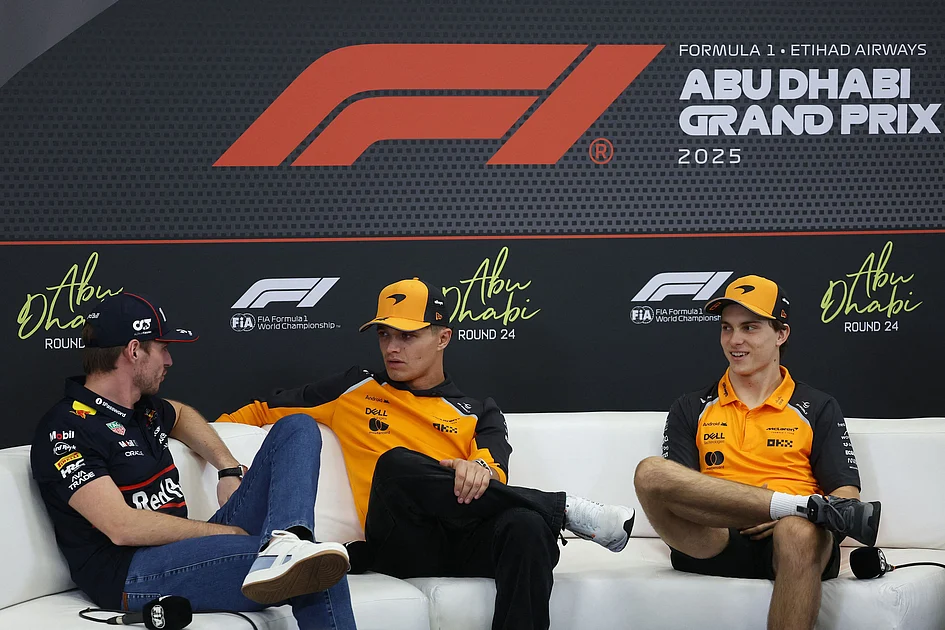
    As the Formula One season culminates in Abu Dhabi, McLaren’s Lando Norris has firmly rejected the notion of requesting teammate Oscar Piastri to sacrifice his position to secure the championship. With Norris leading Red Bull’s Max Verstappen by 12 points and Piastri trailing by an additional four, the Yas Marina circuit sets the stage for one of the most dramatic finales in recent F1 history.

    The three title contenders presented a study in contrasts during Thursday’s press conference, with Verstappen appearing notably relaxed compared to his McLaren rivals. When confronted with a hypothetical scenario where Verstappen leads the race with Piastri third and Norris fourth—a situation that would hand Verstappen the championship without team intervention—Norris revealed his philosophical approach.

    ‘I wouldn’t make that request because ultimately it’s Oscar’s decision,’ Norris stated. ‘I believe in racing fairly. If our positions were reversed, I would consider yielding, but that’s my personal choice rather than an expectation.’

    The British driver emphasized that Verstappen would deserve victory if achieved without team manipulation, adding: ‘It doesn’t change my life. He will deserve it over us.’

    Piastri confirmed that team orders haven’t been discussed within McLaren, while Mercedes’ George Russell—who could influence the outcome from between the contenders—voiced strong opposition to any orchestrated result. ‘I think it would be unfair for either driver to give up places,’ Russell remarked. ‘I wouldn’t want to win a championship because my teammate pulled over.’

    McLaren principal Andrea Stella, reflecting on the team’s constructors’ championship victory and their first drivers’ title pursuit since 1998, indicated that while racing ethics remain paramount, strategic conversations would occur. ‘What’s important is that we’re in condition to beat Verstappen with one of our two drivers,’ Stella noted, highlighting the team’s dual ambition of maintaining sporting integrity while pursuing both championships.

  • Shanghai university unveils sustainable, efficient water treatment system

    Shanghai university unveils sustainable, efficient water treatment system

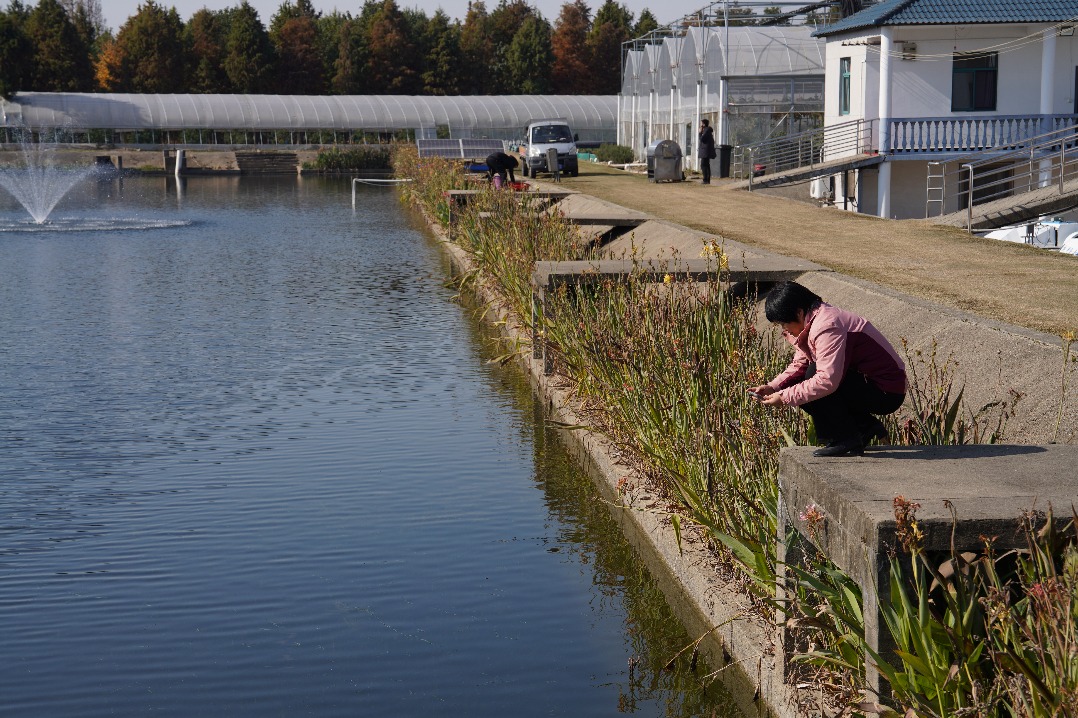
    Researchers at Shanghai Ocean University have engineered a groundbreaking ecological water treatment system that merges environmental sustainability with significant cost reduction. Spearheaded by Professor Wang Liqing, the innovative approach adopts a holistic methodology inspired by traditional Chinese medicine’s diagnostic principles.

    The system employs a sophisticated four-stage assessment protocol that begins with comprehensive water quality analysis through visual and instrumental monitoring. This initial phase is followed by detailed examination of water circulation dynamics and historical pollution溯源. The collected data then informs the development of tailored treatment strategies that address each water body’s unique characteristics.

    “Water ecosystems represent intricate networks of life,” Professor Wang explained. “Instead of targeting isolated symptoms, our methodology focuses on establishing self-sustaining ecological systems that maintain long-term viability.”

    The treatment process involves strategically interrupting pollution sources, engineering underwater topography, and creating specialized habitats for selected submerged plants. The research team has developed a proprietary strain of Vallisneria that demonstrates exceptional nutrient absorption capabilities and rapid reproduction rates, making it particularly effective for ecosystem restoration.

    The economic advantages are substantial: while conventional engineering methods typically cost 0.2-0.5 yuan per ton of water treated, the ecological approach reduces this expense to just 0.04 yuan per ton—representing up to an 80% reduction in operational costs.

    The university maintains a 22-hectare research facility in Qingpu district that serves as both laboratory and production center, enabling continuous refinement of their sustainable water management technologies. This innovation demonstrates how ecological principles can provide both environmentally sound and economically viable solutions to water treatment challenges.

  • GCC leaders reaffirm support for Palestine and Gaza truce at Bahrain meeting

    GCC leaders reaffirm support for Palestine and Gaza truce at Bahrain meeting

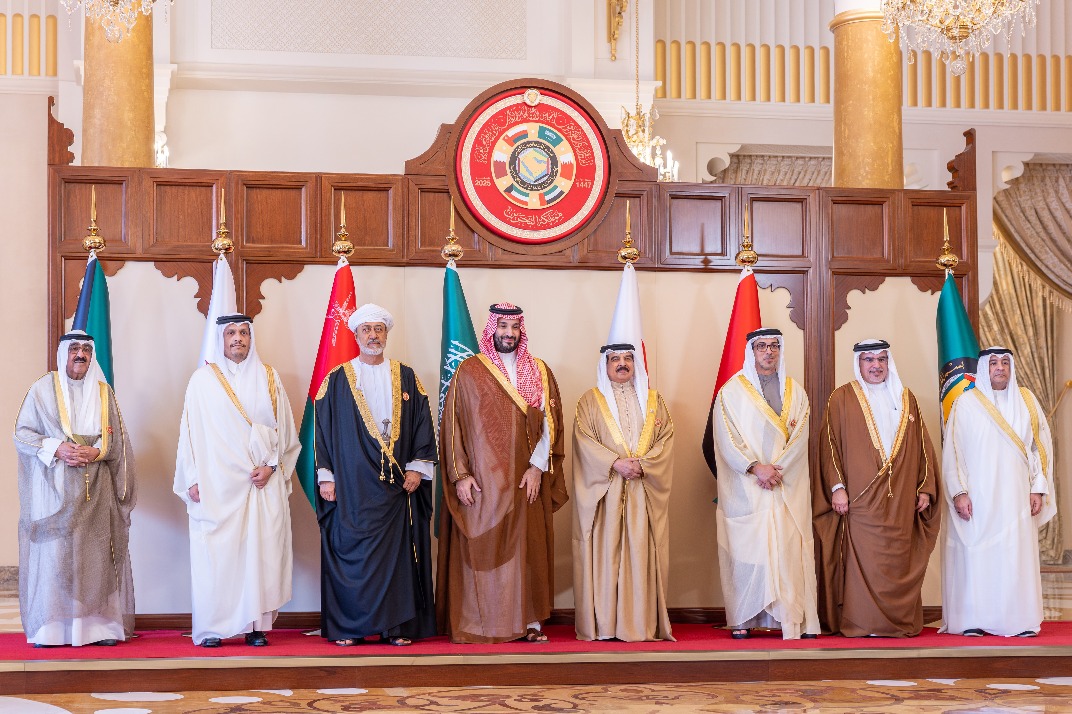
    At the 46th session of the Gulf Cooperation Council’s Supreme Council, regional leaders delivered a powerful collective stance on the Israeli-Palestinian conflict during their December 3 meeting in Bahrain. Convened at Al Sakhir Palace under the presidency of Bahrain’s King Hamad bin Isa Al Khalifa, the high-level gathering produced a strongly worded communique that condemned Israel’s military actions while reaffirming support for Palestinian self-determination.

    The Council explicitly held Israel ‘fully responsible for its ongoing violations and attacks against the Gaza Strip,’ citing the devastating civilian death toll that has disproportionately affected women and children. The statement rejected any justification portraying Israeli operations as self-defense and demanded immediate troop withdrawal from occupied territories.

    Beyond condemnation, the GCC leadership articulated a clear vision for Palestinian rights, emphasizing the ‘legitimate rights of the Palestinian people to establish their independent state’ and warning against any attempts to undermine these inalienable rights. The communique specifically rejected displacement efforts in Gaza and expressed concern over demographic changes in Jerusalem, calling for protection of Islamic holy sites.

    The timing of the summit proved strategically significant, occurring just one day after the UN General Assembly adopted resolutions demanding Israeli withdrawal from occupied Palestinian territories and Syria’s Golan Heights. The GCC explicitly endorsed US-brokered ceasefire efforts and outcomes from the Sharm El Sheikh Peace Summit while maintaining criticism of specific Israeli policies.

    Regional security concerns also featured prominently in discussions. GCC Secretary-General Jasem Mohamed Albudaiwi referenced two ‘painful incidents’ that demonstrated Gulf unity: Iranian missile attacks targeting a US base in Qatar in June, and what he described as ‘brutal Israeli aggression’ during Qatari mediation efforts in September that resulted in casualties.

    The Council further condemned Israeli attacks on Iranian nuclear facilities, noting the potential regional endangerment. Former Bahraini parliament member Jasim Husain observed that this condemnation would likely please Iranian officials while reaffirming the GCC’s commitment to peaceful conflict resolution.

    The meeting occurred amid heightened tensions surrounding the Rafah Crossing, with Israel announcing plans for limited openings exclusively for Gaza resident exits to Egypt—a move that raised depopulation concerns. Egyptian officials subsequently denied coordination with Israel on this matter, highlighting the complex diplomatic landscape surrounding humanitarian access issues.

  • A supersized World Cup field begins taking shape at Friday’s draw

    A supersized World Cup field begins taking shape at Friday’s draw

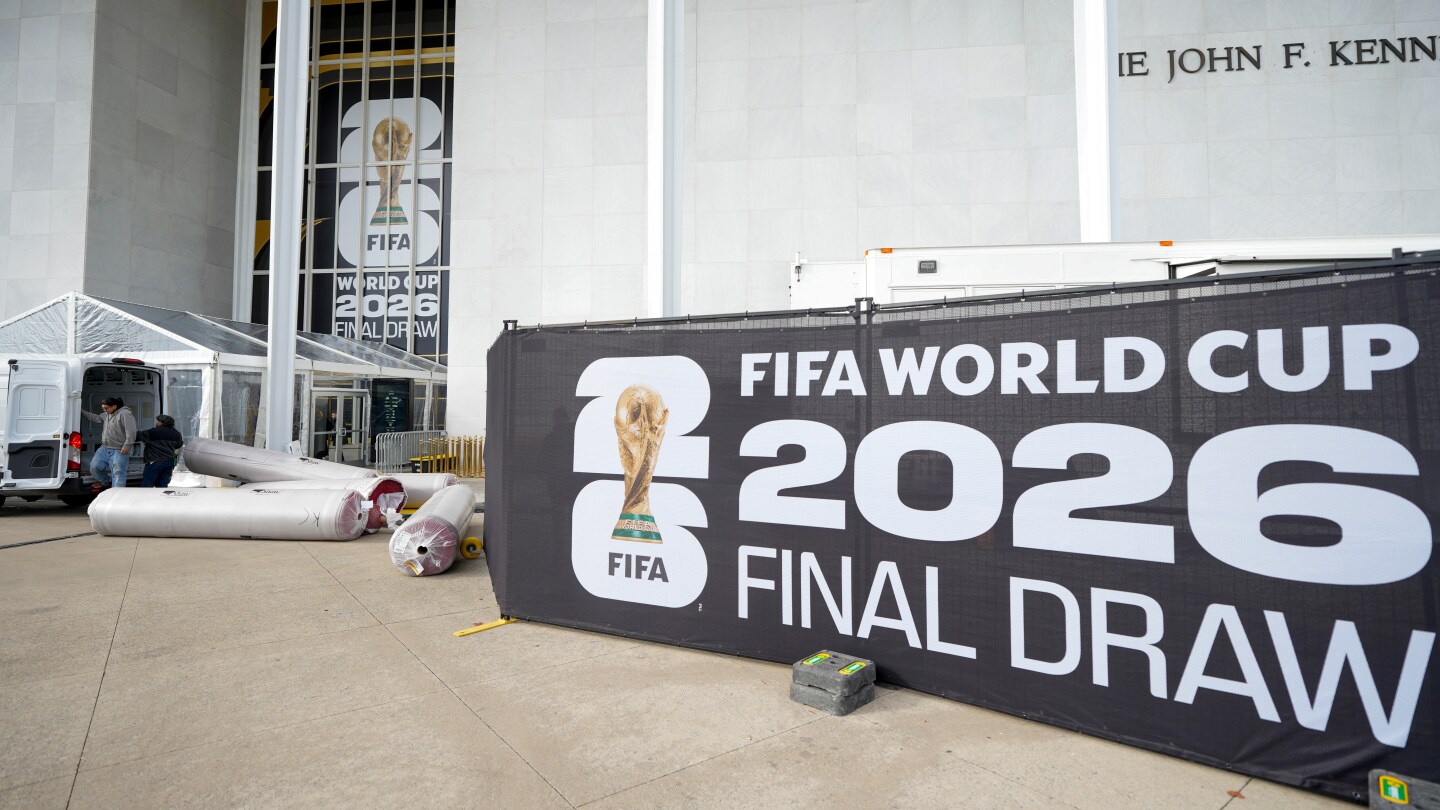
    The global football landscape is poised for a transformative shift as FIFA prepares for the 2026 World Cup draw at Washington’s Kennedy Center, marking the inaugural phase of organizing the most expansive tournament in history. The newly implemented 48-team format will introduce debutants including Cape Verde, Curaçao, Jordan, and Uzbekistan to football’s grandest stage when the month-long championship commences across 16 North American venues from June 11 to July 19.

    Former Arsenal manager Arsène Wenger expressed measured optimism about the competitive quality, noting that qualification itself demonstrates meritocratic achievement. The ceremony will convene high-profile political figures including U.S. President Donald Trump, Mexican President Claudia Sheinbaum, and Canadian Prime Minister Mark Carney, though the venue’s gift shop currently reflects performing arts heritage rather than football memorabilia.

    While the world’s top 11-ranked teams have secured automatic qualification, notable absences include 12th-ranked Italy among 22 nations competing in March playoffs for the final six tournament berths. Defending champions Argentina, led by 39-year-old captain Lionel Messi, aim to become the first back-to-back champions since Brazil’s 1962 triumph, with Messi positioned to break Miroslav Klose’s all-time World Cup scoring record.

    Infrastructure preparations are underway to accommodate unprecedented attendance, with BMO Field in Toronto undergoing expansion to increase capacity to approximately 45,000 through temporary seating. Tournament organizers project record-breaking attendance figures surpassing the 3.59 million benchmark set during the 1994 U.S. World Cup.

    Controversy surrounds FIFA’s ticketing strategy, with initial prices ranging from $60 to $6,730 per match—a substantial increase from 1994’s $25-$475 range—while the organization withholds complete pricing transparency for the first time since 1990. Supplementary costs include premium parking passes priced at $175 for individual matches, though FIFA president Gianni Infantino has declined to publicly address pricing policies.

    The revised tournament structure will see the top two teams from each of 12 groups advance alongside eight best third-place finishers, potentially allowing progression to the knockout stage with just three points. According to Opta Analyst projections, host nation the United States maintains merely 0.9% probability of championship victory, with Spain (17%), France (14.1%), and England (11.8%) leading statistical forecasts.

    In an innovative competitive safeguard, FIFA confirmed that the top four ranked teams—Spain, Argentina, France, and England—will avoid confrontation until the semifinals provided they win their respective groups. The draw ceremony will feature retired sporting icons including NFL legend Tom Brady, NBA superstar Shaquille O’Neal, and NHL great Wayne Gretzky, overseen by former England captain Rio Ferdinand.

  • UAE flights: Flydubai aircraft damaged in accident at Maldives airport

    UAE flights: Flydubai aircraft damaged in accident at Maldives airport

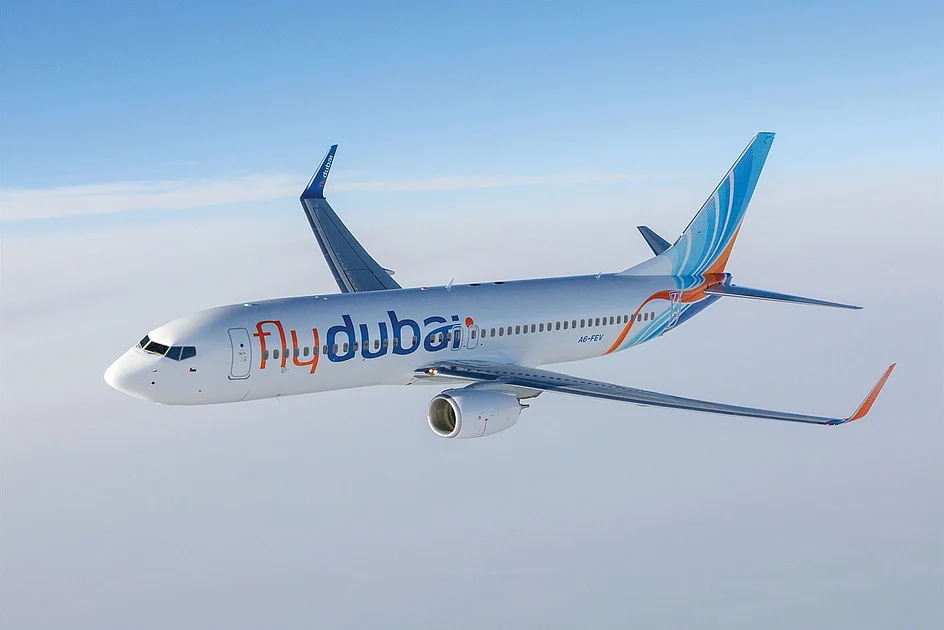
    A Flydubai aircraft experienced significant damage during a ground handling incident at Velana International Airport (MLE) in the Maldives on December 4, 2025. The Dubai-based carrier confirmed all passengers and crew members safely disembarked without injuries and were rebooked on subsequent flights.

    The aviation incident resulted in structural damage to the aircraft’s wing section, prompting an immediate comprehensive inspection. Flydubai officials emphasized that the damaged aircraft will undergo extensive repairs to meet stringent international aviation safety standards before returning to service.

    This occurrence highlights operational challenges at Maldives’ primary aviation gateway, which has been experiencing congestion due to soaring tourist arrivals. The island nation, renowned as a premium vacation destination for UAE residents and international travelers, is currently expanding its airport infrastructure to accommodate growing passenger traffic.

    Tourism Minister Thoriq Ibrahim previously disclosed that Velana International Airport’s new terminal, scheduled for operational readiness by year-end, will significantly enhance capacity to 7 million passengers annually. This development aims to alleviate current congestion issues.

    The Maldives incident follows another aviation safety occurrence involving an Emirates Airbus A380 at Manchester Airport, where a fuel tanker collision caused engine cowling damage. Both incidents underscore the aviation industry’s ongoing focus on ground operation safety protocols.

    Flydubai reiterated that passenger and crew safety remains their utmost priority, consistent with the airline’s operational philosophy and international aviation regulations.

  • Watch: Russia’s Putin gets red-carpet welcome from Modi as he lands in India

    Watch: Russia’s Putin gets red-carpet welcome from Modi as he lands in India

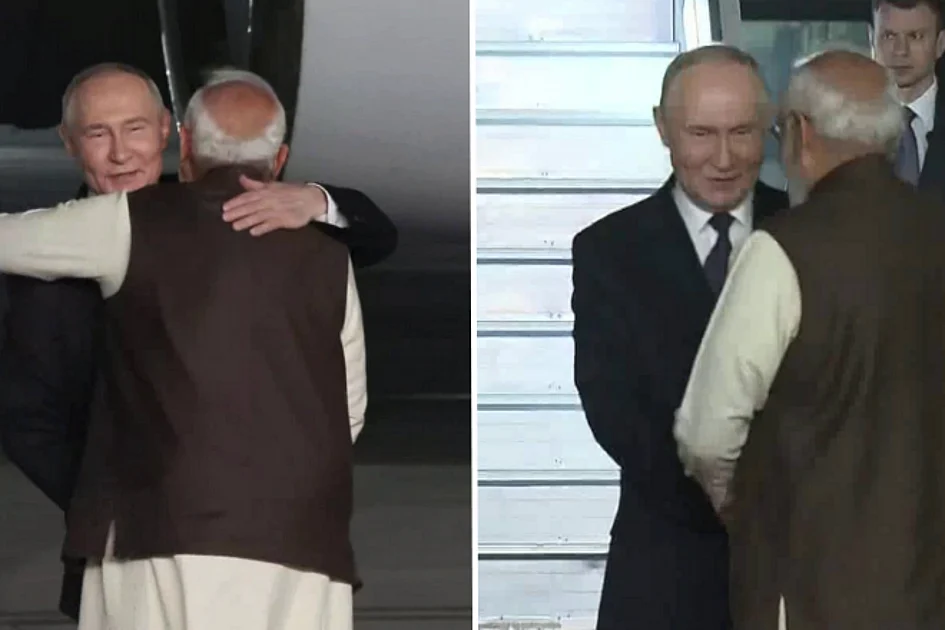
    Russian President Vladimir Putin received a ceremonial welcome from Indian Prime Minister Narendra Modi upon arriving in New Delhi for a pivotal two-day summit. The visit, occurring against the backdrop of intensified US pressure on India regarding Russian oil imports, marks Putin’s first journey to India since the commencement of the Ukraine conflict.

    Modi personally greeted the Russian leader at the airport with an embrace on the red carpet, subsequently escorting him in the same vehicle—a display of diplomatic warmth between the two nations. The Russian delegation included Defense Minister Andrei Belousov, with anticipated discussions focusing on enhanced defense cooperation, including potential agreements on Su-57 fighter jet co-production and expanded S-400 air defense system supplies.

    In pre-summit remarks broadcast by India Today, Putin expressed enthusiasm about meeting “my friend” Modi, highlighting the extensive scope of bilateral collaboration spanning aircraft manufacturing, nuclear energy, and space exploration. The agenda includes a private dinner hosted by Modi on Thursday evening followed by formal negotiations on Friday.

    This diplomatic engagement occurs as India navigates complex geopolitical pressures, particularly from the United States where President Donald Trump imposed 50% tariffs on Indian goods in August, directly citing India’s continued Russian oil purchases. Despite recently reducing crude imports due to sanctions on Russian energy giants Rosneft and Lukoil, India remains a significant consumer of Russian petroleum, creating economic savings while providing Moscow with crucial export revenues.

    Kremlin spokesman Dmitry Peskov emphasized Russia’s commitment to strengthening bilateral trade without external interference, noting that two-way commerce reached $68.7 billion in 2024-25—though with a substantial imbalance favoring Russia. Indian officials are seeking greater market access for pharmaceuticals, automobiles, and service industries to address this disparity.

    International relations experts characterize the summit as a strategic recalibration at a critical juncture. Professor Harsh V Pant of King’s College London noted that Modi’s reception demonstrates India’s assertion of “strategic autonomy,” while Putin’s rare international travel underscores the relationship’s importance to Moscow. An anonymous Indian foreign ministry official described Russia-India ties as “the most stable relationship in modern times,” though downplayed the meeting as routine annual diplomacy.