作者: admin

  • Somalia’s poets keep hope alive for storytelling and for peace

    Somalia’s poets keep hope alive for storytelling and for peace

    MOGADISHU, Somalia — In the shadow of past violence at Somalia’s National Theater, where a suicide bomber once detonated, elderly poets now gather to preserve the nation’s rich oral tradition. Among them is 70-year-old Hassan Barre, who recently stepped to the podium in the largely empty hall to recite verses emphasizing civic responsibility and national unity.

    These aging wordsmiths, some with henna-dyed beards and clouded eyes, represent a fading cultural beacon in one of the world’s most volatile nations. Their presence underscores a profound contrast: Somalia, often described as “a nation of poets,” has become better known for bombings than verse after decades of conflict stripped away its cultural wealth.

    Oral poetry remains Somalia’s highest art form, recited in remote outposts and even among militants in the bush. Legendary figures like Hadraawi—the “Shakespeare of Somalia” who died in 2022—achieved universal recognition for works spanning love songs to war laments.

    The current fragile federal government allocates most resources to national security, leaving cultural institutions like the National Theater and adjacent museum largely inactive. Access requires notifying intelligence agencies in advance with detailed vehicle information—a testament to security concerns that constrain artistic expression.

    Poets recall flourishing during Siad Barre’s iron-fisted rule (1969-1991), when some received free housing and were “treated like kings.” His ouster triggered civil war and the rise of al-Shabab militants, devastating cultural infrastructure.

    Despite challenges, traditional poets still perform at weddings, and verses air daily on radio stations. The Somali Council of Poets claims 400 members, including diaspora Somalis, all advocating for peace while avoiding direct politics.

    Culture Minister Daud Aweis acknowledges poets’ “vital role” as “a foundational pillar for cultural vitality” but offers limited funding. The ministry’s long-term goal is expanded support.

    The National Theater itself symbolizes resilience: inaugurated in 1967, closed in 1991, reopened in 2012 after AU peacekeepers pushed al-Shabab from Mogadishu, then attacked months later by a suicide bomber during a prime ministerial speech.

    Yet poets persist. Maki Haji Banaadir, the theater’s deputy director and popular cultural figure, exemplifies this determination. He helped lead a 2003 cross-country reconciliation tour now impossible due to limited government control outside the capital and secessionist movements.

    As these guardians of tradition work “day and night” to groom new generations, their verses continue echoing through a sandbagged city ringed by checkpoints—a testament to culture’s endurance amid conflict.
  • Water leak in Louvre damages hundreds of books

    Water leak in Louvre damages hundreds of books

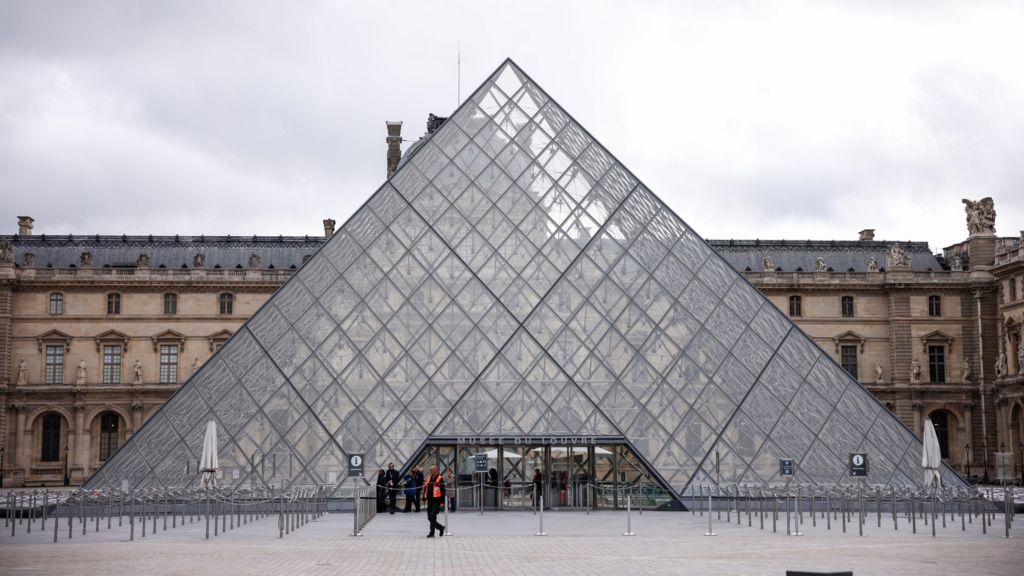
    The Louvre Museum in Paris has encountered its third significant operational challenge within recent months following a water leakage incident that compromised hundreds of historical volumes. According to Deputy Administrator Francis Steinbock, approximately 300-400 books, primarily comprising specialized Egyptology journals and scientific documentation from the late 19th and early 20th centuries, sustained water damage in the museum’s Egyptian department.

    The leakage, detected in late November, originated from infrastructure issues that museum management had acknowledged for several years. Repairs are formally scheduled for implementation in the upcoming year. Mr. Steinbock emphasized that no precious heritage artifacts or invaluable books were impacted by the incident. The affected materials, described as reference volumes frequently consulted by academic Egyptologists, will undergo a meticulous restoration process involving drying, professional bookbinding, and conservation treatments before returning to library shelves.

    This incident follows two other major disruptions at the world’s most visited museum. In November, structural vulnerabilities necessitated the partial closure of galleries exhibiting Greek vases and administrative offices. More dramatically, on October 19th, thieves executed a daring daylight heist, stealing crown jewels valued at €88 million ($102 million) while exposing critical security deficiencies. These jewels remain unrecovered, prompting the museum to relocate its most valuable gems to the secure vaults of the Bank of France.

    These recurrent problems align with concerns raised in an October report from France’s Cour des Comptes, the national audit authority. The report criticized the Louvre’s financial prioritization, noting excessive expenditure on artwork acquisitions had occurred “to the detriment of the maintenance and renovation of buildings,” potentially contributing to the current infrastructure challenges.

  • Thailand launches airstrikes along border with Cambodia as tensions reignite

    Thailand launches airstrikes along border with Cambodia as tensions reignite

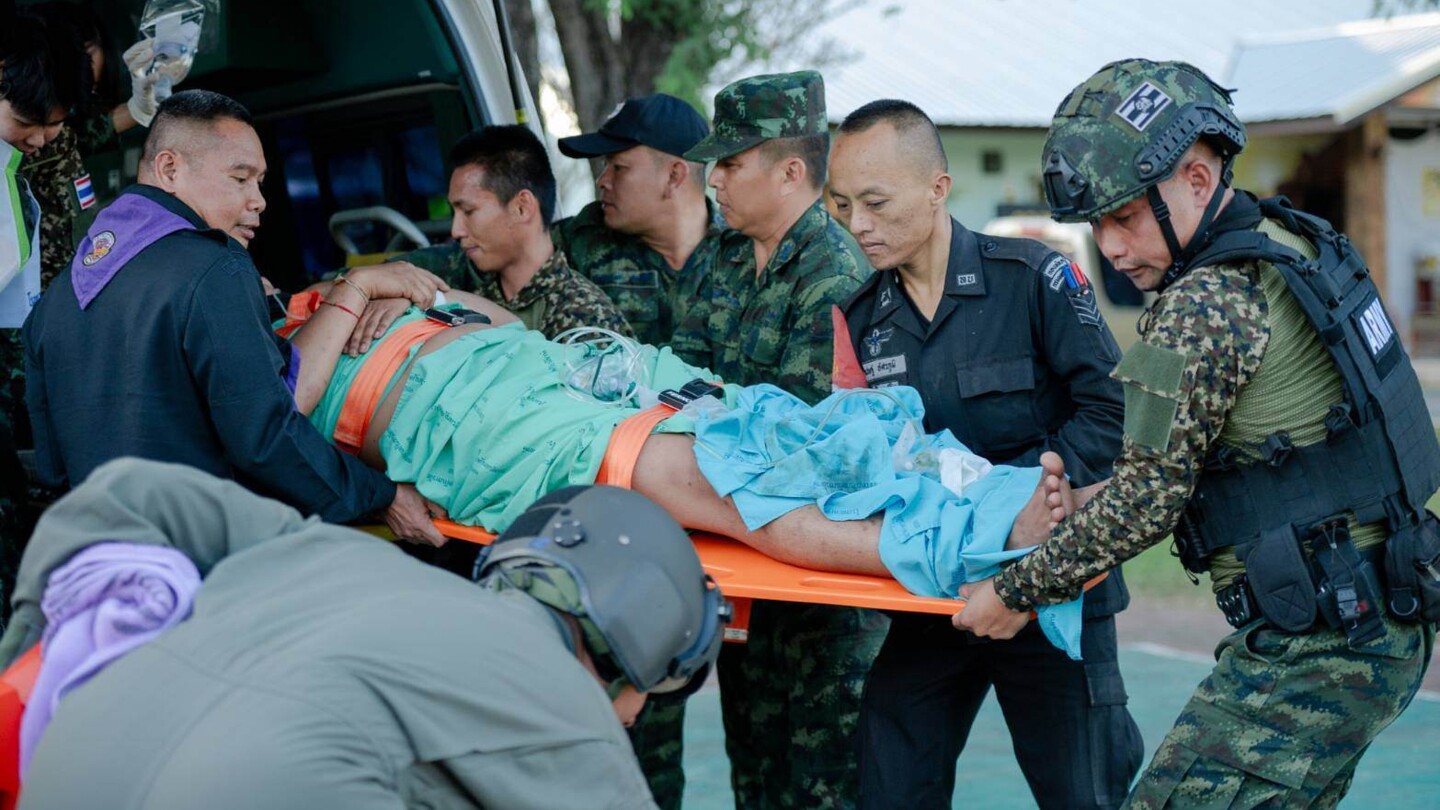
    BANGKOK — Military tensions reignited along the Thailand-Cambodia border on Monday as both nations exchanged airstrikes and artillery fire while mutually accusing each other of initiating hostilities. The escalation represents a significant breach of the U.S.-mediated ceasefire agreement established in October following deadly clashes in July that resulted in dozens of military and civilian casualties.

    Thai military authorities reported one soldier killed and four wounded, claiming Cambodian forces initiated the conflict with cross-border attacks. In response, Thailand deployed aircraft to strike what it identified as Cambodian military positions. “Our forces conducted aerial operations against multiple military targets to suppress Cambodian supporting fire attacks,” stated Thai Army spokesperson Major General Winthai Suvaree, adding that civilian evacuations were underway in affected border regions.

    Cambodia’s Defense Ministry provided a contradictory account, with spokesperson Maly Socheata asserting that Thai military forces launched the initial assault. “Cambodia did not retaliate during the Monday morning attacks,” Socheata emphasized, while urging Thailand to “immediately cease all hostile activities threatening regional peace and stability.”

    The Cambodian Education Ministry implemented emergency measures, closing several border-area schools. Social media documentation showed students being hurriedly evacuated, with many transported via motorcycles as families sought safety from the renewed violence.

    This latest outbreak follows Sunday’s border skirmish that both sides similarly attributed to the other nation. The fragile U.S.-brokered truce, negotiated through President Donald Trump’s administration, had already been jeopardized last month when Thai troops sustained injuries from landmine explosions, prompting Thailand to indefinitely suspend its implementation of the ceasefire agreement.

    The current confrontation draws upon centuries of historical enmity between the neighboring nations, with modern territorial disputes originating from a 1907 French colonial-era map that Thailand contests. The International Court of Justice’s 1962 ruling granting Cambodia sovereignty over the Preah Vihear temple area remains a particularly sensitive issue in bilateral relations.

    Despite the October ceasefire agreement, the fundamental border demarcation disputes remain unresolved, continuing to fuel tensions between the Southeast Asian neighbors.

  • Wildfires destroy 40 homes and kill a firefighter in Australia

    Wildfires destroy 40 homes and kill a firefighter in Australia

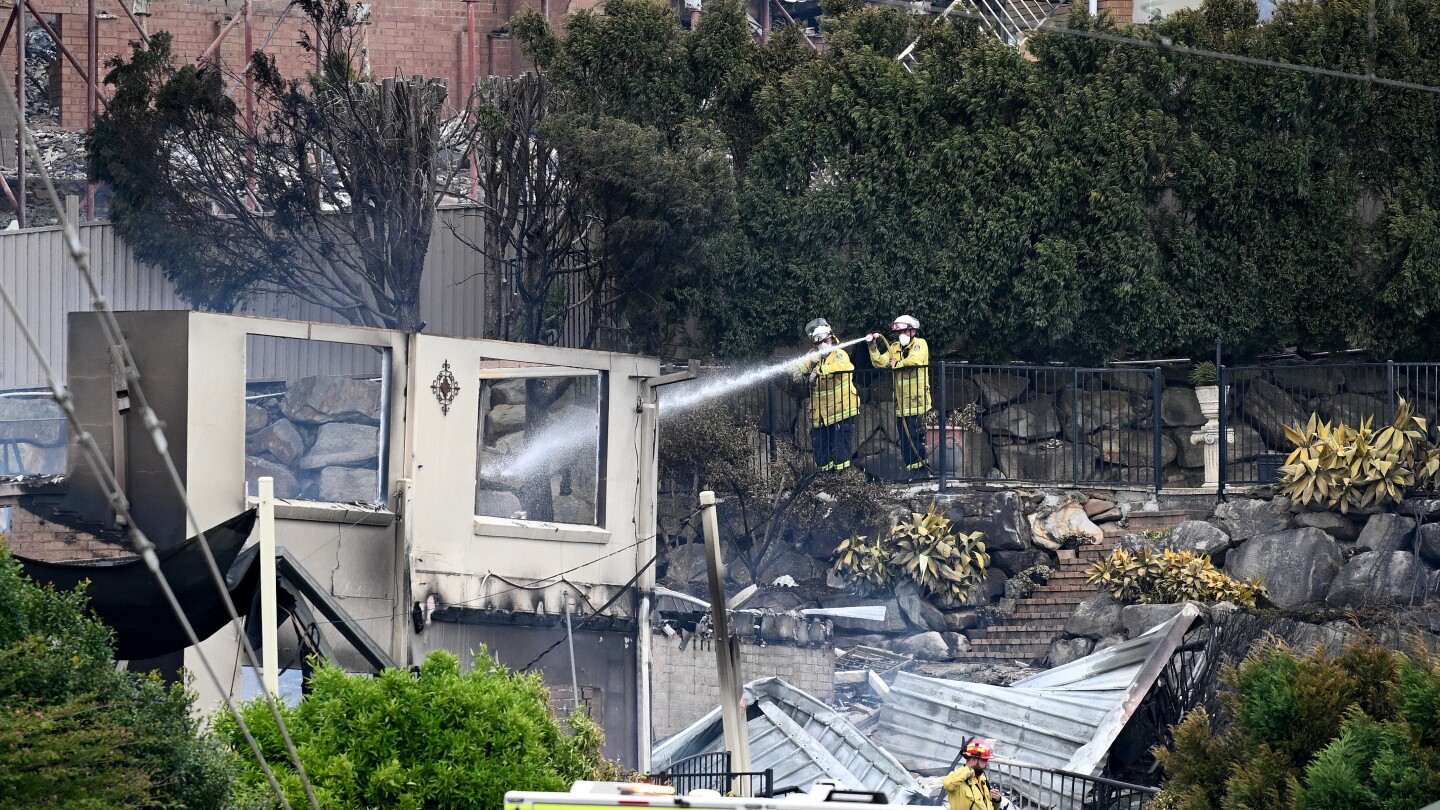
    A veteran firefighter has tragically lost his life while combating devastating wildfires that have swept through Australia’s New South Wales and Tasmania, resulting in the destruction of approximately 40 residential properties. The 59-year-old emergency responder was fatally injured on Sunday evening when a falling tree struck him during fire suppression operations near the town of Bulahdelah, approximately 115 kilometers north of Sydney.

    According to Rural Fire Service Commissioner Trent Curtin, the experienced firefighter could not be resuscitated following the accident. The Bulahdelah blaze has already consumed approximately 3,500 hectares (8,650 acres) of woodland and destroyed four homes over the weekend, with officials anticipating the firefighting efforts would require several more days to contain the inferno completely.

    The crisis extends far beyond this single incident, with 52 separate wildfires actively burning across New South Wales as of Monday. Among these, nine fires remain classified as uncontrolled, posing continued danger to communities. Commissioner Curtin confirmed that wildfires in New South Wales alone had destroyed 20 homes during the weekend.

    Meanwhile, on the island state of Tasmania, emergency officials reported another 19 homes were lost to wildfires in the coastal community of Dolphin Sands. Local government representative Dick Shaw informed the Australian Broadcasting Corporation that while firefighters had successfully contained the Tasmanian blaze by Monday, critical access roads remained closed due to safety concerns. Authorities have advised residents that returning to their properties is not yet safe despite the improved fire conditions.

    The tragic death of the firefighter underscores the extreme dangers emergency personnel face during Australia’s increasingly intense wildfire seasons, which have been exacerbated by climate change and drought conditions across the continent.

  • Former Australian deputy PM joins anti-immigration party One Nation

    Former Australian deputy PM joins anti-immigration party One Nation

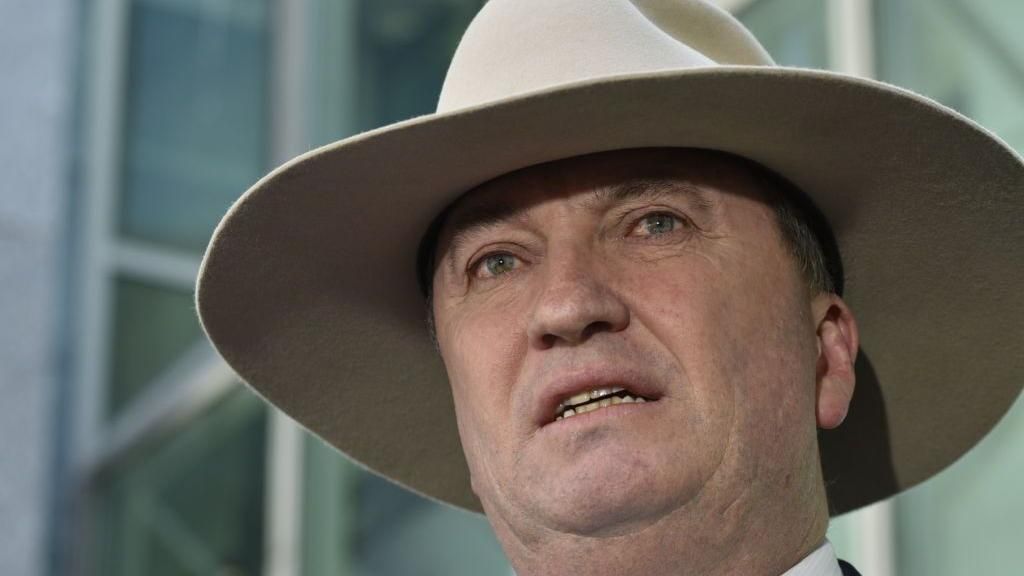
    In a significant political realignment, former Australian Deputy Prime Minister Barnaby Joyce has formally joined the anti-immigration One Nation party, marking a dramatic departure from the Nationals party he previously led. The controversial politician announced his defection during a Monday broadcast on his local Tamworth radio station, acknowledging his decision would likely “hurt” certain individuals.

    Joyce’s move concludes months of speculation about his political future and represents a substantial coup for One Nation leader Pauline Hanson, whose party has experienced growing popularity in recent polls. Hanson welcomed Joyce’s defection, emphasizing his “experience, advice and determination to get a fair go for farmers and regional Australia.” The party founder announced Joyce would represent One Nation in the lower house until the next federal election before transitioning to a Senate candidacy.

    The veteran politician justified his decision through a detailed Facebook post criticizing multiple government policies. Joyce condemned Australia’s energy platform as “eviscerated” in pursuit of “a ludicrous quest to change the weather” and argued that population growth through immigration had undermined housing affordability and natural population increase. He further articulated his cultural vision, stating that while Australia could embrace multiple faiths and races, it must unite under a singular Australian culture to navigate an increasingly uncertain world.

    Nationals leader David Littleproud expressed disappointment with Joyce’s alignment with what he characterized as a “party of protest which is never able to achieve anything other than headlines.” The criticism highlights the deepening divide between Joyce and his former colleagues in the conservative coalition.

    The defection follows a carefully orchestrated courtship between Joyce and Hanson, culminating in a steak dinner in Hanson’s parliamentary office exactly two weeks prior. Notably, this meal occurred hours after Hanson sparked controversy by wearing a burqa into Parliament as part of her longstanding campaign to ban the Muslim garment—an action condemned as “blatant racism” by colleagues and formally censured by the Senate.

    Joyce’s political career has been marked by both significant achievements and controversies. After serving as a Queensland senator from 2004-2013, he secured the New England seat in New South Wales. His tenure as Nationals leader and deputy prime minister (2016-2018) ended abruptly following public outrage over his extramarital affair with a staffer, which prompted the implementation of strict rules regarding relationships between politicians and staff.

    The politician has frequently captured international attention, most notably in 2015 when he threatened to euthanize Johnny Depp and Amber Heard’s Yorkshire Terriers after the celebrities attempted to smuggle them into Australia aboard their private jet in violation of quarantine laws.

    Hanson herself has consistently courted controversy throughout her political career. Her 2016 maiden speech to the Senate warning that Australia risked being “swamped by Muslims” echoed similar sentiments expressed in 1996 about being “swamped by Asians.”

  • Japan revises economic data to show bigger contraction in July-September period

    Japan revises economic data to show bigger contraction in July-September period

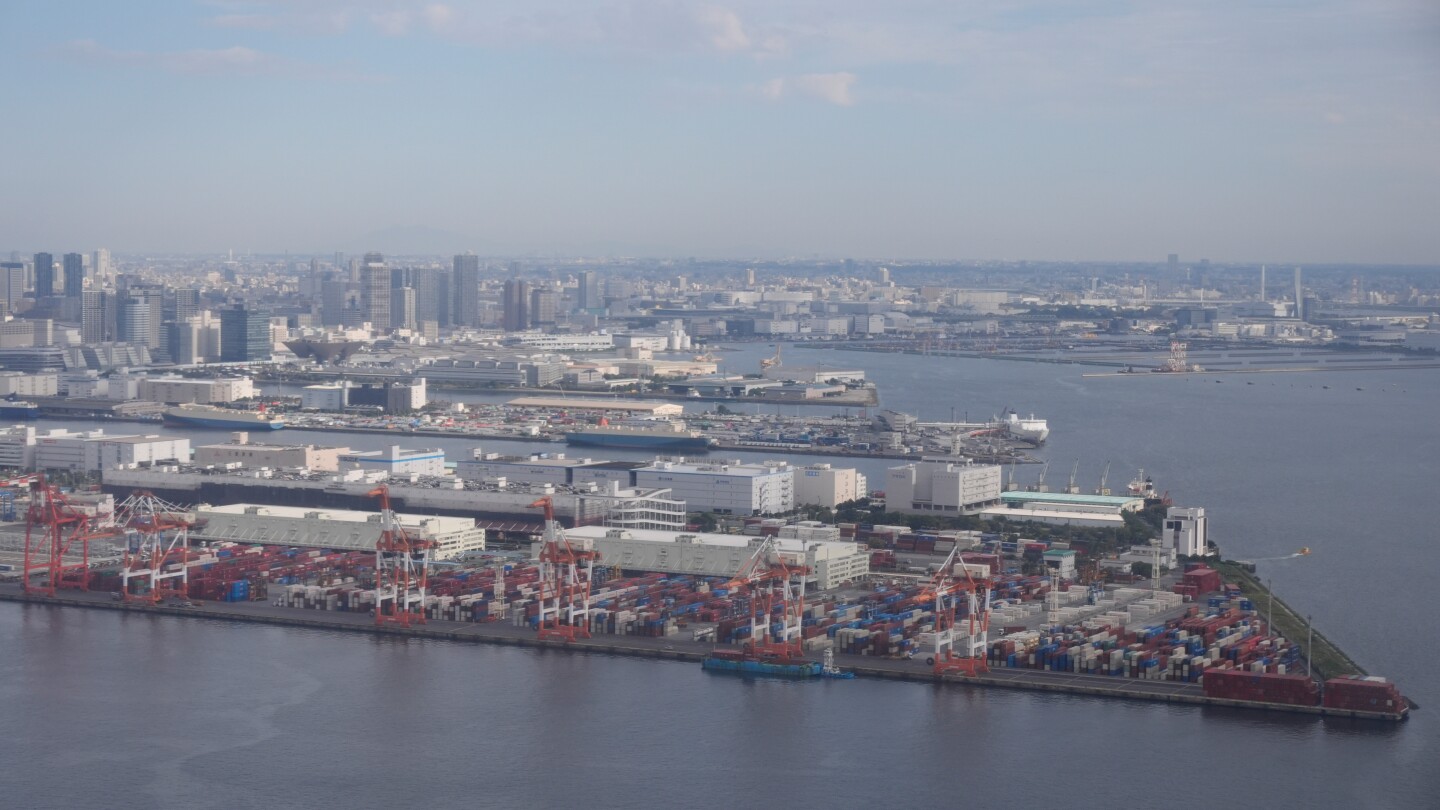
    TOKYO — Japan’s economic performance deteriorated more severely than initially projected during the third quarter, with revised data revealing an annualized contraction of 2.3% between July and September. This downward revision from the previously reported 1.8% decline underscores the mounting challenges facing the world’s third-largest economy.

    The Cabinet Office’s updated figures indicate a quarter-on-quarter GDP reduction of 0.6%, exceeding preliminary estimates. The economic downturn has been primarily driven by declining exports, which fell by 1.2% during the quarter, and a significant 8.2% plunge in private residential investment.

    Trade tensions initiated by the Trump administration have substantially impacted Japan’s export sector. Although the United States subsequently reduced planned tariff increases on Japanese imports from 25% to 15% in September, the automotive sector—a cornerstone of Japan’s economy—continues to face considerable pressure.

    In response to these economic headwinds, Japan has committed to a substantial $550 billion investment package in the United States, a strategic move announced during bilateral tariff negotiations. This commitment reflects the complex economic diplomacy between the two nations amid strained trade relations.

    The residential investment decline has been attributed primarily to regulatory changes in Japan’s building code, which triggered a significant reduction in housing starts earlier this year. Meanwhile, modest positive trends emerged in consumer spending, with private consumption edging up 0.2%, while imports decreased by 0.4%.

    Political leadership under Prime Minister Sanae Takaichi, Japan’s first female premier, faces mounting pressure to stimulate economic recovery. Despite maintaining popularity through assertive nationalist rhetoric, the administration’s ability to engineer a robust economic turnaround remains uncertain amid these challenging macroeconomic conditions.

  • UN calls on Taliban to lift ban on Afghan women in its offices

    UN calls on Taliban to lift ban on Afghan women in its offices

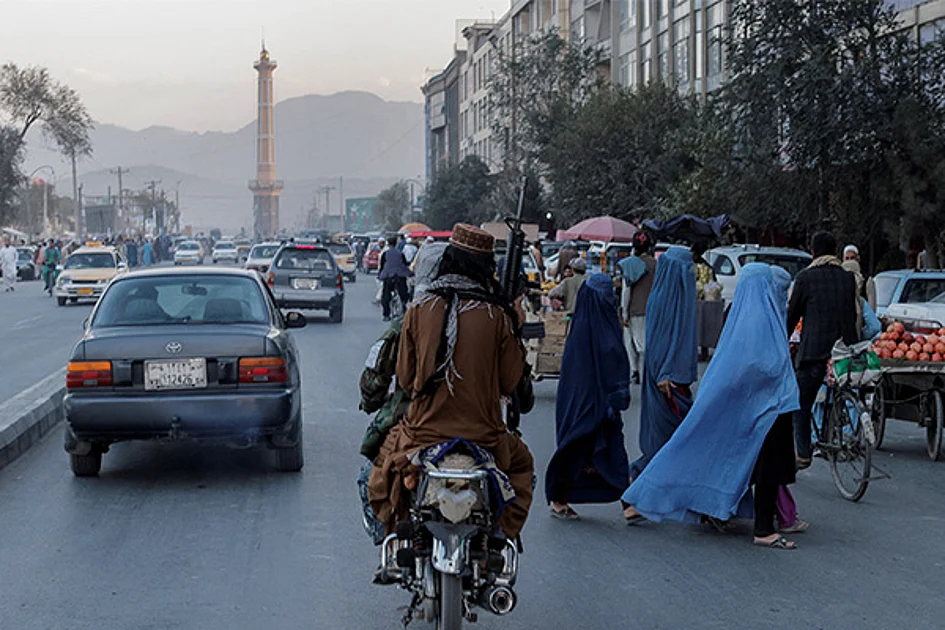
    The United Nations issued a formal appeal to Taliban authorities on Sunday, demanding the immediate reversal of restrictions prohibiting Afghan women from working within UN offices throughout Afghanistan. Susan Ferguson, UN Women’s special representative in the country, emphasized that these measures jeopardize critical humanitarian operations and violate fundamental human rights principles.

    Since assuming power in 2021, the Taliban regime has systematically excluded women from most professional sectors, including education beyond age 12, access to public spaces, and employment opportunities. The specific ban on female UN staff, implemented in September, has forced hundreds of women to work remotely for three consecutive months despite their crucial role in delivering emergency assistance.

    These female professionals have been instrumental in coordinating relief efforts for earthquake victims and supporting Afghan migrants forcibly returned from Pakistan and Iran. Ferguson stressed that their physical presence remains essential for providing culturally appropriate aid to women and girls, who often cannot be reached by male colleagues due to cultural constraints.

    The UN refugee agency has already suspended cash assistance programs for returned migrants, acknowledging that without female staff, they cannot adequately interview or assist the over 50% of returnees who are women. The Taliban administration has not responded to international requests for commentary regarding these restrictions.

  • Trump raises potential concerns over $72bn Netflix-Warner Bros deal

    Trump raises potential concerns over $72bn Netflix-Warner Bros deal

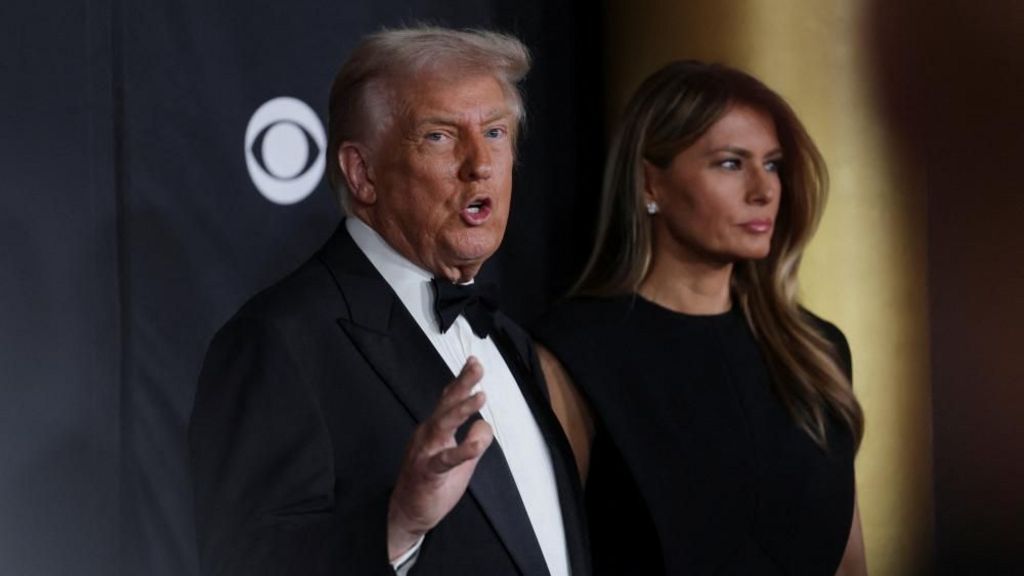
    Former President Donald Trump has raised significant antitrust concerns regarding Netflix’s monumental $72 billion proposal to acquire Warner Bros Discovery’s studio assets and HBO streaming services. Speaking at a Washington DC event on Sunday, Trump emphasized that Netflix already commands a “very big market share” that would expand substantially through this consolidation, potentially creating competitive issues.

    The landmark agreement, announced Friday, would merge Warner Bros’ iconic franchises including Harry Potter and Game of Thrones with Netflix’s dominant streaming platform, potentially reshaping the media landscape. The deal requires approval from U.S. competition authorities, with the Justice Department’s antitrust division evaluating whether the combined entity would control an excessive portion of the streaming market.

    Trump revealed his personal involvement in the approval process, noting that Netflix co-CEO Ted Sarandos recently visited the Oval Office. The former president expressed admiration for Sarandos, stating, “I have a lot of respect for him. He’s a great person who’s done one of the greatest jobs in the history of movies.”

    The proposed acquisition has generated industry-wide concerns about market concentration, with regulators examining potential violations of antitrust legislation. The combination would create an unprecedented media conglomerate with extensive control over both content production and distribution channels.

  • Starmer to host Zelensky for Ukraine talks in London

    Starmer to host Zelensky for Ukraine talks in London

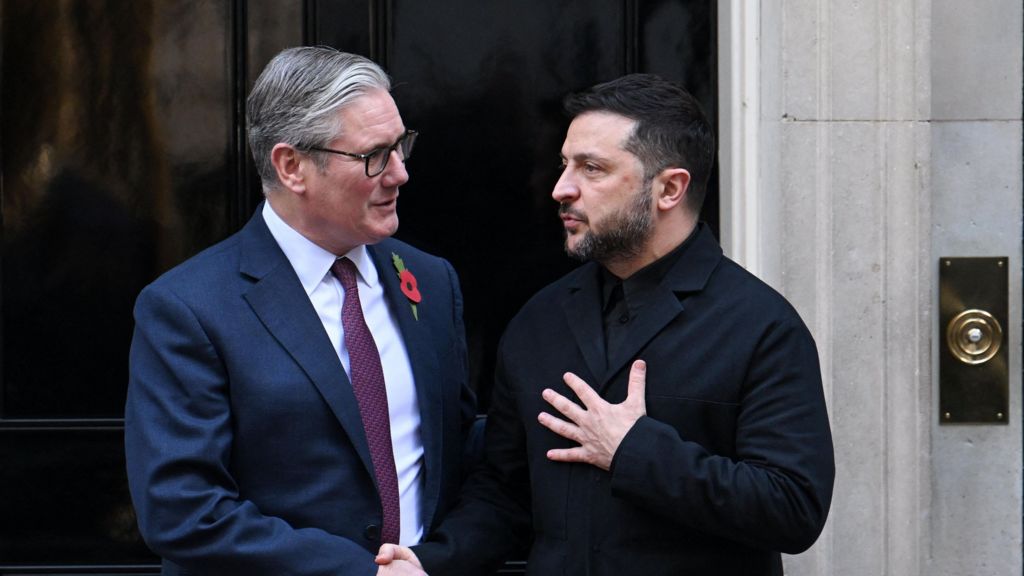
    British Prime Minister Sir Keir Starmer is convening an urgent summit with Ukrainian President Volodymyr Zelensky in London on Monday, with French President Emmanuel Macron and German Chancellor Friedrich Merz joining the high-stakes diplomatic gathering. This emergency meeting occurs as international efforts to resolve the Ukraine conflict face significant obstacles despite reported progress in US-mediated negotiations.

    Cabinet Minister Pat McFadden emphasized that ensuring Ukraine’s security and self-determination would form the central focus of discussions, characterizing the current diplomatic phase as ‘exceptionally pivotal.’ The announcement follows three days of intensive talks in Miami where US officials indicated a potential agreement might be within reach, contingent upon Russia’s cooperation.

    According to US Special Envoy for Ukraine Keith Kellogg, negotiations have encountered particular difficulties regarding two fundamental issues: the future size of Ukraine’s military forces following the conflict’s conclusion and Russia’s ongoing control of the Donbas region. ‘If we can resolve these two critical matters, the remaining components should fall into place relatively smoothly,’ Kellogg stated in an interview with Reuters, expressing cautious optimism that parties were ‘approaching a resolution.’

    The London summit represents the latest European initiative to assume a substantive role in peacemaking efforts, with Downing Street confirming the leaders would concentrate on ‘ongoing peace negotiations and subsequent measures’ without elaborating on specific details. This development occurs alongside continued military aggression, as Russia launched extensive aerial bombardments across Ukraine throughout the weekend, deploying hundreds of drones and missiles in sustained attacks.

    The diplomatic landscape has been complicated by substantial disagreements regarding proposed peace frameworks. European leaders previously objected to preliminary versions of the US-orchestrated peace plan, criticizing its perceived favorability toward Russian interests. Subsequent revisions attempted to address these concerns, though Moscow has rejected the modified proposals outright.

    Russian President Vladimir Putin maintained an uncompromising stance, threatening to seize Donbas militarily if Ukraine refuses to relinquish control of the territory, approximately 85% of which Russian forces currently occupy. This position persists despite substantial economic sanctions and significant battlefield casualties suffered by Russian military forces.

    The geopolitical dynamic further intensified with last week’s publication of the US National Security Strategy, which notably did not classify Russia as a direct threat to European security—a characterization Moscow welcomed as ‘constructive and aligned with our strategic perspective.’ As diplomatic efforts continue, European officials have emphasized the necessity of preserving transatlantic cooperation, with Polish Prime Minister Donald Tusk asserting that maintaining historic alliances represents ‘the sole rational strategy for our collective security.’

  • Royal Navy unveils new Atlantic strategy to counter Russian threat

    Royal Navy unveils new Atlantic strategy to counter Russian threat

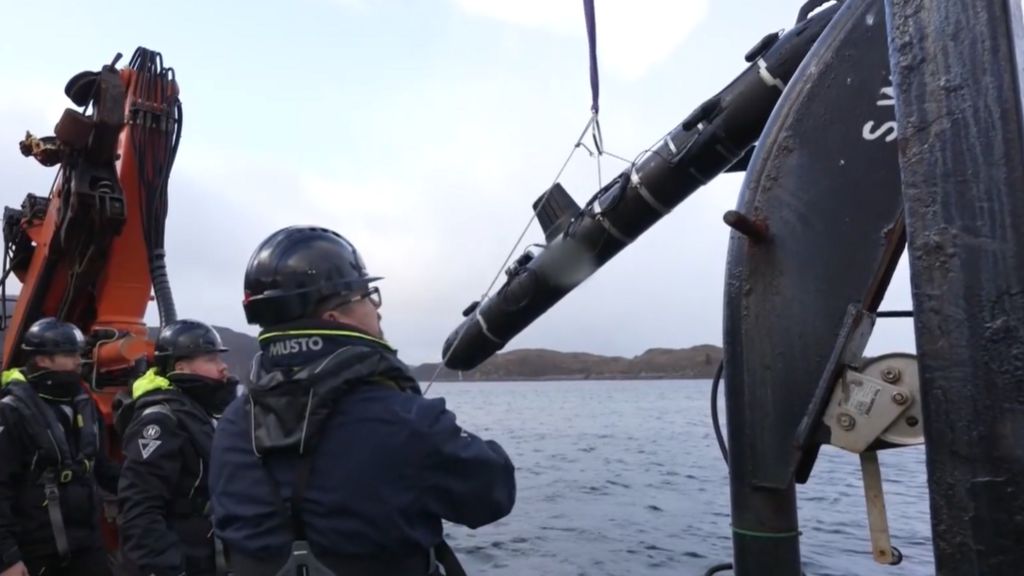
    Beneath the murky waters off Scotland’s western coast, a revolutionary autonomous defense system is being deployed to safeguard national security. The SG-1 Fathom, a torpedo-shaped glider with wing-like appendages, operates silently as it patrols the depths, its advanced sensors constantly gathering intelligence on potential underwater adversaries.

    Developed by German defense contractor Helsing and currently undergoing trials with the Royal Navy, this cutting-edge technology represents a significant advancement in maritime surveillance. The Fathom glider is engineered for extended autonomous operations, capable of patrolling for months without human intervention while working in coordination with dozens of similar units.

    Programme Manager Katie Raine explains the system’s capabilities: ‘The glider processes and identifies threats more quickly than we’ve been able to do previously, using software trained on decades of acoustic data.’ This enhanced detection capability is specifically designed to counter Russian submarines suspected of covertly mapping the UK’s critical undersea infrastructure, including communication cables and energy pipelines.

    The Fathom system forms a crucial component of Atlantic Bastion—a comprehensive defense network incorporating drones, warships, and surveillance aircraft. The Ministry of Defence unveiled elements of this program Monday, stating it directly addresses ‘the resurgence in Russian submarine and underwater activity.’ Official reports indicate a 30% increase in Russian vessels threatening UK waters over the past two years.

    Defence Secretary John Healey emphasized the urgency of the situation during a recent Portsmouth visit, stating, ‘This is about keeping us ahead of the Russians.’ He highlighted government investments in new technologies, including remote-controlled speedboats, unmanned helicopters, and the 12-meter Excalibur unmanned submarine.

    The UK has strengthened its response through the Lunna House Agreement, a defense pact with Norway enabling joint operations against Russian submarine activities. First Sea Lord Gen Sir Gwyn Jenkins acknowledged the challenge: ‘We’re still ahead in the Atlantic, but not by as much of an advantage as I would like. We’re being pressed, and we’re definitely in the competition to stay ahead.’

    However, some experts express skepticism about the strategy. Prof Peter Roberts of RUSI argues that the Royal Navy ‘does not have the ships to do this job coherently or credibly’ and is relying on drones as cheaper alternatives to proper naval assets. He suggests Russia has operated largely unchallenged in UK waters for years, with current measures representing belated attempts to address long-ignored threats.

    Russia has dismissed UK concerns as provocative and hysterical, with Foreign Ministry spokesperson Maria Zakharova warning that increased monitoring of Russian naval activity risks ‘provoking unnecessary conflicts’ in international waters. Despite diplomatic tensions, military officials maintain they are proceeding with clear-eyed determination to protect critical undersea infrastructure from potential disruption.