作者: admin

  • Trump to seek tangible trade wins in Xi summit

    Trump to seek tangible trade wins in Xi summit

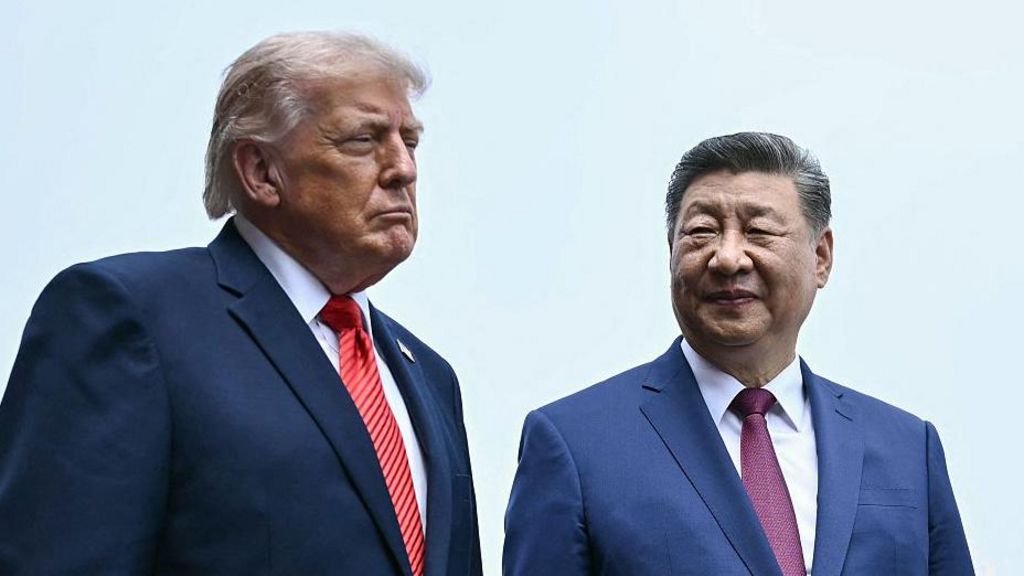
    When U.S. President Donald Trump arrived in Beijing for his landmark summit with Chinese leader Xi Jinping — the first visit by a sitting American president in nearly a decade — high expectations for breakthrough progress on trade and bilateral relations hung over the meetings. But after a day of ceremonial handshakes and official banquets, a blunt warning from Xi over the sensitive issue of Taiwan overshadowed the proceedings, as the U.S. delegation heads into the final day of talks on Friday focused on securing tangible trade and geopolitical wins.

    On the trade front, Trump is seeking to lock in major commercial agreements across key sectors ranging from agriculture and commercial aviation to cutting-edge artificial intelligence. He is joined on the trip by a roster of top American business leaders, including Tesla CEO Elon Musk and Nvidia chief Jensen Huang, highlighting the private sector’s stake in improved bilateral commercial ties. Ahead of Friday’s trade-focused discussions, Trump previewed one high-profile deal in an interview with Fox News, confirming that China has agreed to purchase 200 Boeing commercial jets. Markets reacted cautiously to the announcement, however: shares of Boeing dipped immediately after the reveal, as investors had anticipated a larger, more substantial purchase agreement.

    Beyond commercial deals, the Trump administration is also pushing for progress on geopolitical flashpoints, most notably the ongoing Middle East conflict and its impact on global energy supplies. In his Fox News interview, Trump said that Xi gave him clear reassurance that China will not provide military aid to Iran amid the ongoing war, a key win for the U.S. administration. “He said he’s not going to give military equipment… he said that strongly,” Trump told reporters, adding that Xi shares the U.S. goal of keeping the Strait of Hormuz — the critical maritime chokepoint through which 20% of the world’s oil supplies pass — open to global shipping. The White House later confirmed in a brief official readout that both leaders “agreed that the Strait of Hormuz must remain open to support the free flow of energy.” This issue has already upended the summit schedule: Trump was originally scheduled to travel to Beijing in late March, but postponed the trip over tensions linked to the Hormuz closure.

    Talks between the two global powers are also set to address the emerging framework for AI governance, with U.S. Treasury Secretary Scott Bessent telling CNBC that the world’s two leading AI powers are negotiating to establish “guardrails” for responsible development and deployment of the technology. Despite this opening for dialogue, longstanding frictions remain: U.S. export controls on advanced AI semiconductors and related technology to China remain one of the most contentious issues in bilateral trade relations.

    Diplomatic undercurrents have shaped the tone of the summit from the start. While Trump has repeatedly praised Xi, calling him a “great leader” and a “friend,” the Chinese side has responded with relatively muted diplomatic overtures. That dynamic shifted sharply on Thursday, when Xi delivered an uncharacteristically blunt warning that any missteps on the Taiwan issue could push the two nuclear-armed superpowers into open conflict. Trump declined to address Xi’s Taiwan warning when questioned by reporters Thursday, but Bessent said the president would share more details of his position “in the coming days.”

    The two leaders also touched on long-term great power dynamics during their first day of talks, with Xi referencing the so-called Thucydides Trap — the theory that a rising power will inevitably clash with an existing dominant power. Xi emphasized that Beijing and Washington have the ability to transcend this historical risk, avoiding conflict despite their growing competition. In a post on his Truth Social platform early Friday, Trump framed Xi’s reference to great power shifts through a domestic political lens, noting that Xi “very elegantly referred to the United States as perhaps being a declining nation.” Trump claimed that Xi’s observation was not aimed at his own administration, which he says has overseen an “incredible rise” for the U.S., but rather at the tenure of his predecessor Joe Biden. “Two years ago, we were, in fact, a Nation in decline,” Trump wrote. “Now, the United States is the hottest Nation anywhere in the world, and hopefully our relationship with China will be stronger and better than ever before!” He added that Xi “congratulated me on so many tremendous successes.”

    As the two leaders enter the final day of negotiations, observers are watching to see whether the summit will deliver on Trump’s promises of tangible wins, or whether lingering disputes over Taiwan, AI trade controls, and the Middle East will overshadow any potential progress.

  • The Eurovision final lineup is confirmed after 5 more countries are sent packing

    The Eurovision final lineup is confirmed after 5 more countries are sent packing

    VIENNA — The final lineup for the 2025 Eurovision Song Contest has been locked in, following the conclusion of the second semi-final that saw five competing nations eliminated from the pan-continental pop competition on Thursday night.

    Fifteen competing acts took the stage in the second semi-final, fighting for 10 remaining spots in the 25-act grand final scheduled for Saturday. Advancement to the final was determined by a combined vote of national juries and public viewers from across participating countries.

    Qualifiers advancing to the grand final include Denmark’s Søren Torpegaard Lund with his soulful, moody entry “Før Vi Går Hjem” (Before We Go Home), Australian global star Delta Goodrem with her soaring power ballad “Eclipse”, and Bulgarian pop artist Dara with the upbeat, infectious track “Bangaranga.” Rounding out the second semi-final’s qualifying acts are Daniel Žižka of Czechia, Leléka of Ukraine, Alis of Albania, Aidan of Malta, Antigoni of Cyprus, Alexandra Căpitănescu of Romania, and Jonas Lovv of Norway. Eliminated acts from the semi-final represent Azerbaijan, Luxembourg, Armenia, Switzerland and Latvia.

    The 10 remaining finalists secured their spots in the competition during the first semi-final held on Tuesday. This group includes Finnish performers Pete Parkkonen and Linda Lampenius, Greek rapper Akylas, Serbian goth metal outfit Lavina, Moldovan folk-rap fusion artist Satoshi, and Israeli singer Noam Bettan. Like all past winners and the largest financial backers of the contest, the 2024 champion Austria automatically claims a spot in the final as this year’s host nation, alongside the so-called “Big Five” funders: the United Kingdom, France, Germany and Italy, who also bypass the semi-final round.

    While the competition’s official 2025 motto is “United by Music”, with a stated mission to bring European nations together through art beyond political divides, the event has once again become the center of heated political tensions that have overshadowed much of the lead-up to Saturday’s final. The contest has a long history of navigating geopolitical friction: Russia was fully expelled from the competition in 2022 following its full-scale invasion of Ukraine, a move that mirrored growing global condemnation of the Kremlin’s military campaign.

    The 2024 contest hosted in Malmo, Sweden and the 2023 event in Basel, Switzerland were both disrupted by large pro-Palestinian protests demanding Israel’s expulsion from the contest over its ongoing military campaign against Hamas in Gaza. Organizers confirm a new demonstration against Israel’s participation is planned to take place ahead of Saturday’s grand final in the Vienna arena.

    This year, five nations — Spain, Ireland, the Netherlands, Slovenia and Iceland — have launched a full boycott of the 2025 contest in direct protest of Israel’s inclusion. This boycott has delivered a tangible financial and audience hit to the iconic event. Last year, Eurovision organizers reported a global viewership of 166 million people, and the absence of five major national broadcasters means both reduced revenue from participation fees and lower overall viewership this year. While Bulgaria, Moldova and Romania have returned to the competition after sitting out recent editions for artistic or financial reasons, 2025 still has the smallest number of participating countries since 2003.

    Beyond the protests, Israel has also faced formal accusations of violating contest rules with an organized off-platform marketing campaign designed to coordinate mass votes for its entrant. In response to the allegations, the European Broadcasting Union (EBU), the governing body that oversees Eurovision, updated and tightened contest voting rules ahead of this year’s event. The new rules cut the maximum number of votes per viewer in half to 10, and added enhanced monitoring systems to flag and disqualify “suspicious or coordinated voting activity.”

    When Israeli entrant Noam Bettan performed during Tuesday’s first semi-final, his set was interrupted by scattered protest chants from audience members. In a break from past event protocols, Austrian host broadcaster ORF has confirmed Palestinian flags will be permitted inside the competition arena, and the network will not mute audience booing for broadcast, a policy designed to preserve the live nature of the event even amid tension.

    Despite the ongoing challenges and boycotts, Eurovision leadership remains focused on long-term growth and reconciliation. The contest is already scheduled to launch its first official Asian spin-off, Eurovision Song Contest Asia, which will hold its inaugural edition in Bangkok this coming November. Contest director Martin Green also shared Thursday that he is optimistic about the return of Hungary, which has not participated in Eurovision since 2019, following the replacement of nationalist-populist former Prime Minister Viktor Orbán by new Prime Minister Péter Magyar.

    Green emphasized that the competition remains open to the five boycotting nations, adding that organizers are eager to welcome them back to future editions of the contest. “We’ve made it very clear to them we can’t wait for them to come back,” Green said.

  • Palestine Action prisoner with muscular dystrophy says he is forced to ‘crawl like a wounded dog’

    Palestine Action prisoner with muscular dystrophy says he is forced to ‘crawl like a wounded dog’

    A remand prisoner linked to the activist group Palestine Action has laid bare damning allegations of systemic medical neglect and degrading treatment at a high-security London prison, detailing how failures to provide adequate mobility support and care have left him crawling across cell floors to access basic needs.

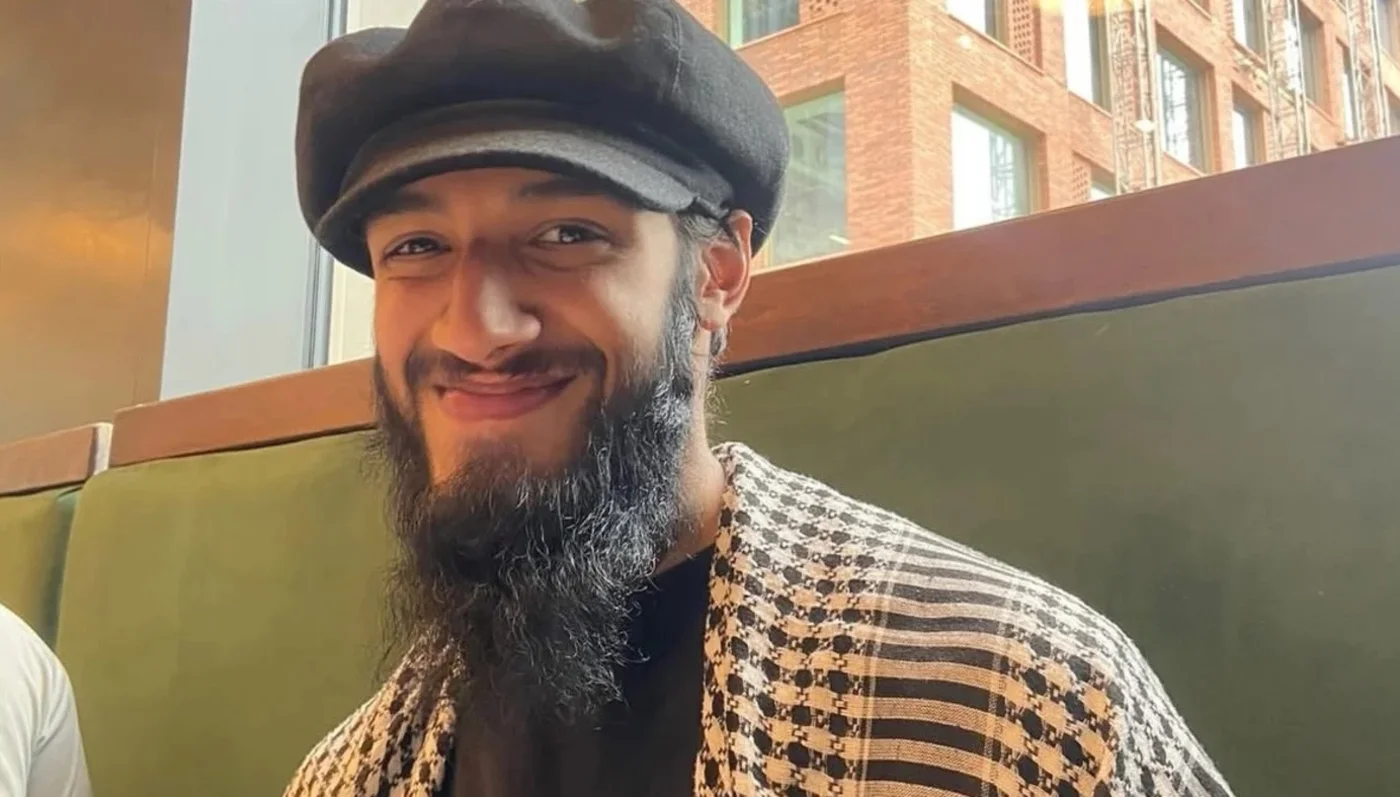
    Muhammad Umer Khalid, 23, is currently held at HMP Wormwood Scrubs awaiting trial over charges connected to a June 2023 break-in at a Royal Air Force base. Living with incurable progressive muscular dystrophy – a rare genetic condition that causes gradual muscle wasting, requiring consistent physical activity and specialized high-protein nutrition to slow deterioration – Khalid claims the UK prison service has systematically failed to meet his documented medical needs for months.

    Since being placed in 23-hour-a-day cell lockdown last October, Khalid says his mobility has declined sharply. What began as gradual weakness has progressed to a total loss of the ability to walk, forcing him to crawl through the prison to access medication, legal appointments, and family visits. In an interview with Middle East Eye (MEE) conducted through an intermediary, he described the humiliation of crawling past dozens of fellow inmates, saying staff treat him like a wounded animal rather than a human being entitled to dignity.

    Multiple failures in providing even basic adaptive equipment have compounded his condition. Khalid submitted repeated requests for a custom wheelchair, and even after a prison physiotherapist formally approved his need for the device on March 14, the prison only issued an ill-fitting chair two weeks later. The first wheelchair provided was too large to fit through his cell door or narrow prison corridors, leaving Khalid to crawl between his bed and toilet – a journey that can take up to an hour to complete. For more than 20 weeks, the prison also ignored requests for a shower chair, leaving him unable to bathe for nearly five months.

    Worse still, prison staff have cited internal health and safety rules to refuse any physical assistance to Khalid, and have barred fellow inmates from helping him. Staff cannot push his wheelchair, lift him, or support him with basic daily tasks, he says. During a facility-wide fire evacuation on April 23, Khalid was left locked in his cell alone while all other prisoners were moved to safety. Even after multiple requests, staff have refused to bring his daily medication to his cell, forcing him to crawl to the medication collection point regardless of his pain or mobility limits.

    Khalid added that prison staff, including a member of the facility’s medical team, have repeatedly accused him of faking his condition’s rapid deterioration, despite existing medical documentation confirming his diagnosis and progression. Over three months, he has only been seen by a doctor three times, and has missed two critical neurology appointments – one scheduled for April 7, which he was unable to attend because the prison failed to provide a wheelchair that could transport him to the clinic. Existing medical evidence submitted to courts confirms his condition has worsened dramatically since entering custody, directly linking the decline to his poor detention conditions.

    In April, Justice Cheema-Gubb denied Khalid’s most recent bail application, ruling that while there were legitimate concerns about the timeliness and quality of his care, his condition could still be managed in a custodial setting. The judge ordered that a copy of her ruling be sent to prison leadership, with instructions to urgently address the gaps in care identified in the medical evidence and conduct regular reviews. However, Khalid’s solicitor Laura O’Brien says little has changed in the weeks since the ruling.

    O’Brien told MEE that the full set of Khalid’s medical records were shared with the prison immediately after his remand, to help staff understand the needs of his progressive condition. “Despite incontrovertible medical evidence that he has a progressive genetic condition, and that it is getting worse, there has been a continued suggestion that he’s putting it on,” she said. O’Brien explained that prison officials have claimed they do not need to provide a full-time wheelchair because they have seen Khalid walking short distances, but they fail to understand that even small amounts of walking causes permanent micro-tear damage to his muscles that his condition prevents him from recovering from.

    “Those in a custodial setting have a right to be treated fairly and with dignity as much as anyone else,” O’Brien said. “With inadequate care from the prison, the damage could be significant if his medical needs, including being provided with a wheelchair, accessible spaces to shower, use of the toilet and access to physiotherapy, are not met.”

    In a minor update this week, the prison replaced the oversize wheelchair with a smaller model that can navigate prison corridors, though it still does not fit inside his cell. Prison officials have also finally issued a shower chair and ordered a new custom-sized wheelchair. O’Brien said the legal team welcomed the small steps but hopes further delays will not force Khalid to continue fighting for basic care.

    Khalid says that while he remains mentally resilient, he lives in constant pain and has begun experiencing breathing difficulties as the muscle wasting progresses to his arms. “My arms are beginning to waste away, which will stop me from even being able to operate my own wheelchair,” he said. The situation has also placed enormous strain on his family, who managed his condition carefully for nearly a decade after his 2014 diagnosis. His mother Shabana told MEE that during a recent visit, he showed her his legs, which had withered to the point of looking like “a skeleton with skin hanging off” – a sight she described as heartbreaking.

    Khalid was one of eight Palestine Action-linked prisoners who held a hunger strike last winter to protest poor detention conditions, ending the action in January. MEE reached out to the UK Ministry of Justice for comment on the allegations but did not receive a response ahead of publication.

  • Iran turns to Pakistan land corridor as US naval pressure disrupts Gulf trade

    Iran turns to Pakistan land corridor as US naval pressure disrupts Gulf trade

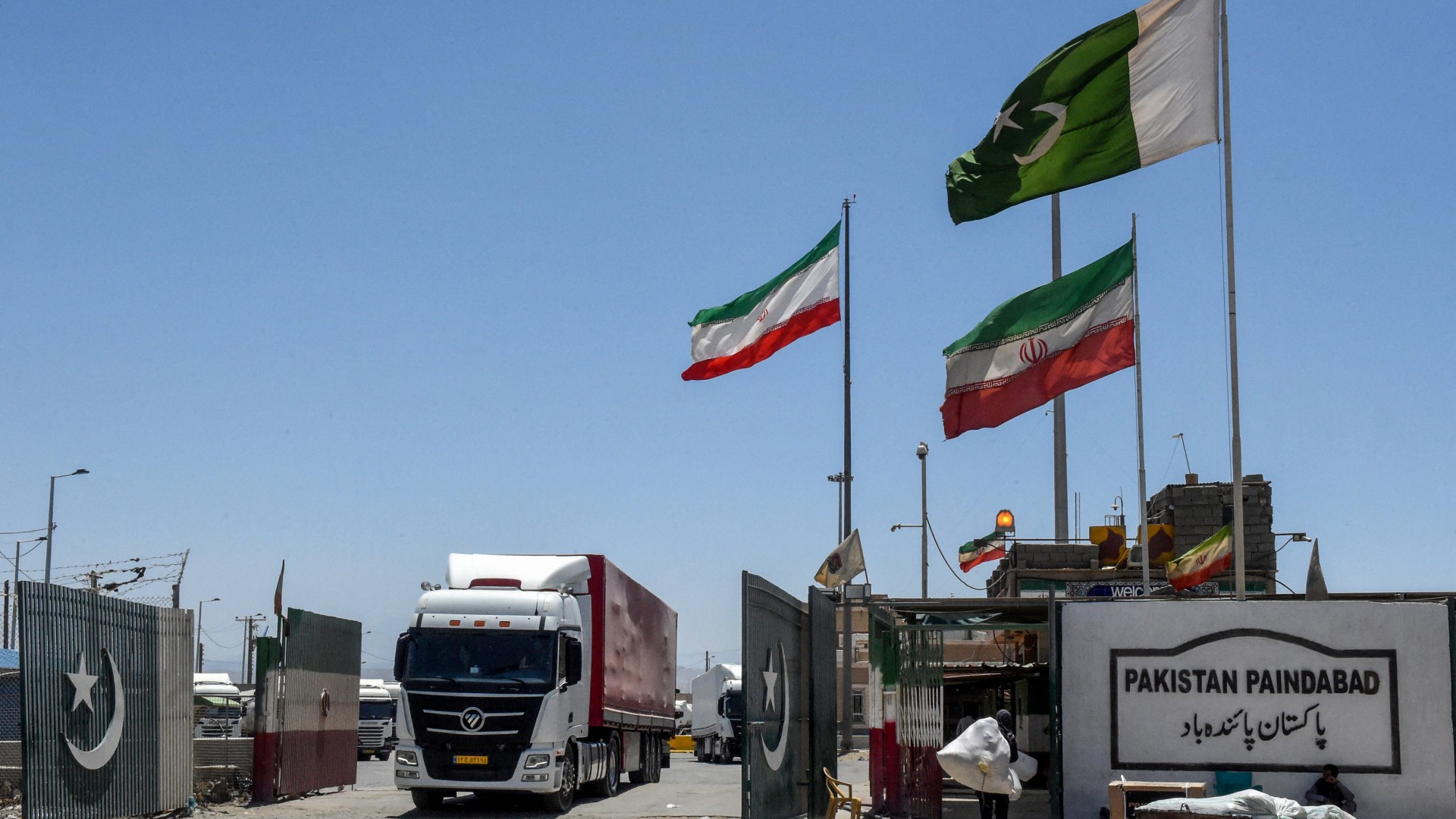
    Facing escalating US naval pressure that has crippled its maritime access to the Arabian Gulf and Persian Gulf, Iran has pivoted eastward, breathing new life into a decades-dormant overland trade corridor project with Pakistan that offers a critical alternative to blockaded sea routes. Now in its fifth week, the US blockade has thrown Iran’s regional trade into disarray: thousands of containers bound for the Islamic Republic have been stranded at Pakistan’s Karachi Port, war-risk insurance premiums for shipping passing through the Strait of Hormuz have skyrocketed, and most major carriers have suspended Iran-bound voyages entirely.

    In late April, just days after a second round of US-Iran negotiations collapsed, Pakistan’s Ministry of Commerce issued a little-noticed regulatory order, SRO 691, formally designating six new transit corridors that allow third-party cargo bound for Iran to travel overland across Pakistani territory from Pakistani ports. The move revives a bilateral road transport agreement first signed by the two nations in 2005 that sat idle for nearly 20 years, connecting Pakistan’s three major deep-water ports – Karachi, Port Qasim, and the China-backed Gwadar Port – to two Iranian border crossings in Balochistan: Gabd and Taftan. The shortest route, linking Gwadar to Gabd, cuts travel time to the border to just two to three hours, down from 18 hours over the route from Karachi.

    For years, Tehran refused to move forward with the project out of concern that expanding activity at Gwadar would draw trade away from Chabahar, Iran’s own Indian-funded deep-water port on the Gulf of Oman. But that strategic calculation shifted dramatically after the outbreak of regional conflict and the imposition of the US naval blockade, which left Chabahar exposed to growing instability. The urgency of the project was underscored by the timing of Iranian Foreign Minister Abbas Araghchi’s high-profile visit to Islamabad, where he met with Pakistani Prime Minister Shehbaz Sharif and Army Chief Asim Munir just as the corridor order was announced.

    Beyond providing immediate relief for Iran’s import crunch, the corridors open a new long-term pathway for regional trade extending all the way to Central Asia. Trial shipments, including a refrigerated cargo of meat bound for Uzbekistan, have already traversed the route, with cargo moving north from the Iranian border through Iran’s domestic road network to Central Asian markets. Analysts note that the corridor exposes a key limitation of the US maritime blockade: goods shipped from China and other major trade partners to Pakistan can be unloaded outside Iranian jurisdiction and transported overland, bypassing blockaded Iranian waters and the Strait of Hormuz entirely. Currently, Tehran is increasingly relying on a network of alternate overland and maritime routes through Pakistan, Turkey, the Caucasus, and the Caspian Sea to keep import flows moving.

    The arrangement operates in a legally ambiguous space: Pakistan does not formally enforce US sanctions on Iran, and existing US sanctions frameworks allow for limited non-US trade with Iran as long as transactions avoid explicitly sanctioned entities. To date, the White House has not issued any formal public objection to the corridor; when asked about the project, US President Donald Trump only stated he “knows everything about it” without further elaboration.

    Analysts emphasize that the new corridors are an adaptive response to wartime pressure, not a fundamental fix for Iran’s deep-seated economic challenges under sanctions. “These land routes are less a major economic transformation for Iran than a form of economic breathing space under pressure,” explained Mostafa Modabber, a South Asia-based analyst. Fatemeh Aman, an independent specialist on Iran-South Asia relations, echoed that assessment, noting that “land routes cannot match the scale, speed or profitability of maritime trade. They may reduce vulnerability at the margins, but they are unlikely to fundamentally change Iran’s broader economic challenges under sanctions and conflict conditions.”

    The project also faces significant practical and political obstacles. Pakistan grapples with underdeveloped transport infrastructure in Balochistan, pervasive corruption within customs agencies, persistent insecurity in border regions, and widespread influence from informal smuggling networks. Islamabad also walks a delicate diplomatic tightrope, balancing its economic interests with Iran against its ties to Washington, Riyadh, and other Gulf states, and remains hesitant to openly confront the US should Washington choose to intensify pressure on Iran-related trade. Even after the corridor’s formal launch, many stranded containers in Karachi continue to move slowly, as Pakistani banks and logistics firms remain wary of potential US secondary sanctions.

    Despite these challenges, the corridor carries broader strategic significance for regional trade architecture. It links Iran directly to two major integrated trade networks: the China-Pakistan Economic Corridor (CPEC) and the International North-South Transport Corridor (INSTC) that connects Iran to Russia and India. For China, Iran’s largest remaining major trading partner, the route offers a way to sustain critical supply chains without full dependence on maritime lanes vulnerable to US naval interdiction. For Pakistan, the project advances its long-held goal of positioning itself as a key transit hub connecting South Asia to Central Asia and the Middle East, while also boosting the commercial viability of Gwadar Port, the centerpiece of CPEC.

    The reactivation of the Iran-Pakistan corridors reflects a larger ongoing shift in regional trade patterns as traditional maritime lifelines through the Strait of Hormuz become increasingly contested. What began as a emergency workaround for a five-week blockade has emerged as a visible signal of how quickly regional powers are reworking trade routes to adapt to rising geopolitical tension.

  • Israel to sue New York Times for article describing its rape of Palestinians

    Israel to sue New York Times for article describing its rape of Palestinians

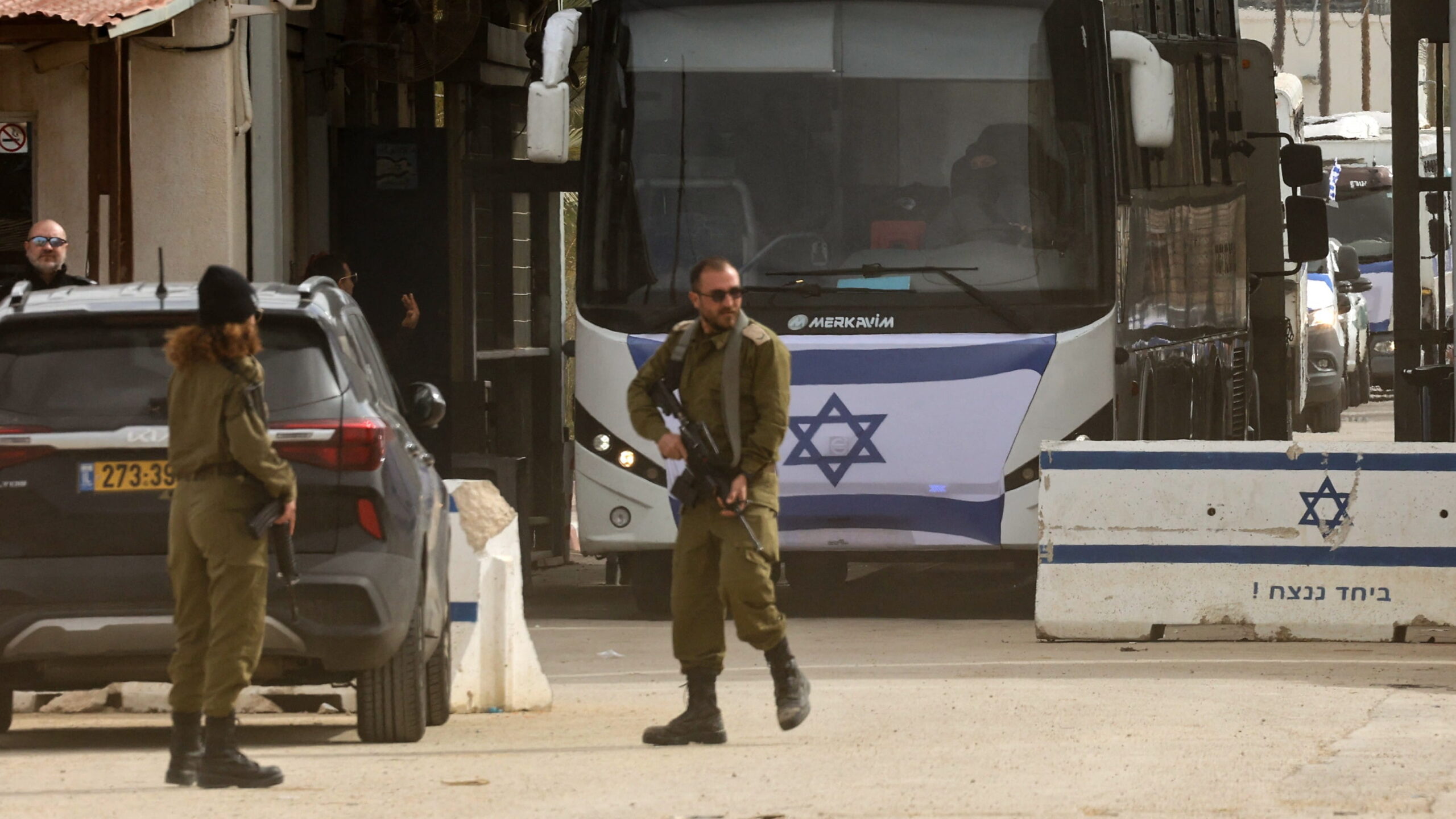
    A bitter legal clash is brewing between the state of Israel and one of the world’s most prominent newspapers, after The New York Times stood by a high-profile opinion column that documented allegations of systemic sexual assault and rape against Palestinian detainees held in Israeli custody.

    The confrontation moved forward this week after the paper reaffirmed its support for the reporting of veteran columnist Nicholas Kristof, prompting Israel’s Ministry of Foreign Affairs (MFA) to announce it would move forward with a defamation lawsuit against the outlet, the agency confirmed in a post on the social platform X Thursday.

    Kristof’s deeply researched investigative opinion piece opens with a unifying call for readers: regardless of where they stand on the decades-long Israeli-Palestinian conflict, all people should be able to join in condemning sexual violence as a human rights abuse. The column centers on harrowing, first-hand testimonies from Palestinian survivors of assault by Israeli security personnel, including accounts of assault using military dogs, vegetables, and batons that left serious internal injury.

    One detailed account comes from 46-year-old Palestinian journalist Sami al-Sai, who told Kristof he was sexually assaulted by both male and female Israeli soldiers while they filmed the attack, describing being violently grabbed in his genitals until he begged for the assault to stop.

    In a statement defending the column, a New York Times spokesperson emphasized that Kristof’s work was the product of rigorous, in-depth reporting. But Israeli officials and public figures have pushed back fiercely, dismissing the allegations as a modern iteration of the medieval ‘blood libel’ – a centuries-old antisemitic falsehood that was used to justify mass violence against Jewish communities across Europe for hundreds of years.

    Following the paper’s decision to uphold the reporting, Prime Minister Benjamin Netanyahu and Foreign Minister Gideon Sa’ar have formally ordered the MFA to launch the defamation proceeding against The New York Times. In an official statement, the MFA called Kristof’s piece one of the most ‘hideous and distorted lies’ ever published against the Israeli state by a major modern media outlet.

    This is not the first time such allegations have come to light: independent outlet Middle East Eye published a similar report last month, based on investigation from the West Bank Protection Consortium. The coalition of human rights groups documented a minimum of 16 separate cases of sexual violence perpetrated by Israeli soldiers and settlers in the occupied West Bank, in a report focused on how gender-based violence is used to force Palestinian displacement from the region.

    Kristof’s reporting draws on corroborating evidence from multiple independent human rights organizations that have documented sexual violence by Israeli personnel, including Euro-Med Monitor, Save the Children, the Committee to Protect Journalists, and leading Israeli human rights group B’Tselem. The columnist also interviewed Israeli legal professionals who confirmed that the sexual abuse of Palestinian detainees is a widespread, underreported problem.

    In his column, Kristof argued that decades of systemic dehumanization of Palestinians by Israeli institutions has created conditions that enable these abuses to continue with impunity. He added that the true scale of violence is almost certainly far higher than documented, because sexual assault is deeply stigmatized in conservative Palestinian society, leaving most survivors unwilling to come forward publicly. Very few of the survivors he interviewed agreed to be named, but Kristof noted overlapping patterns in their testimonies that point to a systemic, institutional problem rather than isolated incidents.

    Kristof also drew direct connection to United States policy, noting that American taxpayer funding subsidizes the Israeli security establishment, making the U.S. complicit in the sexual violence documented in the piece.

  • What happens next in the Alex Murdaugh case?

    What happens next in the Alex Murdaugh case?

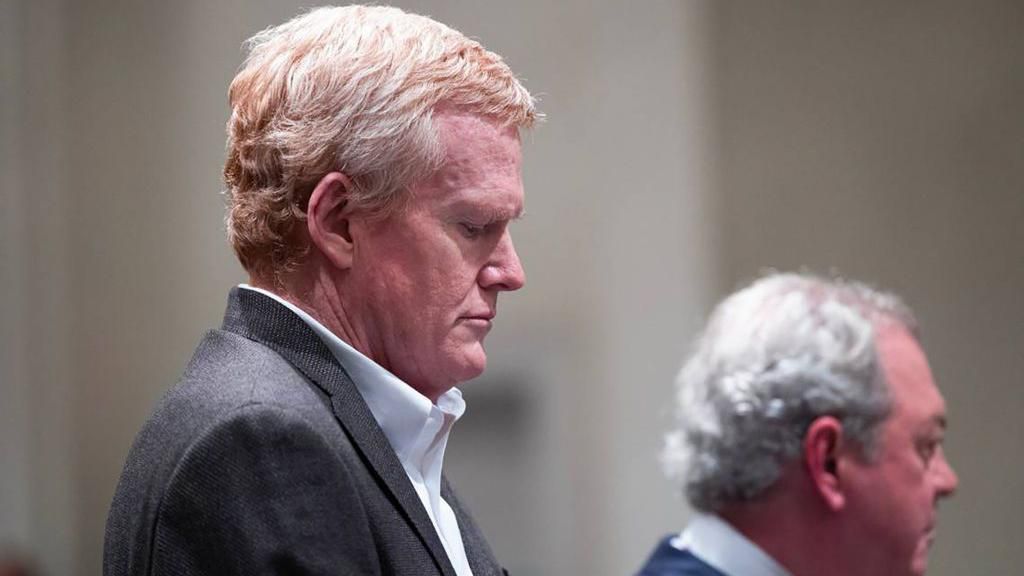
    Once one of South Carolina’s most powerful legal figures, Alex Murdaugh, convicted of orchestrating the 2021 murders of his wife Maggie and son Paul, will face a retrial after the state’s highest court unanimously threw out his original murder convictions. The landmark ruling hinged on a finding of unfair trial bias, caused by improper interference from the trial court clerk that undermined the integrity of the first jury proceedings.

    In its unanimous decision, the South Carolina Supreme Court confirmed that court clerk Rebecca Hill improperly influenced the jury by instructing members to “watch [Murdaugh] closely” and discount his testimony. The ruling noted Hill had “placed her fingers on the scales of justice”, and months after the original conviction, she published a tell-all book about the high-profile proceedings. The case, which has gripped national public attention for years, has spawned a dedicated podcast, feature documentary, television miniseries and multiple books, cementing its status as one of the most followed true crime cases in recent U.S. history.

    Following the ruling, Murdaugh’s defense team has celebrated the decision and expressed full confidence in securing an acquittal at retrial. At 56 years old, Murdaugh was already serving two consecutive life sentences for the 2021 murders, and he remains incarcerated on separate, untouched convictions for extensive financial crimes that include a 27-year state sentence and 40-year federal sentence for stealing millions of dollars from client settlement funds to feed a years-long opioid addiction. Those financial convictions have not been challenged or overturned in this ruling. Defense attorneys Dick Harpootlian and Jim Griffin confirmed their client maintains his total innocence in the murders, and has ruled out any possibility of a plea deal to avoid a new trial.

    Speaking to media outlets, Griffin shared that Murdaugh feels “grateful” and “surprised” by the court’s decision, and is deeply relieved to have the label of convicted murderer of his wife and son formally removed. Harpootlian added that because the original jury was improperly lobbied to convict, a new, unbiased jury will give Murdaugh a fair shot at acquittal. The state supreme court’s ruling also placed critical new restrictions on the use of evidence related to Murdaugh’s financial crimes in the upcoming retrial, finding that original prosecutors overstepped by overemphasizing the financial convictions as a supposed motive for murder. The new trial must strictly limit discussion of financial wrongdoing to only what directly supports the prosecution’s case, and exclude inflammatory, non-relevant details of the fraud offenses, which Murdaugh has already admitted to committing.

    Prosecutors have confirmed they will move forward with a retrial rather than appeal the decision to the U.S. Supreme Court. Lead prosecutor Creighton Waters told *Good Morning America* that retrying the case as soon as possible is the best path forward for justice. South Carolina Attorney General Alan Wilson echoed that commitment in an official statement, vowing to “aggressively seek to retry Alex Murdaugh for the murders of Maggie and Paul as soon as possible”.

    Looking ahead to the proceedings, key procedural questions remain unresolved. A new trial will require an entirely new jury, but finding impartial jurors in Colleton County, the case’s original jurisdiction where nearly all residents followed the first trial closely, is expected to be extremely difficult. Legal experts note a change of venue to another county across South Carolina is highly likely, with some observers joking that only an off-world venue could guarantee a fully unbiased jury given the case’s massive global media coverage. It also remains unclear whether Murdaugh, who took the stand in his own defense during the first trial, will testify again in the retrial, with his attorney declining to confirm that detail.

    While Murdaugh remains behind bars for his intact financial convictions, there is a path to his eventual release if his legal team secures further victories: he could still appeal his financial convictions, and if those were overturned alongside an acquittal in the murder retrial, he would be eligible for immediate release. Prosecutors have not yet set a firm timeline for the new trial, noting that complex high-profile cases move slowly, comparing the legal process to a marathon rather than a sprint. For context, Maggie and Paul Murdaugh were found dead in June 2021, Alex Murdaugh was not arrested for their murders until July 2022, and his first trial began six months after that arrest.

  • Clashes erupt in Bolivia as miners set off dynamite and police fire tear gas

    Clashes erupt in Bolivia as miners set off dynamite and police fire tear gas

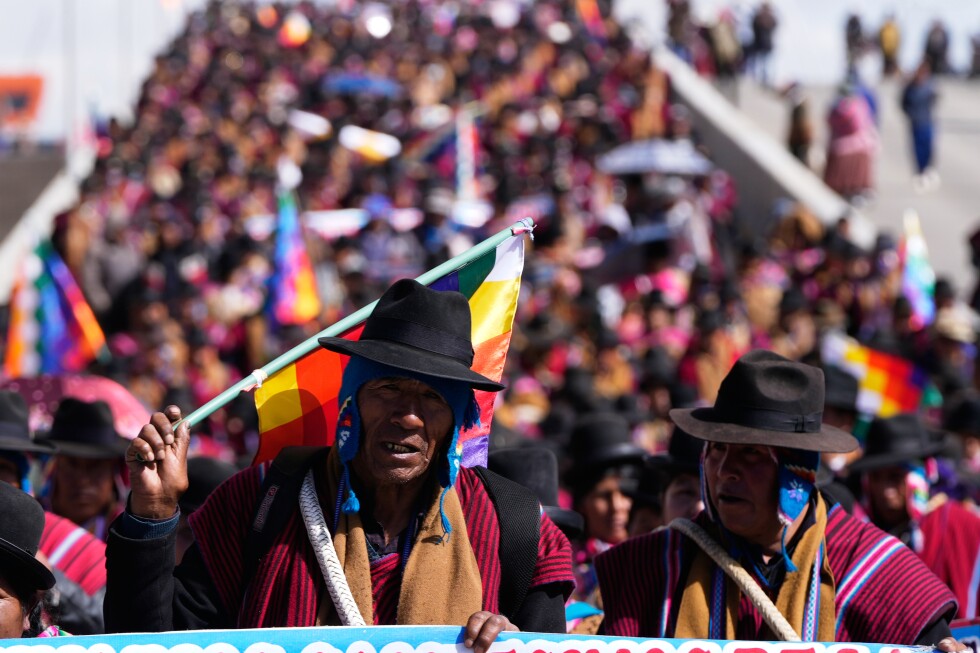
    Fresh violence has shaken Bolivia’s capital city of La Paz, where violent confrontations broke out Thursday between law enforcement and protesting miners, marking the second consecutive week of rolling nationwide civil unrest that threatens the young administration of President Rodrigo Paz.

    According to on-site reports, police deployed tear gas to scatter the crowd of thousands of mining workers, who had advanced toward the seat of national government, the Palacio Quemado, and set off small dynamite blasts to clear their path. The use of homemade explosives has grown increasingly frequent across recent days of unrest, as demonstrators escalate their tactics to push their demands.

    President Paz, who took office at the end of 2024, ended nearly two decades of uninterrupted single-party rule in the Andean nation when he was inaugurated, promising a new chapter of governance and reform. But just months into his term, he is facing a rapidly growing crisis that has paralyzed the capital and spread across the country.

    The mass mobilization of miners is the most high-profile in a wave of overlapping protests that have brought central La Paz to a standstill. Miners initially gathered to demand revisions to national labor policies and increased access to subsidized fuel, but as the demonstration dragged on, chants calling for Paz’s resignation grew louder among the crowd.

    The unrest has drawn in multiple groups in recent days, compounding pressure on the new government. Earlier on Thursday, thousands of rural public school teachers joined a separate march through the city center, calling for substantial pay increases. Combined with widespread road blockades erected by protest groups across the region, the overlapping mobilizations have completely choked off movement and normal activity in the capital.

    The current wave of demonstrations first began when rural farmers launched protests to oppose a recently passed law that allowed for private land to be used as collateral for mortgage loans. Responding to early pressure, President Paz announced a presidential decree Wednesday evening that formally annulled the controversial legislation and appealed directly to demonstrators to stand down and end their blockades and marches. Despite the concession, protests have only accelerated and expanded, with new groups joining the movement to push a broad set of additional grievances against the new administration.

  • Trump and Xi hold talks but no trade deal agreed

    Trump and Xi hold talks but no trade deal agreed

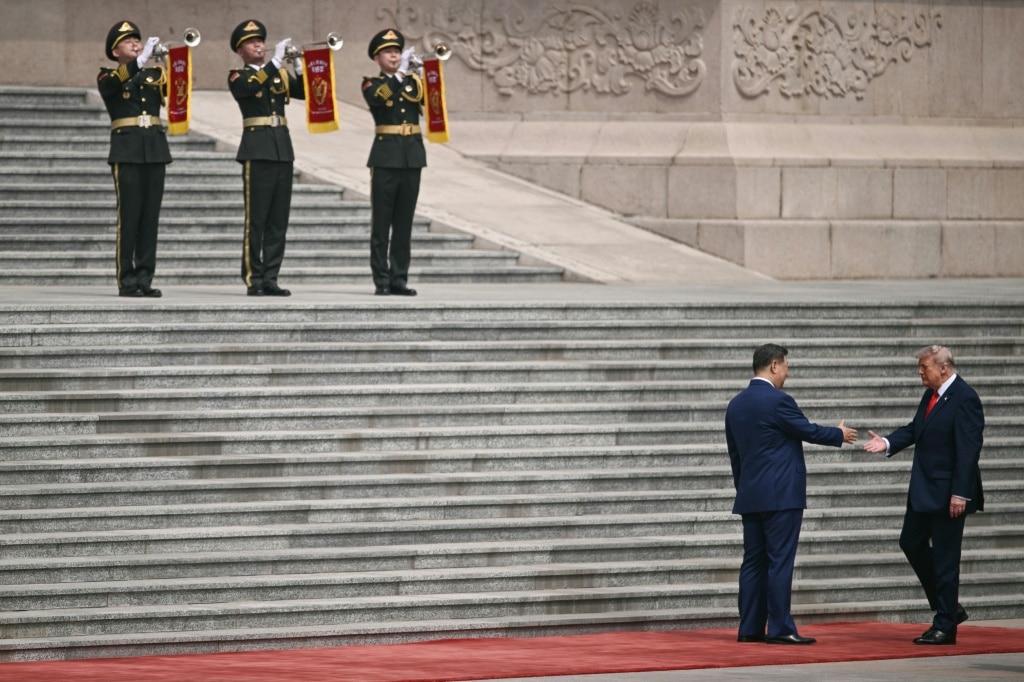
    When Air Force One touched down in Beijing on Thursday, the carefully choreographed welcome ceremony immediately set the tone for a US-China summit defined as much by deliberate symbolism as by tangible policy outcomes. What followed was more than two hours of closed-door talks between US President Donald Trump and Chinese President Xi Jinping, a meeting that framed the world’s largest bilateral economic relationship but ultimately failed to deliver the sweeping trade breakthrough many had anticipated.

    The most visually striking departure from standard diplomatic protocol came in the order of deplaning: Tesla CEO Elon Musk and Nvidia chief Jensen Huang stepped off the aircraft ahead of senior White House cabinet members, including Defense Secretary Pete Hegseth, Senator Marco Rubio and US Trade Representative Jamieson Greer. Both tech leaders remained close to Trump throughout the official welcome at the Great Hall of the People, a placement that carried unavoidable symbolic weight. Musk and Huang represent the most contentious, high-stakes pressure points in the modern US-China economic relationship: electric vehicles, advanced artificial intelligence, and semiconductor manufacturing. Both companies also maintain deep, high-stakes exposure to the Chinese market. Tesla’s global production and revenue rely heavily on its Shanghai Gigafactory and domestic Chinese consumer demand, while Nvidia’s cutting-edge chips are the backbone of the global AI race, and have been the target of strict US export controls designed to block Beijing from accessing advanced computing capabilities. Notably, Huang was not included on the original US delegation list, a last-minute addition that fueled widespread speculation that AI and semiconductor access would hold a more central place in negotiations than previously publicly disclosed.

    Following the talks, both sides offered measured positive framing of the discussions. Trump called the meeting potentially “the biggest summit ever” and described the US-China partnership as “the world’s most consequential economic relationship”, with the White House ultimately characterizing the talks as “highly productive”. For his part, Xi noted that prior bilateral trade negotiations held in South Korea had delivered incremental progress, but paired that acknowledgment with a stark, unprecedented public warning that reshaped the framing of the summit. “If mishandled, the two nations could collide or even come into conflict,” Xi stated of the Taiwan question, according to China’s foreign ministry. This marked a clear shift from past negotiations, where Taiwan was treated as one of several friction points. At this summit, Beijing explicitly framed the Taiwan issue as a core condition for the future of the broader US-China trade and economic relationship. In Beijing’s official readout, Xi emphasized that “the Taiwan question is the most important issue in China-US relations”, and confirmed the two sides had agreed to a “new positioning” for ties centered on “constructive strategic stability”.

    Despite the optimistic rhetoric from both sides, no major new trade deals or structural economic agreements emerged from the meeting. The primary tangible outcome was an agreement to uphold the terms of the October trade truce, which saw Washington suspend planned steep tariff increases on a wide range of Chinese goods, while Beijing rolled back restrictions on rare earth exports to the US. Both leaders also agreed to establish a new “Board of Trade”, a permanent bilateral mechanism designed to manage trade frictions without reopening full, high-stakes tariff negotiations. US officials quickly cautioned, however, that extensive technical work remains to be done before the new board becomes fully operational.

    US negotiators had entered the summit hoping to see new commitments for increased Chinese purchases of American goods, with a particular focus on Boeing commercial aircraft, agricultural products, and energy exports. US Treasury Secretary Scott Bessent had publicly predicted that “large Boeing orders” would be announced during the visit, and noted that Beijing had signaled it would expand purchases of US agricultural and energy goods. While Xi told a gathering of US business leaders that China “doors will open wider” and that American firms would have “broader prospects” operating in the Chinese market, no firm, concrete details for new purchase commitments were released. Bessent later downplayed expectations of major new agricultural breakthroughs, noting that many existing soybean purchase commitments were already covered under prior agreements, but added that there remains significant room for China to expand imports of US energy, including liquefied natural gas (LNG). US farmers have long sought greater access to the Chinese market for soybeans, beef, and poultry, a goal that remains unfulfilled with no new progress announced at the summit.

    Technology and advanced semiconductors remain the deepest unresolved divide between the two powers. The Trump administration’s strict export controls on advanced semiconductors and chipmaking equipment, implemented to slow China’s development of frontier AI capabilities, remain fully in place. Beijing continues to push for loosening these restrictions, while criticizing the controls as an unfair effort to constrain China’s industrial and technological development. Beyond economic issues, Trump also sought Chinese cooperation to stabilize global oil markets amid the ongoing Iran conflict. Volatility in oil prices and repeated disruptions to shipping through the Strait of Hormuz, the world’s most critical energy chokepoint, have driven up import costs for China and pushed global energy prices higher. Trump had publicly stated he hoped China would use its diplomatic influence to encourage Iran to stabilize energy flows through the strait. Chinese readouts confirmed the Middle East was discussed during the summit, but no details of any new agreements or commitments were released.

    For US multinational corporations, the summit left the status quo largely intact: China remains one of the world’s largest consumer markets, but continues to present a challenging operating environment shaped by strict regulation, bureaucratic red tape, and persistent geopolitical uncertainty. While the meeting laid the groundwork for a new ongoing trade dialogue, analysts note that core frictions ranging from semiconductor controls to Taiwan’s status remain unresolved, leaving the future of the bilateral relationship uncertain.

  • Five Italians die during cave dive in Maldives

    Five Italians die during cave dive in Maldives

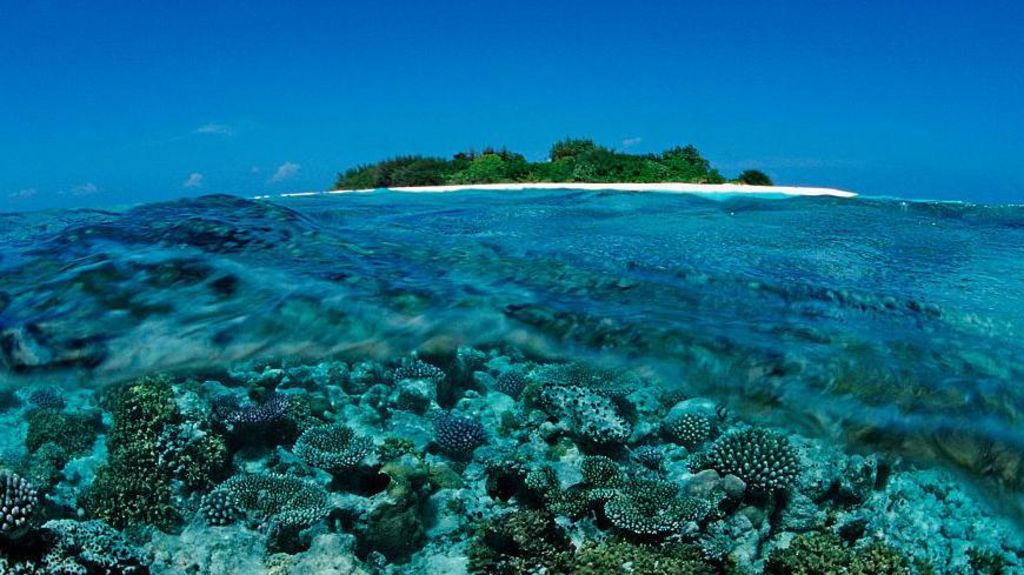
    A catastrophic recreational scuba diving incident in the Maldives has claimed the lives of five Italian nationals, marking the deadliest single diving accident in the history of the popular Indian Ocean tourist destination, Italy’s Ministry of Foreign Affairs confirmed this week.

    Authorities say the group of divers lost their lives while attempting to explore submerged cave systems off Vaavu Atoll, at depths reaching roughly 50 meters (164 feet). The Maldivian military, which is leading the recovery operation, announced that one victim’s body has already been recovered from a cave located around 60 meters underwater, and the remaining four victims are believed to be trapped within the same cave system. Specialized diving teams equipped with advanced deep-water recovery gear have been deployed to the site, but officials have stressed that the search and recovery mission carries extremely high safety risks for rescuers.

    According to local Maldivian media reports, the five Italian divers entered the water early Thursday morning. When the group failed to resurface at the scheduled time, the crew of their dive boat alerted authorities and launched an initial missing person alert. At the time of the incident, the Vaavu Atoll area, located roughly 100 kilometers (62 miles) south of the Maldivian capital Malé, was experiencing rough sea conditions. Local authorities had already issued a yellow weather warning for small passenger vessels and local fishing crews prior to the dive.

    Among the victims are members of Italy’s academic marine science community: the University of Genoa confirmed that the group included one of its veteran marine biology professors, the professor’s daughter, and two early-career researchers from the institution. In an official statement posted to the social platform X, the university offered its “deepest condolences” to the families, friends, and colleagues of the deceased, calling the incident an immeasurable loss for the global marine research community.

    While the Maldives draws millions of diving and snorkeling enthusiasts each year for its crystal-clear waters and vibrant coral reef systems, serious fatal diving accidents remain relatively uncommon, though a small number of fatal incidents have been recorded in recent years. In December 2024, a highly experienced British female diver drowned during a dive off the resort island of Ellaidhoo; her husband died five days later after developing a sudden illness linked to the incident. Earlier in 2024, a Japanese lawmaker died while snorkeling in Lhaviyani Atoll, another popular tourist region in the archipelago.

  • Hundreds of illegal motorbikes bulldozed in New York City crime crackdown

    Hundreds of illegal motorbikes bulldozed in New York City crime crackdown

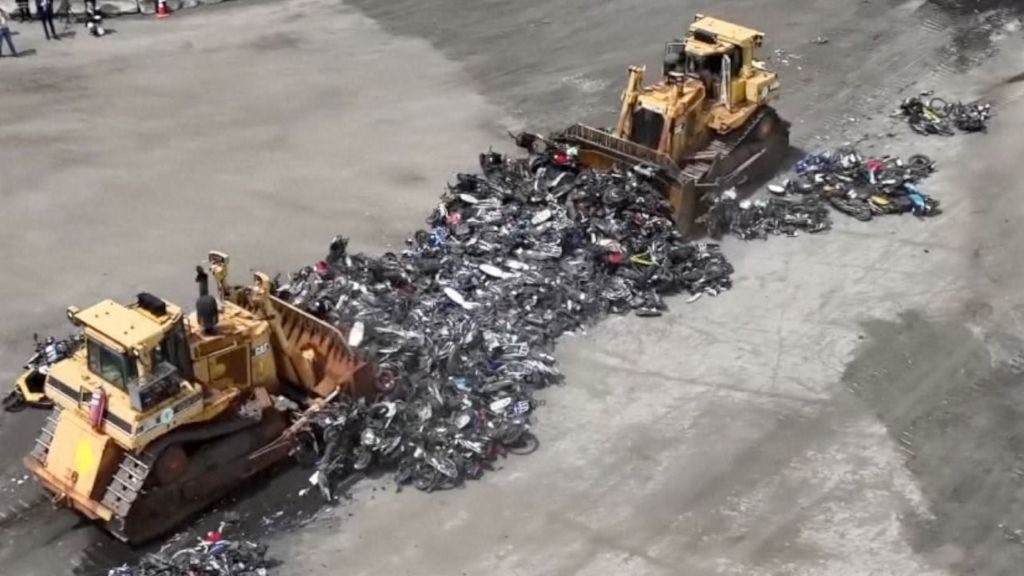
    New York City has launched a high-stakes crackdown on unregulated two-wheeled vehicles, crushing hundreds of illegally operated motorbikes and mopeds in a dramatic show of force targeting linked criminal activity. The operation comes in direct response to a devastating tragedy that shook the Brooklyn community last month, when a 7-month-old infant was killed by a stray bullet fired during an incident connected to an unregistered moped, city officials confirmed.

    For months, New York law enforcement has documented a rising pattern of criminal actors leveraging unlicensed motorbikes and mopeds to facilitate illegal activity, from drug trafficking to reckless street activity that endangers innocent bystanders. These unregistered vehicles, often uninspected and unlicensed, allow perpetrators to evade police detection and escape quickly after committing crimes, creating a persistent public safety hazard across the city’s five boroughs.

    The mass destruction of seized illegal vehicles marks a significant escalation in the city’s ongoing effort to root out this threat. Officials emphasized that the operation is not an isolated action, but part of a sustained strategy to crack down on vehicle-related crime and prevent further senseless loss of life, particularly for vulnerable residents going about their daily lives. The killing of the 7-month-old child, an entirely innocent victim caught in crossfire, has galvanized city leaders to accelerate these enforcement efforts and send a clear message that the use of unregulated vehicles to enable violent crime will not be tolerated.

    Community leaders have echoed the city’s commitment, noting that the tragedy highlighted the urgent need for stronger action against illegal motorbike operation. While some transportation advocates have raised questions about enforcement tactics, the overwhelming public response to the infant’s death has underscored broad support for measures that improve public safety for New Yorkers of all ages.