作者: admin

  • FP Models presents ‘Dynasty Runway’: A celebration of Middle Eastern luxury, culture and elegance

    FP Models presents ‘Dynasty Runway’: A celebration of Middle Eastern luxury, culture and elegance

    DUBAI – FP Models transformed the Melia Palm Resort into an opulent fashion destination with its groundbreaking ‘Dynasty Runway’ event, celebrating the Middle East’s burgeoning influence as a global luxury capital. Against a breathtaking golden sunset backdrop, the December showcase brought together over 200 distinguished guests, including fashion designers, industry leaders, influencers, and media representatives for an evening of cultural sophistication and sartorial excellence.

    The production masterfully blended traditional Middle Eastern elegance with contemporary design innovation, featuring an internationally diverse lineup of fashion houses. Among the standout presentations, 1937 BeSpoke demonstrated exceptional menswear tailoring while Vietnamese couture house Hacchic Couture made a exclusive Dubai debut with dramatic structured silhouettes and intricate embellishments. The newly established AFRANCE Collection presented a modern interpretation of modest-wear, redefining contemporary elegance for women across the region.

    FP Models Founder Maryna Skyba emphasized the event’s cultural significance, stating: ‘Dynasty transcends conventional fashion shows—it represents a profound cultural statement honoring the region’s unique ability to merge opulent craftsmanship with timeless aesthetic values.’

    The evening featured additional highlights including a special performance by student models trained through FP Models’ certified academy, supported by local fashion brands ANAYA Collection, IHAB JIRYIS Couture, Evasa Couture, Calivo Couture, and Knights & Lords. Beauty excellence was ensured by official partner Alex Avien, who created flawless runway looks aligned with the Dynasty theme.

    Guests experienced elevated hospitality with premium gifts from luxury partners including AYA Universe’s immersive cosmic experiences, FYOR’s trend-setting accessories, D’AVENTRO’s French home diffusers, and DU HAMEL’s premium travel solutions. The carefully curated atmosphere blended couture artistry with musical elements, creating an unforgettable experience that positioned Dubai firmly within the global fashion landscape.


  • No contact with Iran Nobel winner since arrest: Supporters

    No contact with Iran Nobel winner since arrest: Supporters

    Nobel Peace Prize recipient Narges Mohammadi remains completely incommunicado since her detention by Iranian authorities last Friday, according to statements released by her support network on Sunday. The prominent human rights advocate was apprehended following her address at a memorial service in Mashhad for lawyer Khosrow Alikordi, whose recent death under unclear circumstances has sparked controversy.

    The Mashhad prosecutor’s office confirmed 38 individuals were detained during the gathering, including Mohammadi and fellow activist Sepideh Gholian. Javad Alikordi, brother of the deceased lawyer, was arrested separately later that same day. Mohammadi had been temporarily released from prison on medical grounds in December 2024 but continued her advocacy work during this period.

    Disturbing reports indicate that Mohammadi has been unable to make any contact with her family or legal representatives since the arrest. Her foundation expressed grave concerns regarding the physical and psychological welfare of all detainees, demanding their immediate and unconditional release. The organization revealed that Mohammadi’s case has been transferred to Mashhad’s revolutionary prosecutor, potentially involving national security charges.

    Eyewitness accounts describe security forces violently apprehending Mohammadi after she addressed the crowd without wearing the mandatory headscarf. The foundation estimates actual arrest numbers may exceed 50 individuals, contradicting official figures.

    Prosecutor Hassan Hemmatifar defended the arrests through state media, accusing those detained of delivering provocative speeches and inciting public disorder. The memorial service honored Alikordi, a lawyer known for defending protesters during the 2022-2023 demonstrations, whose death authorities attribute to natural causes while activists describe it as suspicious.

    This incident occurs against a backdrop of intensified suppression in Iran, with activists reporting over 1,400 executions this year alone, maintaining pressure on dissent despite the conclusion of recent regional conflicts.

  • Former Hong Kong pro-democracy media mogul Jimmy Lai convicted in landmark national security trial

    Former Hong Kong pro-democracy media mogul Jimmy Lai convicted in landmark national security trial

    In a watershed verdict with profound implications for Hong Kong’s legal landscape, pro-democracy publisher Jimmy Lai was found guilty on multiple national security charges Monday following an extensively monitored trial. The 78-year-old media magnate, a longstanding critic of Beijing, faces potential life imprisonment after three government-approved judges determined he conspired with foreign forces and published seditious materials.

    The High Court judgment, delivered by Judge Esther Toh across an 855-page verdict, characterized Lai as the ‘mastermind’ behind systematic efforts to undermine Chinese governance. Evidence presented during the 156-day proceedings revealed Lai’s sustained campaign inviting U.S. intervention against China’s government, with the court asserting his actions demonstrated willingness to sacrifice Chinese and Hong Kong citizens’ interests for political objectives.

    Lai’s trial proceeded without jury under the National Security Law imposed by Beijing in 2020 following mass protests. The judicial process attracted international scrutiny from Western governments and human rights organizations concerned about judicial independence and media freedoms in the semi-autonomous territory. Among trial attendees were Lai’s family members and Hong Kong’s Roman Catholic Cardinal Joseph Zen, with the defendant acknowledging relatives before being escorted from court.

    The conviction carries significant diplomatic ramifications as Lai holds British citizenship. Both U.S. and U.K. leadership have previously intervened in his case, with Prime Minister Keir Starmer identifying Lai’s release as a governmental priority. Sentencing considerations will commence January 12, with the collusion charge carrying possible life imprisonment and sedition counts permitting up to two years’ incarceration.

    Health concerns shadowed the marathon proceedings as Lai’s defense team reported deteriorating physical condition including cardiac issues, dental problems, and significant weight loss. Prison authorities maintained medical care remained ‘adequate and comprehensive’ despite family reports of declining health.

    Lai previously received nearly six years’ imprisonment for fraud charges related to his shuttered Apple Daily newspaper, which authorities shuttered in 2021 after asset freezes and journalist arrests. The publication had operated as a persistent critic of Hong Kong’s administration and China’s Communist Party leadership.

  • The difficult question of what it would take to stop Putin fighting in Ukraine

    The difficult question of what it would take to stop Putin fighting in Ukraine

    Russian President Vladimir Putin currently exhibits an air of unwavering confidence in diplomatic engagements, a stark contrast to his reputation as an inscrutable autocrat. This self-assured demeanor stems from his perception of shifting geopolitical tides favoring Moscow, characterized by improved relations with Washington and incremental territorial gains in Eastern Ukraine.

    Analysts indicate Putin maintains maximalist objectives including Ukrainian surrender of remaining Donetsk territories, international recognition of annexed regions, permanent NATO membership prohibition, and severe military restrictions for Kyiv. Current trajectories suggest multiple scenarios: potential U.S.-forced ceasefire unfavorable to Ukraine, continued gradual Russian advances, or prolonged conflict continuation.

    The Trump administration’s revised national security posture notably downgrades Russia from “existential threat” status while advocating “strategic stability” restoration. This policy shift raises fundamental questions regarding sustained American military and intelligence support for Ukraine, including potential withdrawal of critical drone detection capabilities and targeting assistance against Russian energy infrastructure.

    European nations are preparing contingency plans under the “coalition of the willing” framework, contemplating international military deployment for invasion deterrence and post-war reconstruction financing. Some officials advocate preparing for extended conflict duration (15-20 years) rather than imminent ceasefire, emphasizing need for both immediate drone assistance and long-term strategic support.

    Security proposals include expanding the European Sky Shield Initiative to protect Western Ukrainian airspace and deploying border patrol troops to free Ukrainian combat personnel. These measures face resistance due to escalation concerns, though experts like Chatham House’s Keir Giles argue such fears are unfounded given existing Western ground presence.

    Despite Ukraine maintaining Europe’s second-largest and most technologically advanced military, defense of the 800-mile frontline remains challenging. Recruitment difficulties persist due to demographic preservation strategies that exclude younger males from conscription, drawing external criticism while receiving academic support as historically informed population management.

    Economic warfare presents additional complexities. While Russia faces 8% inflation, 16% interest rates, and declining real incomes, sanctions enforcement remains inconsistent. Experts advocate comprehensive oil embargoes and secondary sanctions implementation to meaningfully impact Russia’s war economy, noting current circumvention through ghost tankers and corporate rebranding.

    Diplomatic alternatives suggest potential negotiated settlements allowing mutual victory claims through demilitarized zones without formal territorial recognition. This approach would require intense U.S. engagement and psychological leverage application, capitalizing on Russia’s desire for great power validation.

    China represents the ultimate wild card, possessing unique influence through dual-use goods supply chain control and historical diplomatic sway. While Beijing currently benefits from Western distraction, potential escalation consequences or secondary sanctions implementation could alter Chinese calculus regarding conflict continuation.

    Putin’s current strategic assumption relies on temporal advantage – believing extended conflict will degrade Ukrainian morale, fracture allied unity, and enable additional territorial acquisition. As expressed by former NSC official Fiona Hill, only demonstrated Western resolve or Putin’s political departure appears likely to alter this calculus significantly.

  • Balloons from Belarus are causing chaos in Lithuania. Is it smugglers or a hybrid attack?

    Balloons from Belarus are causing chaos in Lithuania. Is it smugglers or a hybrid attack?

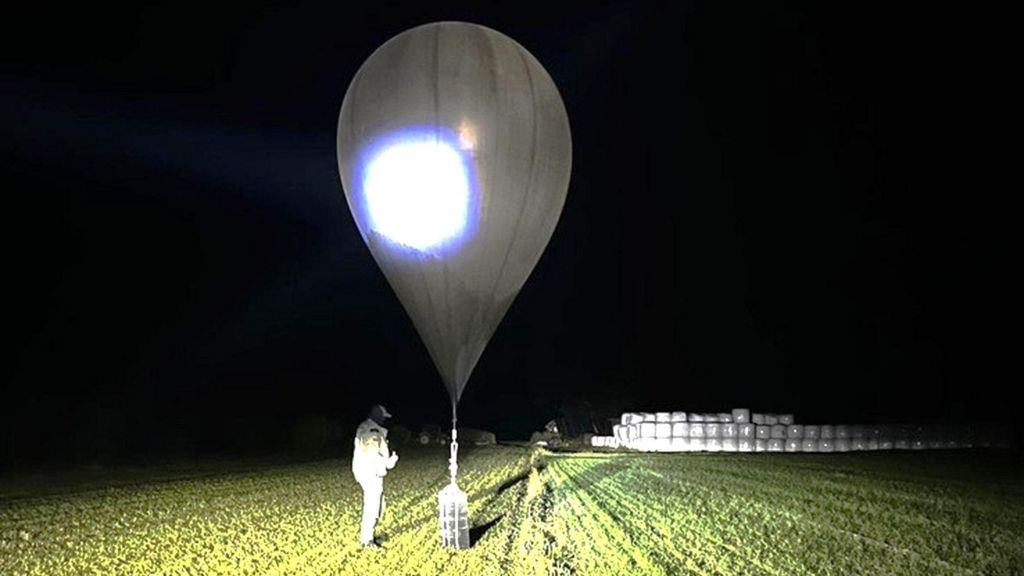
    Lithuania is confronting an unprecedented national security emergency as coordinated balloon incursions from Belarus disrupt civil aviation and border security. Over the past ten weeks, giant white balloons carrying contraband cigarettes have forced fifteen shutdowns of Vilnius International Airport, stranding thousands of travelers and culminating in one eleven-hour complete airspace closure.

    Lithuanian authorities assert these are not mere smuggling operations but calculated acts of hybrid warfare. Foreign Minister Kestutis Budrys told the BBC that the balloons are strategically launched to target the airport located just 30km from the Belarusian border. ‘This is political blackmail,’ Budrys stated, indicating Belarus views this as leverage against its neighbor.

    In response, Lithuania has deployed military police for nightly border patrols, established mobile checkpoints, and offered a €1 million prize for technological solutions to intercept the high-altitude balloons. New legislation now criminalizes aviation sabotage with potential prison sentences.

    The government dismisses Belarusian President Alexander Lukashenko’s claims that independent smugglers are responsible. Crisis management head Vilmantas Vitkauskas noted the precise timing of launches—one or two balloons every 30 minutes—suggests state coordination. Lithuanian officials believe the operation aims to force sanctions relief and end Belarus’s international isolation following its support of Russia’s invasion of Ukraine.

    The economic impact is mounting, with estimated losses reaching €2 million and airlines altering flight schedules. Travelers now consult wind forecasts before booking flights, while officials worry about eroding public confidence in air travel and NATO’s preparedness for unconventional threats.

  • These travel influencers don’t want freebies. They’re AI

    These travel influencers don’t want freebies. They’re AI

    The travel marketing landscape is undergoing a radical transformation as artificial intelligence avatars increasingly replace human influencers. These digitally crafted personalities, boasting flawless appearances and compelling narratives, are being deployed by tourism boards, airlines, and hospitality companies to promote destinations at a fraction of traditional costs.

    Unlike their human counterparts, AI influencers like Radhika—who showcases northeastern India’s culinary and cultural attractions to thousands of Instagram followers—require no travel expenses, accommodations, or compensation. Qatar Airways’ virtual flight attendant Sama engages with over 328,000 followers through emoji-filled posts and simulated interactions, while Germany’s digital storyteller Emma promotes wine country experiences with photorealistic authenticity.

    This technological shift presents significant economic advantages for marketers. According to industry expert Steve Morris of New Media, basic AI avatars can be created for $500-$2,000 using existing libraries, while fully customized digital personas with unique personalities and learning capabilities cost $5,000-$15,000. This represents substantial savings compared to the $100,000+ fees commanded by top human influencers for single posts.

    The trend has triggered concern among content creators who fear displacement. Travel influencer Jen Ruiz notes the emerging ‘uproar among creators who feel they’re being replaced by an entity that doesn’t share their passion or experience.’ Established influencers like Christiana Ballayan report noticeable reductions in brand partnerships and compensation as companies redirect marketing budgets toward AI solutions.

    Beyond economic implications, the proliferation of AI influencers blurs the line between digital and physical reality. Many followers interact with these avatars as genuine personalities, sometimes leaving romantic comments on AI-generated content. Marketing technology expert Ari Adnan Cibari predicts these systems will soon become ‘agentic,’ capable of autonomously assisting followers with travel bookings and reservations.

    This evolution raises profound questions about authenticity in digital marketing. As filmmaker Taliesen Black-Brown observes, social media already felt ‘fake and vapid,’ but AI influencers represent ‘even more inauthentic content disconnected from real human experience.’ Despite these concerns, industry adoption continues accelerating, with approximately half of travel marketers currently experimenting with AI-generated content and allocating 20-30% of budgets to this emerging technology.

  • Chile elects far-right José Antonio Kast as next president

    Chile elects far-right José Antonio Kast as next president

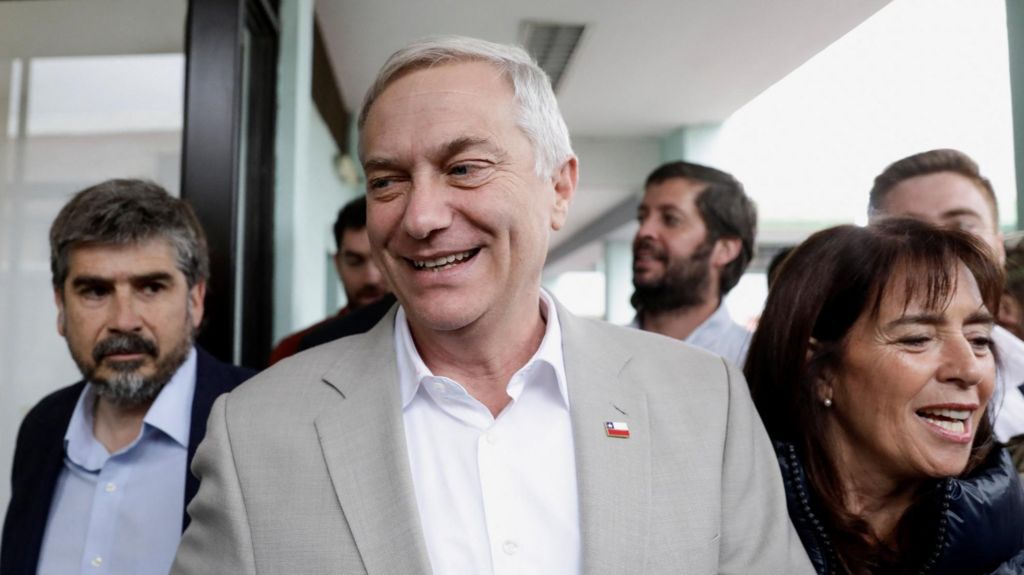
    Chile has embarked on a profound political transformation with the election of far-right candidate José Antonio Kast as its next president. Securing a commanding 58% of the vote in his third presidential bid, Kast’s victory represents the most significant rightward shift in Chilean politics since the end of Augusto Pinochet’s military dictatorship in 1990.

    The election campaign centered overwhelmingly on issues of national security, immigration control, and crime prevention. Kast successfully portrayed Chile as a nation descending into chaos, pledging to restore order through stringent measures including sharp spending cuts, construction of border fortifications along Peru and Bolivia frontiers, maximum-security prisons, and mass deportations of irregular migrants.

    His triumph over left-wing coalition candidate Jeannette Jara from the Communist Party sparked jubilant celebrations among supporters in Santiago, where crowds draped in Chilean flags chanted slogans and celebrated the outcome. Many voters expressed hope that Kast would fulfill his promises to enhance national security and patriotism.

    The election results reflect growing voter concerns about immigration and organized crime, despite Chile maintaining its status as one of South America’s safest and most stable nations. Critics argue Kast exaggerated security threats, noting that murder rates are actually declining and studies indicate immigrants commit fewer crimes on average.

    Kast’s political ideology shows strong parallels with former U.S. President Donald Trump, whose ‘Make America Great Again’ slogan inspired similar campaign merchandise in Chile. His victory aligns with a broader regional trend toward right-wing leadership in Latin America, following similar shifts in Argentina, Ecuador, Costa Rica, and El Salvador.

    The president-elect’s background has raised concerns among opponents who fear a return to Chile’s authoritarian past. Kast has openly praised former dictator Pinochet, whose regime was marked by severe human rights abuses. His brother served as a minister during the dictatorship, and his father was a member of the Nazi party.

    Investors are expected to welcome Kast’s victory due to his commitment to free-market economics, state reduction, and industry deregulation. However, his staunch opposition to abortion—even in cases of rape—and environmental protection policies have drawn criticism from progressive groups.

    Kast is scheduled to be inaugurated on March 11, 2026, having repeatedly warned undocumented immigrants during campaign rallies to depart before that date if they wish to maintain future return options.

  • ‘Came straight from the airport’: How 300 UAE residents flocked to desert to spot meteors

    ‘Came straight from the airport’: How 300 UAE residents flocked to desert to spot meteors

    Under the vast expanse of the Al Qudra desert sky, more than 300 UAE residents experienced a celestial marvel on Saturday night as the Geminids meteor shower painted the darkness with thousands of shooting stars. Organized by the Dubai Astronomy Group, the event transformed the dunes into an open-air planetarium where generations gathered until 2am to witness one of nature’s most dazzling astronomical displays.

    The meteor watching brought together enthusiasts from diverse backgrounds, all united by cosmic wonder. Natalia, a Russian expat who relocated to the UAE in 2022, arrived directly from Dubai Airport with her family after flying from London. ‘My granddad was an astronomer, so the stars were always an important part of growing up,’ she shared, emphasizing her desire to pass this astronomical heritage to her children.

    For many families, the event became an educational pilgrimage. Indian-French siblings Riya and Rithi attended with their parents, who previously visited Al Qudra independently for meteor viewing. Their mother, Supriya Aggarwal, explained the philosophical dimension: ‘I want the kids to gain interest in astronomy so they realize our problems are small compared to the universe’s vastness.’ The children handled an actual million-year-old meteorite provided by DAG, valued at thousands of dirhams.

    Chinese expat Ivan, a veteran amateur astronomer with decade-long experience organizing space events in China, found the Dubai gathering particularly impressive. ‘I have never done something like this so far from the city,’ he remarked, noting how the meteors served as timeless travelers from distant cosmic realms.

    The event’s success relied heavily on dedicated volunteers like 12-year-old Safiya, who has assisted DAG for four years, and 16-year-old David, an astrophysics student specializing in telescopic equipment and astrophotography. David described the reward of watching first-time observers: ‘When I see them looking at the sky for the first time, it reminds me of my initial telescope experience.’

    Despite challenges like long queues and occasional clouds, participants captured celestial images through specialized techniques, including smartphone photography through observational telescopes requiring 30-second exposures with night mode enabled. The Geminids shower not only offered visual splendor but also reinforced humanity’s humble place in the cosmos through scientific education and intergenerational storytelling.

  • Brazilians protest a bill that would reduce former president Bolsonaro’s time in jail

    Brazilians protest a bill that would reduce former president Bolsonaro’s time in jail

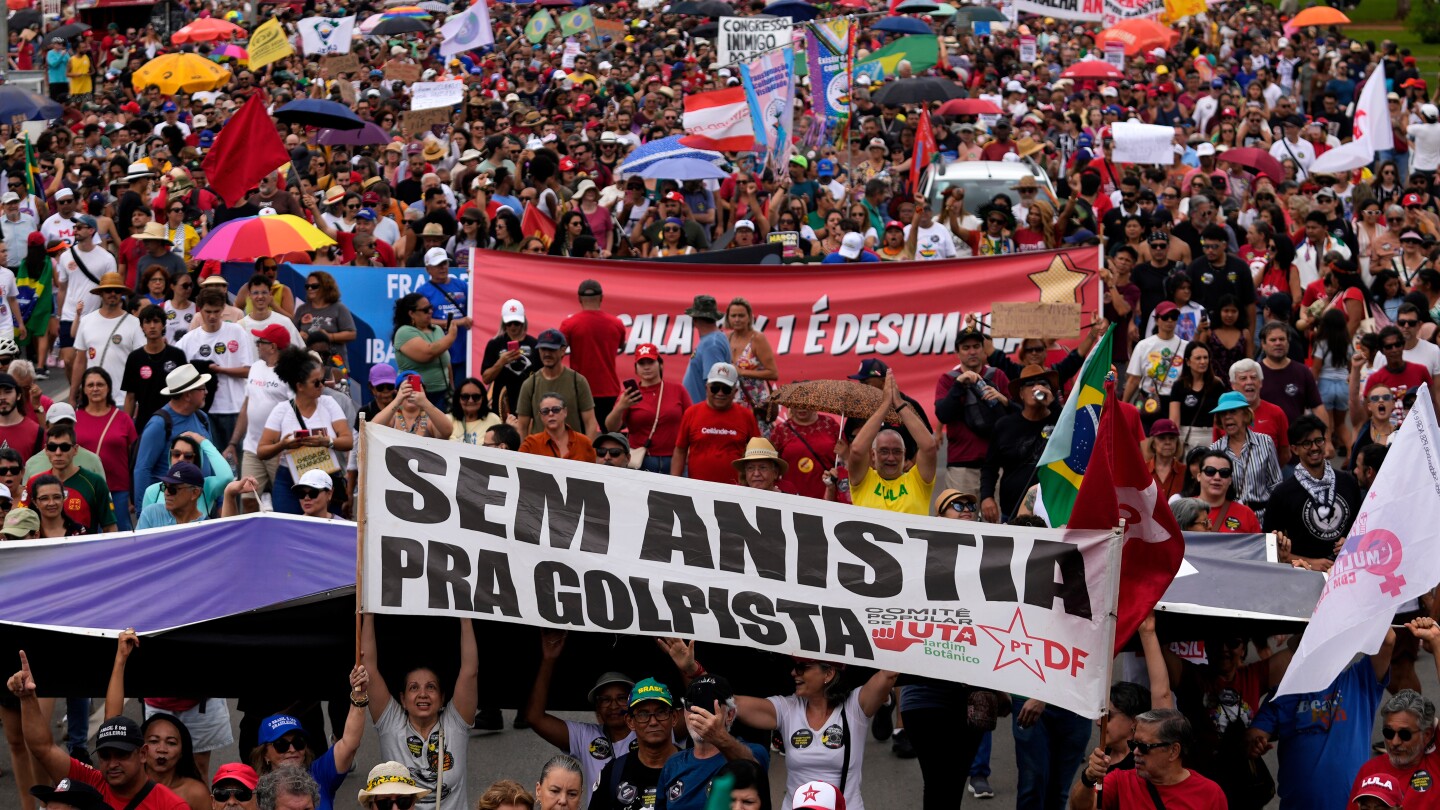
    RIO DE JANEIRO — Massive demonstrations swept through Brazil’s major cities on Sunday as tens of thousands of citizens mobilized against controversial congressional legislation that would significantly reduce former President Jair Bolsonaro’s prison term. The bill, which cleared the lower house earlier this week, could slash Bolsonaro’s 27-year sentence for attempted coup activities to just over two years.

    Protestors flooded iconic locations including Copacabana’s boardwalk in Rio de Janeiro, Brasília’s government district, and urban centers in São Paulo, Florianopolis, Salvador, and Recife. Left-wing demonstrators united in chanting “No amnesty” and demanding the resignation of House Speaker Hugo Motta, who facilitated the bill’s passage. The atmosphere combined festive musical performances by legendary artists Caetano Veloso and Gilberto Gil with palpable political indignation.

    Antonio Edson Lima de Oliveira, a 56-year-old geologist participating in Rio, stated: “This legislation represents an attempt to protect those who attempted to overthrow democracy. Brazil has endured multiple dictatorships with devastating consequences—we must never allow such threats to reemerge.”

    The controversial measure, sponsored by Congressman Paulinho da Força, proposes fundamental changes to Brazil’s penal system. It would require concurrent rather than consecutive sentencing for convictions related to the January 8, 2023 insurrection, when Bolsonaro supporters stormed government buildings seeking to overturn President Lula da Silva’s election victory. Additionally, it would modify parole eligibility, allowing day release after serving one-sixth rather than one-fourth of a sentence.

    Political analyst Luciana Santana from the Federal University of Alagoas suggests the bill faces substantial hurdles in the Senate: “The chamber’s composition, widespread public mobilizations, and the lower house’s pre-dawn voting circumstances create a less favorable environment for passage.”

    The developments occur against a backdrop of improved U.S.-Brazil relations following diplomatic turbulence. The United States recently removed tariffs imposed during the Bolsonaro trial period and lifted sanctions against Brazilian Supreme Court Justice Alexandre de Moraes, who presided over the former president’s case.

  • How Bondi Beach shooting unfolded minute by minute

    How Bondi Beach shooting unfolded minute by minute

    A detailed forensic reconstruction of Australia’s most devastating mass shooting event in nearly thirty years has been assembled through meticulous analysis of verified video evidence and eyewitness accounts. The incident, which unfolded at the iconic Bondi Beach, is being examined minute-by-minute to provide a comprehensive understanding of the sequence of events.

    Correspondent Joe Inwood has synthesized multiple sources of footage to create a definitive chronology of the tragedy. The analysis reveals critical moments from the initial onset of violence to the emergency response, providing unprecedented clarity on how the situation developed in real time. This verified timeline serves not only as a crucial investigative tool but also addresses public need for accurate information amidst widespread speculation.

    The reconstruction highlights the responses of both law enforcement and civilians during the crisis, documenting how ordinary beachgoers became first responders in the critical moments before professional help arrived. The verified footage provides insights into the shooter’s movements, the patterns of victims seeking safety, and the eventual intervention by authorities that ended the threat.

    This minute-by-minute breakdown represents one of the most thorough examinations of a mass shooting event in Australian history, offering valuable insights for both investigators studying the tragedy and policymakers considering future preventive measures. The analysis underscores the challenges of managing public safety in open environments while honoring the victims through factual documentation rather than sensationalized reporting.