作者: admin

  • Swimmer Gkolomeev ‘breaks’ record at drug-fueled Enhanced Games

    Swimmer Gkolomeev ‘breaks’ record at drug-fueled Enhanced Games

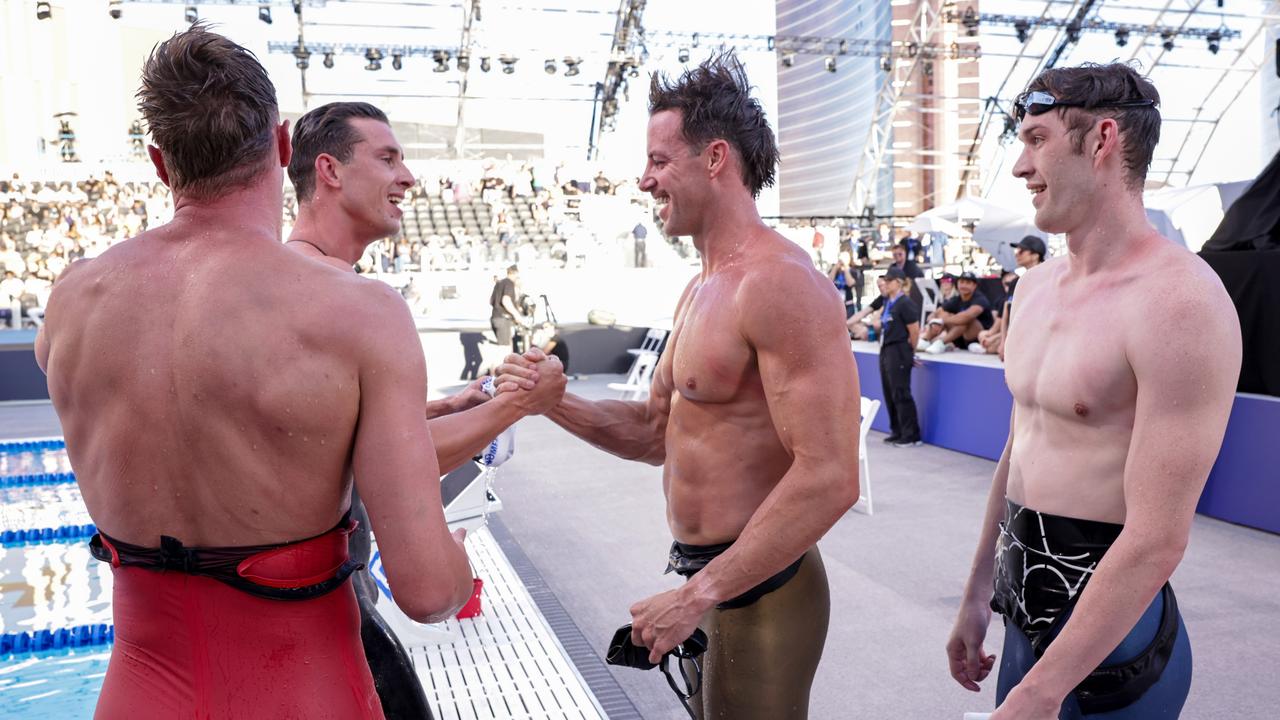
    The first edition of the highly divisive Enhanced Games, an event that openly permits competitors to use performance-enhancing drugs banned by every major international sports governing body, wrapped up in Las Vegas on Sunday with just one unofficial world record broken, falling far short of organizers’ bold predictions of multiple record-breaking performances.

    Greek swimmer Kristian Gkolomeev delivered the sole standout result of the night, clocking 20.81 seconds in the men’s 50-meter freestyle to beat the existing official world mark of 20.88 seconds set by Australia’s Cameron McEvoy earlier this year. Competing in a synthetic full-body supersuit banned from Olympic and other mainstream sporting events for decades, Gkolomeev’s achievement will never be formally recognized by global athletics regulators, but it earned him a $1 million bonus from event organizers. “It was a great race… I got it,” Gkolomeev said after the win. “I’m going to continue. Maybe next year I’ll break it again.”

    Organizers had built hype around the event by promising that the open use of sophisticated doping regimens would lead to dozens of new records across swimming, sprinting, and weightlifting. Gkolomeev’s last-minute win spared the event from a total record drought, though most athletes came within fractions of a second or kilograms of existing marks without surpassing them. Earlier in the competition, Gkolomeev had also come close to breaking Pan Zhanle’s 100m freestyle world record of 46.40 seconds, finishing with a time of 46.60 and saying he was frustrated to fall just short.

    Other high-profile competitors also narrowly missed record targets. Britain’s Ben Proud, a 2024 Paris Olympics silver medallist who admitted to using multiple performance-enhancing substances, won the men’s 50m butterfly in 22.32 seconds — just 0.05 seconds off the world record. “We all know what we came for. And that’s world records. And so to be that agonizingly close, it’s frustrating,” Proud said.

    In a surprising turn of events that defied the event’s core premise, several clean, unenhanced athletes claimed event titles against doped competitors. American swimmer Hunter Armstrong took gold in the opening swimming event, the men’s 50m backstroke, with a time of 24.21 seconds to beat two rivals who used performance-enhancing drugs. Former 100m world champion Fred Kerley, currently serving a suspension for missed drug tests, also won the men’s 100m sprint clean with a time of 9.97 seconds, joking of his doped rivals: “Man, they got to do better than that. They need to train a little harder. Get on that shit a little bit more.” Barbados sprinter Tristan Evelyn also won the women’s 100m sprint clean, finishing in 11.25 seconds. US Olympic medallist Cody Miller, another clean competitor, rolled back the years to win the men’s 50m breaststroke, cutting seven-tenths of a second off his own personal best at age 34, though he did not come close to challenging Adam Peaty’s world record.

    The pattern of near-misses extended to the weightlifting platform, where multiple athletes failed to hit the record lifts they had achieved in training. Dominican Republic weightlifter Beatriz Piron, who reportedly hit a world record lift in training, narrowly failed to complete a 100kg snatch to open the competition. Canadian Boady Santavy and American Wesley Kitts also fell short of their target record snatch lifts of 183kg and 197kg respectively, even after organizers bent competition rules to grant each an extra fourth attempt. “I hit a lot of PRs in training. Not 197 yet… Man, if I had about four more weeks (in training) I’d say I’d have had a good shot at it,” Kitts said. Even Hafthor Bjornsson, the former World’s Strongest Man best known for playing The Mountain on *Game of Thrones*, failed to break his own existing 510kg deadlift world record.

    Backed by high-profile investors including billionaire tech entrepreneur Peter Thiel and former U.S. President Donald Trump’s son Donald Trump Jr., the Enhanced Games was held at a custom-built temporary arena on the parking lot of a Las Vegas casino, with large cash prizes — up to $1 million for a world record and $250,000 for an event win — luring a field that included multiple current and former Olympic medallists.

    The event has faced widespread condemnation from global sports governing bodies, who refuse to recognize any records set at the competition and have called it a dangerous experiment that normalizes harmful doping. Public health experts have also raised urgent alarms, warning that the open use of banned substances such as testosterone and anabolic steroids carries major long-term risks, including life-shortening heart, liver, and kidney damage, with little research available on the full health impacts of the regimens athletes are using. Enhanced Games officials have pushed back against these criticisms, noting that all substances used by athletes are approved by the U.S. Food and Drug Administration, and the event’s parent company already sells many of these substances directly to the general public.
  • Toshifumi Suzuki, the Japanese behind the ‘conbini’ empire, has died. He was 93.

    Toshifumi Suzuki, the Japanese behind the ‘conbini’ empire, has died. He was 93.

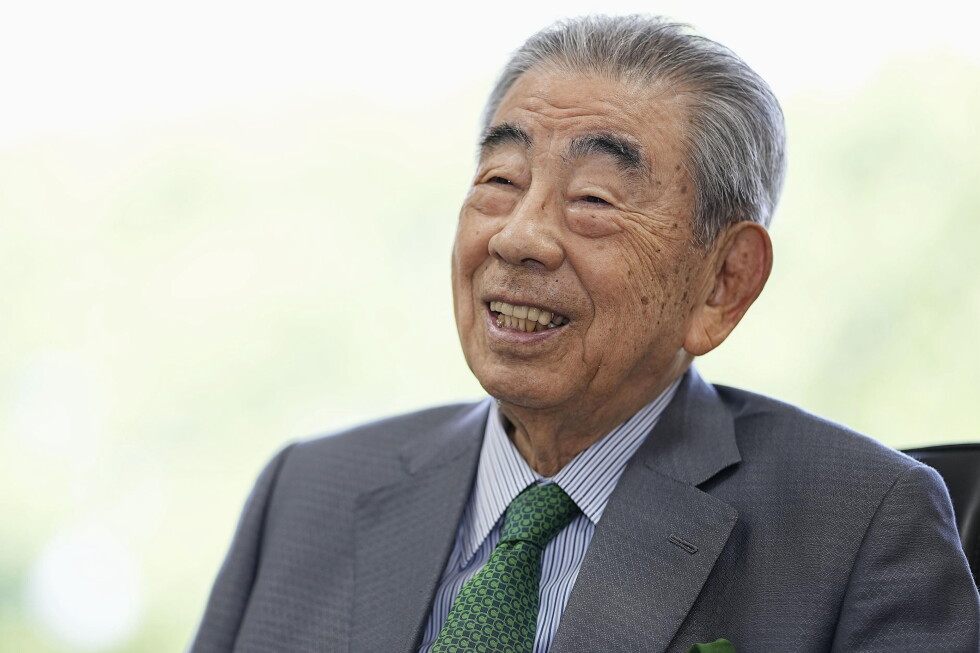
    TOKYO – Toshifumi Suzuki, the iconic Japanese business leader who transformed a small licensed franchise into the world’s largest convenience store network, 7-Eleven, passed away at his Tokyo residence on May 18 at the age of 93. The cause of death was heart failure, according to an official announcement Monday from Seven & i Holdings, where Suzuki served as honorary adviser.

    Born in 1932 in Japan’s northern Nagano Prefecture, Suzuki graduated from Tokyo’s prestigious Chuo University before launching his retail career at Ito-Yokado, a major Japanese department store chain now also held under the Seven & i Holdings umbrella. It was from this foundation that he would go on to revolutionize modern convenience retail.

    In 1973, Suzuki secured a franchise licensing agreement with the U.S.-based original 7-Eleven brand, opening Japan’s first 7-Eleven location in 1974. What began as a single licensed outlet rapidly grew into a nationwide phenomenon, redefining daily life for Japanese consumers under Suzuki’s leadership. Today, 7-Eleven’s ubiquitous “conbini” outlets are woven into the fabric of Japanese society, offering far more than quick snacks and drinks. Shoppers can access ATMs, pay utility bills, print documents, and grab freshly prepared on-the-go meals, turning the small neighborhood stores into one-stop hubs for daily needs. The chain now counts more than 80,000 locations across the globe, retaining its position as Japan’s largest convenience store operator.

    When the original 7-Eleven parent company, U.S.-based The Southland Corp., fell into severe financial trouble in the 1990s, Suzuki steered the Japanese subsidiary to acquire a controlling majority stake in the global brand. He completed the full acquisition in 2005, bringing the entire 7-Eleven network under full Japanese ownership and turning a local license into a global retail powerhouse.

    Beyond building the 7-Eleven empire, Suzuki led Seven & i Holdings on a series of strategic expansions that diversified the group’s footprint. He oversaw the acquisition of Barney’s Japan in 2015, added full banking services to the group’s offerings, and integrated iconic Japanese department store chains Sogo and Seibu into the holding group. His core business philosophy centered on delivering a fully integrated lifestyle shopping experience tailored to evolving customer needs. He also spearheaded early adoption of cutting-edge retail technologies, cementing 7-Eleven’s reputation as an industry innovator that reshaped how Japanese consumers shop. Suzuki stepped into the chief executive role at 7-Eleven Japan in 1978, and remained a guiding force for the brand for decades.

    In recent years, Seven & i Holdings drew global attention when Canadian retail giant Alimentation Couche-Tard, operator of the global Circle K convenience store chain, launched a takeover bid for the group. However, the company abandoned the acquisition attempt in 2024, citing a lack of productive negotiation progress from Seven & i’s side.

    Per the company’s announcement, private funeral services have already been held for Suzuki with only immediate family in attendance. The family has politely declined condolence messages, floral arrangements, and other sympathy gifts. A public memorial service will be announced at a later date. Suzuki is survived by his wife and two children.

  • ‘Thought the plane was going down’: Chaotic scenes as Cathay Airlines flight from Brisbane rocked by turbulence, eight hospitalised

    ‘Thought the plane was going down’: Chaotic scenes as Cathay Airlines flight from Brisbane rocked by turbulence, eight hospitalised

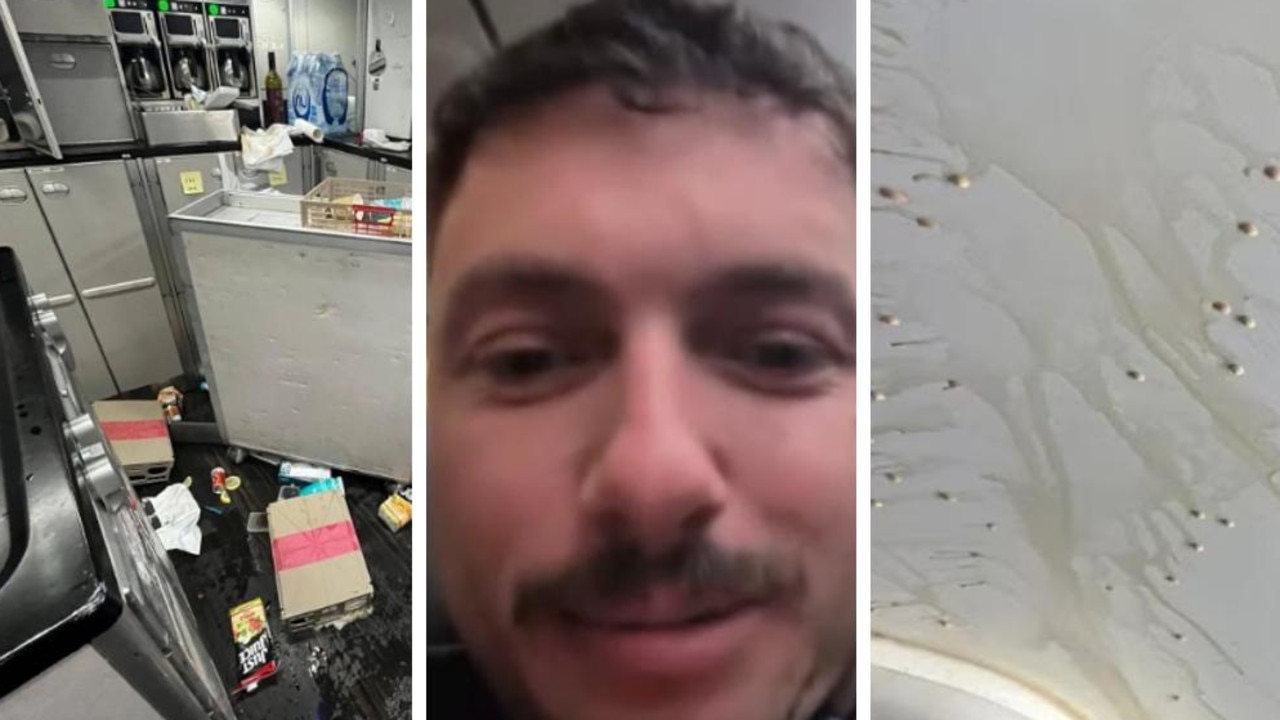
    A routine international flight departing Australia turned into a terrifying ordeal this week, when sudden, unanticipated severe turbulence threw the cabin into chaos and left multiple passengers and crew members injured, airline and medical authorities have confirmed. The incident unfolded on Cathay Pacific Flight CX156, roughly two hours ahead of its scheduled landing at Hong Kong International Airport, catching crew and travelers completely off guard as breakfast service was just getting underway. Without any prior warning from the cockpit or activation of the seatbelt sign, two successive waves of violent turbulence hit the aircraft just 15 to 20 seconds apart, sending loose objects—from smartphones and breakfast trays to hot coffee and food items—flying throughout the cabin. Unbelted passengers and crew members, who were moving through the aisles to serve meals, were thrown violently upward, with many striking the overhead cabin panels before falling back into seats or the aisle floor. When the turbulence subsided, the cabin was left in disarray: food splattered across seats, walls and floors, spilled drinks soaked through passenger belongings, and injured people waited for assistance. Among those on board the flight were four traveling doctors, who immediately stepped in to provide urgent first aid to the injured before landing. Cathay Pacific later confirmed official injury counts: 10 people total, including six cabin crew members and four passengers, were hurt during the event. Eight of those injured required inpatient hospital care after the aircraft landed safely at approximately 6:45 a.m. local time in Hong Kong. Nicholas Stevenson, a Cairns-based businessman who was a passenger on the flight, described the harrowing experience to Australian Broadcasting Corporation (ABC), recalling that the sudden drop and jolting left many travelers convinced the plane would crash. “I thought the plane was going down. There were phones flying, coffees smashed into the roof, food absolutely everywhere,” Stevenson said. “People were screaming. There was a lot of people really freaking out.” He added that the turbulence struck at the moment the cabin crew had just woken passengers, turned on the cabin lights, and began distributing breakfast meals, leaving no time for people to return to their seats and fasten their belts. “There was no seatbelt sign or warning before hand,” Stevenson explained. “The first one [episode of turbulence] caught everyone completely off guard… Anyone that didn’t have their belts on hit the roof.” Speaking after landing, the pilot told passengers the turbulence was caused by an overnight thunderstorm cell that evaded early detection, according to Stevenson. Because of the darkness covering the region at the time, the storm system did not appear on the aircraft’s weather radar until it was too late to avoid the turbulence. With the plane already close to its destination and no immediate alternate landing site available to divert to, the crew continued the flight to Hong Kong. After landing, all able passengers were asked to remain in their seats while first responders escorted injured passengers and crew off the aircraft first for immediate medical care. Representatives for Cathay Pacific confirmed the details of the incident to ABC, and media outlets have since reached out to the airline for further comment on safety protocols and potential changes to procedures. The incident has renewed casual conversation among travel experts about the persistent risk of unexpected clear-air or thunderstorm-related turbulence, even on routine long-haul flights, and the importance of keeping seatbelts fastened whenever seated during flight.

  • Philippine construction collapse toll hits four, over dozen missing

    Philippine construction collapse toll hits four, over dozen missing

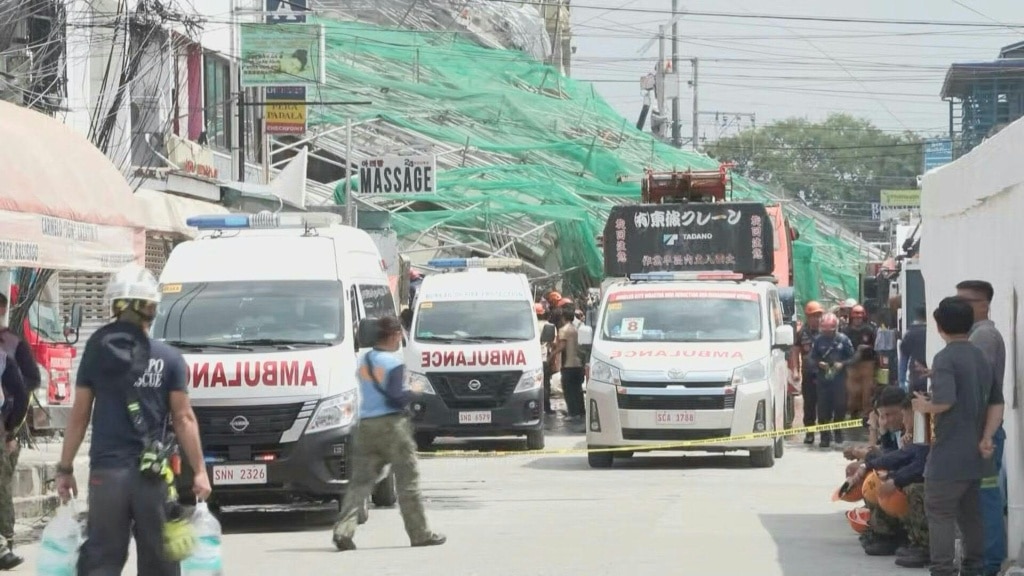
    Eight minutes ago, AFP updated the death toll from a catastrophic building collapse at a construction site north of the Philippine capital, confirming four fatalities with approximately 17 people still unaccounted for nearly 36 hours after the disaster struck.

    The nine-story under-construction structure gave way in pre-dawn hours Sunday in Angeles City, roughly 80 kilometers north of Manila. As the building collapsed, it crashed into an adjacent adjacent hotel, killing one Malaysian guest staying at the property. Immediately after the disaster, two construction workers were pulled alive from the tangled wreckage, but both succumbed to their injuries overnight despite desperate efforts by medical teams to save them.

    Regional fire bureau spokesperson Maria Leah Sajili explained to AFP the grim circumstances of the two workers’ deaths: “The first of the two was pulled out alive, but unfortunately, his body gave out and he did not survive. Doctors could not resuscitate him. The other one suffered a cardiac arrest around 3:00 am (1900 GMT Sunday). Doctors could not attend to him as he was still pinned down.”

    On Monday morning, rescue crews recovered a fourth unidentified body from the rubble, though officials have not yet confirmed whether this victim was already counted among the missing. As of Monday afternoon, 17 people remain listed as missing, the vast majority of whom are construction workers who were sleeping on the construction site when the collapse occurred.

    Families of the missing have flocked to the area, waiting anxiously for any update on their loved ones amid agonizing uncertainty. Lea Casilao, 47, whose boyfriend is among the unaccounted for, traveled from her home in northern Manila to Angeles City on Sunday, bringing rice and canned goods for her partner unaware the accident had already happened. She spent Sunday night sleeping in a local government building near the site, sharing her heartbreak with reporters: “It’s very difficult, it is breaking my heart to wait for something uncertain.”

    In Bulacan province, not far from Angeles City, Stephanie Batar and her mother only learned of the disaster Monday morning via social media, and have been unable to reach Batar’s 64-year-old father, who had just started a six-month contract at the site weeks earlier. “I couldn’t breathe. I couldn’t stand. It’s very painful and we did not know what to do,” Batar told AFP.

    Alfredo Albis, a 55-year-old worker who survived the collapse because he was sleeping in a worker barracks just five meters from the fallen building, lost two cousins who are still trapped in the rubble. “They were working here to earn for their families and (they) are missing,” he said, adding he fears the worst for his relatives.

    Investigations into the exact cause of the collapse are still ongoing, but regulatory records reveal the construction project was already flagged for serious safety violations just months earlier. Geraldine Panlilio, regional director of the Philippine labor department, told Manila radio station DZMM her office ordered a temporary shutdown of the project in September 2024 after inspectors documented multiple violations of national occupational safety standards.

    “Our labor inspectors had monitored poor working conditions, a violation that would put our workers at risk,” Panlilio said. She added that the construction crew lacked basic required safety equipment including hard hats, work boots, safety belts and lifelines, and also worked in poorly lit sites with no mandatory safety warning signage. Construction resumed one month after the shutdown after the project’s contractor reportedly corrected the cited violations and met minimum regulatory requirements.

    Officials confirmed that while up to 70 workers were employed at the site, most had left for the weekend to return to their homes, which likely reduced the final death toll. Rescue operations continue at the site, but Sajili noted that search efforts for trapped survivors face extraordinary logistical challenges: “rescue in (a) building collapse is very challenging since any sudden shift triggered by the movements of our rescuers can cause areas to move and people under can get crushed.”

    She added that if thermal scanners fail to detect any more signs of life in the rubble, heavy mechanical equipment including excavators will be brought in to clear debris and recover remaining victims. No official timeline has been announced for the transition to recovery operations.

  • Brexit red tape costs hit food firms

    Brexit red tape costs hit food firms

    Nearly seven years after the United Kingdom completed its full exit from the European Union, post-Brexit trade barriers continue to squeeze British food exporters doing business with the continent, prompting top industry voices to share their mounting frustrations as UK officials weigh policy changes to cut bureaucratic red tape.

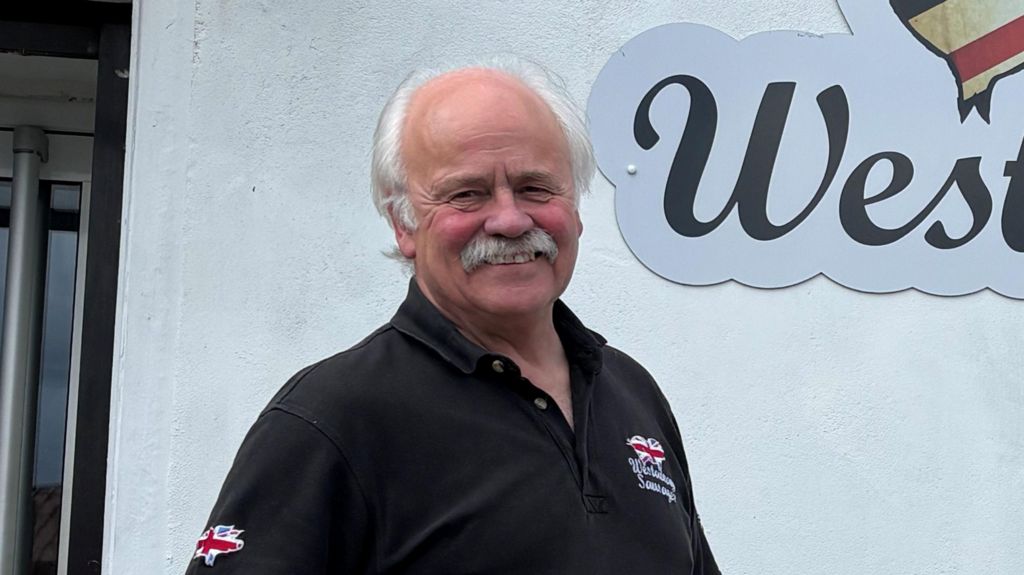
    Two key sectors in the South West of England — Devon’s sausage manufacturing and Brixham’s fishing trade — have been hit particularly hard by the additional administrative checks, costly paperwork and persistent border delays that came into force after Brexit. For Charles Baughan, managing director of family-owned Westaway Sausages based in Newton Abbot, these extra trade burdens have already accumulated into a quarter of a million pounds in losses for his business.
    Baughan detailed the steep administrative and financial toll of the current rules, explaining that every shipment of sausages bound for the EU requires a 14-page health certificate signed 46 separate times, which must be validated and stamped by an official veterinarian before departure. Beyond the £600 in direct costs per shipment for this process, he warned that even a minor error on the paperwork can lead to an entire consignment being seized and destroyed by French customs at the Port of Calais, creating constant, costly uncertainty for his firm.

    The pain is shared across the region’s fishing trade, according to Ian Perkes, a fish merchant based in the Brixham fishing port. Perkes noted that time-consuming paperwork bogs down operations on both sides of the English Channel, creating avoidable delays at the UK departure point and the Channel Tunnel entry point that throw off tight market timelines. Exporters even face financial penalties from UK health authorities if they fail to finalize and print all required health certification by the 1pm daily deadline, adding another unnecessary cost to already thin profit margins.

    To address these long-running frictions, UK government ministers are currently evaluating a proposal for closer alignment with EU food safety and trade regulations, a policy shift that could significantly cut bureaucratic barriers for exporters. The plan under discussion calls for “dynamic alignment”, a framework that would see the UK automatically adopt updated EU food rules into domestic law as they are introduced. If approved, a formal agreement on the new alignment framework could be finalized within the next two to three years.

    Jayne Kirkham, Labour Member of Parliament for Truro and Falmouth and a sitting member of the House of Commons Environment, Food and Rural Affairs Committee, confirmed that incremental progress is being made on advancing the alignment proposal. She emphasized that the current post-Brexit trade barriers have caused measurable damage to the UK’s national economy and to agricultural and fishing producers across the country, and that unimpeded cross-border trade is a non-negotiable necessity for these sectors. Kirkham added that negotiations on the framework could move at a surprisingly fast pace, with a finalized deal possible as early as 2027.

  • Qantas flagship Project Sunrise hit by fresh Airbus supply chain delays

    Qantas flagship Project Sunrise hit by fresh Airbus supply chain delays

    One of the aviation industry’s most highly anticipated ultra long-haul flight projects has hit another unexpected hurdle, with Australian flag carrier Qantas confirming its game-changing non-stop Sydney-to-London and Sydney-to-New York initiative will not launch until 2027 following a four-month extension to delivery delays from aircraft manufacturer Airbus.

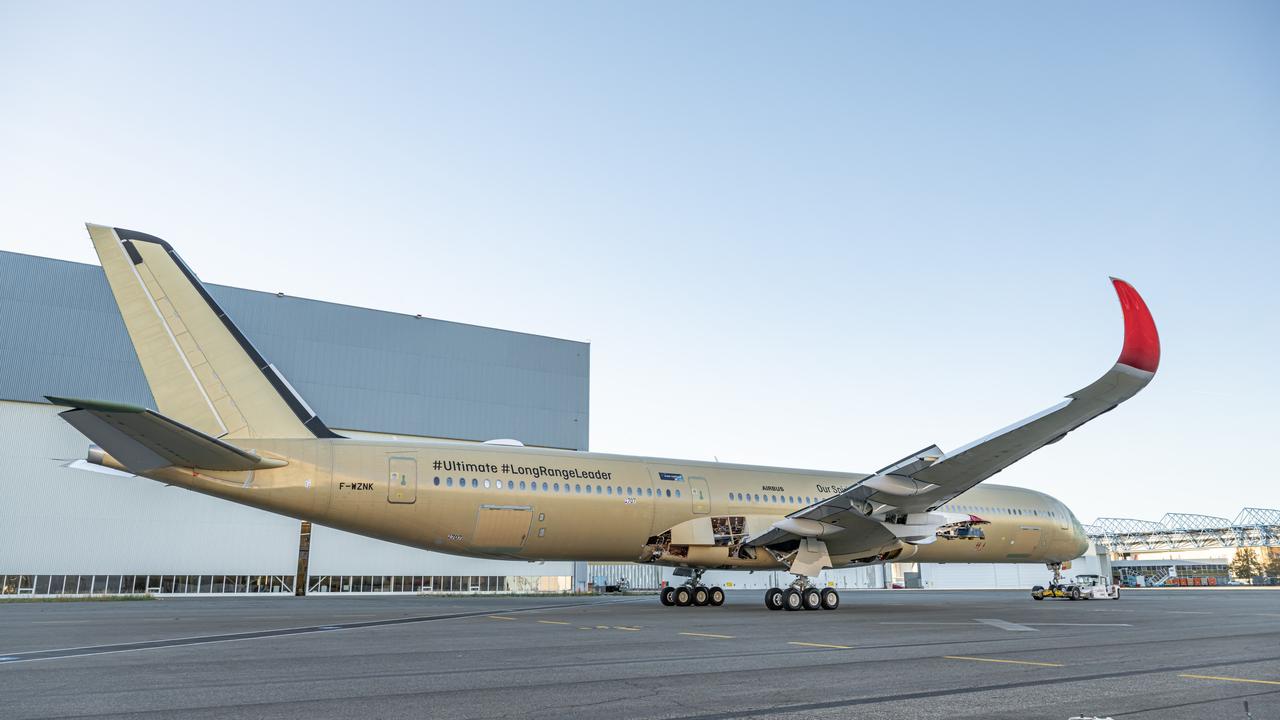
    Dubbed Project Sunrise – a tribute to Qantas’ iconic World War II Double Sunrise flights that saw crews cross multiple time zones and witness two sunrises on a single journey – the decades-in-the-making initiative aims to redefine long-distance air travel by connecting Australia’s densely populated east coast directly to major western hubs without any layovers. The project relies on custom-built Airbus A350-1000URL aircraft, modified with an extra rear-center fuel tank that holds an additional 20,000 liters of jet fuel to power the 18+ hour ultra-long journeys.

    Airbus, the European aerospace giant, attributed the latest delay to ongoing global supply chain disruptions that have rippled across its entire A350 production line, impacting all scheduled deliveries of the popular wide-body aircraft model. Prior to this setback, the first commercial launch of Project Sunrise flights was targeted for 2026, following a multi-year delay triggered by the COVID-19 pandemic that pushed the original 2023 launch date back three years.

    In an official statement provided to NewsWire, Qantas confirmed the revised timeline, noting that while the first custom A350 will now arrive in April 2027, the four subsequent aircraft will be delivered in rapid succession. By November of the same year, the airline expects to be back aligned with its original overall deployment schedule for the project.

    “We continue to work closely with Airbus on the delivery and certification process that will enable us to begin operating these history-making ultra long-haul flights,” a Qantas spokesperson said.

    Despite the delivery delay, progress on pre-launch preparations remains on track. Qantas revealed that the first modified aircraft is currently being painted at Airbus’ facility in Toulouse, France, and is set to begin critical test flights in the coming weeks. Pilot training for the new ultra long-haul routes is also already well underway, with crew completing simulation training at Qantas’ Sydney training center.

    Once operational, Project Sunrise flights are projected to cut total travel time between Sydney and London or New York by up to four hours compared to existing one-stop connecting routes. Qantas already operates the world’s second-longest non-stop commercial route, between Perth and London, with a flight time of roughly 18 hours. The new Project Sunrise services will extend that range by more than three hours for flights departing Sydney, pushing the boundaries of modern civilian aviation to new limits.

  • ‘Uninformed or dishonest’: Negative gearing question the government can’t answer

    ‘Uninformed or dishonest’: Negative gearing question the government can’t answer

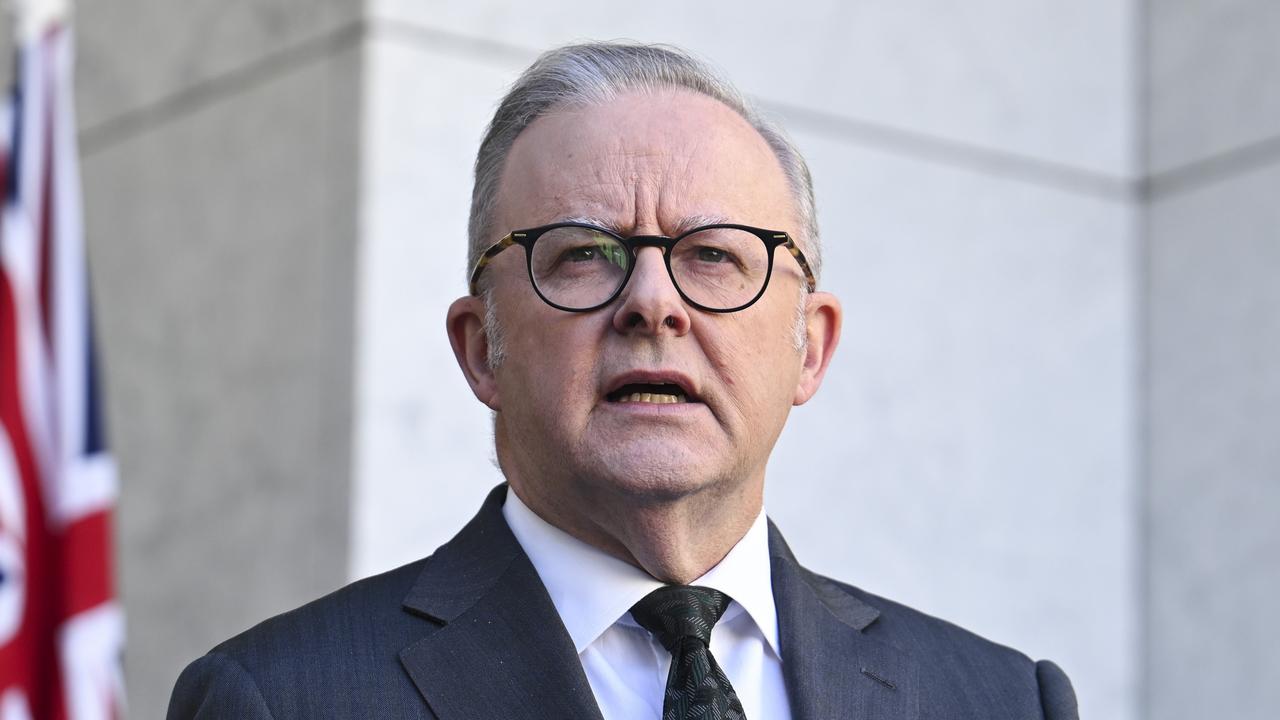
    A fierce political clash has erupted at a Senate estimates hearing in Australia, centering on conflicting government statements around pre-election policy modelling for upcoming negative gearing and capital gains tax reforms. Liberal Senator Jane Hume has launched a scathing rebuke of Prime Minister Anthony Albanese, arguing his public denial of commissioning the policy modelling ahead of last year’s election leaves the Prime Minister with only two unflattering explanations for his comment.

    The controversy traces back to Albanese’s remarks during a 2024 ABC leaders’ election debate, when he asserted that internal modelling of potential changes to negative gearing rules – reforms that were only formally unveiled as part of the federal government’s budget earlier this month – “certainly wasn’t commissioned by us”. Just days after the budget was released, however, Treasurer Jim Chalmers confirmed that the federal Treasury had been working on modelling for both negative gearing adjustments and cuts to the capital gains tax discount as far back as September 2024, contradicting the Prime Minister’s earlier public statement.

    During the tense, hour-long grilling on Monday, Hume pressed Industry Minister Tim Ayres and attending departmental officials repeatedly to clarify whether Albanese was aware of the ongoing modelling work before he made his debate claim. She said bluntly, “When the Prime Minister said this modelling certainly wasn’t commissioned by us, he was either uninformed or dishonest. And, I’d like to know which one he was.”

    Ayres responded by citing longstanding conventions around protecting the confidentiality of cabinet deliberations, noting he was limited in what details he could share about internal government discussions. He told the hearing that there would be future opportunities to question Treasury officials directly about the matter, adding “In terms of which meeting were particular changes canvased I’m not in a position to offer anything more than I already have.”

    When pressed further on the lack of clarity around the timeline and decision-making process for the reform shift, Ayres pushed back, emphasizing that the government had publicly owned the policy change, with full explanations delivered by both the Prime Minister and Treasurer following the budget announcement. “We announced in the budget the Tuesday before last, in the most public way that you can imagine, the approach that we’re taking on this set of questions,” he said. “We have been very clear with the Australian people and with the parliament.”

    Hume rejected this defense, however, arguing that Ayres failed to answer basic questions about when the government decided to reverse its previous position on negative gearing reform and what internal discussions led to the change. After an official told the hearing they would take a question about whether any official had followed up with Albanese about his debate comments on notice, Hume accused the government of deliberate stonewalling. The heated exchange saw Hume interrupted multiple times by the committee chair as she pressed her line of questioning. The controversy is set to continue when Treasury officials appear before future estimates hearings, where opposition senators have pledged to press for full transparency around the government’s pre-election policy work.

  • Australian James Magnussen misfires in Enhanced Games 100m freestyle debut

    Australian James Magnussen misfires in Enhanced Games 100m freestyle debut

    The controversial inaugural Enhanced Games, a competition that unapologetically permits the use of performance-enhancing drugs for all participating athletes, got off to a surprising start in its opening swimming event on Monday in Las Vegas, where one of the sport’s most recognizable former champions failed to deliver on the high expectations he helped build. Australian swimmer James Magnussen, nicknamed “The Missile” and the first athlete to sign on to the privately backed competition, crossed the finish line in last place in the men’s 100m freestyle, finishing more than two seconds slower than his decade-old personal best.

    The 35-year-old, who made headlines ahead of the event with a bold claim that he would “juice to the gills” and break a world record within six months of joining the Games, clocked a final time of 49.44 seconds. That result put him well behind the three other competitors in the field, with Greek swimmer Kristian Gkolomeev taking first place with a time of 46.6 seconds. Gkolomeev’s finish came just 0.2 seconds off the current world record of 46.4 seconds set by Chinese swimmer Pan Zhanle at the 2024 Paris Olympics earlier this year. Completing the field were American swimmer Hunter Armstrong and Irish swimmer Shane Ryan, both of whom finished comfortably ahead of Magnussen.

    Magnussen’s slow final time was 2.34 seconds off his personal best of 47.10 seconds, which he set at the Australian Olympic selection trials back in 2012, when he was at the peak of his competitive career. Competing in an eye-catching gold swimsuit that marked his status as the face of the new event, Magnussen never mounted a serious challenge to the rest of the field throughout the race.

    Despite his underwhelming last-place finish, the former world champion still walked away with a $70,000 payout for just competing in the event, a sum that is nearly double what Australian Olympic gold medalists receive for winning a top prize at the traditional Games. The Enhanced Games offers outsized financial incentives to draw competitors: total prize money across all events sits at millions of dollars, with a $1.4 million reward on offer specifically for any athlete who breaks the 50m freestyle world record. Total prize money for all winners across the inaugural event is set at roughly $350,000, a payout structure that far outpaces traditional elite swimming competition for many lower-ranked finishers.

    Backed by deep-pocketed supporters including private equity firms, tech billionaires, and entrepreneurial investment funds, the Enhanced Games has drawn widespread global scrutiny for its rule that allows unlimited use of performance-enhancing substances, a direct rejection of decades of anti-doping policies that govern the Olympic Games and all other mainstream international sports. For Magnussen, the competition is not over yet: he is still scheduled to compete in the 50m freestyle later in the event, where he retains a chance to claim the massive $1.4 million world record breaking prize.

  • Truck overturns in central Bangladesh, killing at least 15 people

    Truck overturns in central Bangladesh, killing at least 15 people

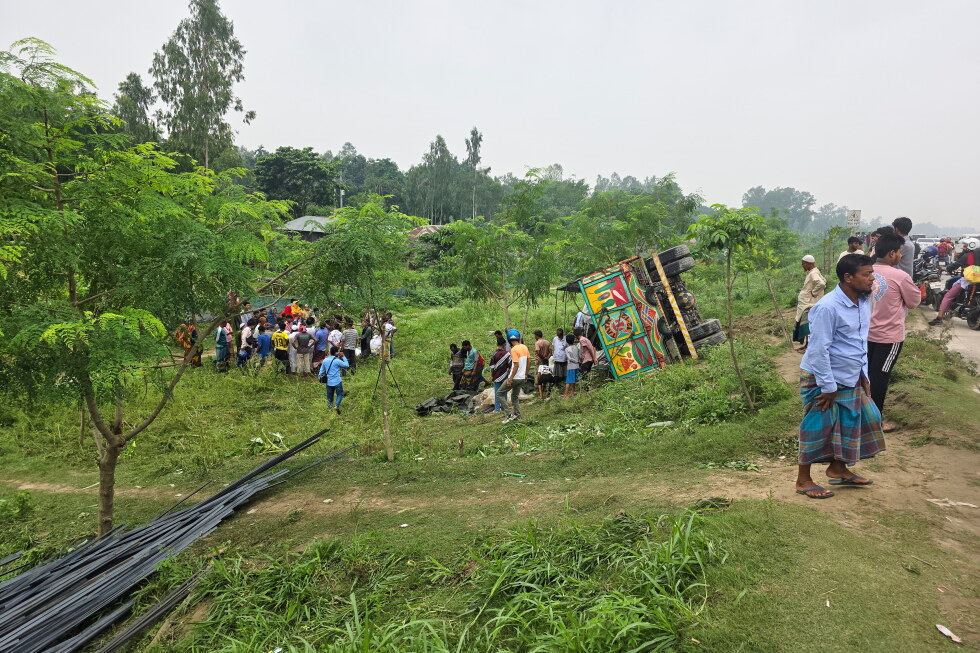
    A devastating early-morning road accident in central Bangladesh has claimed the lives of at least 15 people and left 10 more injured, local law enforcement confirmed, striking as families across the country prepared for the major Islamic festival Eid al-Adha. The crash unfolded around 5 a.m. Monday in the Soratoil area of Tangail district, a region located roughly 52 miles northwest of Bangladesh’s capital city Dhaka, according to Fuad Hossain, chief of local police. The truck, which was transporting iron rods along the country’s major highway, was traveling from Dhaka to the nation’s northern region when its driver lost control, causing the vehicle to flip. Tragically, the truck was carrying far more people than it was legally permitted to hold, with dozens of extra hitchhiking passengers seeking travel to their hometowns for the holiday. Hossain confirmed that 15 passengers died instantly at the scene of the crash. Most of those killed were day laborers, who were making the journey to reunite with their family members for the four-day festival, a time marked by feasting, prayer and community gatherings in Muslim-majority Bangladesh. Immediately after the crash, local residents who heard the sound of the accident rushed to the site to begin rescue efforts, pulling trapped survivors out of the wreckage before emergency services arrived. Injured victims were quickly transported to nearby medical facilities for treatment. This latest fatal crash highlights a long-running and deadly public safety crisis in Bangladesh, a densely populated nation of more than 170 million people. Thousands of people die in road accidents across the country each year, a crisis fueled by systemic issues including lax enforcement of traffic safety regulations, poorly maintained highway infrastructure, and large numbers of unqualified or under-trained drivers operating heavy commercial vehicles. As the country enters one of its busiest travel seasons of the year, safety advocates have repeatedly called for urgent government action to address these gaps and prevent preventable deaths on Bangladesh’s roads.

  • Thai beer heir sexual abuse allegations ignite rare public reckoning

    Thai beer heir sexual abuse allegations ignite rare public reckoning

    In a conservative Southeast Asian nation where discussions of sexual violence have long been locked behind closed doors, explosive allegations of familial sexual abuse from a Thai beer billionaire heir have unlocked a tidal wave of survivor testimonials, marking an unprecedented cultural reckoning for Thailand.

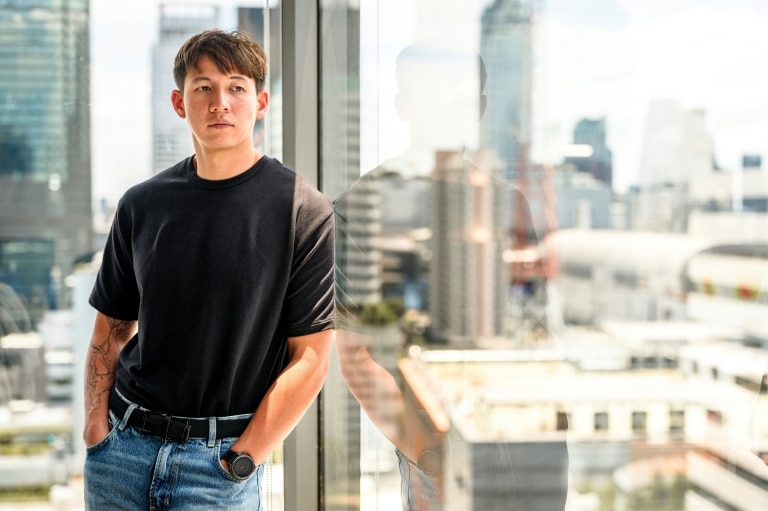
    Siranudh Scott, a 29-year-old fourth-generation member of the Bhirombhakdi family — founders of the globally recognized Singha beer brand, ranked Thailand’s 15th wealthiest clan by Forbes with an estimated $1.75 billion net worth — took to social media this month to share a harrowing emotional account accusing his older brother Sunit of repeated childhood sexual abuse. Siranudh, known locally as Psi, told Agence France-Presse the abuse occurred every summer between the ages of 9 and 13, when Sunit returned home from boarding school.

    For nearly two decades, Siranudh stayed silent. He first disclosed the abuse to other family members three years ago, and accepted a financial settlement to keep the allegations private. But a 2024 property dispute, in which his mother sued him under Thailand’s controversial “ungrateful child” law that allows parents to reclaim gifted assets from children deemed unappreciative, became his breaking point. “I felt I needed to speak out, otherwise I would have been dead inside,” Siranudh told AFP. “I’ve been in a family, in a system, in an institution that’s kept my voice silent.” He is now preparing to pursue formal legal action against his brother.

    Sunit, in his 30s, has publicly denied the allegations via an online video, acknowledging only rough childhood horseplay between brothers. Despite his denial, Singha’s parent company Boonrawd Brewery removed Sunit from his executive position on Tuesday of this week. The brewery has issued a statement confirming the termination and saying it will cooperate fully with any official investigations, though it declined further comment to AFP.

    Singha is one of Thailand’s most iconic beer brands, recognizable worldwide for its golden lion logo and high-profile sponsorships with global sports entities including Premier League club Chelsea FC and the Haas Formula One Team. But it is not the brand’s partnerships that have made headlines around the world — it is the ripple effect of Siranudh’s allegations that has shaken Thai society.

    In the weeks since Siranudh went public, the #PsiScott hashtag has gone viral in Thailand, with celebrities, influencers, and ordinary citizens coming forward to share their own previously untold stories of sexual abuse and misconduct, topics long classified as taboo in the country’s conservative culture. Patinya Kuantrakul, heir to one of Thailand’s most famous golf course dynasties, shared that she was raped by her family driver at age 11, resulting in a pregnancy and forced abortion. Prominent Thai podcaster and influencer Taylor Srirat revealed he was sexually assaulted by his 50-year-old employer when he was just 19 years old. Many survivors have said Siranudh’s testimony gave them the courage to speak publicly for the first time, sharing messages of gratitude and solidarity with the beer heir.

    Siranudh said the outpouring of support from Thai and international social media users has left him overwhelmed by love, noting that this push for accountability from a powerful, well-connected conglomerate family is unprecedented in Thailand. “I don’t think I’ve ever seen this kind of push for accountability before from a huge conglomerate family,” he said.

    Analysts and rights activists agree that the public reckoning is a rare and significant shift for Thailand, a country that has never before had a national #MeToo movement. Cultural norms around hierarchy, family reputation, and aversion to public shame have long forced sexual abuse survivors into silence, particularly when abuse occurs within families or involves powerful, respected community figures. “Thai society places strong emphasis on hierarchy, family reputation and avoiding public shame or conflict,” explained Busayapa Srisompong, a human rights lawyer and founder of Shero, an organization that provides free legal aid to sexual violence survivors in Thailand. “This can make disclosure especially difficult when abuse happens within families or involves respected figures.”

    Survivor-blaming culture further discourages survivors from coming forward, according to influencer Taylor. But he and other experts note that attitudes are already beginning to shift, in large part because social media has created safe, supportive spaces where survivors no longer have to feel isolated. Younger generations of Thais, explained social psychology lecturer Apitchaya Chaiwutikornwanich, have grown up learning about human rights and bodily autonomy, creating new demand for transparency and accountability.

    Siranudh’s high social status, paired with the voice recordings he publicly released confronting his brother about the abuse, have also helped his allegations gain widespread public trust in a way that claims from less privileged survivors often do not.

    An environmental activist who has long distanced himself from his family’s business empire, Siranudh said the ocean became his refuge when no one in his family supported him after the alleged abuse. Even with widespread online solidarity, he said he still feels failed by Thailand’s outdated legal framework, pointing to the “ungrateful child” law used against him in the family property dispute as evidence of systemic inequity.

    Siranudh said going public has already accelerated his own healing process, and he hopes his actions will set a lasting precedent for other survivors across Thailand to come forward. Busayapa, the human rights lawyer, added that meaningful change will require broader societal shift: creating a safe culture means acknowledging there is no “perfect victim” and committing to genuine zero tolerance for sexual violence in all forms.
    “I hope this will set a precedent for other people in Thailand to follow suit,” Siranudh said.