作者: admin

  • England wins the toss and sends Australia in to bat in the 4th Ashes test

    England wins the toss and sends Australia in to bat in the 4th Ashes test

    MELBOURNE, Australia — Under overcast skies at a capacity Melbourne Cricket Ground, England captain Ben Stokes made a bold tactical decision by winning the toss and electing to bowl first in the pivotal fourth Ashes test on Friday. The move came as Australia, having already retained the urn following three consecutive victories, fielded an all-pace attack featuring recalled quicks Jhye Richardson and Michael Neser.

    Weather conditions appeared to favor England’s strategy, with a maximum temperature of 18°C (65°F) and considerable cloud cover creating an environment conducive to swing and seam bowling. The pitch itself showed a noticeable green tinge, prompting Stokes to remark at the toss about the “nice coverage of grass” and emphasizing that execution would be paramount.

    The match represents England’s final opportunity to salvage pride in the series after suffering defeats in the first three tests within just eleven days of play. The visitors’ campaign suffered a significant setback with the confirmed absence of star bowler Jofra Archer for the remainder of the series, including the fifth test scheduled for Sydney in January.

    England’s lineup features two notable changes: 22-year-old Jacob Bethell, capped four times previously, replaces the omitted Ollie Pope, while Gus Atkinson fills the void left by Archer’s injury.

    Australia’s lineup remains formidable with Travis Head and Jake Weatherald opening the batting, followed by the prolific middle order of Marnus Labuschagne, Steve Smith, and Usman Khawaja. The hosts’ bowling arsenal, now strengthened by Richardson and Neser joining Mitchell Starc and Scott Boland, presents a formidable challenge to England’s batting order.

    The tactical decision to bowl first represents a high-risk approach for England, banking on their pace attack to exploit the favorable conditions and finally gain an early advantage against their dominant hosts.

  • Abu Dhabi to allow pets in some restaurants, hotels under new law

    Abu Dhabi to allow pets in some restaurants, hotels under new law

    In a significant policy shift, Abu Dhabi has officially amended its municipal regulations to permit companion animals in designated hospitality venues across the emirate. The Department of Municipalities and Transport (DMT) announced the regulatory changes on December 25, 2025, marking a departure from previous restrictions that exclusively allowed certified service animals in food establishments.

    The amendments to Chairman’s Decision No. (4) of 2018, established under Law No. (2) of 2012, specifically enable hotels and restaurants holding tourism licenses to welcome pets alongside their owners. The revised legislation defines companion animals as domesticated pets that typically accompany owners outside residential settings, primarily encompassing cats and dogs.

    Under the new framework, participating establishments must implement specific zoning arrangements to accommodate animal companions. The regulations mandate designated pet-friendly areas, preferably in open-air environments such as outdoor terraces or balcony sections. For indoor accommodations, venues are required to create appropriately enclosed zones that comply with established health and safety protocols while ensuring animal welfare standards.

    The regulatory update emphasizes the importance of maintaining equilibrium between pet owners’ privileges and general public comfort. Establishments choosing to implement pet-friendly policies must ensure that their animal accommodation provisions do not compromise overall hygiene standards or disrupt the dining experience of other patrons. This balanced approach aims to foster a harmonious environment for all guests while progressively expanding pet accessibility in the emirate’s hospitality sector.

    The policy revision reflects Abu Dhabi’s ongoing efforts to modernize urban regulations in line with evolving societal trends and international best practices regarding animal companionship in public spaces.

  • US defense policy act fuels Taiwan tensions

    US defense policy act fuels Taiwan tensions

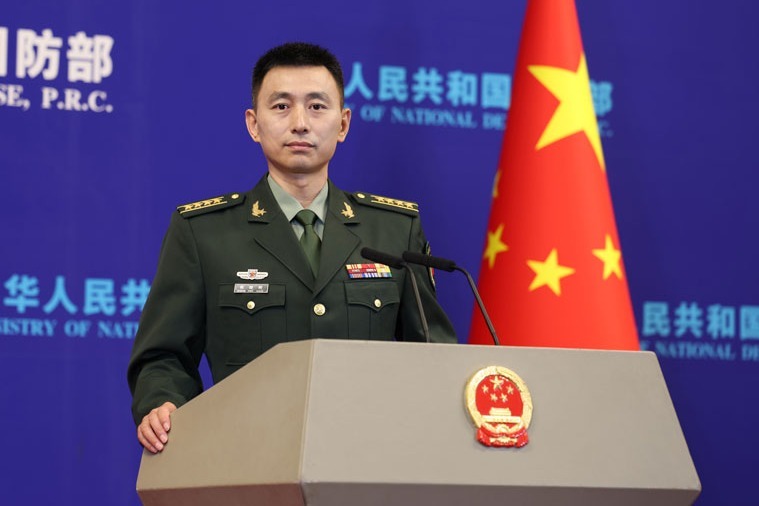
    China has issued a stern condemnation of the United States’ recently enacted National Defense Authorization Act for Fiscal Year 2026, characterizing the legislation as a severe violation of Chinese sovereignty that dangerously escalates tensions surrounding Taiwan. The forceful response came during a press briefing by China’s Ministry of National Defense spokesperson Zhang Xiaogang on Thursday.

    The controversial defense bill, signed into law by President Donald Trump last week, contains multiple China-specific provisions including approximately $1 billion allocated for the ‘Taiwan Security Cooperation Initiative’ – a program designed to enhance weapons sales to Taiwan. Chinese officials maintain that this constitutes blatant interference in China’s internal affairs and represents a serious breach of established diplomatic protocols.

    Zhang accused the United States of reneging on its commitments by intensifying military support for Taiwan, warning that such actions would inevitably embolden separatist forces and push cross-strait relations toward potential conflict. ‘Attempts to use Taiwan to contain China are doomed to fail, and seeking independence through force will only lead to self-destruction,’ Zhang stated emphatically.

    The defense spokesman specifically criticized Taiwan’s Democratic Progressive Party authorities for what he characterized as sacrificing Taiwanese interests to serve American strategic objectives. Zhang singled out regional leader Lai Ching-te, describing him as ‘an instigator of war’ for his policies of military expansion and alignment with US interests.

    Concurrently, Xu Dong, spokesperson for the Foreign Affairs Committee of China’s National People’s Congress, expressed ‘strong dissatisfaction and firm opposition’ to the US legislation. Xu warned that continued implementation of the act’s China-related provisions would compel Beijing to take ‘resolute measures’ to protect its sovereignty and development interests.

    Chinese officials urged the US to recognize the extreme sensitivity of Taiwan-related matters, adhere strictly to the one-China principle, and handle cross-strait issues with maximum caution. The coordinated responses from both defense and legislative bodies underscore China’s escalating concerns over what it perceives as increasingly provocative US actions regarding Taiwan.

  • India’s solar boom faces a hidden waste problem

    India’s solar boom faces a hidden waste problem

    India’s remarkable transformation into a global solar energy leader is confronting an emerging environmental challenge: the impending tidal wave of solar panel waste. Having ascended to become the world’s third-largest solar producer within just a decade, the nation now faces the complex task of managing the lifecycle of its renewable infrastructure.

    The solar revolution has visibly transformed India’s landscape, with vast utility-scale parks and millions of rooftop installations feeding power into the national grid. Government statistics reveal nearly 2.4 million households have adopted solar technology through subsidy programs, significantly reducing reliance on coal-fired generation despite thermal power still dominating over half of installed capacity.

    While solar energy generation itself produces minimal emissions, the disposal of decommissioned panels presents significant environmental risks. Solar modules contain potentially toxic materials including lead and cadmium that can contaminate soil and water systems if improperly handled. With panels typically lasting 25 years, the first major wave of installations from the mid-2010s will begin reaching end-of-life within the next decade.

    Current estimates suggest India has already accumulated approximately 100,000 tonnes of solar waste, with projections indicating this could swell to 600,000 tonnes by 2030 and exceed 11 million tonnes by 2047. A comprehensive study by the Council on Energy, Environment and Water (CEEW) calculates that managing this volume would require nearly 300 dedicated recycling facilities and an investment approaching $500 million over the next two decades.

    The regulatory framework remains underdeveloped. Although India brought solar panels under e-waste management rules in 2022, making manufacturers responsible for collection and recycling, enforcement remains inconsistent. This is particularly problematic for distributed rooftop installations, which constitute 5-10% of capacity but are significantly more challenging to track and process.

    Environmental expert Sai Bhaskar Reddy Nakka warns: “Solar power creates an illusion of clean energy for two decades, but without serious recycling planning it risks leaving behind a graveyard of modules rather than an environmental legacy.”

    Despite these challenges, the situation presents substantial economic opportunities. Efficient recycling could reclaim 38% of materials for new panel production by 2047 while preventing 37 million tonnes of carbon emissions from virgin material extraction. Markets already exist for glass and aluminum components, while precious metals including silicon, silver and copper can be recovered for reuse across industries.

    Energy analyst Rohit Pahwa notes: “As waste volumes increase, so will demand for companies specializing in processing these materials.” Currently, most recycling focuses on low-value components through basic methods, with precious metals frequently lost or damaged during extraction.

    Experts emphasize that the coming decade will be decisive for India’s renewable ambitions. Building a regulated, self-sustaining recycling ecosystem requires urgent action—including integrating waste management into business models, raising consumer awareness, and ensuring manufacturers and profiteers assume responsibility for end-of-life processing. Without these measures, today’s clean energy triumph risks becoming tomorrow’s environmental burden.

  • Indonesians raise white flags as anger grows over slow flood aid

    Indonesians raise white flags as anger grows over slow flood aid

    In Indonesia’s Aceh province, a sea of white flags has emerged as a powerful symbol of desperation following catastrophic November floods. The disaster, triggered by an unusual cyclone, claimed over 1,000 lives across Sumatra with Aceh accounting for nearly half the fatalities. Despite widespread destruction that displaced hundreds of thousands, survivors face critical shortages of clean water, food, electricity, and medical supplies.

    The crisis has exposed deepening tensions between local authorities and President Prabowo Subianto’s administration. North Aceh Governor Ismail A Jalil emotionally pleaded for recognition of the devastation, while Prabowo has refused international assistance, asserting Indonesia can handle the disaster independently. His government has declined to declare a national disaster—a move that would unlock emergency funds and streamline relief operations.

    Protesters in Banda Aceh have transformed the white flag from a surrender symbol to an international distress call. ‘They are a signal to grab attention about the terrible conditions in Aceh,’ explained rally participant Husnul Khawatinnissa. The demonstrations highlight growing frustrations with what critics describe as reactive and disorganized governance.

    The situation evokes painful memories of the 2004 tsunami, with residents noting that despite that disaster’s greater scale, relief arrived more promptly. The current administration has allocated 60 trillion rupiah ($3.6 billion) for reconstruction, but many communities remain isolated with destroyed infrastructure.

    Analysts suggest Prabowo’s refusal of foreign aid represents a political calculation prioritizing sovereignty perceptions over practical crisis management. This stance has drawn criticism from researchers who note the government appears increasingly out of touch with ground realities. Meanwhile, flood survivors like Rindu Majalina describe fighting ‘like zombies’ for scarce supplies, highlighting the human toll of the political impasse.

  • Heavy rain storms in California leave three dead as of Christmas night

    Heavy rain storms in California leave three dead as of Christmas night

    A series of powerful atmospheric rivers has unleashed catastrophic flooding across California, resulting in at least three fatalities and widespread destruction during the busy holiday travel period. The relentless storms, which began over the weekend and are forecasted to persist through Friday, have transformed streets into raging waterways and triggered dangerous mudslides in vulnerable areas.

    According to local authorities, the extreme weather has claimed lives through multiple tragic incidents. A 64-year-old San Diego man perished when a tree collapsed on Wednesday morning, while a 74-year-old individual drowned over the weekend during a vehicle rescue attempt in Redding. Earlier, a woman in her seventies was swept to her death by massive waves at MacKerricher State Park.

    The meteorological onslaught has delivered unprecedented rainfall measurements, with Los Angeles County recording up to 11 inches (27 centimeters) of precipitation. The National Weather Service’s Prediction Center has issued grave warnings about continuing flash flood risks and potential river overflows throughout the region.

    Governor Gavin Newsom declared a state of emergency Wednesday for multiple Southern California counties as emergency crews conducted numerous water rescues for motorists trapped by rapidly rising floodwaters. The severe conditions have forced road closures, prompted evacuation orders for residents in San Bernardino County, and left approximately 100,000 households without electricity as of Thursday evening.

    Particular concern has focused on burn scar regions where previous wildfires have reduced the land’s ability to absorb water. In Altadena, near Los Angeles, CBS News reported significant mudslides resulting from this vulnerability.

    San Francisco Bay Area experienced hurricane-force winds exceeding 100 mph (161 km/h) near San Jose, adding to the system’s destructive power. Los Angeles Mayor Karen Bass joined state officials in declaring a local emergency while urging extreme caution for residents compelled to travel during the hazardous conditions.

    The converging atmospheric rivers have transported massive tropical moisture plumes to the West Coast during one of the year’s heaviest travel weeks, creating what officials describe as a particularly dangerous and complex weather scenario that continues to evolve.

  • What is tea? India imposes penalty on brands that use ‘misleading’ name for herbal infusions

    What is tea? India imposes penalty on brands that use ‘misleading’ name for herbal infusions

    India’s principal food regulatory body has instituted rigorous labeling protocols specifically governing the commercial use of the term ‘tea’ on consumer products. The Food Safety and Standards Authority of India (FSSAI) has issued an official directive to food commissioners across all states and union territories, establishing clear parameters for product classification.

    According to the new standards, only beverages derived from the Camellia sinensis plant—including varieties such as Kangra tea, green tea, and instant tea—are permitted to carry the ‘tea’ designation on packaging. The regulatory authority has classified the application of the term to herbal infusions or plant-based beverages not originating from this specific botanical source as fundamentally misleading marketing practice. This categorization falls under the legal definitions of misbranding as outlined in the Food Safety and Standards Act of 2006.

    The comprehensive directive explicitly mandates that all food business operators—encompassing manufacturers, packers, marketers, importers, and e-commerce platforms involved in product sales—must adhere to these revised regulations. Furthermore, the FSSAI has reinforced packaging requirements stipulating that the front-facing display of every product must accurately identify the food’s composition and true nature.

    Non-compliance with these updated standards will trigger enforcement actions pursuant to the established legal framework, potentially resulting in significant penalties for violators. This regulatory enhancement aims to foster greater transparency within India’s substantial tea market, ensuring consumers receive accurate product information and preventing marketplace confusion regarding beverage composition and origins.

  • Indian forces kill Maoist rebel leader with $120,000 bounty, say police

    Indian forces kill Maoist rebel leader with $120,000 bounty, say police

    Indian security forces have achieved a significant breakthrough in their ongoing counterinsurgency operations with the elimination of senior Maoist commander Ganesh Uike during a tactical raid in eastern Odisha state. The operation, conducted on Thursday in Kandhamal district, resulted in four rebel casualties including Uike who carried a substantial bounty of $120,000 on his head.

    According to Odisha police authorities, the operation was launched following specific intelligence regarding Uike’s whereabouts. The 69-year-old rebel leader, who commanded Maoist operations in the coastal region, was killed alongside three associates—two female combatants and one male fighter—during an exchange of gunfire. State police official Yogesh Bahadur Khurania confirmed the identities were being verified while noting no security personnel casualties occurred.

    This engagement represents the latest success in New Delhi’s comprehensive campaign to eradicate the decades-long Maoist insurgency by March 2026. Just one day prior to this operation, security forces had neutralized two additional rebels in the same region, demonstrating the intensified tempo of counterinsurgency activities.

    The Naxalite movement, which originated nearly sixty years ago in the Himalayan foothills, once exerted control over approximately one-third of Indian territory with an estimated fighting force of 15,000-20,000 personnel during its mid-2000s peak. However, government statistics indicate over 500 Maoist combatants have been eliminated since 2024 alone, signaling the rebellion’s substantial degradation in recent years amid sustained security pressure.

  • Hong Kong’s global standing boosted with increasing presence of intl organizations: justice secretary

    Hong Kong’s global standing boosted with increasing presence of intl organizations: justice secretary

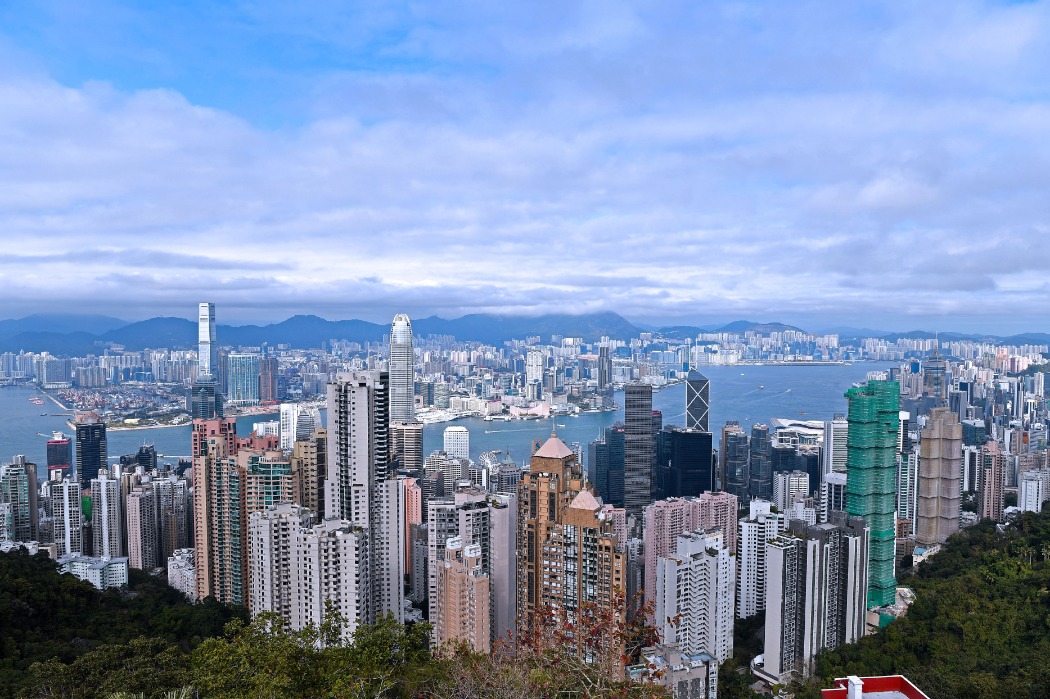
    Hong Kong’s position as a premier international legal services center has received a substantial boost with the upcoming establishment of the International Institute for the Unification of Private Law (UNIDROIT) Asia-Pacific Liaison Office. Justice Secretary Paul Lam announced that this landmark development represents a significant vote of confidence in Hong Kong’s global standing and legal capabilities.

    The UNIDROIT office, scheduled to open in the second half of 2026, marks a historic milestone as the organization’s first regional presence outside its Rome headquarters in its century-long history. This expansion places Hong Kong alongside only a select few cities worldwide that host multiple international legal institutions.

    Hong Kong’s legal infrastructure already includes the Hague Conference on Private International Law Regional Office for Asia and the Pacific, the Department of Justice Project Office for Collaboration with United Nations Commission on International Trade Law, and the headquarters of the International Organization for Mediation. This concentration of legal entities creates a unique ecosystem for international dispute resolution and legal cooperation.

    Secretary Lam emphasized the symbolic importance of international organizations choosing Hong Kong for their regional presence, noting that each new institution represents a tangible expression of global confidence in the city’s legal framework and international connectivity. He anticipates a snowball effect where Hong Kong’s enhanced reputation will attract more legal professionals, international activities, and dispute resolution cases to the city.

    The strategic placement of these organizations strengthens Hong Kong’s role in shaping regional legal standards and practices while providing Asian jurisdictions with enhanced access to international legal resources. This development aligns with Hong Kong’s ongoing transformation into a comprehensive international legal services hub capable of handling complex cross-border matters and contributing to the evolution of global legal frameworks.

  • Zelensky hails ‘new ideas’ on peace after talks with US envoys

    Zelensky hails ‘new ideas’ on peace after talks with US envoys

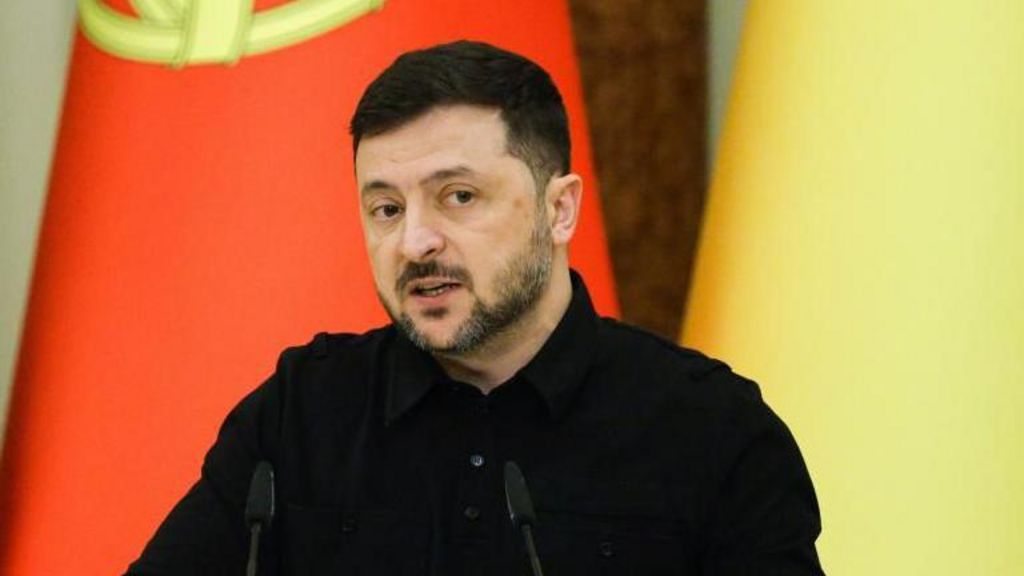
    Ukrainian President Volodymyr Zelensky has expressed optimism following substantive diplomatic discussions with U.S. representatives regarding potential pathways to resolve the ongoing conflict with Russia. The nearly hour-long conversation on Thursday with American envoys Steve Witkoff and Jared Kushner yielded what Zelensky described as “novel concepts concerning negotiation frameworks, prospective meetings, and temporal considerations for advancing genuine peace prospects.

    This diplomatic engagement occurred shortly after the revelation of an updated 20-point peace blueprint, collaboratively developed by American and Ukrainian negotiators during recent talks in Florida. While acknowledging persistent challenges in addressing delicate matters, Zelensky emphasized productive alignment with the American delegation regarding implementation strategies.

    The revised peace proposal represents an evolution from earlier drafts formulated between Witkoff and Russian officials, which had faced criticism for perceived excessive concessions to Moscow. According to Zelensky’s Wednesday elaboration, the current iteration contemplates potential Ukrainian military withdrawal from eastern territories, establishing demilitarized zones in vacated areas. Crucially, the plan incorporates security assurances from the United States, NATO, and European nations mandating coordinated military response should Russia launch future aggression against Ukraine.

    Regarding the contentious Donbas region, Zelensky suggested a “free economic zone” as a potential resolution mechanism, while maintaining that any areas vacated by Ukrainian forces would remain under Ukrainian law enforcement jurisdiction.

    Concurrently, Kremlin spokesperson Dmitry Peskov confirmed Moscow’s analytical examination of proposals conveyed by Russian envoy Kirill Dmitriev following his American consultations. Peskov indicated that subsequent diplomatic engagement with American counterparts would be determined by President Vladimir Putin’s assessment of these materials.

    Amid these diplomatic developments, military operations persist unabated. Ukrainian forces reportedly struck the strategically significant Novoshakhtinsk oil refinery in Russia’s Rostov region using cruise missiles on Thursday. This facility plays crucial logistical role in fueling Russian military operations in occupied eastern Ukrainian territories. Meanwhile, Russia’s defense ministry announced its seizure of Sviato-Pokrovske settlement in the Donetsk region, underscoring the continuing territorial contestation.