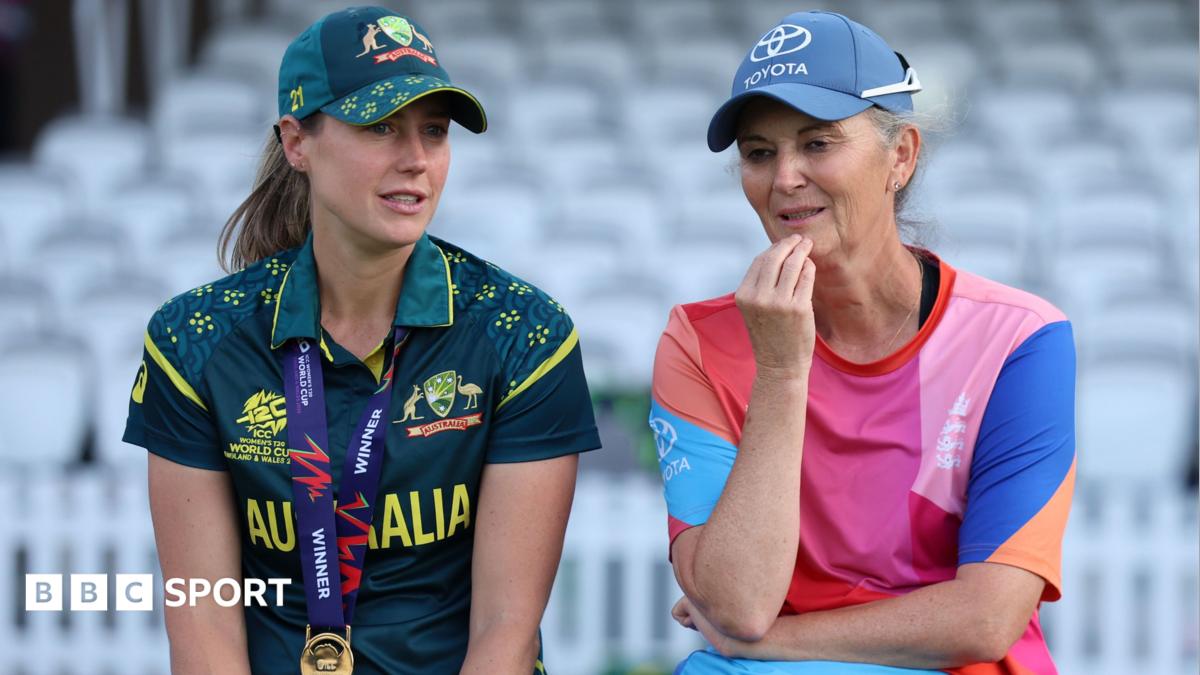
The historic Lord’s Cricket Ground did not add another iconic English sporting triumph to London’s recent legacy, following in the footsteps of nearby Wembley and Twickenham. Instead, Australia women’s cricket team reclaimed the T20 World Cup title with a dominant seven-wicket win over the host side in the 2026 final, leaving England confronting questions about squad strategy and personnel just one year out from the next Ashes series.
England entered the final with high hopes, framed as a chance to replicate the recent international success of England’s other women’s national teams, the soccer Lionesses and rugby Red Roses. The home side advanced to the decider but crumbled at the decisive moment, producing their most underwhelming batting and bowling performance of the entire tournament. Batting lacked variation in tempo, while bowling displays were uncharacteristically loose, falling well short of the ‘perfect performance’ England admitted they needed to topple the Australian side.
For Australia, the win marked a long-awaited redemption after exiting the previous two World Cups empty-handed. Captain Sophie Molineux, whose laid-back, approachable leadership style has drawn sharp contrast to her more decorated predecessors Meg Lanning and Alyssa Healy, noted after the match that her experienced squad has not yet hit its peak, signaling Australia will remain a dominant force in global women’s cricket for years to come.
The defeat leaves England head coach Charlotte Edwards facing a defining moment analogous to that of Michael Vaughan ahead of the iconic 2005 men’s Ashes series. Vaughan opted for a full squad reset to shake off the baggage of repeated losses to Australia, and Edwards has now opened the door to potential major personnel changes ahead of next summer’s home Ashes. Appointed just 15 months ago in April 2025, Edwards stressed that a full review of the squad will take place at the end of the summer, acknowledging the team stuck with experienced core players for this tournament who had delivered consistent results throughout the group stage.
Despite the lopsided final score, the tournament marked clear progress for an England side that has climbed back from rock-bottom in recent years. Just 20 months ago, England crashed out of the T20 World Cup in the group stage, followed by a humiliating 16-0 clean sweep defeat in the 2024-25 Ashes and a rocky group-stage exit at the 2025 50-over World Cup. This run to the final has re-established England as the second-ranked team in global women’s cricket, a status that had slipped away after three underwhelming World Cup campaigns.
Several emerging and existing players have proven their value to the squad during the tournament. Young talents Freya Kemp and Dani Gibson have added much-needed power to England’s middle order, while Alice Capsey has transitioned from promising prodigy to reliable top-order batter. Star spinner Sophie Ecclestone also returned to near her best form after inconsistent outings in recent seasons, while 35-year-old Heather Knight silenced critics who argued her international career was winding down. Captain Nat Sciver-Brunt also shrugged off concerns over a recent two-week calf injury to produce consistent performances throughout the event.
The tournament also highlighted growing leadership depth within the squad, a promising sign for the future. When Sciver-Brunt was sidelined with her calf injury earlier in the campaign, vice-captain Charlie Dean stepped up seamlessly to lead the side, proving she is a ready replacement when Sciver-Brunt eventually steps down. Gibson also got a valuable leadership trial during an intra-squad camp in South Africa earlier this year, and will lead Sunrisers Leeds in the upcoming Hundred season, with many tipping her as a future international captain.
That said, clear weaknesses were exposed in the final that cannot be ignored. The most pressing issue is the form of veteran wicketkeeper-batter Amy Jones, who notched five single-figure scores in seven innings at the tournament. While Jones’s glovework has never been questioned, she has failed to deliver consistently with the bat in her role as an opening batter, managing just two centuries in 260 international matches. England currently lack clear established replacements, with domestic keepers Kira Chathli and Ellie Threlk yet to force their way into contention, leading to calls for a bold shake-up: moving current back-up keeper Alice Capsey into the full-time wicketkeeper role, which would open up a spot for exciting 18-year-old talent Davina Perrin to come into the side as opening batter alongside tournament leading run-scorer Danni Wyatt-Hodge. Uncapped squad member Tilly Corteen-Coleman is also expected to get opportunities in the coming international windows.
Edwards has pushed back against calls for an immediate overhaul, saying she remains excited to work with the current squad over the next 12 months to build on their progress. She also noted that the team has already won back public support after the heavy backlash following the 2024-25 Ashes defeat, and has successfully re-established England as a legitimate contender in global women’s cricket. Now, her biggest challenge remains: closing the gap with a dominant Australian side and pulling off an Ashes upset on home soil next summer.