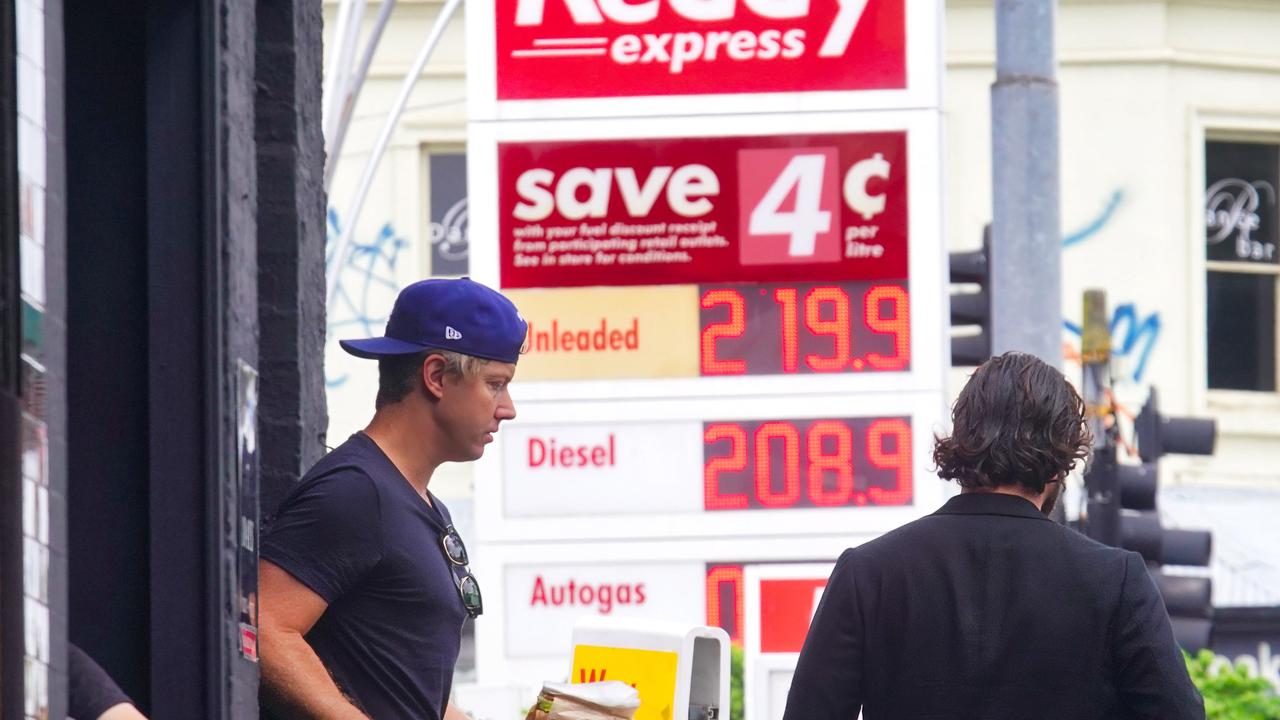
Global oil markets have experienced their most substantial weekly price escalation in over four decades, creating imminent financial pressure for Australian consumers facing dramatic increases at gasoline pumps. The unprecedented surge, triggered by escalating Middle Eastern conflicts and resulting supply shortage fears, has pushed crude benchmarks to extraordinary heights.
West Texas Intermediate futures skyrocketed 12.21% during Friday’s trading session, closing at $90.90 per barrel, while benchmark Brent Crude surged 8.52% to settle at $92.69. This represents a staggering 35.63% weekly gain for US crude – the largest recorded increase since futures contracts began in 1983 – with Brent recording its most significant weekly rise since April 2020 at approximately 28%.
According to AMP chief economist Shane Oliver, Australian fuel prices directly correlate with global oil benchmarks through the Asian Tapis oil price index. ‘Each $1 per barrel increase in oil prices translates to approximately one cent per liter at the pump,’ Dr. Oliver explained. Should current price elevations persist, motorists could encounter a devastating 36-cent-per-liter increase, adding approximately $21.60 to refill a standard 60-liter family vehicle tank.
The economic ramifications extend beyond transportation costs, with financial experts warning of potential 1970s-style ‘stagflation’ – a perilous economic scenario combining soaring inflation with stagnant growth. AMP economist My Bui cautioned that prolonged conflict could drive oil prices to $150 per barrel, creating dual pressures of increased household energy costs and manufacturing input expenses while simultaneously reducing consumer discretionary spending.
Market analysts note that while the oil intensity per unit of global GDP has decreased due to technological advancements, current market reactions reflect rational responses to unprecedented geopolitical uncertainty. Morningstar market strategist Lochlan Halloway observed that markets are ‘pricing a broad spectrum of risk’ ranging from brief disruption to potentially unprecedented oil shock scenarios.