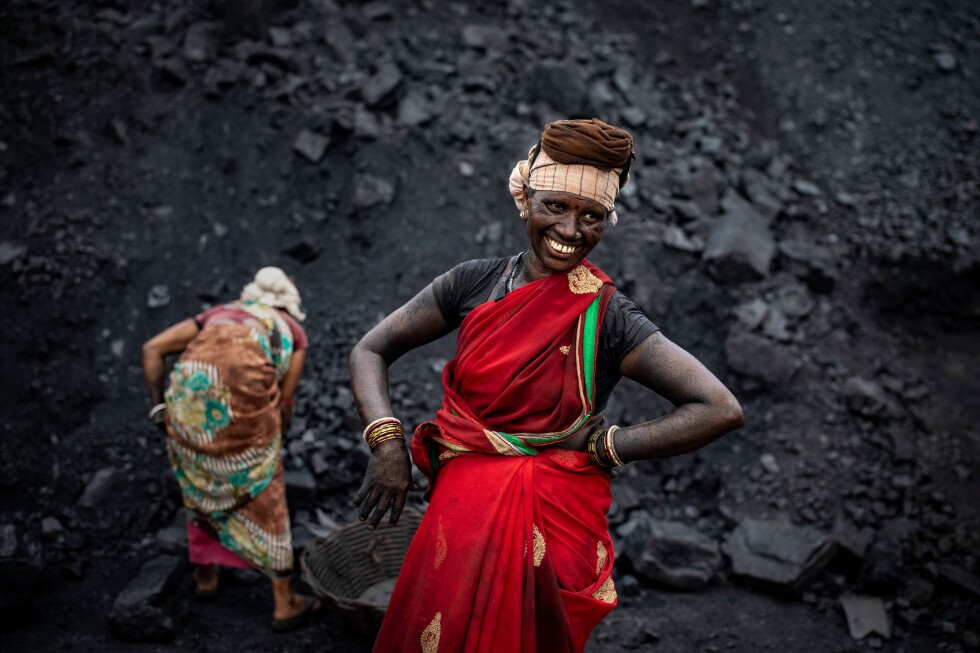
A significant energy security crisis is unfolding across Asia as nations increasingly revert to coal power generation in response to disrupted oil and gas shipments caused by the Iran conflict. The strategic shift highlights the region’s vulnerability stemming from its heavy dependence on imported fuels, particularly those transiting through the critical Strait of Hormuz chokepoint, which facilitates approximately one-fifth of global oil and natural gas trade.
Multiple Asian economies are implementing emergency measures to address growing energy shortfalls. India is substantially increasing coal consumption to meet unprecedented summer demand peaks, while South Korea has temporarily suspended electricity generation caps from coal sources. Indonesia, the world’s largest coal exporter, is prioritizing domestic consumption over international shipments, potentially creating regional supply constraints and driving global price increases. Meanwhile, Thailand, the Philippines, and Vietnam are all expanding coal-fired power generation capacity.
This widespread return to coal presents substantial environmental and economic challenges. Experts warn that increased coal usage will exacerbate urban smog conditions, delay the transition to renewable energy infrastructure, and significantly elevate planet-warming emissions throughout the region. Although coal provides immediate energy security benefits, it represents a short-term solution that may expose Asian economies to future market volatility and supply disruptions.
Energy analysts emphasize that coal’s extensive regional availability makes it the default backup option when renewable sources or natural gas supplies prove insufficient. China, the world’s leading coal consumer and producer, has constructed record coal power capacity since 2021 to strengthen energy security, despite simultaneously developing substantial clean energy infrastructure. India, the second-largest coal consumer, anticipates peak demand reaching 270 gigawatts during the approaching summer—nearly double Spain’s total electricity production capacity.
The economic implications of this coal resurgence are considerable. Coal prices in Asia, particularly Newcastle coal from Australia, have already increased by 13% since the conflict began. Import-dependent nations face exposure to global price fluctuations, while countries like Vietnam experience supply uncertainty from traditional sources, potentially necessitating coal imports from the United States and Laos.
Environmental advocates express concern that this emergency coal dependence may establish dangerous precedents that undermine long-term climate commitments. South Korea, despite pledging to retire most coal plants by 2040 and halve emissions by 2035, has authorized increased coal usage during periods of low air pollution and LNG shortages. Financial analyses reveal South Korea has committed $127 billion to fossil fuels over eleven years—thirteen times more than renewable energy investments.
The public health consequences are equally significant. The World Health Organization confirms coal combustion produces fine particulate matter that increases risks of heart disease, stroke, lung cancer, and chronic respiratory illnesses. Currently, all 1.4 billion Indians breathe air containing particulate concentrations exceeding WHO safety guidelines, with similar conditions prevailing in Vietnam and other Southeast Asian nations.
This developing situation demonstrates how geopolitical conflicts can directly impact energy policies and environmental progress, potentially creating long-term consequences for global climate objectives and regional public health outcomes.