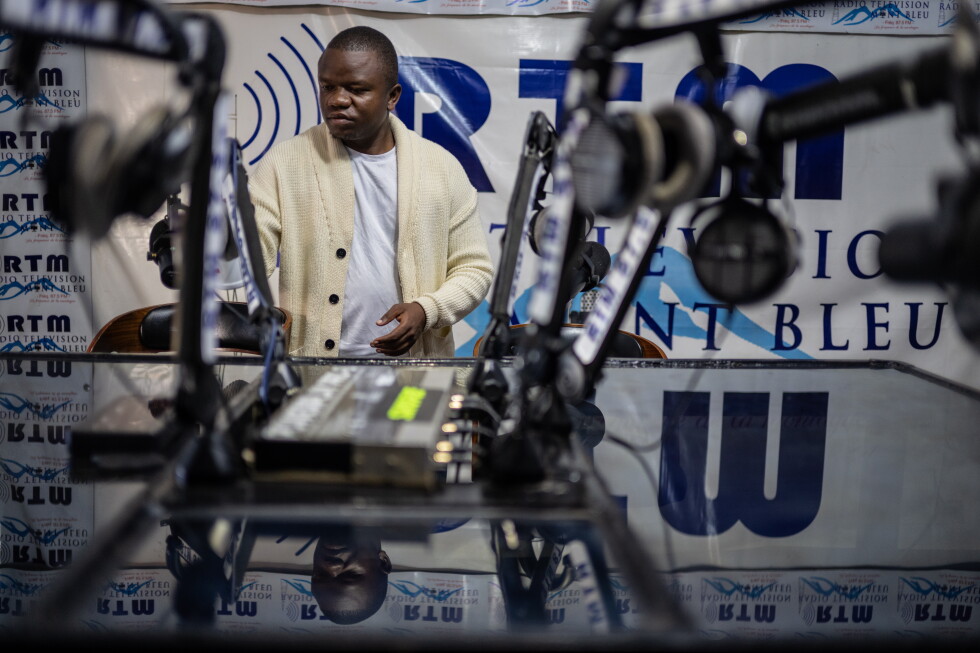
In the eastern Congolese city of Bunia, epicenter of an unexpected and fast-moving outbreak of the rare Bundibugyo Ebola variant, a quiet public health battle is being waged on the airwaves. This outbreak caught local communities completely off guard, spreading undetected for weeks before authorities issued an official alert, and deep-seated misinformation and public skepticism have hindered containment efforts from the start.
Congolese health officials formally declared the outbreak on May 15. As of this week, official records count 363 confirmed cases and at least 62 deaths, but public health experts warn these numbers almost certainly understate the true scale of the epidemic. Initial testing protocols focused on more common Ebola strains, creating critical weeks of delay that allowed the virus to expand far beyond its original three health zones to 24 zones across the region.
Many local residents have dismissed official warnings of the outbreak as an invented “Western conspiracy,” spreading unfounded rumors that the crisis is exaggerated by opportunistic actors seeking financial gain. For 52-year-old Bunia resident Samson Gerson, a father of seven, this mistrust runs so deep that he says he would refuse any future Ebola vaccine, preferring to risk death over accepting what he sees as a dangerous, profit-driven hoax. Even basic facts about the outbreak are questioned by locals like Chantal Francine, who notes that most residents have only seen secondhand edited images of Ebola fatalities on mobile phones, leaving them skeptical of reported death tolls.
This widespread resistance to public health guidance has already had dangerous consequences. Since the outbreak was declared, local communities have carried out at least three separate attacks on Ebola treatment centers, demanding the release of deceased patients’ bodies. During these attacks, multiple suspected Ebola patients fled the facilities, and health workers have been unable to trace their whereabouts, creating new, unmonitored transmission risks. Health officials confirm that misinformation and fear discourage residents from following safety protocols or seeking timely medical care, directly allowing the virus to spread faster.
Public health analysts trace this deep mistrust to a combination of longstanding skepticism of the national healthcare system and limited engagement from local government officials in outbreak response. “What is key is to involve the local actors at all levels. If we try to impose what we think is right to the community, we are running towards failure,” explained Basile Rambaud, emergency programs director for Mercy Corps in Congo. “If people do not trust the response, they end up delaying to seek care, rejecting protective measures, or avoiding working with health teams, giving the virus more time to spread.”
Compounding the crisis further is the context of ongoing violent conflict in the region. Eastern Congo remains destabilized by clashes between government forces and the Rwanda-backed M23 rebel group, plus frequent attacks by the Allied Democratic Force, an extremist group affiliated with the Islamic State that killed 16 people in Beni territory, North Kivu, just this week. Widespread population displacement from these conflicts has disrupted public health work and created more opportunities for the virus to spread across communities. There is also no approved vaccine or specific treatment for the rare Bundibugyo Ebola strain, adding an extra layer of danger and uncertainty to the response.
Against this backdrop, one local journalist has stepped forward to fill the information gap. Vérité Johnson, editorial secretary at Bunia’s Radio Télévision Mont Bleu, launched a daily radio program specifically designed to counter false rumors and deliver accurate, accessible information about the outbreak to local residents.
The 45-minute show, which airs every morning at 10 a.m., has quickly become a critical lifeline for communities. It regularly features public health specialists who share the latest outbreak updates, explain safety protocols, and answer listener questions directly. Listeners can call in live to ask about their concerns, and short educational jingles about Ebola safety are played throughout the broadcast day to reinforce key messages. For many residents who were unaware of the outbreak’s facts or deeply skeptical of official information, the program has helped shift perspectives.
Congo has now faced 17 separate Ebola outbreaks since the virus was first identified in the country in 1976, so community resistance to public health measures during emergencies is a well-documented challenge. Johnson acknowledges that significant public resistance remains, but says the local media’s role in disseminating facts remains indispensable.
“Everyone is free to think what they want, but the information remains the same. The epidemic is here,” Johnson said, confirming that the station will continue running the program as long as the outbreak persists. The WHO Director-General Tedros Adhanom Ghebreyesus has also warned that response efforts are still falling behind despite recent improvements in testing, underscoring the urgent need for trusted, local information campaigns like Johnson’s to turn the tide of the outbreak.