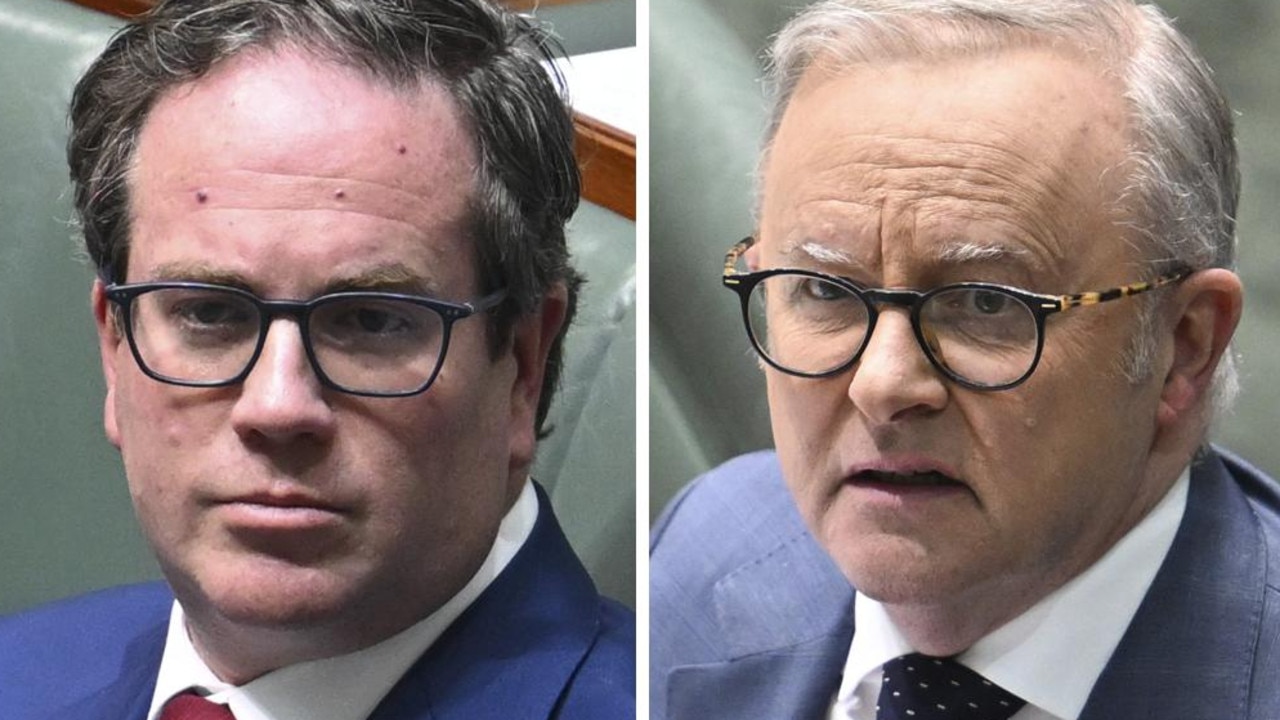
Australia’s federal government has been thrown into political turmoil this week, as Prime Minister Anthony Albanese was forced to publicly defend his Veterans Affairs Minister Matt Keogh amid intense opposition pressure triggered by a controversial initial refusal to meet with a leading veteran advocacy group. The standoff centers on a new government policy that caps annual allied health services for veterans at $5,000 — a restriction that was never recommended by the Royal Commission into Defence and Veterans Suicide, and has already drawn fierce condemnation from veteran support organizations across the country.
The conflict began on Monday, when representatives from the Coalition of Veterans’ Voices arrived in Canberra to protest the newly introduced $5,000 annual cap. Keogh’s office initially informed the group that the minister had no available time in his schedule to meet with their delegation. As political backlash grew over the perceived snub to Australia’s ex-service community, Keogh ultimately reversed the decision and held the meeting, but the controversy did not end there.
During parliamentary question time on Tuesday, Keogh publicly acknowledged that he had made a mistake in initially declining to meet the veteran group. Even so, he rejected accusations that he had acted with disrespect toward Australia’s veteran community. By Wednesday, the opposition ramped up its attacks, calling directly for Keogh’s resignation and pressing Albanese to remove him from cabinet. Over the course of question time, Keogh was pressed five separate times on the incident, with Albanese also facing one direct question about the minister’s future.
Opposition veterans affairs spokesman Michael McCormack challenged Keogh’s continued tenure in the role, asking how the minister could retain his position if he failed to uphold core Australian Defence Force values. John Armfield, a former navy diver and spokesman for the advocacy group Fair Care for Veterans, doubled down on the criticism after his meeting with Keogh, stating: “I enlisted under the navy values of courage, honour, honesty and loyalty, yet you fail to display any of these values, minister.”
In his response to the criticism, Keogh acknowledged the depth of anger and hurt among veteran advocates. He noted that he had previously heard Armfield’s testimony before the Royal Commission into Defence and Veterans Suicide, which detailed tragic, devastating circumstances facing many veterans and their families. “I can very much understand why he would feel that there has been a breach of faith with him in terms of the upholding of the Australian Defence Force values and his commitment. And, so I understand that,” Keogh told parliament. “I’m sorry that he holds that view about this, and all I can do is I try to do each and every day is to make sure that we’re continuing to the work of improving the system that exists to support our serving personnel and our veteran community and their families, so that they get the service and the support that we all agree that they deserve.”
The political scrutiny intensified when Phillip Thompson, a Queensland Liberal National Party MP and military veteran, pressed Keogh over whether his denial of disrespect toward veterans amounted to calling former fighter pilot Tim Nelson a liar. Keogh responded that he meets regularly with veterans, their families, and active defence personnel, and respects every perspective they share with him. He added that he does not make a practice of repeating private meeting details in parliament on a daily basis.
Opposition Leader Angus Taylor directly called on Albanese to sack Keogh, labeling the minister “incompetent and disrespectful” during question time. In a decisive public show of support, Albanese stepped in to confirm that he retains full confidence in Keogh, noting that engaging with Australia’s uniformed service members is one of the greatest privileges of public office. “They serve in our name and deserve our total respect at all times for what they do,” Albanese said, before launching into criticism of the former Coalition government’s record on veteran support that was cut off by parliament’s presiding officer.
The root of the controversy, the $5,000 annual cap on allied health services for veterans, remains deeply divisive. The Albanese government argues the cap is a necessary reform to reduce waste and eliminate unnecessary, low-value services from the veteran support system. Veteran advocates, however, have slammed the policy as cruel, arguing it will cut off critical care for veterans living with complex physical and mental health injuries stemming from their service.