In the wake of the recent ceasefire between Iran, Israel and the United States, Australia’s top political leaders gathered for the first post-ceasefire national cabinet meeting on Thursday, where Prime Minister Anthony Albanese issued a stark warning: the nation will face a long-drawn economic “tail” from the ongoing Middle East conflict, even with domestic fuel reserves now sitting higher than they were before hostilities erupted.
Albanese told reporters following the meeting that while Australia’s near-term fuel supply outlook remains secure, the federal government is actively developing contingency plans to counter potential future disruptions to both fuel and fertilizer imports. He credited voluntary behavior changes from Australian motorists and consumers for the steady growth in national petrol reserves, which now stand at 46 days of coverage. While this is still only 51% of the 90-day minimum reserve requirement set by the International Energy Agency, it marks a notable improvement from the 36-day reserve level recorded when the conflict first began in late February.
Even a complete, immediate end to hostilities and a full reopening of the strategically critical Strait of Hormuz would not erase the lingering economic impacts, Albanese explained. There is an inevitable time lag before global supply chains reset after two months of disrupted trade: clearing the waterway to restore safe passage, repositioning dozens of diverted or stuck cargo vessels from the Persian Gulf, unloading shipments, and returning vessels to their collection points to restart the regular supply cycle will take weeks of coordination. “So, there will be a long economic tail here,” the prime minister emphasized.
Currently, six fuel cargo vessels are en route to Australia carrying more than 300,000 litres of diesel, and the federal government is exploring options to secure additional cargoes through the global spot market. Albanese also highlighted that the government has made significant progress in diversifying Australia’s import sources to reduce reliance on traditional Middle Eastern suppliers: the U.S., which has historically not been a major fuel provider to Australia, now accounts for roughly 18% of the nation’s fuel imports, while Argentina – once a negligible supplier – now contributes double-digit percentages of imports, and Algeria has also joined the list of active fuel exporters to Australia.
Climate and Energy Minister Chris Bowen echoed the prime minister’s caution, noting that Australia still faces strong international headwinds, ongoing risks, and persistent market uncertainty over the medium term, but added that the government is leaving no stone unturned to position the nation to withstand any future shocks.
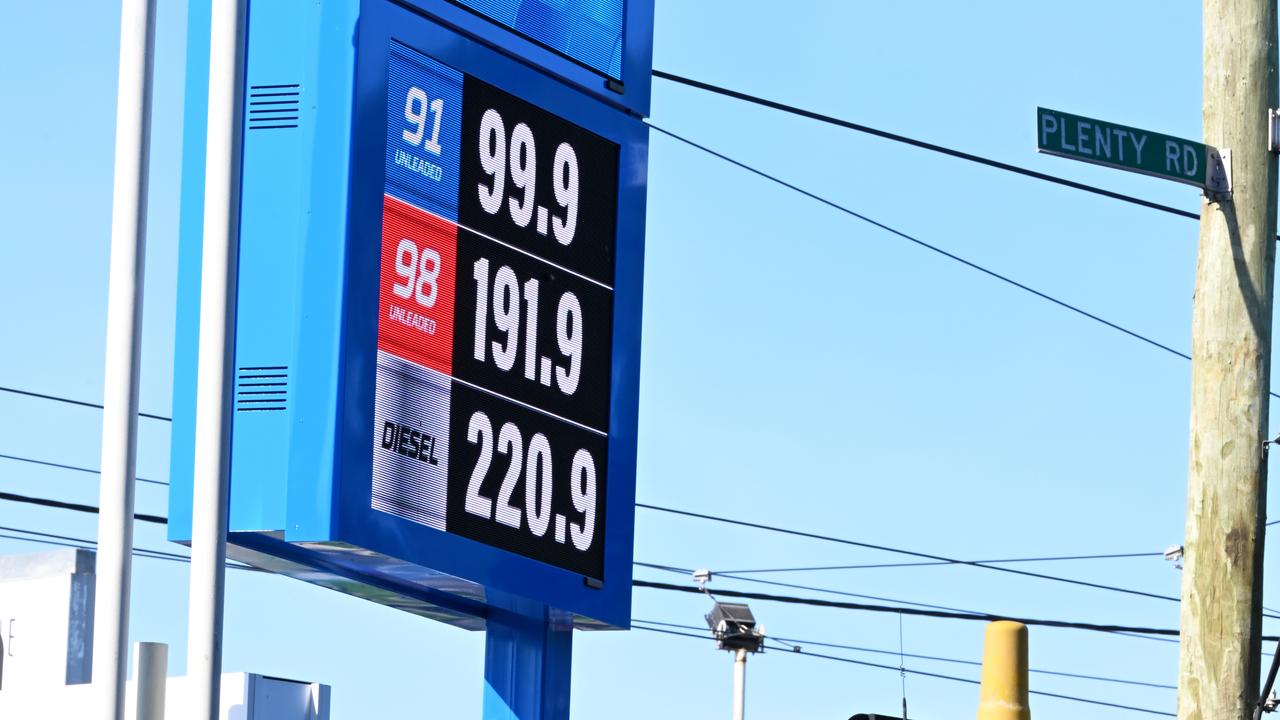
Amid the broader economic concerns, there are small signs of relief for Australian motorists heading into the upcoming Anzac Day long weekend. Wholesale fuel prices have been falling steadily for several weeks, and these declines are now being passed on to consumers at the pump, according to Peter Khoury, a spokesperson for the NRMA motoring association. Over the past three weeks, wholesale diesel prices have dropped by one Australian dollar per litre, while wholesale unleaded petrol has fallen by 70 cents per litre.
“Some good news finally for motorists,” Khoury said Thursday from Sydney. NRMA price tracking shows the majority of Australian retailers are now in the lower half of the national price range, with half of all Sydney service stations selling unleaded petrol for less than $1.90 per litre. “It is very clear that we’re in a better position than we were a couple of weeks ago, and that should continue into the long weekend, although looking at what is going on over the Middle East who knows how long that will last,” he added, urging motorists to compare prices using dedicated fuel price apps to lock in the lowest possible rates.
Even with recent price declines, however, industry analysts warn that the threat of sky-high fuel prices has not passed. New modelling from Primera Research shows that Australian diesel prices were on track to hit $3.90 per litre earlier this month, a crisis that was only averted by two temporary interventions. First, the federal government implemented a temporary cut to fuel excise and paused 32 cent-per-litre heavy vehicle road user charges for three months. Second, fuel retailers voluntarily absorbed massive losses to keep prices from spiking, collapsing their average profit margins to just 1.7% – far below the standard 9.8% margin.
“The $3.90 moment passed. But the costs that prevented it didn’t disappear; they were deferred,” said Robert Beerworth, managing director of Primera Research. The temporary federal excise cut is set to expire on July 1, which will trigger an overnight 32-cent-per-litre price increase that will ripple through the entire national economy. “Diesel moves every truck and every delivery in the country. When its price goes up, so does everything on the shelf,” Beerworth explained. Already, retailer profit margins are starting to recover to pre-crisis levels, pushing already absorbed costs back onto pump prices gradually – and the July excise cut expiry will bring all deferred costs to consumers at once. “The threat of $3.90-per-litre diesel had not evaporated,” he added.