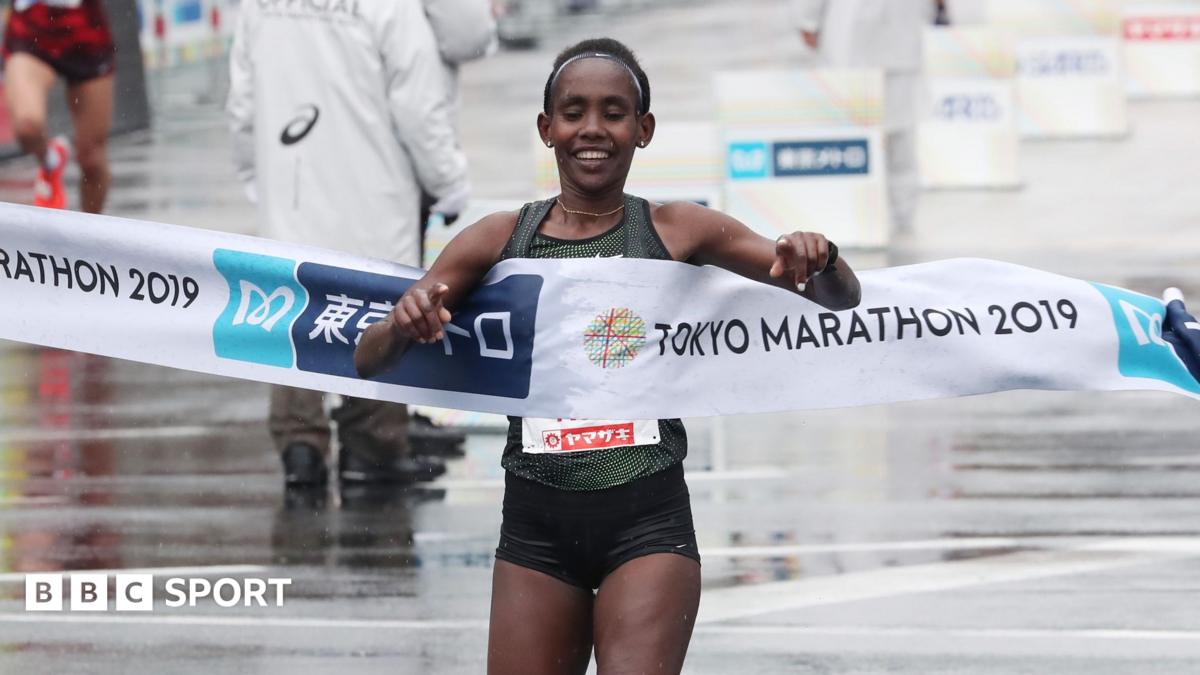
One of Ethiopia’s most decorated long-distance runners, Ruti Aga, has received a cumulative six-year competitive ban from global athletics regulators following a tangled doping and evidence tampering case that unraveled after a failed drug test earlier this year. The 32-year-old, who claimed top honors at the 2019 Tokyo Marathon in a time of 2 hours 20 minutes 40 seconds, first came under scrutiny after a post-race sample collected at a March half-marathon event in China returned a positive reading for methylprednisolone, a banned anti-inflammatory steroid classified as a performance-enhancing substance by the World Anti-Doping Agency (WADA).
When notified of the adverse test result, Aga attempted to justify the presence of the prohibited compound by stating it had been administered as part of medical treatment for a knee injury, and submitted a signed prescription as supporting documentation. An investigation launched by the independent Athletics Integrity Unit (AIU) quickly uncovered the submission was fraudulent: the medical clinic named on the prescription did not exist at all, and the individual listed as the prescribing doctor was a member of Aga’s own family with no active medical registration with any relevant governing health authority. The family member later told investigators they had repurposed an old prescription pad taken from a past workplace, but the facility named on the pad confirmed the relative had never been employed there, and no such prescription had ever been issued under its letterhead.
The AIU announced its ruling on Thursday, imposing an initial two-year suspension for the original anti-doping rule violation tied to the positive methylprednisolone test, followed by an additional four-year penalty for deliberate tampering with evidence and providing misleading, false statements to investigating officials. Aga, who has also notched three second-place finishes across World Marathon Majors events over the course of her career, has been under provisional suspension since September 10, 2024, and her full six-year ban will be retroactively calculated to begin on that date, effectively sidelining the elite athlete from all professional competitive athletics until at least 2030.