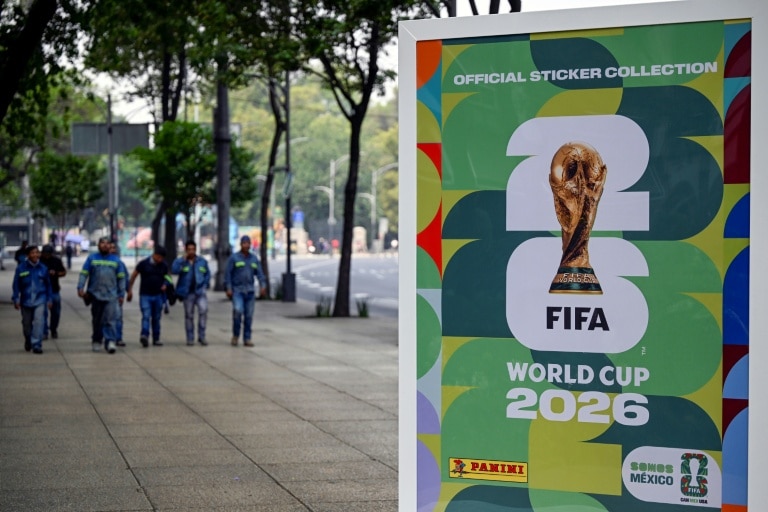
Just days after a controversial proposal to slash nearly six weeks off the 2026 academic year sparked national outcry, Mexican authorities have reversed the policy, walking back a plan tied to the upcoming co-hosted 2026 FIFA World Cup that drew fierce pushback from parents, policy experts and regional governments.
A government insider confirmed the cancellation to Agence France-Presse on Monday, marking a rapid policy reversal that unfolded over less than a week. The proposal first emerged Friday, when Education Secretary Mario Delgado announced the school year would wrap up on June 5 — a full 40 days ahead of the scheduled July 15 end date. Delgado framed the move as a dual adjustment for both the World Cup and an ongoing severe heat wave impacting much of the country.
But the announcement triggered immediate backlash from across the political and social spectrum. Two major host states outright rejected the plan before the federal reversal. In Jalisco, where Guadalajara will host four World Cup matches, regional officials only agreed to suspend classes for the four days of matches, sticking to the original academic calendar for all other dates. Nuevo Leon, home to match host Monterrey (also set to host four games), similarly confirmed it would ignore the federal proposal and keep its original school schedule intact.
Parents across the country raised alarms over lost learning time, while independent education think tank Mexico Evalua published a critical warning that the cut would exacerbate existing learning gaps for the nation’s 23.4 million primary and secondary students. The organization noted the reduction would cut already limited effective learning time even further, setting a generation of students behind academically.
By Monday, President Claudia Sheinbaum signaled the policy was headed for reversal, announcing that education and senior government officials would launch a new round of consultations to collect parent feedback and re-evaluate all available options. Sheinbaum reaffirmed that the academic year would proceed to its scheduled end on July 15, with the standard six-week summer vacation running from that date through August 31, when the next school year is set to begin.
Sheinbaum had previously noted that any adjusted schedule moving forward would be built around consensus, telling reporters, “The goal is for it to be a consensus decision. Now we need to listen.” She added that officials were open to minor adjustments that would allow some students to start the next year early while keeping the existing schedule for others, but no major cuts to instructional time would move forward without broad buy-in.
In addition to the academic calendar reversal, the President also moved to reassure the public that all necessary security measures will be in place for the tournament, and that all ongoing public infrastructure upgrades tied to the event remain on track. Key projects include renovations to the iconic Azteca Stadium in Mexico City and expansions to Mexico City International Airport, both of which Sheinbaum confirmed will be completed before the tournament kicks off.
The 2026 FIFA World Cup is a historic joint tournament hosted by Mexico, the United States and Canada, with the opening match scheduled for June 11 in Mexico City, where the Mexican men’s national team will face South Africa in the tournament’s first game.