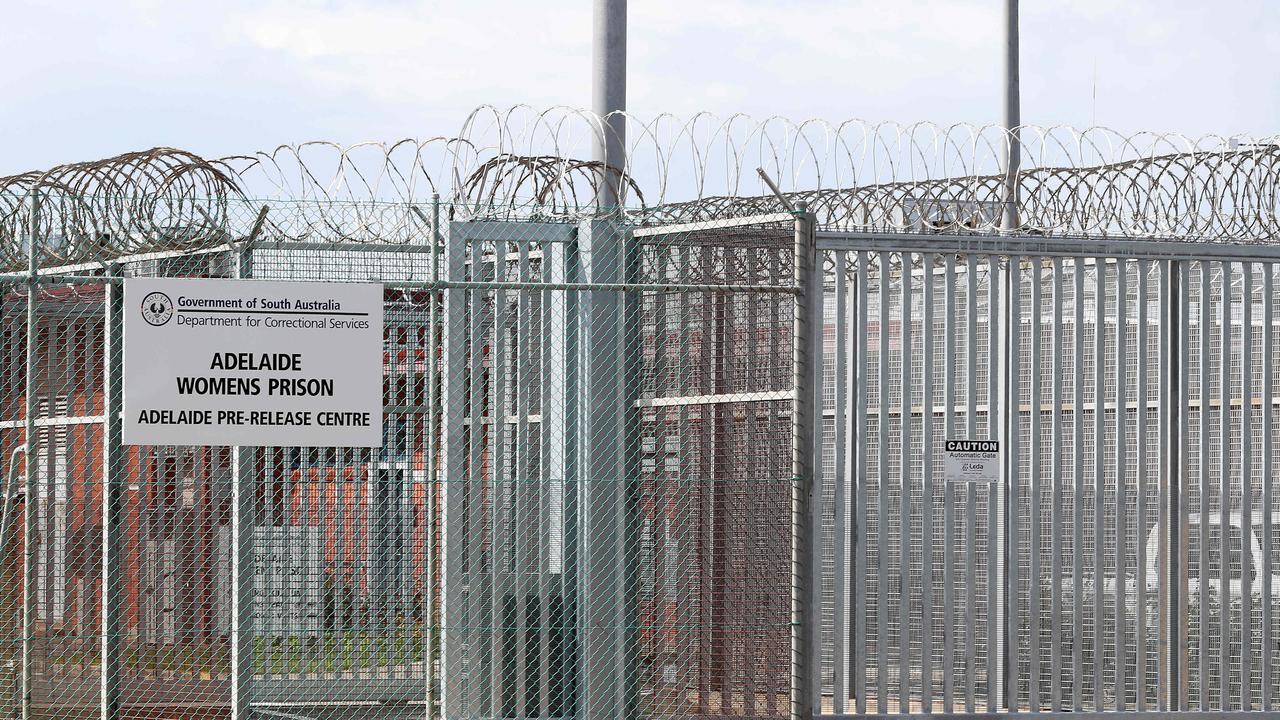
A peculiar security lapse at an Australian women’s prison has sparked fierce parliamentary scrutiny over the state of correctional facility safety in South Australia, after an inmate walked away from a minimum-security prerelease unit and returned two hours later with a hidden cache of alcoholic beverages.
The unusual incident unfolded last week at the Adelaide Women’s Prison, where the unidentified prisoner left the facility’s prerelease center without any escort or authorization. She remained outside correctional custody for two full hours before voluntarily returning to the site—smuggling in multiple bottles of alcohol hidden on her person.
The breach came to a head on Thursday, when Correctional Services Minister Michael Brown faced intense questioning from parliamentary members over the mishap, an event that has reignited widespread public debate about whether the state’s prison system can guarantee adequate safety for both the public and people incarcerated within the system.
While Brown acknowledged that the unapproved absence of an incarcerated person is a serious issue that demands full investigation, he pushed back against growing criticism that the incident points to systemic failure across South Australia’s correctional network. He told parliament the security breach was a single, isolated case, not evidence that all state prisons are fundamentally insecure.
“I can give a full assurance to the people of South Australia that our correctional service delivers complete protection to the broader community,” Brown stated in his address. “I am not seeking to downplay the severity of what happened—any unapproved absence from a correctional facility is a problem, which is exactly why a formal review is already underway. At the same time, we must keep this incident in context: this was an individual from a minimum-security prerelease center who was only absent for two hours. There is no need to exaggerate the situation and stoke unnecessary fear among community members.”
But opposition leaders have rejected the minister’s framing, warning that the lapse exposes dangerous gaps in facility security. Opposition correctional services spokesman Tim Whetstone questioned what could have happened if the inmate had chosen to smuggle in something far more dangerous than alcohol. “What protocols are in place to stop an inmate from sneaking back into the facility with a weapon?” Whetstone asked, adding that this incident is far from an isolated one.
“This is not the first time a prisoner has managed to leave custody without permission,” he noted. “By my count, this is the second such incident in just six months.”
In response to opposition questions, Brown reaffirmed that appropriate security measures are already in place across all state correctional facilities, and the ongoing review will identify any adjustments needed to prevent similar lapses from occurring in the future.