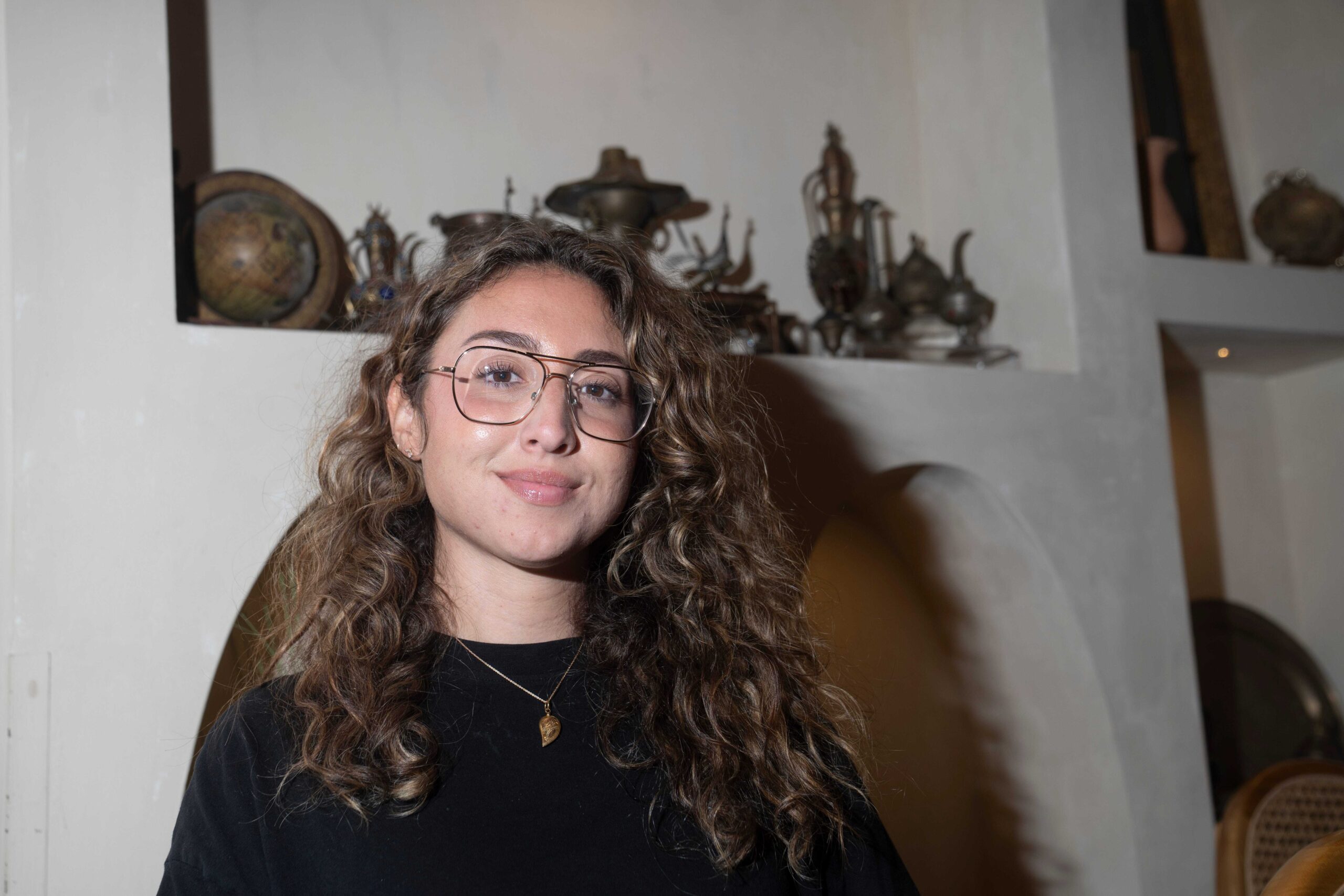
Two prominent Palestinian-American public figures and online advocates, Alana Hadid and Jenan Matari, spent two years crafting a young adult nonfiction manuscript centered on Palestinian history, which they hoped would serve as a accessible educational tool for teen readers to understand the realities of Palestinian displacement and anti-occupation struggle. The pair initially secured a highly anticipated publishing deal with Penguin Random House, the world’s largest trade publishing group, to release their work *Displacement and the Palestinian American Story* as part of the publisher’s Race to Truth series – a curated seven-book nonfiction collection designed to center marginalized community perspectives, including narratives from African American and Indigenous populations. What the authors expected to be a landmark opportunity to amplify underreported Palestinian history to a broad youth audience quickly unraveled amid a deeply unconventional, fraught editorial process. Matari, speaking on behalf of both authors to Middle East Eye, explained that the manuscript moved through multiple rounds of internal and external reviews, with input from the publisher’s legal and public relations teams, long before the authors were granted full access to the revised text. At the time the book was already listed for pre-order, with a scheduled September 2026 release, the pair had to formally petition Penguin Random House leadership in June 2026 just to review the full edited manuscript they had never approved. Upon accessing the text, the authors discovered multiple unauthorized, unilateral changes that distorted core historical and legal facts most notably, a line inserted into a chapter introduction that framed the events of October 7, 2023, as a violation of international law, with no corresponding context acknowledging that under established international humanitarian law, populations living under foreign military occupation hold the legal right to pursue armed resistance against that occupation. When Hadid and Matari pushed to remove the misleading line, they say Penguin Random House leadership explicitly told them the entire book would be deemed unpublishable if the disputed text was cut, and admitted outright that editorial teams’ top priority was not factual accuracy. The authors also reported that the publisher pressured them to swap historically precise terminology referencing pre-1948 Jewish paramilitary groups – terms the pair had sourced directly from period reporting in outlets including *The New York Times* and *The London Times* – to falsely equate the labels “Jewish,” “Zionist,” and “Israeli,” a framing Matari rejected as not only historically false but also dangerous to the safety of global Jewish communities by conflating religious identity with a specific political nationalist movement. Matari stated that the edits appeared designed to cater to a Zionist framing of Palestinian history, prioritizing the comfort of readers sympathetic to Israeli state narratives over documenting verified Palestinian lived experience and historical fact. Rejecting the publisher’s demands, Hadid and Matari formally walked away from the seven-figure mainstream publishing deal, secured full reversion of their manuscript rights, and partnered with independent, Palestine-focused Interlink Publishing to release their work as originally intended. This latest editorial dispute is the third recent high-profile case of institutional pushback against Matari’s pro-Palestine educational work: just weeks prior, she and a co-author filed a civil lawsuit against the Los Angeles Public Library over the cancellation of a planned Read Palestine Week event, alleging that baseless accusations of antisemitism and terrorist ties from a library staff member constituted viewpoint discrimination and a violation of First Amendment free speech protections. Last year, a promotional event for Matari’s previously released Palestinian children’s book *Everything Grows in Jiddo’s Garden* at a New Jersey bookstore was also scrapped following a targeted pressure campaign from pro-Zionist groups. Matari told Middle East Eye that the repeated pattern of censorship is rooted in widespread institutional discomfort with introducing young audiences to unvarnished decolonial Palestinian history, but that the pushback only fuels her commitment to the work, noting that the fierce institutional backlash is a clear sign the material is filling a critical unmet educational gap. Middle East Eye reached out to Penguin Random House for an official statement on the allegations, but received no response at the time of publication.
‘A Zionist framing of Palestinian history’: Why a book on Palestine was pulled from its publisher