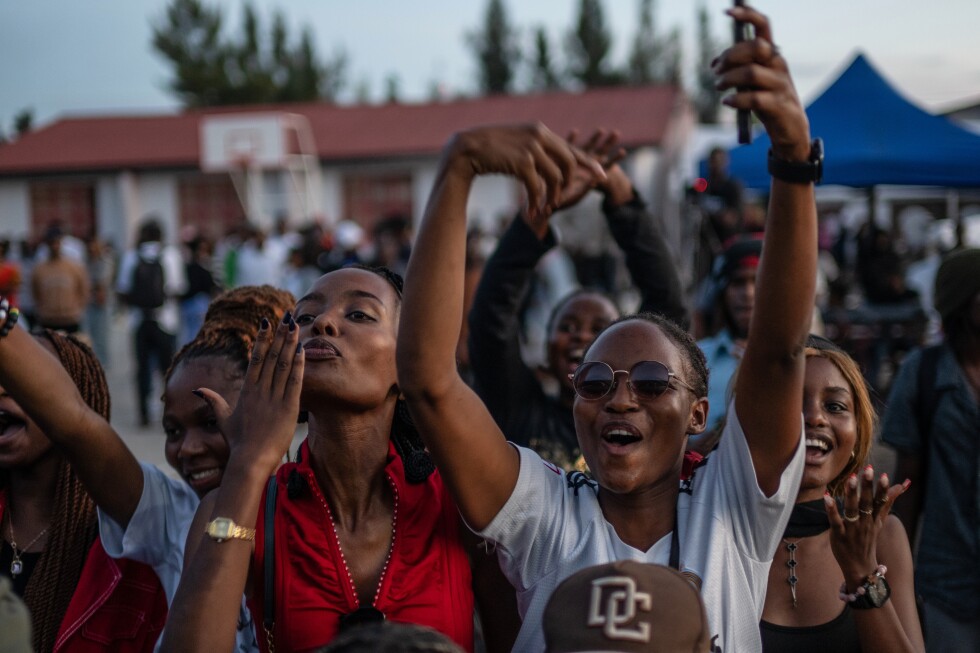
GOMA, Democratic Republic of Congo — Against a backdrop of ongoing conflict, the seventh annual “Musika na Kipaji” women’s music festival concluded in Goma with powerful performances that transformed the stage into a platform for peace advocacy and female empowerment. The three-day event, attended by nearly 3,000 people according to organizers, featured Congolese rapper Clem Cléopâtre whose rapid-fire lyrics championed social cohesion and unity.
The festival, specifically designed to campaign against gender-based violence while showcasing women’s artistic talents, took on heightened significance given Goma’s current occupation by the Rwanda-led M23 rebel group since January 2025. Despite a U.S.-brokered peace initiative led by former President Donald Trump intended to resolve decades of conflict, heavy artillery exchanges continue between rebels and Congolese military forces according to UN reports.
This persistent violence has triggered one of the world’s most severe humanitarian crises, displacing approximately 7 million people in eastern Congo. The conflict has also precipitated a dramatic surge in sexual violence, making the festival’s mission particularly urgent for participants.
“I originate from a region where warfare can erupt spontaneously, a reality we’ve known since childhood,” Cléopâtre told The Associated Press. “This reality fuels my motivation—I urge young people, especially women who frequently face neglect, to recognize they aren’t alone. My music serves as testament to their significance.”
Festival attendees described the event as increasingly precious in a city where violence dominates daily life. The gathering provided rare space for community rebuilding across social divisions. Jean Luc Maroy, one participant, noted: “This unity among youth was unimaginable a year ago due to the war. Here we channel our frustrations creatively, witnessing young people united through culture and women’s leadership.”
As colorful performers danced across the stage and audience members sang along, blowing kisses to performers, the festival demonstrated how cultural expression persists as both resistance and hope mechanism even amid profound humanitarian challenges.