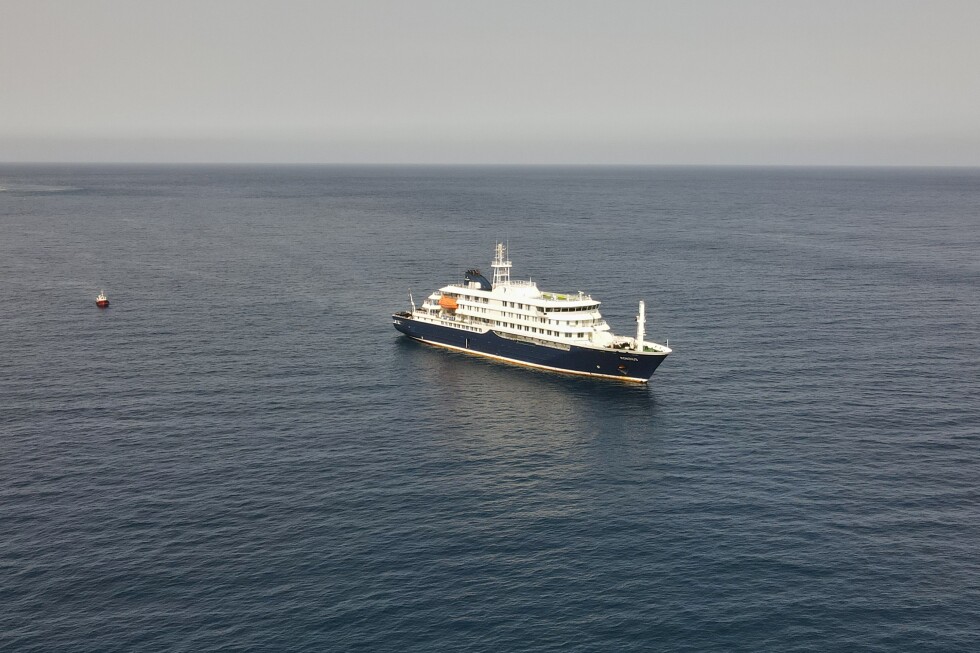
A rare and deadly hantavirus outbreak that unfolded over several weeks aboard the Dutch-flagged cruise ship MV Hondius during a transatlantic voyage has left at least three passengers dead and multiple others infected, triggering a global contact tracing effort across more than half a dozen countries.
Hantavirus is a rare infection most commonly spread by rodents, though one specific strain – the Andes virus identified in this outbreak – is the only variant believed capable of limited person-to-person transmission. The World Health Organization (WHO) has emphasized that the broader public risk remains low, as the virus does not spread easily between people.
The timeline of the outbreak began on April 1, when the MV Hondius departed Ushuaia, Argentina, on a planned itinerary that included stops in Antarctica and remote South Atlantic island destinations. Five days into the voyage, a 70-year-old Dutch passenger developed initial symptoms of fever, headache, and mild diarrhea. According to WHO records, the man and his wife had completed sightseeing trips in Ushuaia and other regions of Argentina and Chile prior to boarding the ship.
By April 11, the first patient developed acute respiratory distress and died while the ship was still at sea. The cruise line reported that no definitive cause of death could be confirmed at that time. The vessel continued its journey, stopping at the remote British territory of Tristan da Cunha on April 15 to pick up six additional passengers, with the first victim’s body remaining on board.
It was not until April 24 that the body was offloaded at St. Helena, another British South Atlantic territory. The victim’s wife, who had also developed symptoms, and more than two dozen other passengers disembarked at the port. One day later, the symptomatic Dutch woman boarded a commercial flight with 88 passengers and crew from St. Helena to South Africa, though it remains unclear how many other former passengers of the MV Hondius were on the same flight.
On April 26, the woman collapsed at a South African airport while waiting to board a connecting flight to her home, and later died. A day later, as the ship departed St. Helena, a third British passenger fell ill and was evacuated first to Ascension Island, then transferred to a hospital in South Africa for intensive care, where he presented with high fever, shortness of breath, and pneumonia – a known complication of hantavirus infection. On April 28, a fourth passenger, a German woman, developed symptoms as the ship sailed toward Cape Verde off West Africa’s coast.
Nearly a month after the first case fell ill, on May 2, the German woman died on board, marking the outbreak’s third fatality. The same day, test results from the hospitalized British patient returned a positive confirmation for hantavirus, marking the first formal identification of the pathogen in the outbreak. On May 3, WHO announced it was supporting the response to the suspected outbreak as the ship arrived in Cape Verdean waters.
Posthumous tests on the Dutch woman returned a positive hantavirus result on May 4, prompting WHO to formally classify the event as a full outbreak. The following day, the MV Hondius entered a 24-hour standoff with Cape Verdean authorities: the country dispatched medical workers to the vessel to assess the situation, but banned all passengers and crew from disembarking over transmission fears. At that time, two crew members – including the ship’s doctor – were seriously ill, with a third patient under active monitoring.
On May 6, the three affected crew members were evacuated, with two testing positive for hantavirus, and flown to specialized medical facilities in Europe. Spain subsequently approved the vessel’s request to dock in the Canary Islands, and the ship set sail with more than 140 remaining passengers and crew on board. The same day, Swiss health authorities confirmed a fifth positive case in a passenger who had disembarked earlier at St. Helena, bringing the total confirmed case count to five. Testing confirmed the pathogen was the Andes virus, the hantavirus strain native to Argentina and Chile that is capable of limited person-to-person spread.
As of May 7, health authorities across South Africa, Switzerland, the United Kingdom, the Netherlands, France, Singapore and multiple other countries have launched contact tracing operations, and are isolating all passengers who disembarked the MV Hondius at previous stops, along with any individuals who may have had close contact with them.