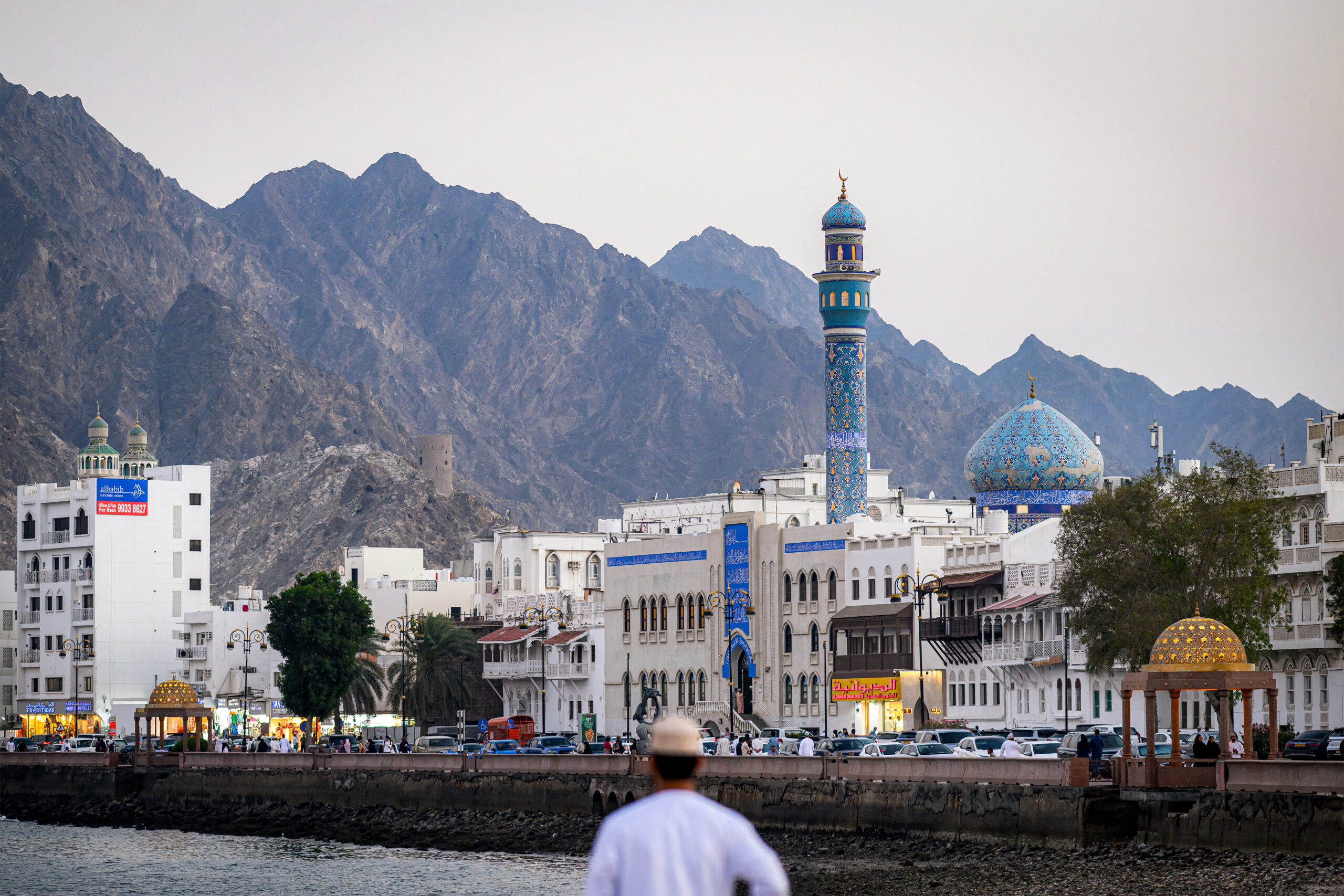
Against a backdrop of escalating geopolitical volatility across the Gulf region tied to ongoing US-Israeli military confrontations with Iran, Oman’s capital markets are outpacing all neighboring peers, positioning the sultanate to claim the title of the Gulf’s top-performing stock exchange by 2026. Data from the Muscat Securities Market’s MSX30 benchmark index reveals a 22% year-to-date surge, a stark contrast to the performances of other major regional exchanges. The Dubai Financial Market General Index, the second-strongest performer in the Gulf, has posted an 8.7% year-to-date gain, while Saudi Arabia’s Tadawul bourse has dipped 3% over the same period. For context, the US S&P 500 index has risen 6.4% year-to-date, a rebound following a steep correction in the artificial intelligence and broader tech sectors. Both Saudi and Dubai’s markets have only recently recovered from sharp early-year losses triggered by the outbreak of open hostilities between the US, Israel, and Iran. Oman’s standout economic and market trajectory comes despite high-profile public hostility from former US President Donald Trump, who threatened to “blow up” the sultanate during earlier negotiations over traffic management in the Strait of Hormuz — a critical global chokepoint that spans the territorial waters of both Iran and Oman. Notably, the Trump family’s real estate portfolio holds a licensing deal for its brand to be used at a golf resort in Oman. Geopolitical tensions in the Persian Gulf remain at a fever pitch: the US has carried out targeted strikes on Iranian military assets and commercial vessels, while Iran has launched retaliatory attacks on civilian shipping in the Strait of Hormuz and targeted military sites in neighboring Gulf states. Most recently, Kuwait accused Iran of a Thursday strike that killed two Italian soldiers at a local military installation; Tehran has denied responsibility, though it has openly carried out confirmed attacks in recent weeks on Kuwait and Bahrain, both of which host permanent US military bases. Independent regional analysts attribute Oman’s outlier economic success directly to its deliberate neutral diplomatic posture amid the conflict. A June report from Middle East Eye outlined how Oman’s unique geographic positioning, long-standing tradition of shuttle diplomacy, and pragmatic business strategy have positioned it as a leading beneficiary of a shifting Gulf regional order, marked by a newly emboldened Iran and eroding trust in the longstanding US security umbrella that has long shielded Gulf monarchies. In the months preceding the outbreak of open war, Muscat served as a secret backchannel mediator between Tehran and Washington. Omani Foreign Minister Sayyid Badr Albusaidi made a last-minute public plea for de-escalation and diplomatic resolution in the immediate lead-up to the US-Israeli strike on Iran, a call that was entirely dismissed by policymakers in Washington. Though Oman actively lobbied against launching the war, its neutral status has made it an increasingly attractive safe haven for global investors and multinational corporations, who are actively seeking jurisdictions that have avoided the wave of Iranian strikes targeting states aligned with the US and Israel. Compounding this advantage, Oman’s territory extends well beyond the Strait of Hormuz, with thousands of kilometers of unobstructed Indian Ocean coastline. During the first months of the conflict, the sultanate’s two flagship ports saw unprecedented spikes in rerouted maritime traffic: Sohar Port recorded a 1,766% surge in requests for ships to change their declared destinations to dock at the facility in March, while Salalah Port saw an 800% rise in rerouting requests, according to data from maritime intelligence firm Windward. Oman is also rapidly emerging as a critical overland and maritime trade corridor for landlocked and conflict-disrupted markets across the Gulf, including its much larger neighbor Saudi Arabia. The core reason Oman has avoided the brunt of Iranian retaliatory strikes is its explicit decision to refuse joining the US and Israeli military campaign against Tehran, paired with a unique model of hosting US military access that mirrors the limited basing agreements used by many European nations. While Oman holds the distinction of being the United States’ oldest treaty partner in the Gulf, with bilateral ties dating back to 1833, it does not host any permanent US military bases or stationed US troops — a stark difference from Bahrain, Qatar, Kuwait, the United Arab Emirates, and Saudi Arabia, all of which host large permanent US military contingents. Instead, the US only holds a limited “access agreement” that grants its forces temporary, pre-approved use of Omani port and airfield facilities. Earlier this year, Foreign Minister Albusaidi publicly stated that the US was pursuing its military campaign against Iran exclusively to advance Israeli national interests, and warned that Iranian strikes on Gulf states hosting permanent US military bases were an inevitable consequence of that alignment. Projections from the International Monetary Fund underscore Oman’s relative economic strength: the IMF forecasts Iran’s domestic economy will grow 4% this year, while every other Gulf Cooperation Council member state is on track to record an economic contraction, with the GCC as a whole projected to shrink by 4.8% for the full year.