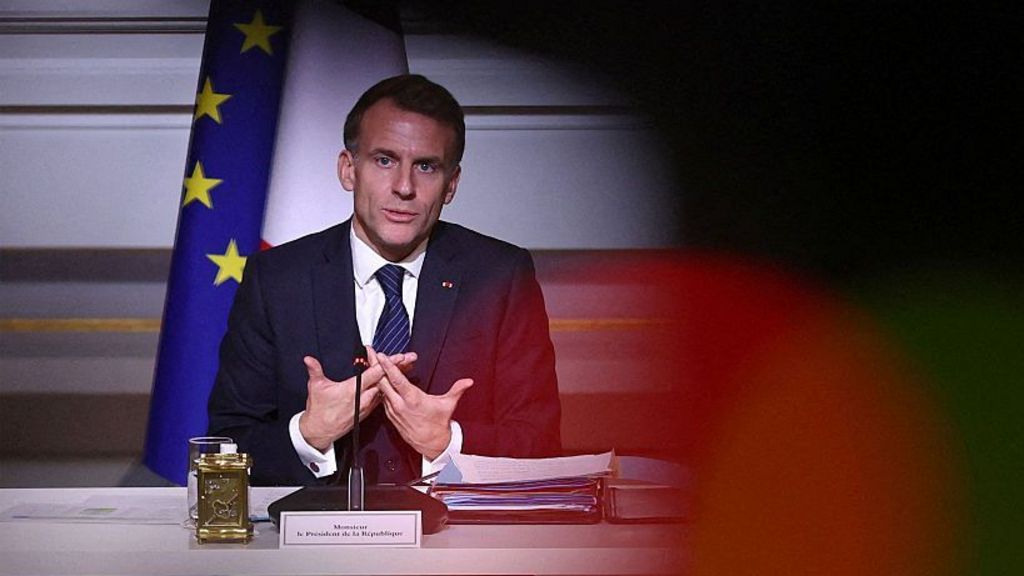
After 12 gruelling hours of closed-door deliberations at a special Brussels European Council summit on Thursday, European Union heads of state and government failed to reach a consensus on the bloc’s landmark 2028-2034 multi-year budget, formally deferring all critical negotiations to a two-day follow-up gathering scheduled for 17 and 18 December. The impasse laid bare deep, long-simmering ideological and national interest divides that have paralysed budget talks ever since the European Commission tabled an initial €2 trillion spending proposal earlier this year. The core split pits a coalition led by France and Italy that pushes for robust, expanded public investment against a fiscally hawkish camp spearheaded by Germany, joined by Denmark and Austria, that is demanding aggressive spending cuts to prevent the bloc from accumulating unsustainable new debt. Proponents of a larger budget argue the funds are non-negotiable to future-proof EU agriculture, narrow regional economic gaps, and advance the bloc’s green and digital transition goals, while austerity-focused member states have pushed a revised framework that slashes total planned spending by €220 billion to €230 billion, bringing the proposed total down to €1.582 trillion — a figure that already earmarks €140 billion to repay joint EU borrowing taken out during the COVID-19 pandemic. Tensions boiled over at multiple points during Thursday’s marathon session, with four fiscally conservative nations, including Denmark and Austria, staging a temporary walkout midway through the proceedings. Compounding the budget deadlock is a separate, highly contentious proposal to extend a €45 billion dual-purpose loan package to Ukraine, covering both military and non-military support for the war-torn nation. A small group of member states including Hungary, Slovakia and the Czech Republic have openly rejected the loan plan, while German Chancellor Friedrich Merz repeatedly emphasized that unanimous sign-off from all 27 EU members is a non-negotiable precondition for passing the full multi-year budget, noting “The European Union comprises 27 member states, not 23 or 24.” A minor breakthrough emerged late in the talks when Bulgaria, which had previously opposed the Ukraine aid proposal, announced it would now back the portion of the earmark dedicated to non-military financial support for Kyiv. French President Emmanuel Macron emerged from the summit with a stark warning that any significant reduction to the long-term EU budget would constitute a catastrophic “strategic mistake” that would undermine the bloc’s global competitiveness and collective security. The negotiations also became unexpectedly entangled with France’s upcoming 2027 presidential election, where far-right frontrunner Marine Le Pen has vowed to drastically cut both French contributions to the EU budget and national aid to Ukraine if she wins office. Le Pen publicly derided the ongoing Brussels budget negotiations as “underhanded political manoeuvring to thwart the democratic will of the French people”, prompting a sharp retort from Macron, who dismissed her premature posturing, stating “It is an odd kind of arrogance to behave as if she is already in charge of France’s destiny because, as things stand, she has not been elected.” EU officials note that all multi-year budget frameworks require unanimous ratification from every member state, granting each national government an effective veto over the final deal. Separately, the European Council confirmed during the summit that prominent Spanish economist Pablo Hernández de Cos will succeed Christine Lagarde as President of the European Central Bank, taking office in February 2027.